इति ह आस“Thus indeed it happened”, the meaning of Itihasa

Five thousand years, as it happened

Every era, dynasty, temple and battle of Bharat, told with the inscriptions, coins and chronicles that prove it.

Pick a year. See who ruled.1010

Era

—

Dynasties ruling

—

Around this year

—
Granth · 106 books

Srimad Bhagavad Gita

All 18 chapters and all 700 shlokas: the Sanskrit, the transliteration, and the meaning of every verse in English and Hindi.

यदा यदा हि धर्मस्य ग्लानिर्भवति भारत । अभ्युत्थानमधर्मस्य तदात्मानं सृजाम्यहम्

Whenever dharma declines, O Bharata, and adharma rises up, then I bring Myself forth.Bhagavad Gita 4.7

On this day in Hindu history

498 events with an exact, documented date. A new page every morning.

Full calendar
——in Hindu history

Loading…

The river of dynasties

Every dynasty on one line of time, 600 BCE to 1950. Scroll sideways and tap any bar.

All 95 dynasties
600 BCE500 BCE400 BCE300 BCE200 BCE100 BCE01002003004005006007008009001000110012001300140015001600170018001900
Licchavis of Vaishali (Vajji gana)Haryanka dynasty of MagadhaShishunaga dynastyNanda dynastyMaurya empireEarly Cholas (Sangam age)Chera dynasty (Sangam Cheras to the Perumals of Mahodayapuram)Pandya dynastyShunga dynastyMahameghavahana dynasty of KalingaSatavahana dynastyKanva (Kanvayana) dynastyNingthouja kings of ManipurVakataka dynastyPallava dynastyGupta empireKadamba dynasty of BanavasiWestern Ganga dynasty of TalakadKamarupaLater Guptas of MagadhaPushyabhuti (Vardhana) dynastyMaukhari dynasty of KannaujChalukyas of BadamiGuhilas and Sisodias of MewarEastern Chalukyas of VengiKarkota dynasty of KashmirChahamanas (Chauhans) of Shakambhari and AjmerGurjara-PratiharasTomaras of Delhi and GwaliorPala dynastyRashtrakutas of ManyakhetaShilaharasHindu Shahis of Kabul and UdabhandapuraChandelas of JejakabhuktiImperial CholasKalachuris of TripuriUtpala dynasty of KashmirSomavamshis of OdishaChaulukyas (Solankis) of GujaratParamaras of MalwaChalukyas of KalyaniLohara dynasty of KashmirHoysalasKachwahas of Amber and JaipurSena dynastyEastern GangasGahadavalas of Kannauj and KashiKakatiyasSeuna Yadavas of DevagiriChutia kingdom of SadiyaZamorins (Samoothiri) of KozhikodeRathores of MarwarAhom kingdomMusunuri NayakasReddi kings of Kondavidu and RajahmundryVijayanagara Empire (Sangama, Saluva, Tuluva, Aravidu)Hada Chauhans of Bundi and KotaWodeyars of MysoreManikya kings of TripuraSuryavamshi Gajapatis of OdishaNayakas of Keladi (Ikkeri)Koch kings of Cooch BeharNayakas of MaduraiBundelas of Orchha and PannaNayakas of ThanjavurMaratha Chhatrapatis (Bhonsle)The Peshwas of PuneGaekwads of BarodaJats of BharatpurKings of TravancoreScindias (Shinde) of GwaliorHolkars of IndoreBhonsles of NagpurThe Sikh Empire (Sarkar-i-Khalsa)Dogras of Jammu and Kashmir
NorthWestEastDeccanSouthNorth-East

Samrajya: the great empires

From the Mauryas to the Marathas and from Angkor to Java: how far they reached and what they built.

All empires
Maurya Empire01
321 BCE – 185 BCE · Pataliputra

Maurya Empire

The first empire to bind most of Bharat together

Peak
Ashoka · 260 BCE
Reach
From Kandahar and Gandhara in the north-west to Bengal in the east and the Karnataka plateau in the south; Ashoka’s edicts stand from Kandahar to Brahmagiri.
  • Ashoka’s rock and pillar edicts, cut in Brahmi and Kharoshthi, with Greek and Aramaic versions at Kandahar
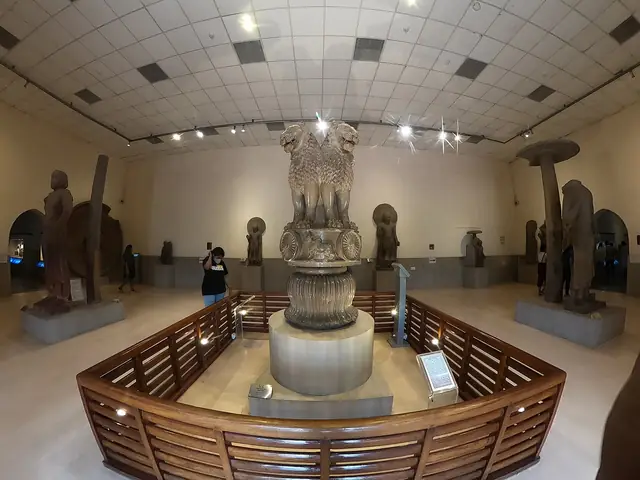
  • The polished sandstone lion capital of Sarnath, now the State Emblem of India
  • The Barabar rock-cut caves, polished like glass, given to the Ajivika ascetics
  • Megasthenes’ account of Pataliputra, its timber walls and its city boards

In 185 BCE the general Pushyamitra Shunga killed the last Maurya, Brihadratha, at a review of the army and took the throne.

Satavahana Empire02
100 BCE – 225 · Pratishthana (Paithan), later Dhanyakataka (Amaravati)

Satavahana Empire

Lords of the Deccan for nearly four centuries

Peak
Gautamiputra Satakarni · 124
Reach
Across the Deccan from the Konkan coast to the Krishna–Godavari delta, and north into Malwa and Saurashtra under Gautamiputra.
  • The Nashik cave inscription of Queen Gautami Balashri, recording her son’s victories
  • Lead and potin coins with the two-masted ship, from the age of their sea trade
  • The great chaitya hall at Karla and the cave monasteries of Nashik
  • The Gatha Saptashati, Prakrit verses gathered by tradition under King Hala

In the early 3rd century CE the kingdom broke into successor states, the Ikshvakus in Andhra, the Abhiras in the west and the Chutus in the south.

Gupta Empire03
319 – 550 · Pataliputra; Ujjayini as western seat

Gupta Empire

Gold dinars, Aryabhata’s age, early stone temples

Peak
Chandragupta II Vikramaditya · 401
Reach
The whole Ganga plain from Punjab to Bengal, with Malwa, Gujarat and Saurashtra after the Shaka war, and tributary kings as far south as Kanchi.
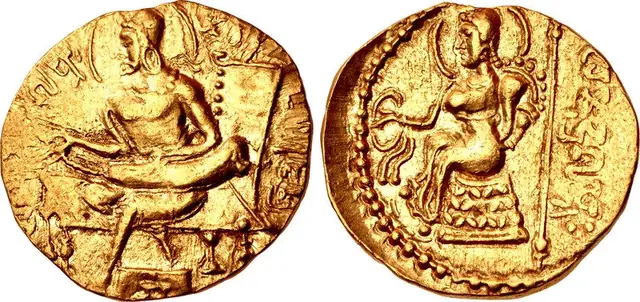
  • Gold dinars of fine weight showing archer, horseman and Ashvamedha types
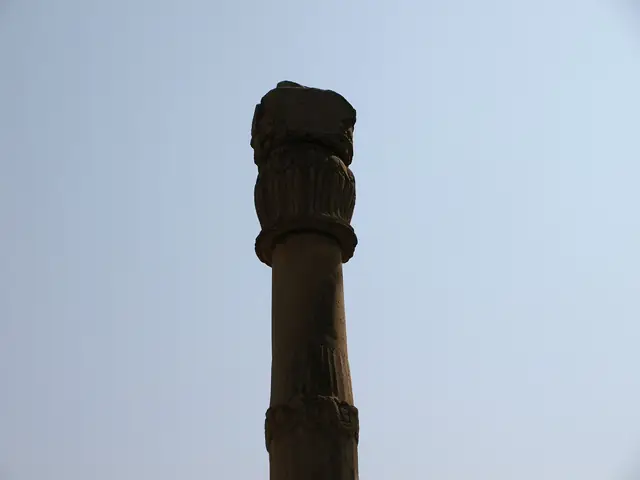
  • The Mehrauli iron pillar, still free of rust after sixteen centuries
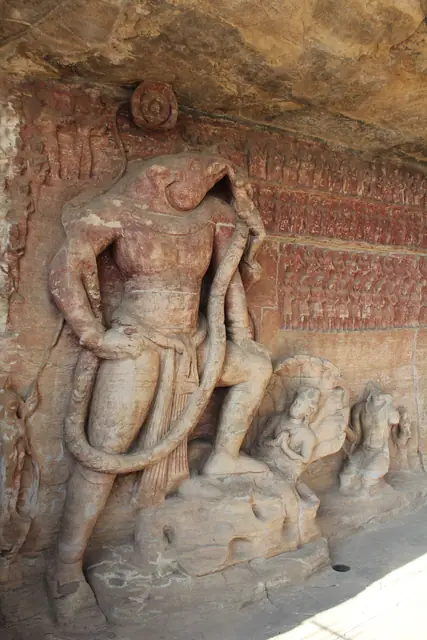
  • The Dashavatara temple at Deogarh and the Udayagiri caves with the Varaha panel (401 CE)
  • Aryabhata’s Aryabhatiya (499 CE) and the founding of Nalanda under Kumaragupta I

Worn down by the Huna wars, the empire lost its provinces to the Maukharis, the Later Guptas and other kings, and the imperial line ended around 550 CE.

Chalukyas of Badami04
543 – 753 · Vatapi (Badami)

Chalukyas of Badami

The Deccan power that stopped Harsha

Peak
Pulakeshin II · 634
Reach
From the Narmada to the Kaveri country, and from the Konkan coast across to Vengi in coastal Andhra.
  • The Badami cave temples, Cave 3 dated by its inscription to 578 CE
  • The Aihole inscription of Ravikirti (634 CE), which names Kalidasa and Bharavi
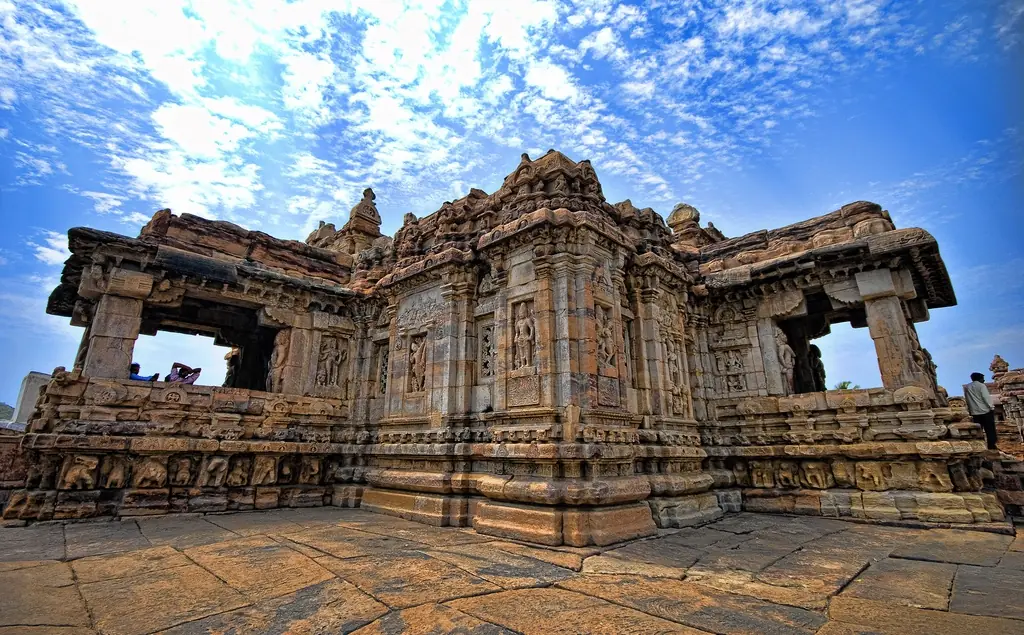
  • The Virupaksha temple at Pattadakal, raised by Queen Lokamahadevi around 740
  • The Eastern Chalukya branch planted at Vengi, which ruled Andhra for four centuries

Around 753 the Rashtrakuta Dantidurga overthrew Kirtivarman II and took the Deccan.

Karkota Empire of Kashmir05
625 – 855 · Pravarapura (Srinagar); Parihasapura under Lalitaditya

Karkota Empire of Kashmir

Kashmir’s age of conquest and the Martand temple

Peak
Lalitaditya Muktapida · 733
Reach
Kashmir and its hill country; by Kalhana’s account Lalitaditya’s armies defeated Yashovarman of Kanyakubja and campaigned far to the east and north.
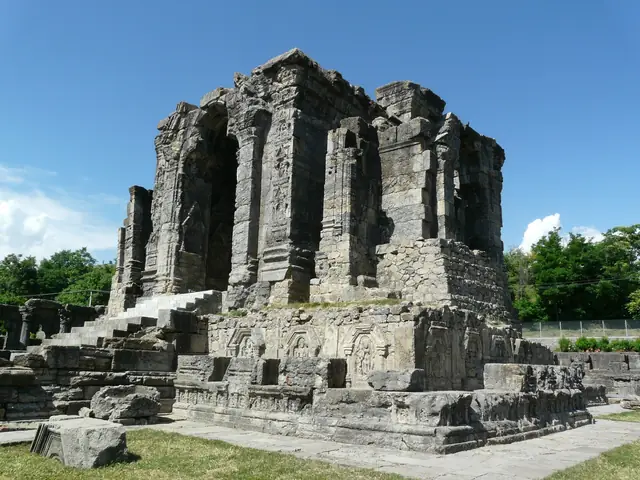
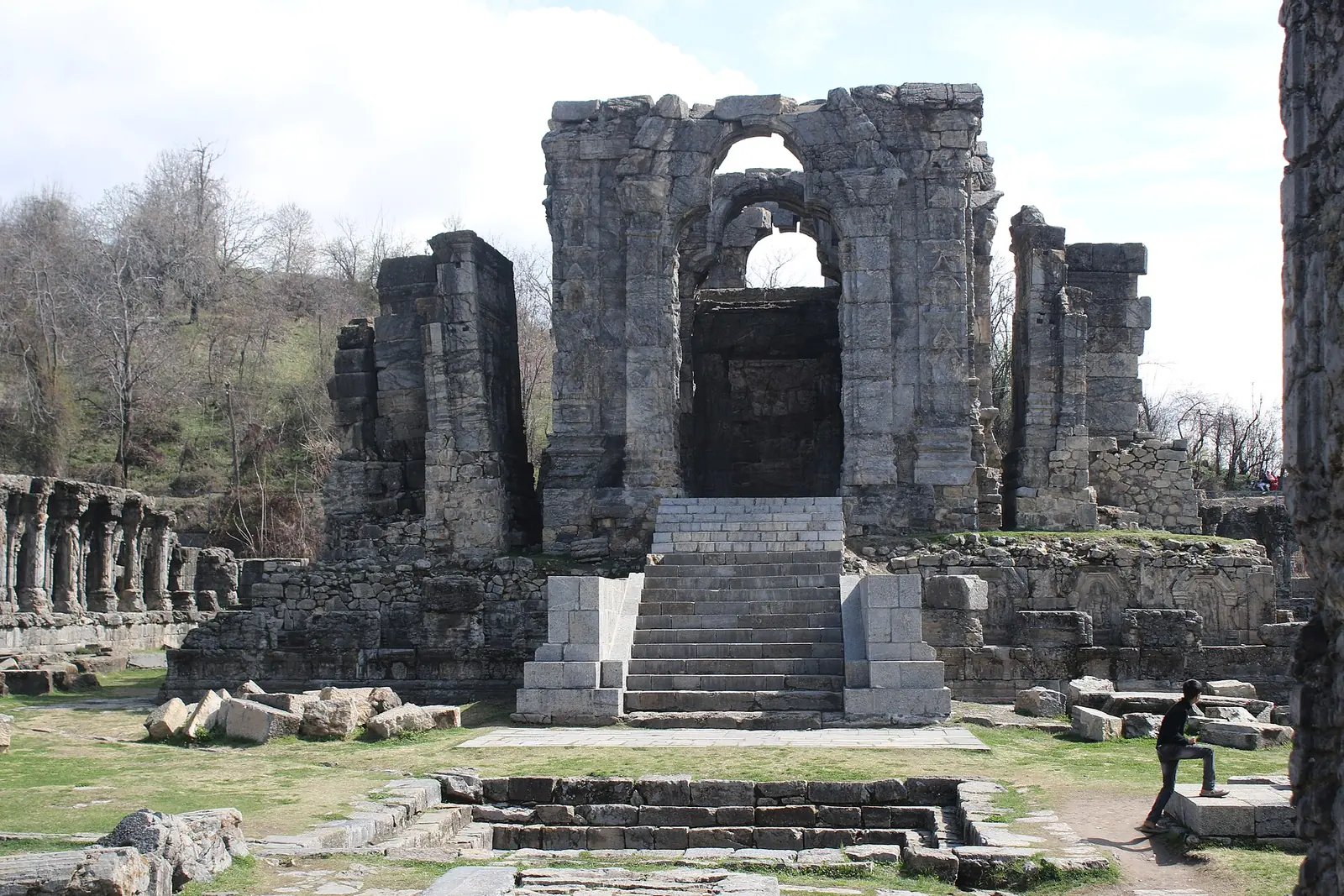
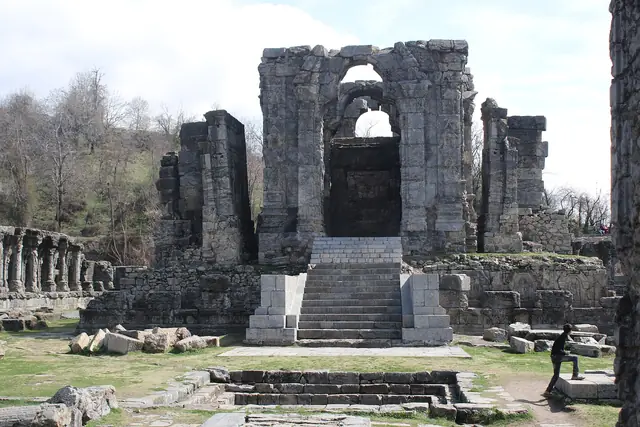
  • The Martand Sun temple, built by Lalitaditya on a plateau above Anantnag
  • Parihasapura, his new capital of temples and a great stupa
  • Embassies of Karkota kings recorded in the annals of Tang China
  • Xuanzang’s two years of study in Kashmir under Durlabhavardhana

Around 855 the weakened line gave way to Avantivarman, founder of the Utpala dynasty.

Srivijaya06
671 – 1300 · Palembang, later Jambi (Malayu)

Srivijaya

Buddhist sea empire of the Malacca Strait

Peak
Balaputradeva · 860
Reach
Southern Sumatra and the Strait of Malacca, with the Malay peninsula as far north as Kedah and Chaiya.
  • The Kedukan Bukit inscription (682), in Old Malay written in a Pallava-derived script
  • The Chinese monk Yijing studied Sanskrit grammar at Srivijaya in 671 on his way to Nalanda
  • A vihara at Nalanda funded by Balaputradeva, recorded in Devapala’s copper plate
  • The Chudamani vihara at Nagapattinam, built by a Srivijaya king with Chola grants (Leiden plates)

Weakened by the Chola raid of 1025, Srivijaya lost its hold on the straits and was eclipsed by the Javanese kingdoms in the 13th century.

Gurjara-Pratihara Empire07
730 – 1036 · Kannauj (Mahodaya)

Gurjara-Pratihara Empire

The wall that held the Arabs at bay

Peak
Mihira Bhoja · 850
Reach
From the borders of Sindh and Saurashtra across Rajasthan and Malwa to the Ganga plain as far as Bihar, and from the Himalayan foothills to the Narmada.
  • The Gwalior (Sagar Tal) inscription of Mihira Bhoja, recording Nagabhata I’s victory over the Arabs
  • Mihira Bhoja’s Adivaraha silver drammas, struck in huge numbers
  • The Arab merchant Sulaiman (851) calls the king of Juzr the strongest foe of the Arabs, with the finest cavalry in Hind
  • The poet Rajashekhara at the court of Mahendrapala, author of the Karpuramanjari and Kavyamimamsa

Mahmud of Ghazni took Kannauj in 1018, and the last Pratihara kings faded out by about 1036.

Pala Empire08
750 – 1161 · Pataliputra, Mudgagiri (Munger), later Ramavati

Pala Empire

Bengal’s empire of the great mahaviharas

Peak
Dharmapala · 800
Reach
Bengal and Bihar, and at Dharmapala’s height overlordship of Kanyakubja, where by his Khalimpur plate he installed Chakrayudha before the assembled kings of the north.
  • Vikramashila mahavihara, founded by Dharmapala
  • Somapura Mahavihara at Paharpur, one of the largest viharas south of the Himalaya
  • The Nalanda copper plate of Devapala, granting villages for a vihara built by the Srivijaya king Balaputradeva
  • The Pala school of stone and bronze images, carried by monks to Tibet and Java

By about 1161 the shrunken kingdom had passed to the Senas under Vijayasena.

Rashtrakuta Empire09
753 – 973 · Manyakheta (Malkhed)

Rashtrakuta Empire

The Deccan power that carved Kailasa from a hill

Peak
Govinda III · 800
Reach
The whole Deccan from the Narmada to the Kaveri, with northern campaigns under Dhruva and Govinda III that reached the Ganga–Yamuna doab.
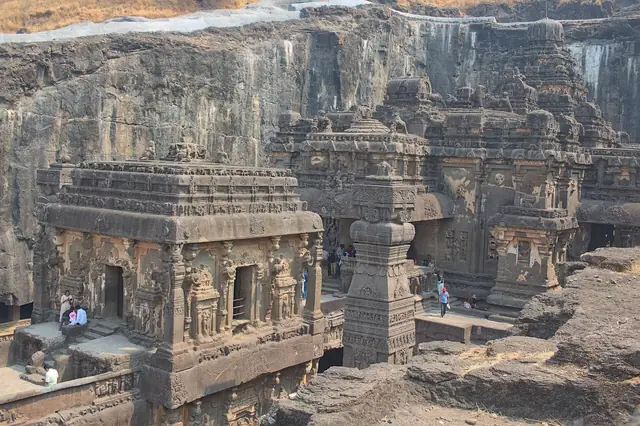
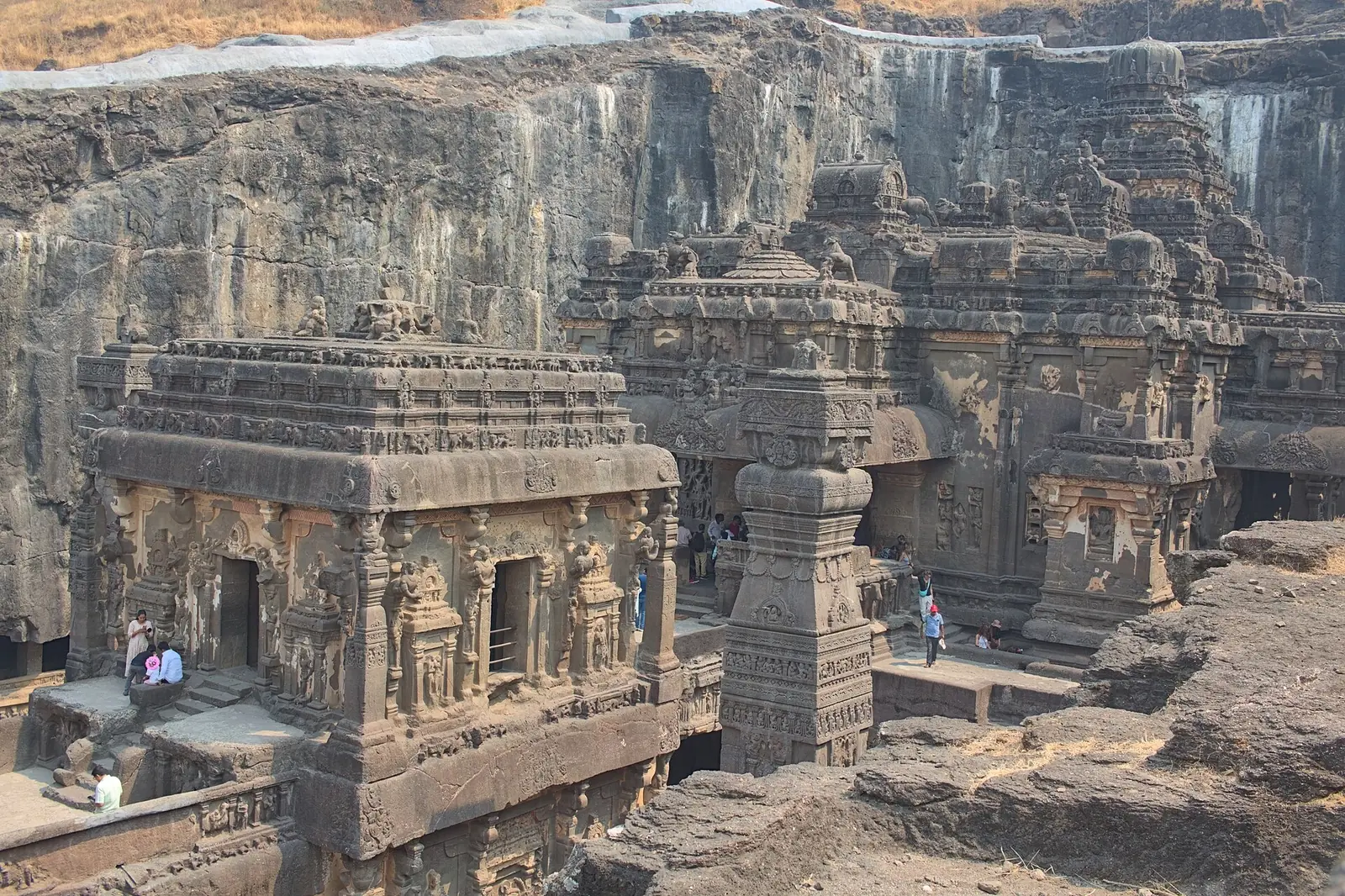
  • The Kailasa temple at Ellora, cut down into a single hill under Krishna I
  • The Kavirajamarga, the oldest surviving work in Kannada, from Amoghavarsha’s court
  • Arab writers counted the Balhara of Manyakheta among the four great kings of the world
  • Krishna III’s victory over the Cholas at Takkolam in 949

In 973 Tailapa II, a Chalukya feudatory, overthrew Karka II and founded the Chalukya line of Kalyani.

Khmer Empire10
802 – 1431 · Yashodharapura (Angkor)

Khmer Empire

Angkor, the greatest Vishnu temple on earth

Peak
Jayavarman VII · 1200
Reach
Cambodia with much of present-day Thailand, Laos and southern Vietnam.
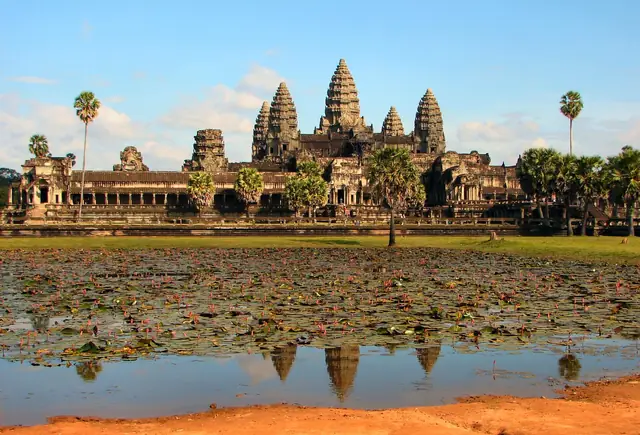
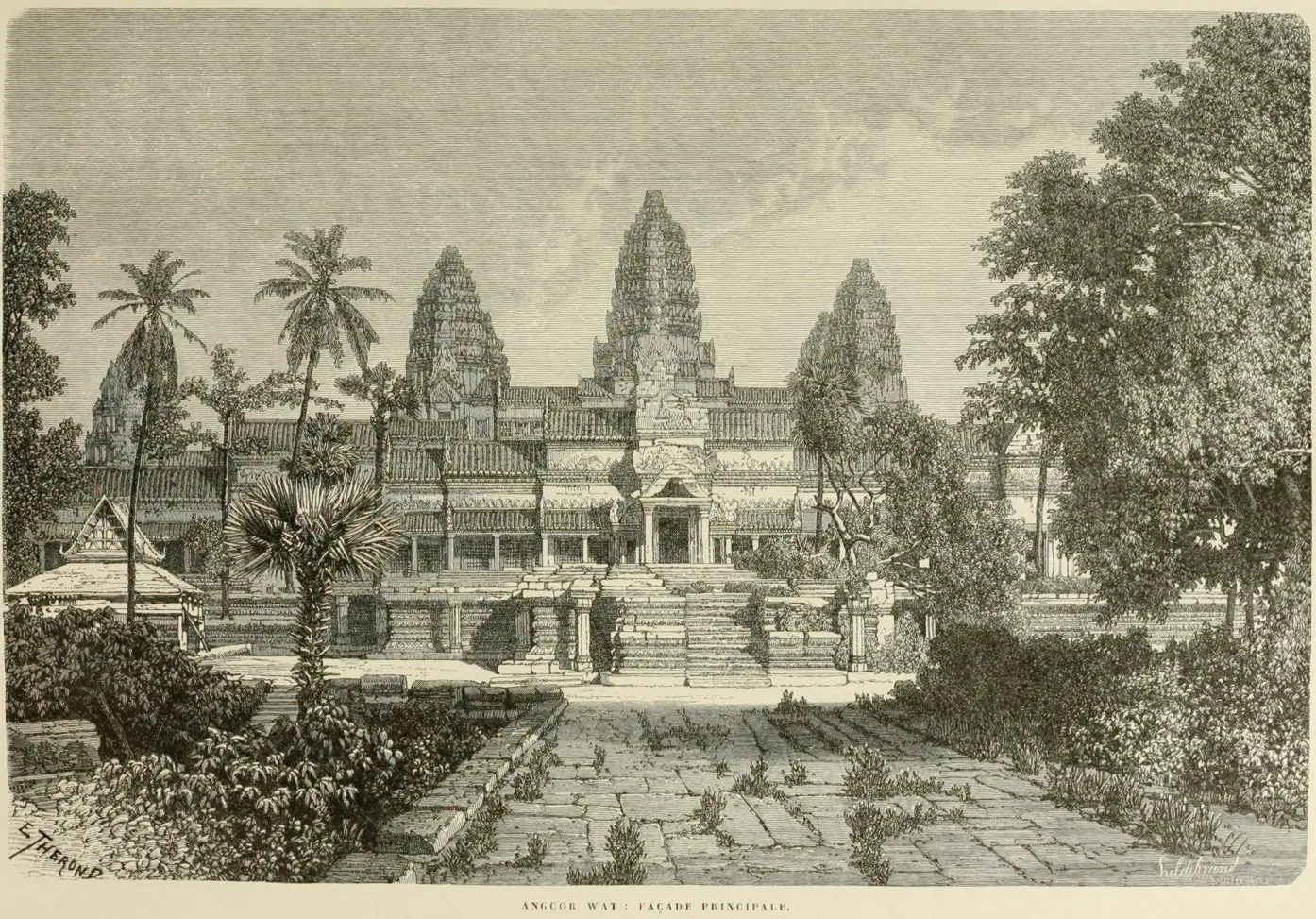
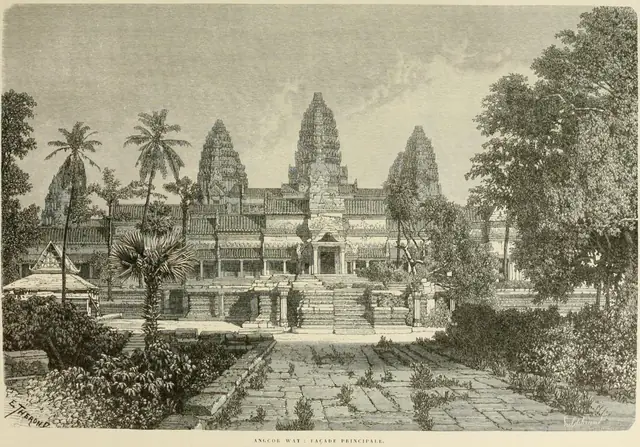
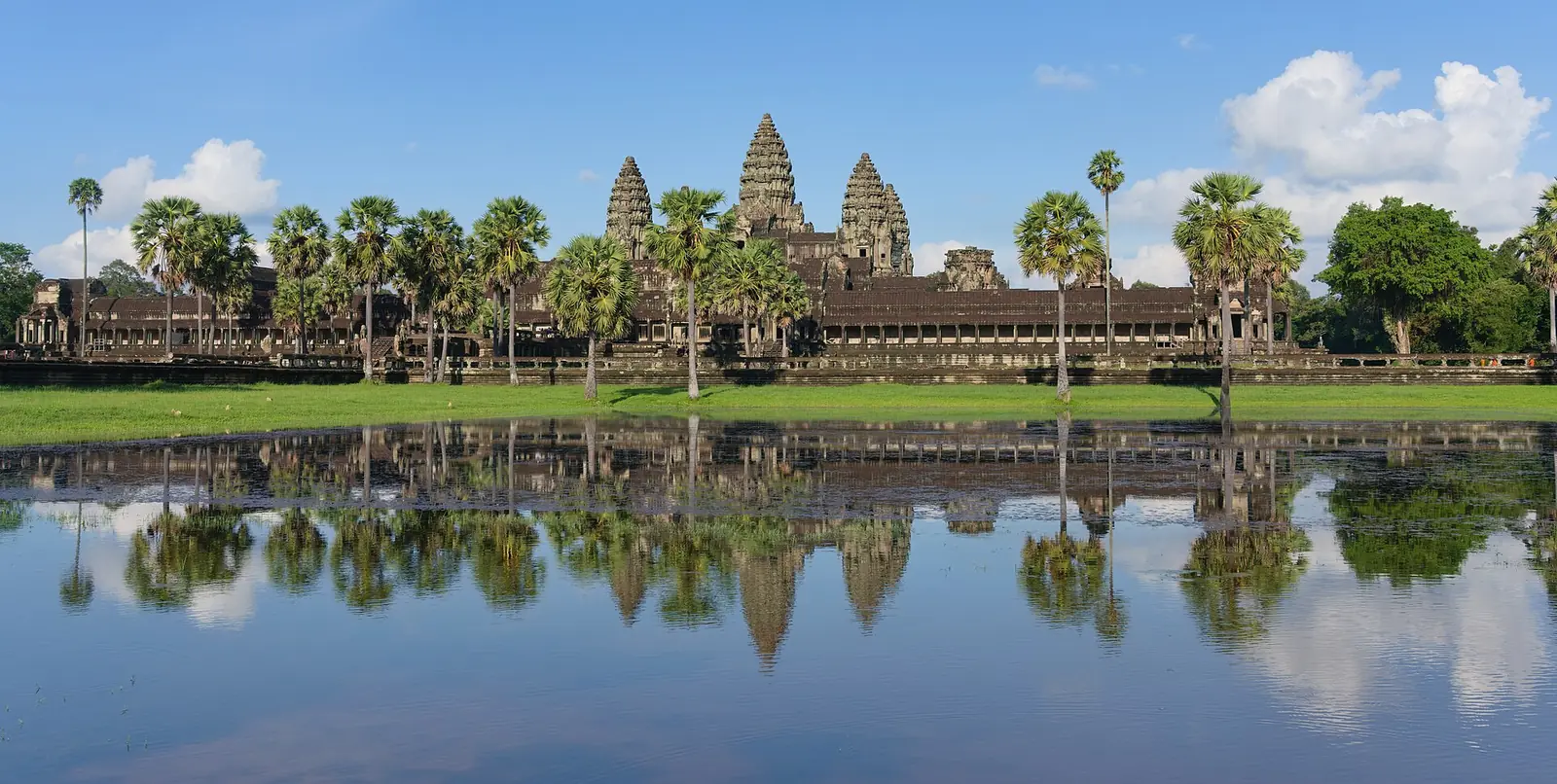
  • Angkor Wat, built for Vishnu by Suryavarman II in the 12th century
  • The barays, vast reservoirs that fed Angkor’s rice fields
  • The Sdok Kak Thom inscription (1052), recording the rite of 802 that founded the kingdom
  • Jayavarman VII’s Bayon and the hospitals and rest-houses his inscriptions list

Angkor was taken by the Thai kingdom of Ayutthaya in 1431 by the traditional date, and the court moved south towards Phnom Penh.

Chola Empire11
848 – 1279 · Thanjavur, then Gangaikonda Cholapuram

Chola Empire

Temple builders who sent fleets across the Bay

Peak
Rajendra Chola I · 1025
Reach
The Tamil country, Kerala and southern Karnataka, northern Lanka, the Maldives and Vengi, with armies to the Ganga and fleets to Kadaram and Srivijaya.
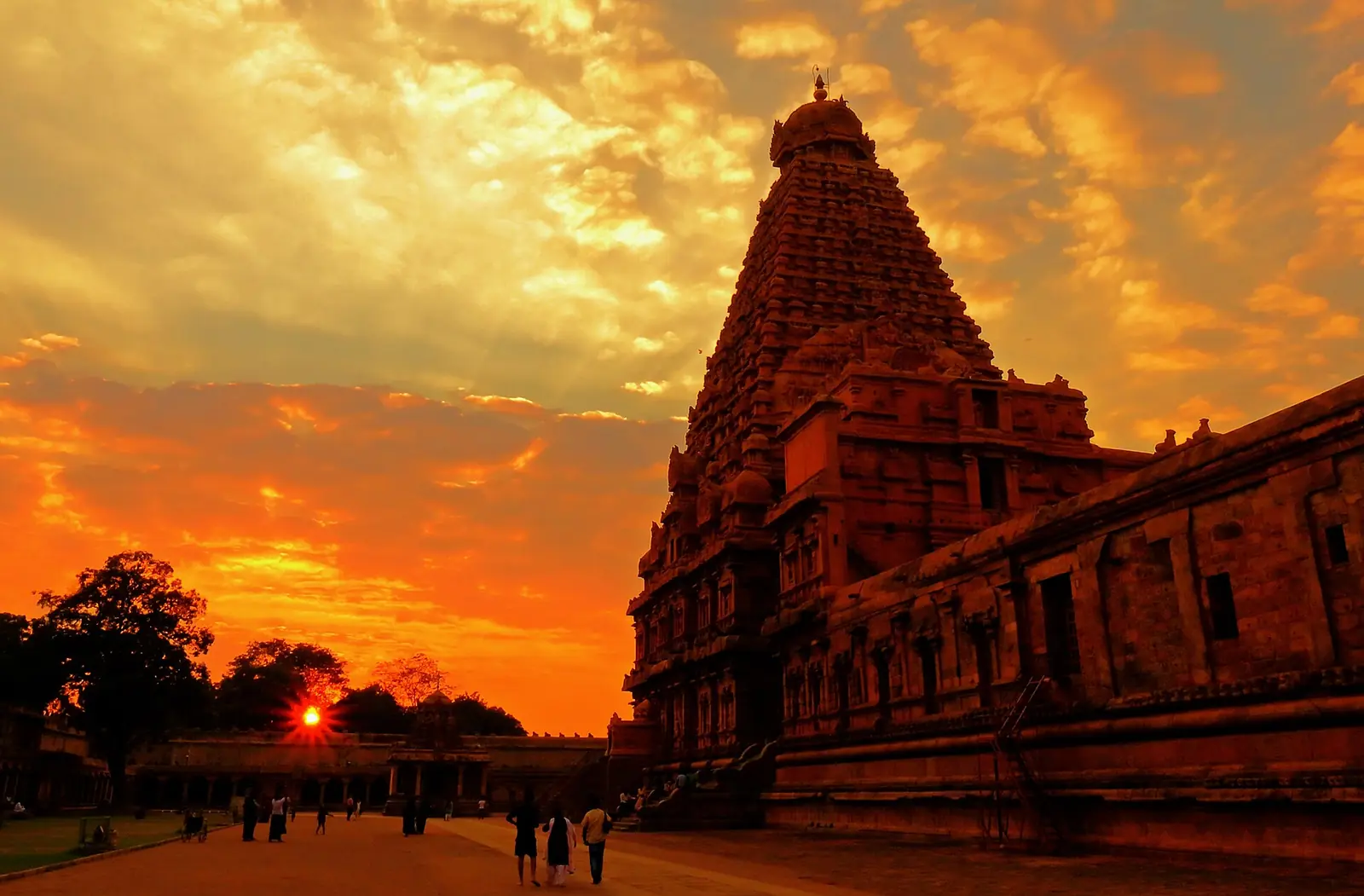
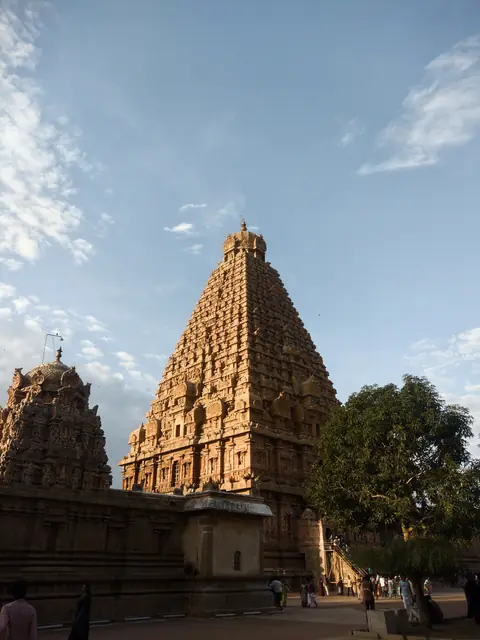
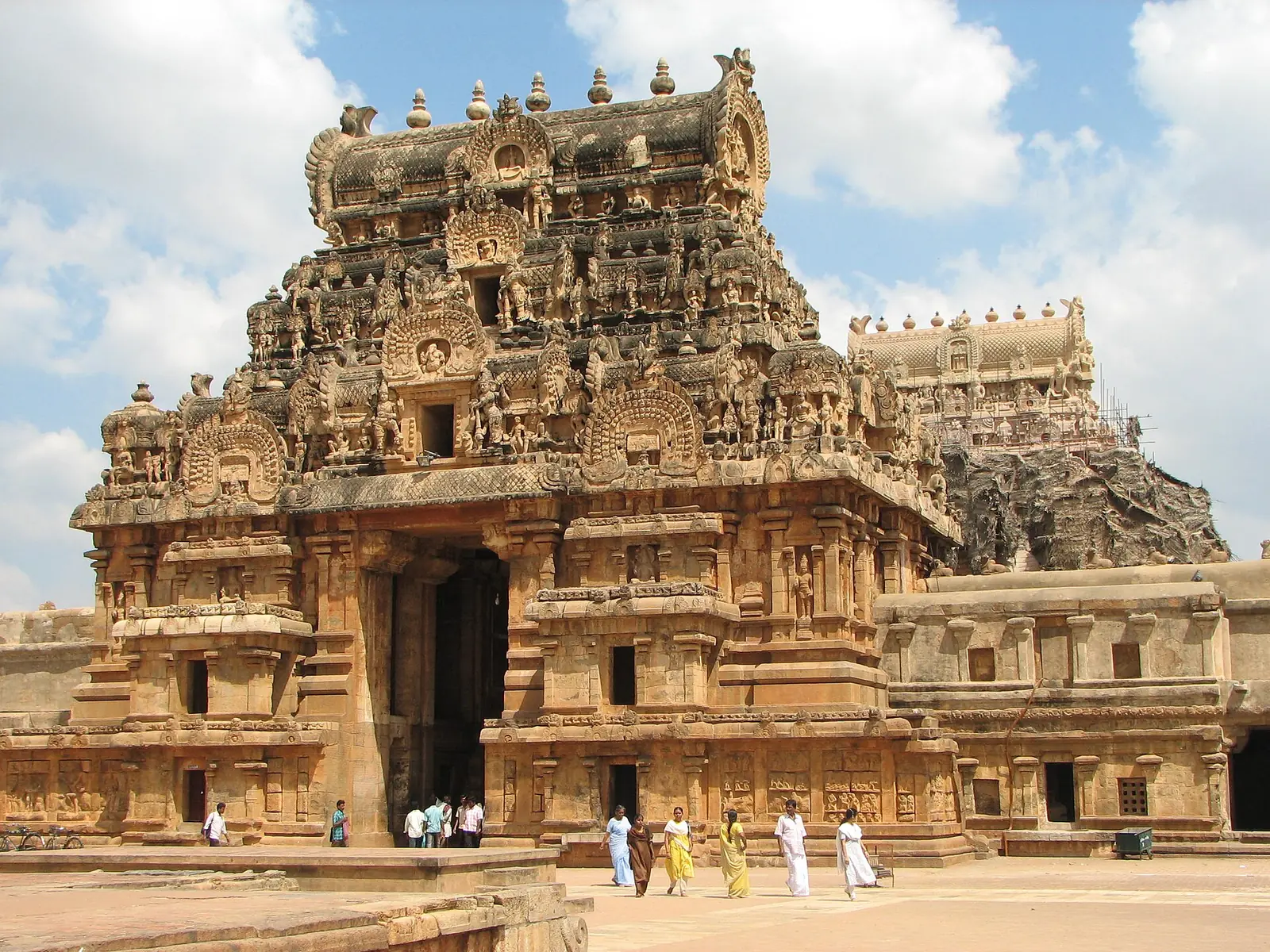
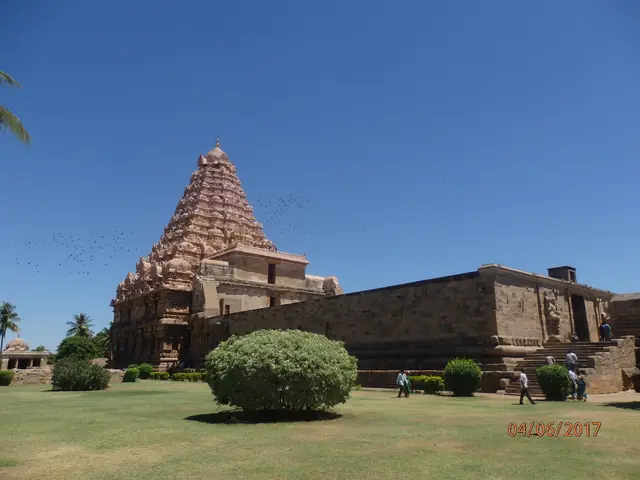
  • The Brihadeeswara temple at Thanjavur, completed by Rajaraja I in 1010
  • The Uttaramerur inscriptions of Parantaka I (919 and 921), laying down how village assemblies were chosen by lot
  • The naval expedition of 1025 against Srivijaya and Kadaram
  • Lost-wax bronzes such as the Nataraja, the summit of South Indian metal casting

The rising Pandyas absorbed the Chola lands, and Rajendra III, the last Chola king on record, disappears after 1279.

Chalukyas of Kalyani12
973 – 1189 · Manyakheta, then Kalyani (Basavakalyan)

Chalukyas of Kalyani

Second Chalukya age of the Deccan

Peak
Vikramaditya VI · 1100
Reach
The western Deccan from the Narmada to the Tungabhadra, with Vengi and the lands beyond contested with the Cholas.
  • Bilhana’s Vikramankadevacharita, a court poem on Vikramaditya VI
  • The Mitakshara of Vijnaneshwara, the commentary on Yajnavalkya Smriti written at his court
  • The Chalukya-Vikrama era, begun in 1076
  • The Mahadeva temple at Itagi (1112), called in its inscription the emperor among temples

The Kalachuri Bijjala seized Kalyani around 1162, and the last king Someshvara IV lost his lands to the Hoysalas and Seunas by about 1189.

Ahom Kingdom13
1228 – 1826 · Charaideo, Garhgaon, later Rangpur (Sivasagar)

Ahom Kingdom

Six centuries in the Brahmaputra valley, the Mughals turned back

Peak
Rudra Singha · 1700
Reach
The Brahmaputra valley from Sadiya in the east to the Manas river in the west, with the hill peoples on its borders as allies or tributaries.
  • Victory over the Mughal fleet at Saraighat in 1671 under Lachit Borphukan
  • The Buranjis, court chronicles kept year by year in Ahom and Assamese
  • The paik system, under which every able man served the state in turn
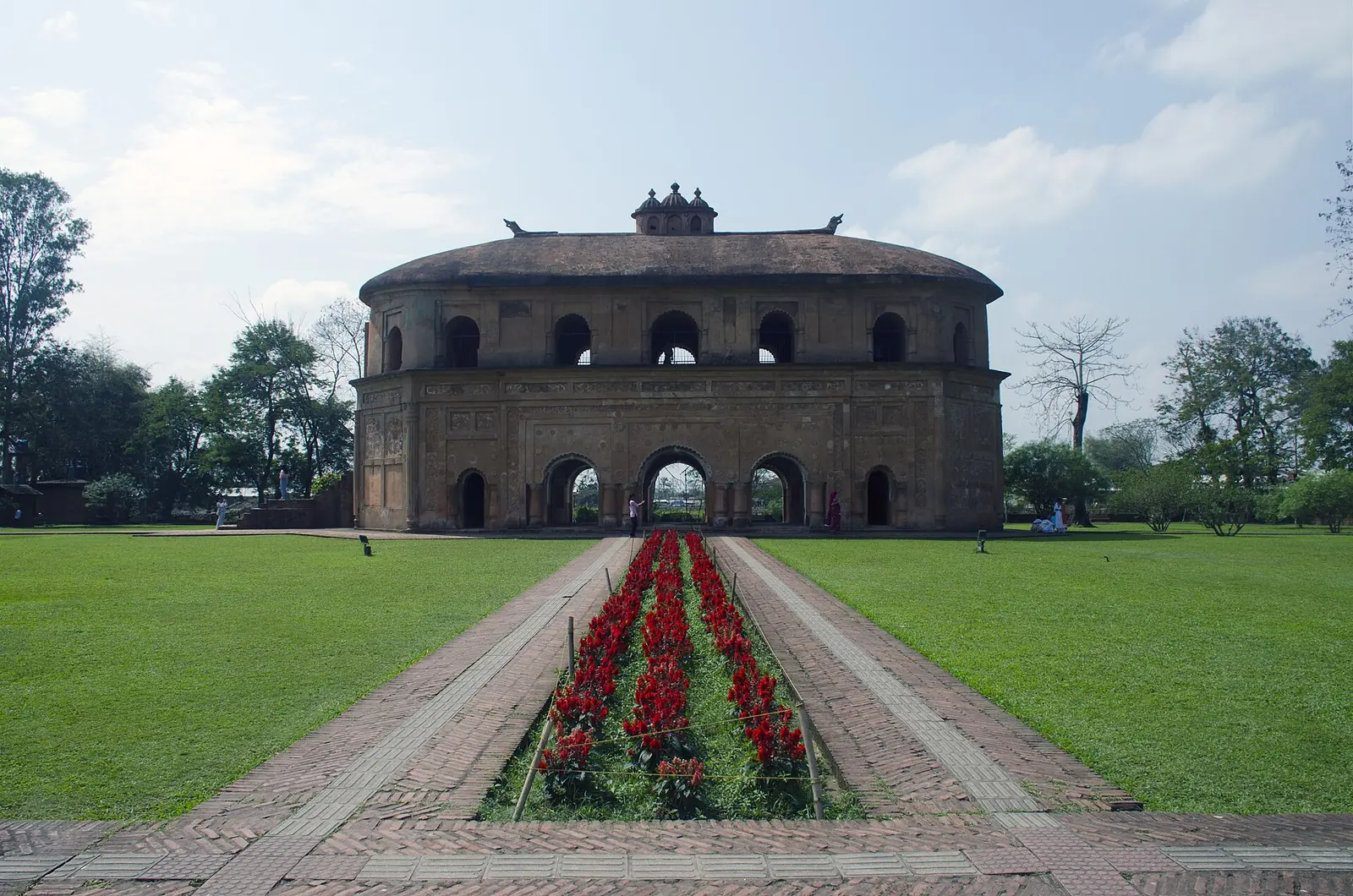
  • The Charaideo moidams, royal burial mounds, and the Rang Ghar of Sivasagar

Burmese invasions from 1817 wrecked the kingdom, and by the Treaty of Yandabo in 1826 Assam passed to the British.

Majapahit14
1293 – 1527 · Trowulan, East Java

Majapahit

Last great Hindu-Buddhist empire of the archipelago

Peak
Hayam Wuruk, with his minister Gajah Mada · 1365
Reach
Java, Madura and Bali directly, with tributaries the Nagarakretagama lists across Sumatra, Borneo, Sulawesi and the Malay peninsula.
  • The Nagarakretagama of Mpu Prapanca (1365), a verse chronicle of the court
  • Mpu Tantular’s Sutasoma, the source of ‘Bhinneka Tunggal Ika’, Indonesia’s national motto
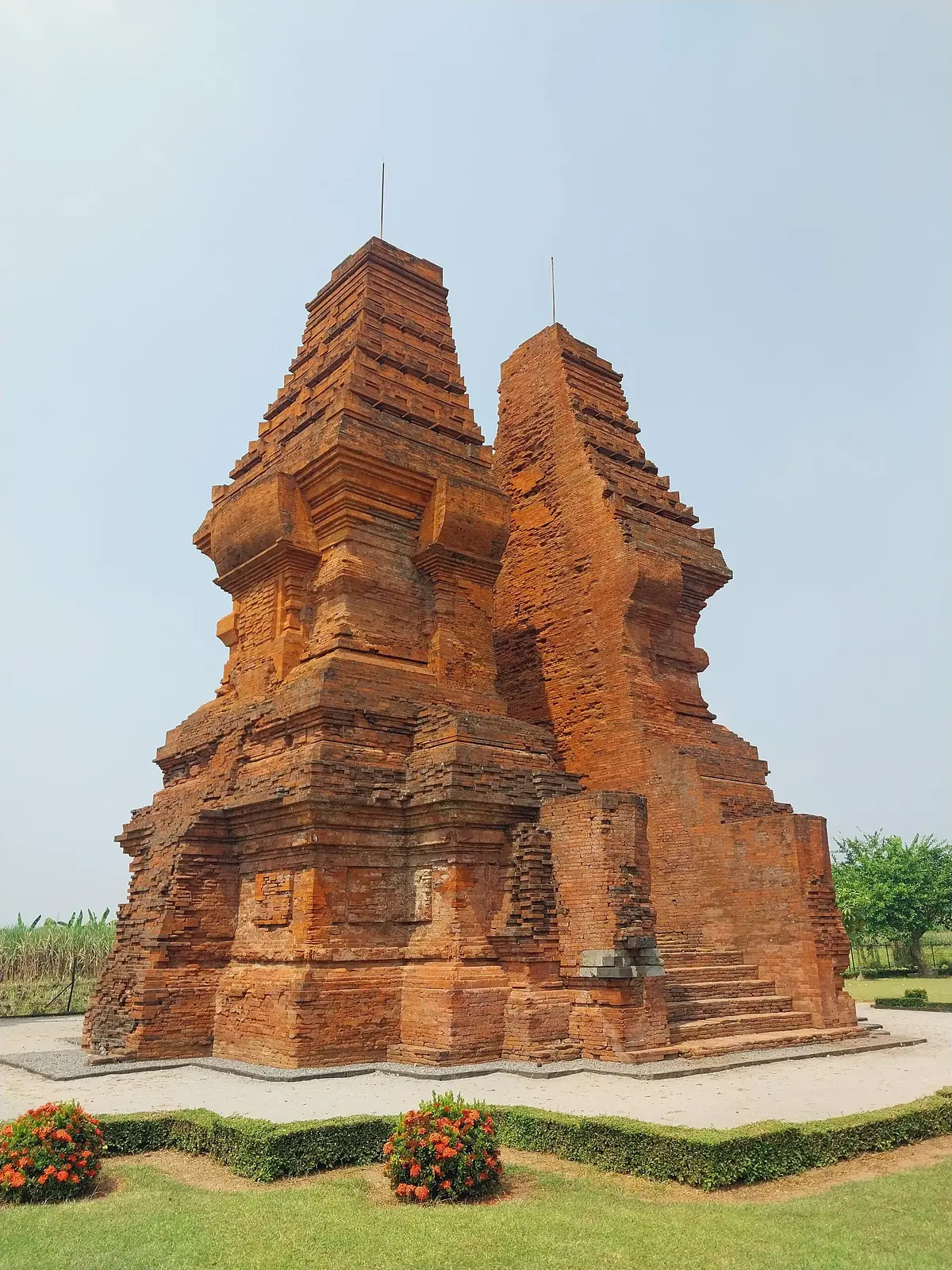
  • Red-brick gateways and temples of Trowulan such as Wringin Lawang and Bajang Ratu
  • The Penataran temple complex, the state temple of Majapahit kings

Torn by succession wars, Majapahit gave way to the Demak sultanate around 1527, and many of its priests and nobles carried the Hindu court tradition to Bali.

Vijayanagara Empire15
1336 – 1646 · Vijayanagara (Hampi), later Penukonda and Chandragiri

Vijayanagara Empire

The southern bulwark for nearly three centuries

Peak
Krishnadevaraya · 1520
Reach
The whole peninsula south of the Tungabhadra and Krishna, from the Konkan and Kanara coast to the Coromandel, down to Kanyakumari.
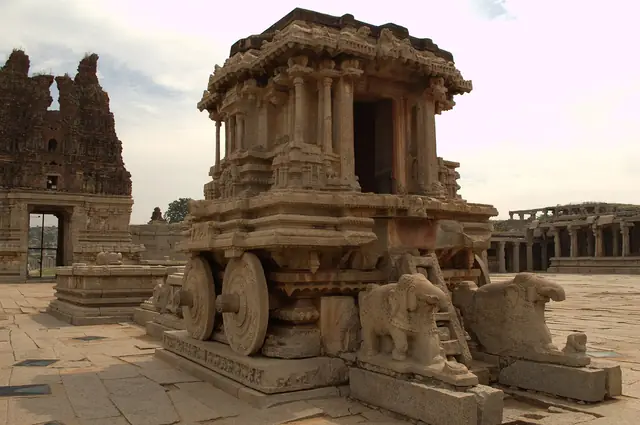
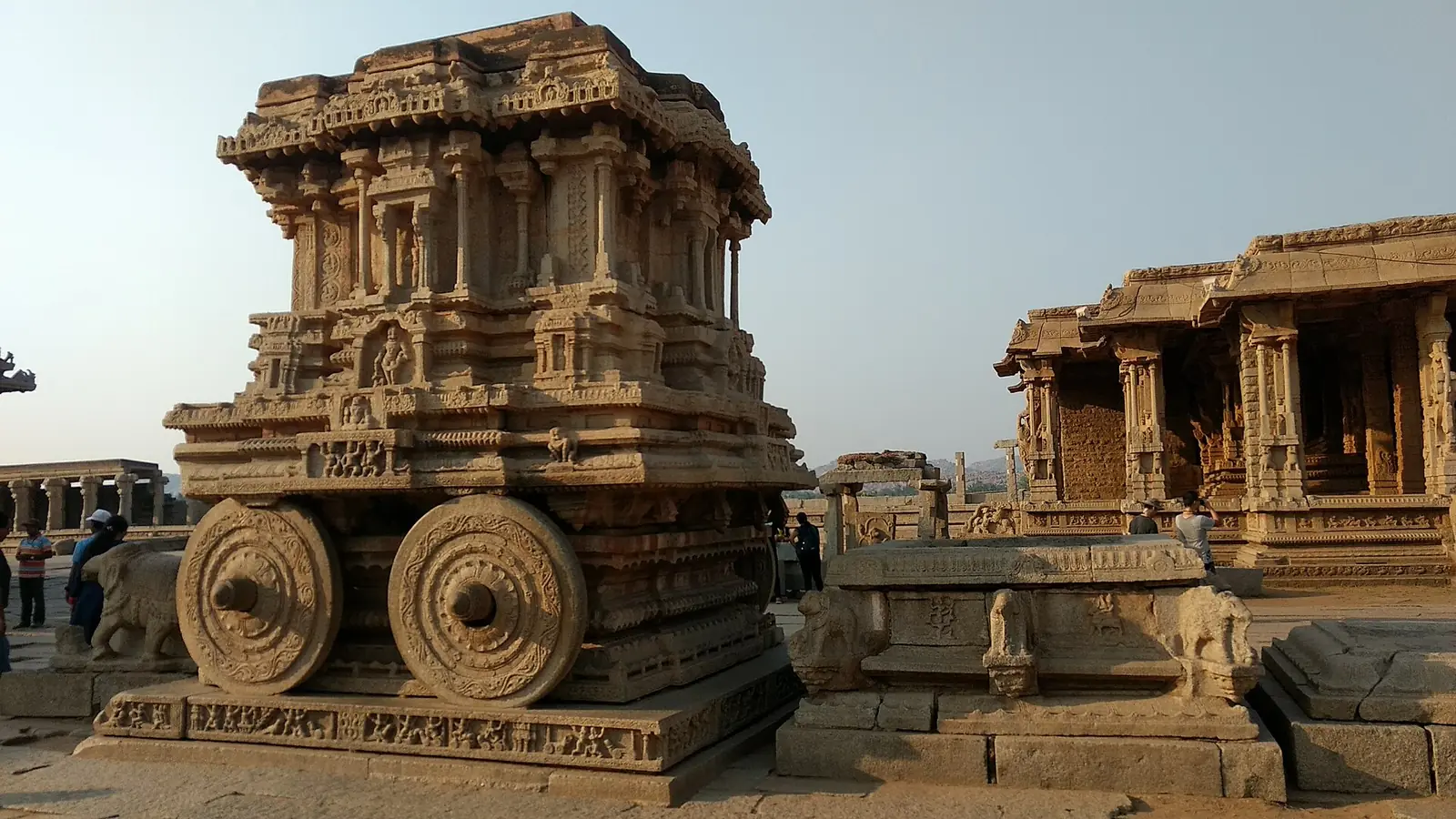
  • The Vitthala temple with its stone chariot and musical pillars
  • Krishnadevaraya’s Telugu poem Amuktamalyada and the Ashtadiggajas of his court
  • Canals and tanks off the Tungabhadra that still water fields around Hampi
  • Domingo Paes’s eyewitness account of the city around 1520

After the defeat at Talikota in 1565 the capital was sacked; the Aravidu kings ruled on from Penukonda and Chandragiri until 1646.

Gajapati Empire of Odisha16
1434 – 1541 · Cuttack (Barabati)

Gajapati Empire of Odisha

Servants of Jagannath, lords of the eastern coast

Peak
Kapilendra Deva · 1460
Reach
Odisha and the Andhra coast through Rajahmundry and Kondavidu, with campaigns that by his inscriptions reached from the Ganga in the north to the Kaveri in the south.
  • Kings who called themselves the servants of Shri Jagannath of Puri
  • Sarala Das’s Odia Mahabharata, written in Kapilendra’s time
  • Kapilendra’s Odia proclamations cut on the walls of the Jagannath temple
  • Shri Chaitanya’s years at Puri under Prataparudra Deva

In 1541 the minister Govinda Vidyadhara seized the throne, ending the Suryavamshi Gajapatis and founding the short Bhoi line.

Maratha Empire17
1674 – 1818 · Raigad, later Satara; Pune as the Peshwas’ seat

Maratha Empire

From Hindavi Swarajya to the banks of the Indus

Peak
Peshwa Balaji Bajirao (Nanasaheb) · 1758
Reach
At its height in 1758 Maratha armies held Attock and Peshawar, and Maratha rule or tribute ran from Gujarat to Odisha and south to Thanjavur.
  • Shivaji Maharaj’s coronation at Raigad in 1674 and the Ashtapradhan council of eight ministers
  • Sea forts such as Sindhudurg and the navy of Kanhoji Angre
  • Temples rebuilt across Bharat, Kashi Vishwanath among them (1780, Ahilyabai Holkar)
  • The Rajyavyavahara Kosha, a court glossary that replaced Persian terms with Sanskrit

The Third Anglo-Maratha War ended with Peshwa Bajirao II’s surrender to the British in June 1818.

Sikh Empire18
1799 – 1849 · Lahore

Sikh Empire

Ranjit Singh’s Punjab, from the Khyber to Ladakh

Peak
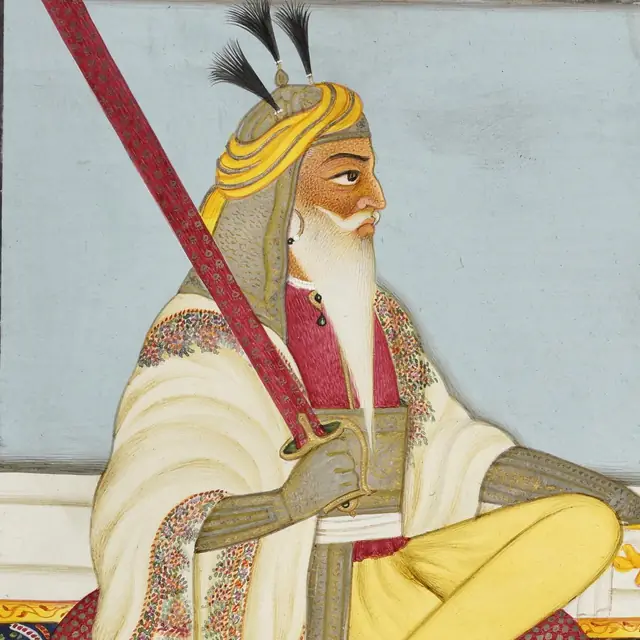
Maharaja Ranjit Singh · 1838
Reach
From Peshawar and the mouth of the Khyber to the Sutlej, and from Multan to Kashmir and, through the Dogras of Jammu, Ladakh.
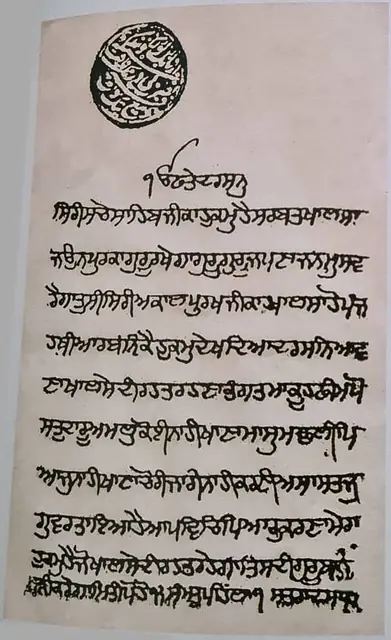
  • Gilded copper sheathing of the Harmandir Sahib, given by Ranjit Singh
  • The Fauj-i-Khas, a drilled modern army with its own artillery
  • Kashmir taken in 1819 and Peshawar in 1834
  • Nanakshahi coins struck in the name of the Gurus, not the king

After Ranjit Singh’s death the court fell into faction, and the British annexed Punjab in 1849 after the Second Anglo-Sikh War.

Destroyed. Rebuilt. Standing.

The life of one temple, year by year, from the chronicles of those who attacked it and those who raised it again.

All 1260 places
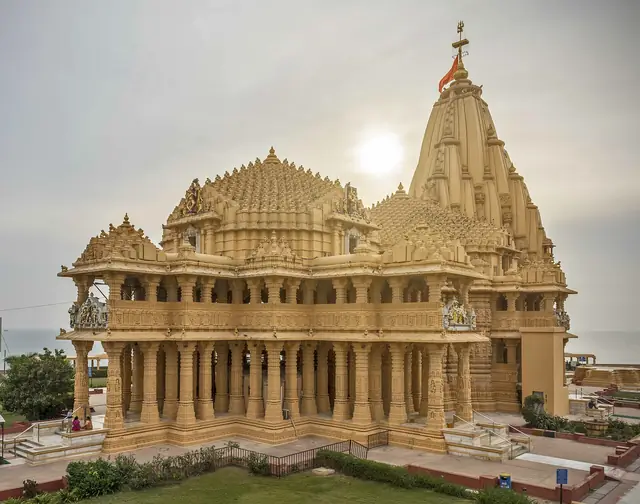
Somnath Jyotirlinga
Rebuilt

Somnath Jyotirlinga

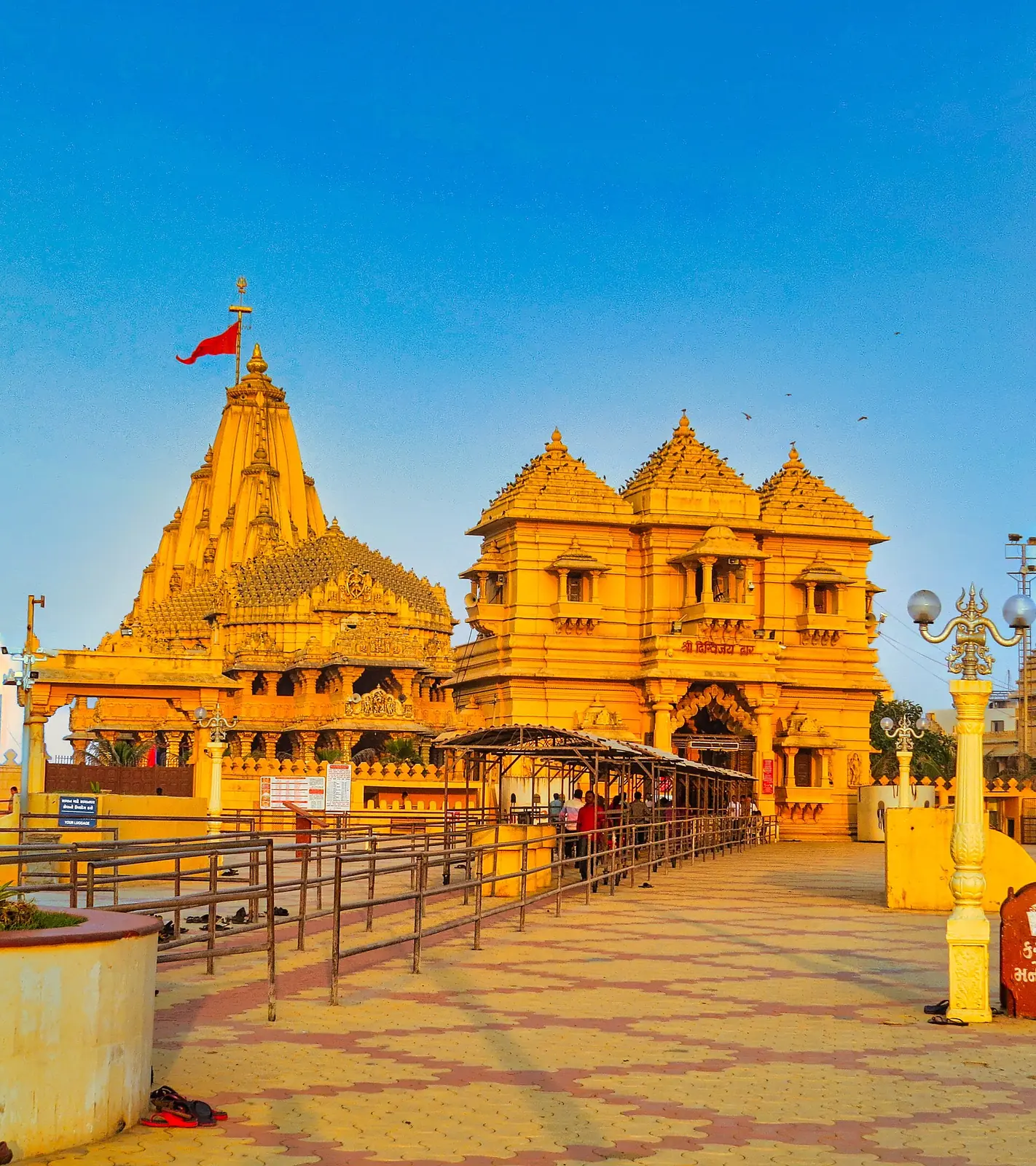
The first Jyotirlinga, on the shore at Prabhas where the Sarasvati meets the sea. Raided, razed and rebuilt again and again for nine hundred years, it was raised once more by free India in 1951.

  1. January 1026Mahmud of Ghazni sacks the temple and breaks the linga.
  2. 1169Kumarapala Chaulukya rebuilds the temple in stone (Bhava Brihaspati’s inscription).
  3. 1299Alauddin Khalji’s army under Ulugh Khan sacks Somnath.
  4. Early 14th centuryChudasama king Mahipala rebuilds; his son Khengara installs a new linga.
  5. 1394Zafar Khan, governor and later first Sultan of Gujarat, attacks the temple.
  6. 1469Mahmud Begada desecrates the temple.
  7. 1665Aurangzeb orders the temple destroyed.
  8. 1706Aurangzeb orders it razed again after worship resumes.
  9. 1783Ahilyabai Holkar builds a new Somnath temple beside the ruins.
  10. 13 November 1947Sardar Patel vows to rebuild the temple.
  11. 11 May 1951President Rajendra Prasad performs the pran pratishtha of the new temple.

The great warriors and heroes

Kings, generals, queens and soldiers who stood for Bharat, from Kurukshetra to Kargil.

All 68 heroes
Arjuna3138 BCE
Gandiva-bearer, Krishna’s Friend

Arjuna

At Kurukshetra, 3138 BCE by the traditional reckoning, he heard the Gita from Shri Krishna on his chariot and then fought the eighteen days that ended in the Pandava victory.

Chandragupta Maurya305 BCE
Founder of Bharat’s First Empire

Chandragupta Maurya

Around 305 BCE he turned back Seleucus Nicator on the north-west frontier and took Arachosia, Gedrosia and Paropamisadae under the treaty that followed.

Samudragupta335
Victor of a Hundred Battles

Samudragupta

From about 335 CE he campaigned from the Ganga plain to Kanchi in the south, and Harishena’s prashasti on the Prayag pillar lists the kings he uprooted and the kings he restored.

Narasimhavarman I642
Vatapikonda, Taker of Vatapi

Narasimhavarman I

In 642 CE the Pallava king marched on the Chalukya capital Vatapi (Badami) and took it; Pulakeshin II died in that war.

Rajendra Chola I1025
Gangaikonda, Master of the Seas

Rajendra Chola I

In 1025 CE he sent the Chola fleet across the Bay of Bengal and struck Kadaram and the ports of Srivijaya, after his army had already reached the Ganga around 1021.

Rudrama Devi1262
Rudradeva Maharaja of Warangal

Rudrama Devi

From about 1262 she ruled the Kakatiya kingdom in her own name from Orugallu (Warangal), drove back the Seuna Yadava king Mahadeva and broke the rebel nobles.

Rana Kumbha1437
Builder of Kumbhalgarh

Rana Kumbha

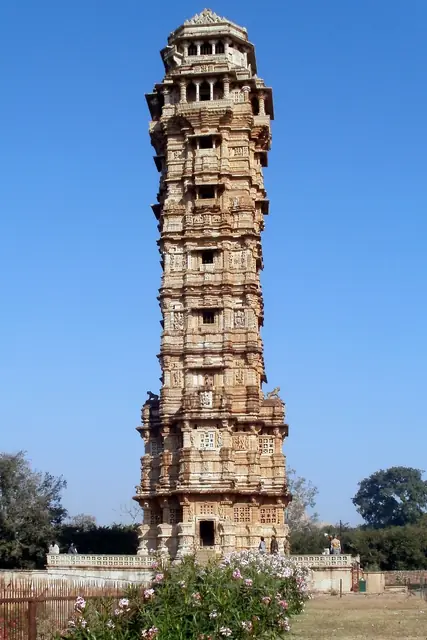
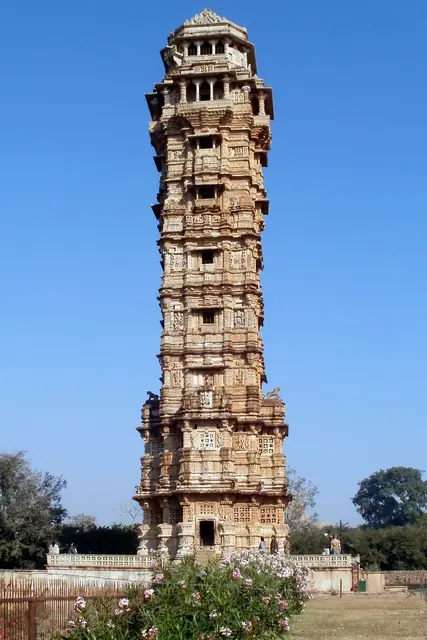
In 1437 at Sarangpur he defeated Mahmud Khalji of Malwa, and raised the Vijaya Stambha at Chittorgarh to mark the victory.

Hemu Vikramaditya1556
Last Hindu Samrat of Delhi

Hemu Vikramaditya

On 7 October 1556 he defeated the Mughal governor Tardi Beg at Tughlaqabad, entered Delhi and was crowned with the title Vikramaditya, a month before Panipat.

Chhatrapati Shivaji Maharaj1659
Founder of Hindavi Swarajya

Chhatrapati Shivaji Maharaj

On 10 November 1659 below Pratapgad he killed Afzal Khan at their meeting and his men routed the Bijapur army in the forest that same day.

Durgadas Rathore1679
Saviour of Marwar

Durgadas Rathore

In July 1679 he cut his way out of Delhi with the infant Ajit Singh, saving the heir of Marwar from Aurangzeb, and then fought for nearly thirty years until Ajit Singh sat on the throne of Jodhpur.

Banda Singh Bahadur1710
Avenger of Sirhind

Banda Singh Bahadur

In May 1710 he defeated Wazir Khan at Chappar Chiri and took Sirhind, where the Guru’s younger sons had been put to death, and struck coins in the name of the Gurus.

Puli Thevar1755
First Poligar to Defy

Puli Thevar

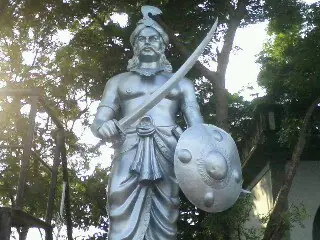
From 1755, from his fort at Nerkattumseval in Tirunelveli, he refused tribute to the Nawab of Arcot and the Company and fought their armies for over a decade.

Veerapandiya Kattabomman1799
Who Would Not Pay Tribute

Veerapandiya Kattabomman

The Poligar of Panchalankurichi refused tribute to the Company, fought its troops in 1799 and was hanged at Kayathar on 16 October 1799.

Hari Singh Nalwa1837
Guardian of the Khyber

Hari Singh Nalwa

The Sikh general who held Peshawar and the mouth of the Khyber fell defending Jamrud against the Afghan army on 30 April 1837, and the fort held.

What Bharat gave the world

From zero to yoga, chess to cotton: every gift with its proof.

All gifts
Cotton clothCraft
6th millennium BCE, Mehrgarh

Cotton cloth

The oldest cotton of the Old World, from Mehrgarh

The people of Bharat were growing, spinning and weaving cotton thousands of years before most of the world had seen it. For most of history Indian cotton cloth, from coarse calico to the Dhaka muslin so fine it was called “woven air”, clothed half the trading world.

How it travelled: Indian cottons went west through Gujarat and the Red Sea ports to Rome, and east to Southeast Asia, for two thousand years. The English word cotton itself is from Arabic qutn, the name the traders used.

Today: India is one of the two largest cotton growers in the world.
Standard weights and measuresScience
c. 2600–1900 BCE, Sindhu–Sarasvati cities

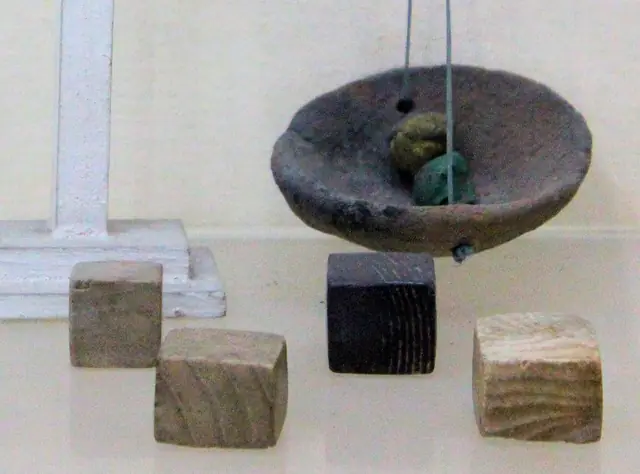
Standard weights and measures

The same chert cubes from Gujarat to the Gulf

The Sindhu–Sarasvati cities used cubes of polished chert to one standard: they double from the smallest (1, 2, 4, 8, 16, 32, 64) and then go up in decimal steps. Weights from Harappa, Mohenjo-daro and Lothal agree closely across hundreds of kilometres.

How it travelled: Traders carried the system west: the merchants of Dilmun (Bahrain) used the Indus standard for their own weights, and Harappan cubes have been found as far as Susa in Iran.

Today: The idea of one honest weight for a whole country is the basis of every market.

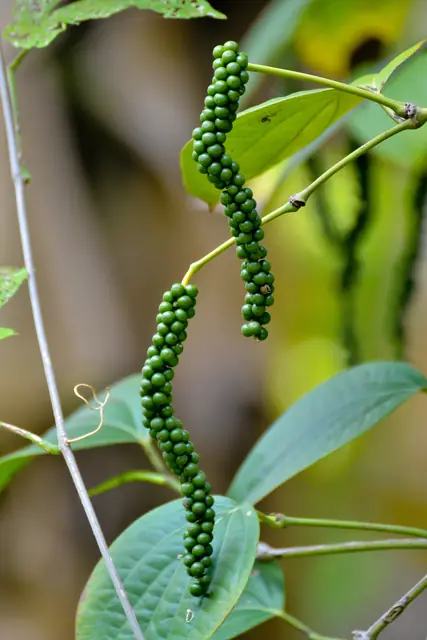
Black pepperFood
Traded by 1213 BCE; the Roman trade 1st–2nd centuries CE

Black pepper

Malabar’s black gold, worth a sea route

Piper nigrum, the pepper vine, is native to the Western Ghats, and the Malabar coast of Kerala was its home market for thousands of years. Romans, Arabs, Venetians and the Portuguese all came for it.

How it travelled: Pepper went by Arab and Indian ships to the Red Sea, overland to Venice, and set Europe searching for a direct route. Vasco da Gama reached Calicut in 1498, guided across the Arabian Sea by a pilot taken on at Malindi, and loaded pepper.

Today: Pepper sits on dining tables in every country; Vietnam now grows the most, but Malabar pepper still sets the standard.

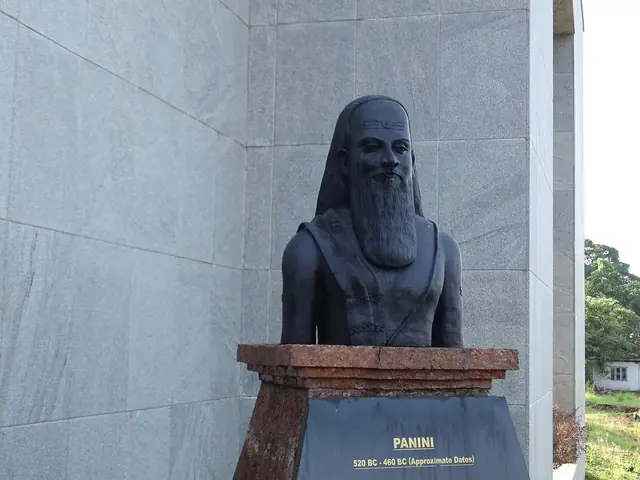
Panini’s grammarLanguage
Panini, c. 5th–4th century BCE

Panini’s grammar

Four thousand rules that generate a whole language

Panini’s Ashtadhyayi describes Sanskrit in about 4,000 short sutras, with rules that call other rules, meta-rules that decide which rule wins, and a sound list (the Maheshvara Sutras) packed into shorthand. It works like a program that produces every correct word of the language.

How it travelled: European scholars met Panini in the 19th century, and his methods shaped comparative and descriptive linguistics, from Franz Bopp to Ferdinand de Saussure, who taught Sanskrit at Geneva. In 1967 the computer scientist Peter Ingerman proposed calling the notation for programming-language grammars the Panini–Backus form.

Today: Linguists still study the Ashtadhyayi, and Sanskrit is taught from it in pathshalas across Bharat.

Wootz steelCraft
From the late centuries BCE into the 19th century

Wootz steel

The crucible steel behind the “Damascus” sword

South Indian smiths sealed iron with wood and leaves in small clay crucibles, heated them for hours and cooled them slowly, making cakes of high-carbon steel. Forged with care, the steel showed a watered pattern on the blade and held a fierce edge.

How it travelled: Ingots went by sea and caravan to Persia and Syria, where smiths forged the famous Damascus blades. Crucible steel was also made in Sri Lanka and Central Asia; South India was its most famous source. Michael Faraday tried to copy it in London.

Today: Bladesmiths worldwide still chase the wootz pattern, and metallurgists still publish on it.

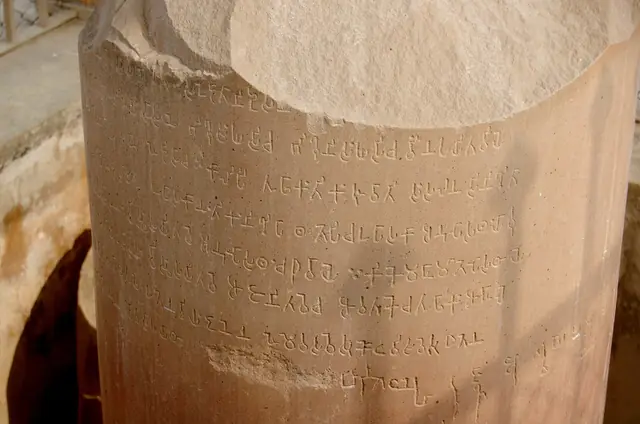
The Brahmi family of scriptsLanguage
Ashoka’s edicts, 3rd century BCE

The Brahmi family of scripts

One script, mother of alphabets from Tibet to Bali

Brahmi, the script of Ashoka’s edicts, writes each consonant with a built-in vowel and marks other vowels with signs, and orders its letters by where in the mouth they are spoken. Every major script of Bharat descends from it, and so do the scripts of much of Asia.

How it travelled: Through trade and dharma, Brahmi’s children spread across Asia: Tibetan (7th century), Thai, Lao, Khmer, Burmese, Sinhala, Javanese and Balinese. Even the Japanese kana are arranged in the order of Sanskrit phonetics, learned from Siddham script.

Today: Well over a billion people read a Brahmi-derived script every day.

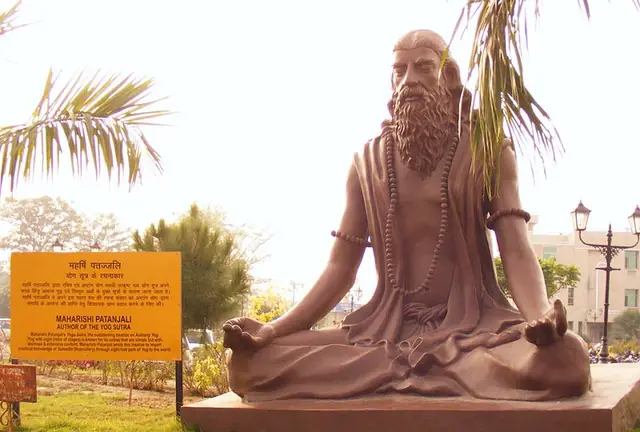
YogaYoga
Patanjali, c. 2nd century BCE

Yoga

Yogash chitta-vritti-nirodhah: stilling the movements of the mind

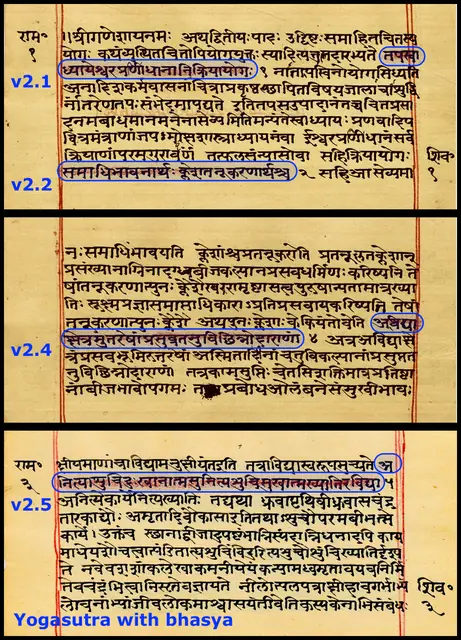
Yoga is the discipline of joining the self to the Supreme, taught in the Upanishads and the Gita and set out by Maharshi Patanjali in 195 sutras with eight limbs: yama, niyama, asana, pranayama, pratyahara, dharana, dhyana and samadhi. Hatha yoga texts such as the Hatha Yoga Pradipika added the bodily practices.

How it travelled: Al-Biruni translated the Yoga Sutras into Arabic in the 11th century. Swami Vivekananda’s Raja Yoga (1896) and Paramahansa Yogananda’s teaching in America carried it to the West.

Today: UNESCO added yoga to its list of the intangible heritage of humanity in 2016.

P
Mathematics
Pingala, before the common era; Halayudha, 10th century CE

Pingala’s counting of metres

Short and long syllables, counted like binary numbers

Pingala’s Chhandahshastra, the Vedanga of metre, lists every pattern of short (laghu) and long (guru) syllables and gives rules to find a pattern’s serial number and back again. These rules work exactly like counting in base two. Halayudha’s 10th-century commentary arranges the counts in the triangle called meru-prastara.

How it travelled: No line of transmission is known. Leibniz worked out binary arithmetic on his own and published it in 1703; the Indian prosodists had reached the same structure through poetry.

Today: Every digital device counts in the zeros and ones that Pingala’s laghu and guru prefigure.

Baudhayana’s diagonal ruleMathematics
Vedic age, Baudhayana Shulbasutra

Baudhayana’s diagonal rule

Geometry laid out with a cord for the yajna

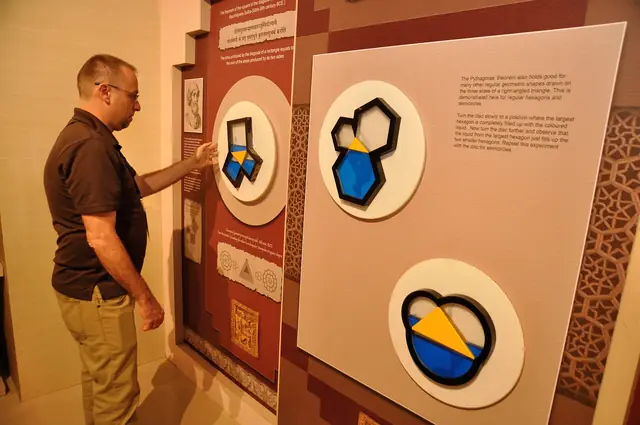
The Shulbasutras, manuals of the cord, tell how to lay out Vedic fire-altars of exact shape and area. Baudhayana states that the diagonal of a rectangle produces both areas that its two sides produce separately, the rule now called Pythagoras’ theorem.

How it travelled: Bharat shared this knowledge rather than owning it alone: Old Babylonian scribes listed such number triples around 1800 BCE (the tablet Plimpton 322), and Greek tradition credits Pythagoras. The Shulbasutras give no proof in the Greek sense, but state the rule generally.

Today: Masons still square a foundation with a 3-4-5 cord.

AyurvedaMedicine
Charaka and Sushruta Samhitas, before the Gupta age

Ayurveda

The knowledge of life, an Upaveda of the Atharvaveda

Ayurveda treats health as a balance of the three doshas, vata, pitta and kapha, kept by diet, daily routine, season and medicine. Its two great samhitas are Charaka’s, on medicine, and Sushruta’s, on surgery; Vagbhata’s Ashtanga Hridaya later joined them.

How it travelled: Indian physicians served the Abbasid court, and the samhitas entered Arabic medicine in the 8th–9th centuries. The Ashtanga Hridaya was translated into Tibetan, and Tibetan medicine draws on it to this day.

Today: The WHO Global Centre for Traditional Medicine was founded at Jamnagar, Gujarat, in 2022.

Cataract couchingMedicine
Sushruta Samhita, Uttaratantra

Cataract couching

A needle that pushed the clouded lens aside

Sushruta describes a cataract, linganasha, and an operation to treat it: a lancet is passed into the eye at the side and the clouded lens is pushed down out of the line of sight. The patient then sees again, though without sharp focus.

How it travelled: Buddhist monk-physicians carried the method to Tang China, where it became known as the golden-needle technique, and Indian eye-doctors are named in Tang writings.

Today: Modern cataract surgery removes the lens instead, but couching was the main cure for the blind for two thousand years.

Dhyana: meditationYoga
Upanishads and Yoga Sutra; to China by the 5th–6th centuries

Dhyana: meditation

The Sanskrit word behind Chan and Zen

Dhyana, unbroken attention held on one object, is the seventh limb of Patanjali’s yoga and the heart of Upanishadic practice. The Buddha taught it as jhana, and Buddhist monks carried it across Asia.

How it travelled: The Chan school of China, which honours the Indian monk Bodhidharma as founder, passed to Japan as Zen and to Korea as Seon. In the 20th century teachers from Bharat brought meditation to the West directly.

Today: Hospitals, schools and offices worldwide teach meditation, often without naming its source.

Myth vs Fact

Popular claims from every side, checked against the record. Tap a card.

All myths and facts
People say

“The Taj Mahal was really a Shiva temple called Tejo Mahalaya.”

Tap for the fact ↻
False

The Taj Mahal is the tomb Shah Jahan built for Mumtaz Mahal from 1632, on land he took from Raja Jai Singh of Amber in exchange for other property. No record of a temple on the site has ever been produced.

See the proof →
People say

“The Qutb Minar was a Hindu tower, the Vishnu Stambh, renamed by the Sultans.”

Tap for the fact ↻
False

The minar was begun by Qutb-ud-din Aibak around 1199 and raised higher by Iltutmish. What is true is that the mosque at its foot was built from demolished temples, as its own inscription says, and that the iron pillar beside it is a Gupta-era standard of Bhagwan Vishnu.

See the proof →
People say

“The Delhi iron pillar never rusts because of a lost secret technology.”

Tap for the fact ↻
Half-true

The pillar resists rust remarkably well, and the reason has been worked out: its iron is rich in phosphorus and was made by forge-welding lumps of bloomery iron, which lets a thin protective film form on the surface. It is a real achievement of Gupta-era smiths, and it is known, not lost.

See the proof →
People say

“In all its history, India never invaded any other country.”

Tap for the fact ↻
Misleading

Indian kings did send armies and fleets beyond their borders: Rajaraja Chola into Lanka, Rajendra Chola across the sea to Srivijaya in 1025, Lalitaditya of Kashmir far into the north-west. What is true is that Hindu culture spread across South-East Asia mostly by trade, priests and marriage, not by conquest.

See the proof →
People say

“Hindus never wrote history; they only wrote myths and religious books.”

Tap for the fact ↻
False

Bharat kept history in its own forms: dated royal inscriptions by the thousand, temple chronicles, court genealogies, and full histories such as Kalhana’s Rajatarangini (1148–49) and the Ahom Buranjis.

See the proof →
People say

“Zero and our numerals were invented by the Arabs.”

Tap for the fact ↻
False

Zero as a number, with rules for working with it, is set out by Brahmagupta in 628 CE. The Arabs learned the nine figures and zero from India and called them Hindi numerals; Europe then learned them from the Arabs and called them Arabic.

See the proof →

Propaganda Buster

The narratives that were written about Bharat on purpose: who wrote them, when, and what the evidence says.

All dossiers
DossierFalse

“Aryan invaders from Central Asia conquered India and destroyed the Indus cities.”

Shaped in the 19th century by comparative philology (F. Max Müller), turned into racial science by colonial census ethnology (H. H. Risley, The People of India, 1908), and given its "proof" by Mortimer Wheeler’s report on Harappa in Ancient India no. 3 (1947), where he wrote that "Indra stands accused".

No invasion, battle layer or destruction has been found in the Harappan cities. They declined over centuries as rivers shifted and the climate dried, the 2019 Rakhigarhi genome shows no steppe ancestry in a Harappan, and Harappan practices such as fire altars continue into later Bharat.

Read the dossier →
DossierFalse

“India had no real history or worthwhile learning until the British arrived.”

James Mill, The History of British India (1817), written without visiting India or knowing an Indian language; and Thomas Babington Macaulay’s Minute on Indian Education (2 February 1835).

Bharat recorded its past in tens of thousands of dated inscriptions, in court and temple chronicles and in histories such as the Rajatarangini, and its sciences of grammar, mathematics, astronomy and medicine were studied by the very scholars who belittled them.

Read the dossier →
DossierFalse

“Indian history is just a string of conquests; Hindus never resisted and simply submitted.”

Stated most bluntly by Karl Marx in "The Future Results of British Rule in India", New-York Daily Tribune, 8 August 1853, which called Indian history only the history of successive intruders who built empires "on the passive basis of that unresisting and unchanging society"; echoed in colonial textbooks for a century.

Bharat fought back for more than a thousand years. The Arabs were held at Sindh for three centuries, Kashmir turned back Mahmud of Ghazni, the Ahoms beat the Mughals at Saraighat, and by the 1750s the Marathas were the leading power in India. Unlike Persia or Egypt, most of the land never changed its faith.

Read the dossier →

The proof shelf

Inscriptions, coins, manuscripts, excavations and genomes: what each one says, and what it proves.

All 130 pieces of evidence
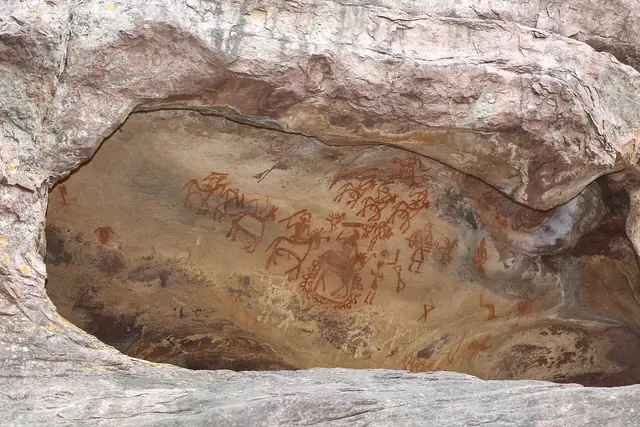
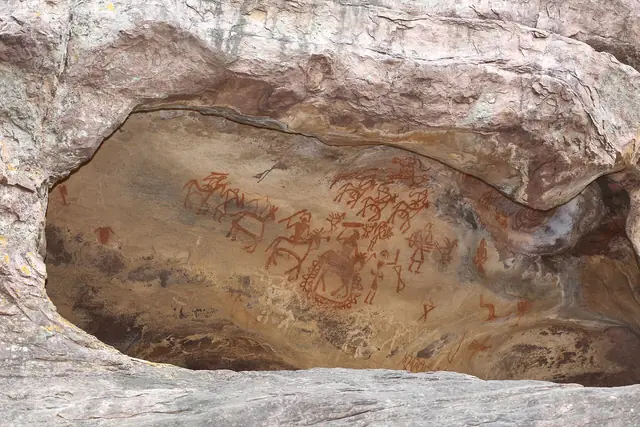
Rock shelters of BhimbetkaExcavation
Paintings from the Mesolithic to the medieval period; found 1957

Rock shelters of Bhimbetka

Hundreds of sandstone shelters where people lived and painted for thousands of years, the oldest gallery of human art in Bharat.

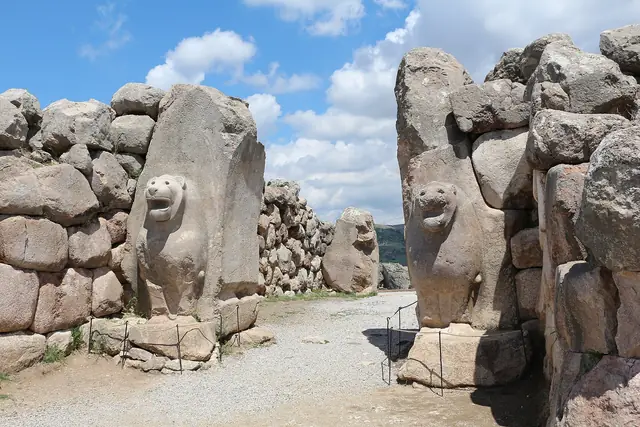
Boğazköy treaty naming Mitra, Varuna, Indra and the NasatyasInscription
c. 1380 BCE

Boğazköy treaty naming Mitra, Varuna, Indra and the Nasatyas

A treaty between the Hittite king Suppiluliuma I and Shattiwaza, prince of Mitanni in north Syria, sworn before the gods of both kingdoms. Among the Mitanni gods stand four names any Vedic priest would know.

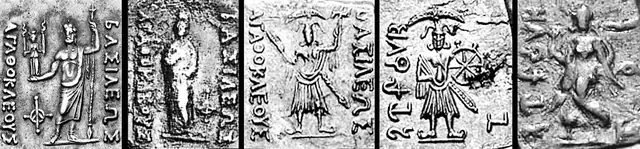
Agathocles’ coins of Balarama and KrishnaCoin
c. 190–180 BCE

Agathocles’ coins of Balarama and Krishna

Silver coins of a Greek king of Bactria that carry the oldest known images of Balarama and Vasudeva-Krishna.

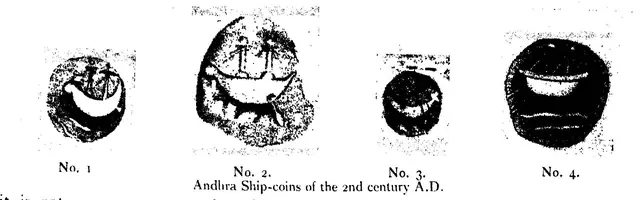
Satavahana ship coinsCoin
Late 2nd century CE

Satavahana ship coins

Lead and potin coins of the Satavahana king Yajna Sri Satakarni showing a two-masted ship.

Mandsaur inscription of the silk-weavers’ guildInscription
436 and 473 CE (Malava years 493 and 529)

Mandsaur inscription of the silk-weavers’ guild

A poem in stone by Vatsabhatti about a guild of silk-weavers from Lata who settled at Dashapura, built a temple to Surya and repaired it a generation later.

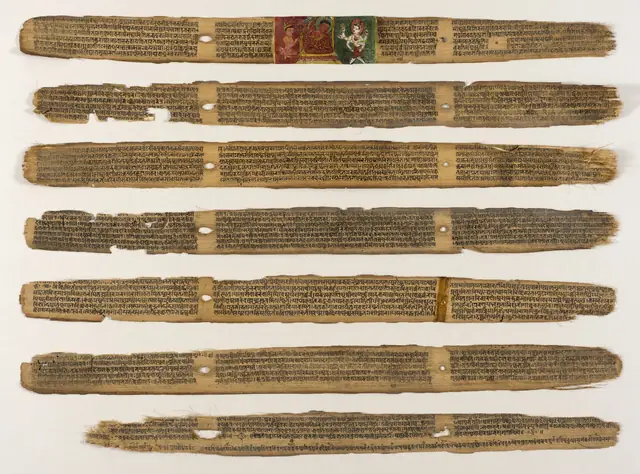
Manuscripts of the Sushruta SamhitaManuscript
Oldest dated copy 878 CE

Manuscripts of the Sushruta Samhita

A palm-leaf copy of the Sushruta Samhita made in Nepal in 878 CE, older than any other dated copy and older than the commentary of Dalhana that shaped the printed text.

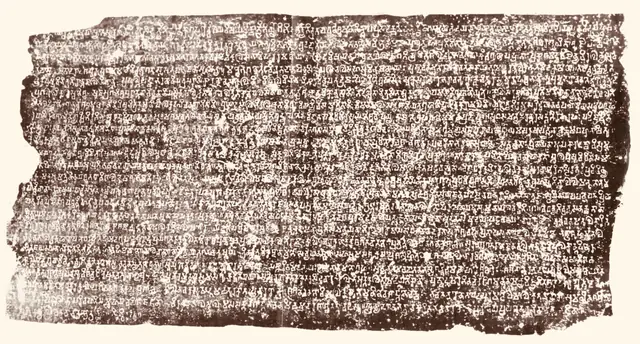
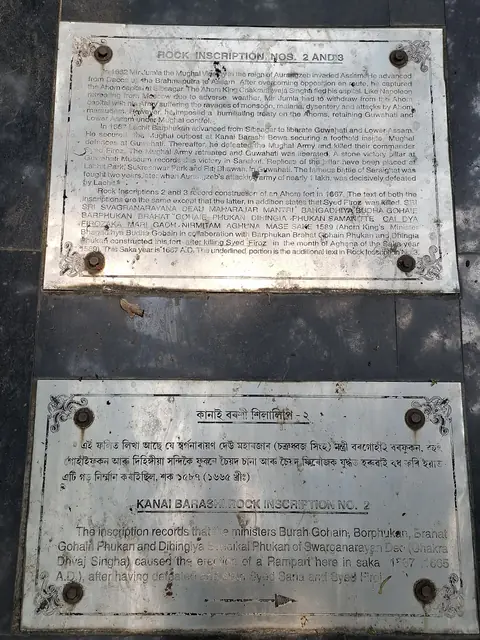
Kanai Barasi rock inscriptionInscription
Shaka 1127 (1205/06 CE)

Kanai Barasi rock inscription

A one-verse Sanskrit record cut into the rock to say that the Turks who came into Kamarupa were destroyed.

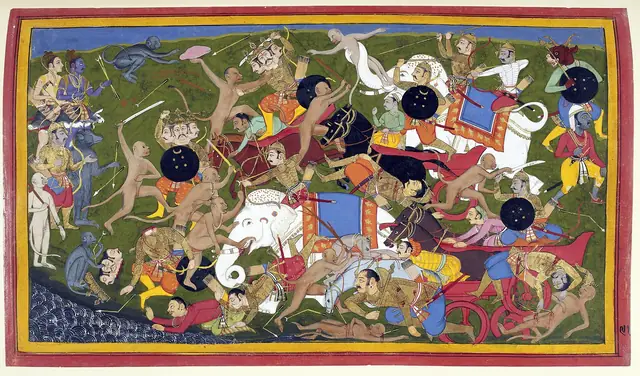
The Mewar RamayanaManuscript
1649–1653 CE

The Mewar Ramayana

Valmiki’s Ramayana in more than four hundred paintings, made at the Sisodia court while Mewar still refused to bow to the Mughals in spirit.

Complete means complete

Everything on this site, counted.