01Sarangpur and the tower
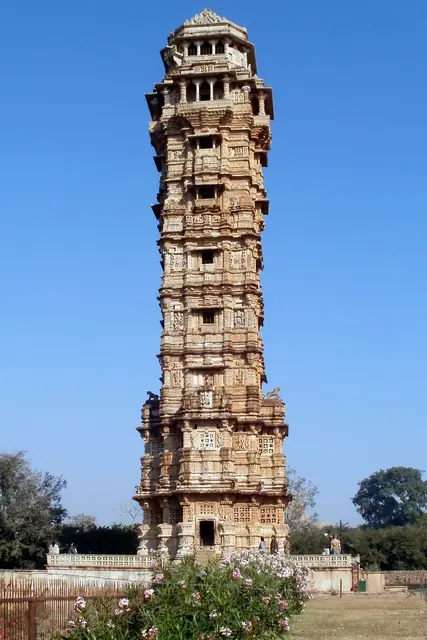
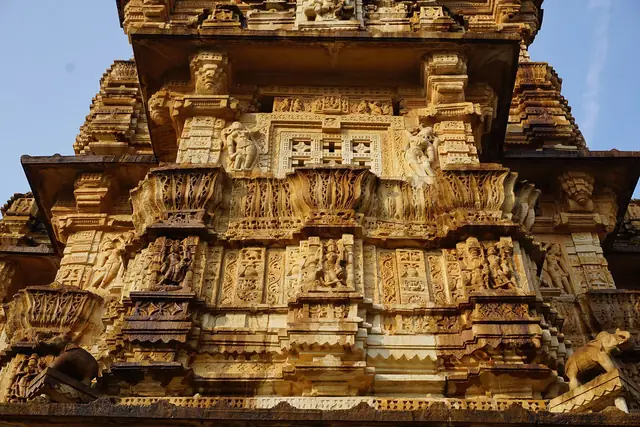
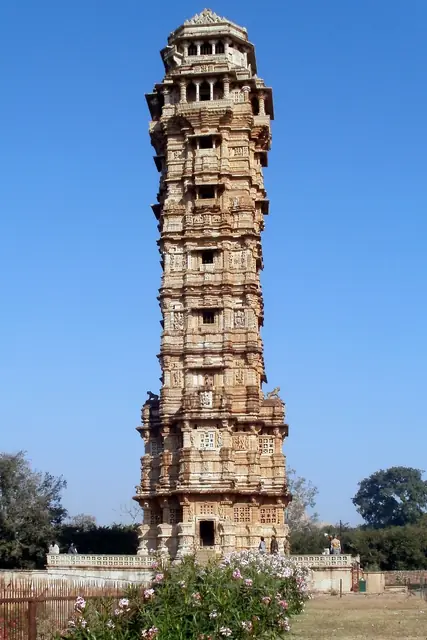
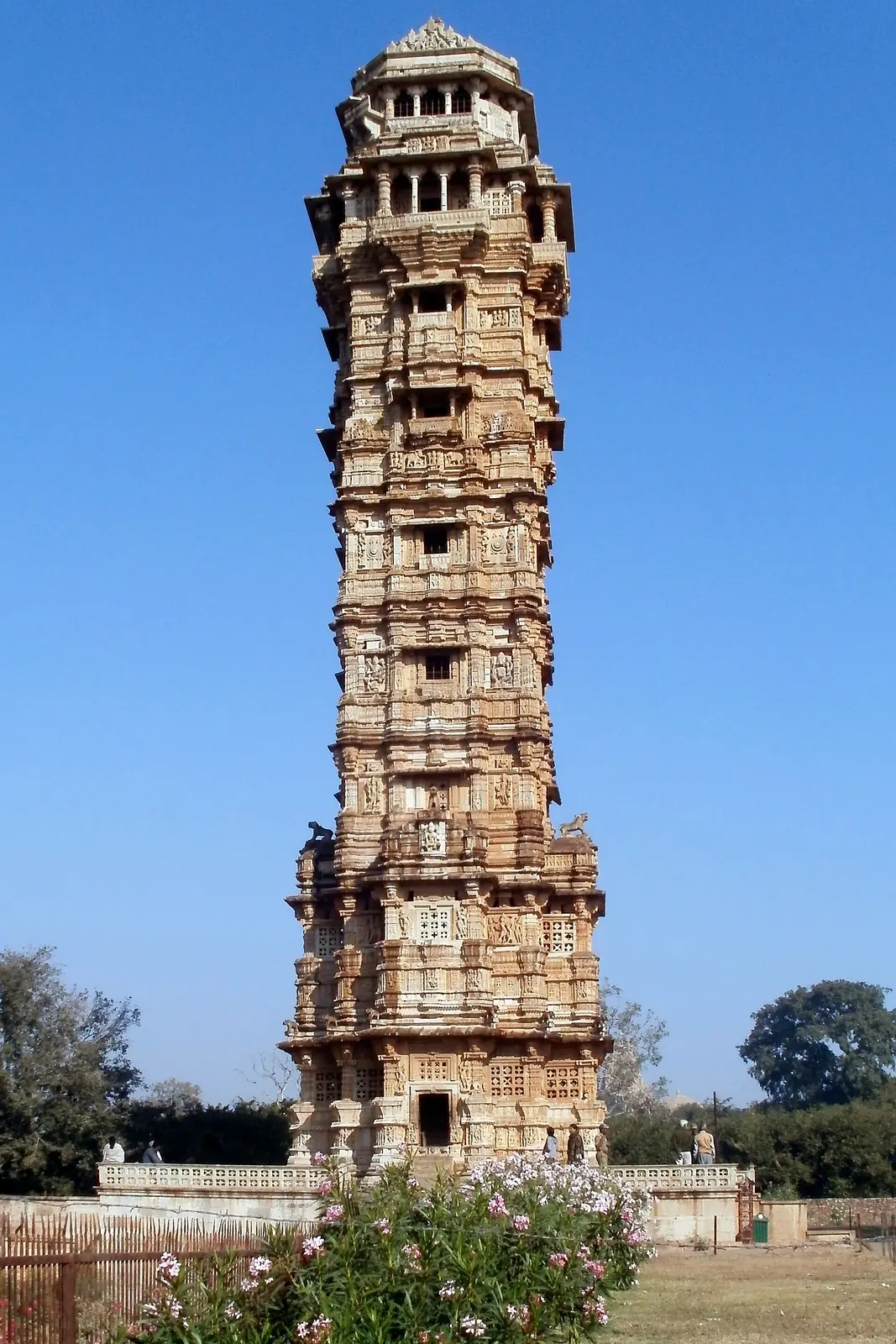
Kumbha came to the throne in 1433 after his father Mokal was murdered. Mahmud Khalji of Malwa sheltered the murderers, and in 1437 Kumbha met him near Sarangpur and routed him. To mark the victory he raised the Vijay Stambha at Chittor, a nine-storey tower of about 37 metres, its walls covered inside and out with images of Vishnu’s avatars, of Devi and of the gods of every quarter. The Kirti Stambha prashasti of 1460 set up beside it lists his wars against Malwa and Gujarat, who more than once joined forces against him and failed to break Mewar.
02Forts, temples, books
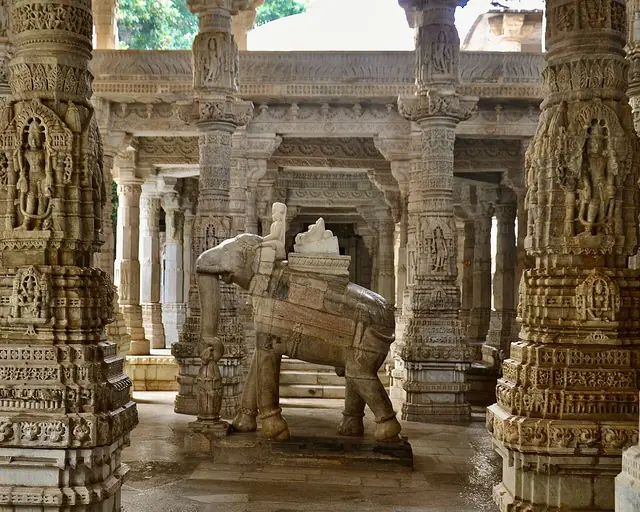
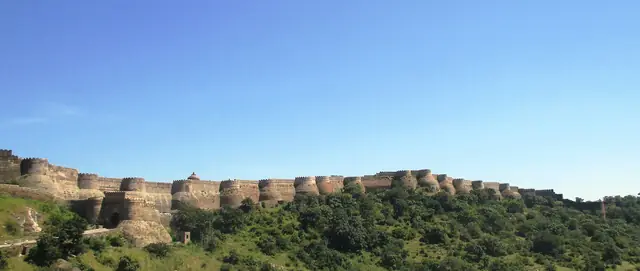
Tradition credits Kumbha with 32 of Mewar’s 84 forts. The greatest is Kumbhalgarh, raised under the architect Mandana on a ridge of the Aravalli, its wall running some 36 kilometres over the hills; it was finished around 1458. In his reign the merchant Dharna Shah built the Jain temple at Ranakpur, begun in 1437. Kumbha was a scholar too. He wrote the Sangitaraja on music and the Rasikapriya, a commentary on Jayadeva’s Gita Govinda. In 1468 his son Udaysimha killed him while he sat in worship at Kumbhalgarh.