01Swarajya from the forts
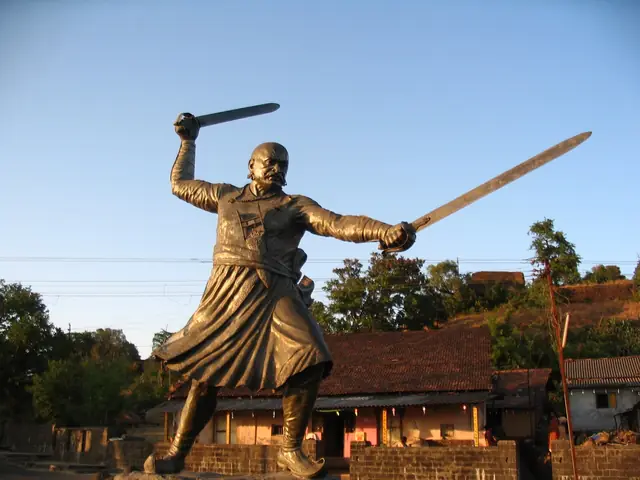
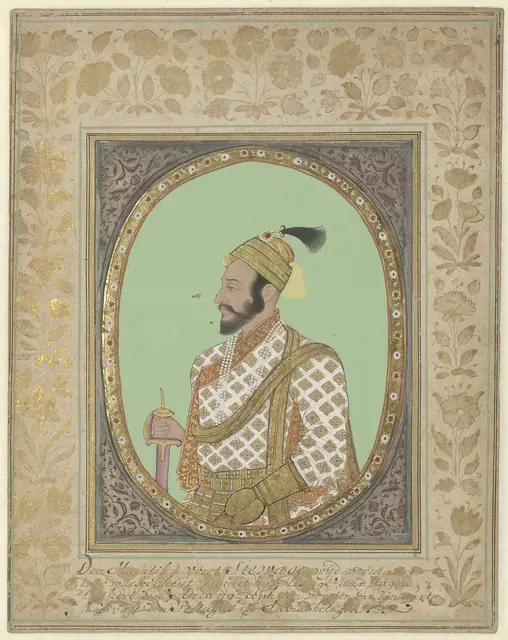
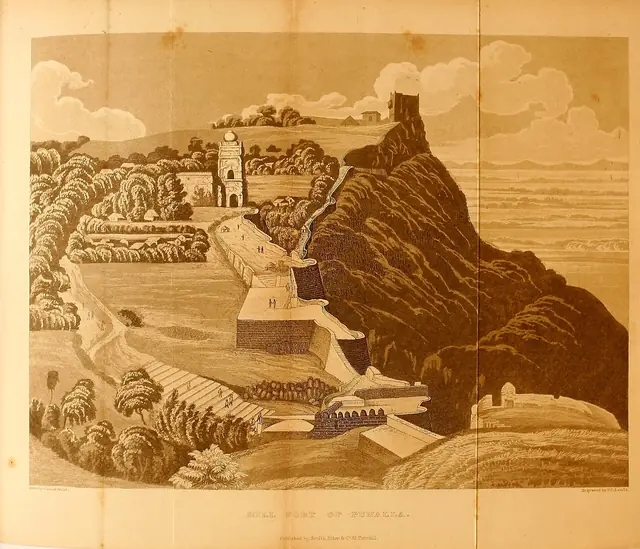
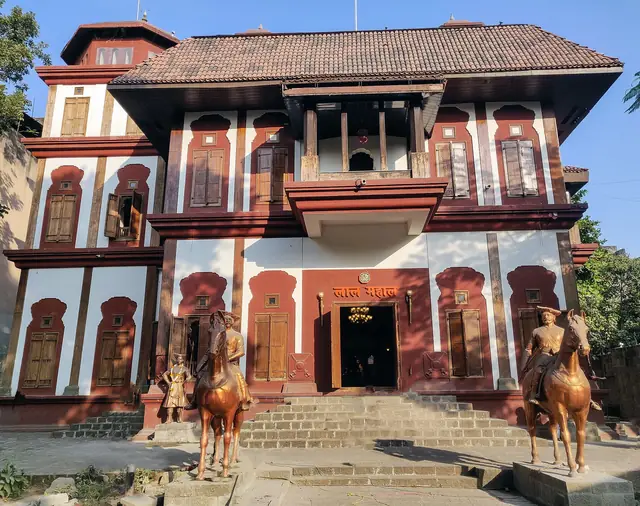
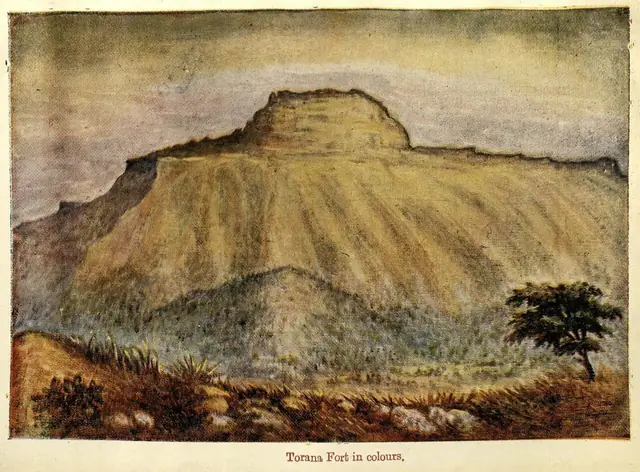
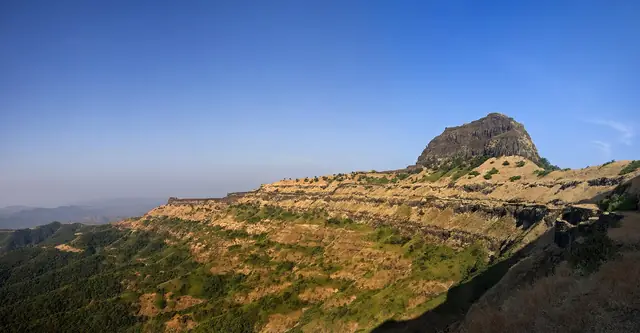
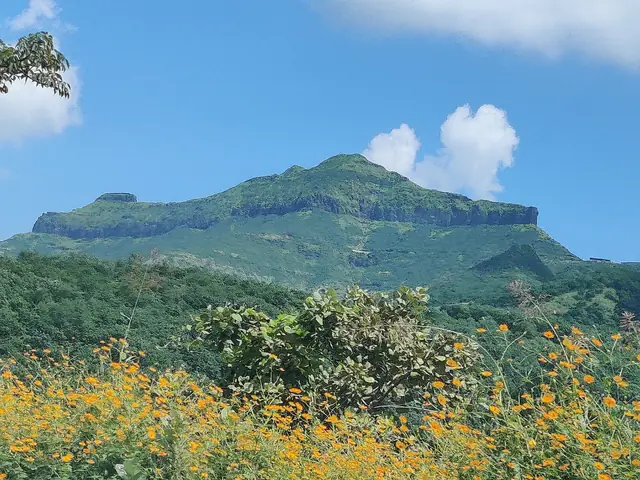
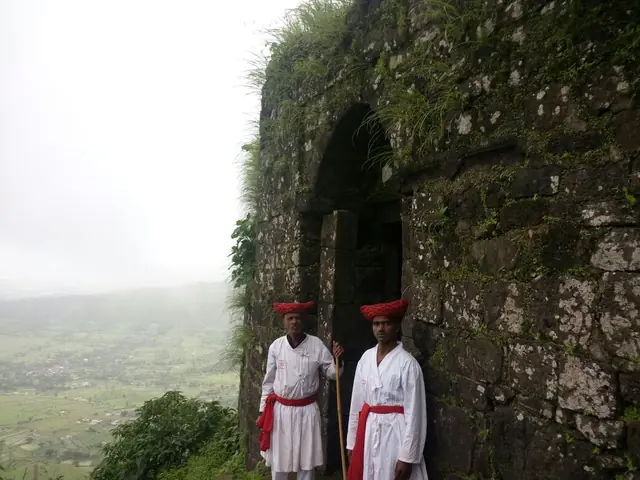
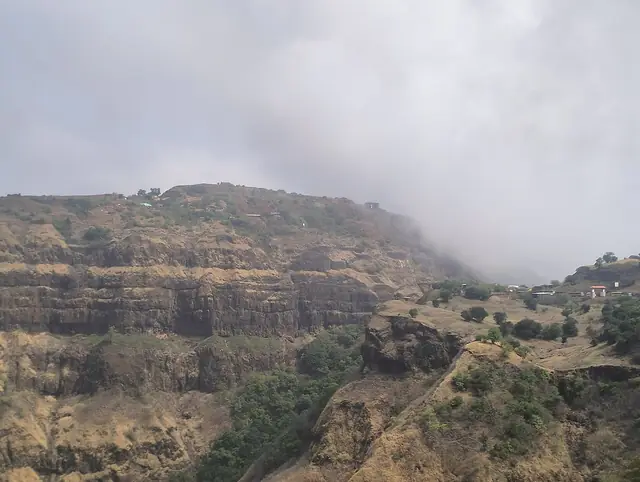
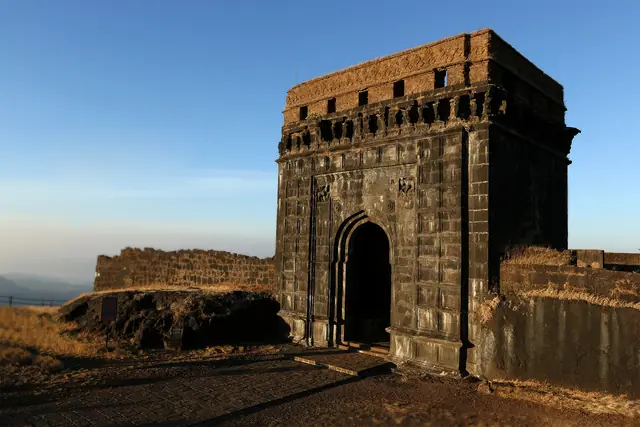
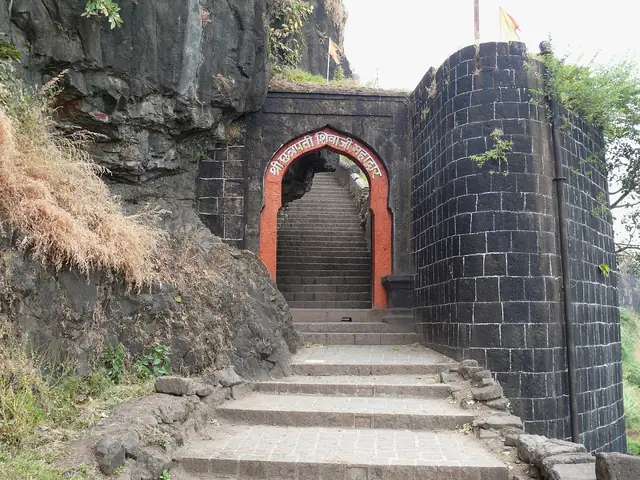
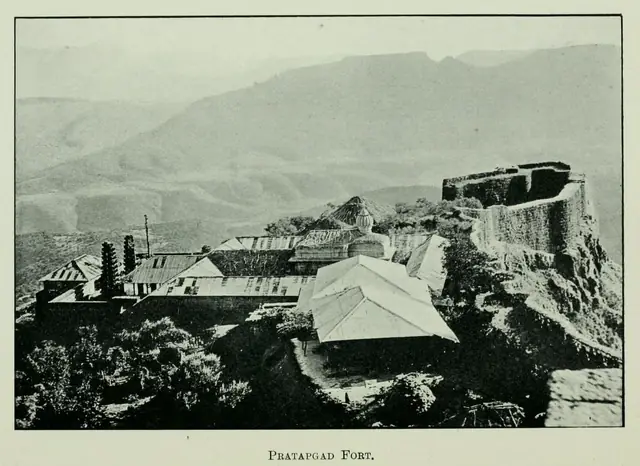
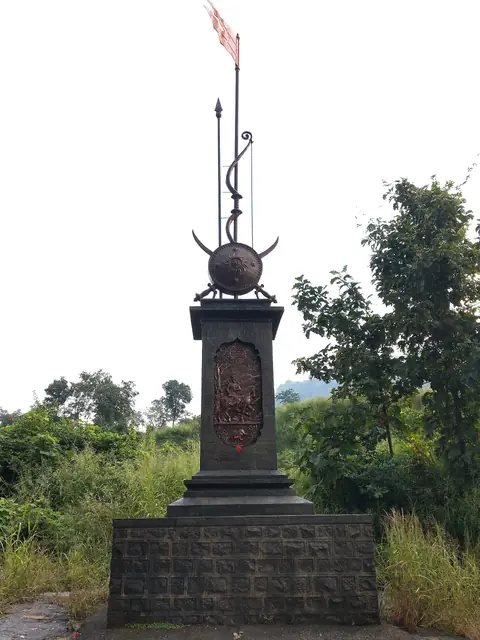
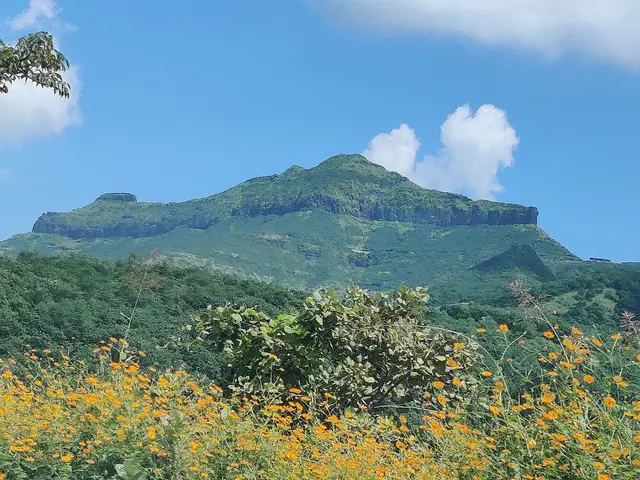
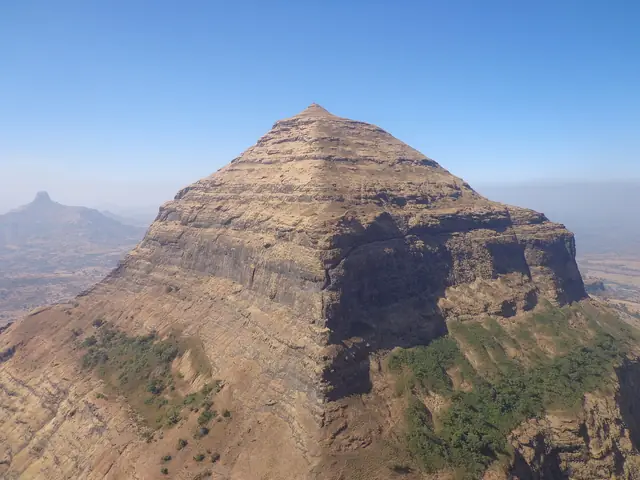
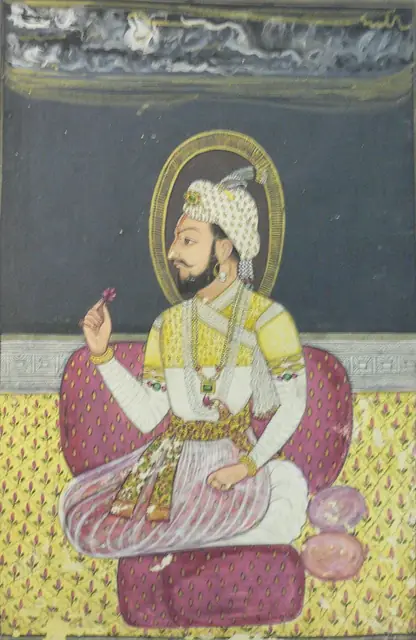
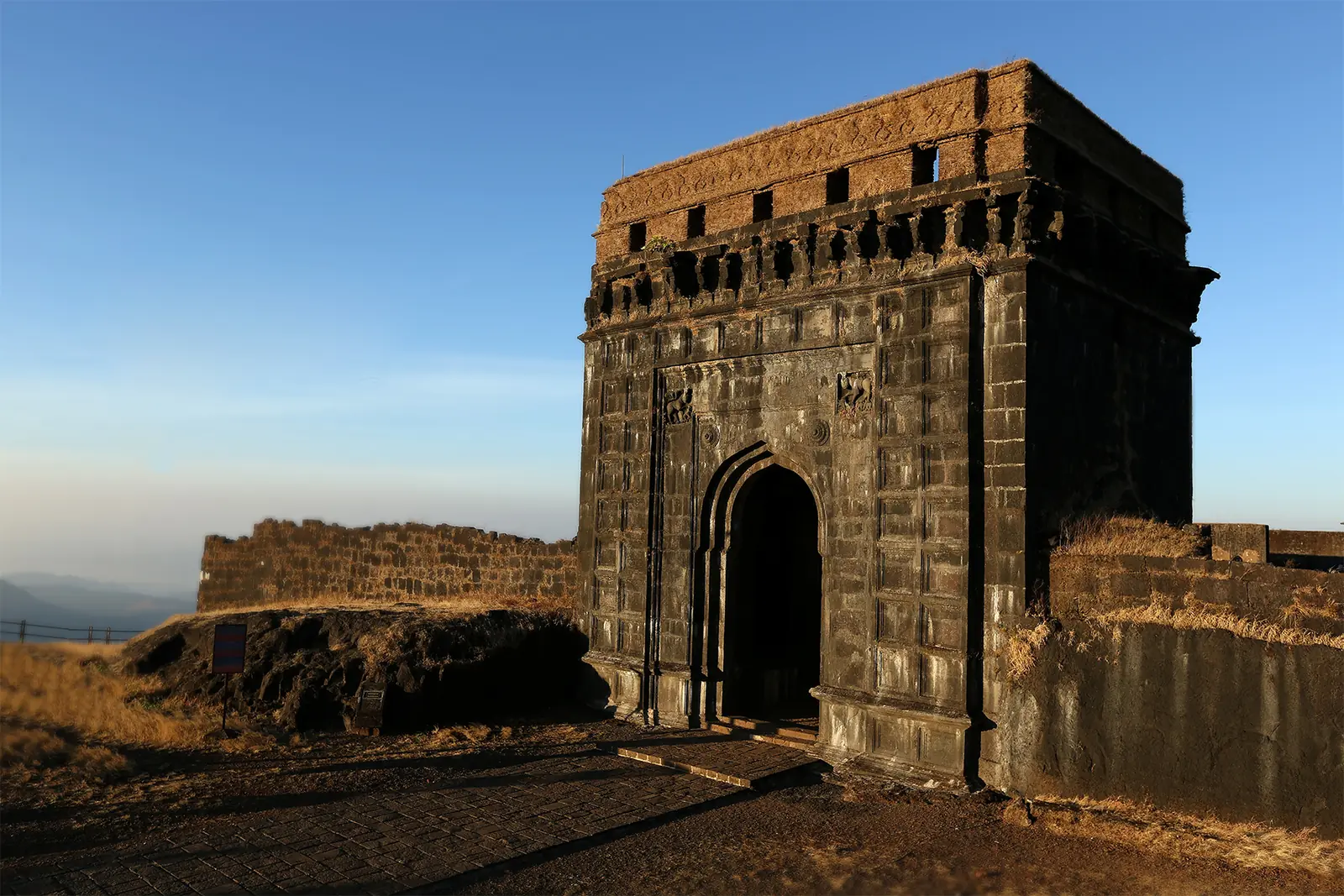
Shivaji took Torna as a youth in the 1640s and built Rajgad on the next ridge, which stayed his seat for some twenty-five years. In 1659 he killed the Bijapur general Afzal Khan below Pratapgad and destroyed his army. In 1663 he raided Shaista Khan in the Lal Mahal at Pune, and in 1664 he sacked Surat. The treaty of Purandar in 1665 cost him twenty-three forts, and his visit to Agra in 1666 ended in house arrest, from which he escaped hidden in a basket of sweets. By 1670 he had taken back Sinhagad, where Tanaji Malusare fell, and most of the lost forts.
02The coronation at Raigad
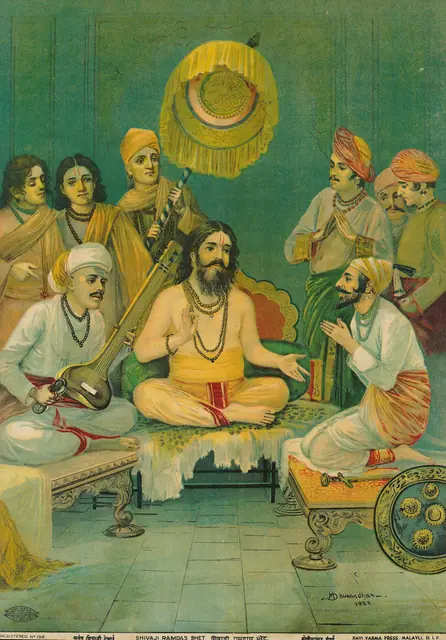
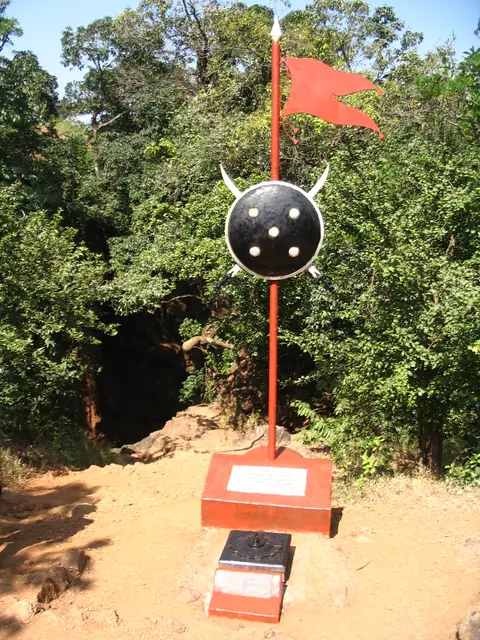
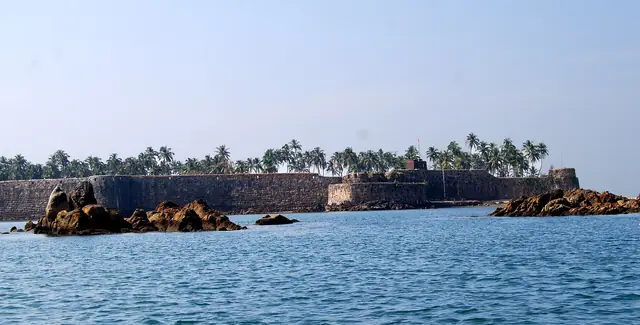
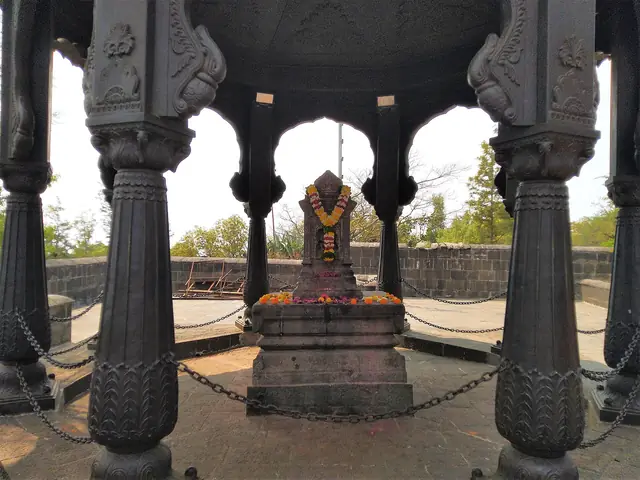
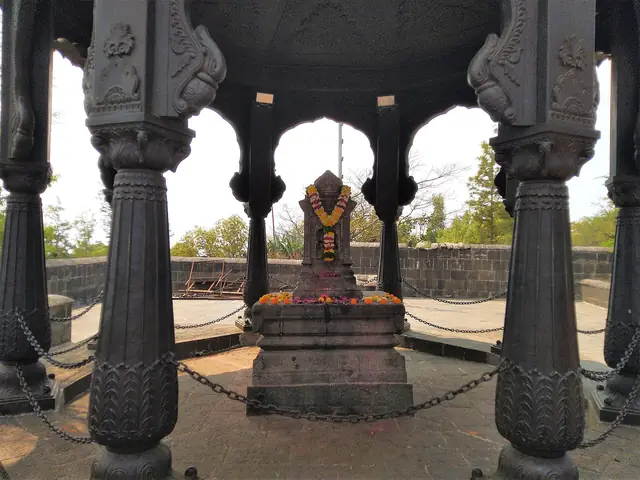
On 6 June 1674 Gaga Bhatt of Varanasi performed the Vedic abhisheka at Raigad, and Shivaji became Chhatrapati. A new era, the Rajyabhisheka Shaka, was started from that day. He governed through a council of eight ministers, the Ashtapradhan, paid his soldiers in cash rather than in land grants, and had a Persian-to-Sanskrit glossary of state terms, the Rajavyavahara Kosha, prepared. He built a navy and sea forts such as Sindhudurg off Malvan. His southern campaign of 1677–78 took Jinji and Vellore. He died at Raigad in April 1680.
03Twenty-seven years of war
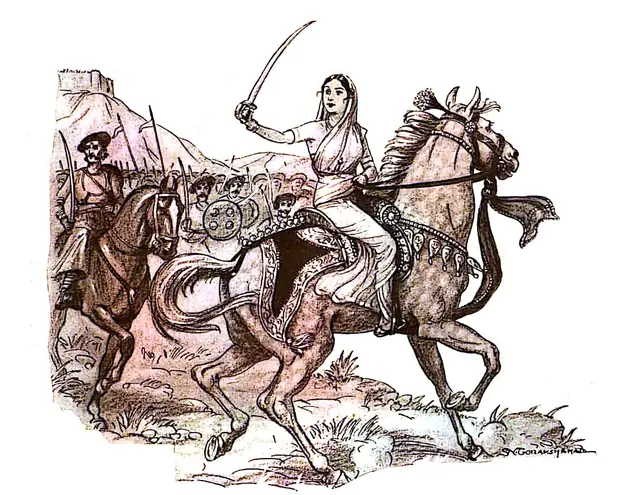
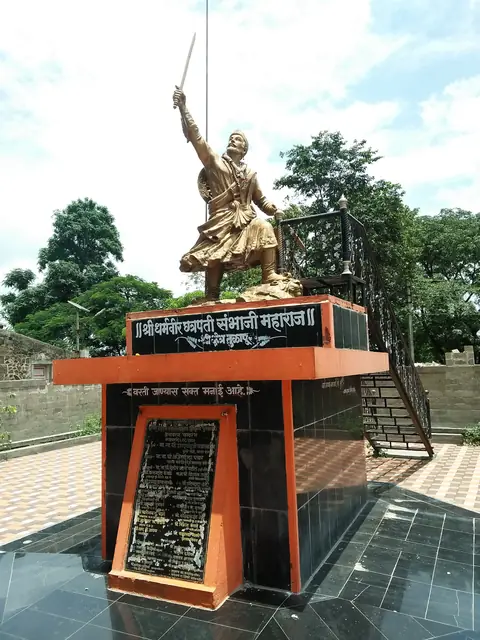
Aurangzeb came south himself in 1681 and never went back. Sambhaji fought him for eight years until he was captured at Sangameshwar in February 1689; on the emperor’s order he was tortured and put to death at Tulapur in March 1689. Raigad fell that year. Rajaram slipped away to Jinji, which the Mughals besieged until 1698, while Santaji Ghorpade and Dhanaji Jadhav harried the imperial armies across the Deccan. After Rajaram died at Sinhagad in 1700, his widow Tarabai led the war in the name of her son Shivaji II. Aurangzeb died at Ahmednagar in 1707 with the Marathas still in the field.
04Satara, Kolhapur and the end
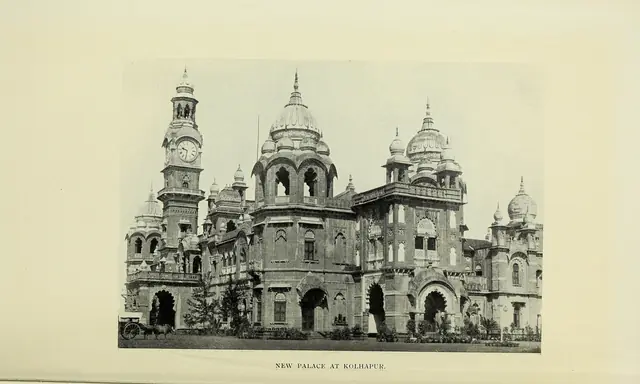
The Mughals released Sambhaji’s son Shahu in 1707. He defeated Tarabai’s forces at Khed, ruled from Satara, and in 1713 made Balaji Vishwanath his Peshwa; from then the Peshwas held real power in the Chhatrapati’s name. Tarabai’s line set up a separate seat at Kolhapur, and the treaty of Warna in 1731 fixed the border between the two houses. After the Peshwa’s fall in 1818 the British restored Pratap Singh at Satara, deposed him in 1839, and annexed the state in 1848 when Shahaji died without a natural son. Kolhapur remained a princely state until 1949.
The rulers
- 1ShivajiCrowned Chhatrapati at Raigad, 6 June 16741674–1680
- 2SambhajiCaptured at Sangameshwar, killed at Tulapur1681–1689
- 3RajaramHeld the war from Jinji1689–1700
- 4Shivaji II (Tarabai regent)Tarabai led the war against Aurangzeb1700–1707
- 5Shahu IRuled from Satara; appointed the Peshwas1707–1749
- 6Rajaram II1749–1777
- 7Shahu II1777–1808
- 8Pratap SinghRestored by the British 1818, deposed 18391808–1839
- 9Shahaji (Appa Sahib)Satara annexed after his death1839–1848
What they left
- The hill forts of Raigad, Rajgad, Torna, Sinhagad and Pratapgad
- Sea forts at Sindhudurg and Vijaydurg, and a Maratha navy
- The Ashtapradhan council and the Rajavyavahara Kosha
- The Rajyabhisheka Shaka, an era counted from 1674
- A state that outlasted Aurangzeb and grew into the Maratha empire