01Harsha of Kannauj
Harshavardhana of the Pushyabhuti family of Thanesar came to the throne in 606 at sixteen, after his brother was murdered, and moved his capital to Kannauj, which became the prize city of north India for the next three centuries. Banabhatta, his court poet, told his rise in the Harshacharita. Harsha himself wrote three Sanskrit plays, the Ratnavali, the Priyadarshika and the Nagananda.
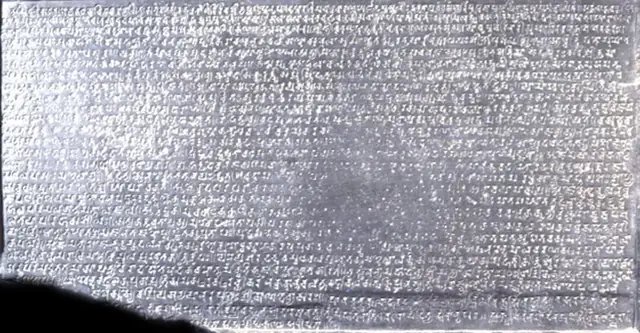
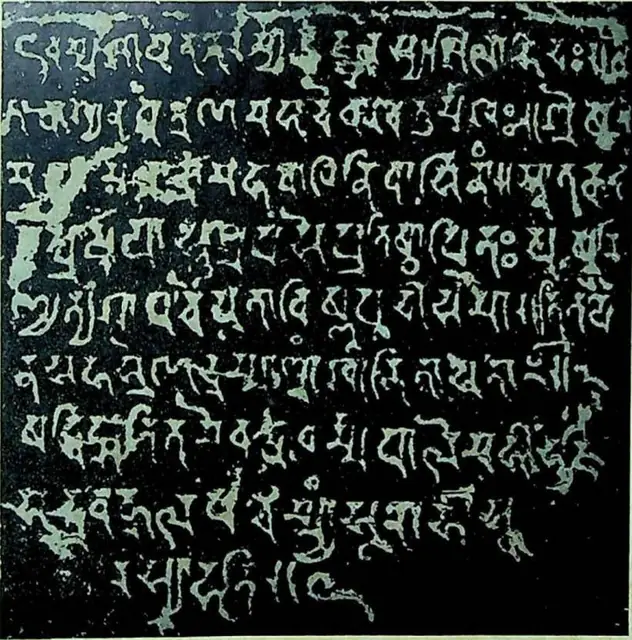
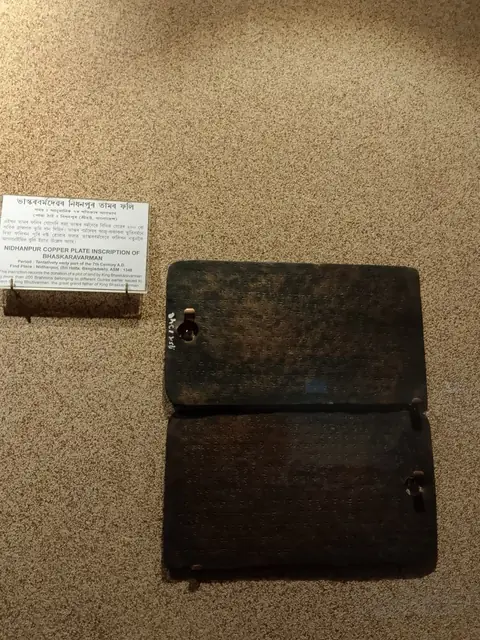
Xuanzang stayed in his kingdom and describes a great assembly at Kannauj and the gathering every five years at Prayaga, where Harsha gave away his treasury to Brahmins, monks and the poor, down to his own clothes. His signature survives on the Banskhera copper plate.
02Chalukyas and Pallavas
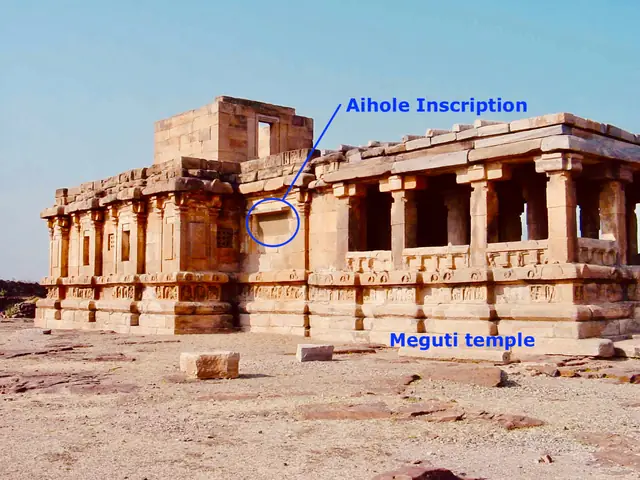
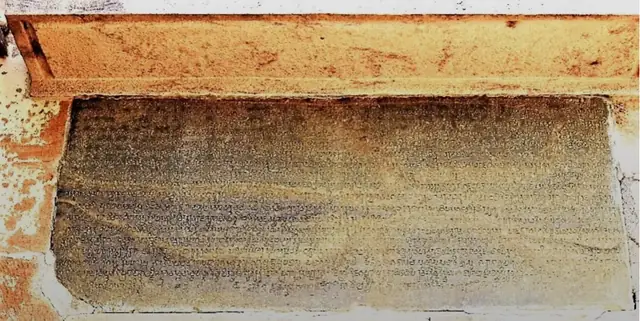
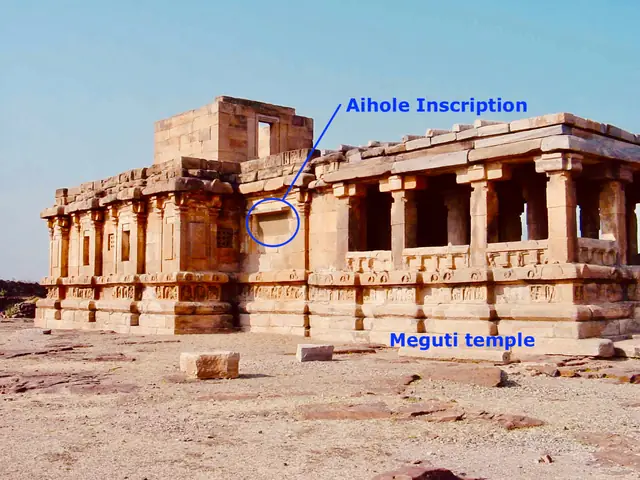
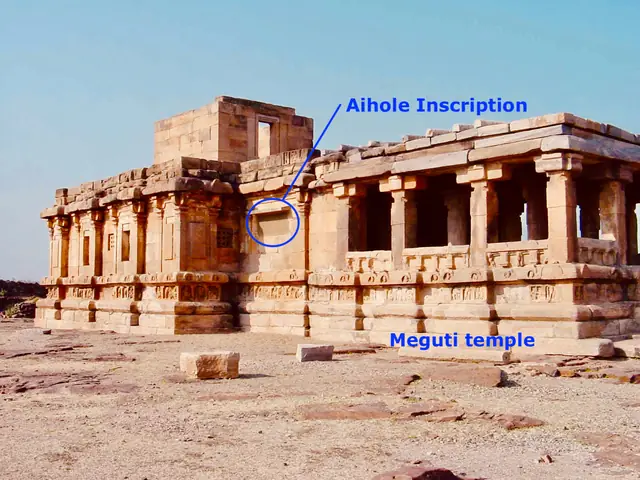
Pulakeshin II of the Chalukyas of Badami stopped Harsha on the Narmada. The Aihole inscription of 634, written by the Jain poet Ravikirti on the Meguti temple, says Harsha’s joy melted away when his elephants fell in battle.
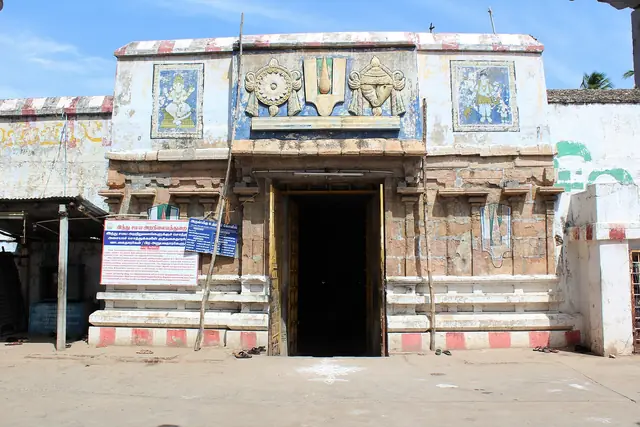
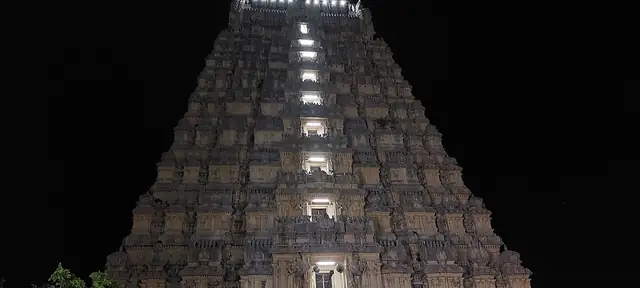
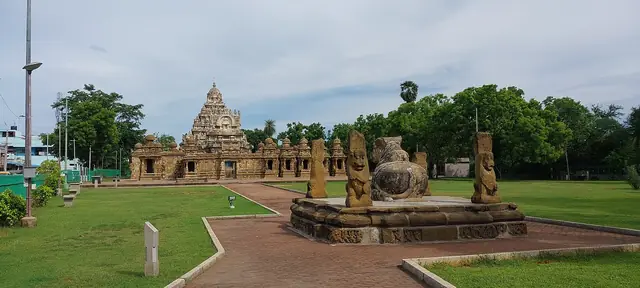
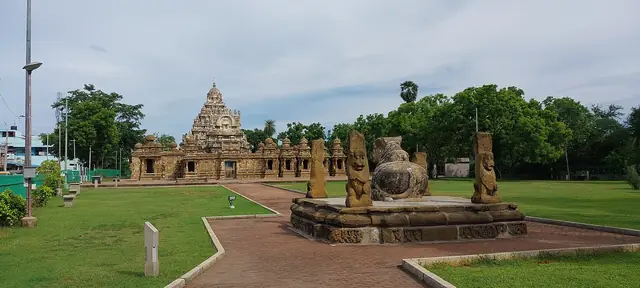
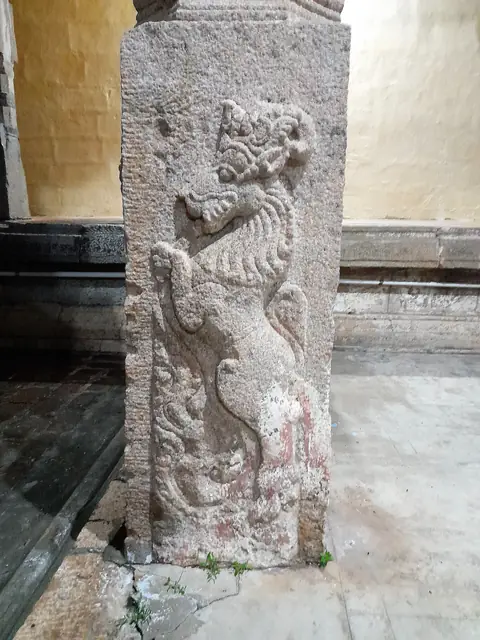
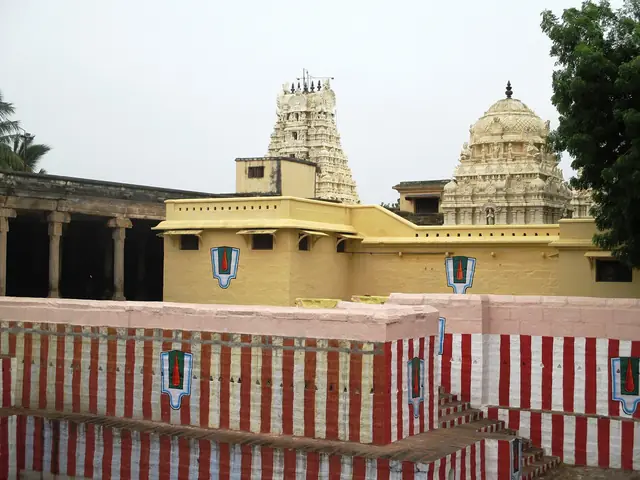
South of the Chalukyas were the Pallavas of Kanchipuram, and the two fought for a century. In 642 the Pallava Narasimhavarman I, called Mamalla, took Vatapi, today’s Badami, and Pulakeshin died. A hundred years later the Chalukya Vikramaditya II took Kanchi in turn, and instead of looting it gave gifts to the Kailasanatha temple, as a Kannada inscription on its pillar records. His queen Lokamahadevi built the Virupaksha temple at Pattadakal to mark the victory.
03Temples of rock and stone
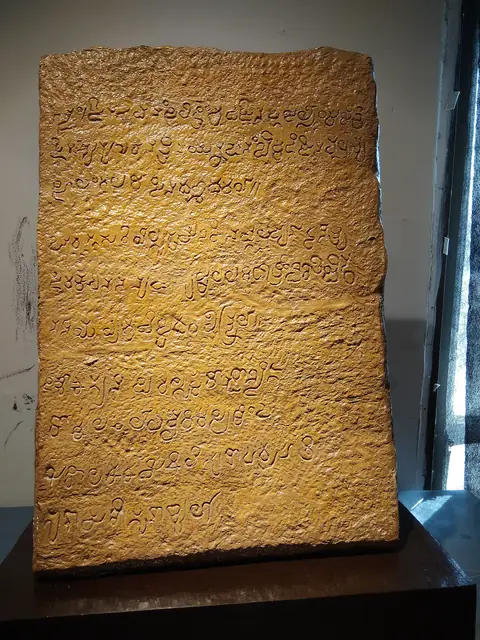
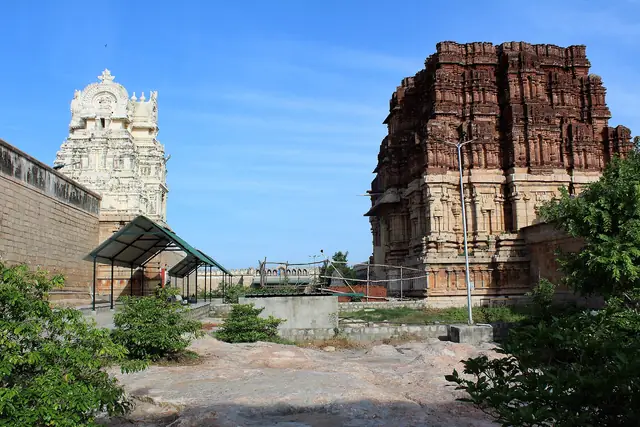
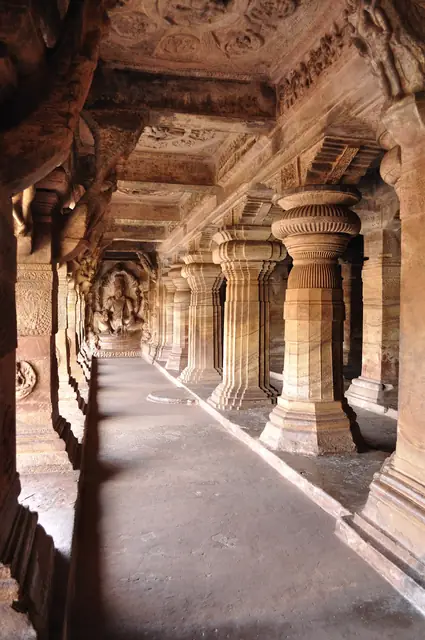
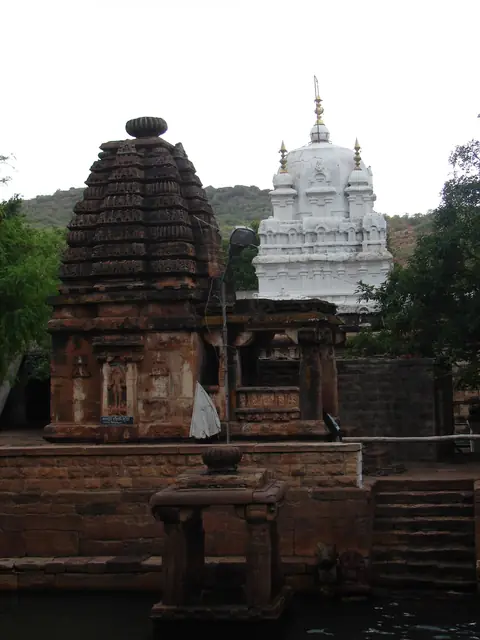
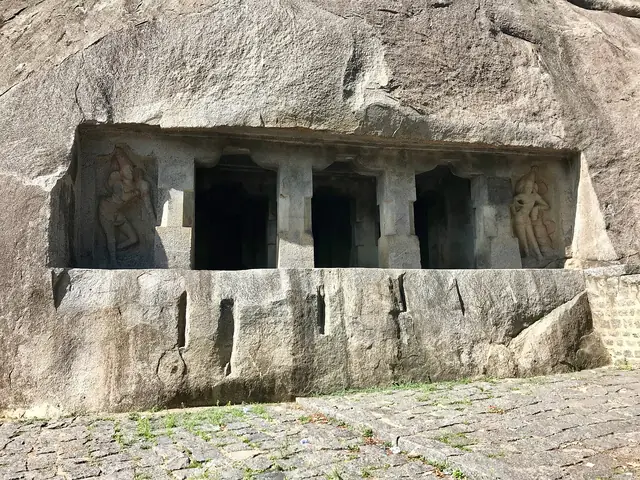
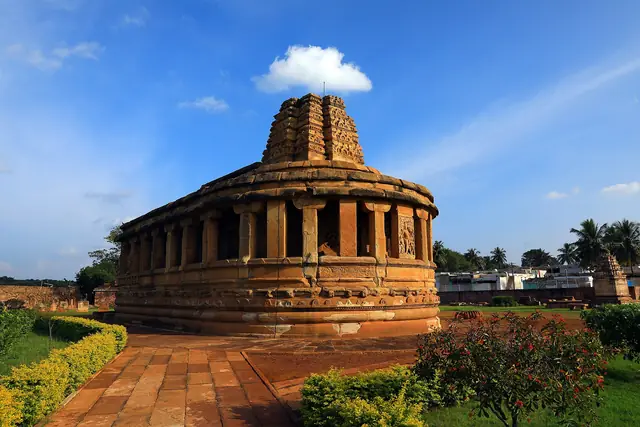
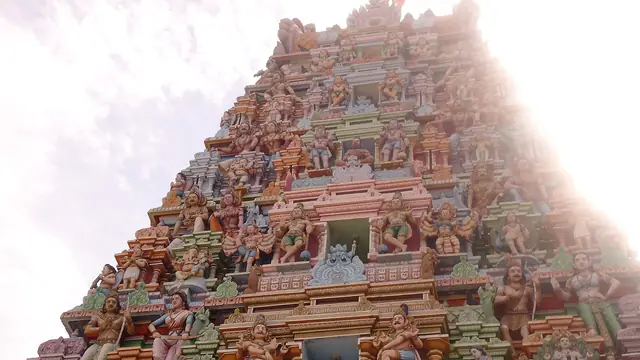
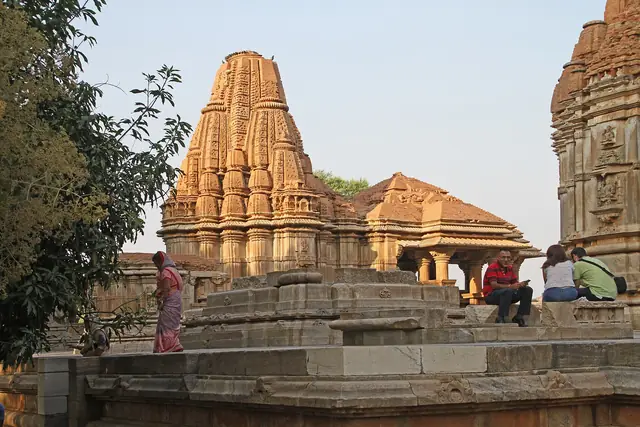
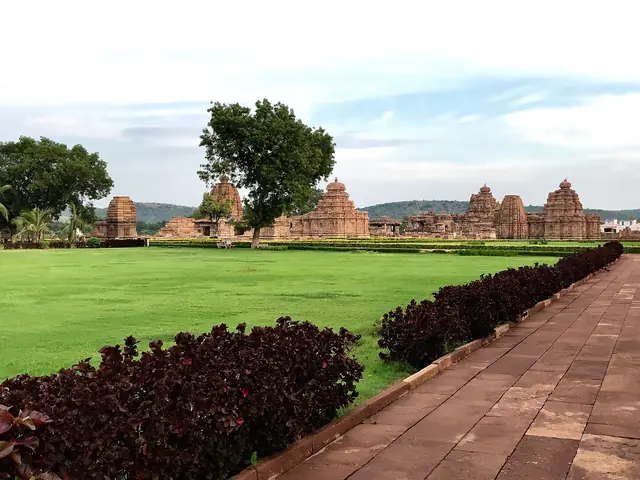
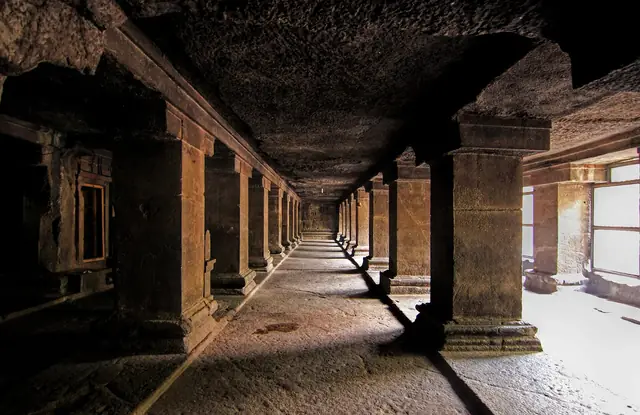
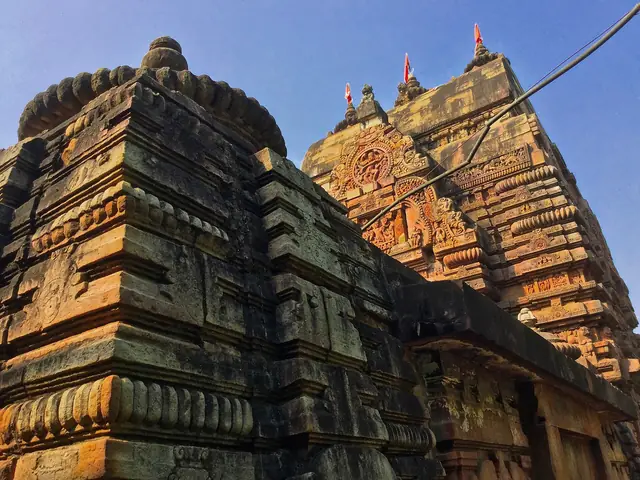
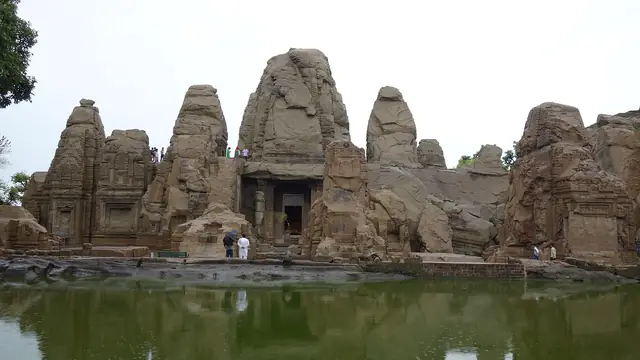
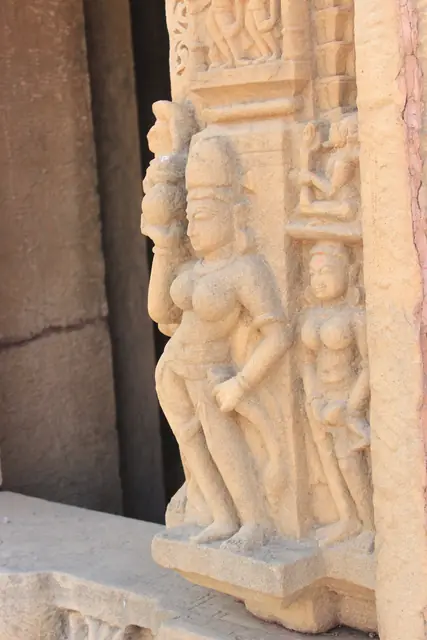
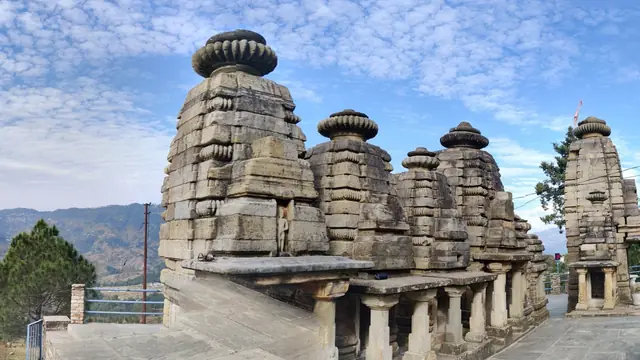
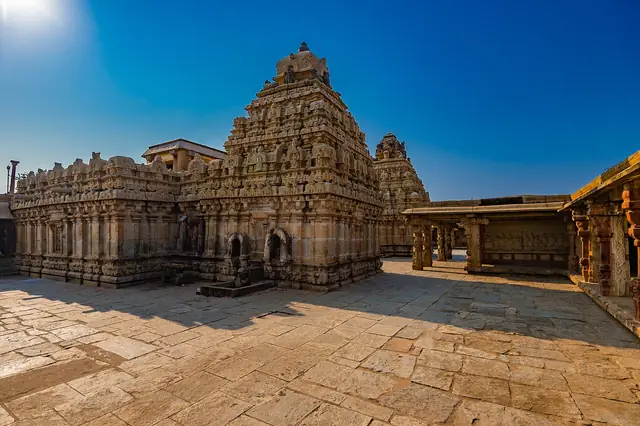
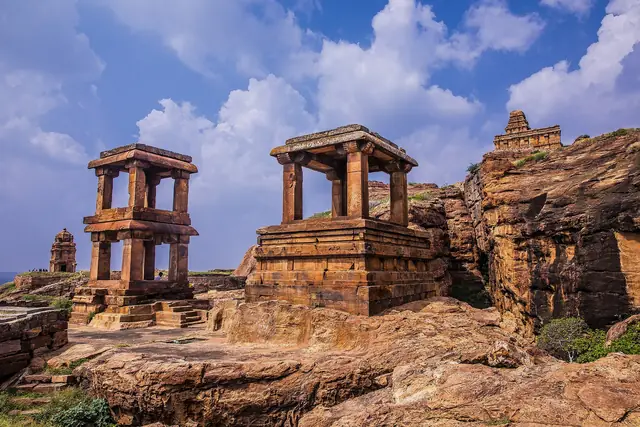
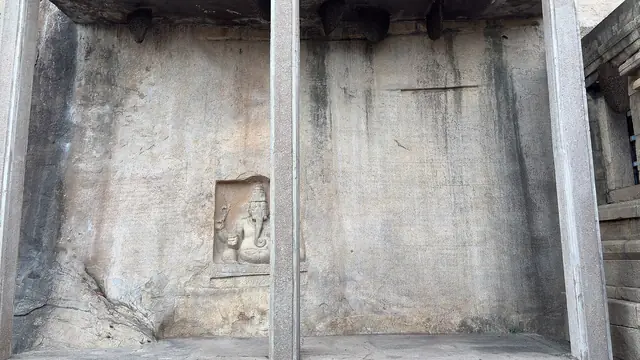
Cave 3 at Badami, carved for Vishnu, carries an inscription of 578 CE. At Aihole and Pattadakal the Chalukya builders tried out the northern curved shikhara and the southern stepped vimana side by side; Pattadakal is a World Heritage Site.
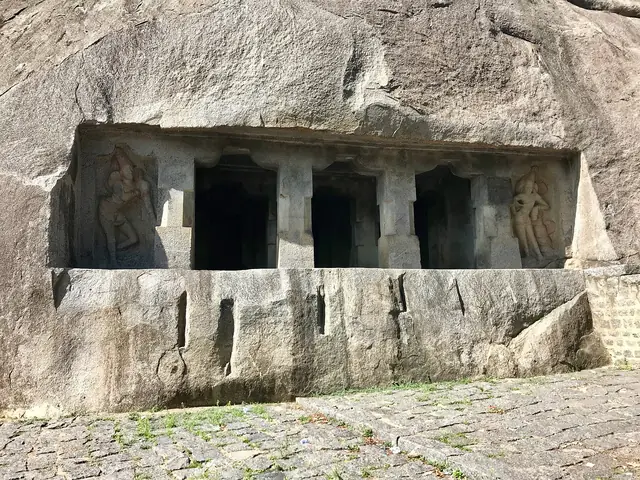
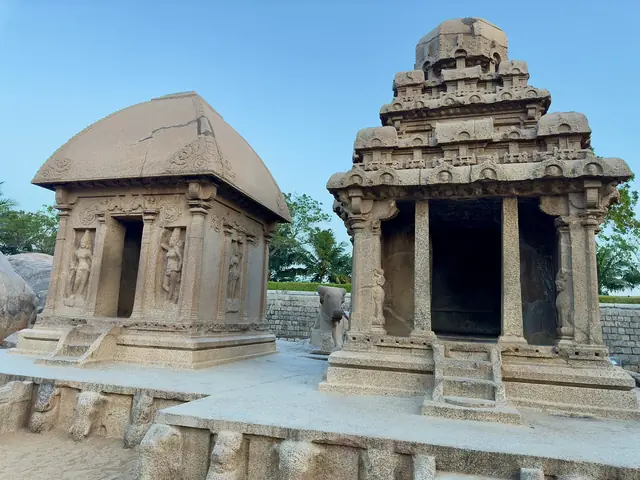
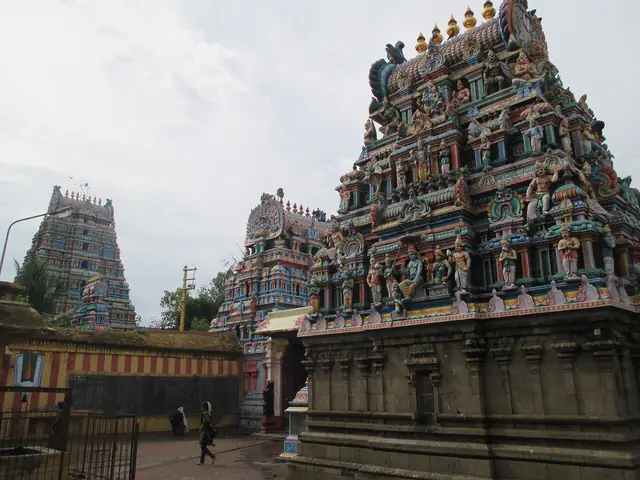
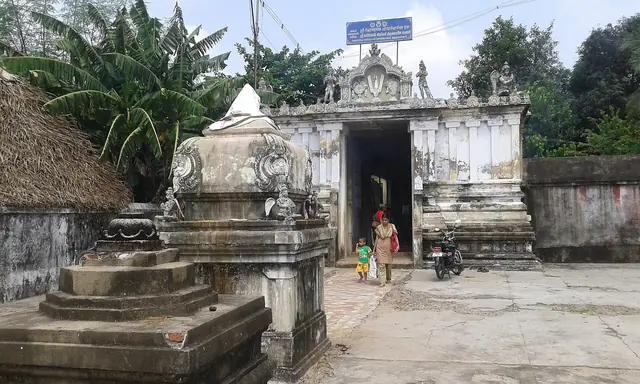
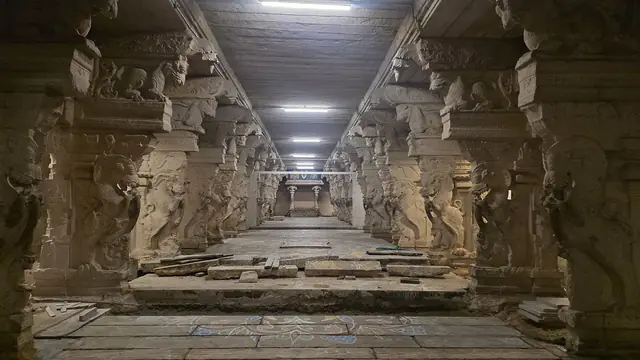
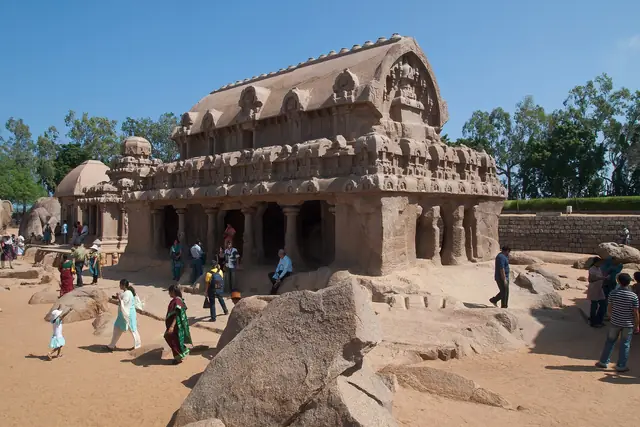
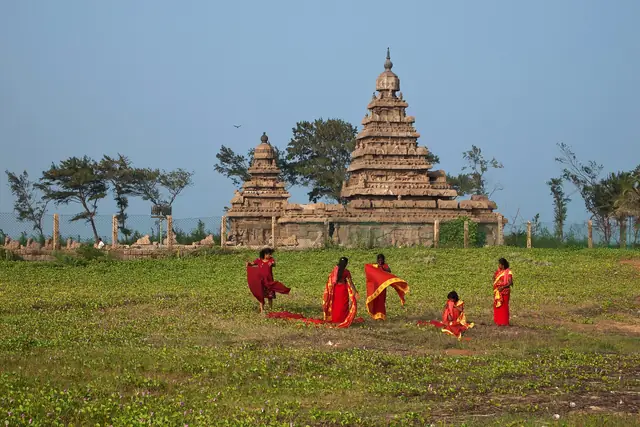
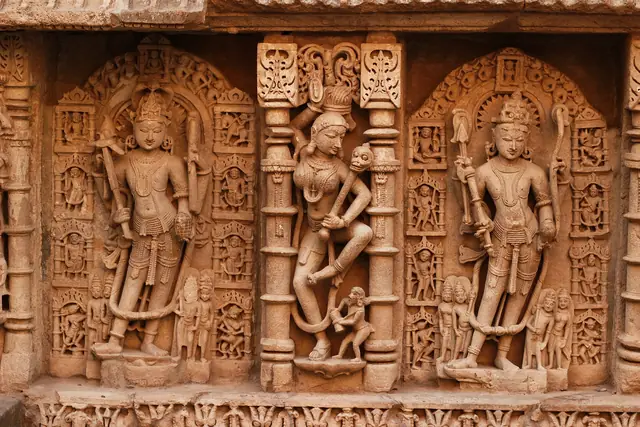
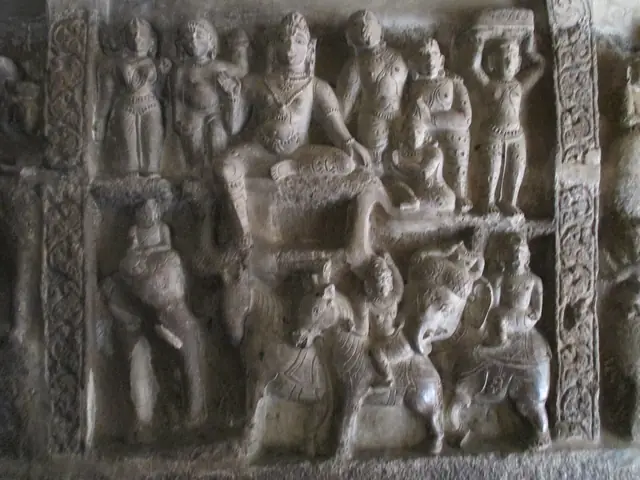
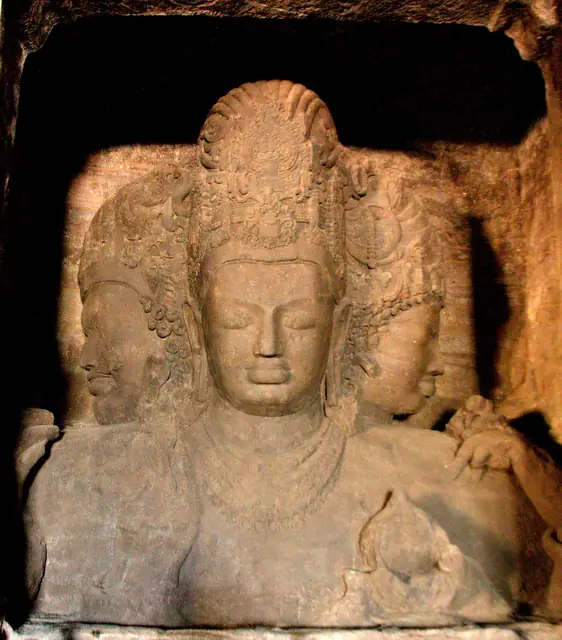
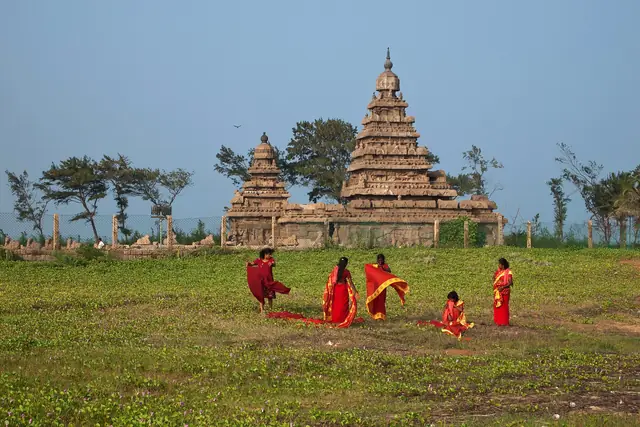
The Pallava Mahendravarman I boasted at Mandagapattu that he made a shrine without brick, timber, metal or mortar, cut into living rock. At Mamallapuram his son’s craftsmen carved the five rathas, each from a single boulder, and the great relief of the descent of the Ganga with Arjuna’s tapas, and around 700 Rajasimha built the Shore Temple facing the sea and the Kailasanatha at Kanchi.
04Rashtrakutas and the Kailasa
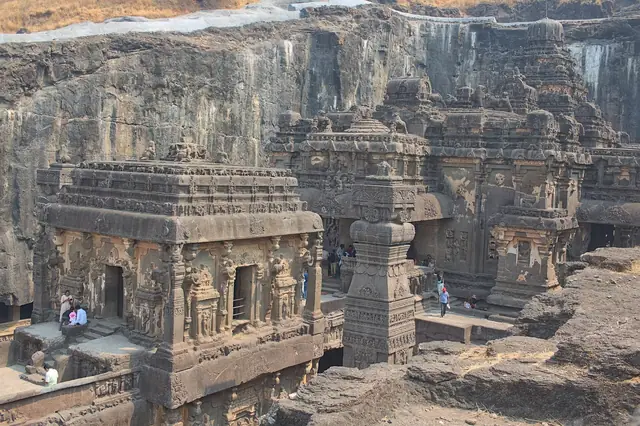
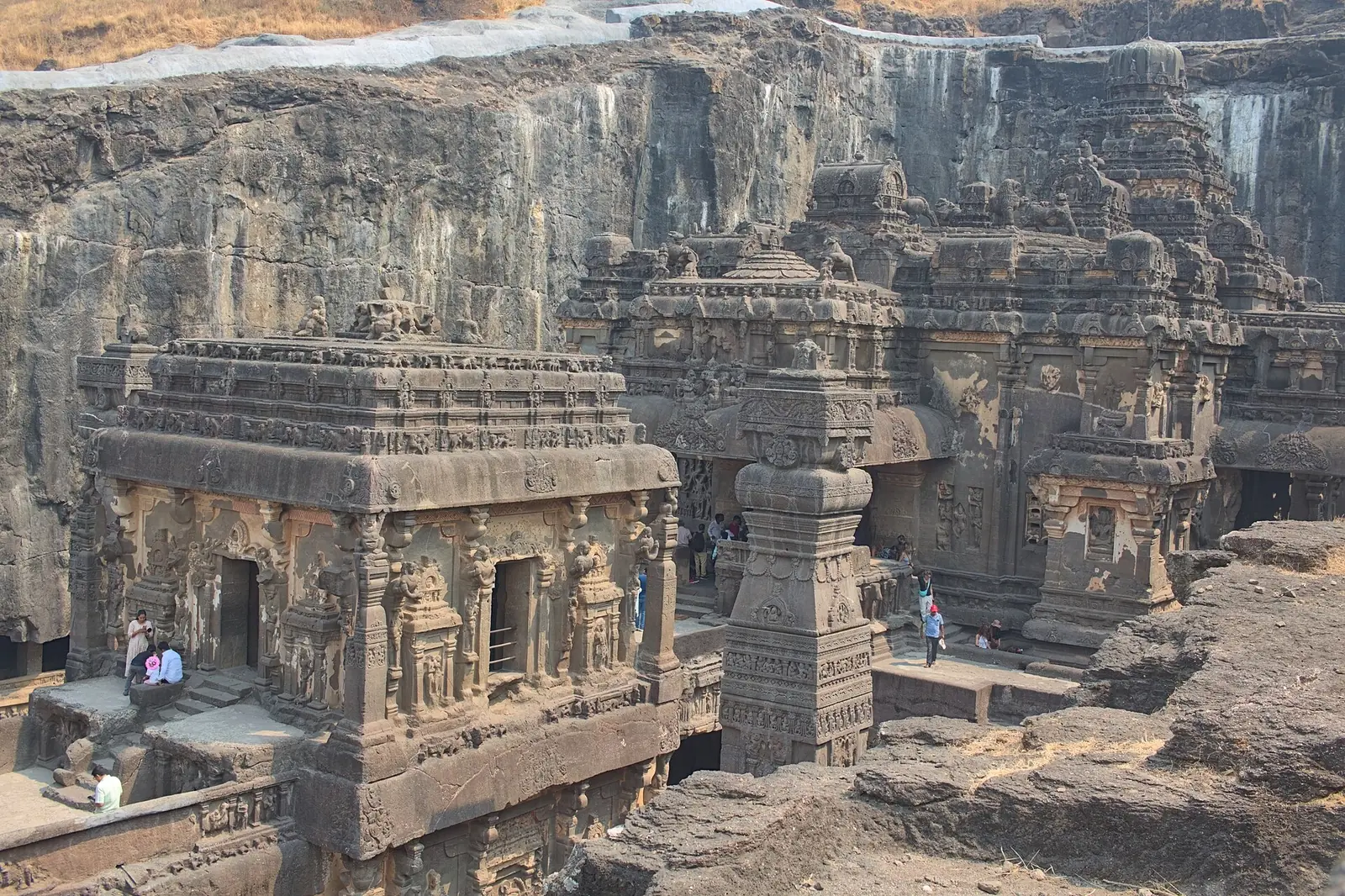
Around 753 the Rashtrakuta Dantidurga overthrew the Chalukyas. His uncle Krishna I had the Kailasa temple, Cave 16, carved at Ellora, a monolith cut down from the top of the hill; a copper plate of his successor says the devas in their sky-cars wondered how it could have been made. The Ellora caves, Buddhist, Hindu and Jain together, are a World Heritage Site.
The Rashtrakutas campaigned as far as Kannauj and the Ganga. Amoghavarsha I ruled for over sixty years from Manyakheta; the Kavirajamarga, the oldest surviving work on Kannada poetics, was written at his court. The Arab merchant Sulaiman, writing in 851, counted the Balhara, the Rashtrakuta king, among the four great kings of the world.
05Palas, Pratiharas and Kannauj
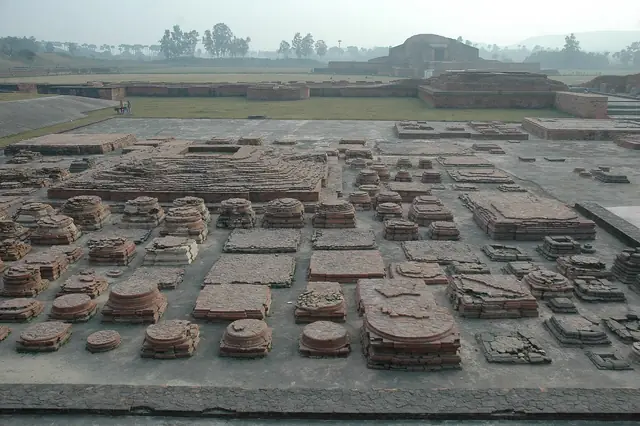
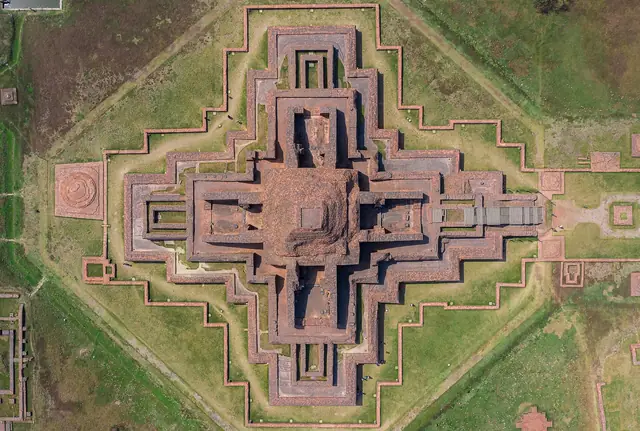
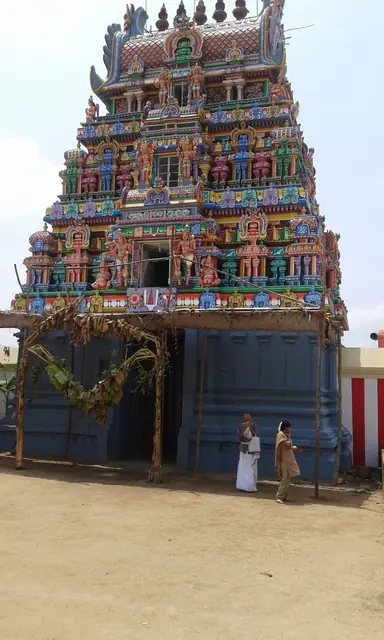
In Bengal, after years of disorder that the inscriptions call matsyanyaya, the law of the fish where the big eat the small, the people chose Gopala as king around 750. His son Dharmapala founded the Vikramashila monastery and the vast vihara at Somapura, now Paharpur in Bangladesh. Pala craftsmen in black stone and bronze shaped the art of Tibet and Southeast Asia.
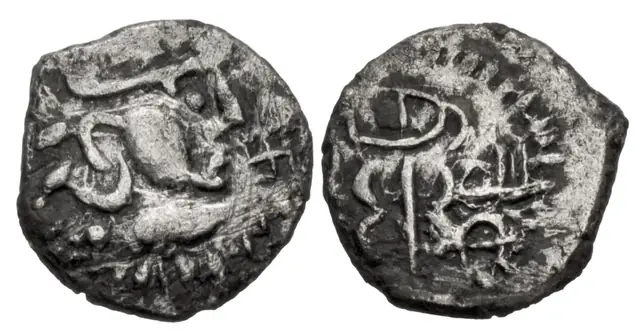
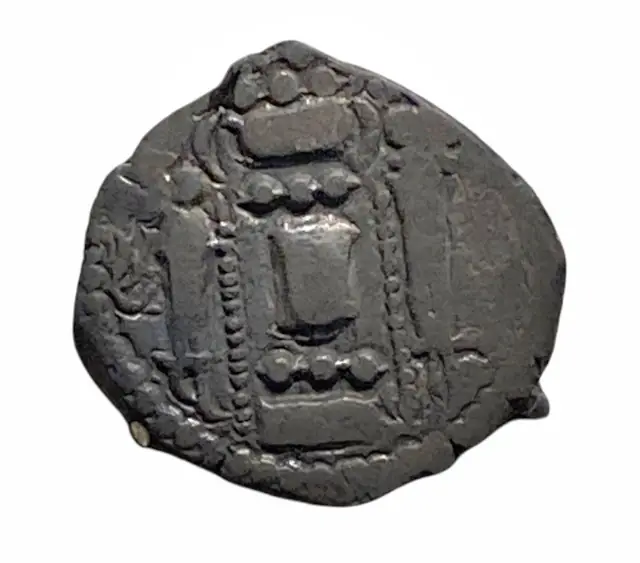
In the west rose the Gurjara-Pratiharas. For two hundred years Palas, Pratiharas and Rashtrakutas fought over Kannauj. Under Mihira Bhoja, who ruled for about fifty years from 836 and struck coins with Adi-Varaha, the Pratiharas held most of the north. Sulaiman says their king had the finest cavalry in India and was the Arabs’ greatest enemy.
06Holding the western gate
In 711–712 an Arab army under Muhammad bin Qasim took Sindh and killed its king, Dahir. In the decades after, Arab forces pushed east into Rajasthan, Malwa and Gujarat. They were thrown back. The Gwalior inscription of Mihira Bhoja praises Nagabhata I for crushing the armies of the mlechchha king; a Chalukya prince of Gujarat, Avanijanashraya Pulakeshin, records on his Navsari plates of 739 that he defeated the Tajikas, the Arabs, who had overrun Sindh, Kutch and Saurashtra. Mewar’s tradition gives Bappa Rawal a share in that victory.
For almost three hundred years after that, Arab rule did not pass beyond Sindh and Multan.
07Shankara, Alvars and Nayanars
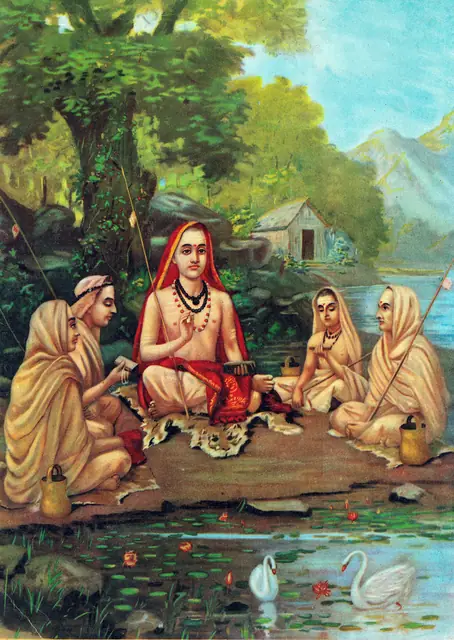
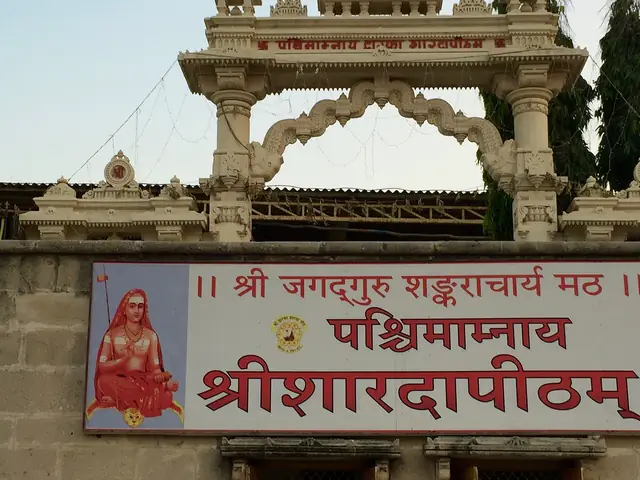
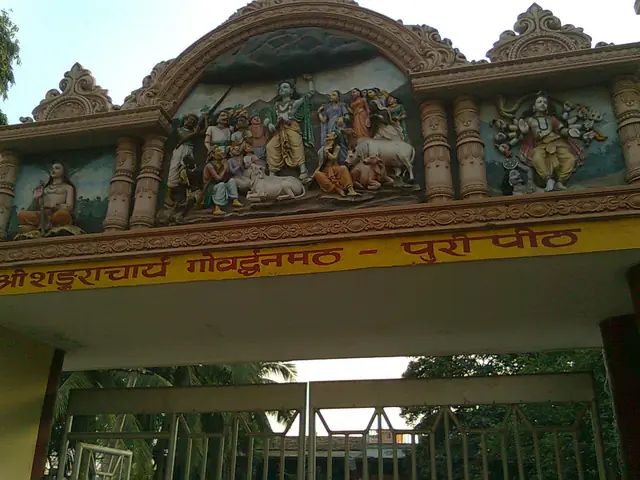
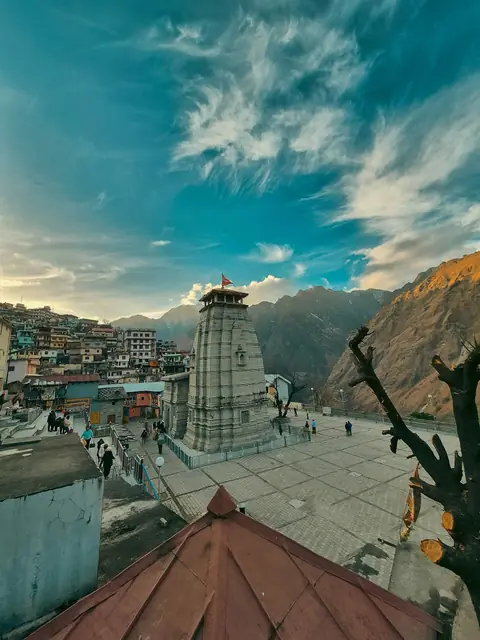
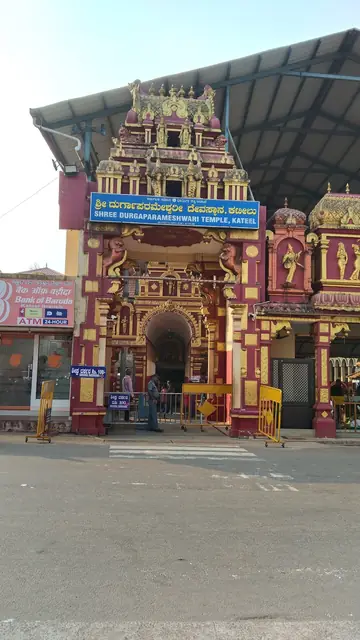
Adi Shankaracharya, born at Kaladi in Kerala, wrote his commentaries on the Upanishads, the Gita and the Brahma Sutras, walked the length of Bharat in debate, and founded mathas at Sringeri, Dwarka, Puri and Jyotirmath. The Amnaya mathas date him to 509–477 BCE; another widely used reckoning gives 788–820 CE.
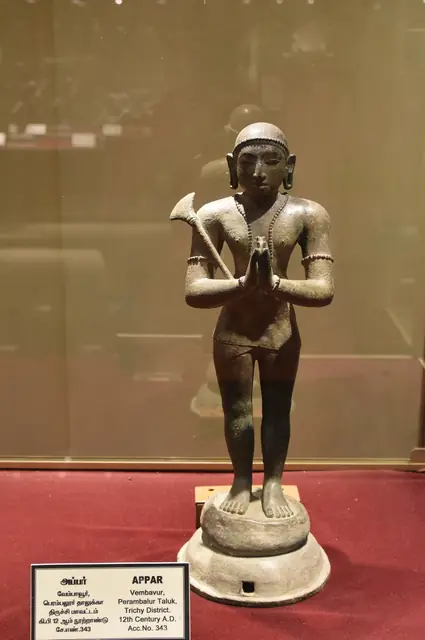
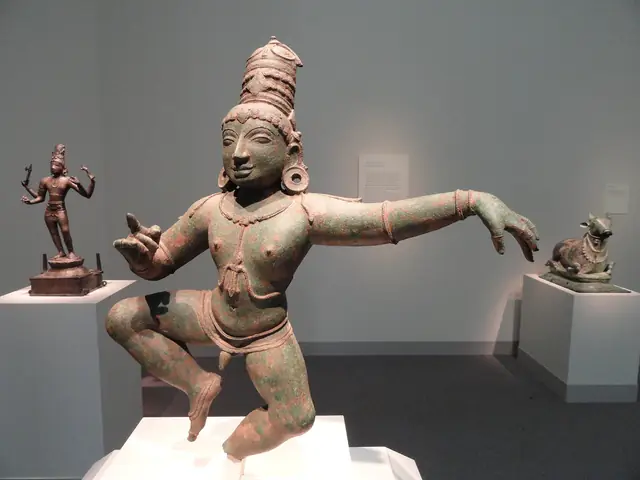
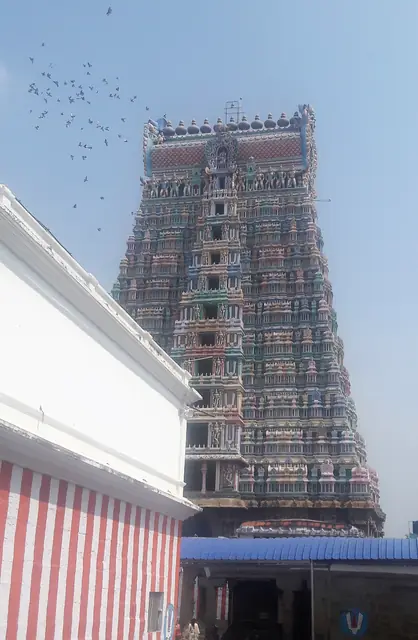
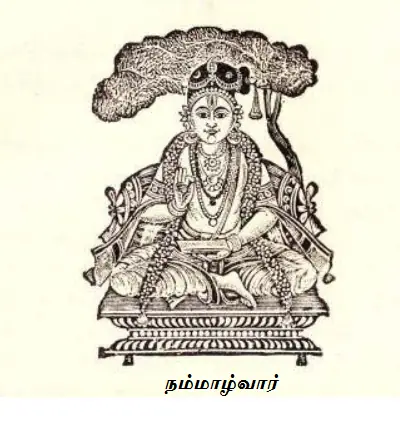
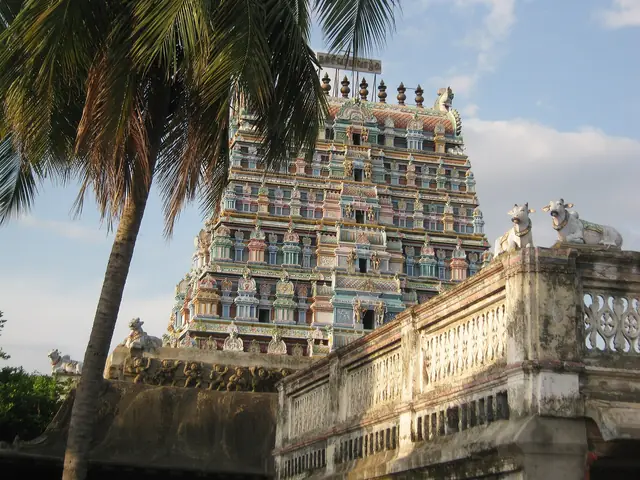
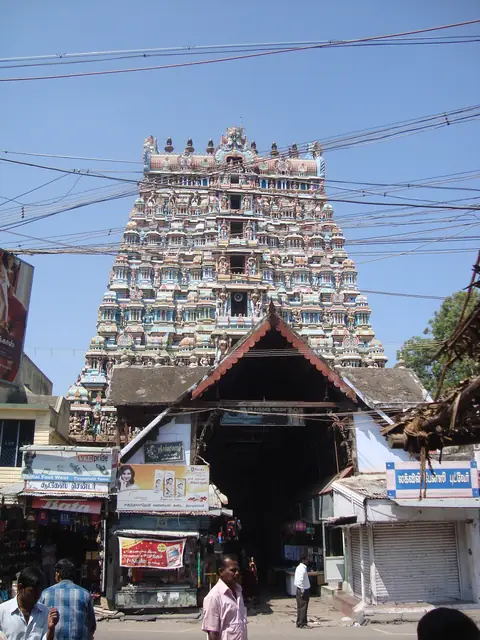
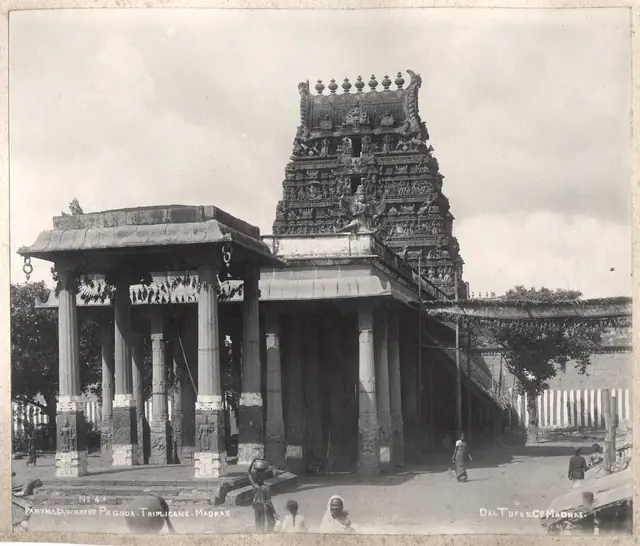
In the Tamil country, the Nayanars sang of Shiva and the Alvars of Vishnu, going from temple to temple. Appar and Sambandar’s hymns became the Tevaram; Andal’s Tiruppavai is sung every morning of the month of Margazhi. Later Nathamuni gathered the Alvars’ four thousand verses into the Divya Prabandham. In Kashmir, Abhinavagupta wrote on Shaiva philosophy and on rasa in drama.
08Zero, Kashmir and the universities
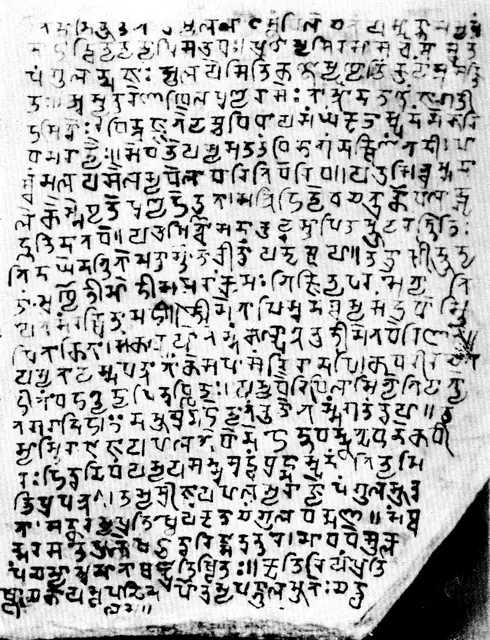
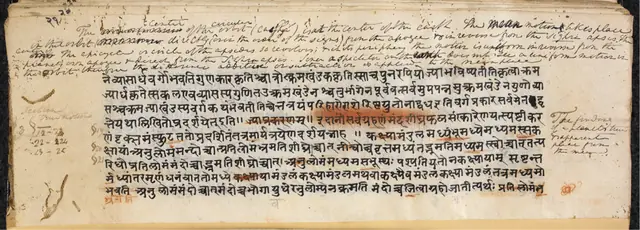
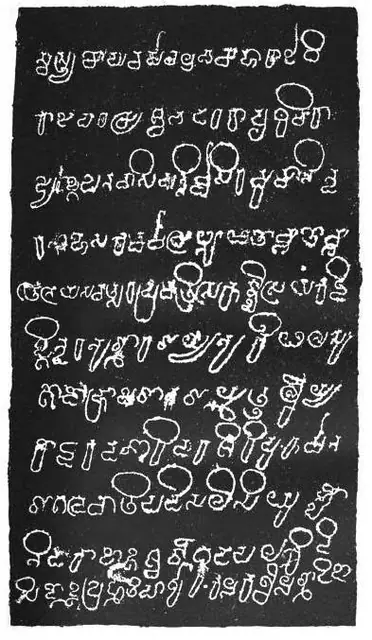
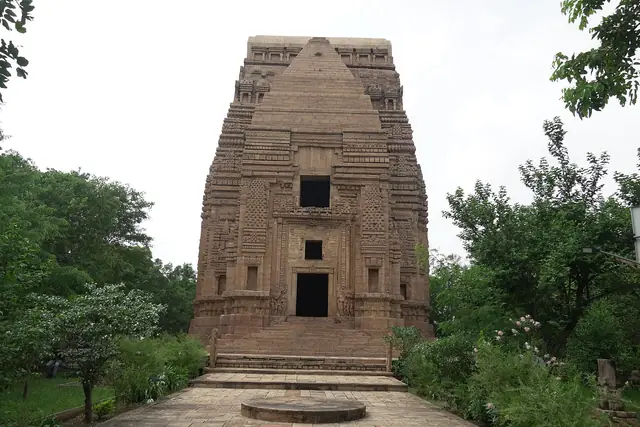
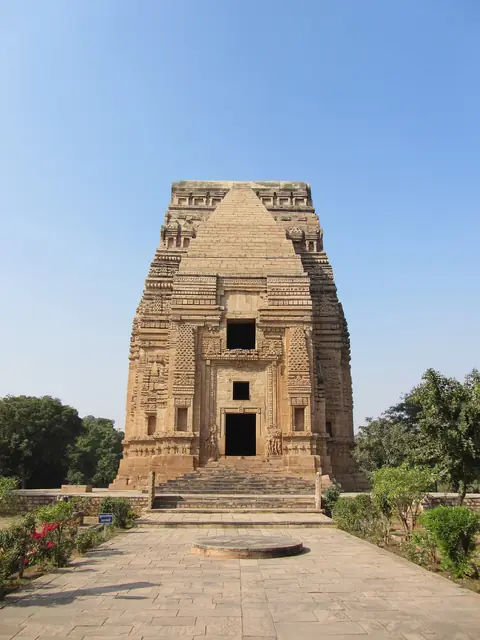
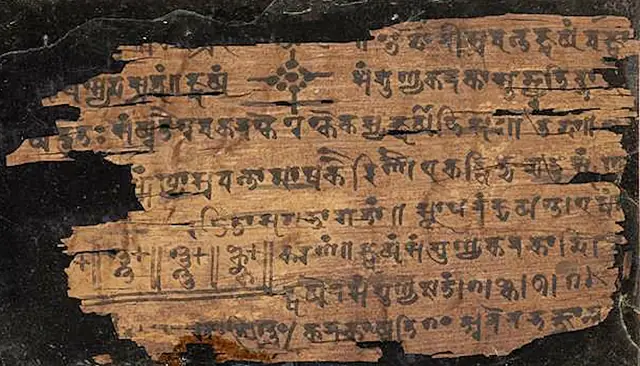
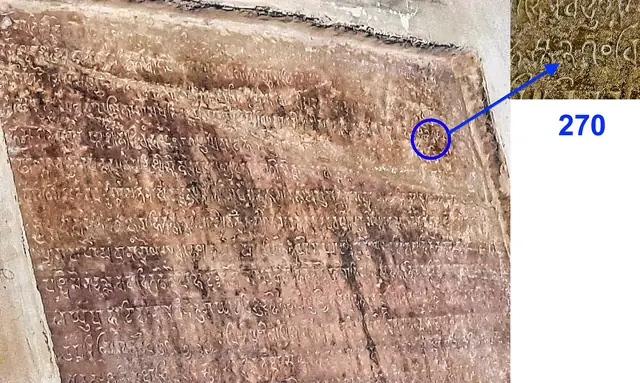
At Bhillamala, today’s Bhinmal in Rajasthan, Brahmagupta wrote the Brahmasphutasiddhanta in 628, treating zero as a number with its own rules and working with negative quantities as debts. At Gwalior, a temple inscription of 876 writes the numbers 270 and 50 with a small round zero, long counted the oldest dated zero in India that can still be seen in stone.
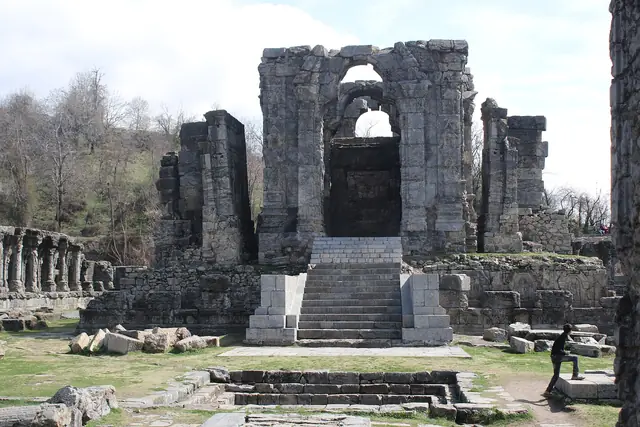
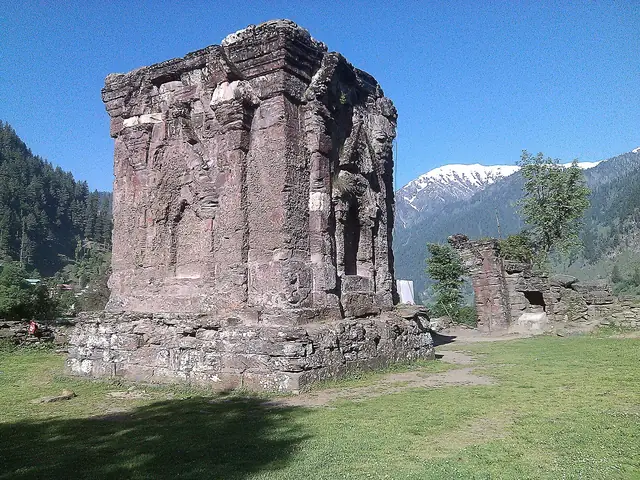
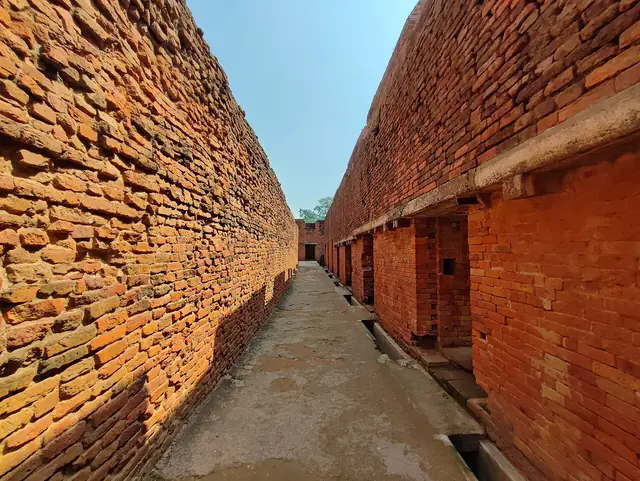
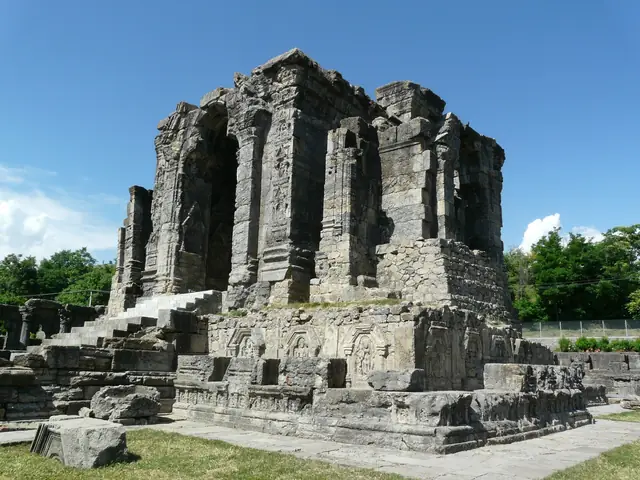
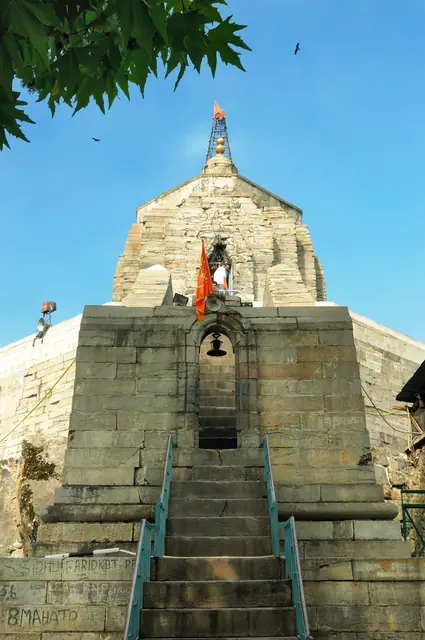
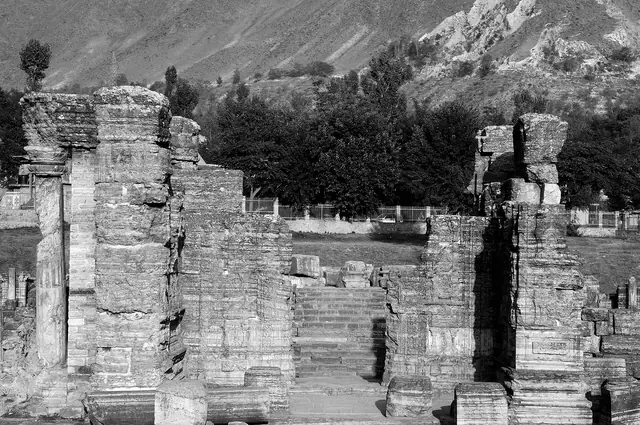
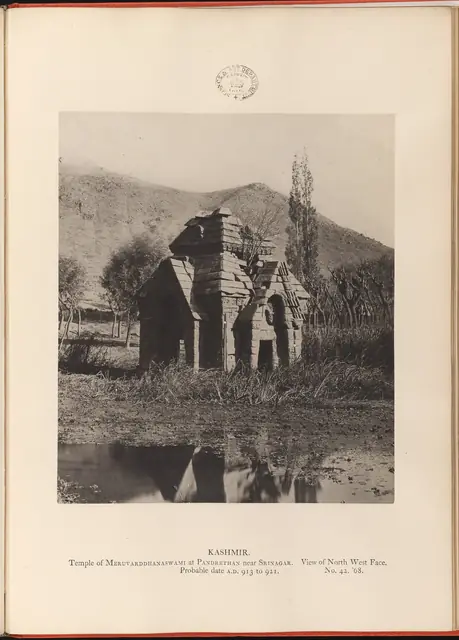
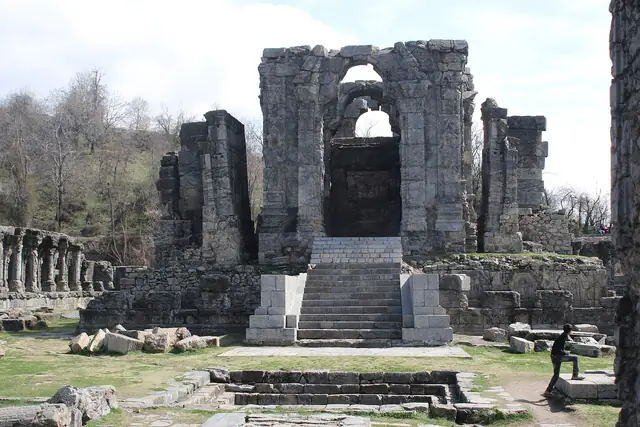
In Kashmir, the Karkota king Lalitaditya Muktapida campaigned far beyond the valley and built the Martand temple to Surya; Kalhana’s Rajatarangini tells his deeds. Nalanda, described by Xuanzang and Yijing, was joined by Vikramashila and Odantapuri in the east and Valabhi in the west, and drew students from China, Korea and Tibet.
09Ships, merchants and the islands
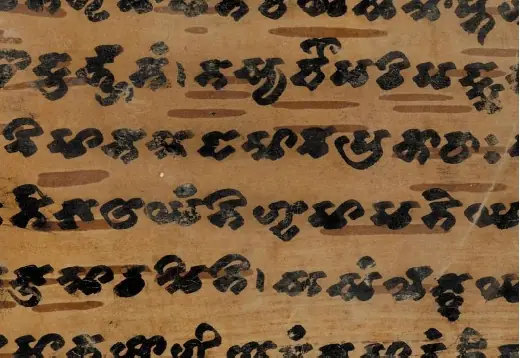
Arab and Persian merchants settled in the ports of the western coast under Rashtrakuta protection, and Indian ships carried cotton, pepper and spices east. The script of the Pallavas travelled with them and became the parent of the scripts of Cambodia, Java and Thailand.
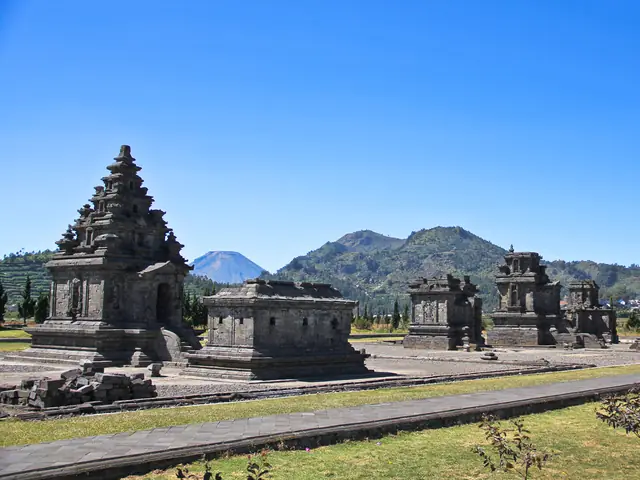
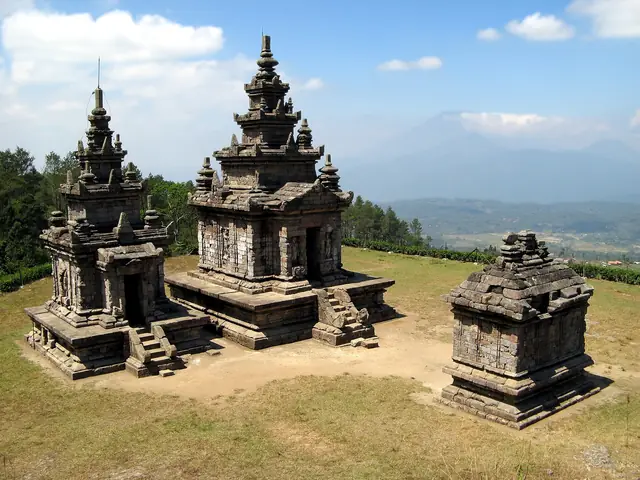
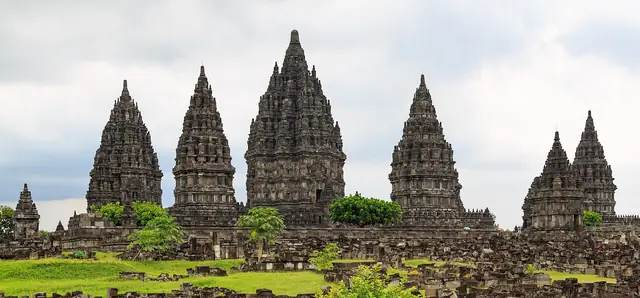
The Shailendra king Balaputradeva of Suvarnadvipa built a monastery at Nalanda, and the Pala king Devapala, by his Nalanda copper plate, granted five villages for its upkeep. Far to the southeast, the temples of Prambanan in Java and the early Shiva temples of Champa and Cambodia were rising in the same centuries, carrying the Ramayana and the Puranas across the sea.
10Towards the year 1000
The long war for Kannauj wore all three powers down. In 973 Tailapa II, a Chalukya feudatory, overthrew the last Rashtrakuta and founded the Chalukya line of Kalyani. The Pratiharas were weakened by Rashtrakuta raids and their own feudatories, the Chandelas, Paramaras and Chahamanas, who grew into kingdoms of their own.
In the south, Rajaraja Chola came to the throne in 985. In the northwest, the Hindu Shahis of Kabul and Udabhandapura stood as the gatekeepers. In 1001 their king Jayapala was defeated near Peshawar by Mahmud of Ghazni, and in 1018 Mahmud sacked Kannauj itself. That story belongs to the long resistance that followed.
What survives today
- The Kailasa temple and the 34 caves of Ellora, a World Heritage Site
- The rathas, Shore Temple and descent of the Ganga at Mamallapuram
- Badami’s cave temples, and the temples of Aihole and Pattadakal
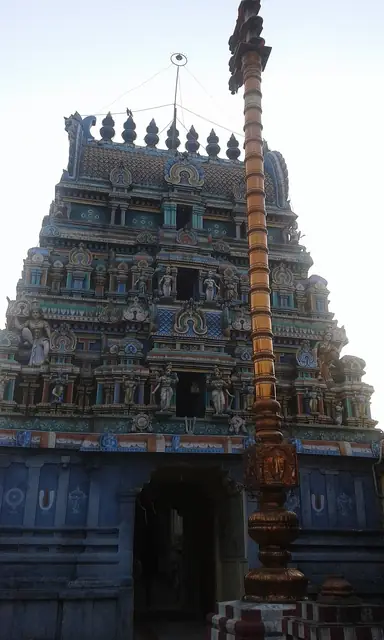
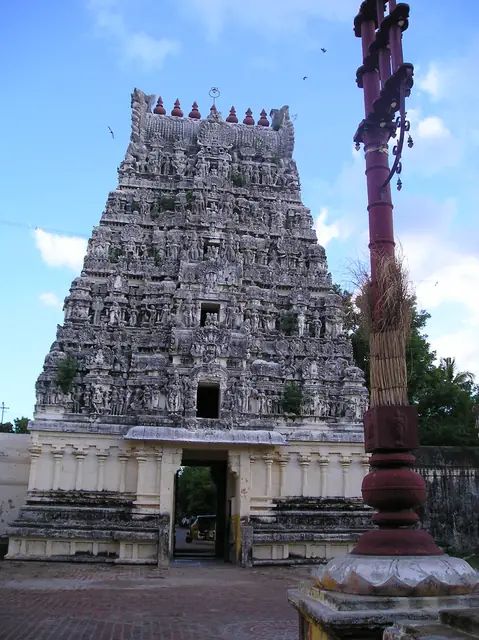
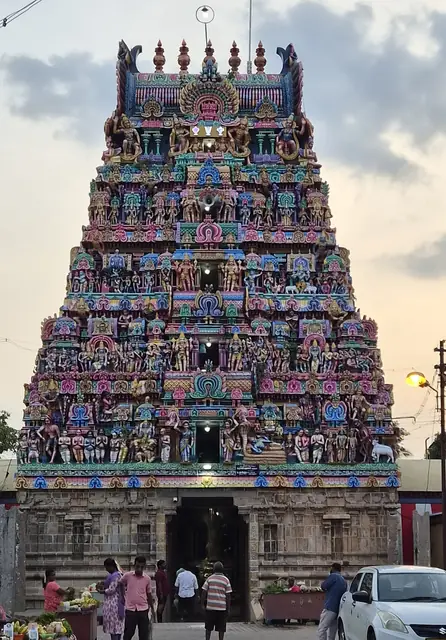
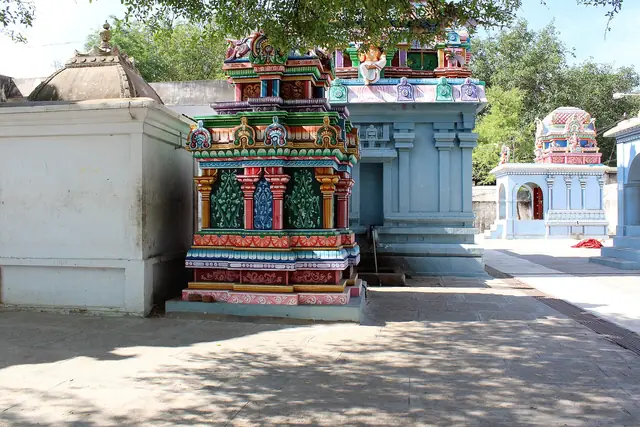
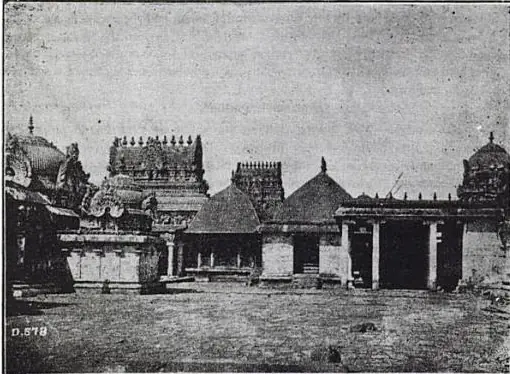
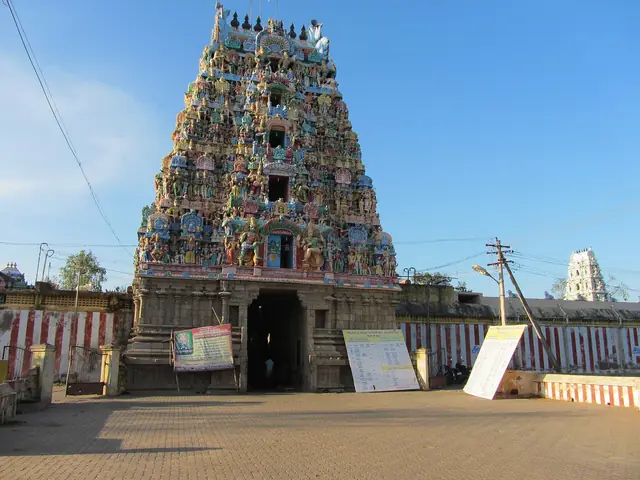
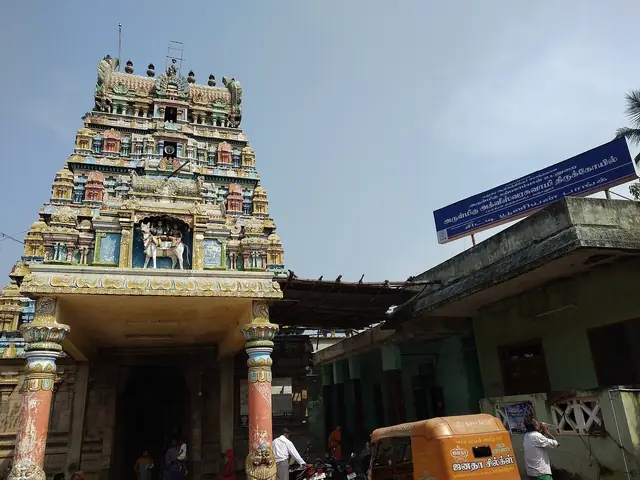
- The Kailasanatha temple, Kanchipuram
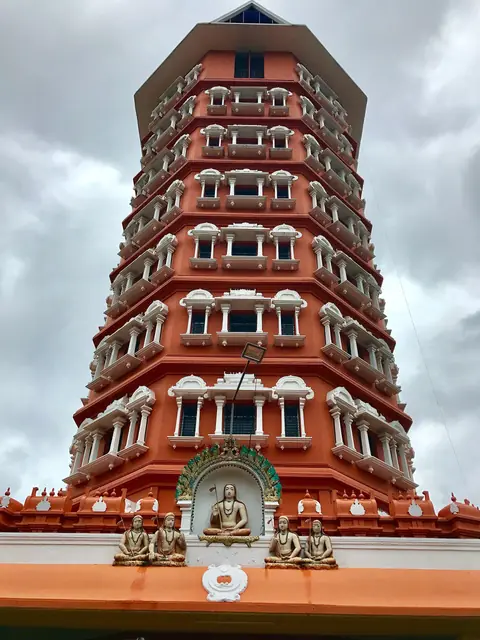
- The four Shankara mathas at Sringeri, Dwarka, Puri and Jyotirmath
- The Tevaram and the Divya Prabandham, sung daily in Tamil temples
- The ruins of the Martand Sun temple near Anantnag, Kashmir
- The zero inscription in the Chaturbhuj temple, Gwalior fort