01A new nose
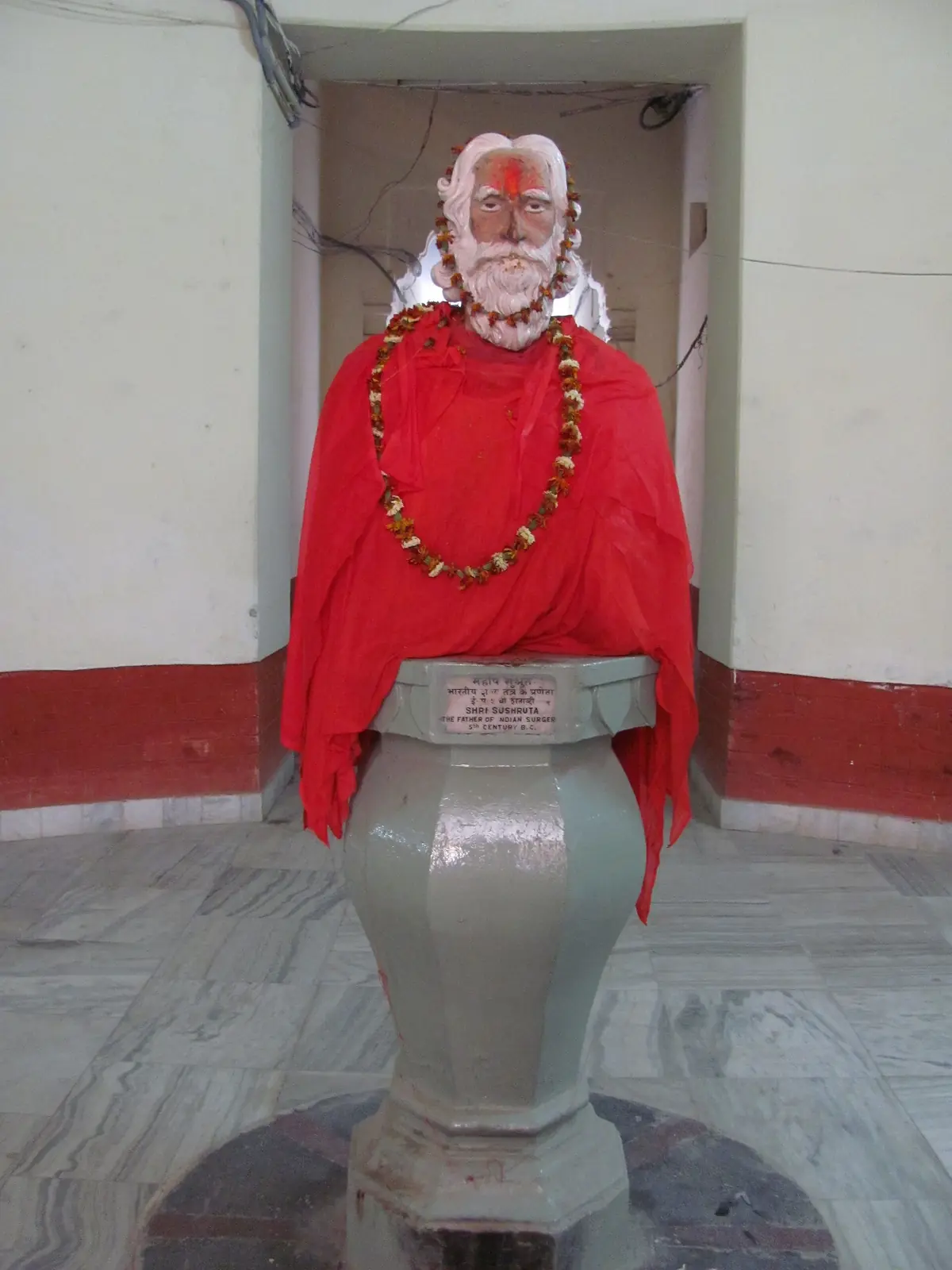
Cutting off the nose was a punishment in old India, and Sushruta describes how to repair it (Sutrasthana 16). Take a leaf the size of the lost part, cut a matching flap of skin from the cheek, leaving it attached at one end so blood still reaches it, turn it over the wound, stitch it, and keep the airway open with two small tubes. Practitioners in India kept this art alive. In October 1794, the Gentleman’s Magazine in London published an account of a nose rebuilt from forehead skin near Pune on a man named Cowasjee, and European surgeons took up the ‘Indian method’ from it. Plastic surgeons today name Sushruta as the founder of their field.
02Training a surgeon
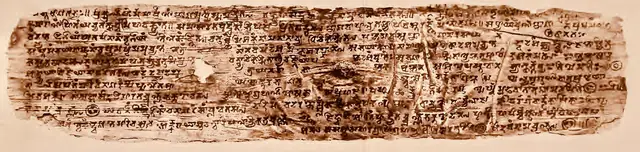
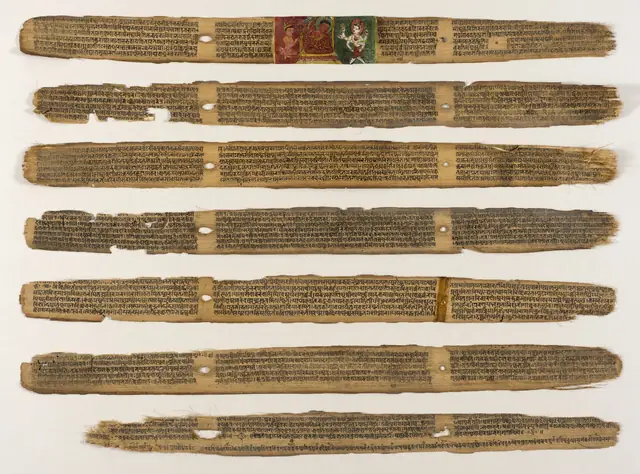
Sushruta would not let a pupil touch a patient before practice. He was to make incisions on gourds and cucumbers, scrape on leather, puncture the veins of dead animals, and bandage cloth dummies. He insisted that a body be studied by dissection, soaking it in a stream and peeling away the layers. The Samhita describes 101 blunt instruments and 20 sharp ones, the removal of bladder stones, the setting of fractures, and couching of cataract with a curved needle. Its six books run to 186 chapters, with the Uttara Tantra added at the end.