01Didda’s heir
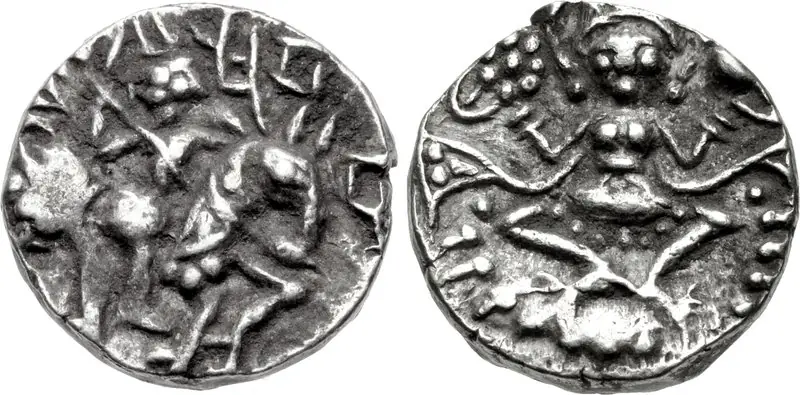
Queen Didda, a princess of Lohara and granddaughter of the Shahi king Bhima, ruled Kashmir for nearly half a century and chose her brother’s son Samgramaraja as her heir. He took the throne in 1003. When Mahmud of Ghazni pressed the Shahis, Samgramaraja sent an army under his commander Tunga to help Trilochanapala, and Kalhana describes its defeat on the Tausi. Mahmud then came for Kashmir itself. He besieged the fort of Lohkot, as his historians call Lohara, in 1015 and again in 1021, and both times withdrew; Al-Biruni noted the fort’s strength.
02Ananta, Kalasha and Harsha
Ananta and his queen Suryamati ruled through the middle of the eleventh century; she founded mathas and agraharas for Brahmins. The poet Bilhana left Kashmir in their son Kalasha’s time and found fame in the south at the Chalukya court. Harsha, Kalasha’s son, was a poet and a lover of music, and Kalhana’s father Champaka served him. Kalhana also records, plainly, that Harsha in his need for money appointed an officer to seize and melt the images in the temples, and that his reign ended in famine, revolt and his own death in 1101.
03Kalhana and the last kings
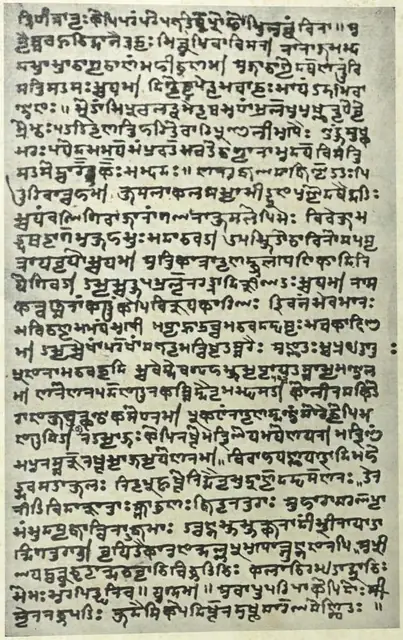
Uchchala and Sussala, of a collateral Lohara line, took power after Harsha. Under Sussala’s son Jayasimha, in 1148–49, Kalhana wrote the Rajatarangini, eight books of verse covering the kings of Kashmir from the earliest times to his own day. It is the only true chronicle in Sanskrit, and Jonaraja and Shrivara continued it. The later Lohara kings were weak and the feudal lords, the Damaras, strong. In 1320 the Mongol Dulucha raided the valley, King Suhadeva fled, and power passed to Rinchan and then, in 1339, to Shah Mir.
The rulers
- 1SamgramarajaNephew of Didda; resisted Mahmud1003–1028
- 2Hariraja1028
- 3AnantaWith Queen Suryamati1028–1063
- 4Kalasha1063–1089
- 5HarshaPoet-king; seized temple images1089–1101
- 6UchchalaBegan the second Lohara line1101–1111
- 7Sussala1112–1128 (interrupted)
- 8JayasimhaRajatarangini written in his reign1128–1155
- 9SuhadevaFled the Mongol raid of 13201301–1320
What they left
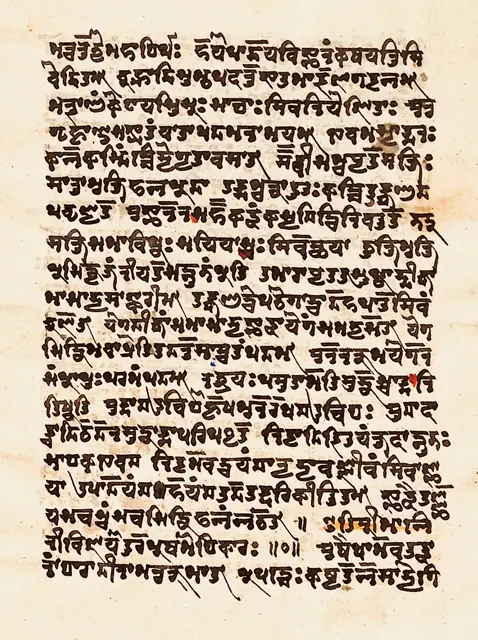
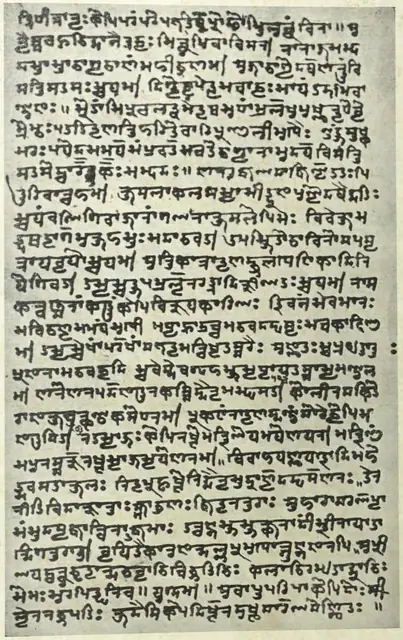
- Rajatarangini of Kalhana, written 1148–49
- Vikramankadevacharita of Bilhana, a Kashmiri of this age
- Gold and copper coins of Harsha