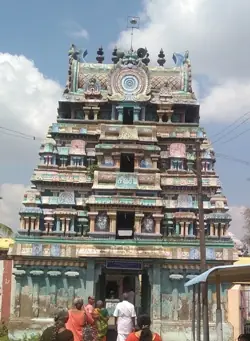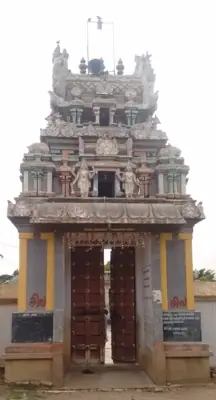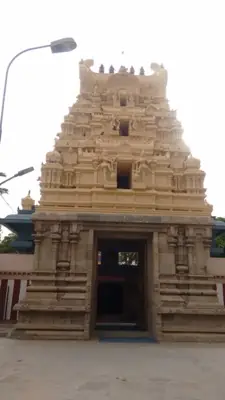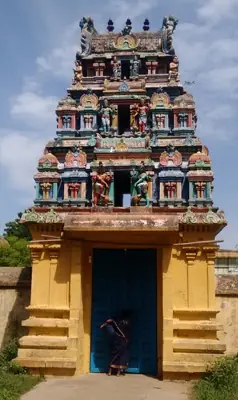
01The Cholas rise again
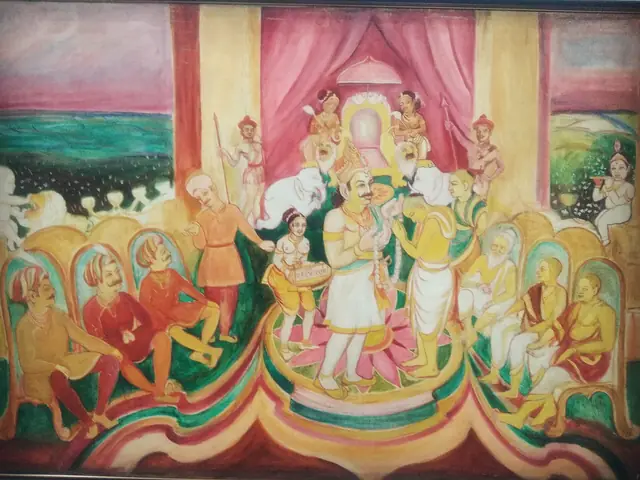
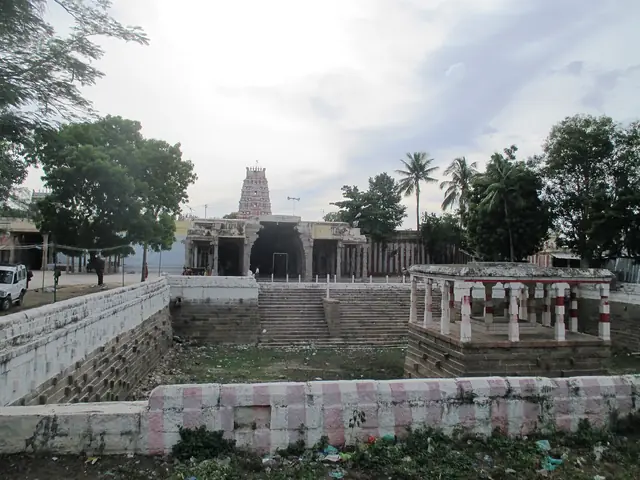
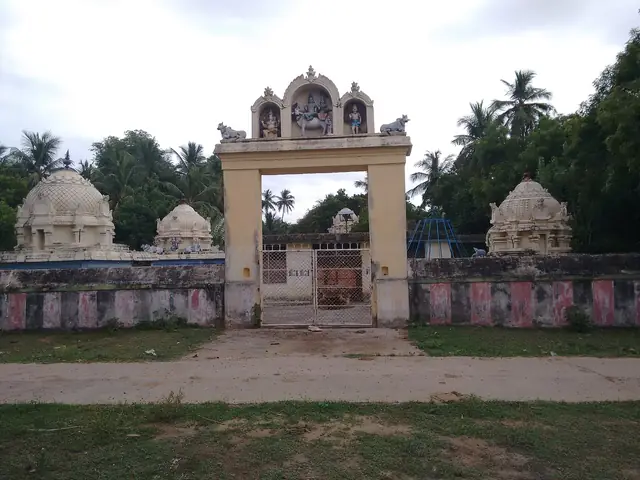
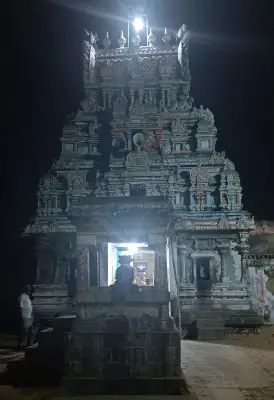
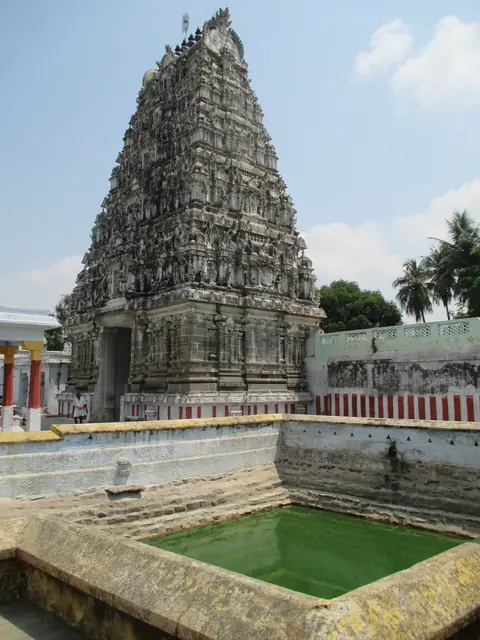
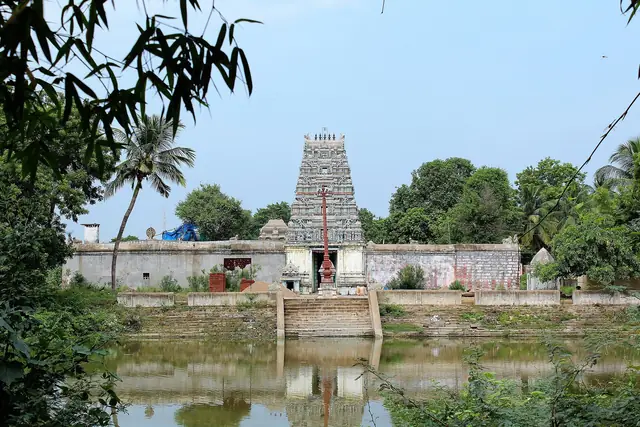
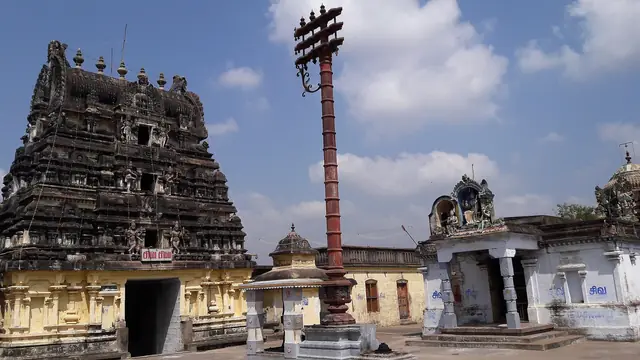
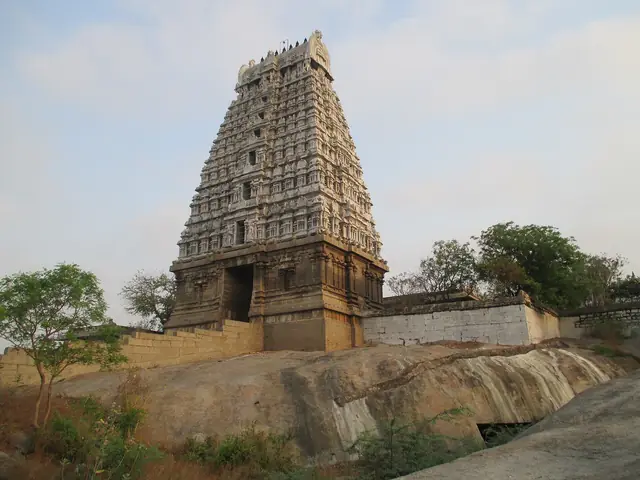
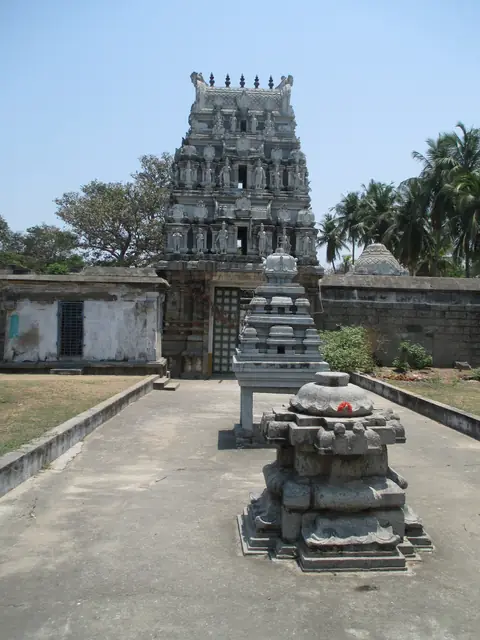
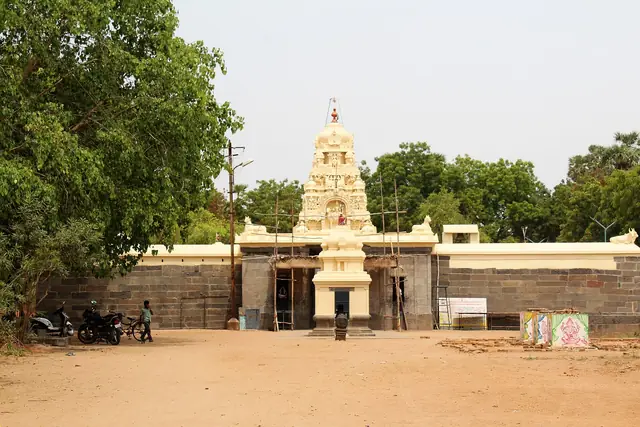
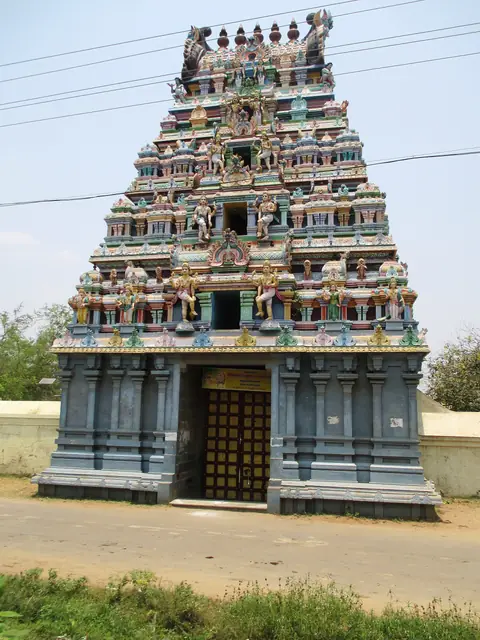
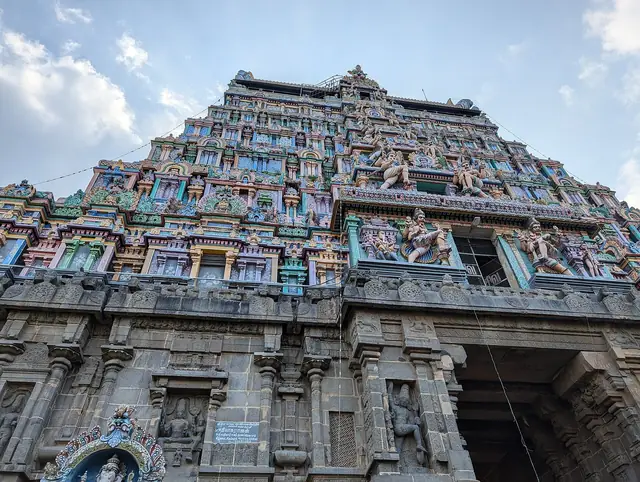
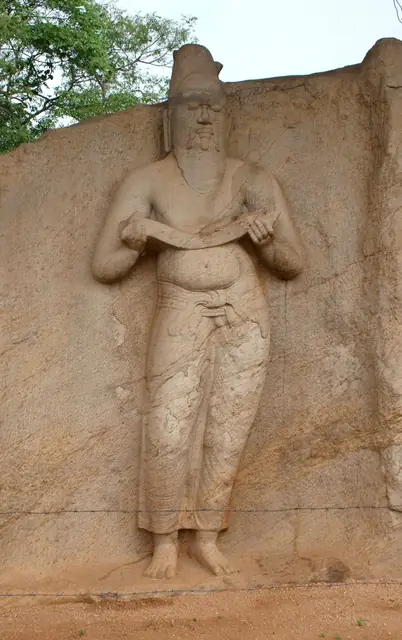
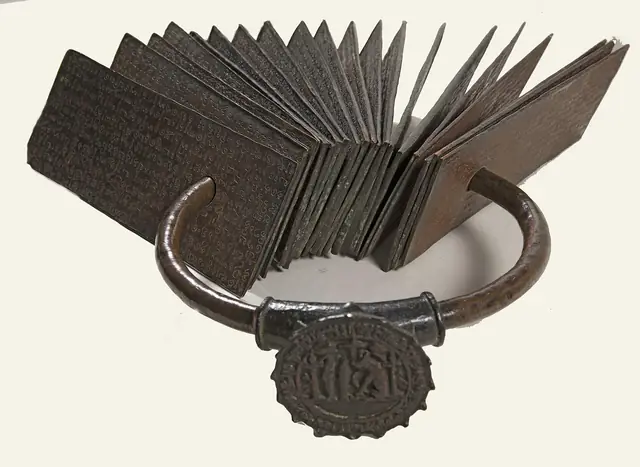
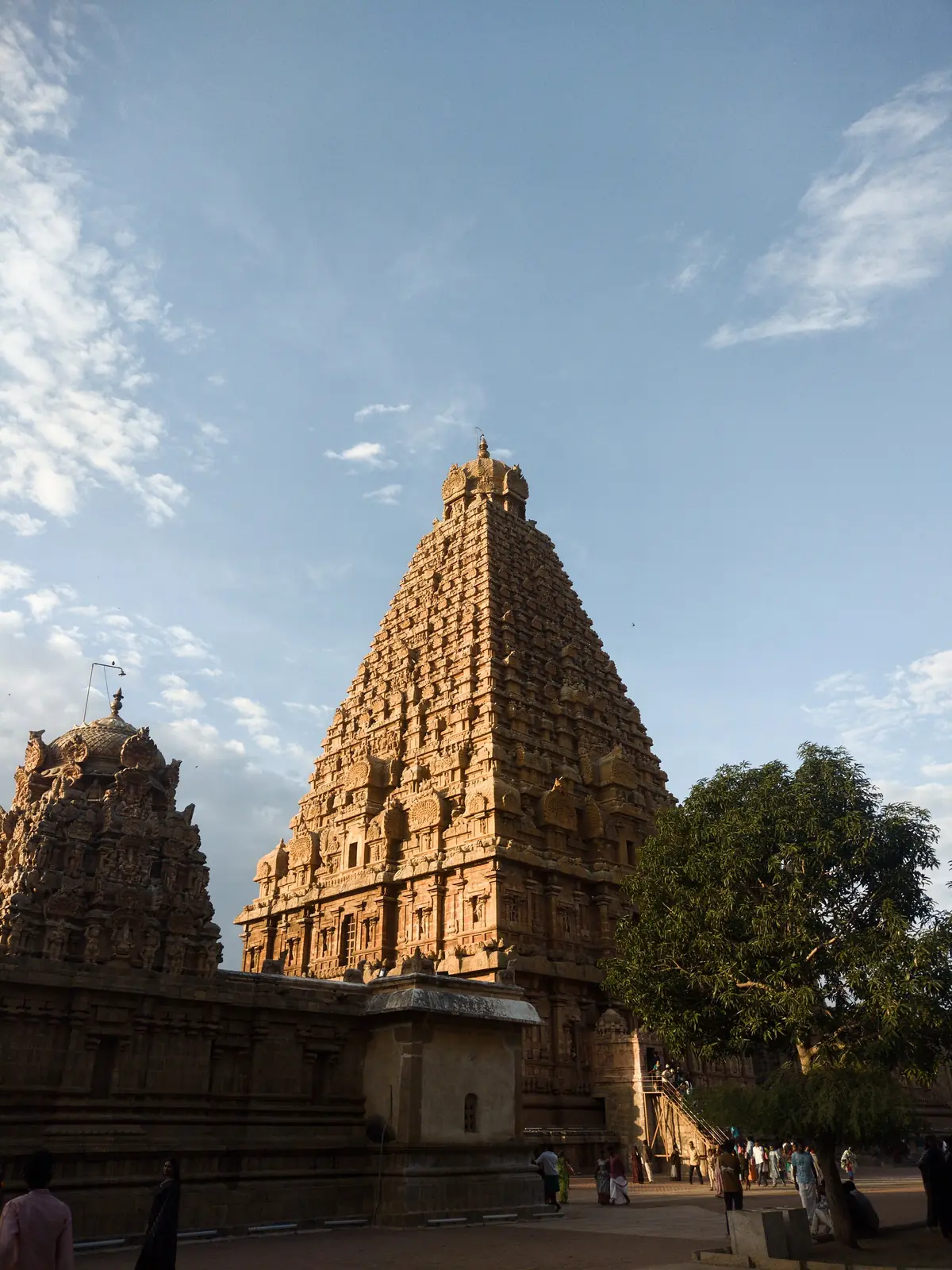
Around 850 Vijayalaya, a chief of the old Chola line, took Thanjavur and built a temple there to Nisumbhasudani, the goddess of victory. His son Aditya I defeated the Pallavas, and his grandson Parantaka I took Madurai from the Pandyas; Chola inscriptions credit Parantaka with covering the hall of Nataraja at Chidambaram with gold.
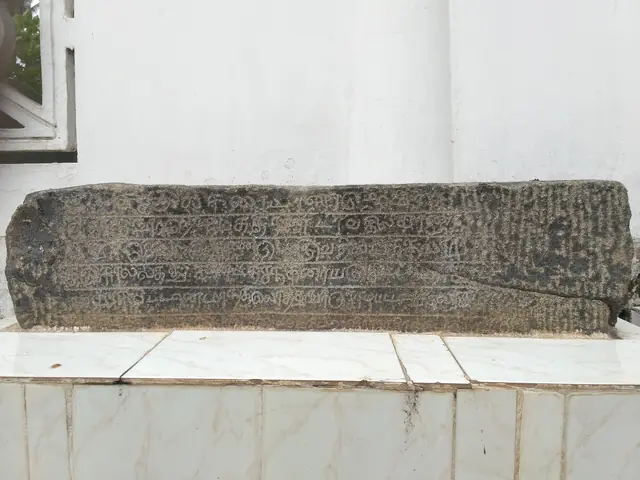
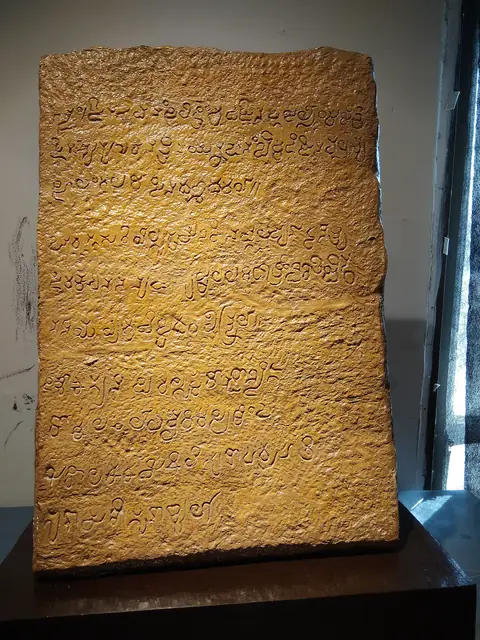
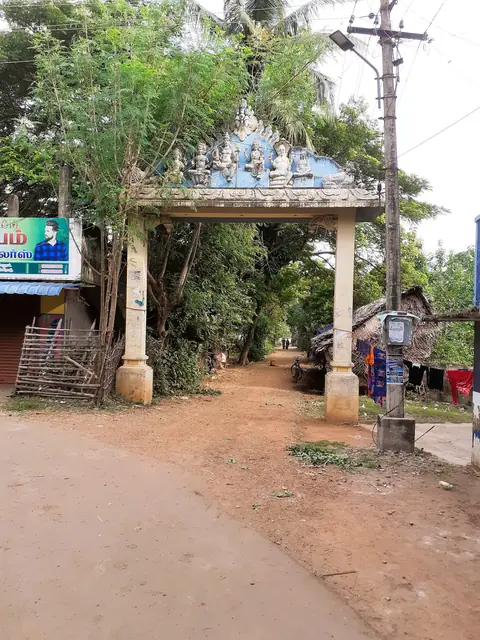
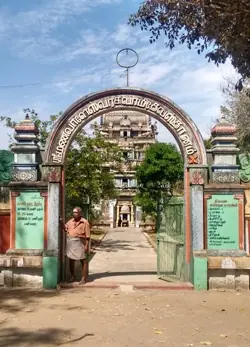
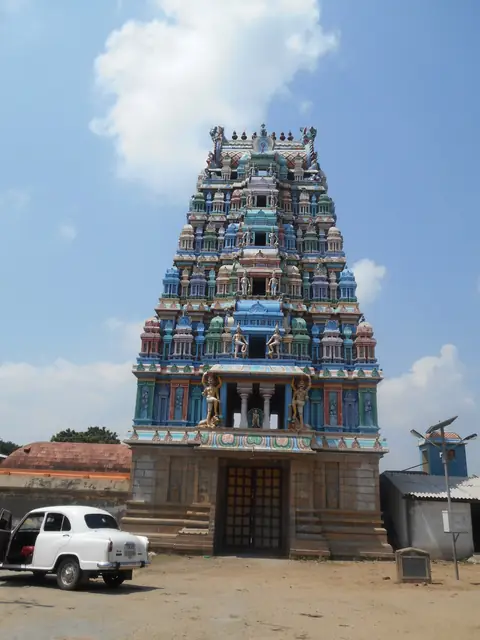
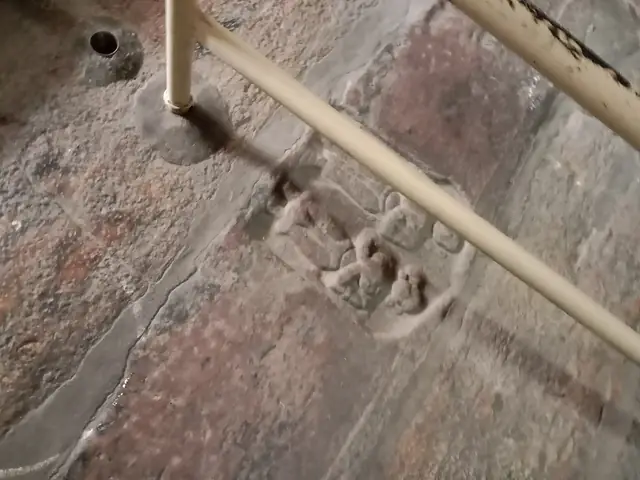
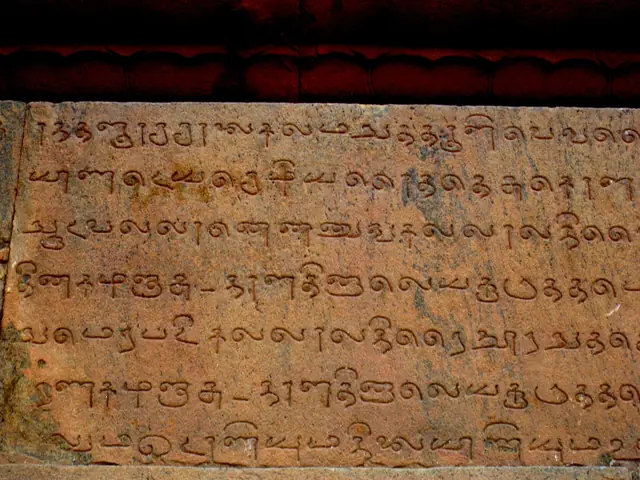
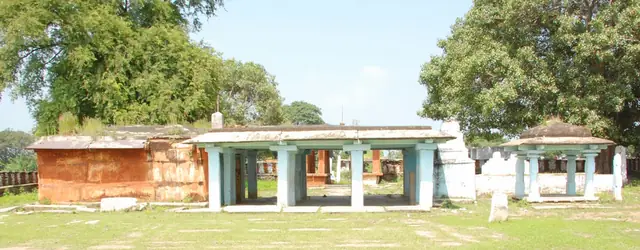
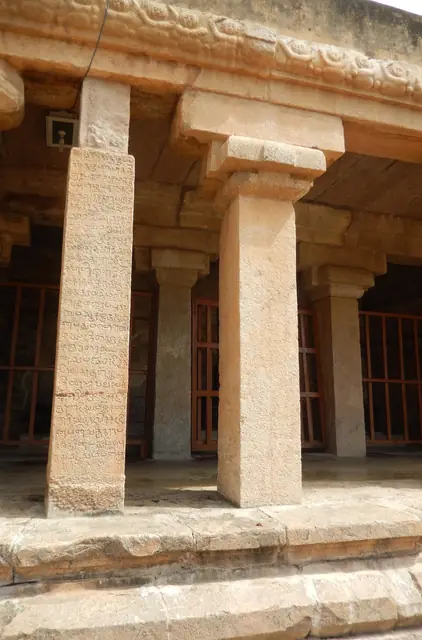
At Uttaramerur near Kanchipuram, two inscriptions of Parantaka’s reign, dated 919 and 921, lay down how the village sabha was to be chosen: candidates owning land and a house, aged between 35 and 70, learned in the Vedas, and with no record of corruption, their names written on palm leaves and drawn from a pot, the kudavolai.
02Rajaraja the Great
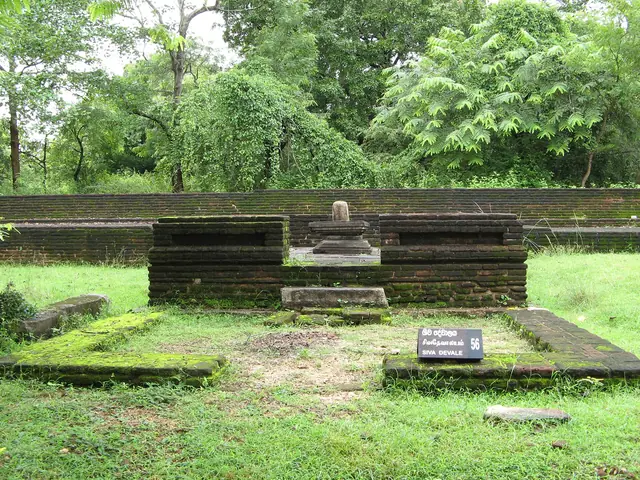
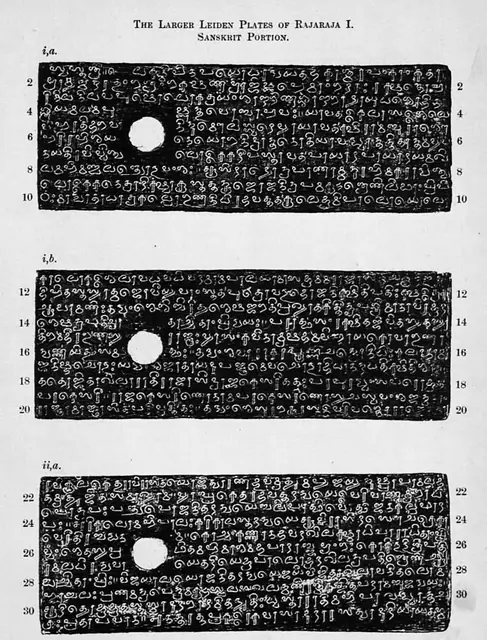
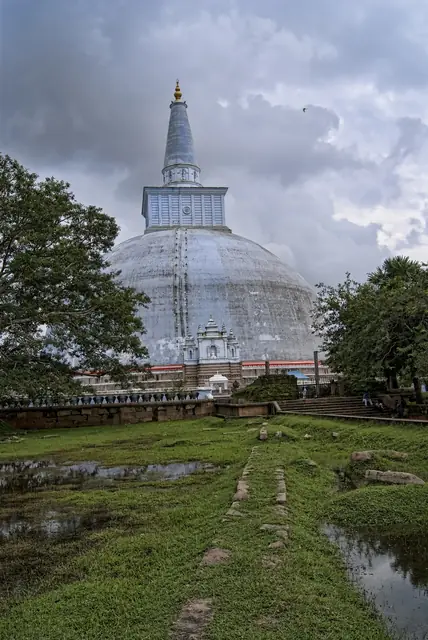
Rajaraja I came to the throne in 985 and made the Cholas the leading power of the south. He destroyed the Chera fleet at Kandalur Salai, subdued the Pandyas, took Vengi and Gangavadi, invaded Lanka and made Polonnaruwa a Chola provincial capital, and late in his reign sent his navy to the Maldives.
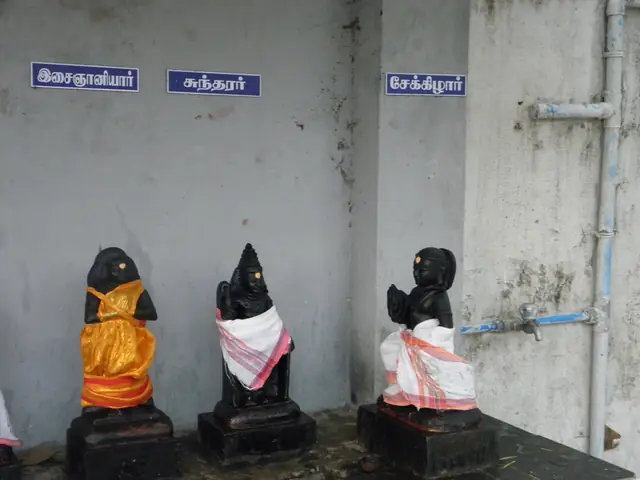
He ran the kingdom with care. A survey of land began in 1001, villages were assessed for revenue, and long inscriptions on the temple walls list every grant, every lamp endowed and every sheep given for ghee. Tradition says that at his request Nambiyandar Nambi gathered the hymns of the Nayanars into the Tirumurai.
03Rajendra and the Ganga
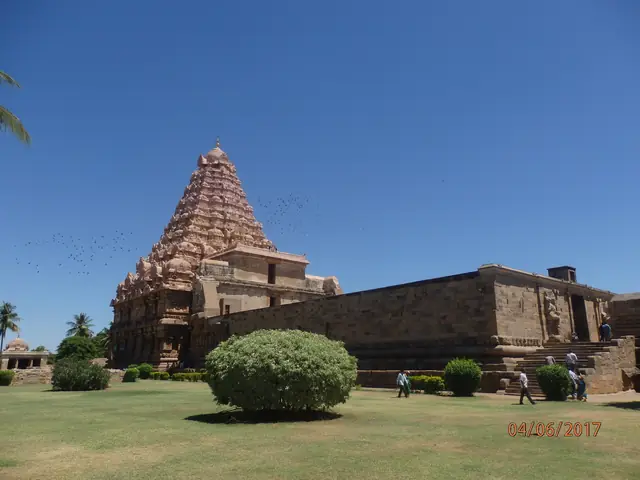
Rajendra I, Rajaraja’s son, sent an army north through Kalinga to the Ganga around 1019–1022; it defeated Mahipala of Bengal and brought back Ganga water. Rajendra took the title Gangaikonda, he who took the Ganga, built a new capital, Gangaikonda Cholapuram, and dug a great tank there called the Cholagangam, the liquid pillar of victory.
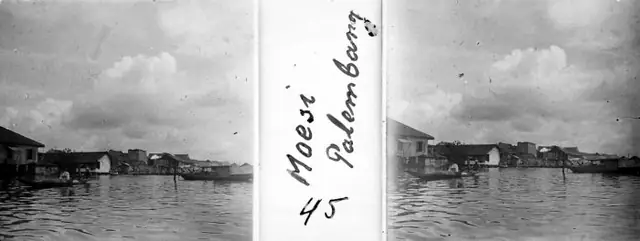
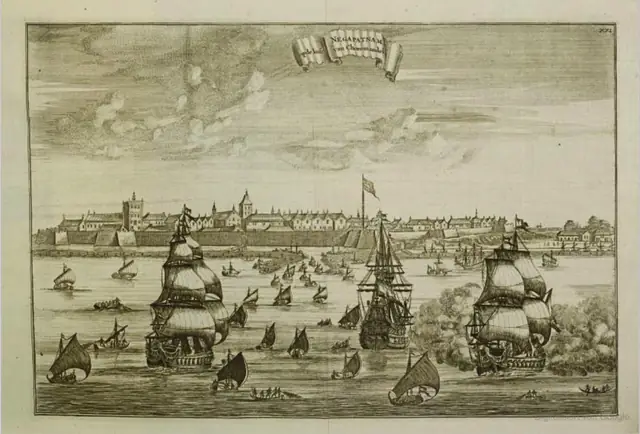
In 1025 his fleet crossed the Bay of Bengal and struck the ports of Srivijaya, the Malay-Sumatran sea power that controlled the straits: Kadaram, which is Kedah, Palembang and a string of others named in his inscriptions. Its king, Sangrama Vijayottungavarman, was captured.
04Temples and bronzes
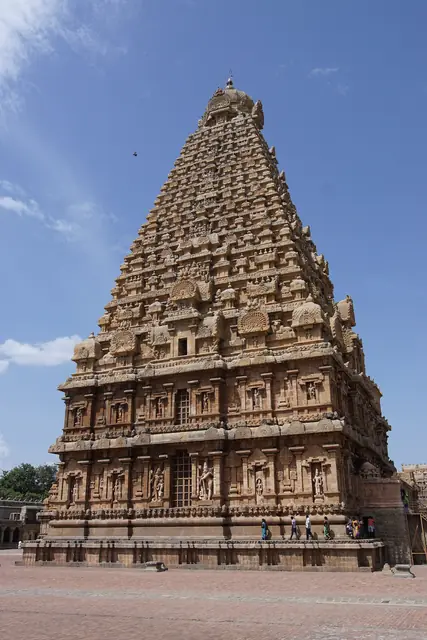
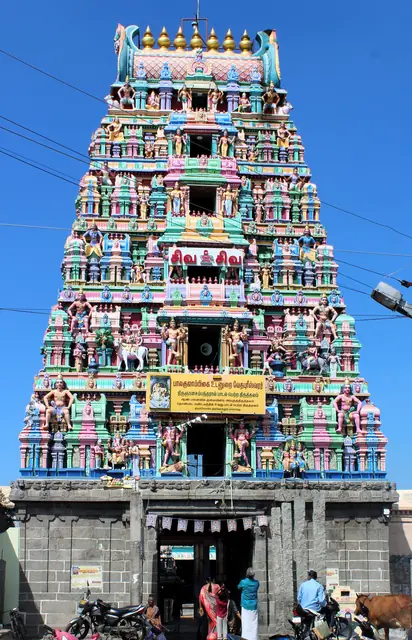
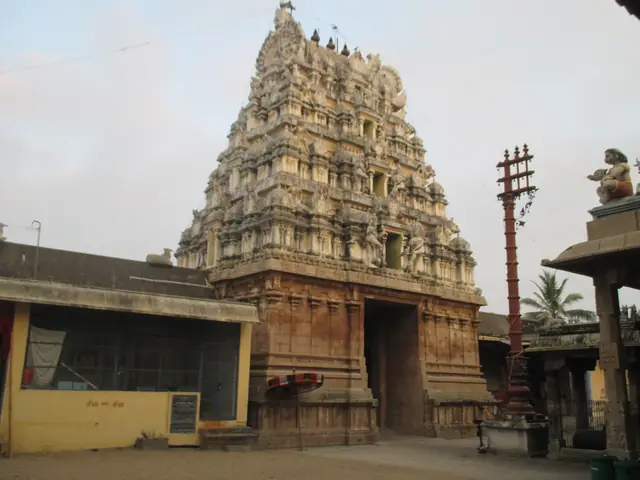
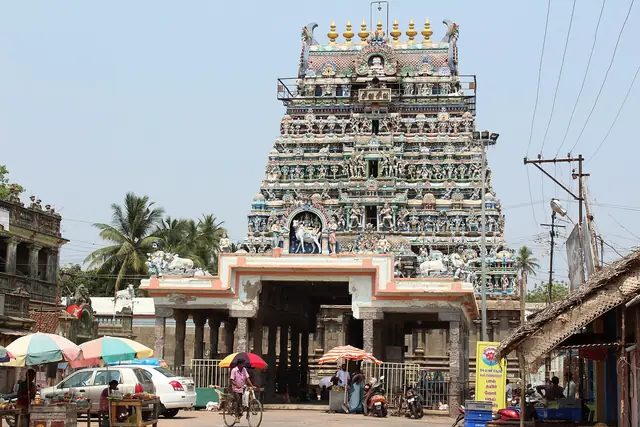
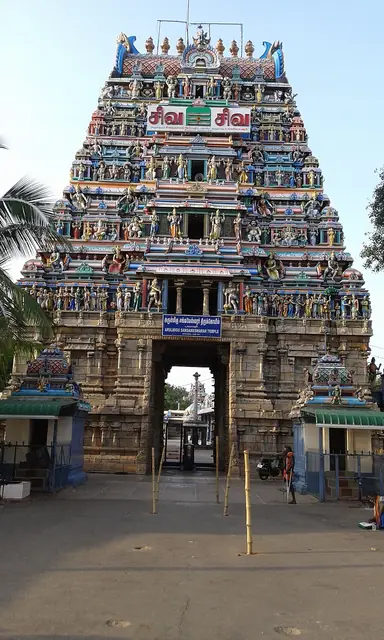
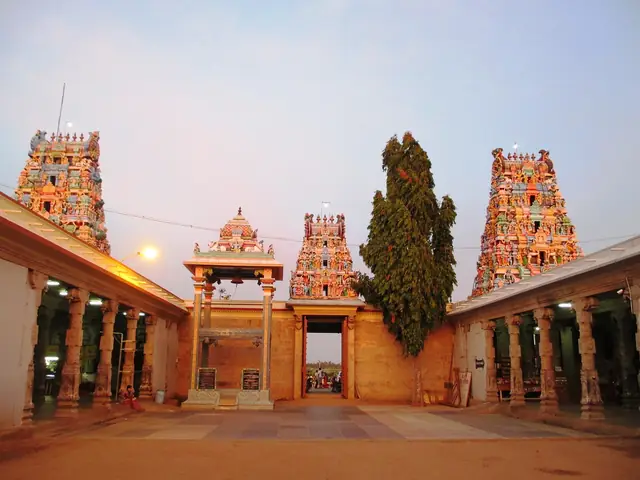
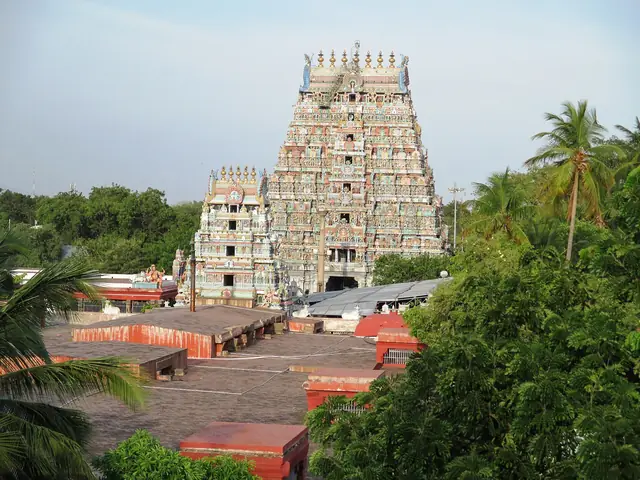
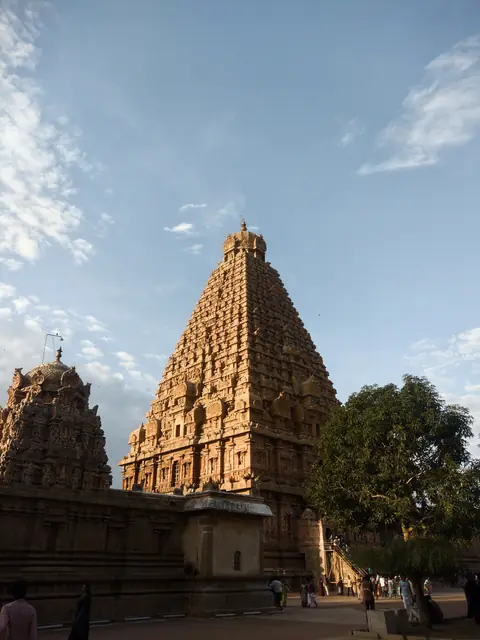
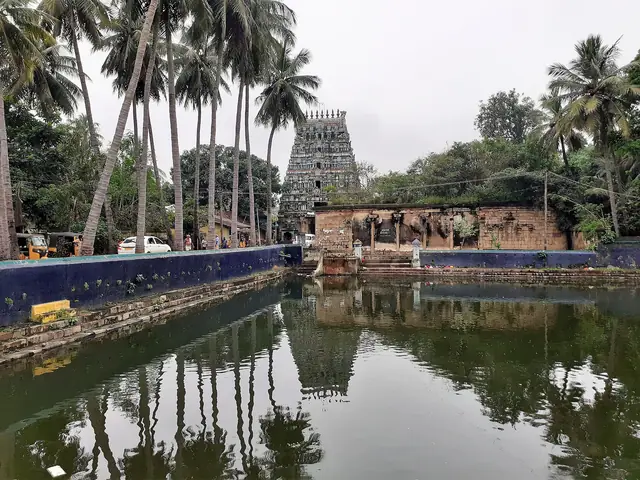
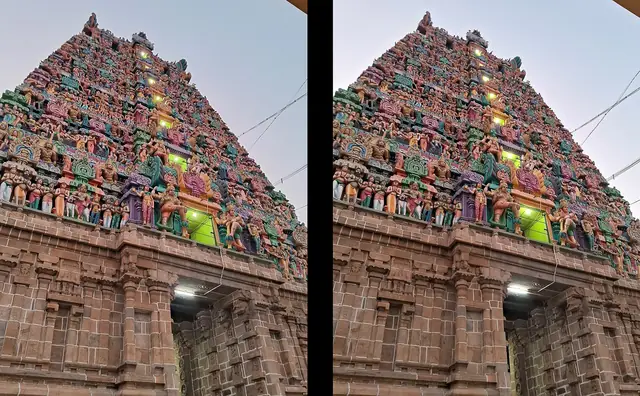
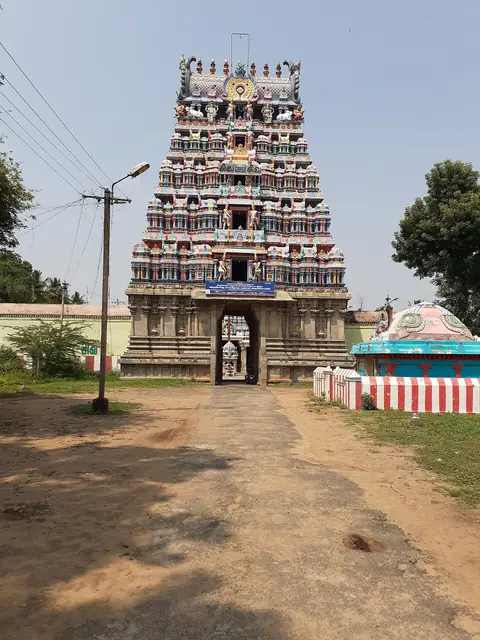
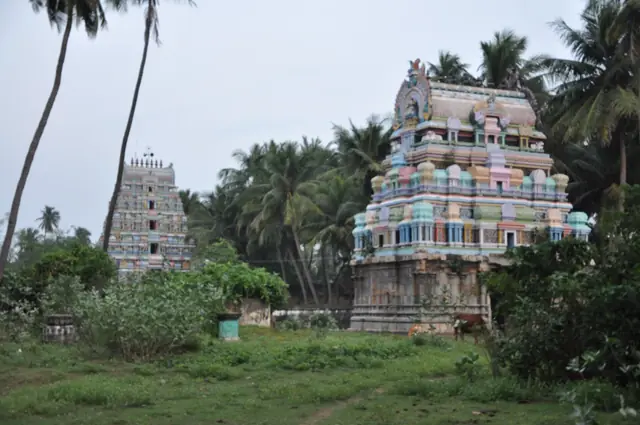
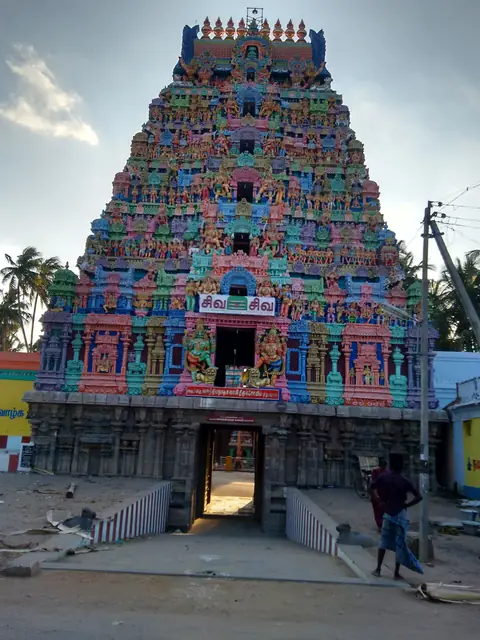
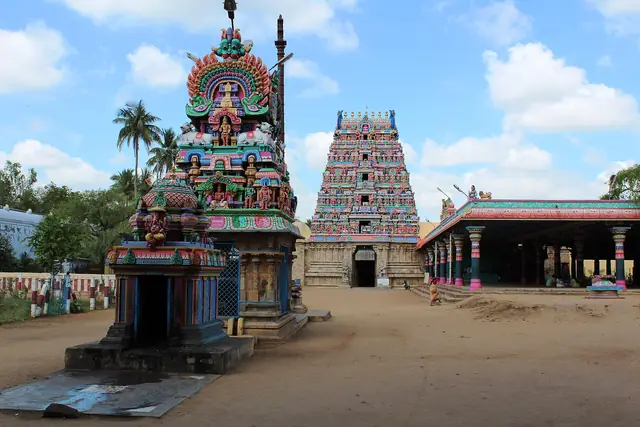
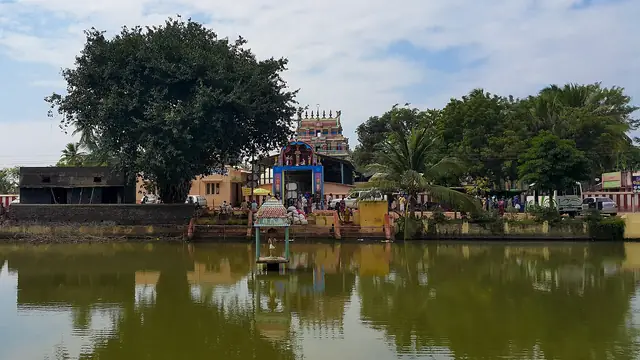
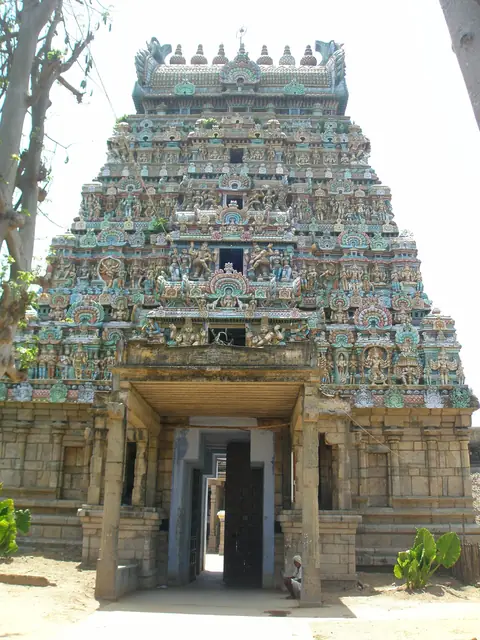
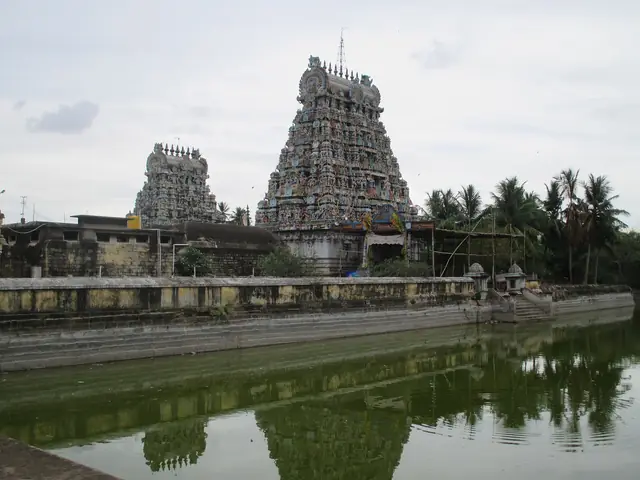
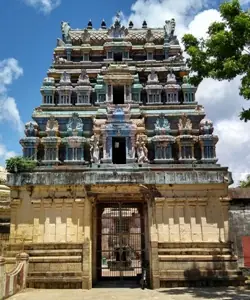
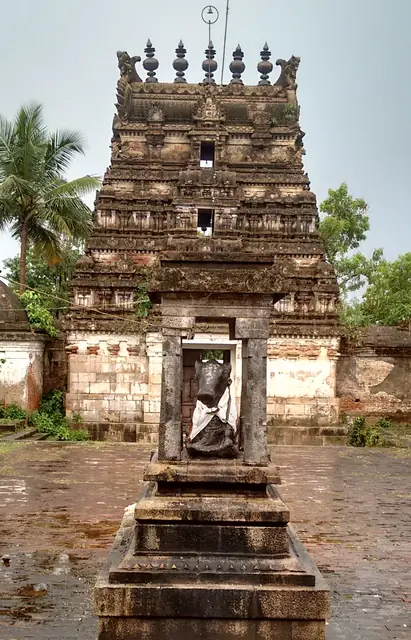
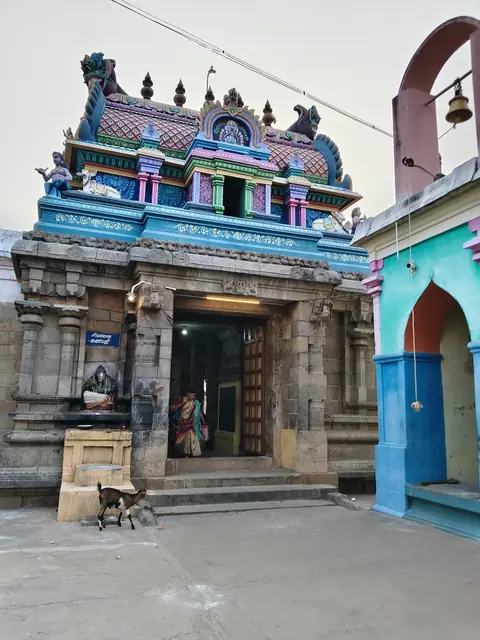
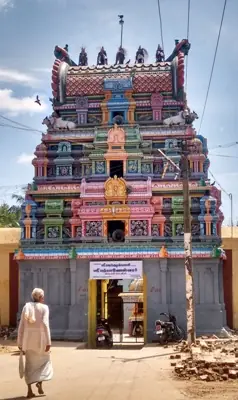
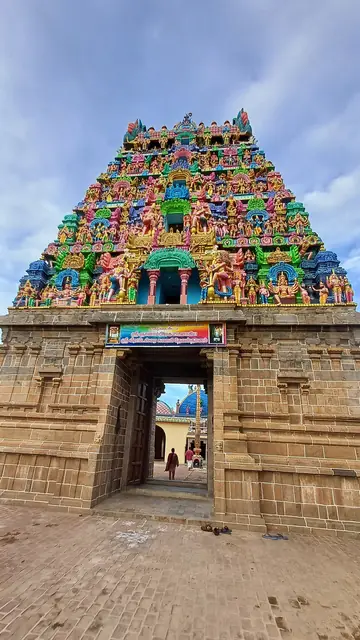
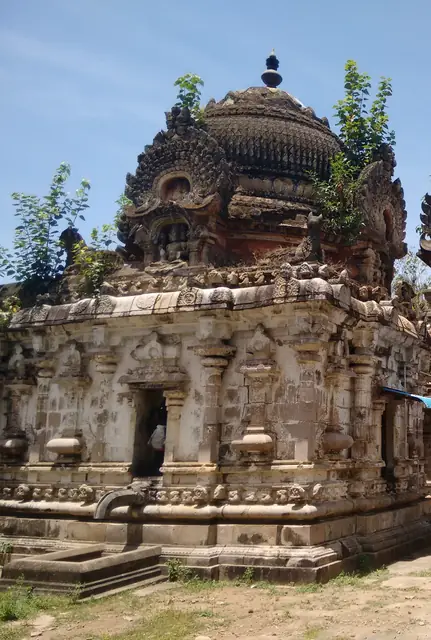
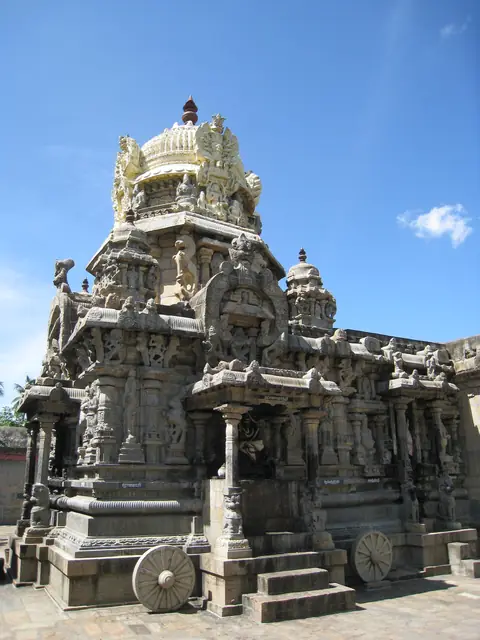
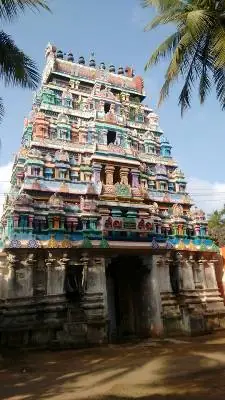
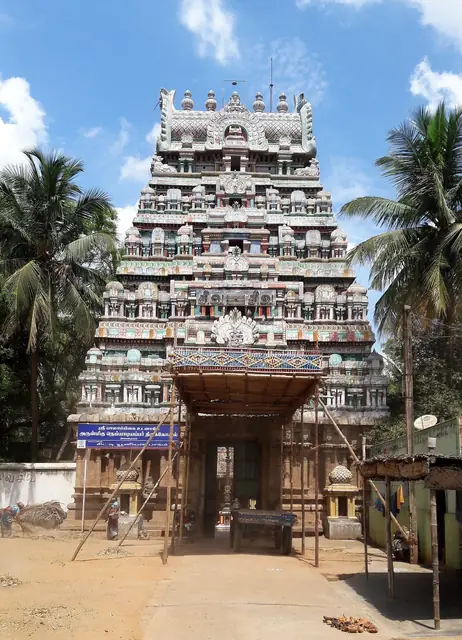
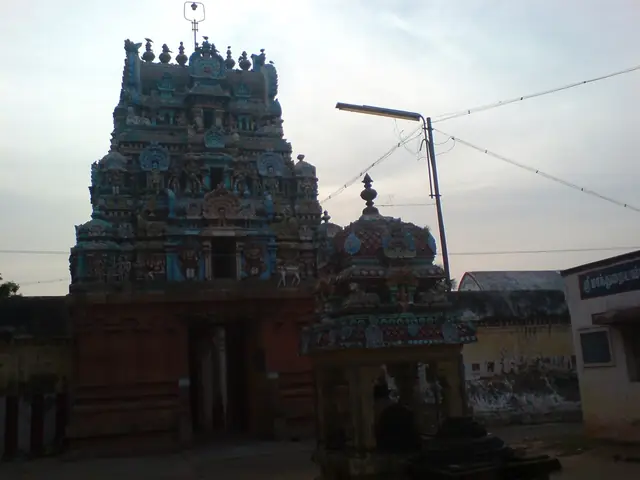
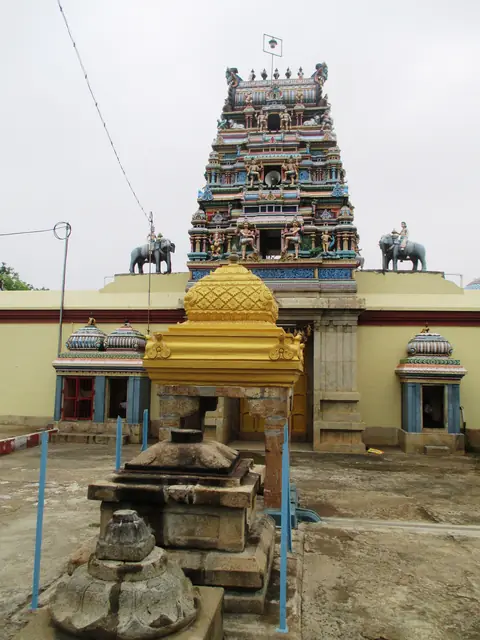
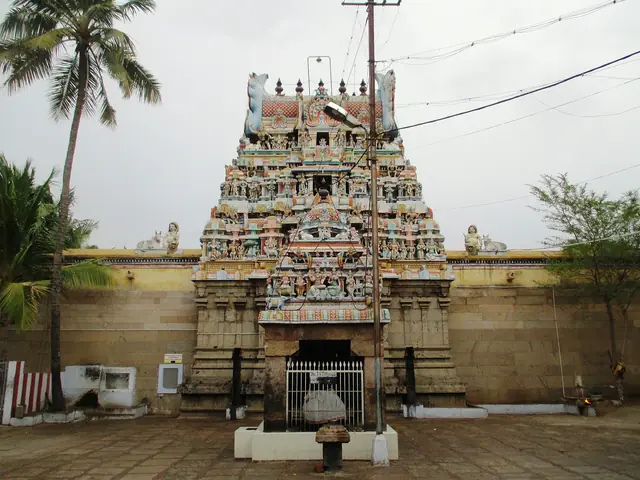
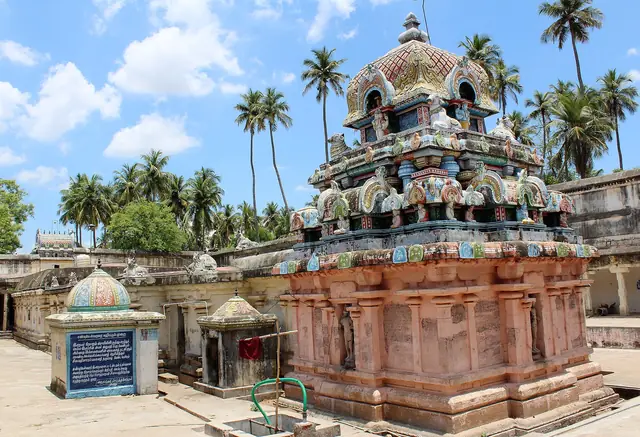
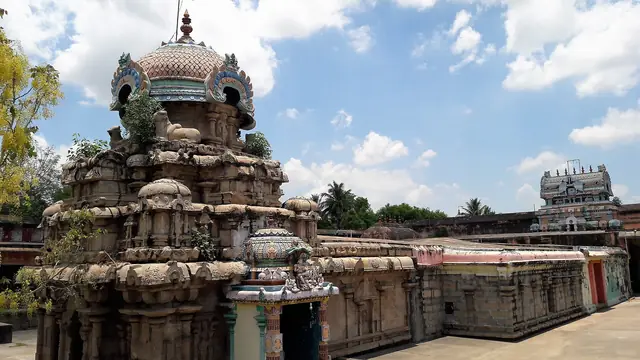
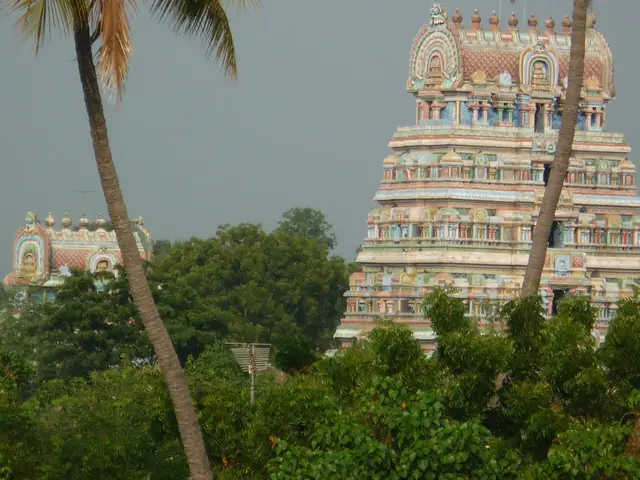
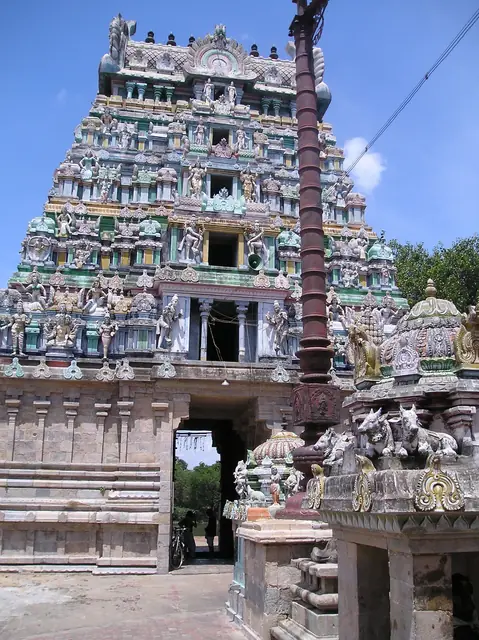
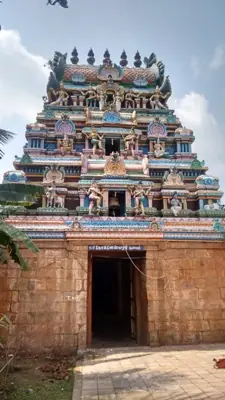
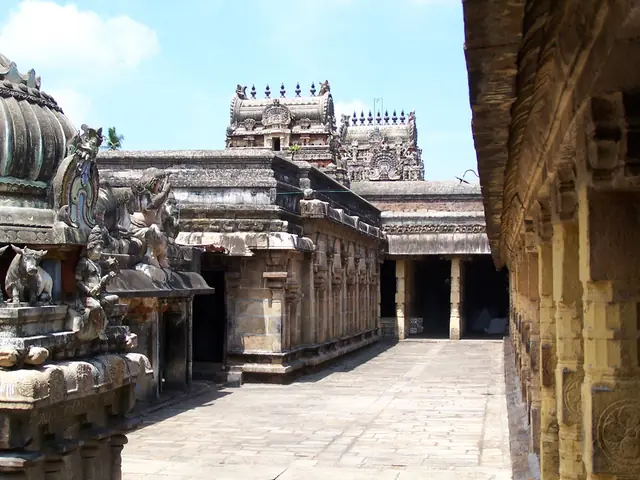
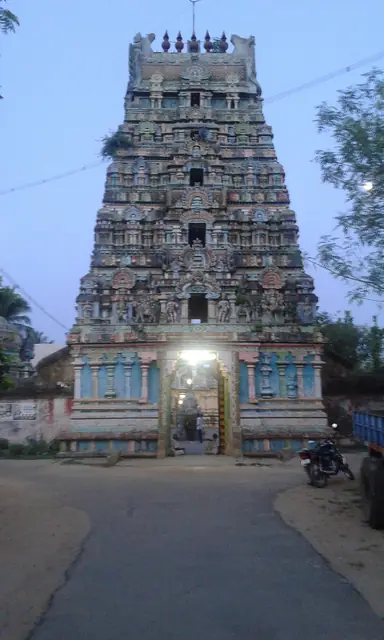
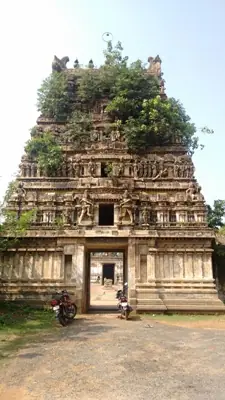
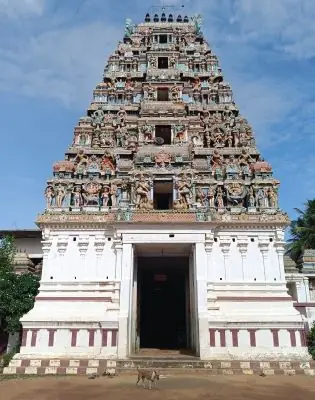
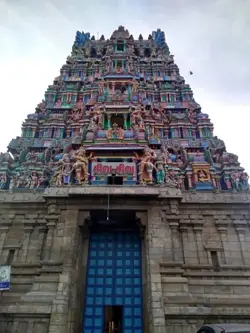
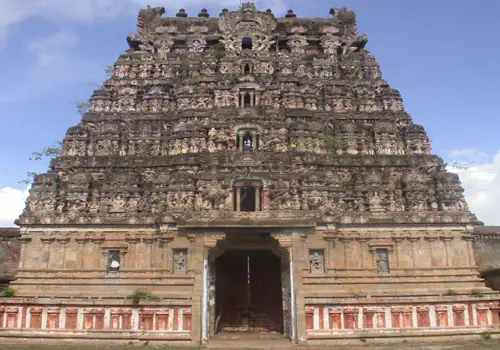
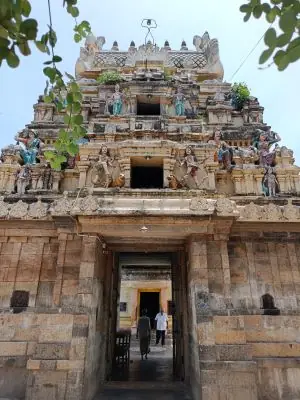
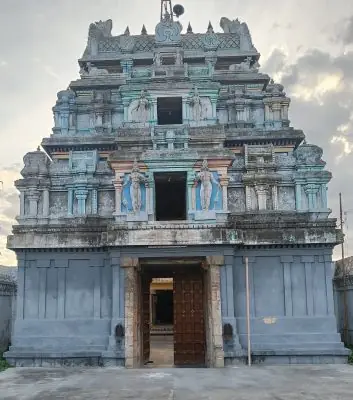
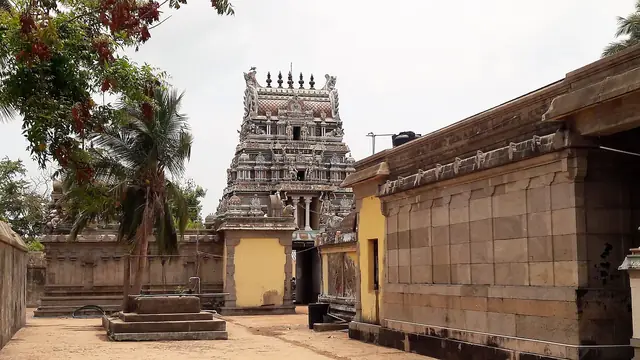
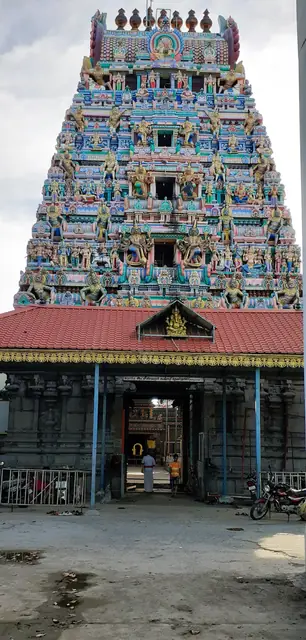
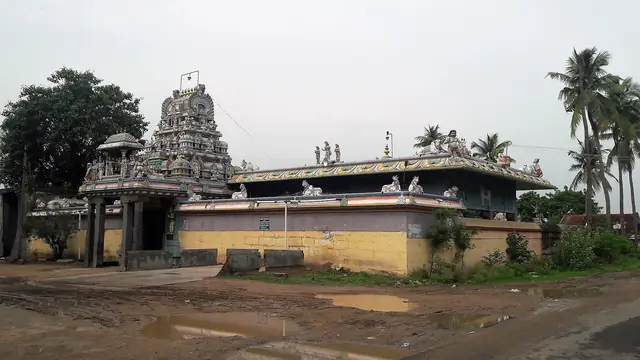
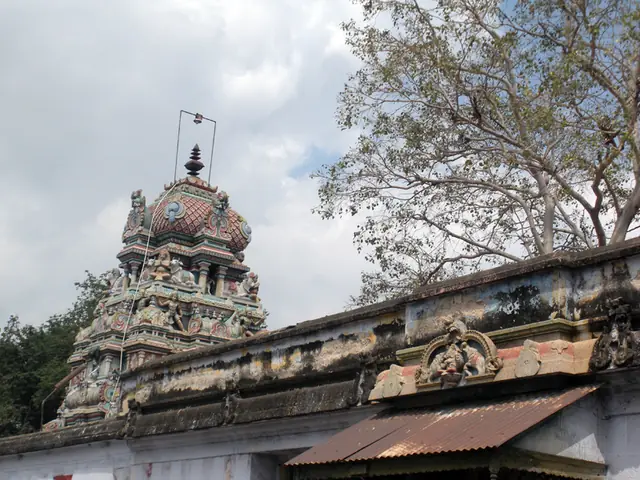
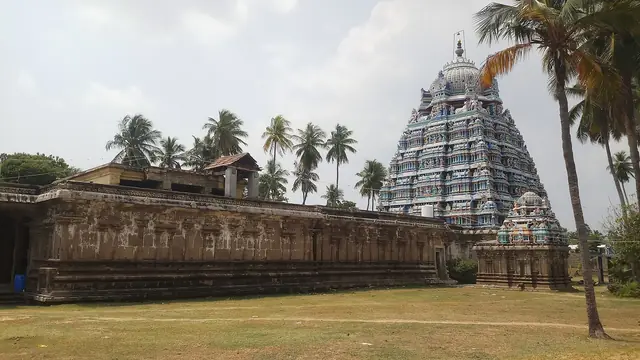
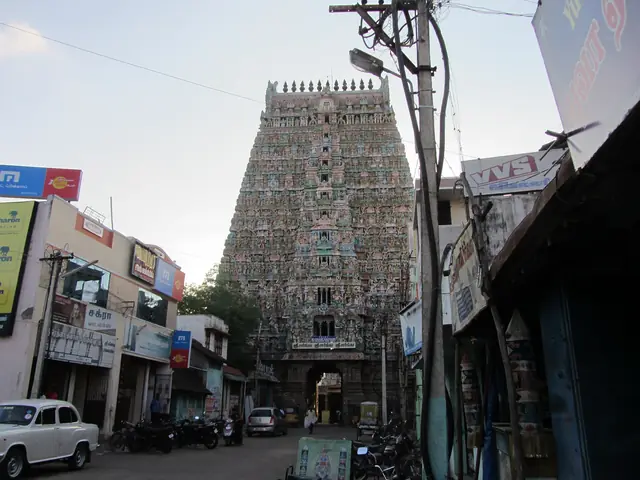
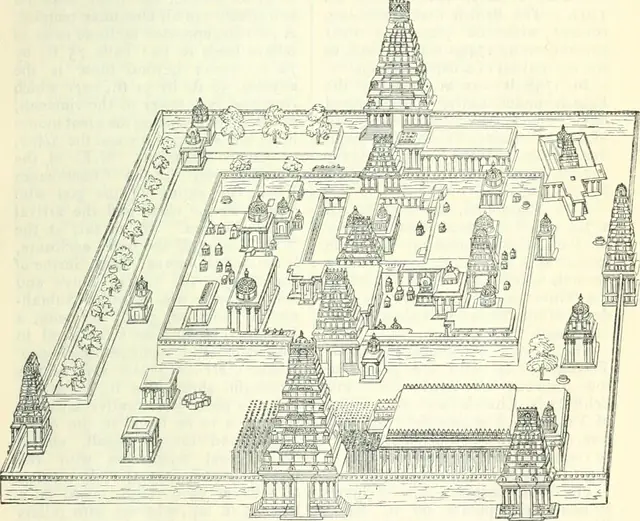
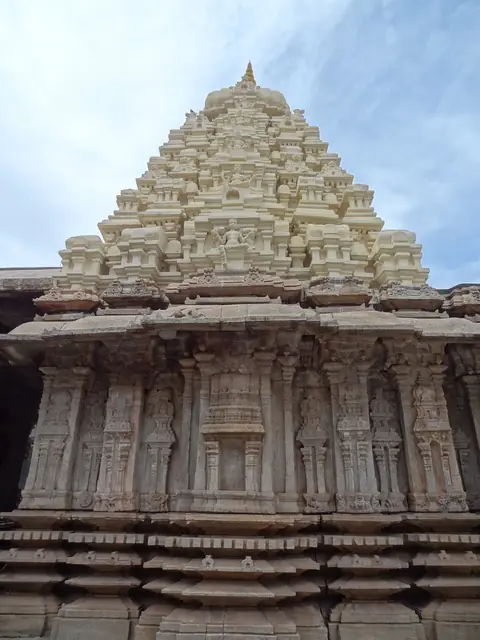
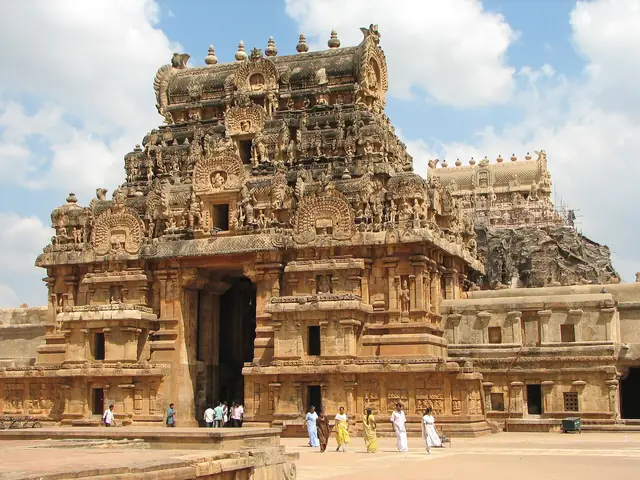
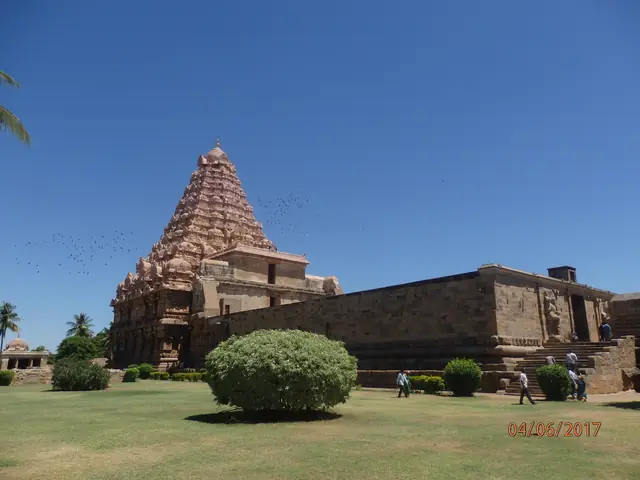
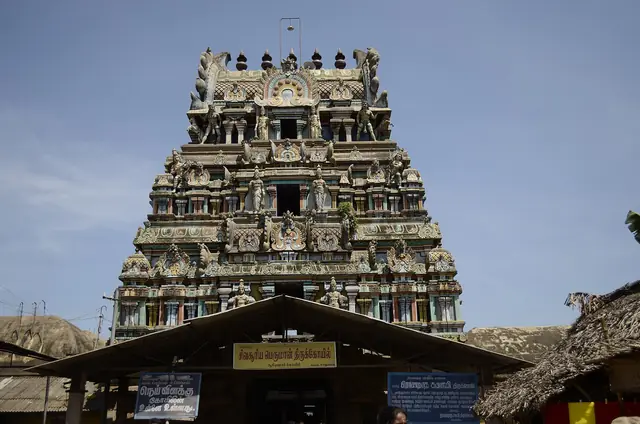
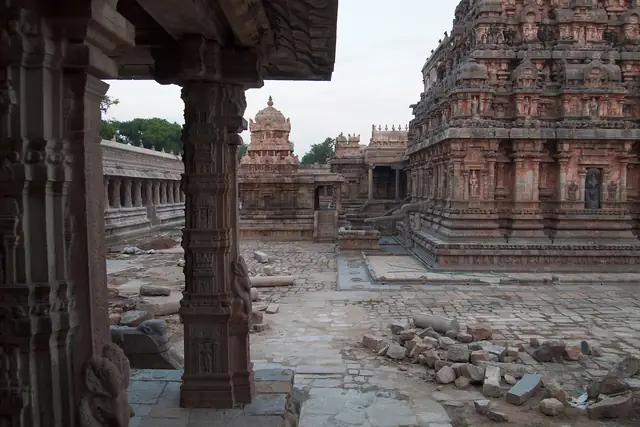
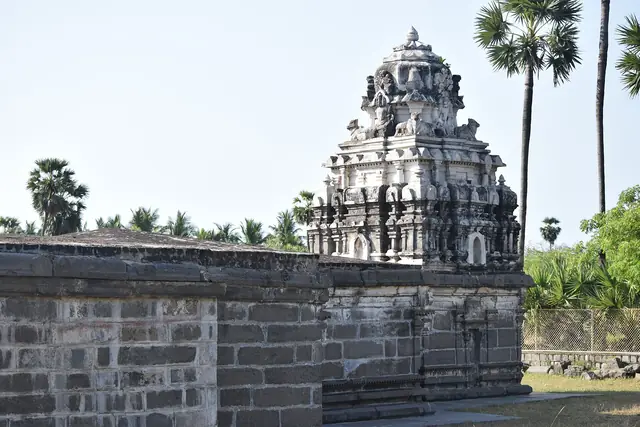
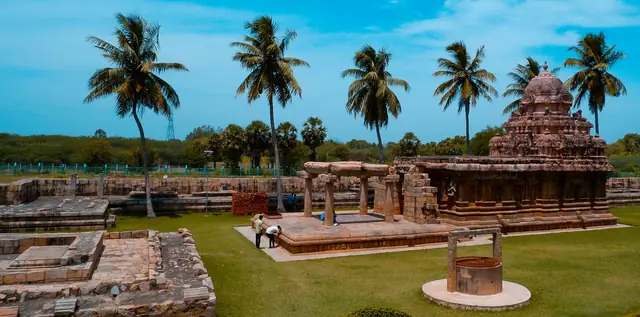
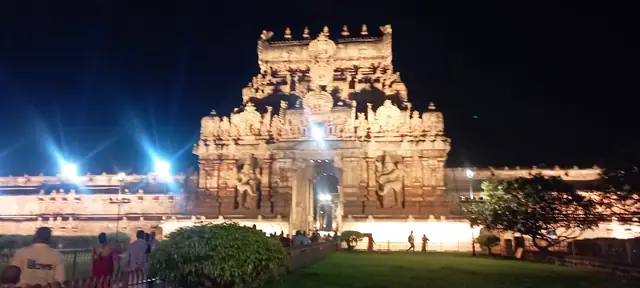
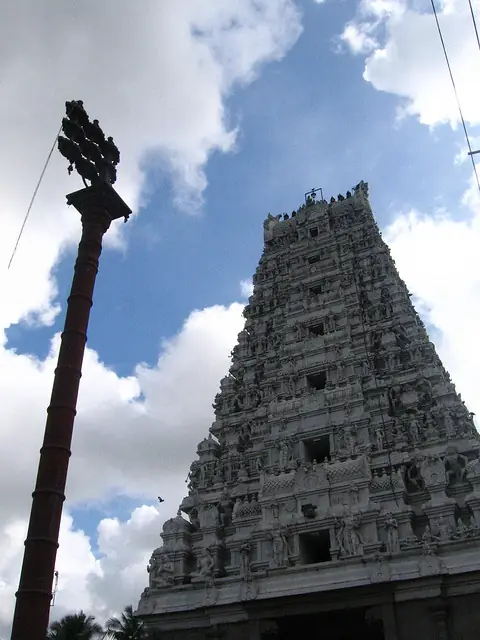
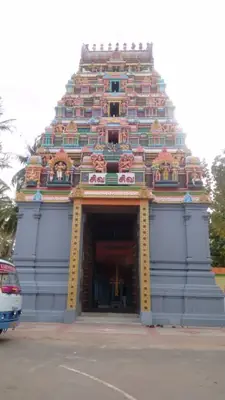
The Brihadeeswara at Thanjavur, the temple of Gangaikonda Cholapuram and Rajaraja II’s Airavateshvara at Darasuram are listed together as the Great Living Chola Temples. Thanjavur’s inscriptions name the four hundred temple dancers, the musicians, the lamp-lighters and the accountants it supported, each with a house on a named street.
The Chola casters made temple bronzes by the lost-wax method: Nataraja dancing in a ring of fire with one foot on the demon of forgetfulness, Shivakami, Somaskanda, the saints Appar and Sambandar. They were made to be carried out in procession at festivals, and still are. The casters of Swamimalai, near Kumbakonam, work in the same tradition today.
05Merchants of the seas
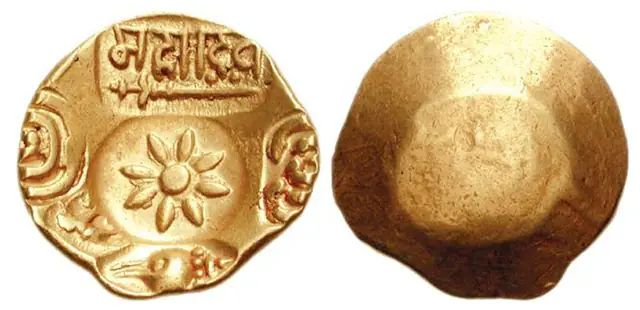
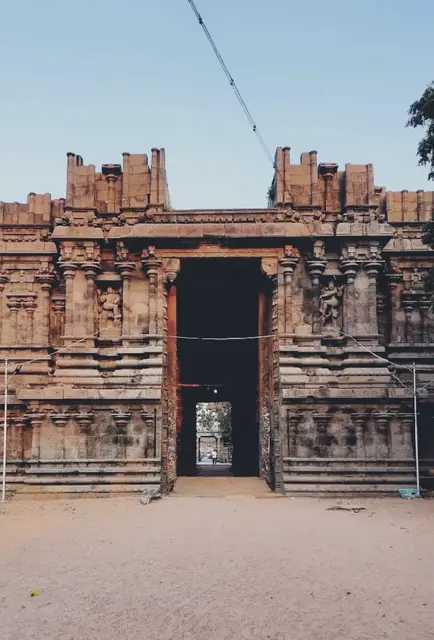
Chola trade was run by great merchant guilds: the Five Hundred of Ayyavole, the Ainnurruvar, and the Manigramam. A Tamil inscription of the Five Hundred, dated 1088, was found at Barus on the west coast of Sumatra; others turn up in Myanmar and Thailand. In 1077 Kulottunga I sent an embassy of merchants to the Song court in China.
Kulottunga I, who joined the Chola and Eastern Chalukya houses in his own person, was remembered as Sungam Tavirtta Cholan, the Chola who abolished tolls. Temples were the banks of the age, lending to villages, holding endowments and paying salaries in paddy and gold.
06Kalyani Chalukyas and Hoysalas
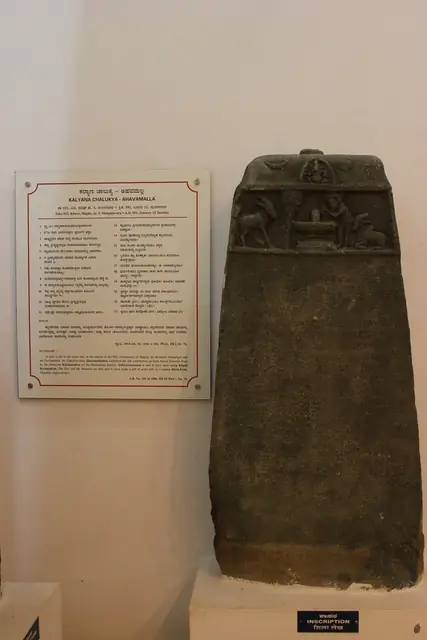
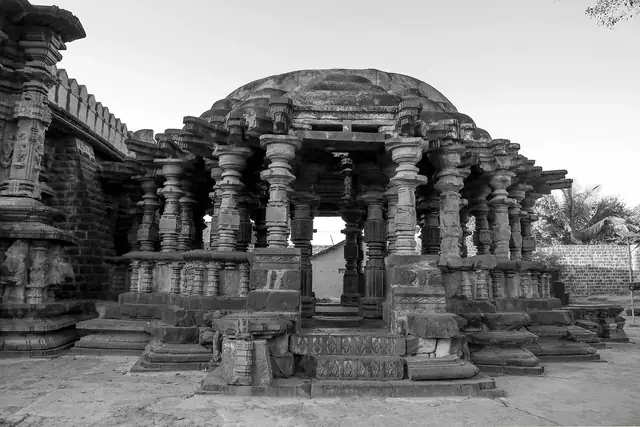
The Chalukyas of Kalyani, rivals of the Cholas for Vengi and the Tungabhadra, reached their height under Vikramaditya VI, who began his own era in 1076 and ruled fifty years. His poet Bilhana wrote the Vikramankadevacharita, and his jurist Vijnaneshvara wrote the Mitakshara, the commentary on the Yajnavalkya Smriti that became the leading text of Hindu inheritance law across most of India. At Kalyana in the next century Basavanna composed his vachanas.
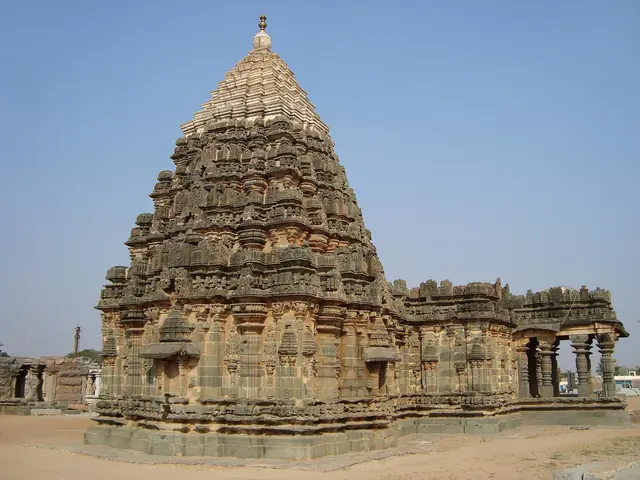
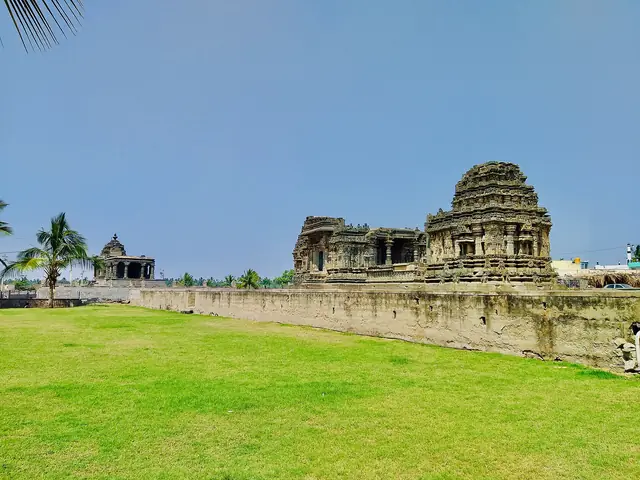
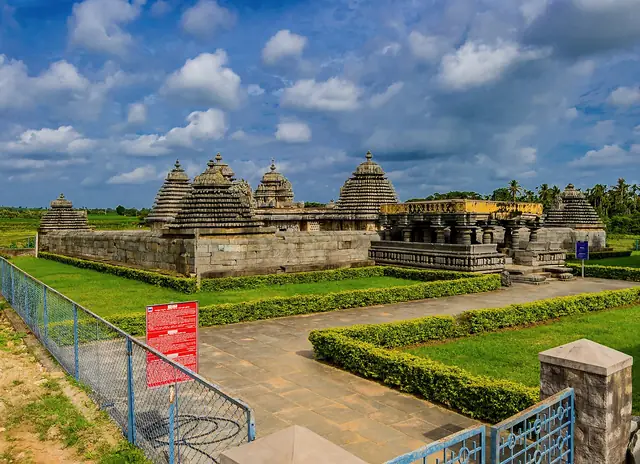
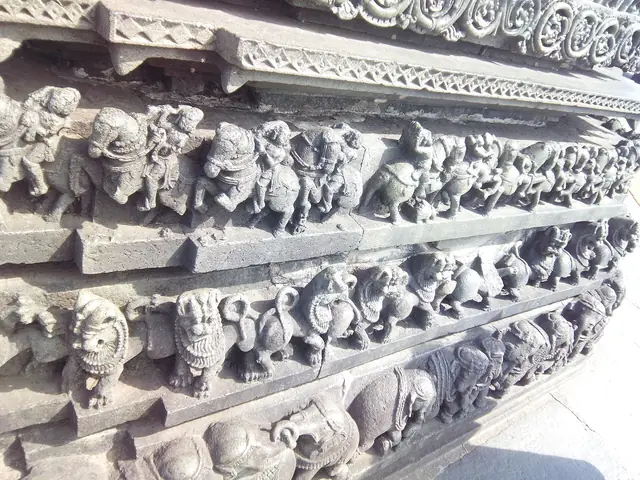
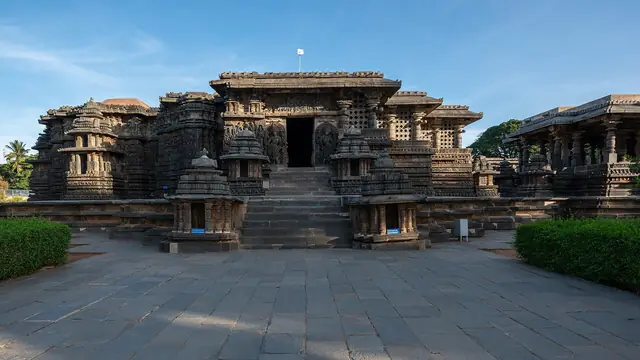
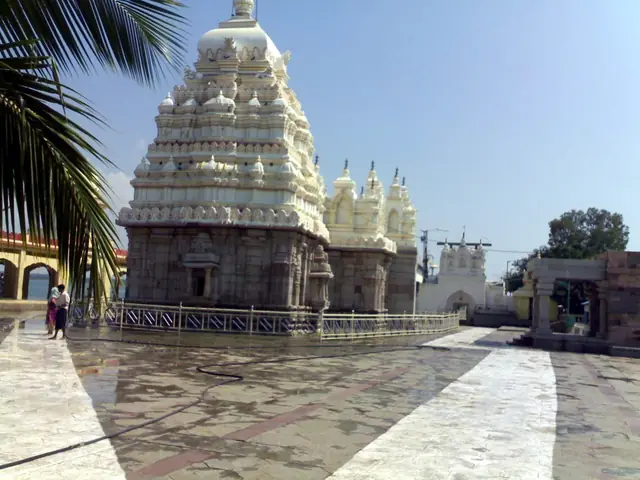
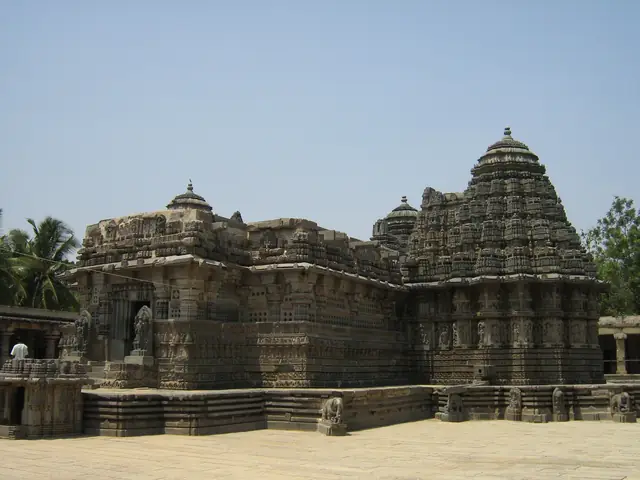
The Hoysalas of Dwarasamudra came out of the Malnad hills. Vishnuvardhana built the Chennakeshava at Belur in 1117; the Hoysaleshvara at Halebidu and the Keshava at Somanathapura followed, their soapstone carved like ivory. They became a World Heritage Site in 2023.
07Kakatiyas, Pandyas, Gangas
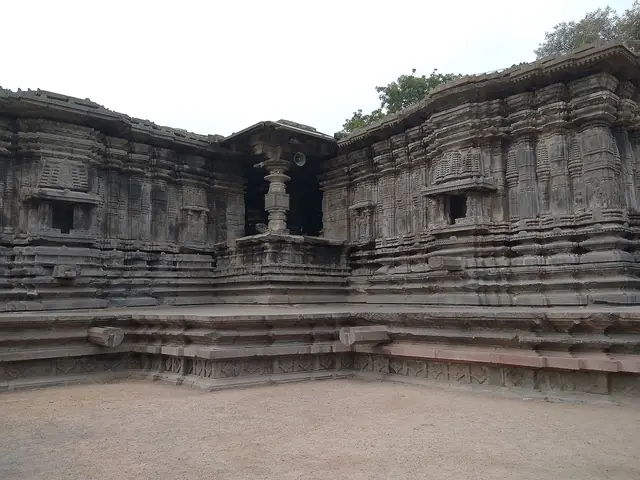
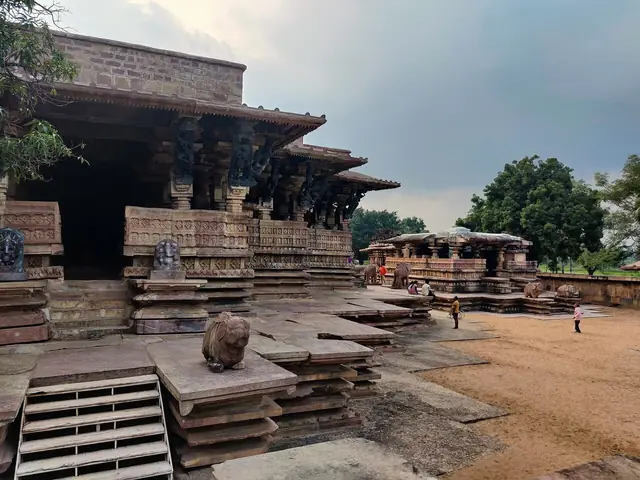
From Warangal the Kakatiyas ruled the Telugu country and filled it with irrigation tanks, Pakhal and Ramappa lakes among them. Ganapatideva’s general Recharla Rudra built the Ramappa temple in 1213, a World Heritage Site since 2021. Ganapatideva’s daughter Rudrama Devi ruled in her own name for over twenty-five years, and Marco Polo heard of her justice.
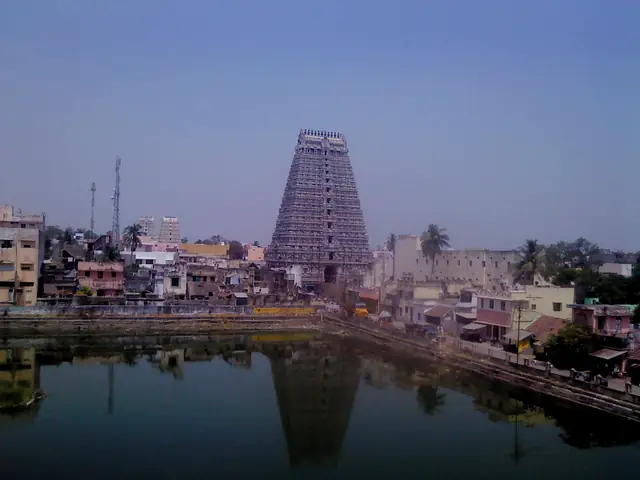
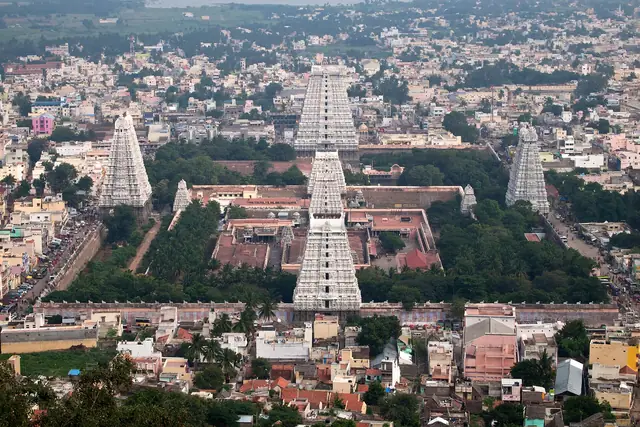
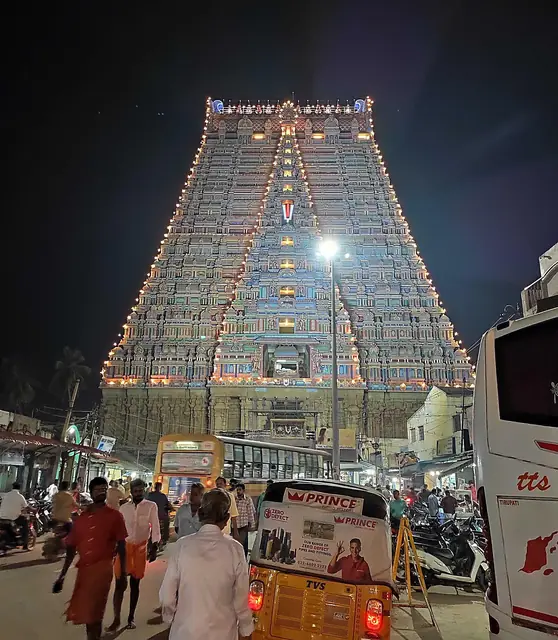
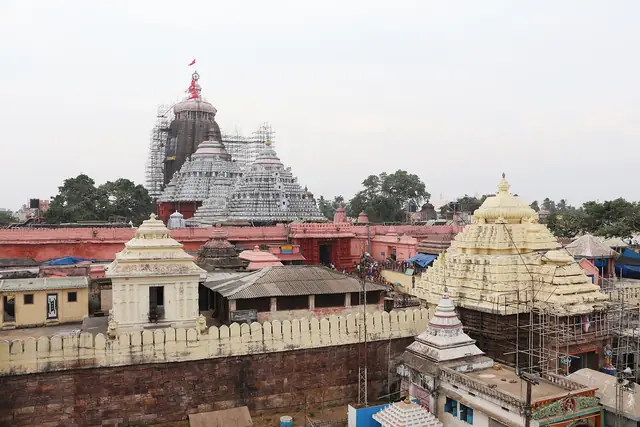
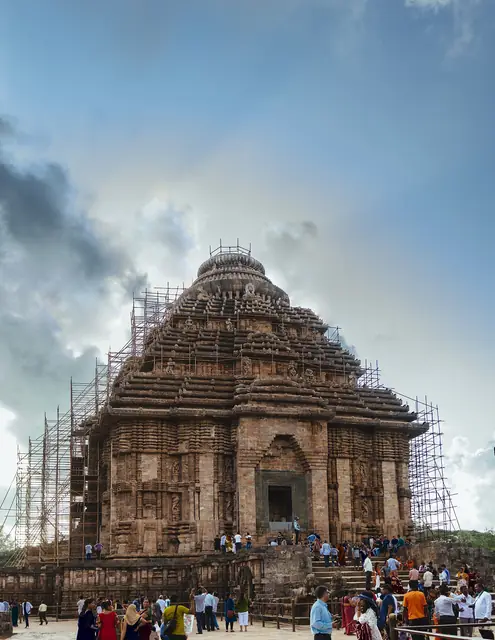
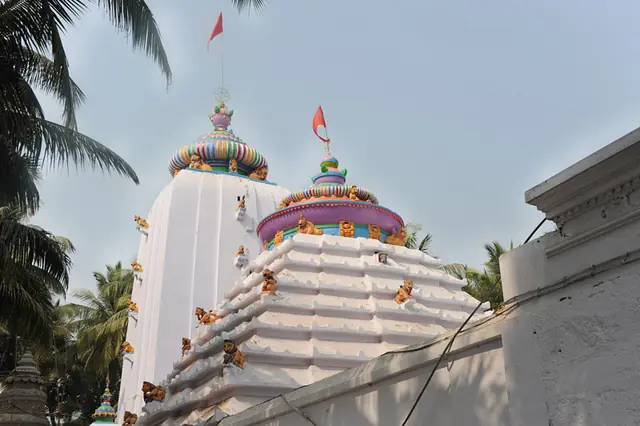
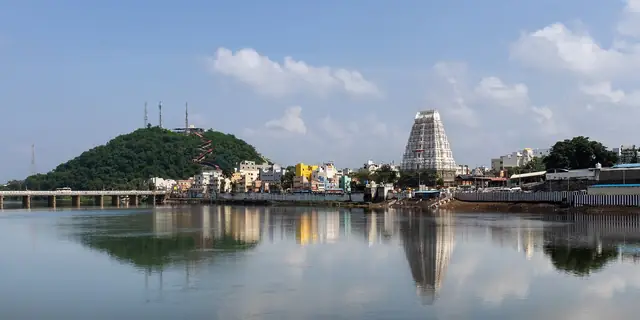
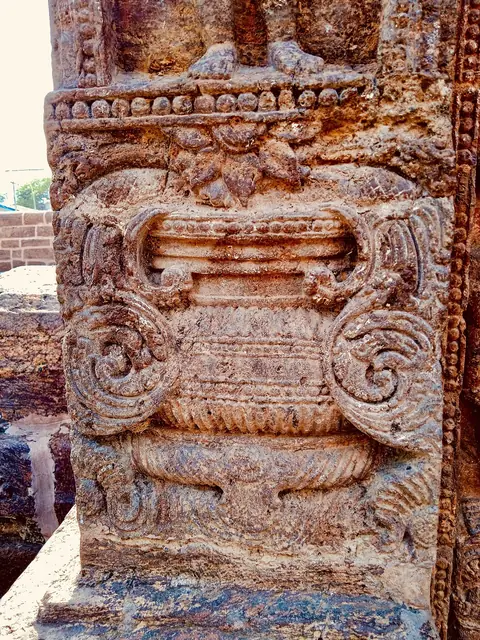
The Pandyas returned under Jatavarman Sundara Pandya I, who covered the vimana of Srirangam with gold. Marco Polo visited their pearl-fishing coast around 1292. In Odisha, the Eastern Ganga king Anantavarman Chodaganga began the present temple of Jagannath at Puri, and Narasimhadeva I built Konark’s chariot of Surya around 1250.
08Acharyas and poets
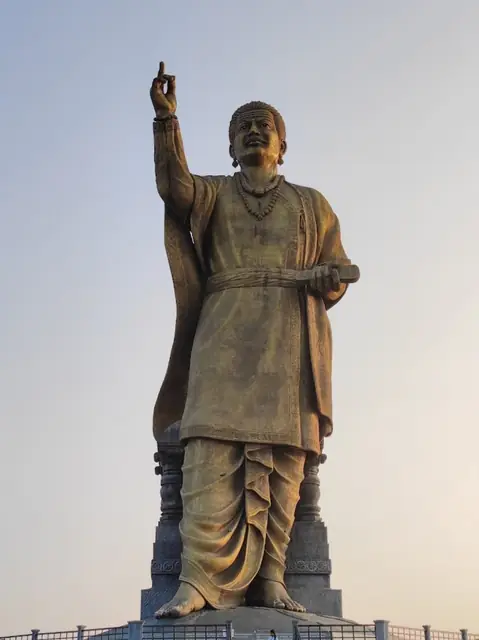
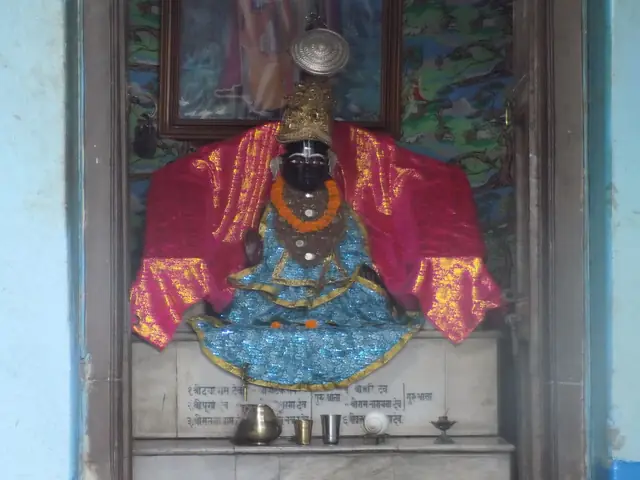
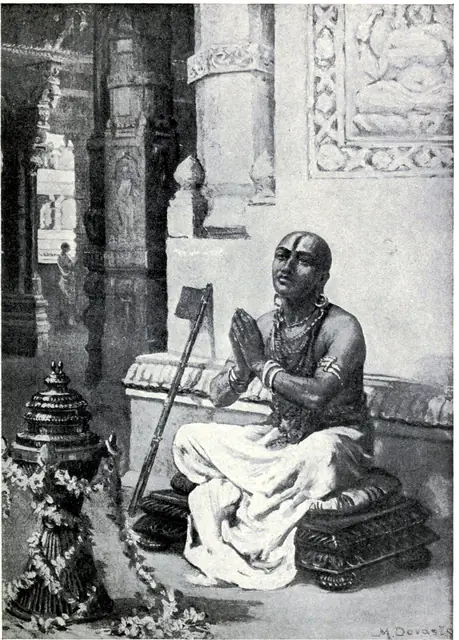
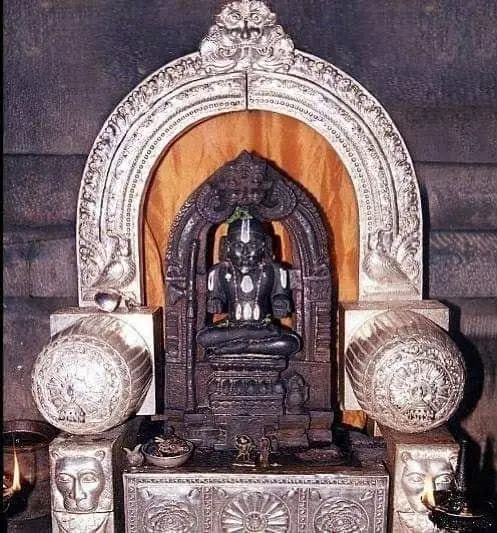
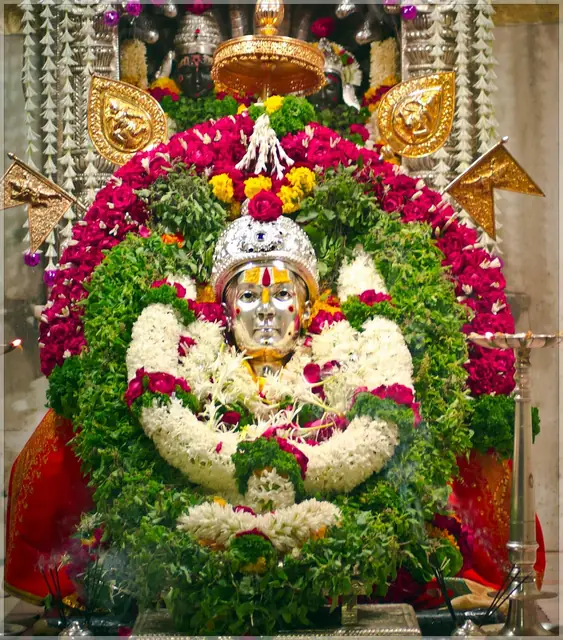
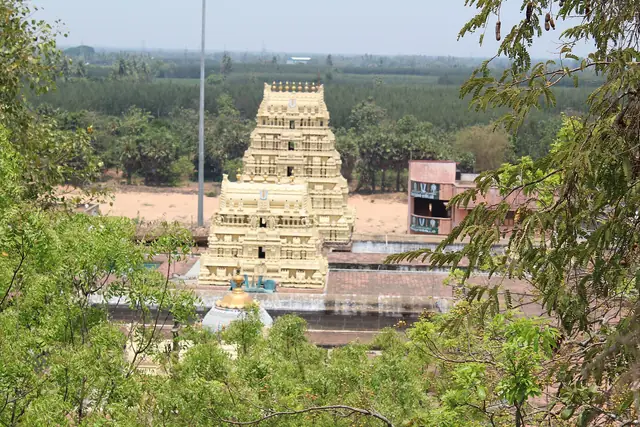
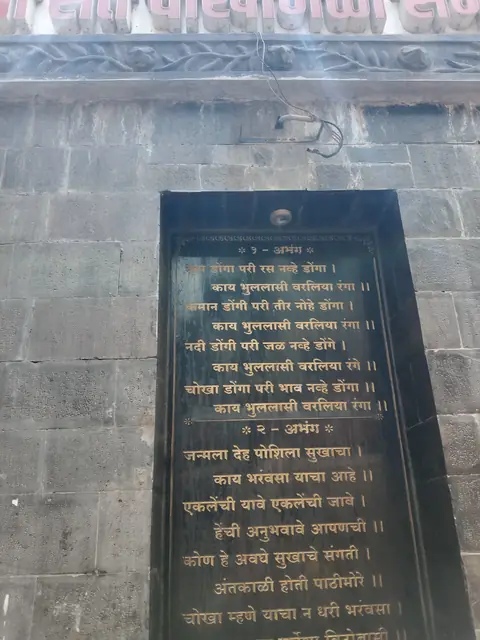
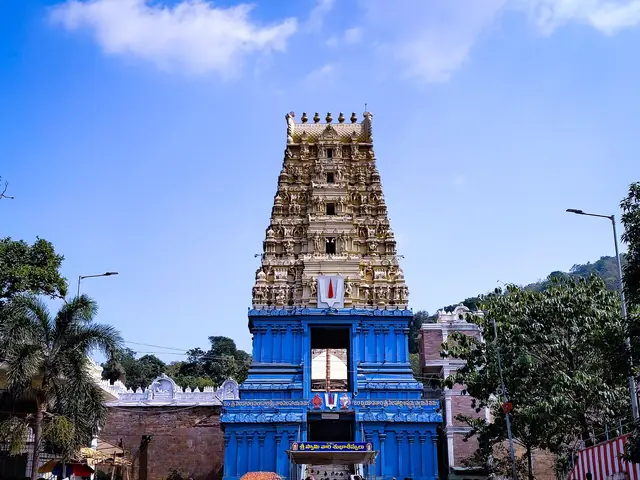
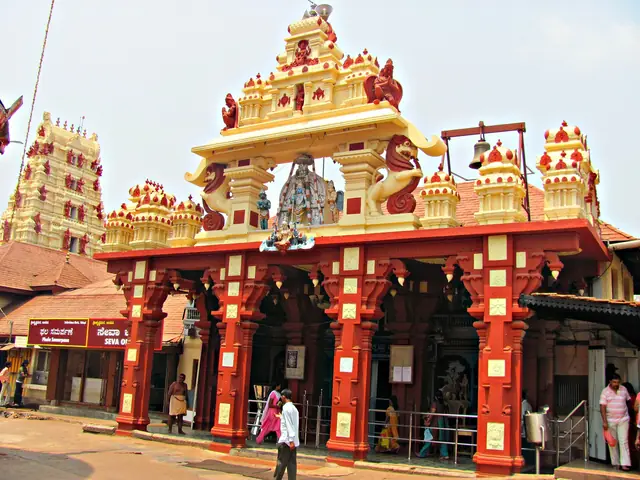
Ramanujacharya, born at Sriperumbudur in 1017 by the Shri Vaishnava reckoning, taught Vishishtadvaita at Srirangam, ordered its temple worship, and lived for years at Melukote in the Hoysala country. Madhvacharya of Udupi, 1238 to 1317, taught Dvaita and installed the murti of Shri Krishna that is worshipped there still. In the Yadava kingdom of Devagiri, Sant Jnaneshwar gave the Gita to Marathi readers in the Jnaneshwari in 1290.
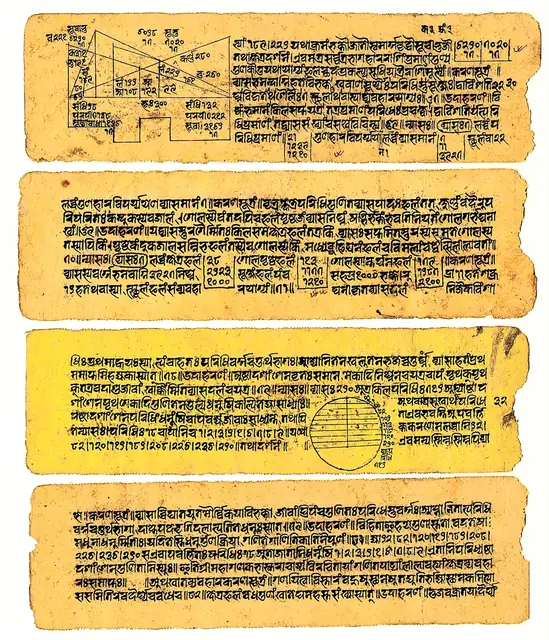
Kambar retold the Ramayana in Tamil; Sekkizhar wrote the lives of the sixty-three Nayanars in the Periya Puranam; Nannaya began the Mahabharata in Telugu at Rajahmundry; Pampa wrote it in Kannada in 941. Bhaskaracharya finished the Siddhanta Shiromani, with its Lilavati, in 1150.
09The storm from the north
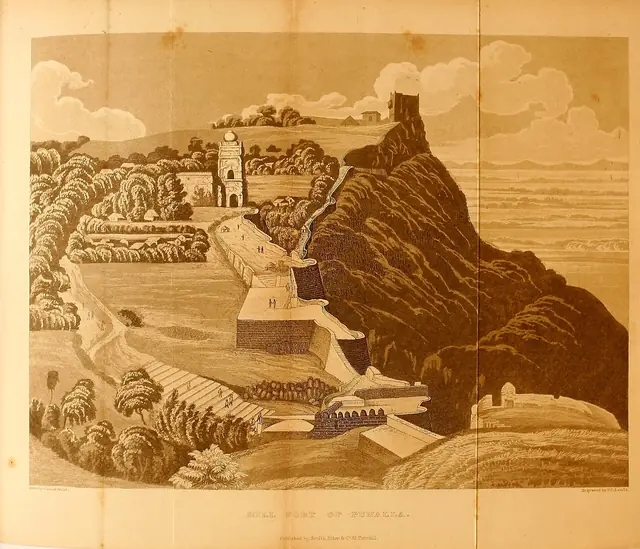
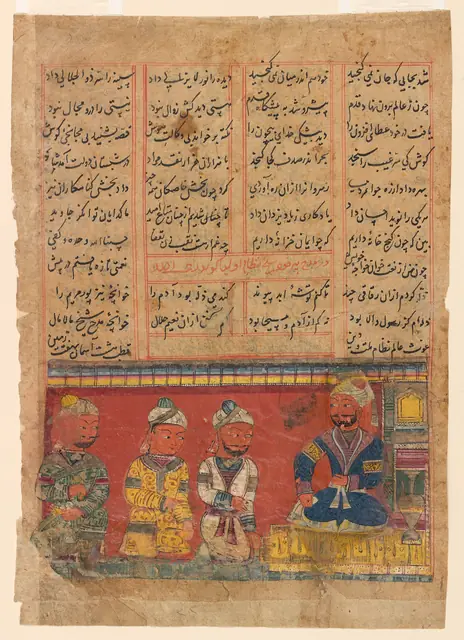
In the thirteenth century the Chola house faded, squeezed between the Hoysalas and the resurgent Pandyas. Then the Delhi Sultanate turned south. Alauddin Khalji raided Devagiri in 1296 and carried off its treasure. His general Malik Kafur came back to Devagiri in 1307, besieged Warangal in 1309–10 until Prataparudra surrendered his treasury and agreed to tribute, and in 1311 sacked Dwarasamudra and marched to Madurai while the Pandya brothers fought each other for the throne. Amir Khusrau, Alauddin’s court poet, recorded the campaigns in the Khazain-ul-Futuh.
The great southern kingdoms were broken within fifteen years. From their ruins, a generation later, Vijayanagara would rise.
What survives today
- The Brihadeeswara at Thanjavur, Gangaikonda Cholapuram and the Airavateshvara at Darasuram
- Chola bronzes in temple processions, and the casters of Swamimalai
- The Tirumurai, sung by oduvars in Shiva temples across Tamil Nadu
- Belur, Halebidu and Somanathapura, the Hoysala temples
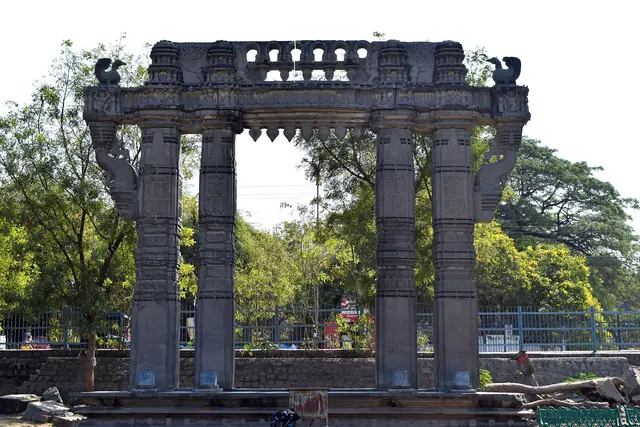
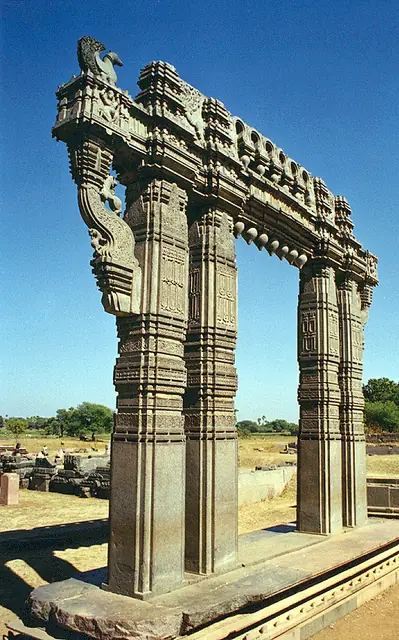
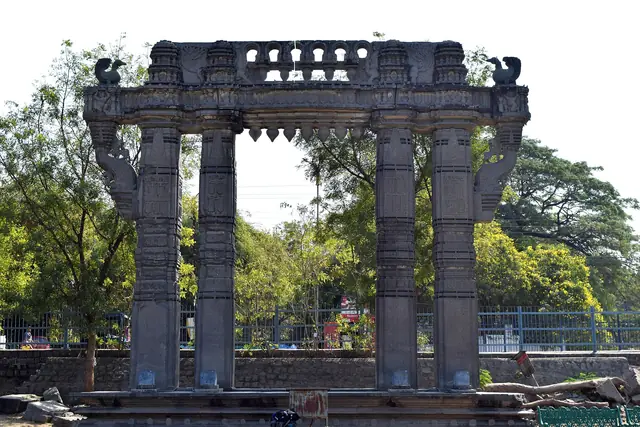
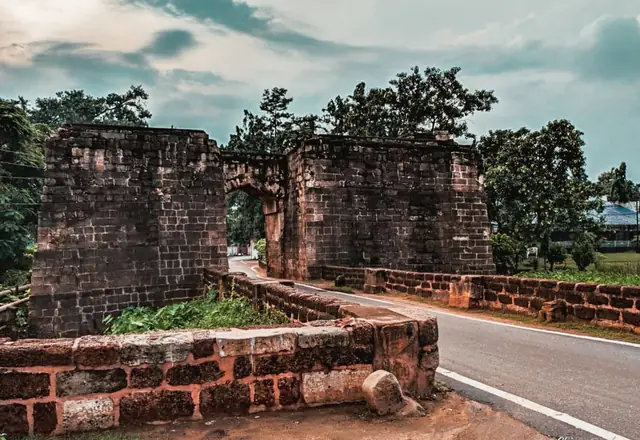
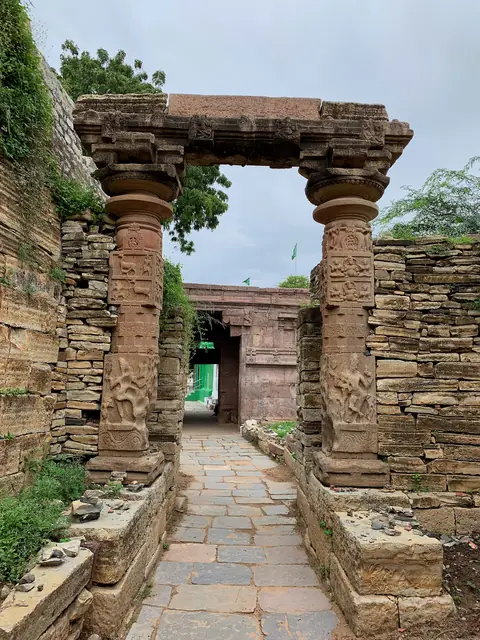
- The Ramappa temple and the Kakatiya gateways of Warangal fort
- The Jagannath temple at Puri and the Sun temple at Konark
- Srirangam, Melukote and Udupi, the seats of Ramanujacharya and Madhvacharya
- The Uttaramerur election inscriptions near Kanchipuram