
The Hindu world beyond Bharat
Where Dharma travelled: Southeast Asia, Nepal, Lanka, Afghanistan, the Silk Road, and the diaspora from Fiji to London.
Gandhara, Afghanistan and the Hindu Shahis
Vedic times – 1026 CE; shrines survive today · Afghanistan, Pakistan
Explore
Lanka: the island of the Ishwarams
Itihasa; recorded from the 4th century BCE – today · Sri Lanka
Explore
Central Asia, China and Japan
c. 1st century CE – 19th century · Uzbekistan, Tajikistan, Afghanistan’s north, Xinjiang (Khotan, Kucha), Dunhuang in China, Japan; Indian merchant colonies as far as Baku and Astrakhan
Explore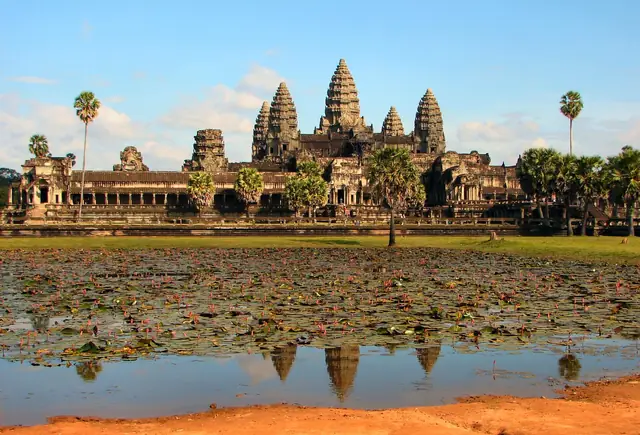
Suvarnabhumi: Kambuja, Champa and the Mainland
c. 1st century CE – today · Cambodia, Vietnam (Champa), Thailand, Laos, Myanmar
Explore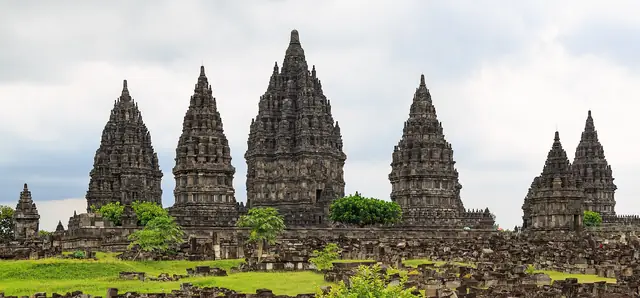
Nusantara: Java, Sumatra and the Malay Peninsula
c. 400 CE – today · Indonesia, Malaysia
Explore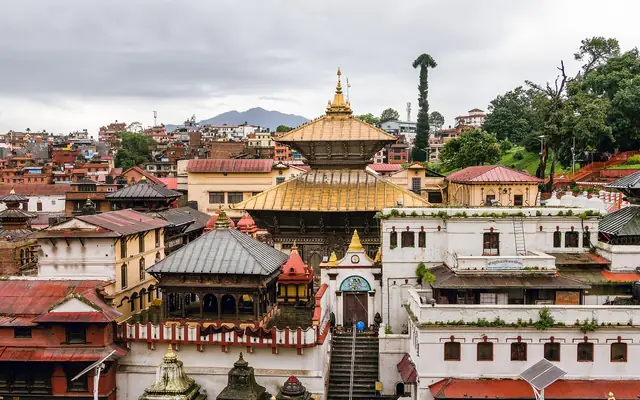
Nepal: the Himalayan Hindu kingdom
Licchavi inscriptions from 464 CE – today · Nepal
Explore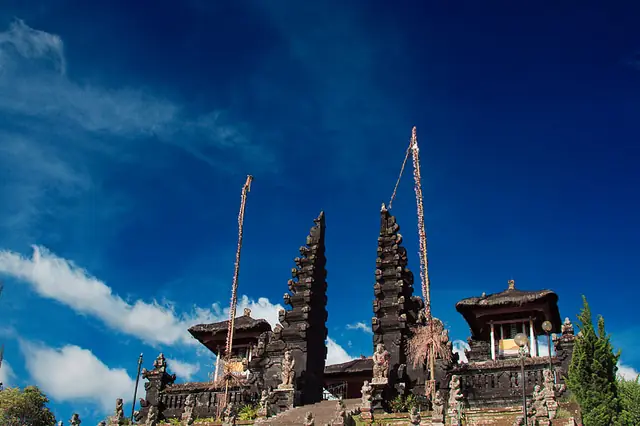
Bali: the Living Hindu Island
914 CE (Belanjong pillar) – today · Bali province, Indonesia; Balinese communities on Lombok and in Java
Explore
The Girmitiya: Indenture and the Plantation Colonies
1834–1920 (indenture); communities to today · Mauritius, Guyana, Trinidad and Tobago, Suriname, Fiji, Jamaica, South Africa (Natal), Réunion, East Africa
Explore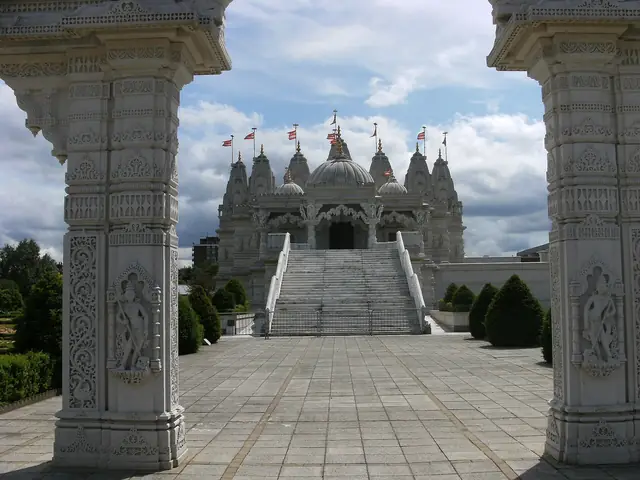
Hindus in the West and the Gulf
1893 – today · United Kingdom, United States, Canada, Australia, New Zealand, the Netherlands, United Arab Emirates, Oman, Bahrain and the other Gulf states
ExploreDynasties beyond Bharat
Kingdom of Anuradhapura
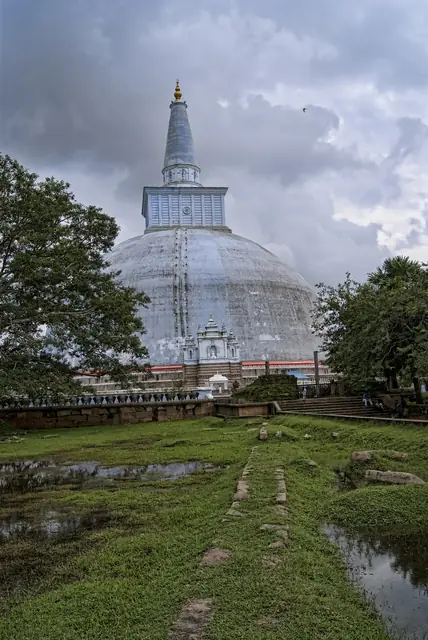
The first great kingdom of Lanka, ruled from Anuradhapura for some fourteen centuries. Its kings received the Dharma from Ashoka’s son Mahinda and built the great stupas, while the island’s Shaiva shrines stood on its coasts.
Funan
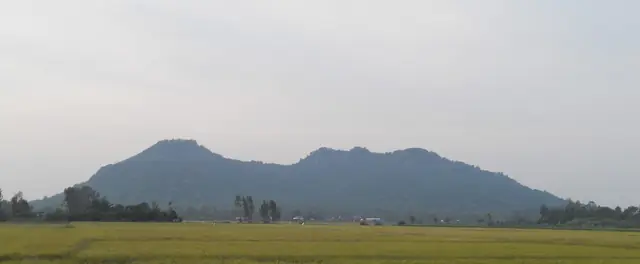
The first great kingdom of the Mekong, known to us mostly through Chinese envoys and a handful of Sanskrit inscriptions. Its kings bore Indian names, honoured Vishnu and Shiva, and ran a port that traded from Rome to China.
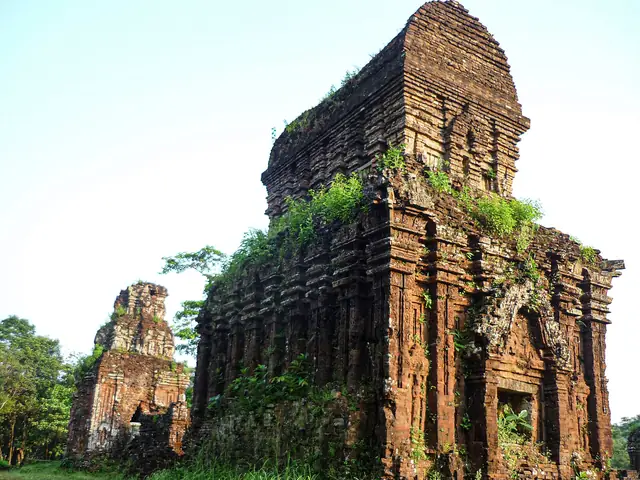
Champa
The Cham kingdom held the Vietnamese coast for more than 1,600 years, worshipped Shiva as Bhadreshvara at My Son, and still has Hindu descendants today, the Balamon Cham.
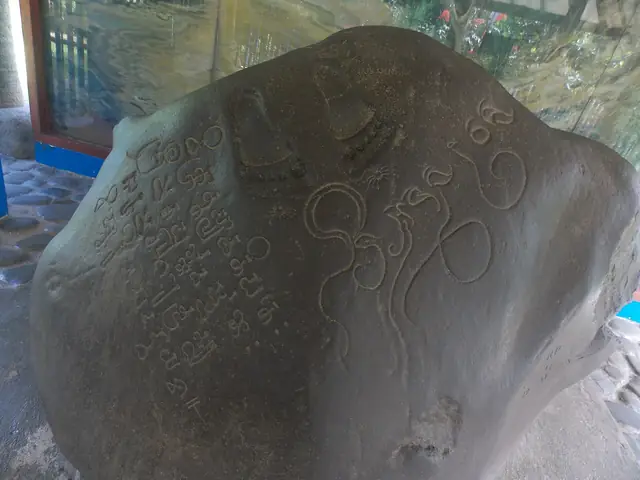
Tarumanagara
The earliest kingdom of Java known from its own words. Its king Purnavarman carved his footprints into river boulders and compared them to the steps of Vishnu.
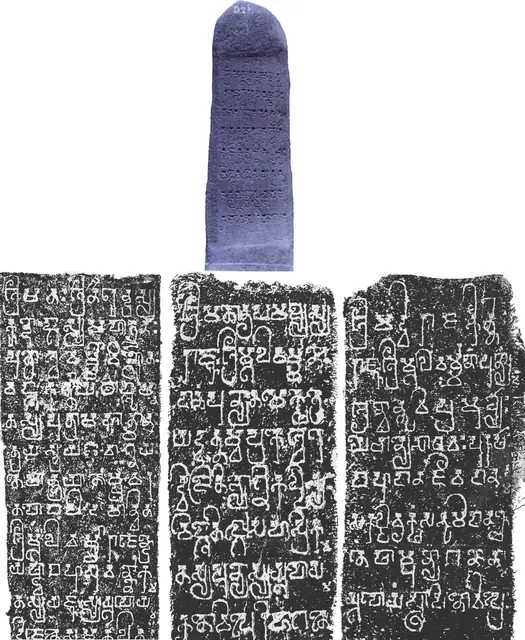
Kutai (Martadipura)
The oldest kingdom in Indonesia known from inscriptions. Its king Mulavarman set up stone yupas, sacrificial posts, to record Vedic yajnas and a gift of twenty thousand cows.
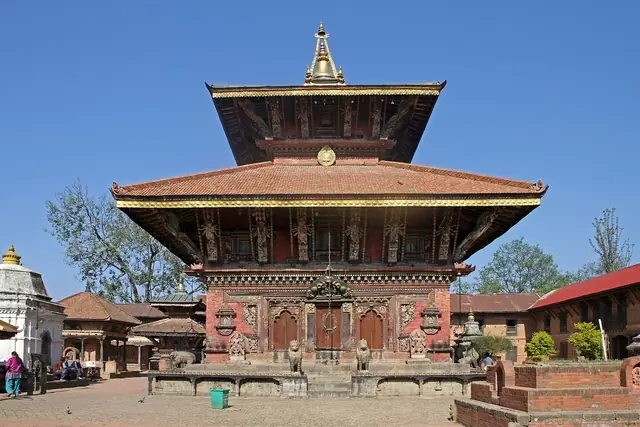
Licchavis of Nepal
The kings who gave Nepal its first written history, in Sanskrit inscriptions from 464 CE. They worshipped Pashupati as the lord of the land and set up the Garuda before Changu Narayan.
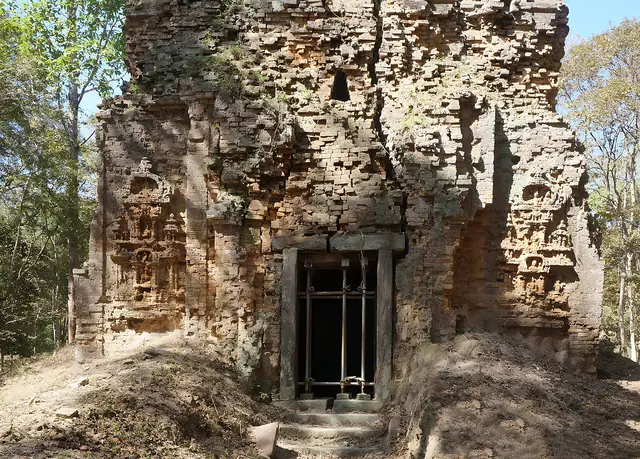
Chenla
The Khmer kingdom that grew out from under Funan and built the first brick temple-city of Cambodia at Ishanapura. Its kings named themselves after Shiva and set up lingas on mountain tops.
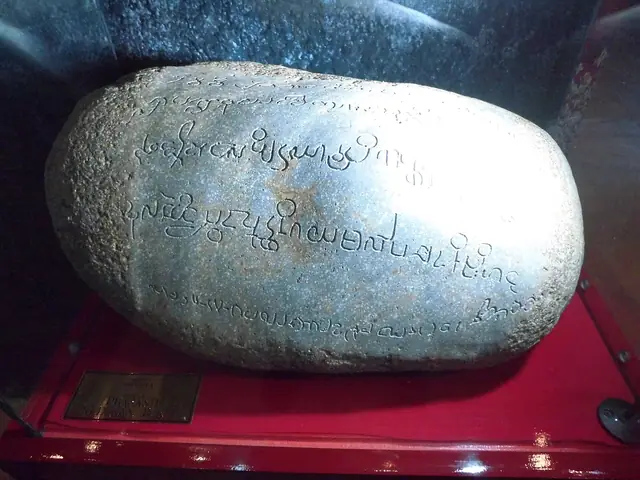
Srivijaya
The sea power of the Straits, a Buddhist kingdom that controlled the trade between India and China for five centuries. It is a Dharmic sibling in Hindu history, linked to Bharat by Nalanda, Nagapattinam and, in 1025, a Chola fleet.
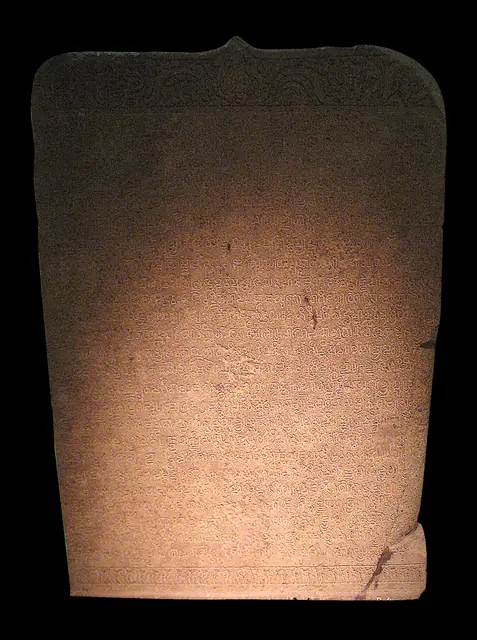
Mataram (Sanjaya house)
The Hindu kings of central Java, who set up a linga on Gunung Wukir in 732 and raised the Shiva temple of Prambanan in 856. In the 10th century the court moved east and became the root of every later Javanese kingdom.
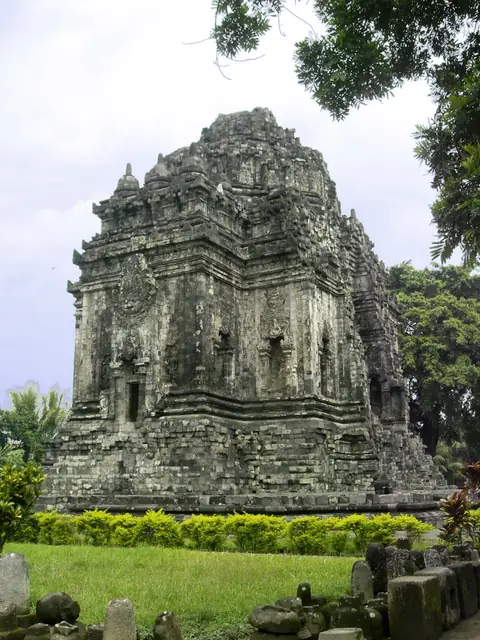
Shailendra
The 'lords of the mountain' who built Borobudur, the largest Buddhist monument in the world. A Dharmic sibling of the Hindu houses of Java, they shared the same plain, the same craftsmen and in the end the same family.
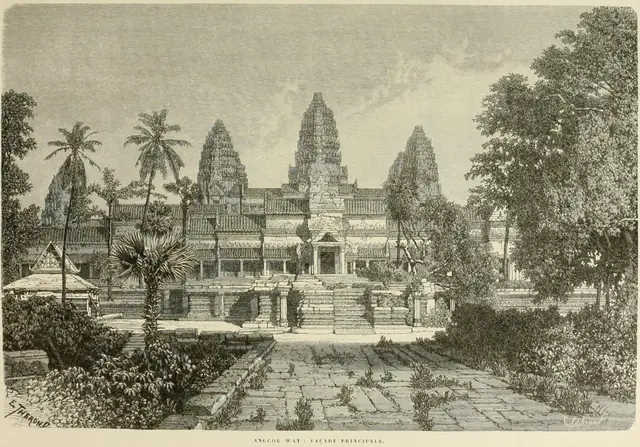
Khmer Empire (Angkor)
For six centuries the kings of Angkor ruled the largest Hindu kingdom outside Bharat and built Angkor Wat, the largest religious monument on earth. Their temples are Mount Meru in stone, set in a city of reservoirs.
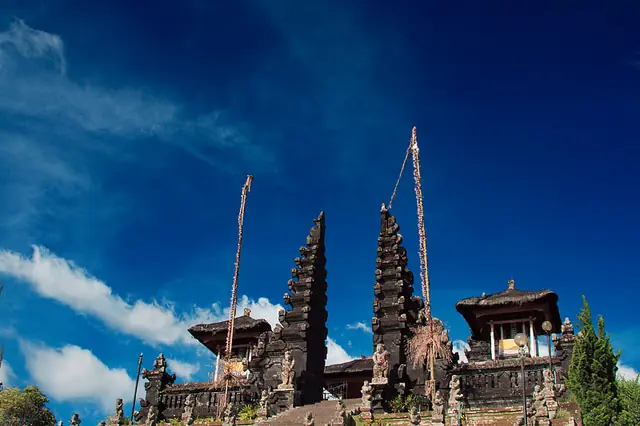
Warmadewa dynasty of Bali
The first named kings of Bali, whose Sanskrit and Old Balinese inscriptions begin in 914. A Warmadewa queen and king were the parents of Airlangga, who rebuilt Java, and their royal tombs are cut into the cliffs at Gunung Kawi.
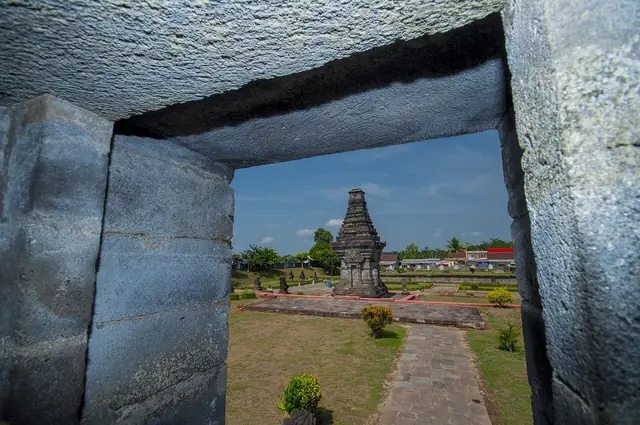
Kediri (Panjalu)
The East Javanese kingdom in whose court the Mahabharata became Javanese poetry. Its king Jayabhaya was hailed as Vishnu come down to earth, and the kakawin written for him are still read in Java and Bali.
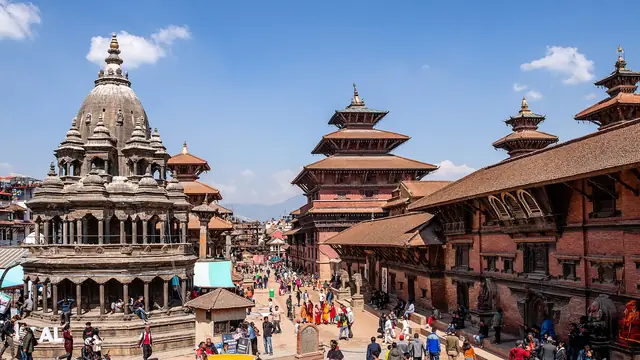
Mallas of Nepal
For five and a half centuries the Malla kings filled the Kathmandu valley with pagoda temples, palace squares and festivals. While northern India fell under the Sultanate, the valley stayed a Hindu kingdom, and its three Durbar Squares are their work.
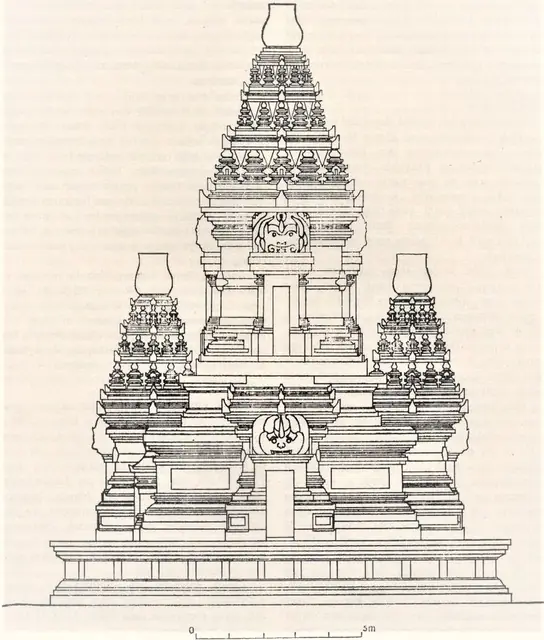
Singhasari
A short, fierce dynasty that began with the usurper Ken Arok and ended with Kertanagara, the king who defied Kublai Khan. Its temples hold some of the finest sculpture ever made in Java.
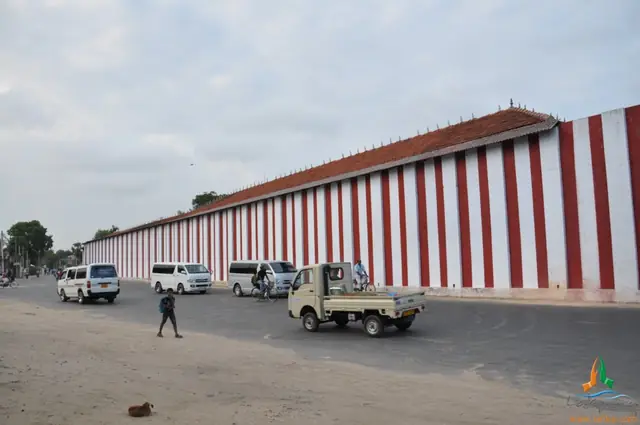
Aryachakravarti kings of Jaffna
A Tamil Shaiva kingdom in the north of Lanka whose kings, descended by tradition from Brahmin warriors of Rameswaram, ruled from Nallur for over three centuries until the Portuguese took it in 1619.
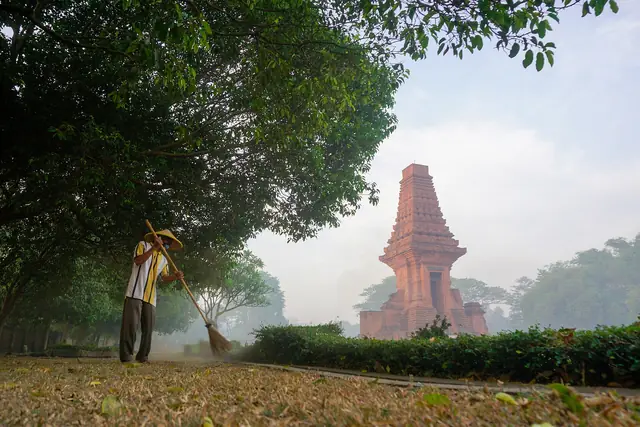
Majapahit
The last and greatest Hindu-Buddhist empire of the archipelago. Its prime minister Gajah Mada swore to unite Nusantara, and its poet Mpu Tantular gave Indonesia its national motto.
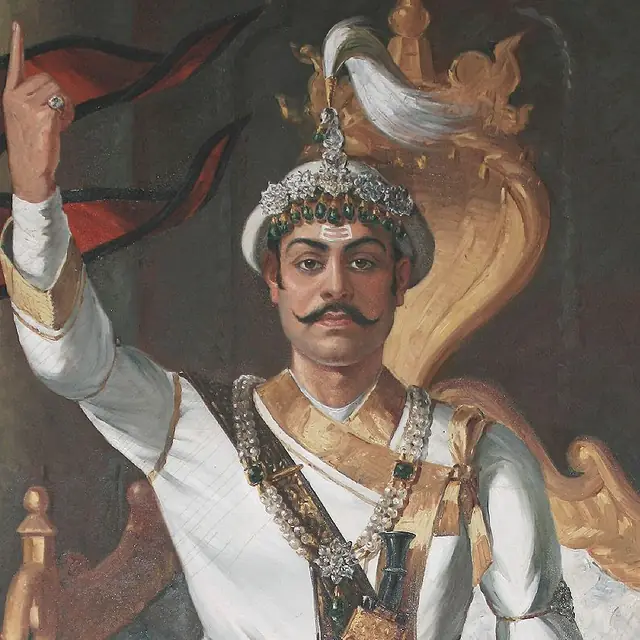
Shah dynasty of Nepal
From the hill fort of Gorkha, Prithvi Narayan Shah built the kingdom of Nepal in the 1760s, and his heirs reigned until 2008. For most of that time Nepal was the world’s only Hindu kingdom, never colonised.
Temples and sites beyond Bharat
 Excavated
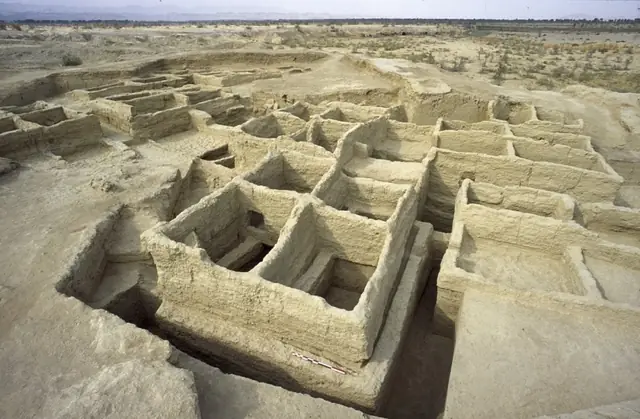
Mehrgarh
A farming village at the foot of the Bolan pass, lived in from c. 7000 BCE: among the oldest in South Asia, with barley and wheat, cattle and goats, mud-brick houses and the earliest known drilled teeth. It is the deep root of the Sindhu–Sarasvati cities.
 Excavated
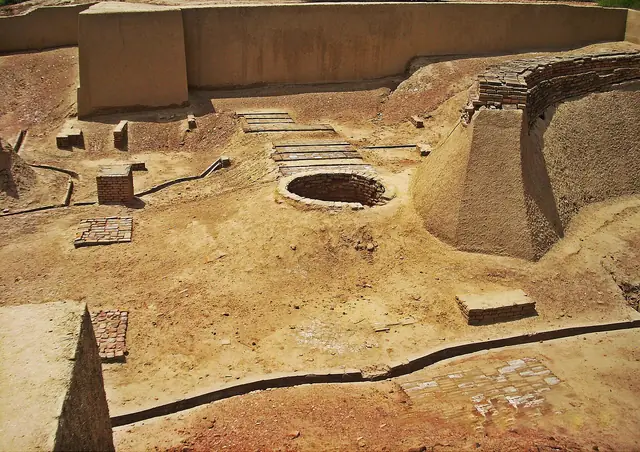
Harappa
The city on the old course of the Ravi that gave the whole civilisation its first name. Railway builders carried off its bricks in 1856; the excavations of 1921 showed what had been lost.
 Excavated
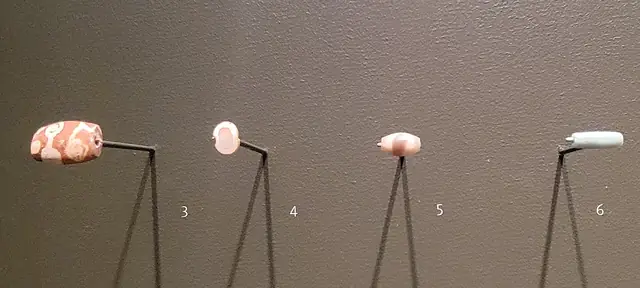
Chanhudaro
A small Harappan town on the old Indus plain south of Mohenjo-daro, with no citadel but whole workshops for beads, seals and shell. Its craftsmen drilled the long carnelian beads that were traded as far as Mesopotamia.
 Excavated
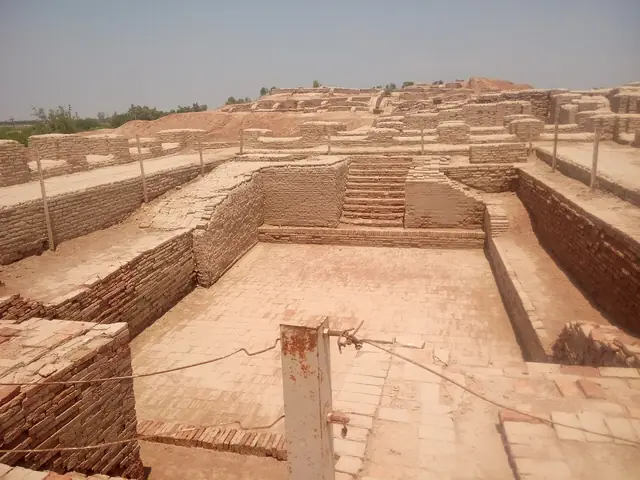
Mohenjo-daro
The largest city of the Sindhu–Sarasvati civilisation, on the Sindhu in Sindh, with its Great Bath, its grid of baked-brick streets and covered drains. The bronze dancing girl and the yogi seal many see as Pashupati were found here.
 Excavated
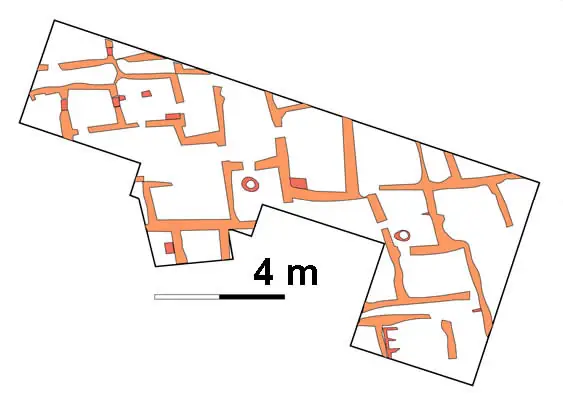
Shortugai
The farthest north of all known Harappan settlements, on the Amu Darya near the Kokcha, hundreds of kilometres from the Sindhu. It was set up to reach the lapis lazuli of Badakhshan.
 Excavated
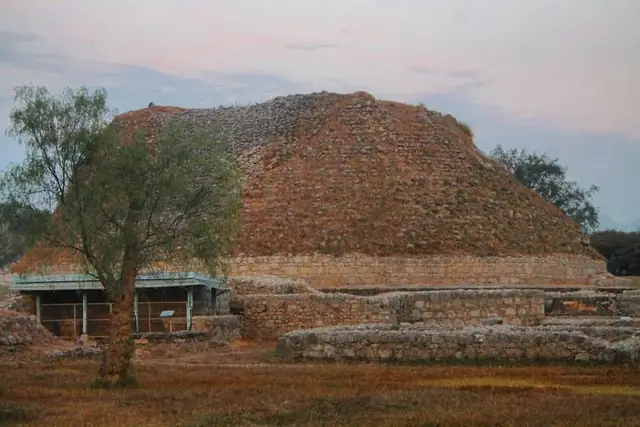
Takshashila (Taxila)
The great city of learning of Gandhara, where Chanakya taught, Jivaka studied medicine and, says the Mahabharata, Vaishampayana first recited the Bharata to Janamejaya. Its three excavated cities, Bhir Mound, Sirkap and Sirsukh, lie outside Rawalpindi.
 Ruined
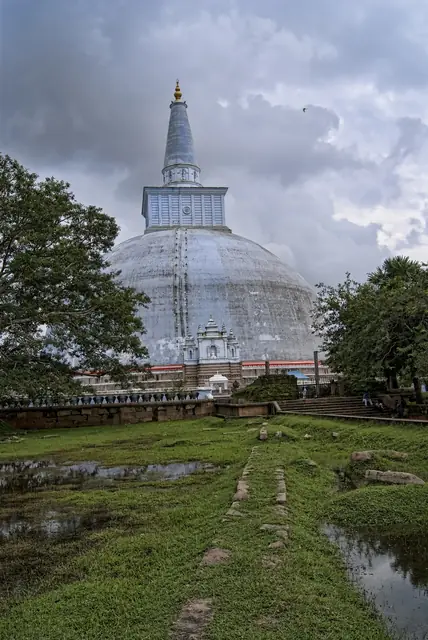
Anuradhapura
The capital of Lanka for some fourteen centuries, with its giant stupas and the Bodhi tree grown from a cutting brought from Bodh Gaya in Ashoka’s time. Chola armies under Rajaraja I took and sacked it in the 990s, and the capital moved to Polonnaruwa.
 Excavated
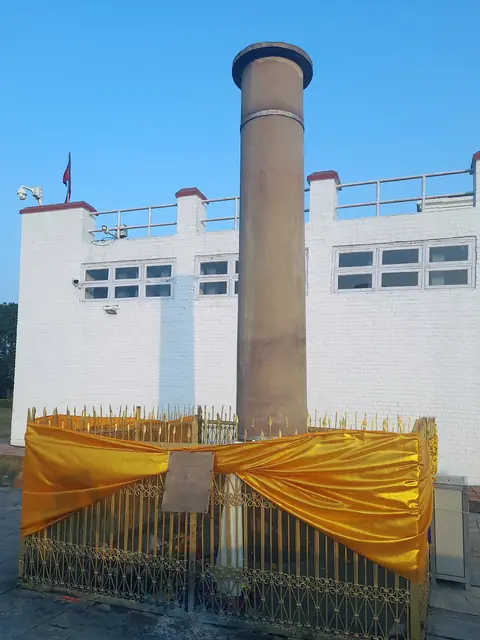
Lumbini
The grove in the Terai where Queen Mayadevi gave birth to Siddhartha Gautama. Ashoka came here in the twentieth year of his reign and set up a pillar recording the birth, which still stands.
 Excavated
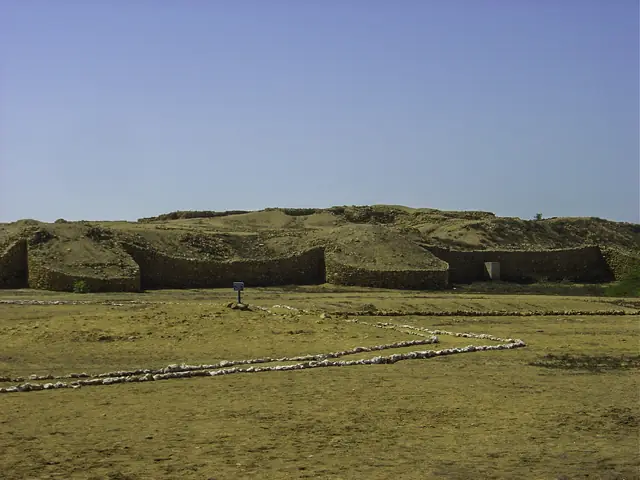
Debal (Banbhore)
The sea port of Raja Dahir’s Sindh, whose great temple flag was brought down by a catapult when Muhammad bin Qasim stormed it in 711–712. It is widely identified with the excavated walled town of Banbhore, near Karachi.
 Standing
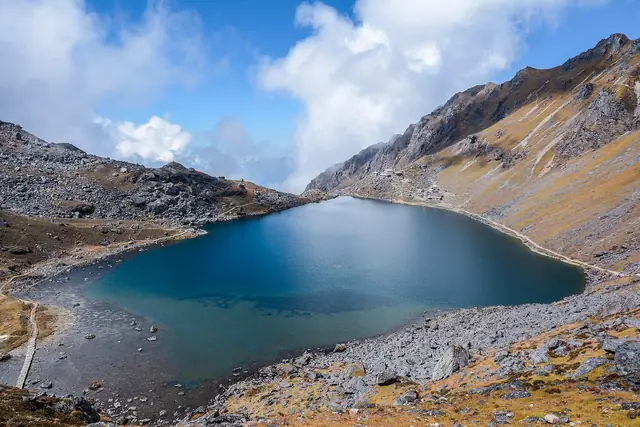
Gosaikunda
A high lake in the Langtang mountains that Nepali tradition holds Mahadev made with his trishul after drinking the poison of the churning of the ocean. On Janai Purnima thousands climb to bathe in it.
 Standing
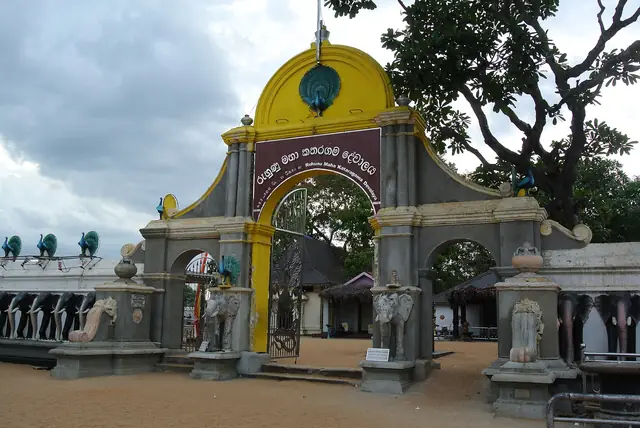
Kataragama (Kathirkamam)
The jungle shrine of Murugan in the far south-east of Lanka, on the Menik Ganga, where he is said to have met and wed Valli. Hindus, Buddhists, Muslims and the Vedda people all come here, and Tamil pilgrims once walked to it for weeks from Jaffna.
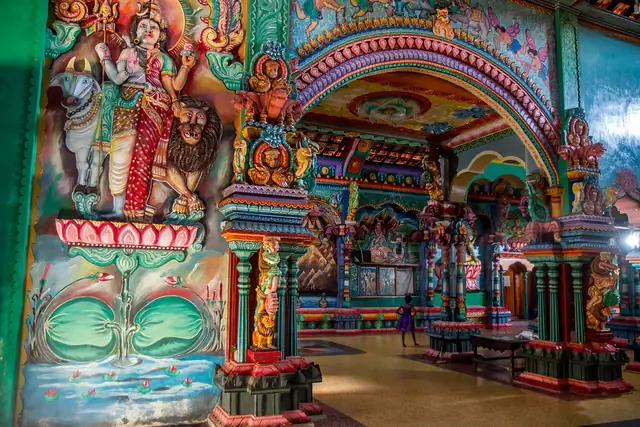 Rebuilt
Naguleswaram Temple, Keerimalai
The northernmost of the five ancient Ishwarams of Shiva in Lanka, beside the Keerimalai springs on the Jaffna coast. Jaffna’s Hindus come here on Aadi Amavasai to offer tarpanam for their ancestors and bathe in the springs.
 Standing
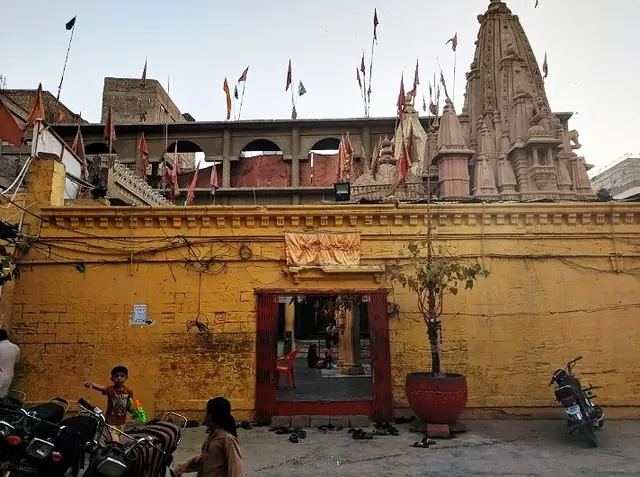
Shri Panchmukhi Hanuman Mandir, Karachi
Karachi’s oldest Hindu shrine by its own tradition, built over a murti of five-faced Hanuman that was found in the ground. It is protected under Sindh’s heritage law, and work to restore it in 2019 brought up older murtis buried in its grounds.
 Standing
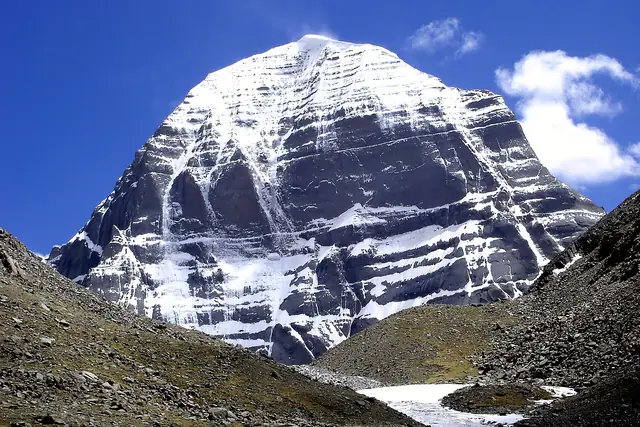
Kailash and Mansarovar
The snow peak in western Tibet that Hindus know as the home of Shiva and Parvati, with the lake of Mansarovar at its foot. Jains, Buddhists and Bon followers hold it holy too, and no one has climbed it.
 Ruined
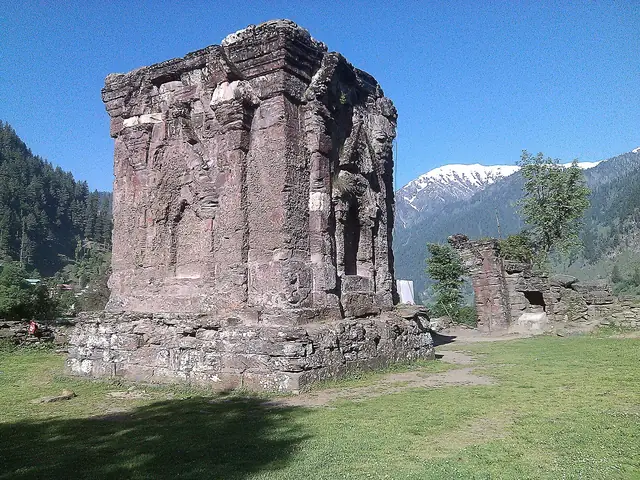
Sharada Peeth
The seat of Devi Sharada on the Kishanganga, once the greatest centre of learning in Kashmir, which gave its name to the Sharada script. Its ruins now lie across the Line of Control.
 Standing
Sugandha Shakti Peetha, Shikarpur
In the Peetha Nirnaya Tantra’s list, Sati’s nose fell at Sugandha, and the Devi there is Sunanda. The seat is placed at Shikarpur, a village north of Barishal town in southern Bangladesh, where she is worshipped as Ugratara.
 Standing
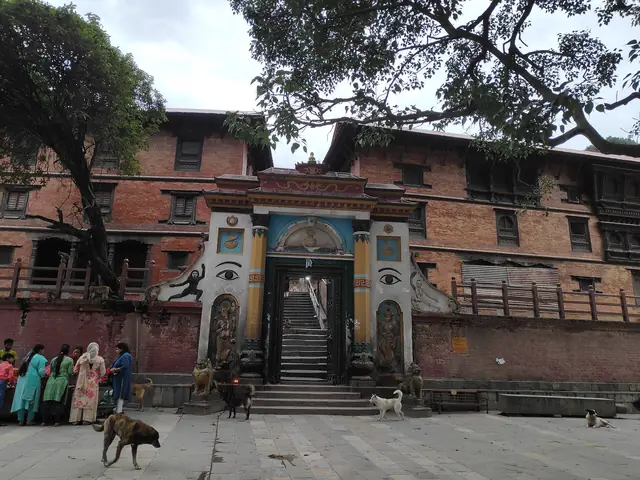
Guhyeshwari Temple, Kathmandu
The Devi of the hidden place, on the bank of the Bagmati about a kilometre east of Pashupatinath. Nepal holds that no pilgrimage to Pashupatinath is complete without her darshan.
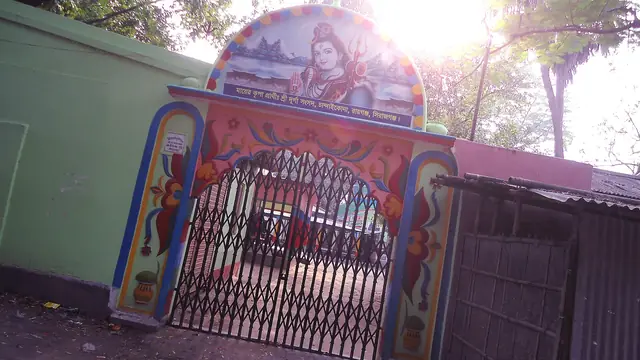
StandingShri Shail Shakti Peetha (Mahalakshmi Bhairabi Griba Peetha), Sylhet
At Joinpur, about 3 km south-east of Sylhet town across the Surma, Bengal’s lists place the Shri Shail peetha where Sati’s neck fell. The Devi is Mahalakshmi, and the place is called the Griba Peetha, the seat of the neck.
 Standing
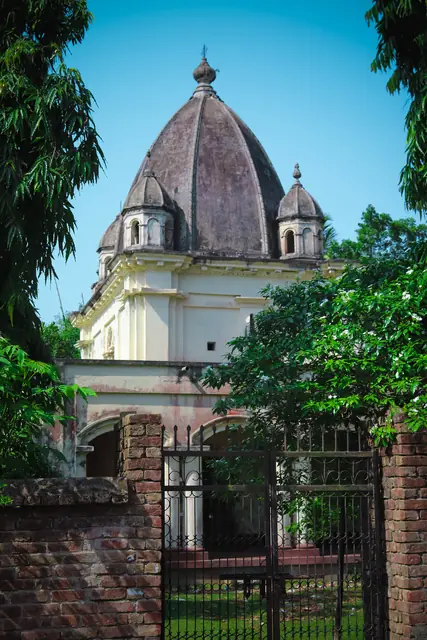
Bhabanipur Shakti Peetha (Karatoyatat), Sherpur
The Karatoyatat peetha of the Tantra, placed at Bhabanipur in Bogura district, where Sati’s left anklet fell and the Devi is Aparna. Rani Bhabani of Natore restored it, and the pond of conch bangles keeps her katha.
 Standing
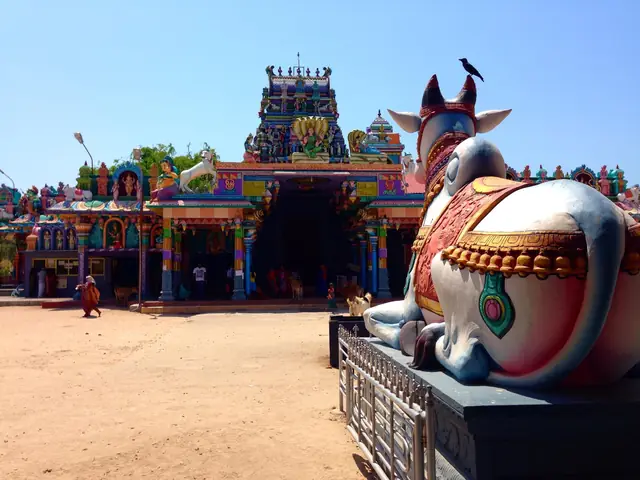
Jeshoreshwari Kali Temple, Ishwaripur
The Yashor peetha, where Sati’s palms and soles fell, at Ishwaripur on the edge of the Sundarbans. Raja Pratapaditya rebuilt the temple when Ishwaripur was his capital.
 Rebuilt
Nagapooshani Amman Temple, Nainativu
On the small island of Nainativu off Jaffna, the Devi who wears the naga as her ornament. Many Tamil Shaivas identify her with Indrakshi of the Lanka peetha, where Sati’s anklets fell.
 Standing
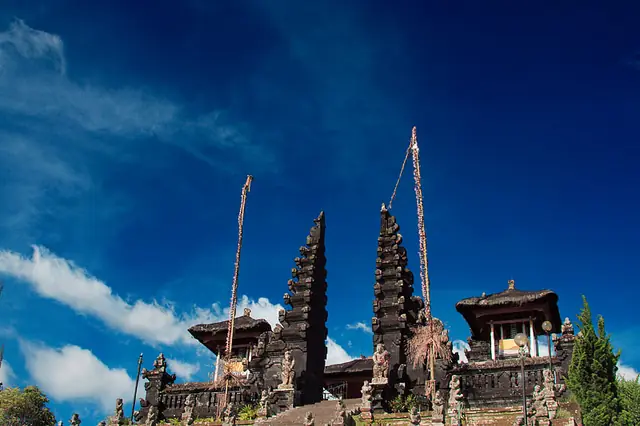
Pura Besakih
The mother temple of Bali, a complex of more than twenty temples climbing the slope of Gunung Agung, the island’s holiest mountain.
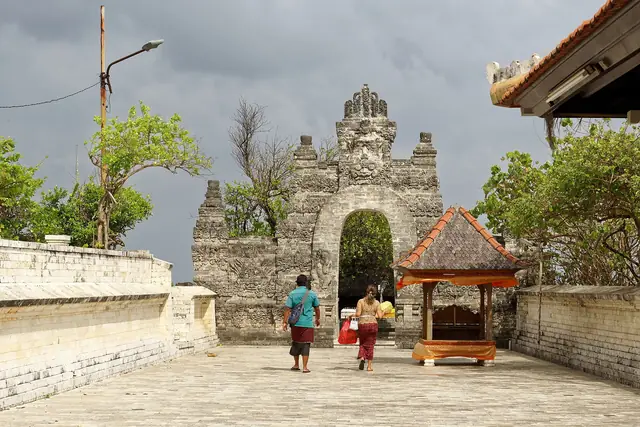 Standing
Pura Luhur Uluwatu
A cliff temple on the south-west tip of Bali, set about 70 metres above the Indian Ocean, one of the six great temples that guard the island.
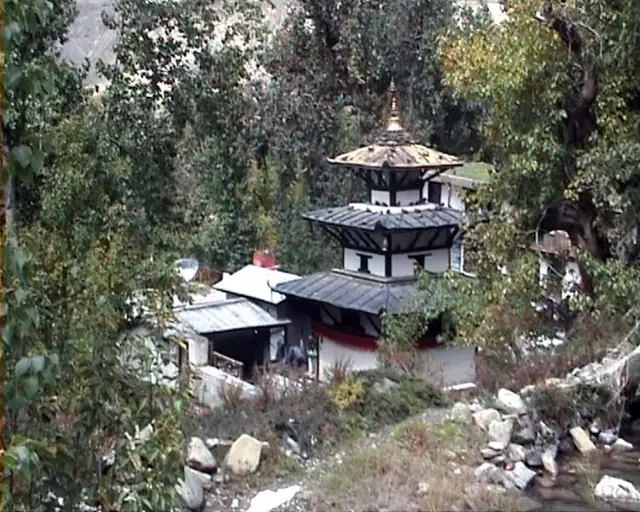 Standing
Muktinath
A Vishnu tirtha at 3,710 metres below the Thorong La pass, one of the 108 Divya Desams and sacred to Buddhists as well.
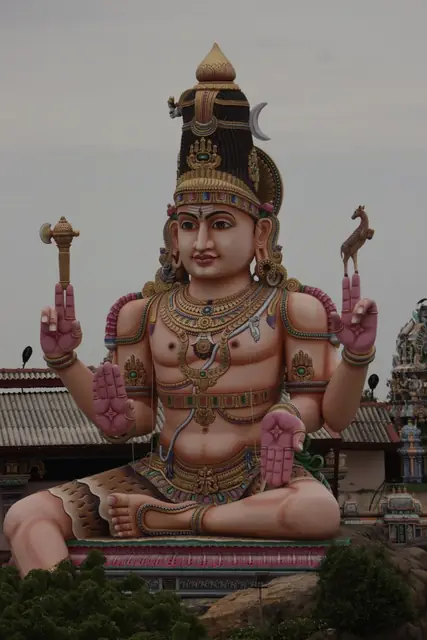 Rebuilt
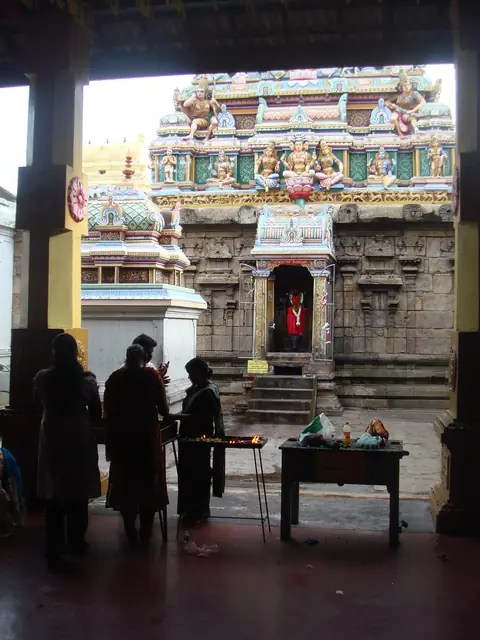
Koneswaram, Trincomalee
The Shiva temple on Swami Rock at Trincomalee, sung by the Nayanars, razed by the Portuguese in 1622 and rebuilt on the same cliff between 1952 and 1963.
 Rebuilt
Munneswaram Temple
One of the five ancient Ishwarams of Lanka, the Shiva temples that ring the island. The local katha says Shri Rama worshipped Mahadev here on his way home after the war with Ravana.
 Standing
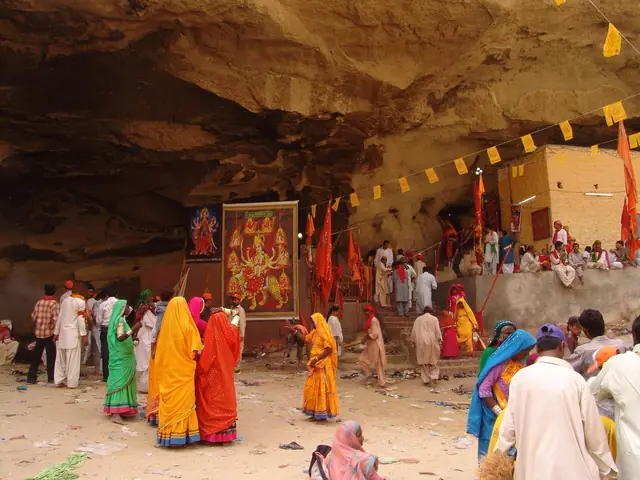
Hinglaj Mata
A Shakti Peetha in a cave by the Hingol river, where the Peetha lists say the crown of Sati’s head fell. It is the westernmost of the great Devi tirthas and still draws Hindus from all over Pakistan every spring.
 Standing
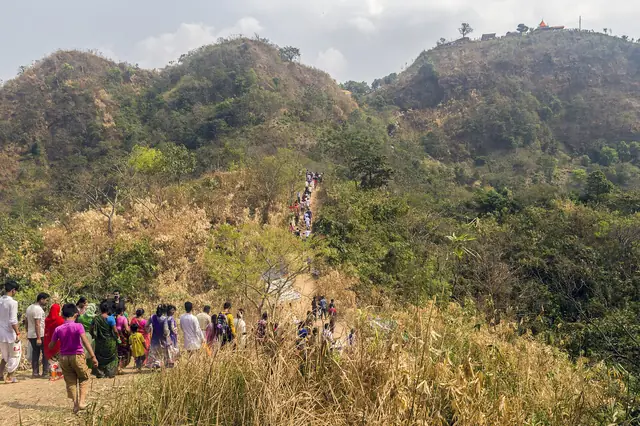
Chandranath Temple, Sitakunda
A Shiva temple on the summit of Chandranath hill above Sitakunda, near the Chattala Shakti Peetha of Devi Bhavani. Its Shivaratri mela is the biggest Hindu fair in Bangladesh.
 Standing
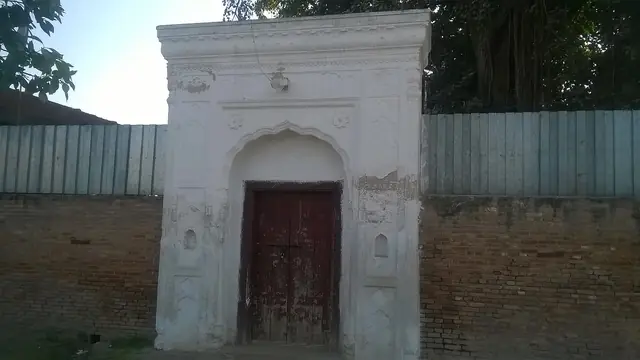
Peshawar (Purushapura)
Purushapura, the city at the foot of the Khyber, was Kanishka’s capital and later a city of the Hindu Shahis, before whose walls Jayapala fell to Mahmud in 1001. Hari Singh Nalwa governed it for the Sikh empire in the 1830s.
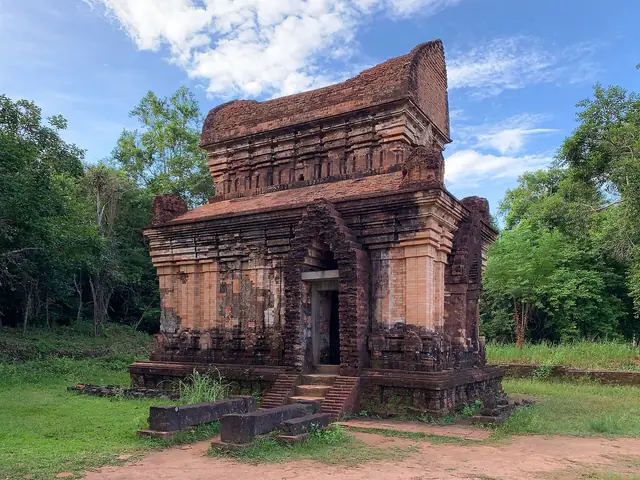 Ruined
Mỹ Sơn
The holy valley of the Cham kings, where for some nine centuries they built brick temples to Shiva Bhadreshvara, the guardian of their kingdom.
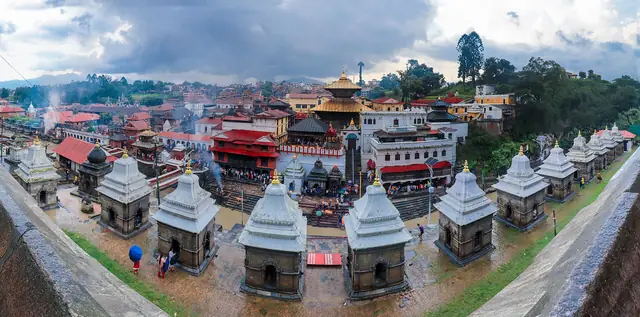 Standing
Pashupatinath
The holiest Shiva temple of Nepal, on the Bagmati in Kathmandu, where a four-faced linga of Pashupati is worshipped by priests from Karnataka.
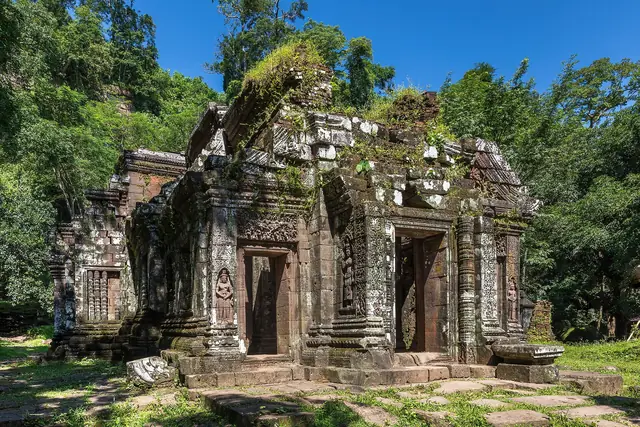 Ruined
Wat Phou (Vat Phou)
A Khmer Shiva temple climbing the slope of a mountain whose summit looks like a linga, which the inscriptions call Lingaparvata. A spring at the top once poured its water over the linga in the sanctuary.
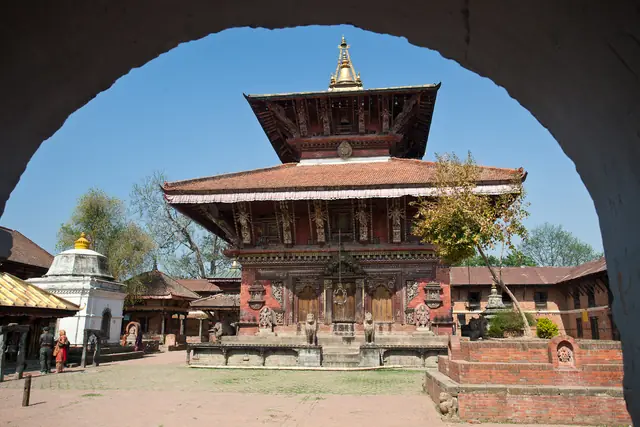 Rebuilt
Changu Narayan
A Vishnu temple on a ridge above the Kathmandu valley, holding the oldest dated inscription of Nepal, set up by the Licchavi king Manadeva I in 464 CE.
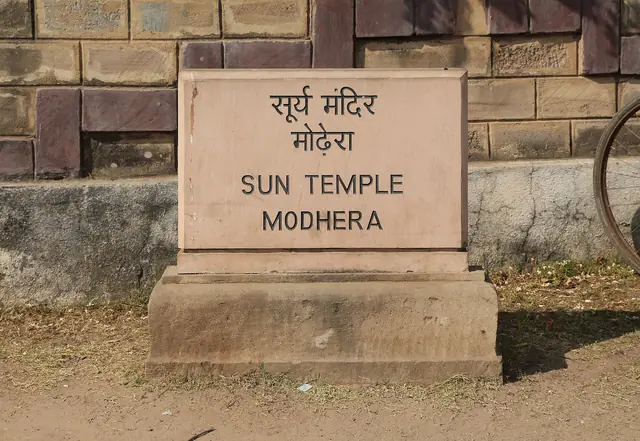 Ruined
Aror (Alor)
The ruined capital of Sindh under the Rai kings and then Chach and his son Dahir, on a ridge near Rohri. It fell to Muhammad bin Qasim after Dahir’s death, and the river that fed it later moved away.
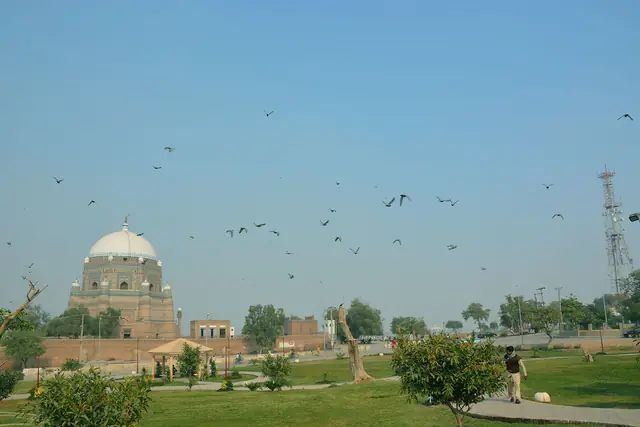 Destroyed
Sun Temple of Multan (Mulasthana)
The great temple of Surya at Mulasthana, which Xuanzang saw with a golden image in 641 CE. The Arab governors kept it as a hostage against Hindu kings; an Ismaili ruler broke the image in the late 10th century, and nothing of it is left.
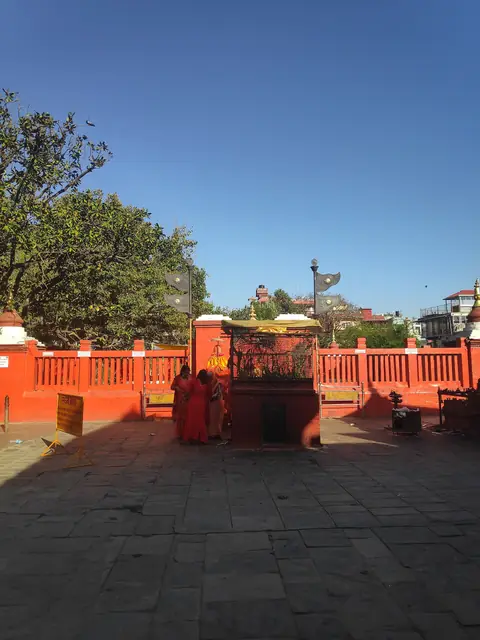 Standing
Budhanilkantha (Jalashayana Narayan)
A single block of black stone, about five metres long, carved as Narayan asleep on the coils of Shesha and laid in a tank of water below the Shivapuri hills. It is the largest stone sculpture of the Kathmandu valley and still under daily worship.
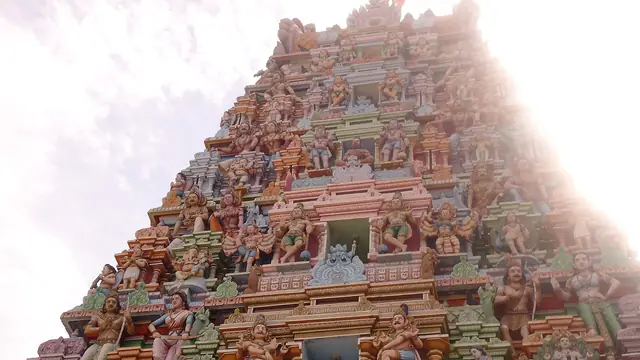 Rebuilt
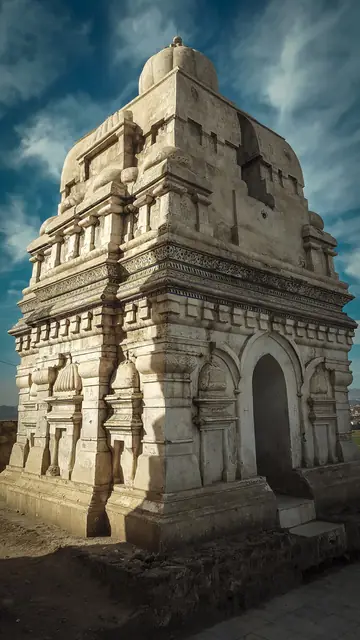
Thiruketheeswaram, Mannar
One of the five ancient Ishwarams of Shiva in Lanka, by the buried port of Mantai, and one of the 275 Paadal Petra Sthalams sung by the Nayanmars. The Portuguese pulled it down in 1575; it was rebuilt on its old site in 1903.
 Ruined
Katas Raj Temples
A ring of stone temples around a green spring-fed pond in the Salt Range. The pond is held to have formed from Shiva’s tears for Sati, and the Pandavas are said to have spent part of their exile here.
 Standing
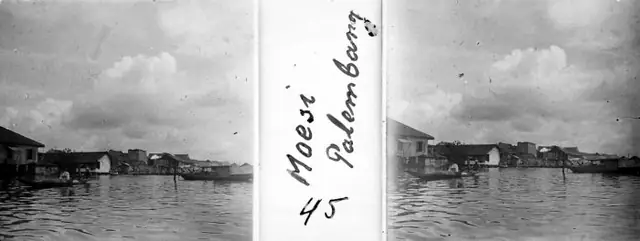
Palembang
The river city on the Musi that was the heart of Srivijaya, the Sumatran sea power that held the Straits of Malacca for centuries. Rajendra Chola’s fleet struck it in 1025.
 Ruined
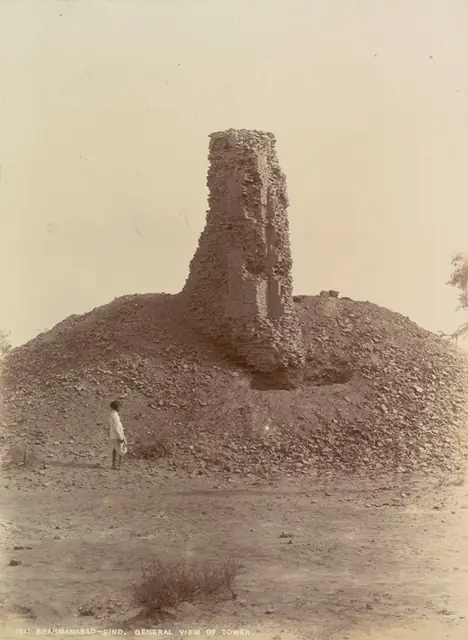
Brahmanabad
The walled city in lower Sindh that held out for months against Muhammad bin Qasim after Raja Dahir’s death in 712. Its ruins lie beside those of Mansura, the Arab capital of Sindh, and the two are often treated as one site.
 Ruined
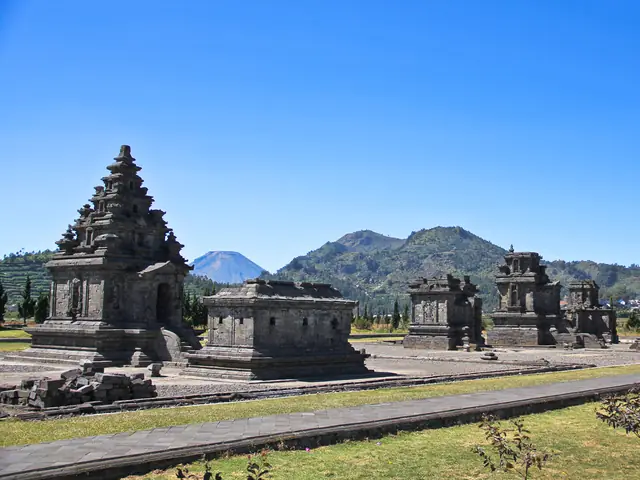
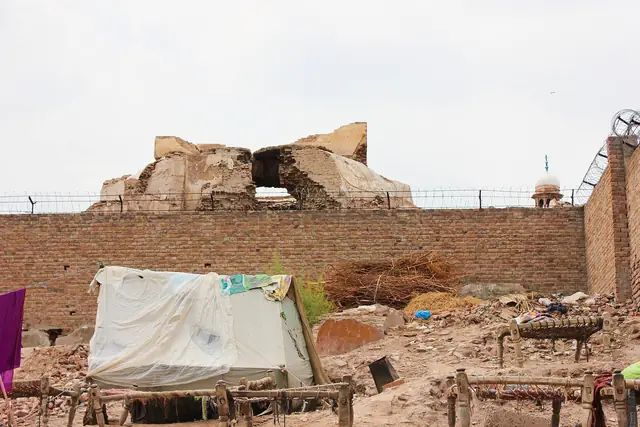
Dieng Plateau temples
The oldest standing Hindu temples in Java, small stone Shiva shrines on a volcanic plateau about 2,000 metres up. The Javanese later named them after the heroes of the Mahabharata.
 Standing
Multan (Mulasthana)
Mulasthana, the city of the great Sun temple and, by its own tradition, of Bhakta Prahlad. It fell to Muhammad bin Qasim in 713, was taken by Mahmud of Ghazni in the early 11th century, was held by the Sikh chiefs of the Bhangi misl from 1772 to 1780, and was taken by Ranjit Singh in 1818.
 Standing
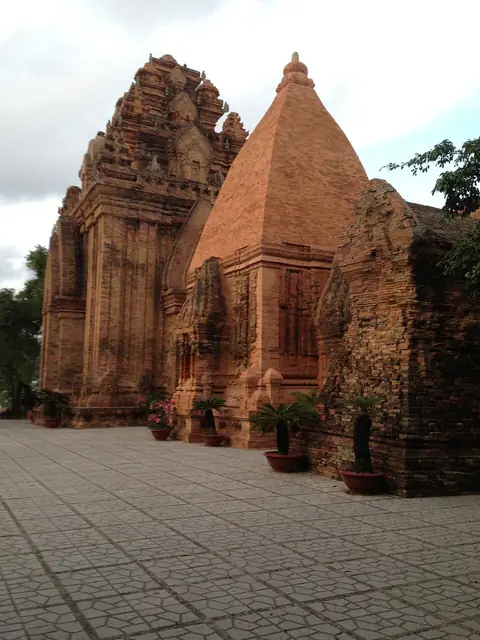
Po Nagar, Nha Trang
A hilltop temple of the Devi above the Cai river mouth at Nha Trang, still in worship by Cham and Vietnamese alike more than a thousand years after its first towers rose.
 Excavated
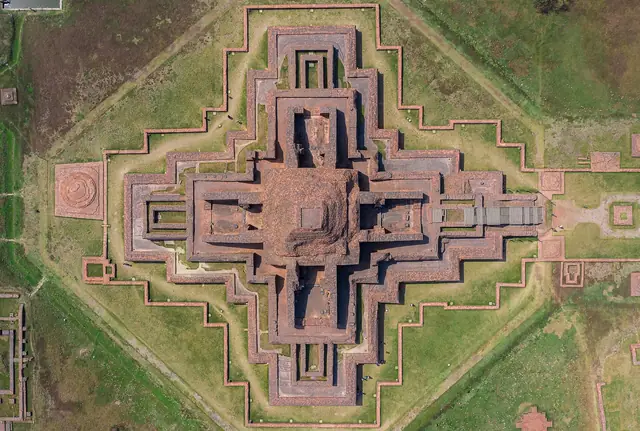
Somapura Mahavihara (Paharpur)
The largest monastery south of the Himalayas, built by the Pala king Dharmapala in Varendra, north Bengal: a square of 177 cells round a towering cross-shaped shrine. Its terracotta plaques show Krishna, Balarama and scenes of the Ramayana beside the Buddhist figures.
 Ruined
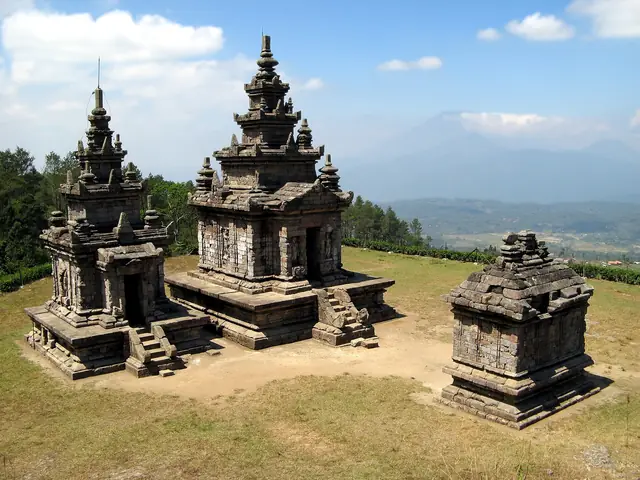
Gedong Songo Temples
Groups of small stone Shiva temples spread along the ridges of Mount Ungaran at about 1,200 metres, among the oldest Hindu buildings in Java. Gedong Songo means nine buildings in Javanese.
 Rebuilt
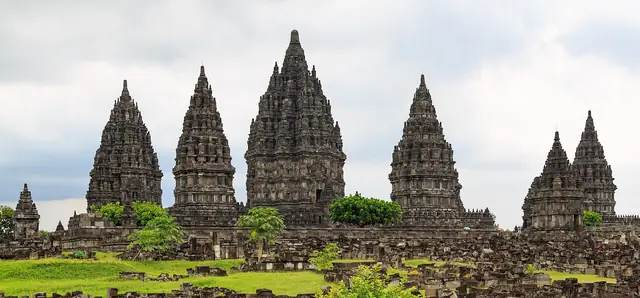
Prambanan (Shivagrha)
The largest Hindu temple in Indonesia, raised to the Trimurti in ninth-century Java. Its central Shiva tower stands 47 metres high.
 Standing
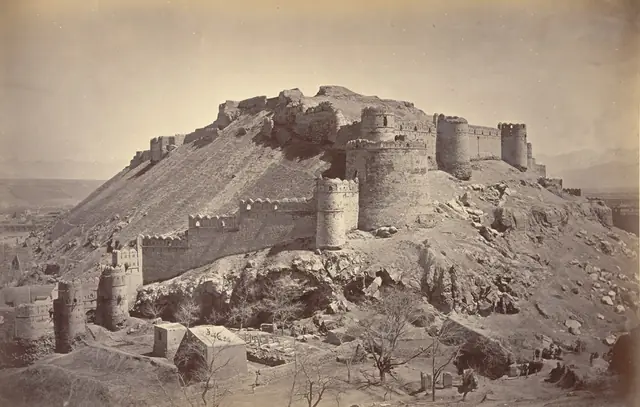
Kabul
The city on the river the Rigveda calls the Kubha, for centuries a seat of kings of the Indic world: the Turk Shahis and then the Hindu Shahis, until the Saffarids took it around 870. Hindus and Sikhs lived here until the last decades, worshipping at the Asamai temple.
 Ruined
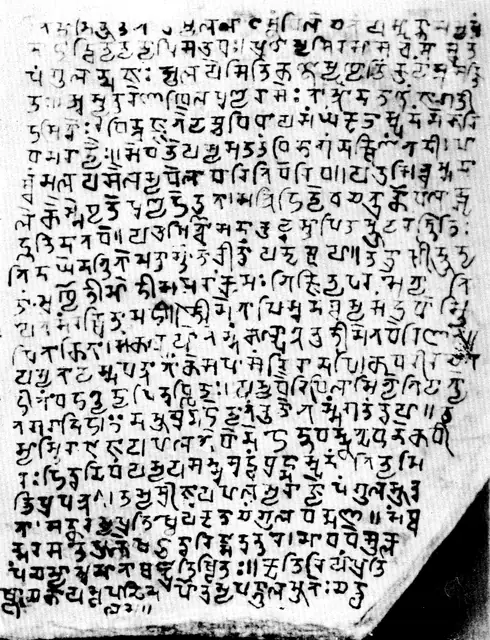
Waihind (Udabhandapura, Hund)
Udabhandapura, the Waihind of the Arab writers, on the right bank of the Indus above Attock, was the capital of the Hindu Shahi kings Jayapala and Anandapala. Near it in 1008–09 Anandapala’s allied army fought Mahmud of Ghazni and lost.
 Standing
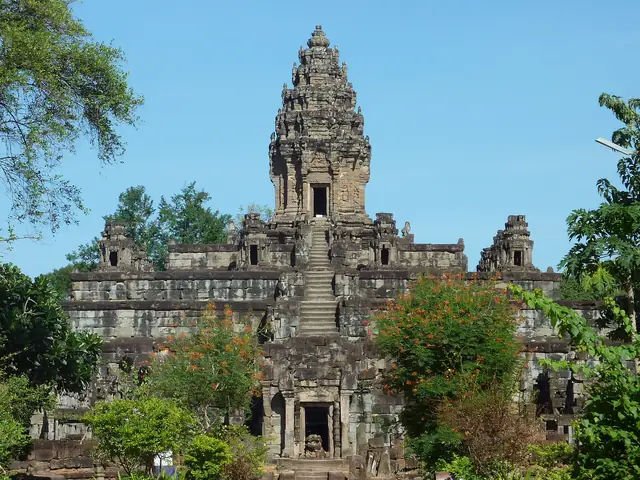
Bakong, Roluos (Hariharalaya)
The first great sandstone temple mountain of the Khmer, raised by Indravarman I at his capital Hariharalaya and consecrated in 881. Every later temple mountain of Angkor, up to Angkor Wat itself, grows from this five-tiered pyramid.
 Ruined
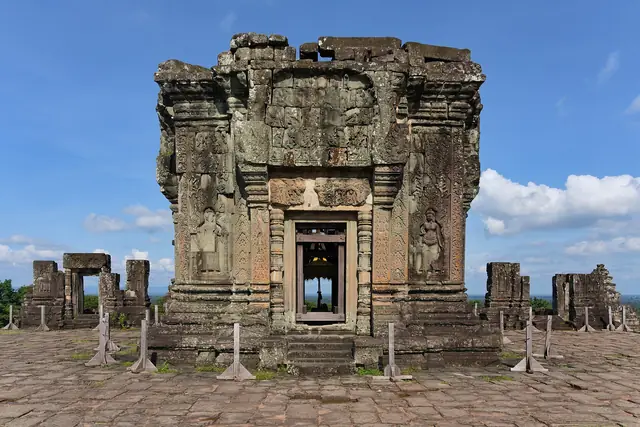
Phnom Bakheng (Yashodharagiri)
The state temple of Yashovarman I on the one natural hill of the Angkor plain, the centre of his new capital Yashodharapura and more than two centuries older than Angkor Wat. A stepped Meru of five terraces carried 108 small towers around a central shrine of Shiva.
 Ruined
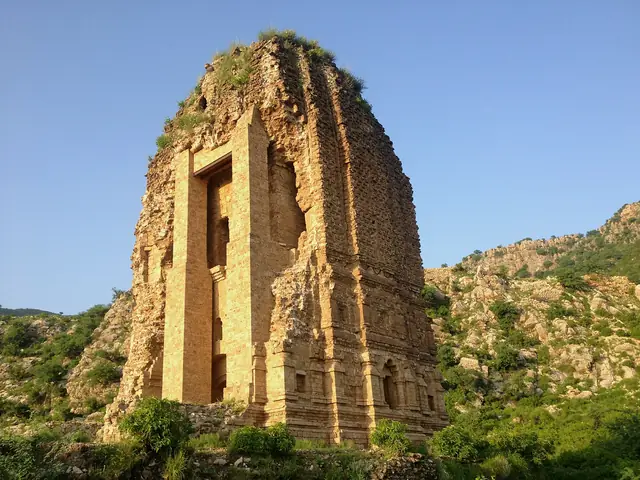
Amb Temples, Salt Range
Brick and stone temples on a hill in the Sakesar valley of the Salt Range, among the finest left from the Hindu Shahi age. The main shrine still rises three storeys, though no worship has been offered there for centuries.
 Ruined
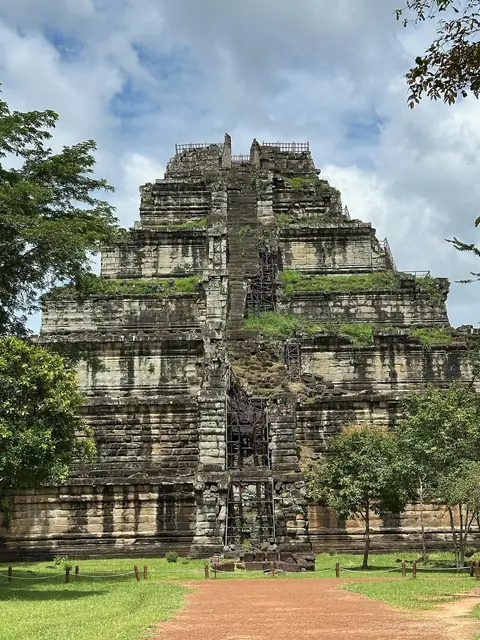
Koh Ker (Lingapura) and Prasat Thom
For sixteen years the capital of the Khmer empire, a city of lingas the inscriptions call Lingapura, with a seven-tiered pyramid 36 metres high at its heart. Its sculptures were looted for decades; some have come home, and the site became a World Heritage Site in 2023.
 Rebuilt
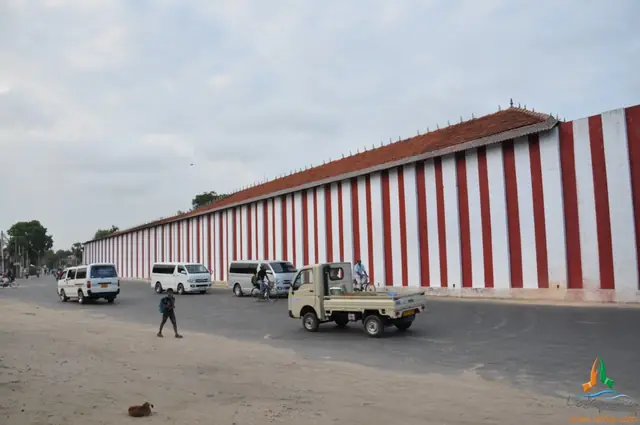
Nallur Kandaswamy Temple
The great Murugan temple of Jaffna, burnt by the Portuguese in 1620 and rebuilt in 1734. Its 25-day festival is the largest Hindu gathering in Sri Lanka.
 Ruined
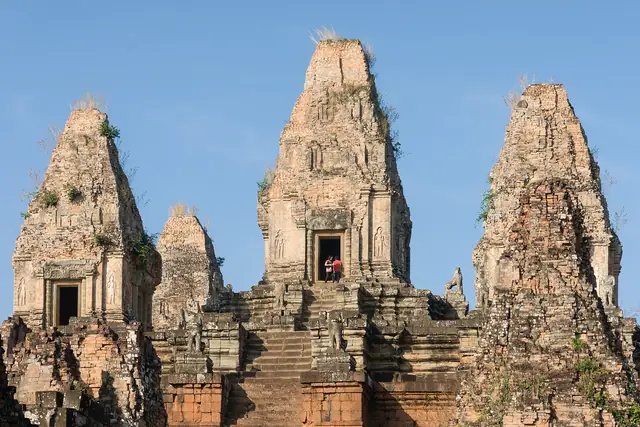
Pre Rup, Angkor
The state temple of Rajendravarman II, who brought the Khmer court back to Angkor from Koh Ker. A pyramid of brick and laterite that glows red at sunrise, it was dedicated to Shiva in 961 or 962.
 Standing
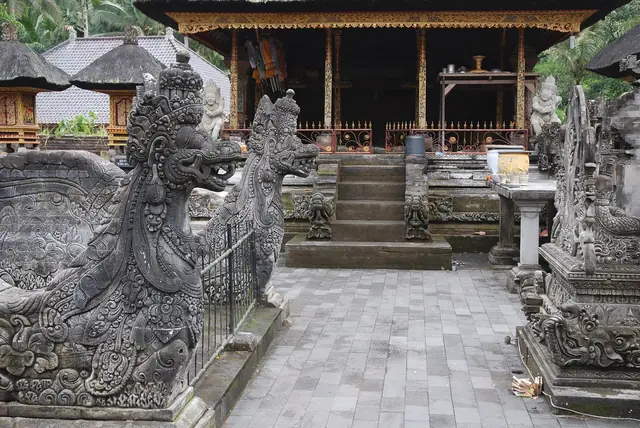
Pura Tirta Empul, Tampaksiring
The temple of the holy spring at Tampaksiring, founded in 962, where Balinese Hindus stand under a row of stone spouts for melukat, the bath of purification. The spring is the source of the Pakerisan river.
 Standing
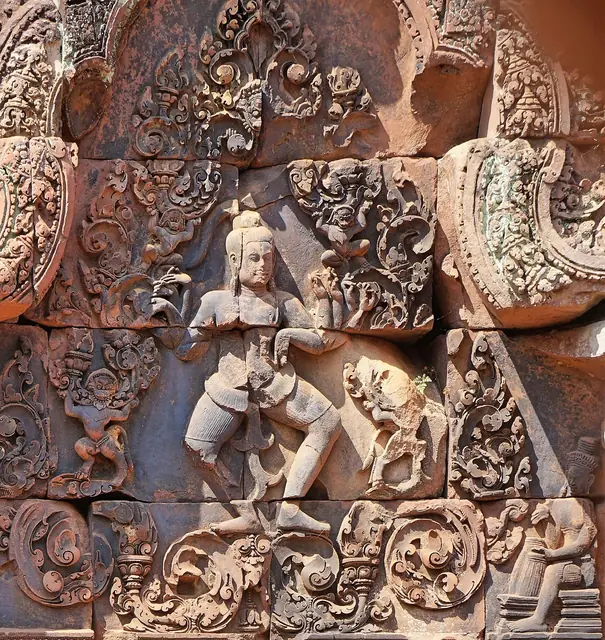
Banteay Srei
A small Shiva temple of pink sandstone, carved so finely that it is called the jewel of Khmer art. It was built not by a king but by a royal guru.
 Ruined
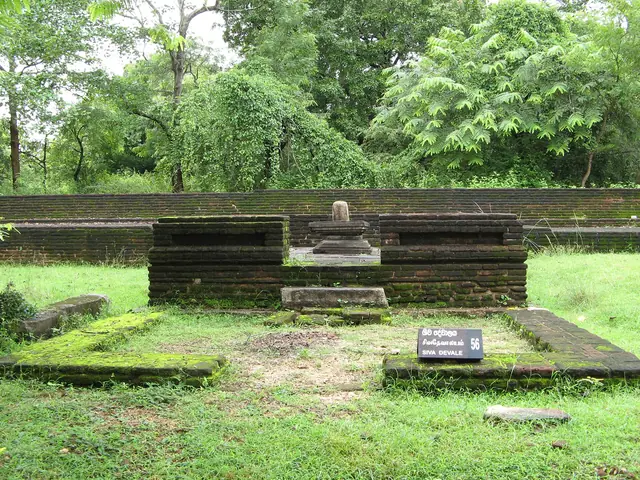
Polonnaruwa (Jananathamangalam)
When Rajaraja Chola’s army took Anuradhapura in 993, the Cholas made Polonnaruwa their seat in Lanka and named it Jananathamangalam. Their granite Shiva temple, Shiva Devale No. 2, is the oldest standing building in the city.
 Ruined
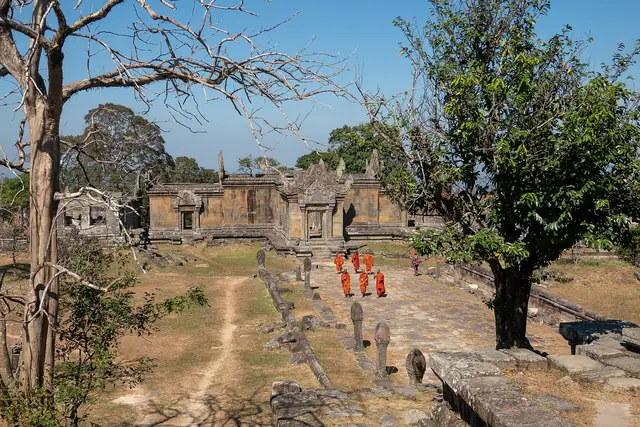
Preah Vihear (Shikhareshvara)
A Shiva temple strung along a cliff of the Dangrek mountains, ending at a drop of more than 500 metres over the Cambodian plain. Cambodia and Thailand have argued over it for a century.
 Ruined
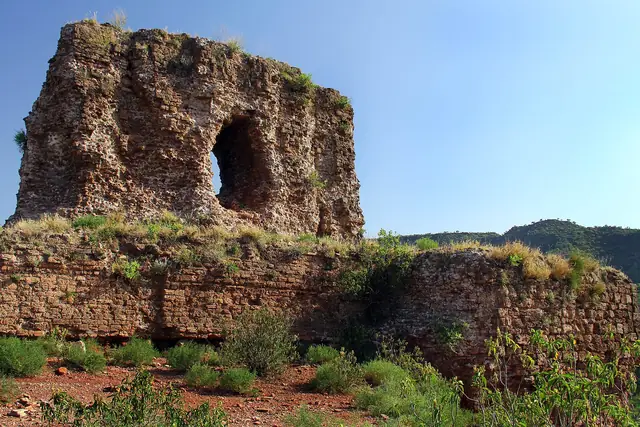
Nandana Fort
A fort on a spur of the Salt Range guarding the pass to the Jhelum plain, the last strong place of the Hindu Shahis. Mahmud of Ghazni took it in 1014, and a few years later al-Biruni used its hill to measure the size of the earth.
 Excavated
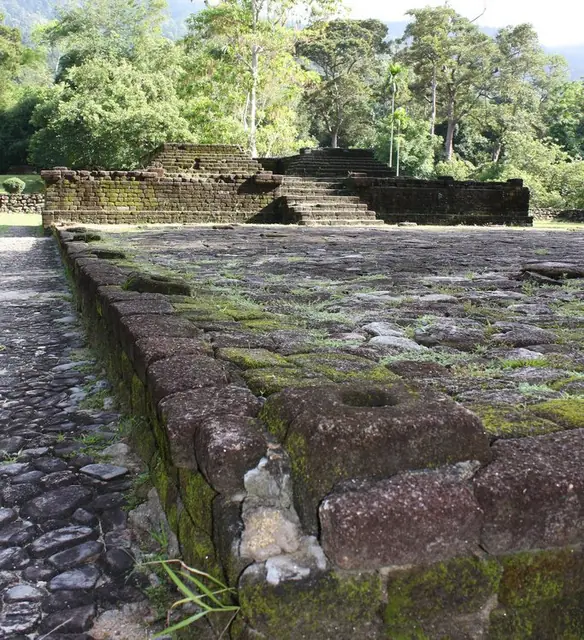
Kedah (Kadaram) and the Bujang Valley
The Malay port the Tamils called Kadaram and Sanskrit texts Kataha, at the foot of Gunung Jerai, where dozens of brick and laterite shrines have been dug out of the Bujang Valley. Rajendra Chola’s fleet took it in 1025.
 Standing
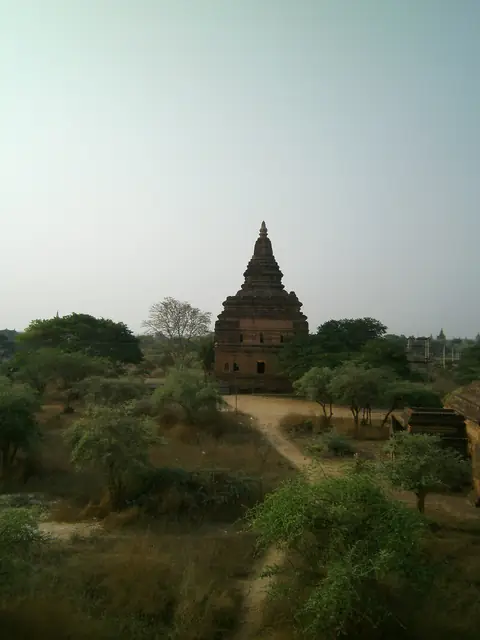
Nathlaung Kyaung, Bagan
The only Hindu temple left standing among the thousands of Buddhist monuments of Bagan, a brick shrine of Vishnu inside the old city walls. It served the Brahmins and Indian merchants who lived at the Burmese court.
 Rebuilt
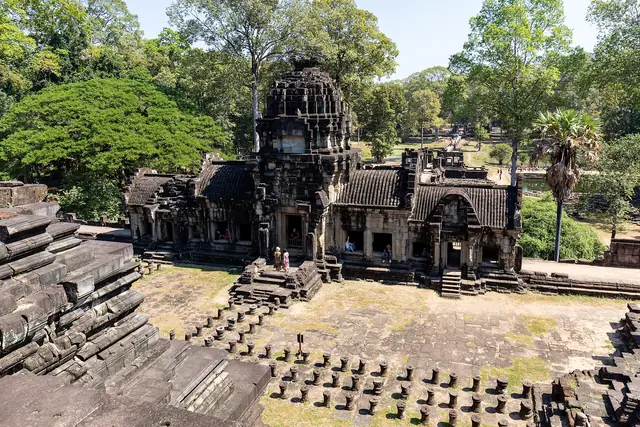
Baphuon, Angkor Thom
A three-tiered temple mountain of Shiva, the ‘mountain of gold’ of the Khmer inscriptions, beside the royal palace of Angkor. Taken apart stone by stone by French archaeologists in the 1960s, it was left as 300,000 unnumbered blocks by the war and put back together only in 2011.
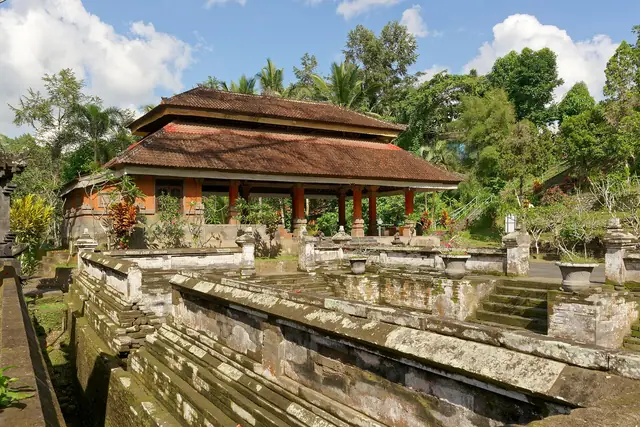 Standing
Goa Gajah (Elephant Cave), Bedulu
A meditation cave cut into a riverside cliff near Ubud, entered through a gaping carved mouth, with an image of Ganesh and a triple linga inside. It is named as Lwa Gajah in the Majapahit court poem of 1365.
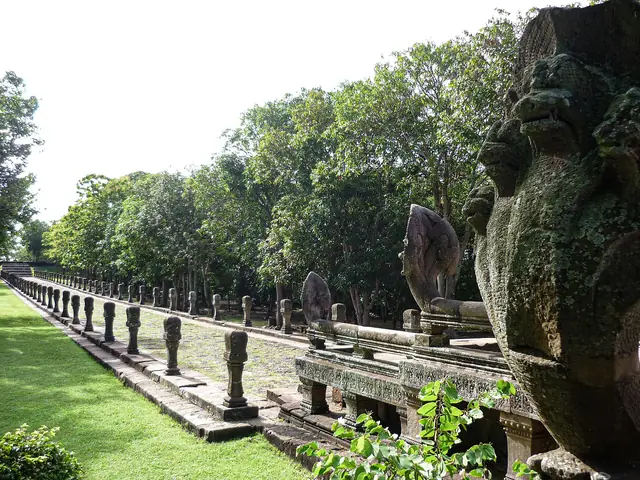 Standing
Prasat Phanom Rung
A Khmer temple of Shiva on the rim of an extinct volcano in north-east Thailand, built as Kailasa on earth, with a processional way of naga bridges climbing to it. Its famous lintel of Vishnu asleep on Ananta was stolen in the 1960s and came home from Chicago in 1988.
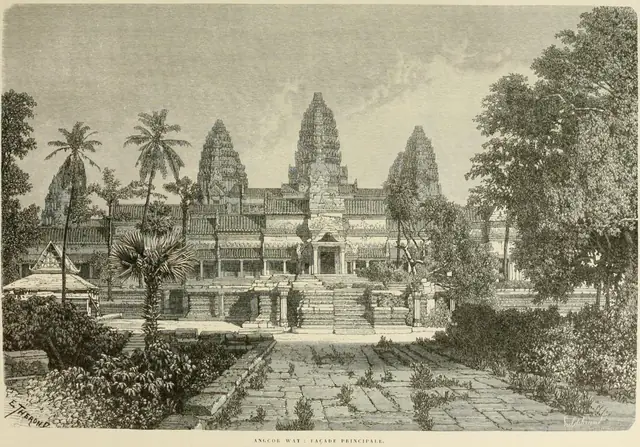 Standing
Angkor Wat
The largest Hindu temple ever raised, built by the Khmer king Suryavarman II for Bhagwan Vishnu. Its five towers stand for Meru, and they are on the flag of Cambodia.
 Rebuilt
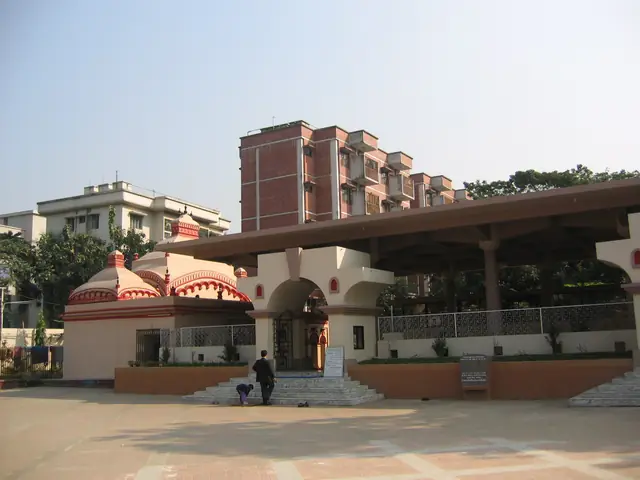
Dhakeshwari National Temple
The Devi temple that the city of Dhaka is often said to be named after, and the National Temple of Bangladesh. Its original murti was taken to Kolkata after Partition.
 Standing
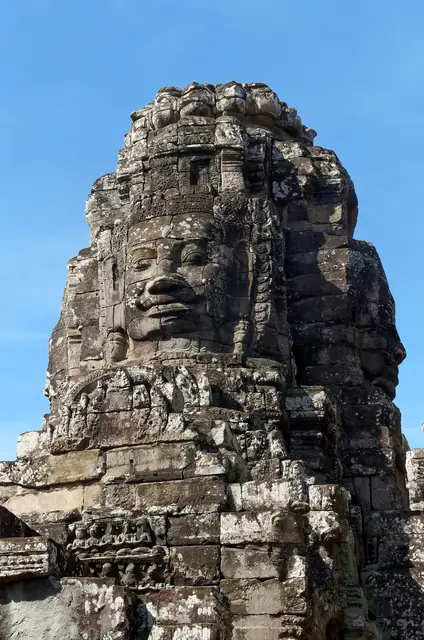
Bayon, Angkor Thom
The state temple at the centre of Angkor Thom, built by Jayavarman VII as a Mahayana Buddhist shrine. It is in a Hindu history because the Khmer world around it was Hindu, and because a later king turned it back to Shiva and Vishnu.
 Ruined
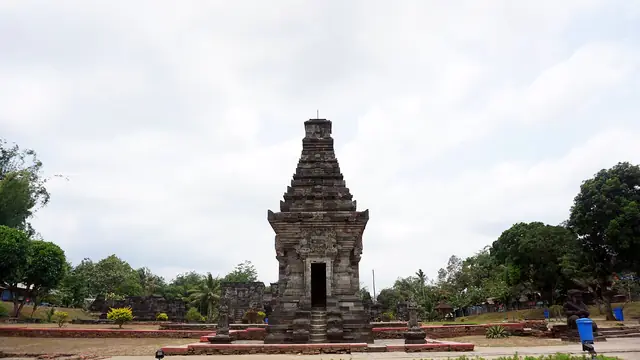
Candi Penataran (Palah), Blitar
The largest Hindu temple complex of East Java, on the slopes of the Kelud volcano, worshipped from 1197 to the end of Majapahit. Hayam Wuruk, the greatest Majapahit king, came here often, and the main terraces carry the Ramayana and the Krishnayana in relief.
 Ruined
Candi Sukuh
A stepped stone temple on the slopes of Mount Lawu, one of the last Hindu temples built in Java before Islam became the faith of the island’s courts.
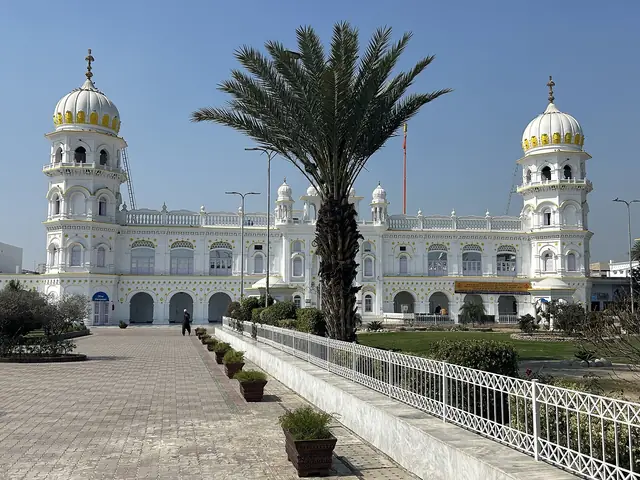 Standing
Nankana Sahib
The town, once called Talwandi, where Guru Nanak Dev was born in 1469 and spent his boyhood. Its gurdwaras mark each episode of his early life; Gurdwara Janam Asthan stands on the house of his birth.
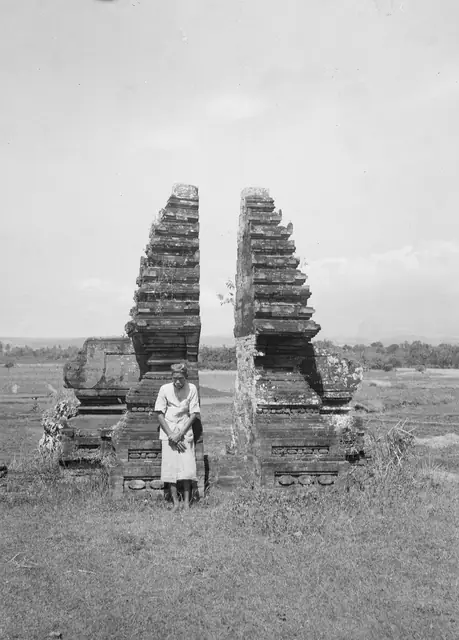 Rebuilt
Candi Cetho, Mount Lawu
A terraced mountain sanctuary at about 1,500 metres on the western slope of Mount Lawu, among the last temples built in Java before the courts turned to Islam. It is still a place of worship, and Hindus from the villages around keep its festivals.
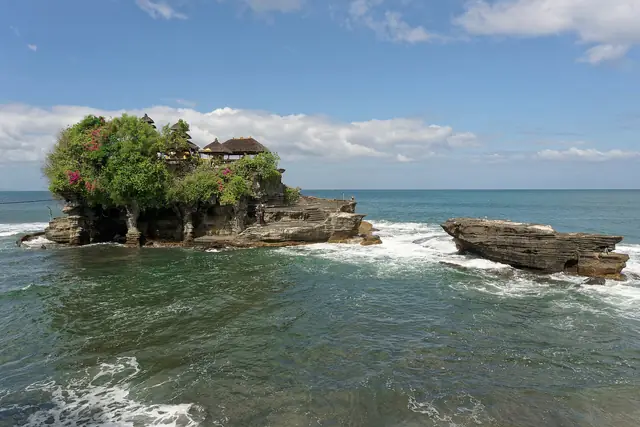 Standing
Pura Tanah Lot
A sea temple on a rock off the west coast of Bali, cut off from the shore at high tide. Tradition credits its founding to the Brahmin sage Dang Hyang Nirartha.
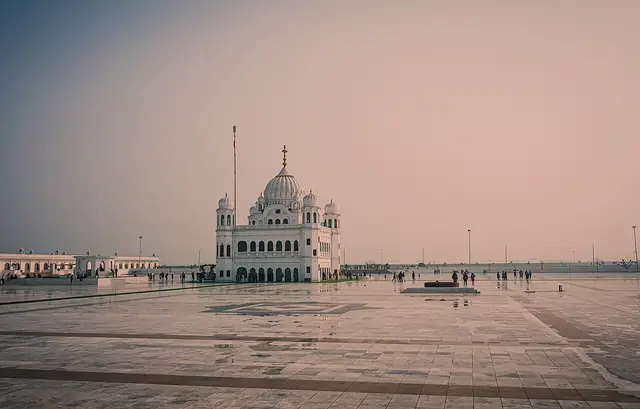 Rebuilt
Kartarpur Sahib (Gurdwara Darbar Sahib)
The village on the Ravi where Guru Nanak spent his last years farming and keeping langar, and where he passed the Guruship to Guru Angad. Since 1947 it has stood a few kilometres inside Pakistan, reached from India by a corridor opened in 2019.
 Standing
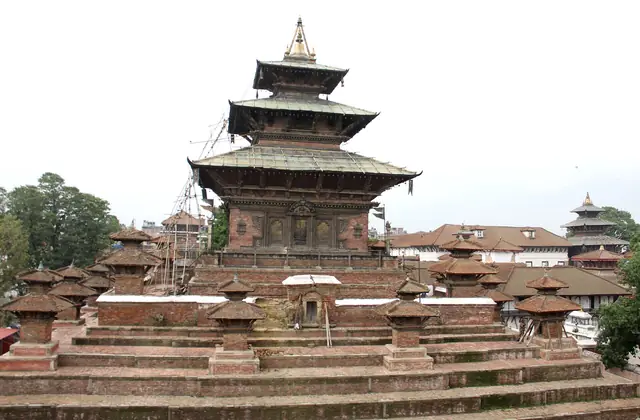
Taleju Temple, Kathmandu
The temple of the Mallas’ own Devi in Hanuman Dhoka, Kathmandu Durbar Square, raised by Mahendra Malla in 1564 on a stepped plinth above every other roof of the square. Its doors open to the public one day a year, during Dashain.
 Standing
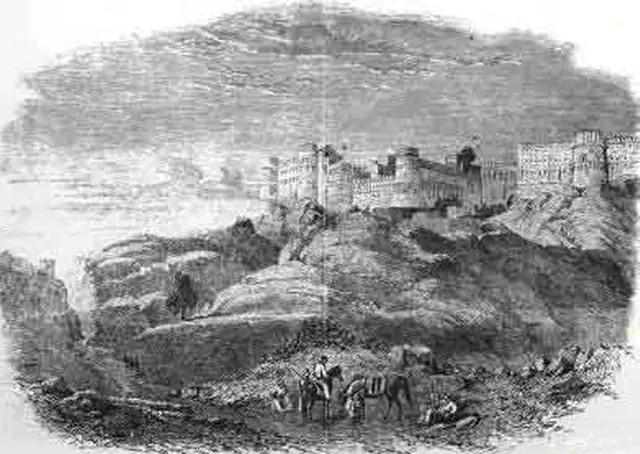
Attock Fort
The fort over the Indus crossing where Maratha horsemen watered their horses in 1758 and the Sikh army beat the Afghans in 1813. To say a thing ‘reached Attock’ became a Marathi way of saying it reached the farthest frontier.
 Standing
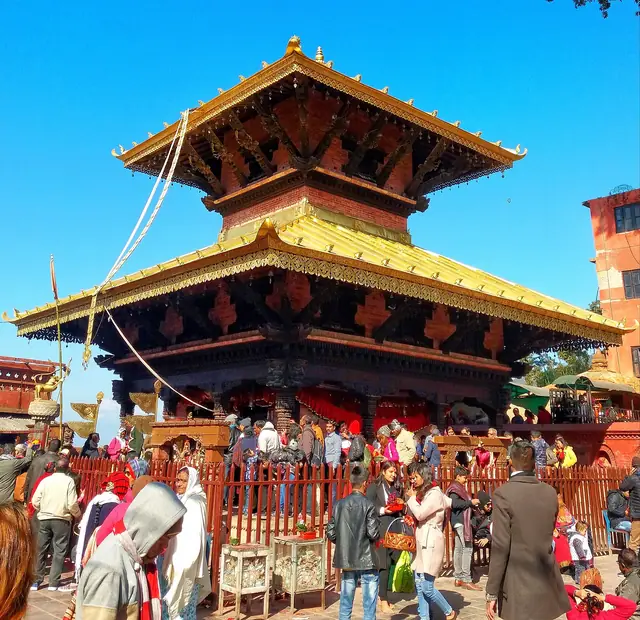
Manakamana Temple, Gorkha
A two-roofed pagoda temple of the Devi on a ridge above the meeting of the Trishuli and the Marsyangdi. Nepalis come here to ask for what the heart wants, and come back to give thanks when it is granted.
 Standing
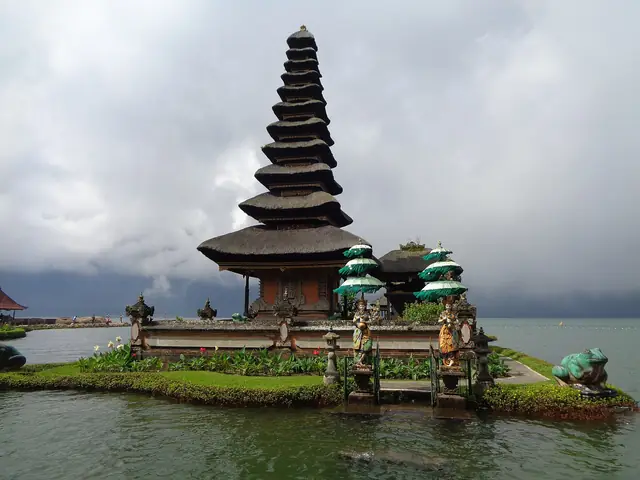
Pura Ulun Danu Beratan, Bedugul
The lake temple of Bali’s central highlands, its tiered meru shrines standing on the water of Lake Beratan. Built in 1633, it honours Dewi Danu, whose lake waters the rice terraces of the region below.
 Rebuilt
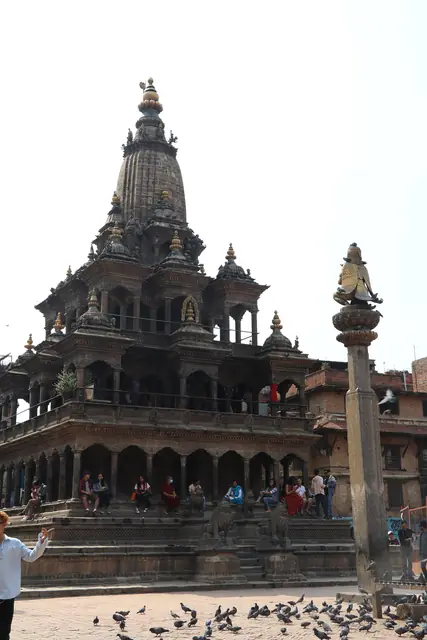
Krishna Mandir, Patan
A stone shikhara temple of three storeys and twenty-one pinnacles on Patan Durbar Square, built by Siddhi Narasimha Malla in 1637. Its stone friezes carry the Mahabharata and the Ramayana in scenes cut with captions in Newari.
 Standing
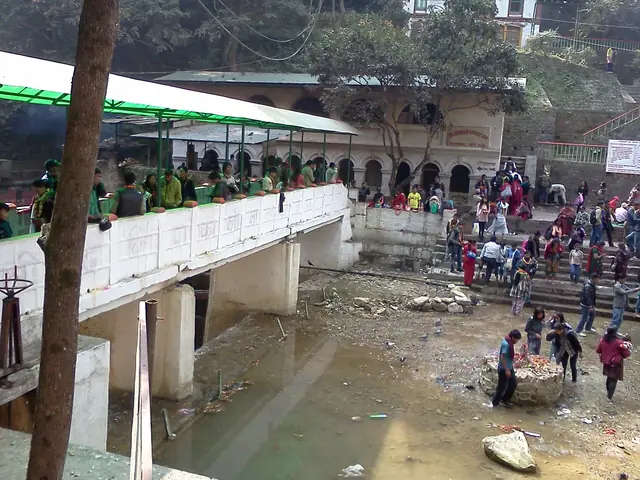
Dakshinkali Temple, Pharping
The Kali of the south of the Kathmandu valley, worshipped in a wooded gorge where two streams meet below Pharping. On Tuesdays and Saturdays, and through Dashain, the courtyard is full of families bringing animals for bali.
 Standing
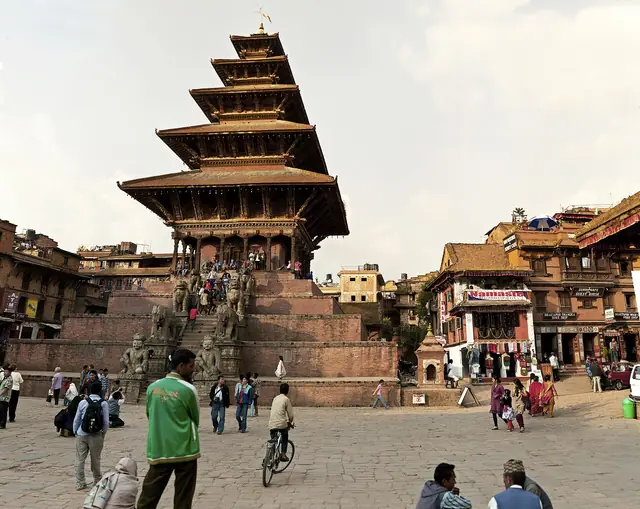
Nyatapola Temple, Bhaktapur
The five-roofed pagoda of Taumadhi Square, about 33 metres high and the tallest temple in Nepal. Bhupatindra Malla built it in six months and it has stood through the earthquakes of 1934 and 2015.
 Standing
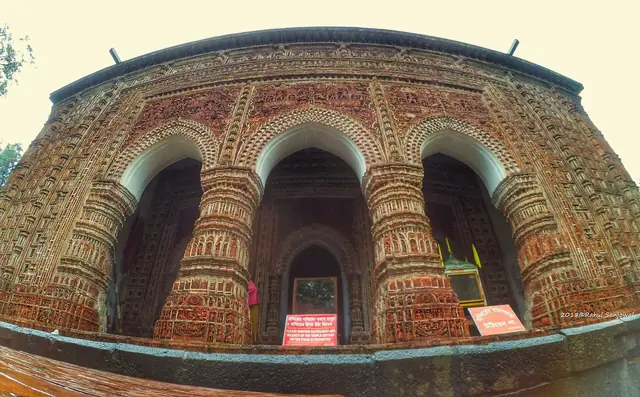
Kantajew Temple, Kantanagar
The finest terracotta temple of Bengal, raised by the rajas of Dinajpur over half a century and covered on every face with baked-clay panels of the Ramayana, the Mahabharata and Krishna’s lila. It once had nine towers; the earthquake of 1897 brought them all down.
 Standing
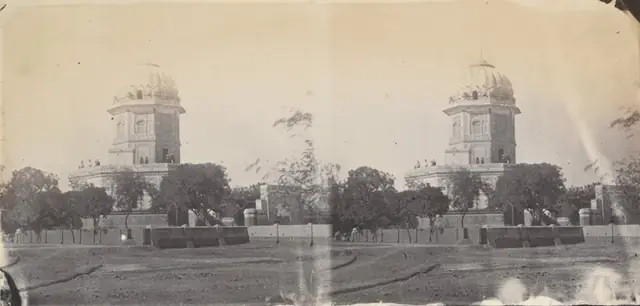
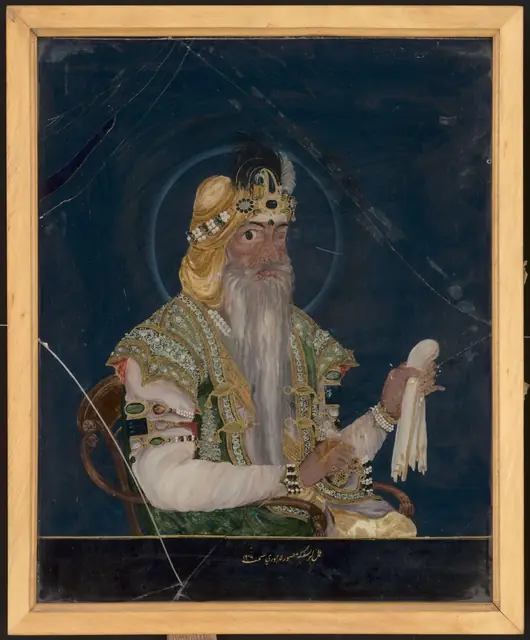
Gujranwala
The town north of Lahore where the Sukerchakia chiefs built their fort, where Maharaja Ranjit Singh was born on 13 November 1780 and Hari Singh Nalwa in 1791. Its Hindu and Sikh people left at Partition in 1947.
 Standing
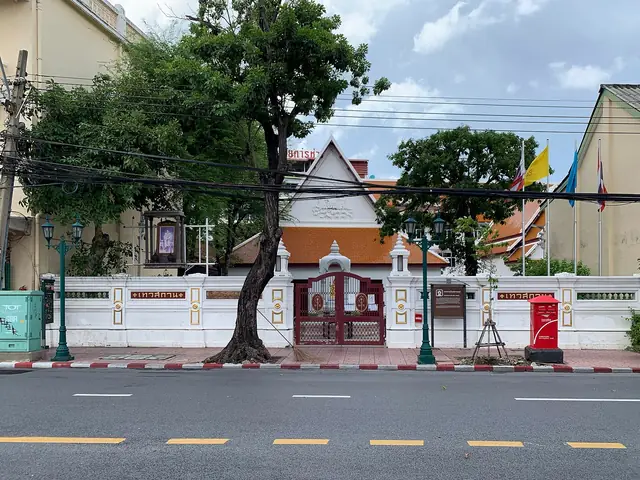
Devasathan, Bangkok
The temple of the Thai royal court’s Brahmins, founded by Rama I in 1784 when he built Bangkok, with three shrines to Shiva, Ganesh and Vishnu. In front of it stands the Giant Swing, used for the Triyampawai rite until 1935.
 Standing
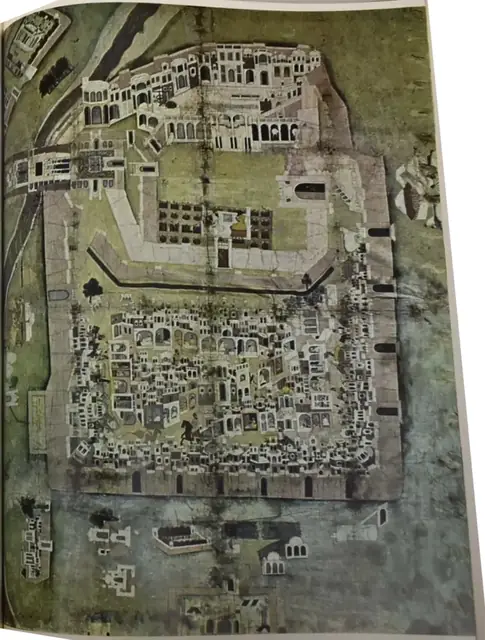
Lahore (Lavapura)
The old capital of Punjab on the Ravi, part of the Hindu Shahi realm until Mahmud’s conquest, and from 1799 to 1849 the capital of Maharaja Ranjit Singh’s Sikh empire. At Partition in 1947 nearly all its Hindus and Sikhs had to leave.
 Standing
Haripur
The town Hari Singh Nalwa founded in 1822 when Ranjit Singh made him governor of Hazara, with a fort to hold the hill country between the Indus and Kashmir. It was the headquarters of Hazara until the British took the Punjab.
 Standing
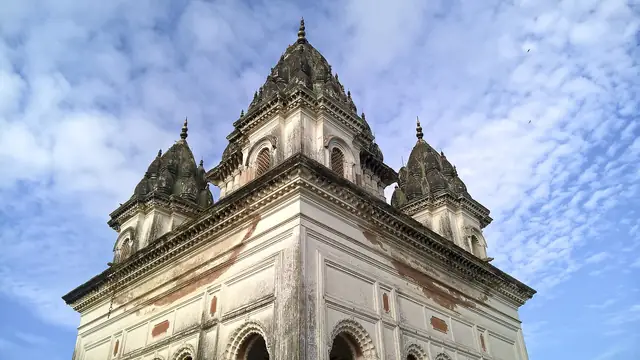
Puthia Temple Complex
The largest group of old Hindu temples in Bangladesh, built by the zamindar rajas of Puthia around the Shyam Sagar lake east of Rajshahi. Its great five-spired Shiva temple of 1823 is the largest Shiva temple in the country.
 Rebuilt
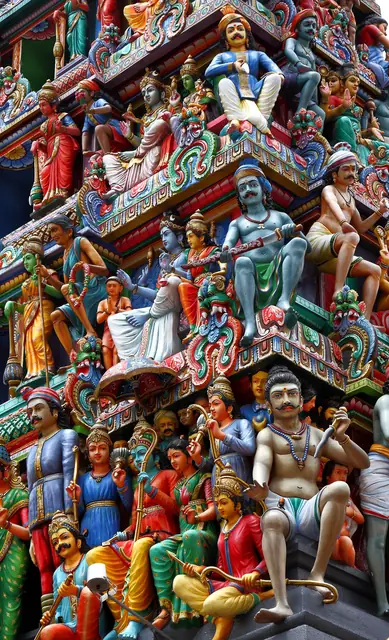
Sri Mariamman Temple, Singapore
The oldest Hindu temple in Singapore, founded in 1827 by Naraina Pillai, who came to the island with Stamford Raffles. Its yearly firewalk, Theemithi, draws thousands.
 Standing
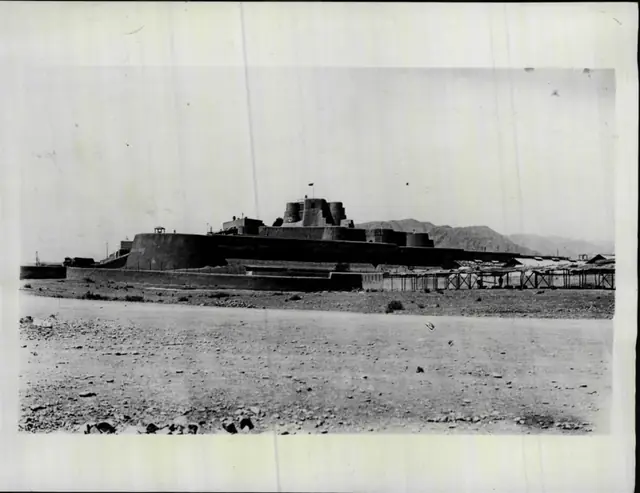
Jamrud Fort (Fatehgarh)
The fort Hari Singh Nalwa built in 54 days at the mouth of the Khyber Pass in 1836, the farthest western bastion of the Sikh empire. He fell defending it against the Afghans on 30 April 1837.
 Standing
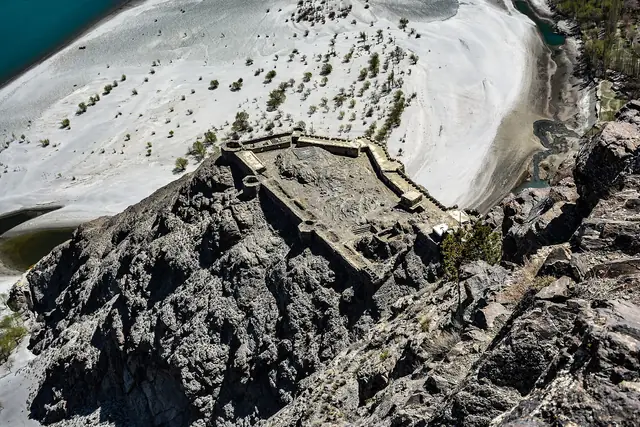
Skardu and the Kharpocho Fort
The chief town of Baltistan on the Indus, taken for the Dogra state of Jammu by Zorawar Singh in 1840. In 1948 its garrison held out against invaders for six months before falling.
 Standing
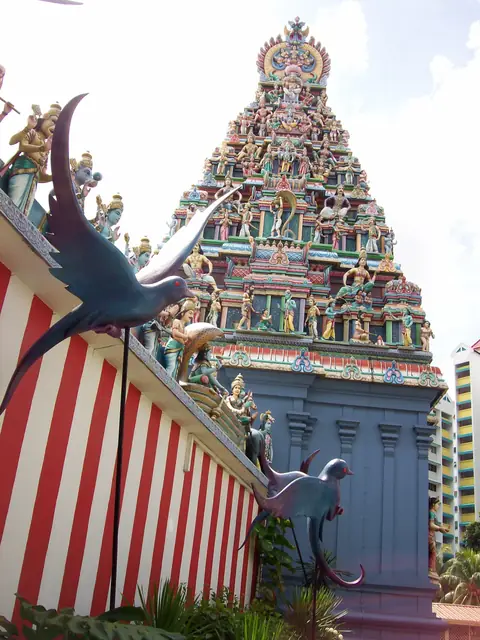
Sri Srinivasa Perumal Temple, Singapore
One of Singapore’s oldest temples, built on Serangoon Road by Tamil settlers in 1855 and first dedicated to Narasimha. Its 20-metre gopuram of 1966 is the landmark of Little India, and every Thaipusam the kavadi procession starts from its gate.
 Standing
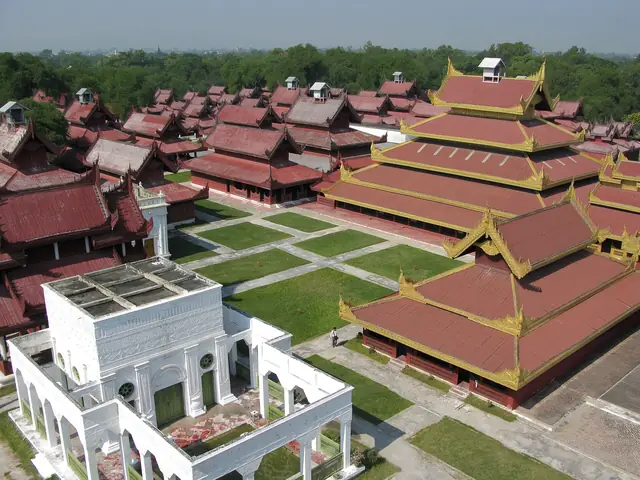
Mandalay
The last royal capital of Burma, which became after 1885 the British jail of choice for Indian nationalists they wanted far from home. Tilak wrote the Gita Rahasya in its prison between 1908 and 1914.
 Rebuilt
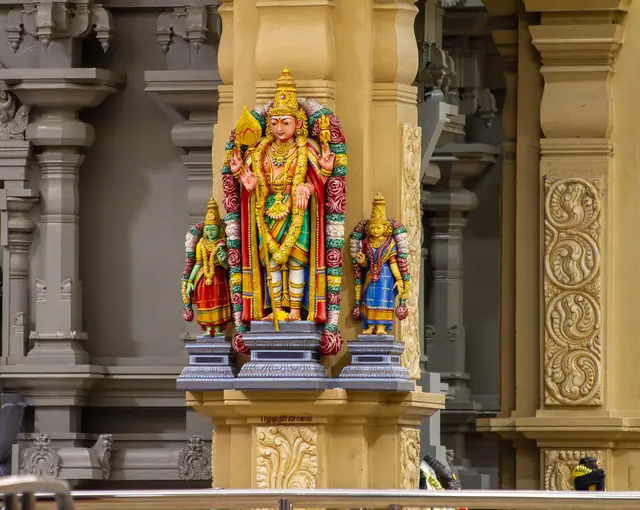
Sri Thendayuthapani Temple (Chettiars’ Temple), Singapore
The Murugan temple the Nattukottai Chettiar bankers built on Tank Road in 1859, and the end point of Singapore’s Thaipusam. Rebuilt in 1983, it was gazetted a national monument in 2014.
 Rebuilt
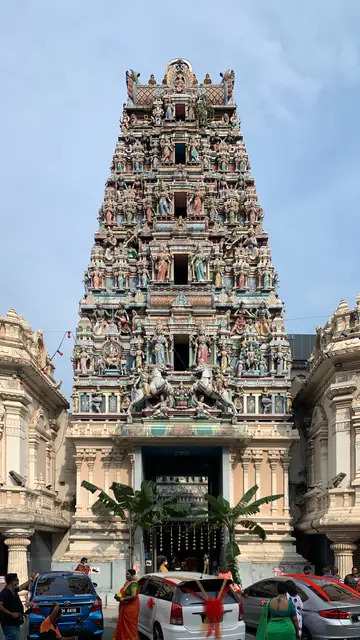
Sri Mahamariamman Temple, Kuala Lumpur
The oldest functioning Hindu temple in Malaysia, founded in 1873 by the Tamil leader K. Thamboosamy Pillai on the edge of Kuala Lumpur’s Chinatown. Every Thaipusam its silver chariot sets out from here through the night to Batu Caves.
 Standing
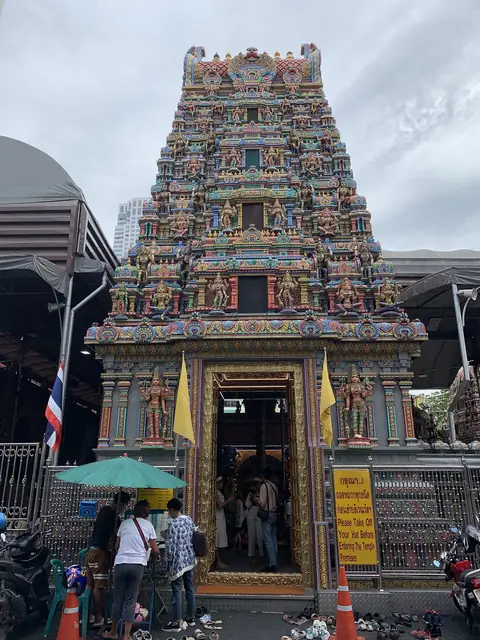
Sri Maha Mariamman Temple, Bangkok
The main Tamil temple of Thailand, built in 1879 on Silom Road by Vaithi Padayatchi, a leader of the Tamil traders of Bangkok. Thais call it Wat Khaek, and as many Thai Buddhists come to pray here as Hindus.
 Standing
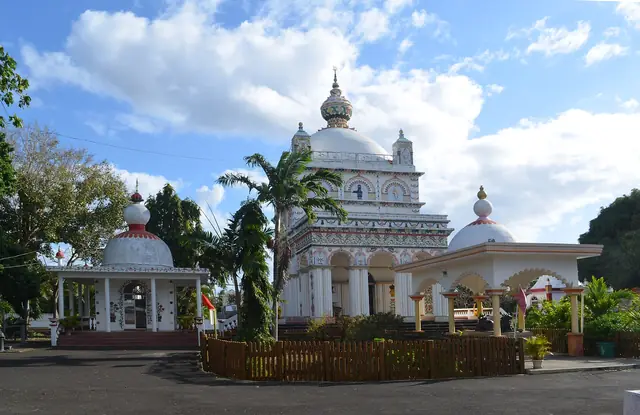
Maheswarnath Mandir, Triolet
The largest Hindu temple of Mauritius, the ‘Grand Shivala’ of Triolet, founded in 1888 by a pandit who had come from Calcutta. It is tied to the first pilgrimage to Ganga Talao, the sacred lake of the island.
 Standing
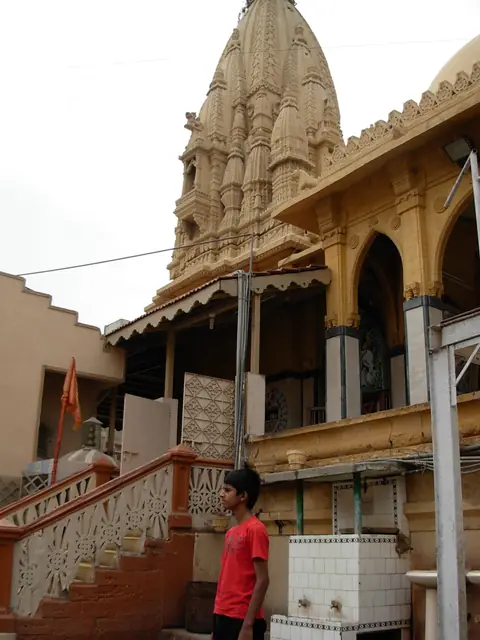
Shri Swaminarayan Mandir, Karachi
The only Swaminarayan temple left in Pakistan, on M. A. Jinnah Road in old Karachi, its grounds over 32,000 square yards. In 1947 it was the camp where Sindhi Hindus waited for the ships to India.
 Standing
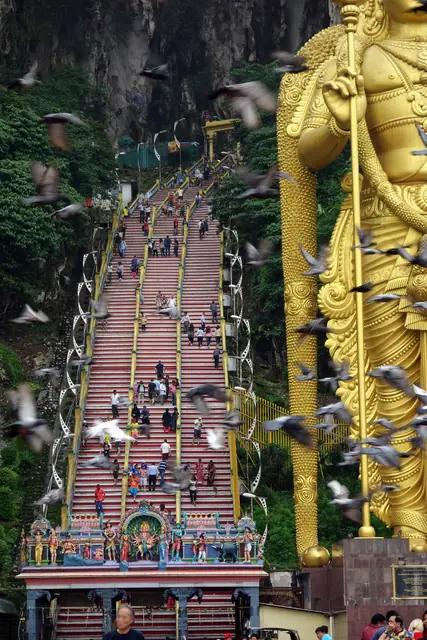
Batu Caves
A Murugan shrine in a limestone cave above Kuala Lumpur, reached by 272 steps beside a 42.7 m golden Murugan. Its Thaipusam, held since 1892, is one of the largest Hindu festivals outside Bharat.
 Standing
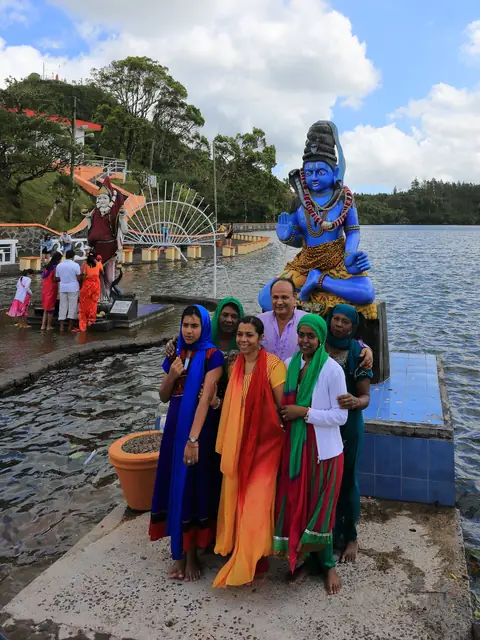
Ganga Talao (Grand Bassin)
A crater lake in the hills of Mauritius that the descendants of indentured labourers made their own Ganga. On Maha Shivaratri lakhs walk here from every corner of the island carrying kanwars.
 Standing
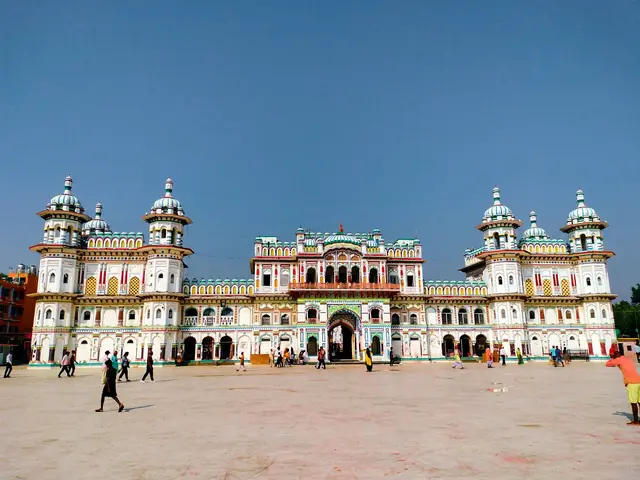
Janaki Mandir, Janakpur
A white marble palace-temple in Janakpur, the city of Raja Janaka, where Mata Sita was raised and married to Shri Rama.
 Rebuilt
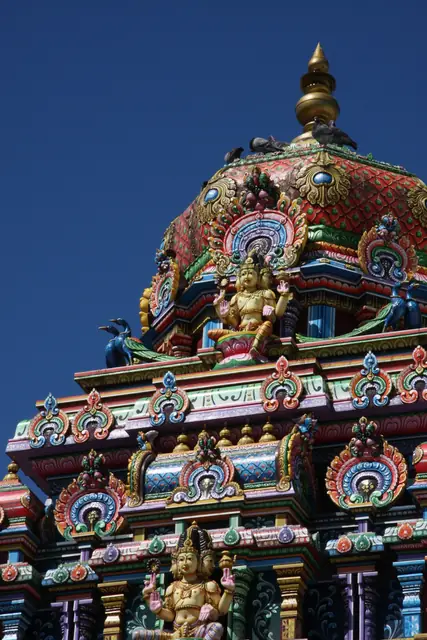
Sri Siva Subramaniya Swami Temple, Nadi
A Dravidian-style Murugan temple in Nadi, built by the Tamil-origin descendants of Fiji’s girmitiyas. Its present building, opened in 1994, is the largest Hindu temple in Fiji.
 Rebuilt
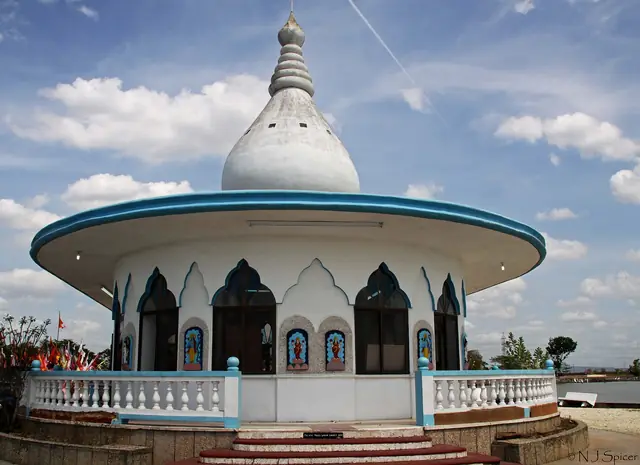
Temple in the Sea (Sewdass Sadhu Shiva Mandir), Waterloo
An octagonal Shiva temple standing in the Gulf of Paria, joined to the shore by a causeway. A former indentured labourer, Sewdass Sadhu, built the first one there stone by stone because the sugar estate would not let him keep a temple on its land.
 Standing
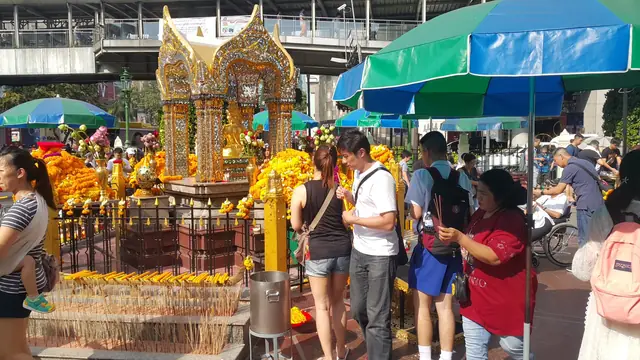
Erawan Shrine (Than Thao Mahaphrom)
A four-faced Brahma on a busy Bangkok corner, raised in 1956 and now one of the most visited shrines in Thailand. Thai Buddhists and visitors from across Asia come to pray and to keep vows.
 Rebuilt
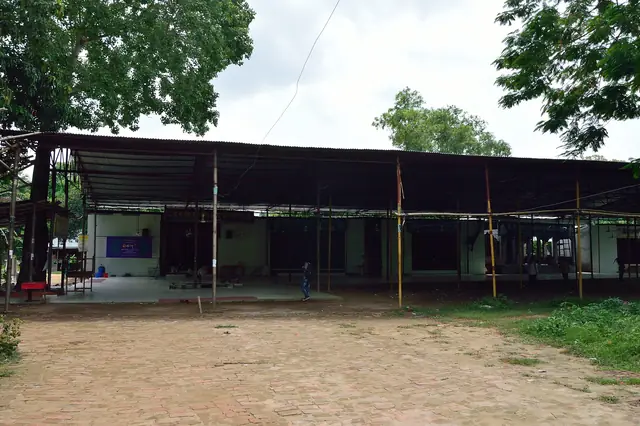
Ramna Kali Mandir, Dhaka
The Kali temple of the Ramna racecourse in Dhaka, whose tall shikhara was a landmark of the city until the Pakistani army destroyed it on 27 March 1971 and killed the people sheltering there. The rebuilt temple was inaugurated in 2021.
 Standing
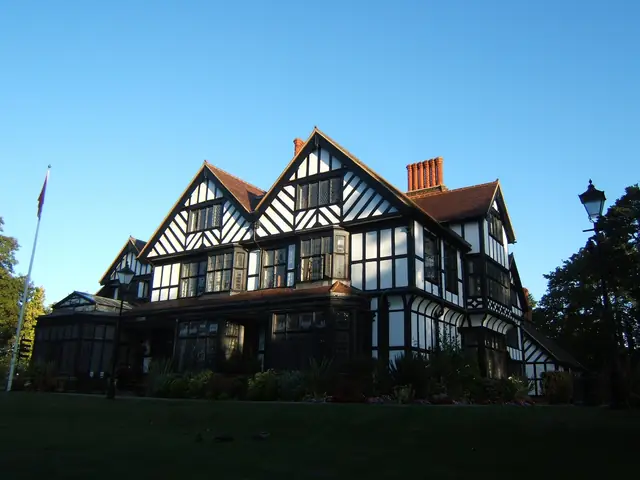
Bhaktivedanta Manor, Watford
A Hertfordshire manor that the Beatle George Harrison bought for the Hare Krishna devotees in 1973 is now the largest Hindu pilgrimage place in Britain at Janmashtami. Srila Prabhupada lived and taught here, and it bears his name.
 Standing
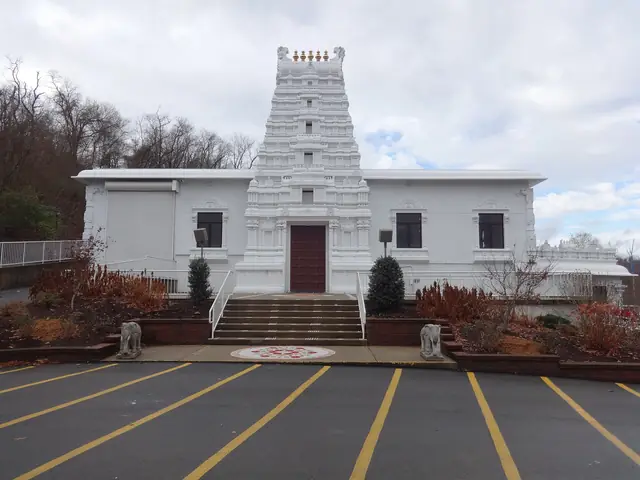
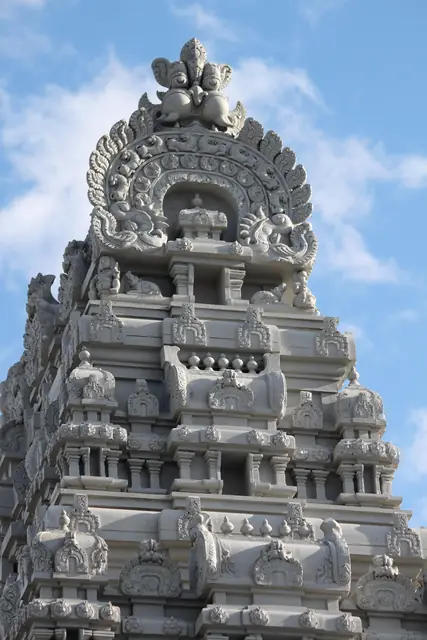
Sri Venkateswara Temple, Pittsburgh
One of the first traditional Hindu temples built in the United States, modelled on Tirumala and consecrated in 1976. It made the hills east of Pittsburgh a pilgrimage for Hindus across North America.
 Standing
Sri Maha Vallabha Ganapati Devasthanam, Flushing
The Ganesh temple of Queens, consecrated on 4 July 1977, one of the first two traditional Hindu temples built by Indian immigrants in the United States. Its granite face in the South Indian style stands on Bowne Street in Flushing.
 Standing
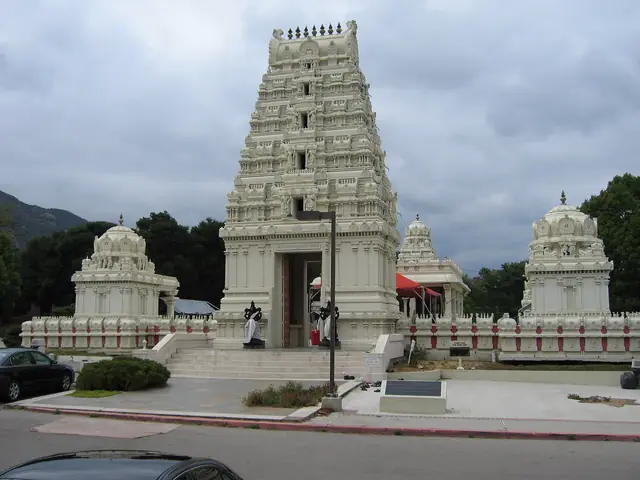
Malibu Hindu Temple (Sri Venkateswara), Calabasas
A white temple of Venkateswara in the Dravidian style, built in 1981 in the Santa Monica Mountains off Malibu Canyon Road. With a Shiva temple below it, it is the main temple of the Hindus of Los Angeles.
 Standing
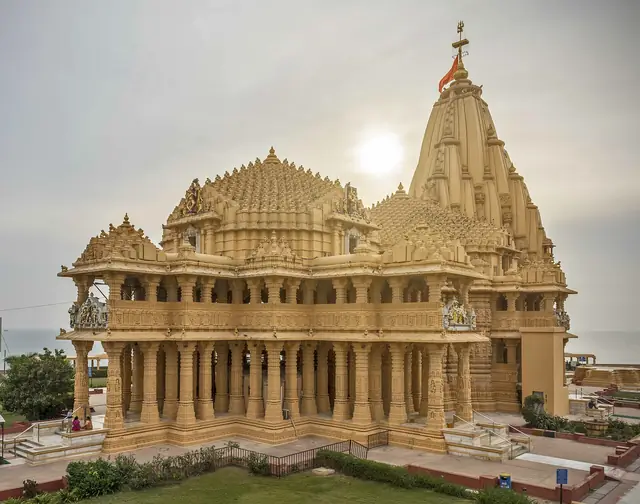
Sri Sri Radha Radhanath Temple of Understanding, Durban
The great Krishna temple of Chatsworth, the Indian township of Durban, opened by ISKCON in 1985 in a lotus-shaped building set in a moat and gardens. It stands among the descendants of the indentured Indians who came to Natal from 1860.
 Standing
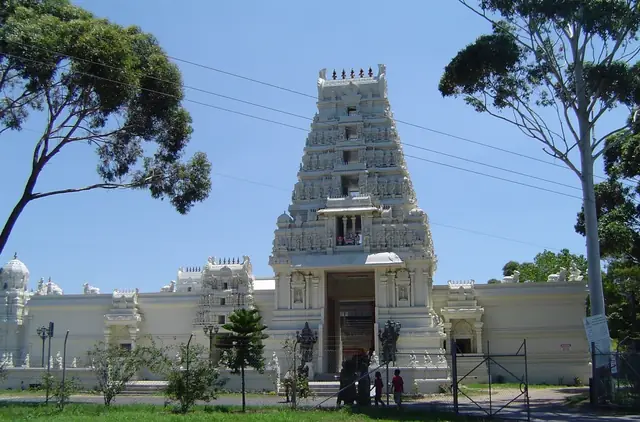
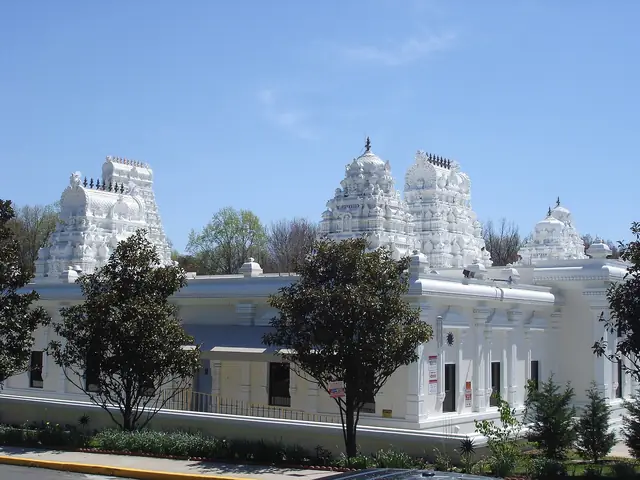
Sri Venkateswara Temple, Helensburgh
A temple of Venkateswara in the bushland south of Sydney, consecrated in 1985 and counted by its community as Australia’s first Hindu temple built in the traditional style. It is listed as a local heritage item.
 Standing
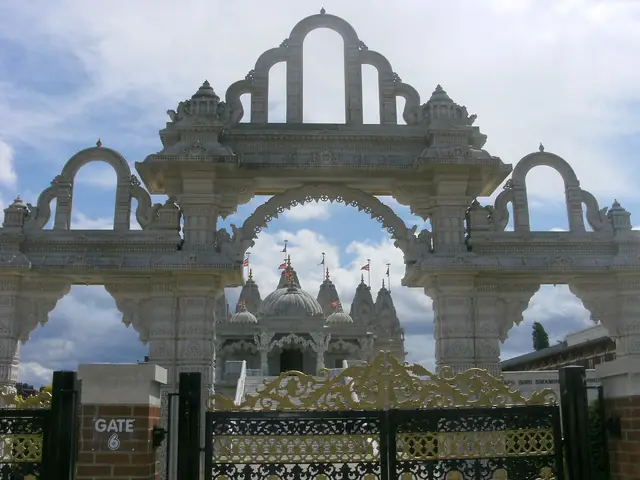
Sri Siva Vishnu Temple, Lanham
Outside Washington, D.C., the Hindus of the capital built a temple where Shiva and Vishnu are honoured side by side under one roof, its towers in the Chola style and its Guruvayurappan shrine in the Kerala manner. It is among the largest Hindu temples in North America.
 Standing
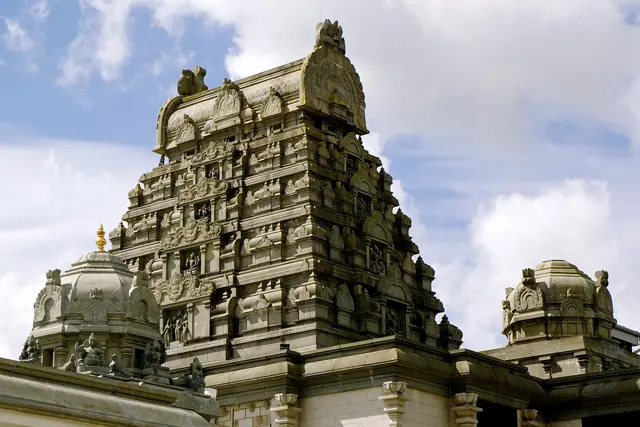
BAPS Shri Swaminarayan Mandir, Neasden
The first traditional carved-stone mandir in Europe, opened in August 1995 in a London suburb. Its white marble and limestone were carved in India and assembled here.
 Standing
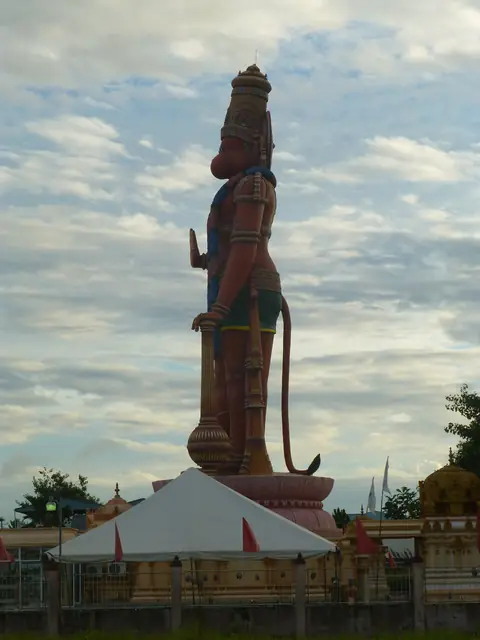
Shri Venkateswara (Balaji) Temple, Tividale
A temple of Balaji on the pattern of Tirumala, on a 30-acre site in the Black Country near Birmingham, opened in 2000 and consecrated in 2006. At its opening it held the largest temple grounds in Europe.
 Standing
Dattatreya Mandir and Hanuman Murti, Carapichaima
A temple of Dattatreya in the Dravidian style, built by sthapatis from Tamil Nadu among the cane fields of central Trinidad, with an 85-foot standing Hanuman beside it, the tallest in the Western Hemisphere.
 Standing
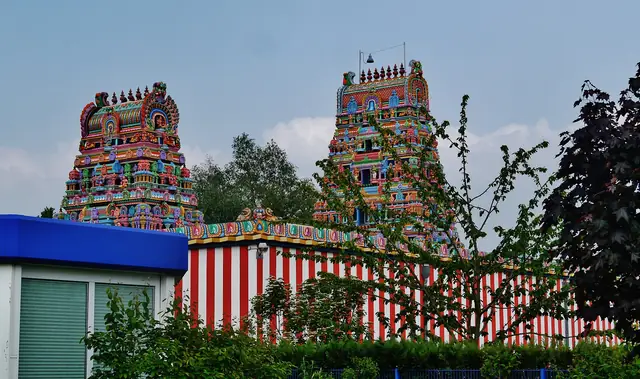
Sri Kamadchi Ampal Temple, Hamm
The Kamakshi temple built by Sri Lankan Tamil refugees in an industrial estate of Hamm, consecrated in 2002 and described as the largest South Indian style Hindu temple in mainland Europe. Its yearly chariot festival is the great Hindu gathering of Germany.
 Standing
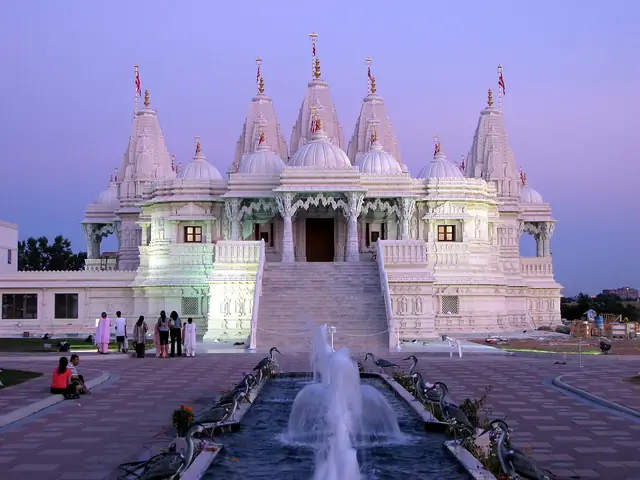
BAPS Shri Swaminarayan Mandir, Toronto
The first traditional carved-stone shikharbaddha mandir in Canada, built of some 24,000 hand-carved pieces of Italian marble, Turkish limestone and Indian pink stone. It was put up in eighteen months and opened in 2007.
 Standing
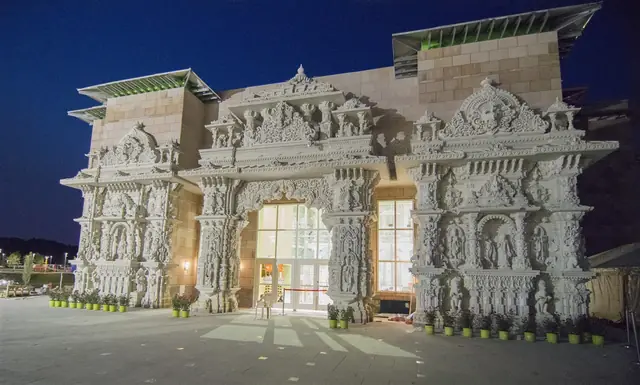
BAPS Swaminarayan Akshardham, Robbinsville
One of the largest Hindu temples in the world, on a 183-acre campus in New Jersey. It was dedicated in October 2023 after about twelve years of work, largely by volunteers.
 Standing
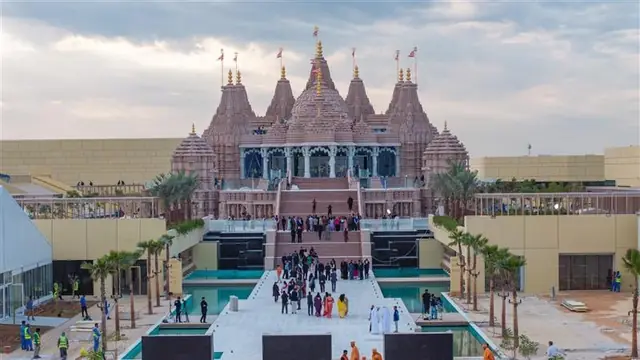
BAPS Hindu Mandir, Abu Dhabi
The first traditional stone Hindu mandir in the Middle East, built on land given by the UAE government. It was inaugurated on 14 February 2024, Vasant Panchami.