01Partition and its toll
Partition uprooted about one and a half crore people. Hindus and Sikhs left West Punjab, Sindh and the Frontier; Muslims went the other way. Trains arrived at Amritsar and Lahore carrying only the dead. Estimates of those killed run from two lakh to twenty lakh, and tens of thousands of women were abducted on both sides; the Abducted Persons Recovery Act of 1949 tried to bring them home. In Bengal the movement went on for decades, in waves after 1950, 1964 and 1971. Hindus were about 22 per cent of East Bengal in the 1951 census and under 8 per cent of Bangladesh in the census of 2022. In 1971 the Pakistan army singled out Hindus in East Bengal, as the American consulate at Dhaka reported at the time.
02One Union out of 560 states
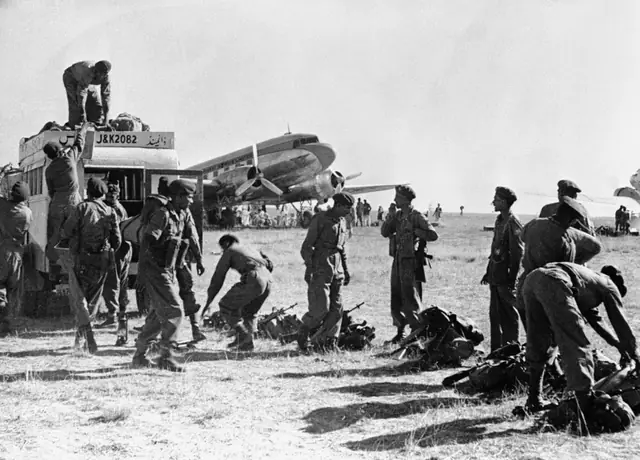
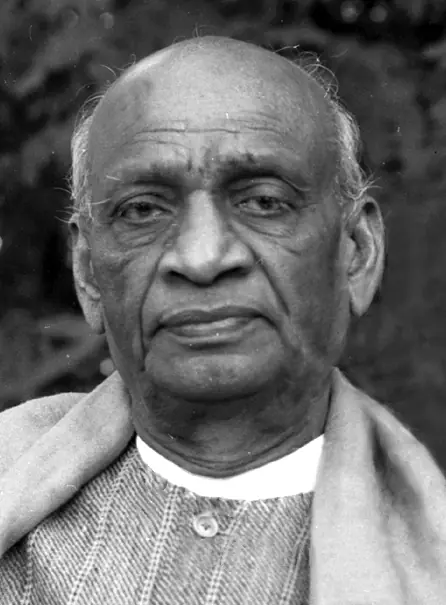
In 1947 more than 560 princely states covered about two-fifths of the land. Sardar Vallabhbhai Patel, with V. P. Menon at his side, brought almost all of them in by the Instrument of Accession before 15 August. Three held out. The Nawab of Junagadh acceded to Pakistan and fled; a plebiscite on 20 February 1948 took the state to India. Maharaja Hari Singh of Jammu and Kashmir signed the accession on 26 October 1947 as raiders from Pakistan reached Baramulla, and Indian troops were flown into Srinagar the next morning. Hyderabad joined after Operation Polo, 13 to 17 September 1948. Goa, Daman and Diu were freed from Portugal on 19 December 1961, and Sikkim became a state in 1975.
03The Republic and its Constitution
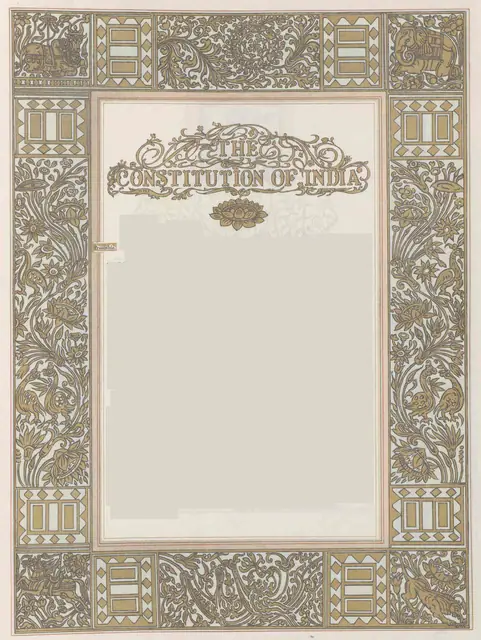
The Constituent Assembly adopted the Constitution on 26 November 1949, with B. R. Ambedkar as chairman of the drafting committee, and it came into force on 26 January 1950; Rajendra Prasad became the first President. The original copy, written by hand by Prem Behari Narain Raizada, was illuminated by Nandalal Bose and his students at Shantiniketan. Its pages carry Shri Rama, Sita and Lakshmana returning to Ayodhya over the chapter on Fundamental Rights, and Shri Krishna giving the Gita to Arjuna over the Directive Principles, along with Nataraja, a Vedic gurukul, the Buddha, Mahavira, Shivaji and Guru Gobind Singh. Hindi in Devanagari became the official language of the Union.
04Somnath rises, 1951
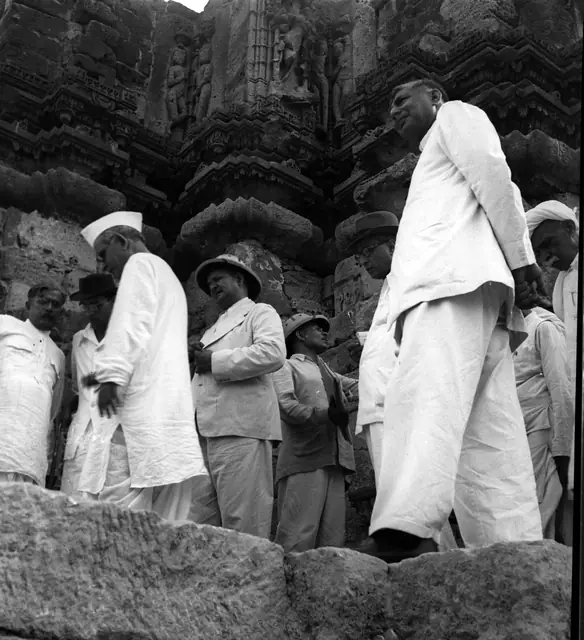
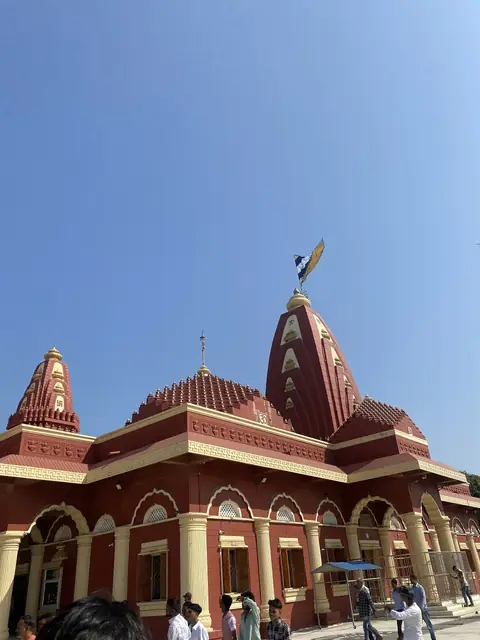
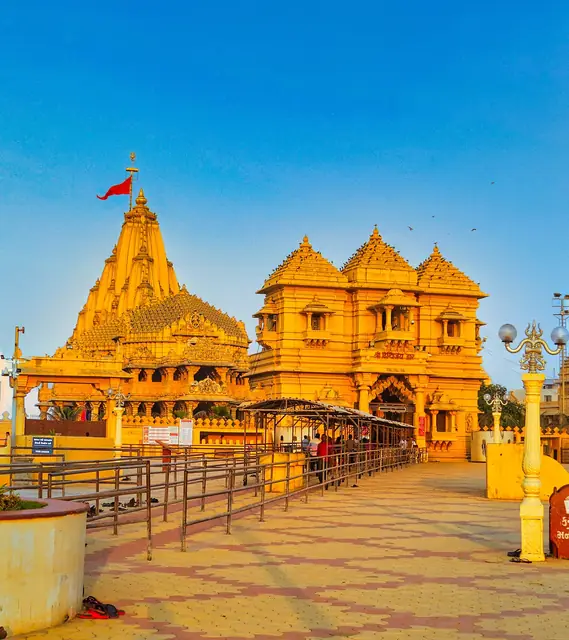
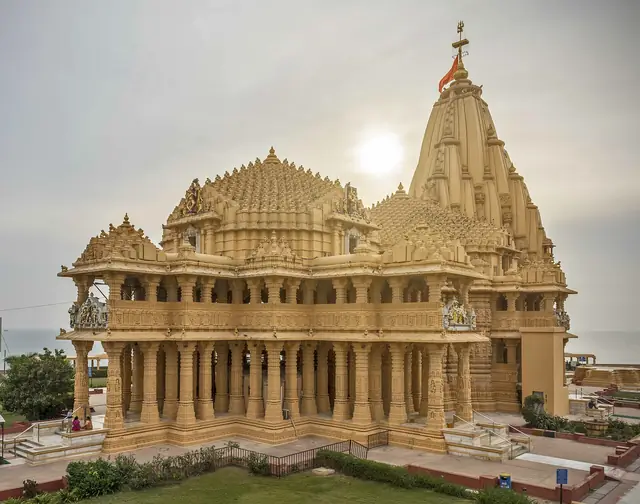
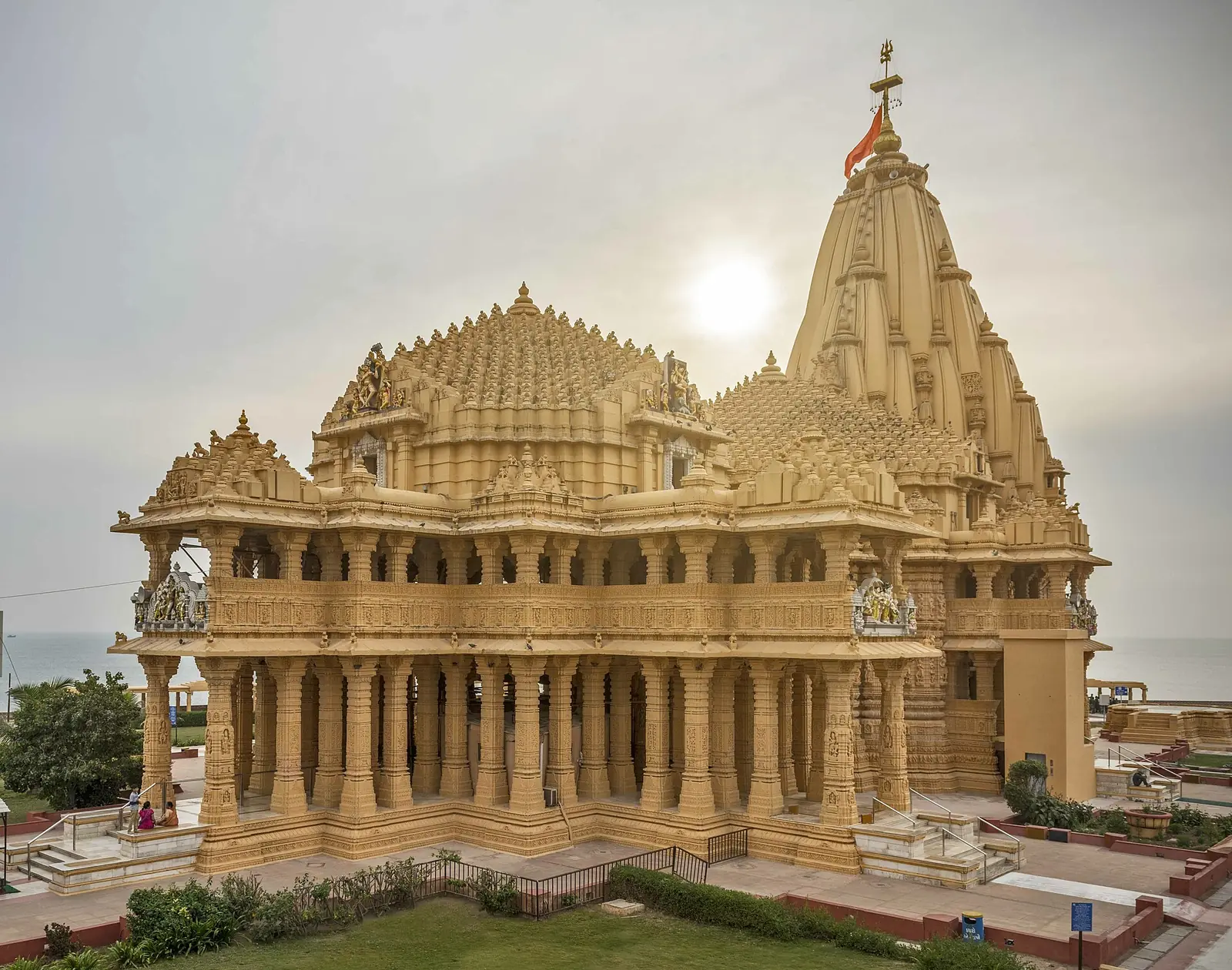
Sardar Patel stood among the ruins of Somnath on 13 November 1947 and announced that the temple would be rebuilt. K. M. Munshi carried the work forward after Patel’s death in December 1950; on Gandhi’s advice the money came from the public, not the state. The ruins of the old temple were cleared and the site excavated, and the architect Prabhashankar Sompura designed the new temple in the Chaulukya style of Gujarat. On 11 May 1951 President Rajendra Prasad installed the jyotirlinga. The spire was completed later, and on 1 December 1995 President Shankar Dayal Sharma dedicated the finished temple to the nation. An arrow-pillar on the sea wall says that there is no land between this shore and the South Pole.
05Wars and the frontier
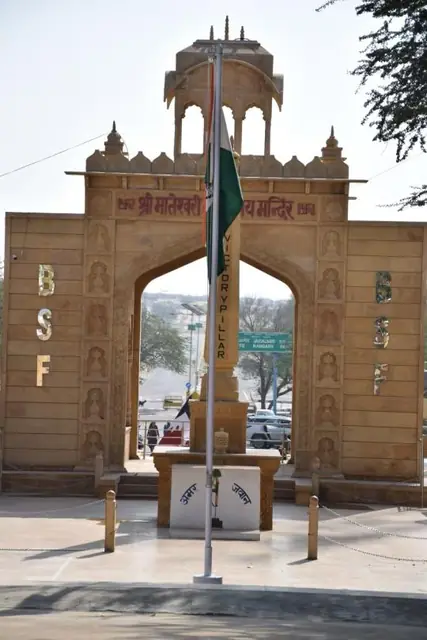
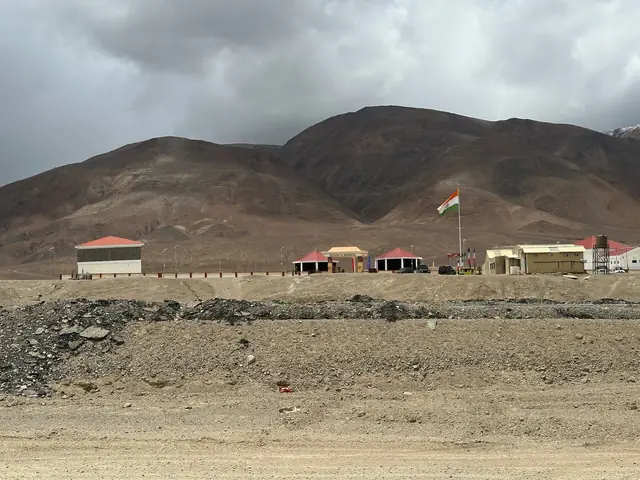
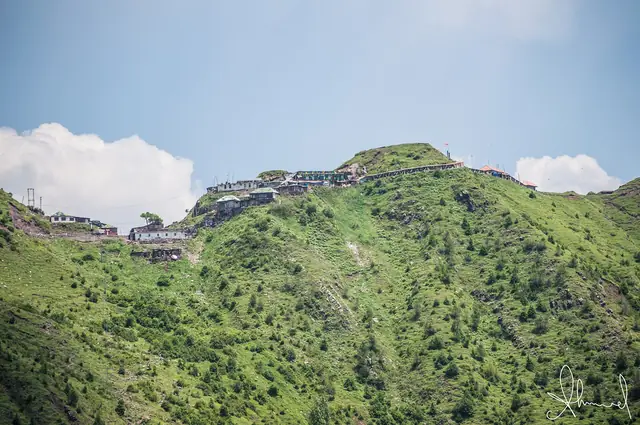
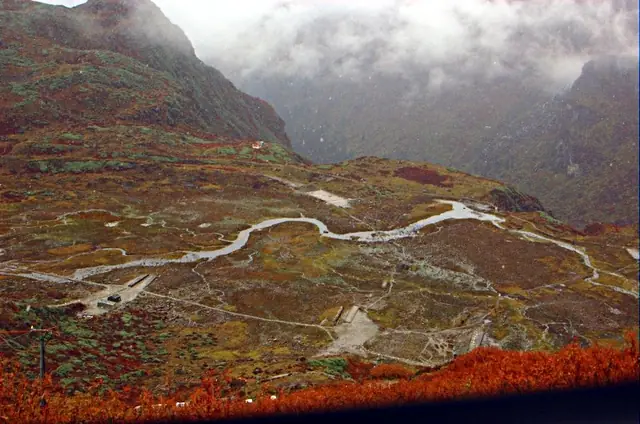
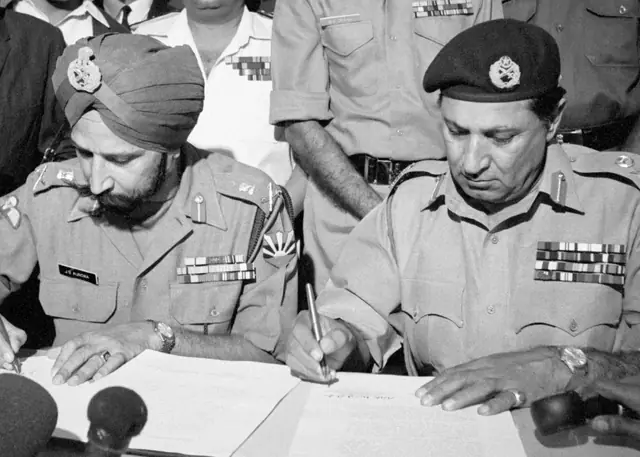
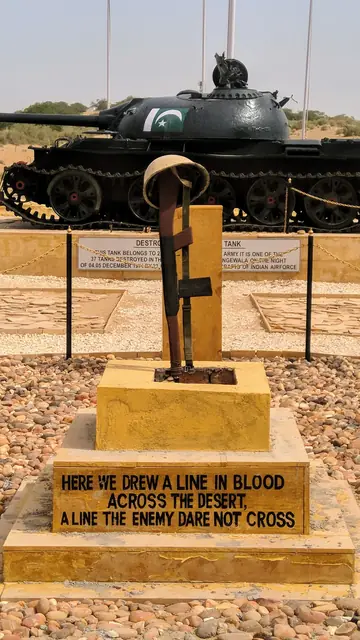
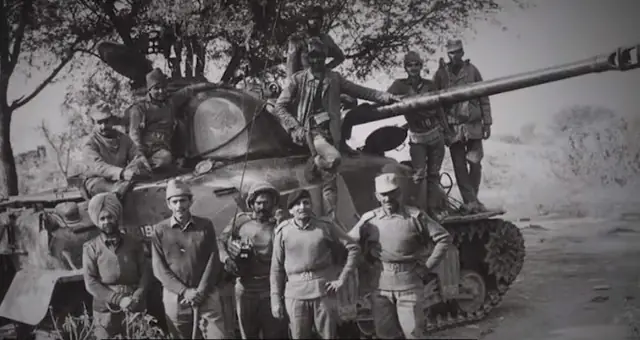
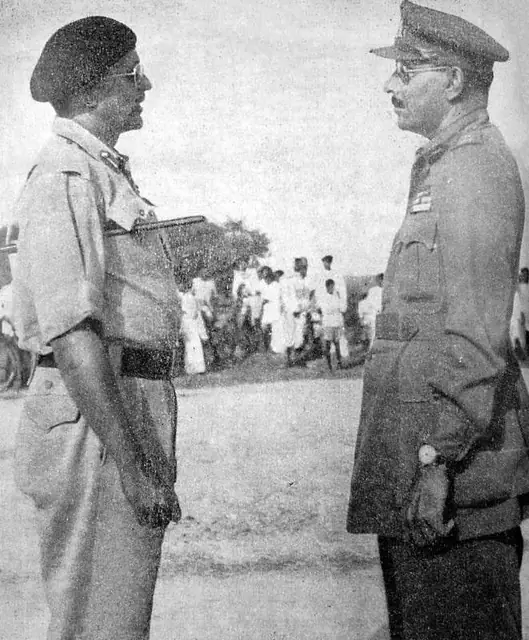
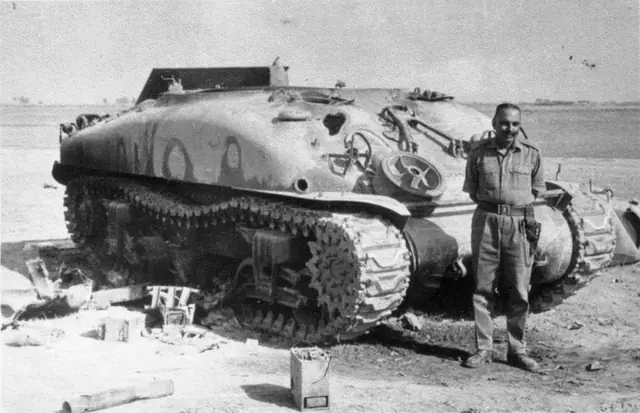
Bharat fought Pakistan in Kashmir in 1947–48, lost ground to China in the Himalaya in 1962, and fought Pakistan again in 1965. In December 1971 the Indian army and the Mukti Bahini freed Bangladesh in thirteen days; on 16 December about 93,000 Pakistani soldiers surrendered at Dhaka, the largest surrender since the Second World War. In 1974 and again in 1998 Bharat tested nuclear devices at Pokhran. In the summer of 1999 Indian soldiers took back the heights of Kargil, Tololing and Tiger Hill, from intruders out of Pakistan. The temples of Bharat’s borderland, from Tawang to Kedarnath, have soldiers as their neighbours.
06The Kashmiri Hindu exodus, 1990
As armed militancy grew in the Kashmir valley in 1989, Kashmiri Hindus were targeted. Tika Lal Taploo was shot in Srinagar in September 1989, and the retired judge Neelkanth Ganjoo that November. On the night of 19 January 1990, slogans from loudspeakers filled the valley, and in the weeks that followed almost the entire Kashmiri Pandit community, which had lived there since the days of Kalhana and Abhinavagupta, left for Jammu, Delhi and beyond. Over sixty thousand families registered as migrants with the government. Massacres of those who stayed followed, at Wandhama in January 1998 and Nadimarg in March 2003. Kashmiri Hindus mark 19 January as their Exodus Day, and the temples of the valley, Kheer Bhawani among them, still wait for their people.
07Ram Janmabhoomi in the courts
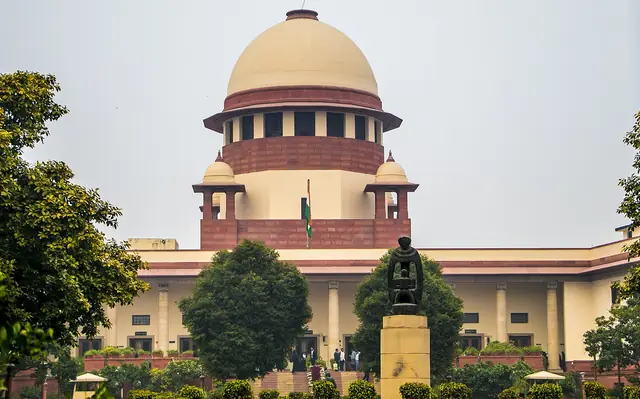
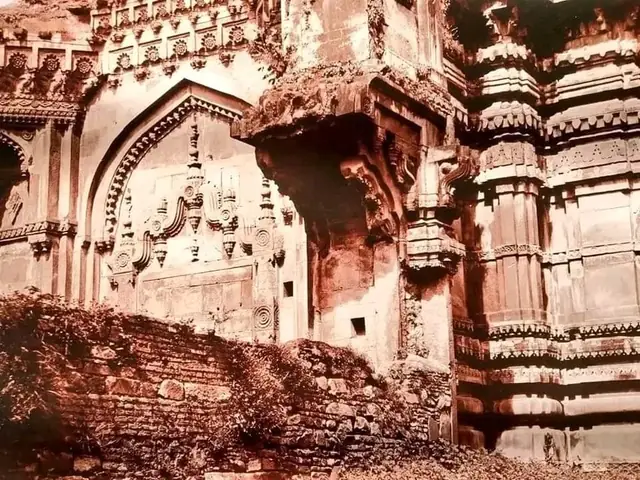
The case over the birthplace of Shri Rama at Ayodhya ran through the courts for seven decades. Murtis of Ram Lalla were placed under the central dome of the mosque on the night of 22–23 December 1949; the locks were opened by court order in 1986; on 6 December 1992 kar sevaks pulled the structure down, and riots followed in many cities. An ASI excavation ordered by the Allahabad High Court in 2003 found a large structure beneath the mosque. On 9 November 2019 a five-judge bench of the Supreme Court ruled unanimously that the site belonged to the deity Ram Lalla Virajman, to be held by a trust, and gave five acres elsewhere in Ayodhya for a mosque; it also called the 1949 placement and the 1992 demolition unlawful.
08Pran pratishtha, 22 January 2024
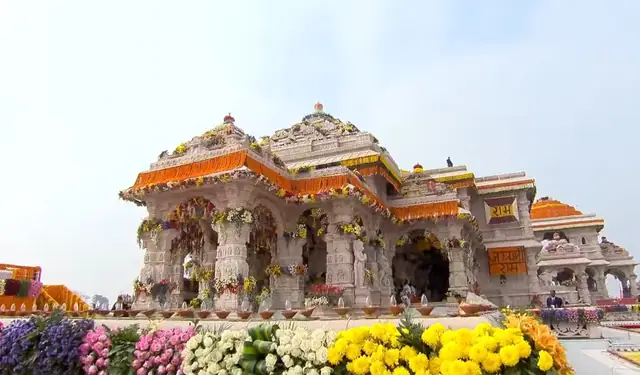
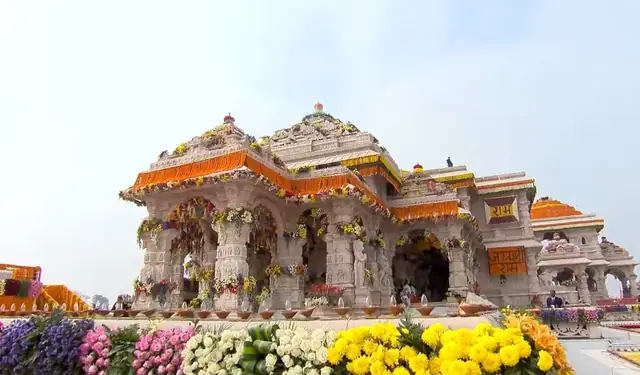
The Shri Ram Janmabhoomi Teerth Kshetra trust was formed in February 2020, and the bhoomi pujan took place on 5 August 2020. The temple was designed in the Nagara style by Chandrakant Sompura, grandson of the architect of Somnath, and built of pink sandstone from Bansi-Paharpur in Rajasthan. On 22 January 2024, Paush Shukla Dwadashi, the pran pratishtha of the new murti of Ram Lalla was performed in the garbhagriha: a fifty-one-inch figure of Shri Rama as a five-year-old child, carved in black stone by Arun Yogiraj of Mysuru. The old murti, worshipped in a makeshift shrine since 1992, was placed before it. That evening lamps were lit in homes across Bharat, as at Deepavali.
09Kashi, Kedarnath, Ujjain
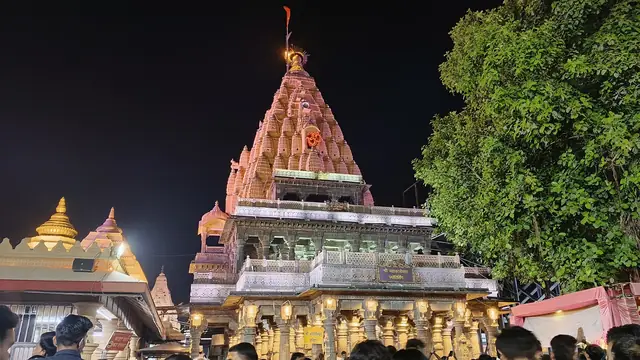
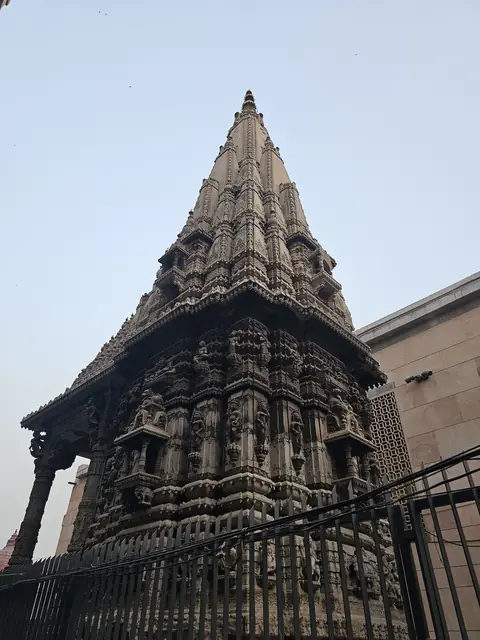
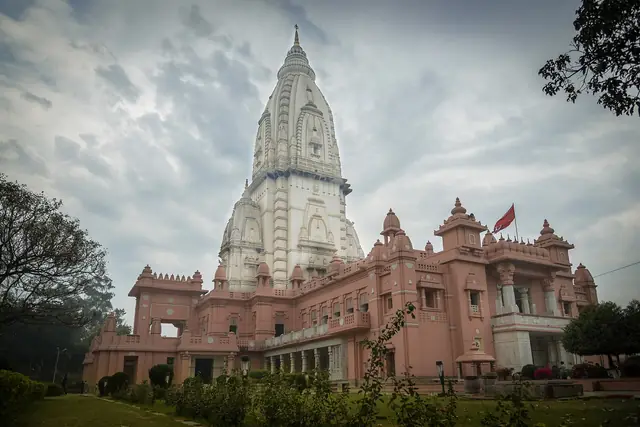
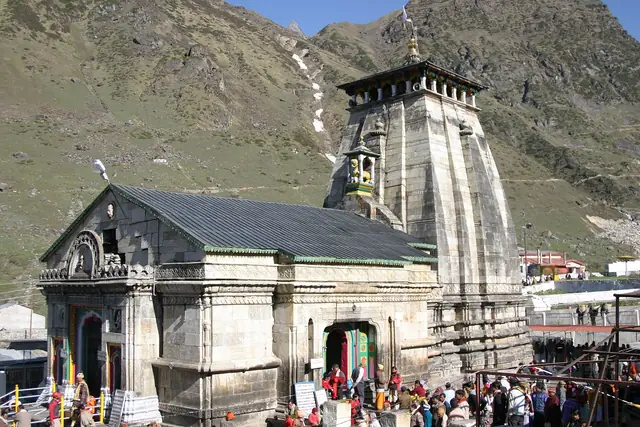
On 13 December 2021 the Shri Kashi Vishwanath Dham was opened, joining Ahilyabai’s temple of 1780 to the Ganga ghats by a broad corridor where cramped lanes and buildings had stood; in clearing them, dozens of old shrines hidden inside houses came to light. At Gyanvapi next door, an ASI survey ordered by the Varanasi court reported in January 2024 that a large Hindu temple had stood there before the mosque was built; the case is still before the courts. At Kedarnath, the flood of 16–17 June 2013 swept away the town but left the temple standing behind a great boulder that pilgrims now worship as Bhim Shila, and the town was rebuilt. At Ujjain the Mahakal Lok corridor opened in October 2022.
10Maha Kumbh 2025 and Bharat today
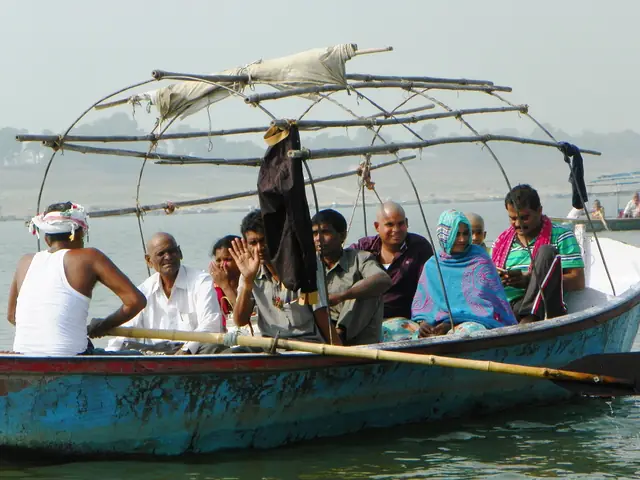
UNESCO placed the Kumbh Mela on its list of the intangible heritage of humanity in 2017. The Maha Kumbh at Prayagraj ran from 13 January to 26 February 2025, and the Uttar Pradesh government counted over 66 crore pilgrims who bathed at the Sangam, which it called the largest human gathering on record; a crowd crush before dawn on Mauni Amavasya, 29 January, killed 30 people by the official count. The 2011 census counted 96.63 crore Hindus, about 79.8 per cent of Bharat. On 23 August 2023 Chandrayaan-3 landed near the Moon’s south pole, and the landing site was named Shiv Shakti Point. Since 2015 the world has kept 21 June as International Day of Yoga.
What survives today
- The Somnath temple, consecrated 1951 and completed 1995
- The Shri Ram Janmabhoomi Mandir at Ayodhya, consecrated 22 January 2024
- The Shri Kashi Vishwanath Dham, Varanasi, opened 2021
- The hand-illuminated original of the Constitution, Parliament Library
- The Partition Museum, Town Hall, Amritsar
- The Kheer Bhawani temple at Tulmulla, where Kashmiri Pandits still gather each Jyeshtha Ashtami
- The Kedarnath temple and its Bhim Shila
- The Sangam at Prayagraj, site of the Kumbh