
Veer: the great warriors and heroes
The deed each one is remembered for, with the year and the place. Era by era, from the Itihasa to Kargil.
01 · Vedic Rishis and the ItihasaSatya, Treta and Dvapara Yugas, to 3102 BCE (traditional reckoning)
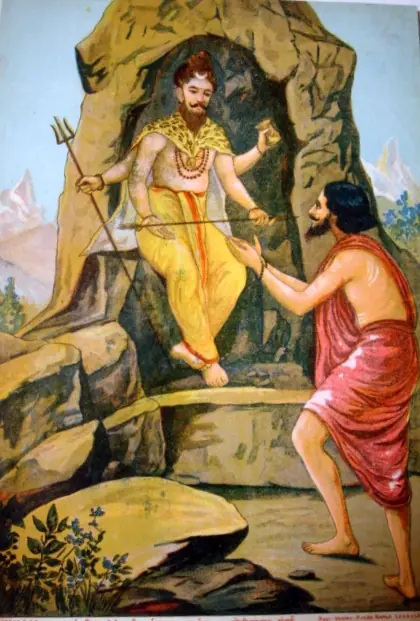 3138 BCE
Arjuna
At Kurukshetra, 3138 BCE by the traditional reckoning, he heard the Gita from Shri Krishna on his chariot and then fought the eighteen days that ended in the Pandava victory.
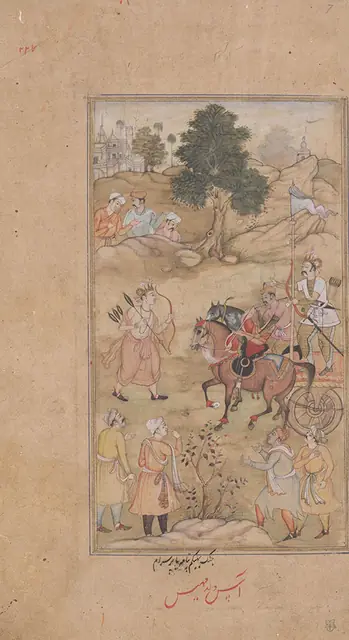 3138 BCE
Bhishma
Bound by his vow to guard the throne of Hastinapura, he led the Kaurava army for the first ten days at Kurukshetra and then lay on a bed of arrows awaiting Uttarayana.
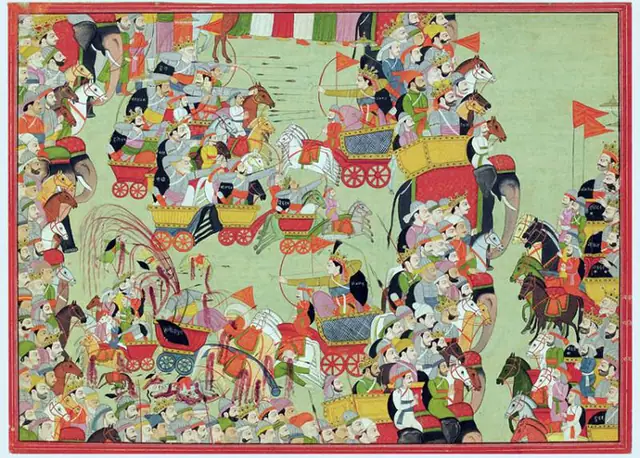 3138 BCE
Abhimanyu
On the thirteenth day at Kurukshetra the son of Arjuna, still a youth, broke into Drona’s Chakravyuha alone and fell inside it fighting seven great warriors.
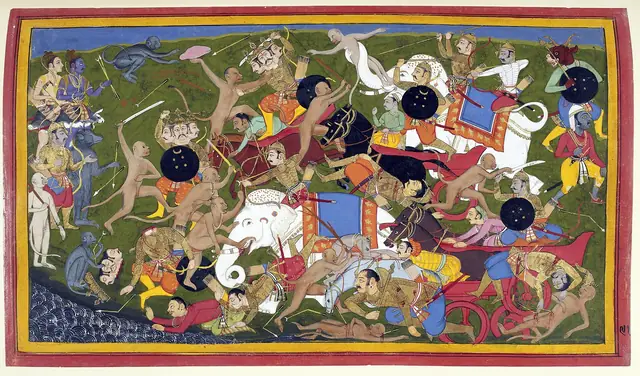
Shri Rama
In the Treta Yuga, as Valmiki tells it, he bridged the sea to Lanka, slew Ravana in battle and brought Sita home to Ayodhya.
03 · Janapadas and the Rise of Magadhac. 1300–321 BCE
 326 BCE
Raja Puru (Porus)
In 326 BCE he met Alexander’s army on the Jhelum (Vitasta) with war elephants, and by Arrian’s account fought on wounded until he was brought before Alexander, who left him his kingdom.
04 · The Maurya Empire321–185 BCE
05 · Shungas, Satavahanas, Kharavela and the Sangam Kingdoms185 BCE – 320 CE
 100 BCE
Kharavela
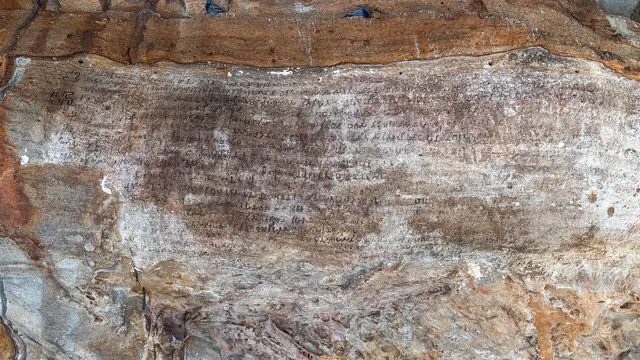
In his twelfth regnal year, says the Hathigumpha inscription at Udayagiri, he marched on Magadha, made its king bow and brought home the Kalinga Jina image a Nanda king had carried off.
 124
Gautamiputra Satakarni
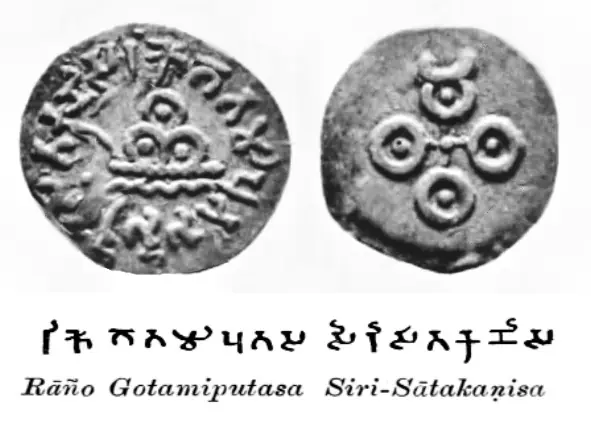
Around 124 CE he destroyed the Kshaharata power of Nahapana in the western Deccan, as his mother’s Nashik inscription records, and restruck Nahapana’s own silver coins with his name.
06 · The Gupta Age320–550 CE
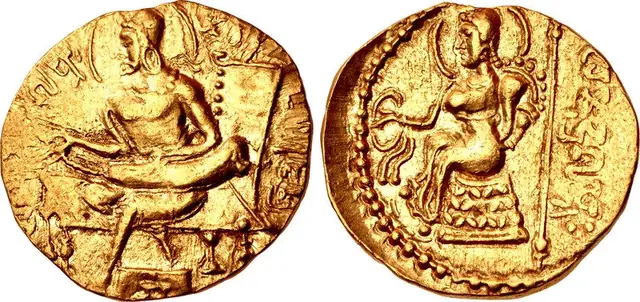 335
Samudragupta
From about 335 CE he campaigned from the Ganga plain to Kanchi in the south, and Harishena’s prashasti on the Prayag pillar lists the kings he uprooted and the kings he restored.
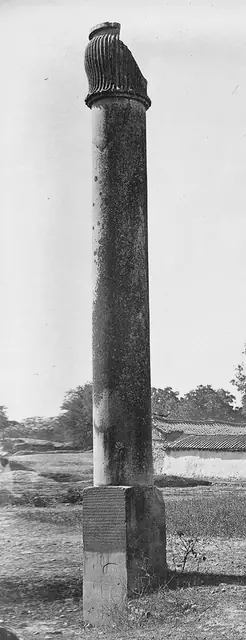 455
Skandagupta
Around 455 CE he threw back the first Huna invasion of Bharat, a victory remembered on his Bhitari pillar and in the Junagadh rock inscription.
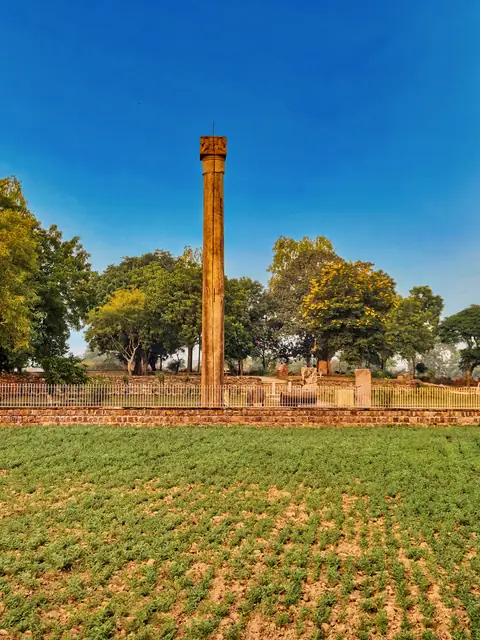 528
Yashodharman
Around 528 CE the king of Dashapura defeated the Huna Mihirakula, and his victory pillars at Sondani near Mandsaur say Mihirakula bowed at his feet.
07 · The Age of Great Kingdomsc. 550–1000 CE
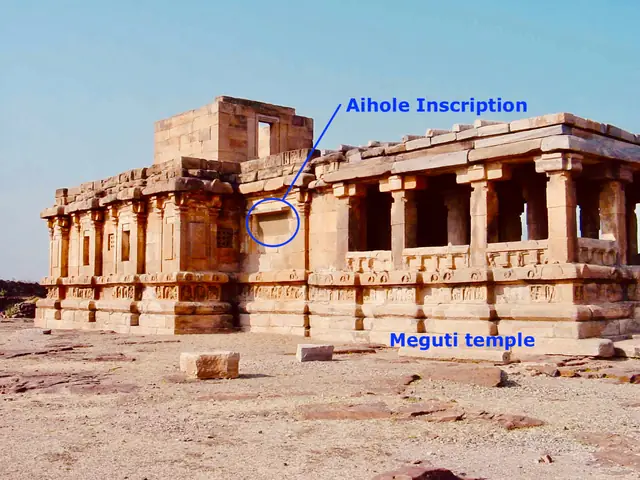 618
Pulakeshin II
Around 618 CE he stopped Harsha’s army on the Narmada, a victory the Aihole inscription of Ravikirti (634 CE) celebrates.
 642
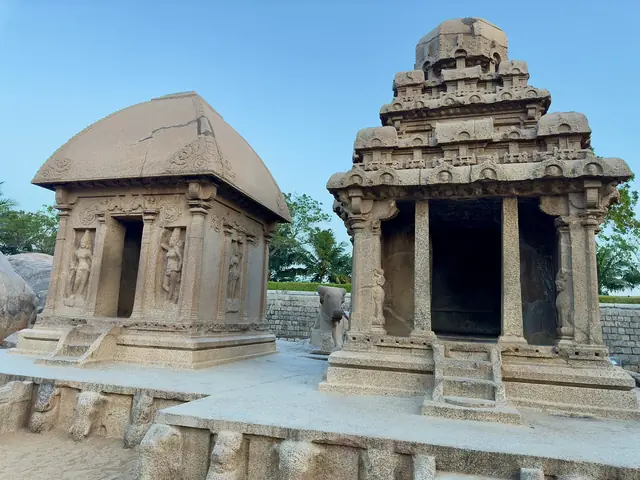
Narasimhavarman I
In 642 CE the Pallava king marched on the Chalukya capital Vatapi (Badami) and took it; Pulakeshin II died in that war.
 733
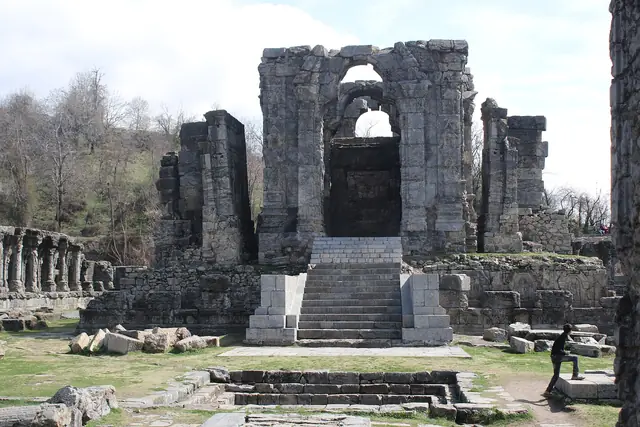
Lalitaditya Muktapida
In the 730s, by the account of Kalhana’s Rajatarangini, the Karkota king defeated Yashovarman of Kanyakubja and carried his arms far beyond Kashmir; he raised the Martand Sun temple.
 738
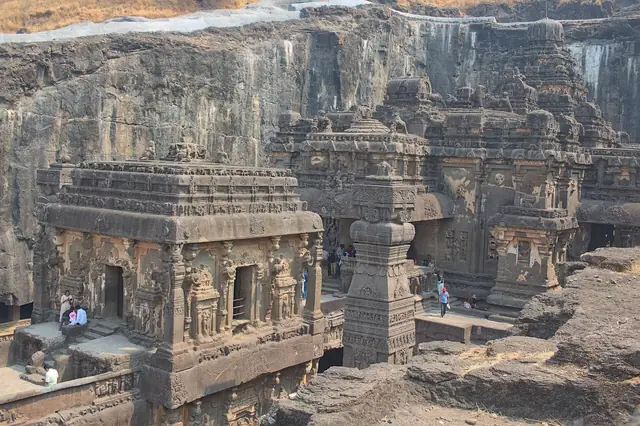
Nagabhata I
Around 738 CE the founder of the Pratihara line crushed the Arab armies pressing east from Sindh; the Gwalior inscription of his descendant Mihira Bhoja says he destroyed the forces of the mlechchha king.
08 · Cholas and the Southern Seasc. 850–1310 CE
 1025
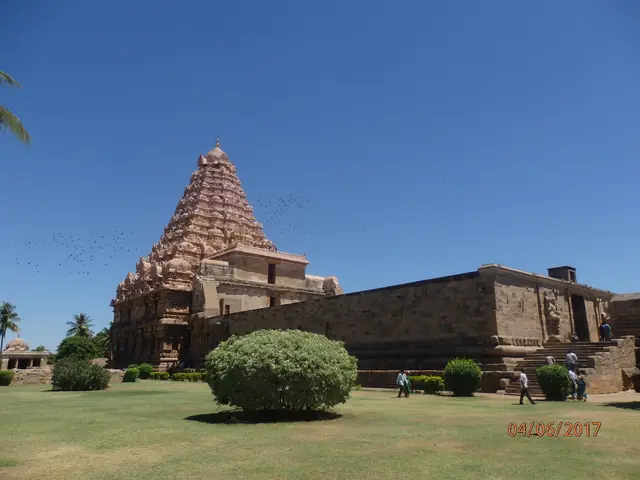
Rajendra Chola I
In 1025 CE he sent the Chola fleet across the Bay of Bengal and struck Kadaram and the ports of Srivijaya, after his army had already reached the Ganga around 1021.
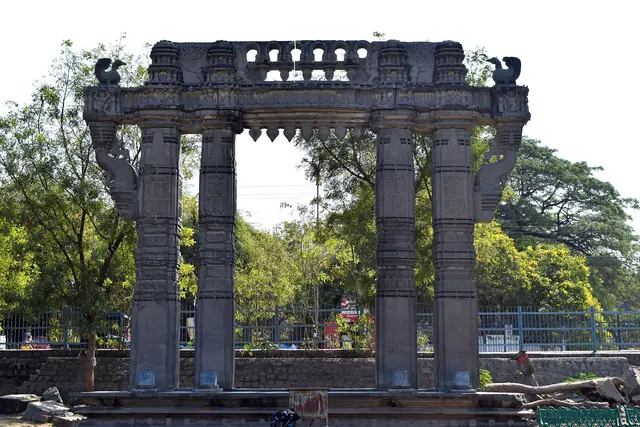 1262
Rudrama Devi
From about 1262 she ruled the Kakatiya kingdom in her own name from Orugallu (Warangal), drove back the Seuna Yadava king Mahadeva and broke the rebel nobles.
09 · The long resistance: Sindh to Tarain636–1206 CE
 712
Raja Dahir
In 712 CE he met the Arab army of Muhammad bin Qasim at Rawar on the Indus and died fighting from his elephant, as the Chachnama records.
1033Maharaja Suheldev
In 1033 CE, by the tradition preserved in the Mirat-i-Masudi (17th century), he led a confederacy of local kings that destroyed the army of Salar Masud at Bahraich.
1178Naiki Devi
In 1178, ruling Gujarat as regent for her young son Mularaja II, she led the Chaulukya army that routed Muhammad of Ghor at Kasahrada below Mount Abu.
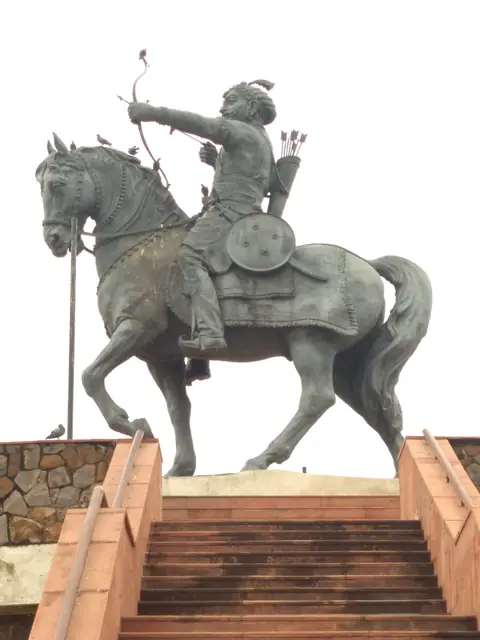 1191
Prithviraj Chauhan
In 1191 at Tarain near Thanesar he defeated Muhammad of Ghor and drove his army from the field, before losing on the same ground the next year.
10 · Sultanates, Vijayanagara and the kingdoms that stood1206–1526 CE
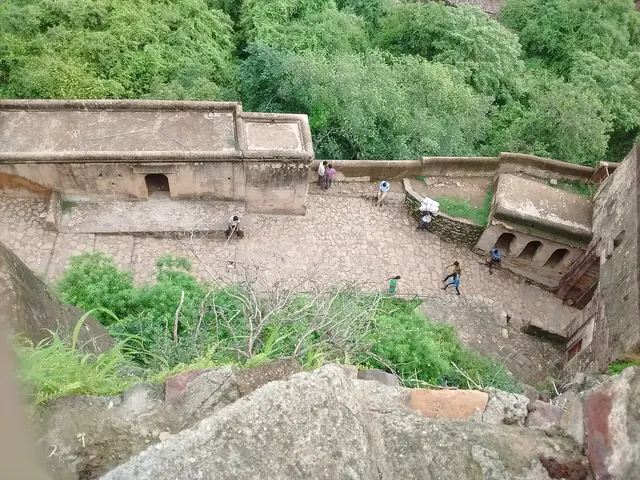 1301
Hammir Dev Chauhan
In 1301 he held Ranthambore against Alauddin Khalji’s siege for months, refused to surrender the Mongol chiefs who had taken refuge with him, and fell when the fort was taken.
 1336
Musunuri Kaapaya Nayaka
Around 1336 he united the Nayaka chiefs of Andhra, drove the Tughlaq governor out of Warangal and restored Hindu rule across the Telugu country.
 1371
Kumara Kampana
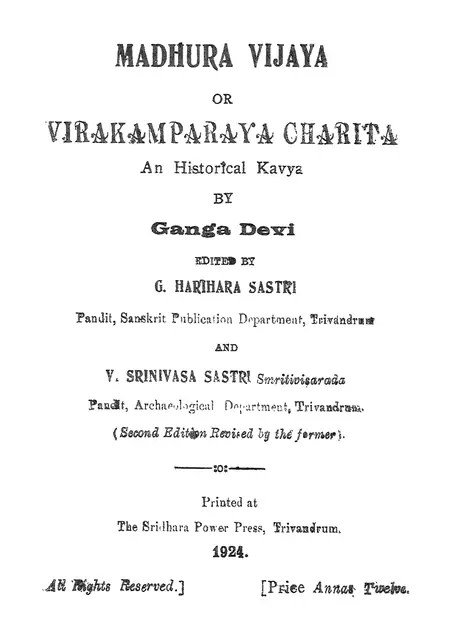
Around 1371 the Vijayanagara prince, son of Bukka I, destroyed the Madurai Sultanate and reopened the Srirangam and Madurai temples, as his queen Gangadevi tells in the Madhura Vijayam.
 1437
Rana Kumbha
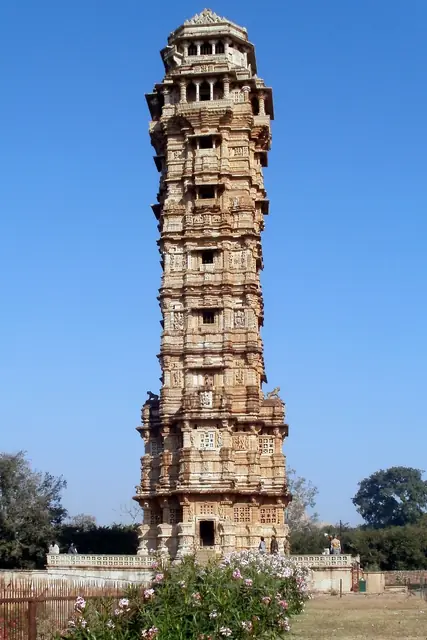
In 1437 at Sarangpur he defeated Mahmud Khalji of Malwa, and raised the Vijaya Stambha at Chittorgarh to mark the victory.
 1518
Rana Sanga
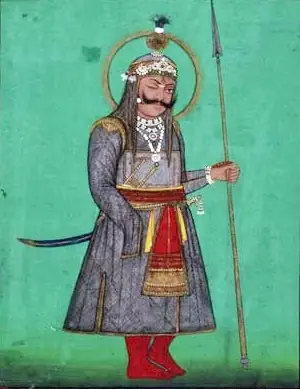
In 1518 at Khatoli he defeated Ibrahim Lodi of Delhi, and in 1527 led the Rajput confederacy against Babur at Khanwa.
 1520
Krishnadevaraya
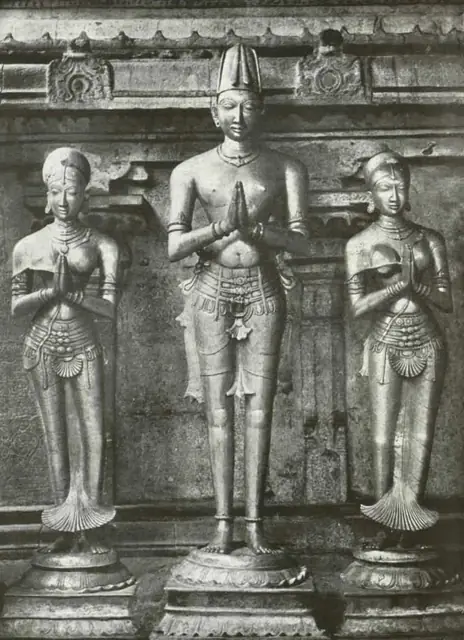
In May 1520 he routed Ismail Adil Shah of Bijapur at Raichur and took the fort that had been fought over for a century and a half.
11 · The Mughal era and the resistance1526–1707 CE
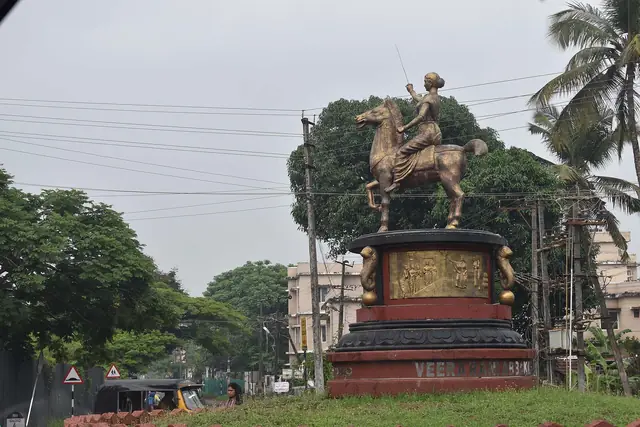 1555
Rani Abbakka Chowta
In 1555, by Portuguese records, she beat back a fleet under Dom Álvaro da Silveira at Ullal, and went on defying Portuguese Goa for decades.
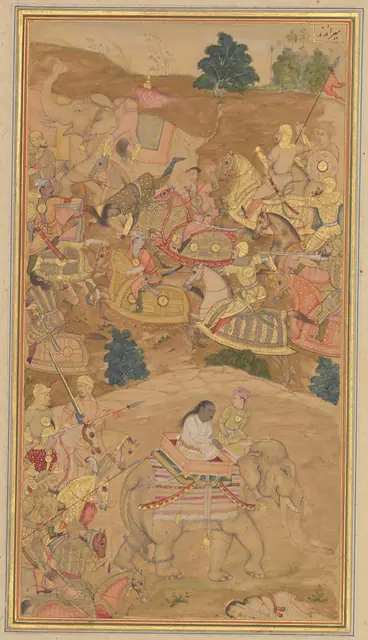 1556
Hemu Vikramaditya
On 7 October 1556 he defeated the Mughal governor Tardi Beg at Tughlaqabad, entered Delhi and was crowned with the title Vikramaditya, a month before Panipat.
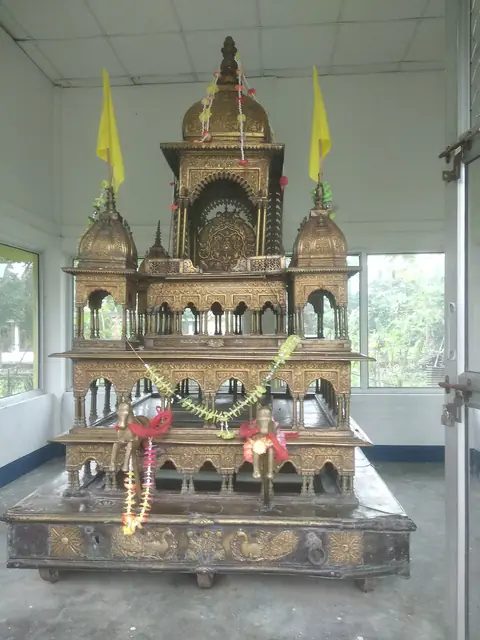 1563
Chilarai
In 1563 the Koch general, brother of Naranarayan, crossed the Brahmaputra and took the Ahom capital Garhgaon, so swift in his marches that he was called Chila, the kite.
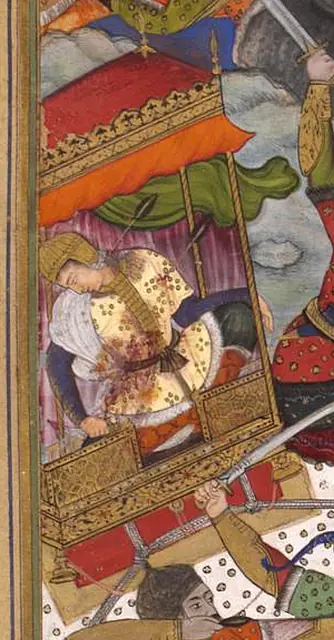 1564
Rani Durgavati
On 24 June 1564 near Narrai, wounded by arrows and facing capture by Asaf Khan’s Mughal army, she took her own life on the field rather than surrender.
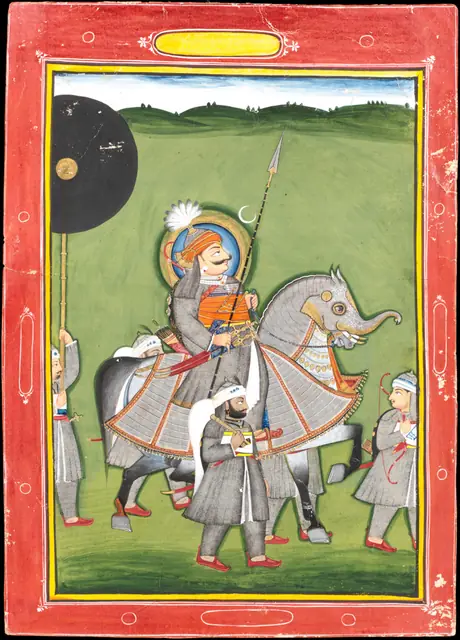 1576
Maharana Pratap
On 18 June 1576 at Haldighati he charged Man Singh’s Mughal army, and never accepted Akbar’s overlordship; in 1582 at Dewair he began winning back Mewar.
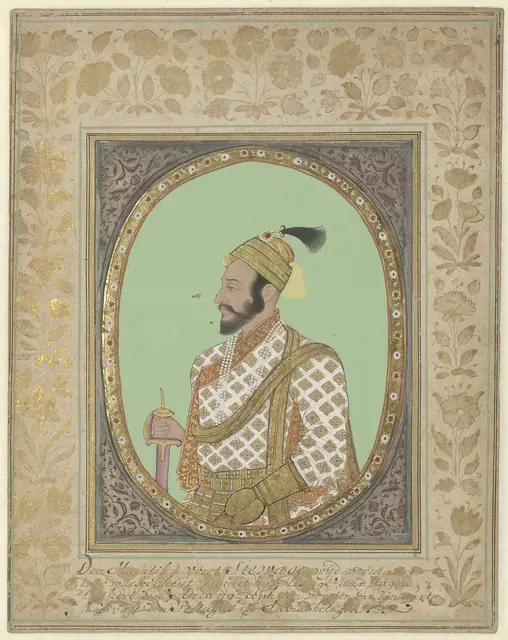 1659
Chhatrapati Shivaji Maharaj
On 10 November 1659 below Pratapgad he killed Afzal Khan at their meeting and his men routed the Bijapur army in the forest that same day.
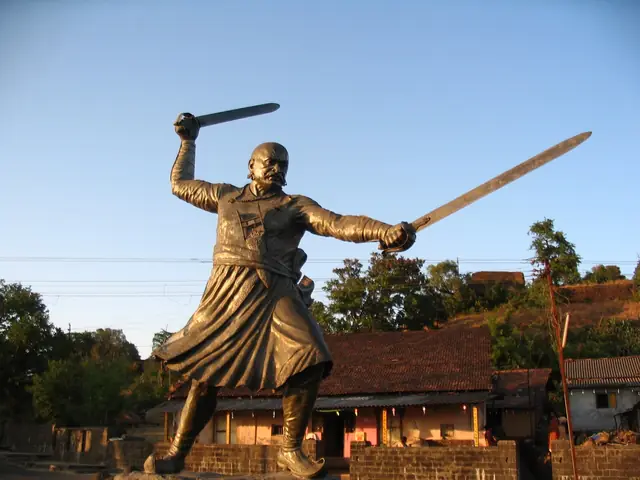 1660
Baji Prabhu Deshpande
On 13 July 1660 he held the pass at Ghodkhind with a few hundred Bandal Mavlas against Siddi Masud’s army until the guns of Vishalgad told him Shivaji Maharaj was safe, and then he fell.
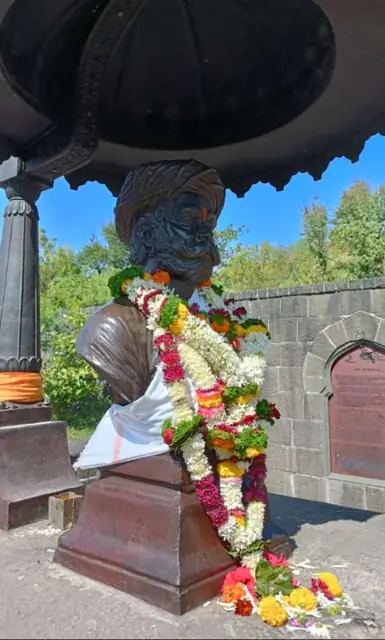 1670
Tanaji Malusare
On the night of 4 February 1670 he scaled the cliffs of Kondhana with his Mavlas, took the fort from Udaybhan Rathod and died in the fight; Shivaji Maharaj renamed it Sinhagad.
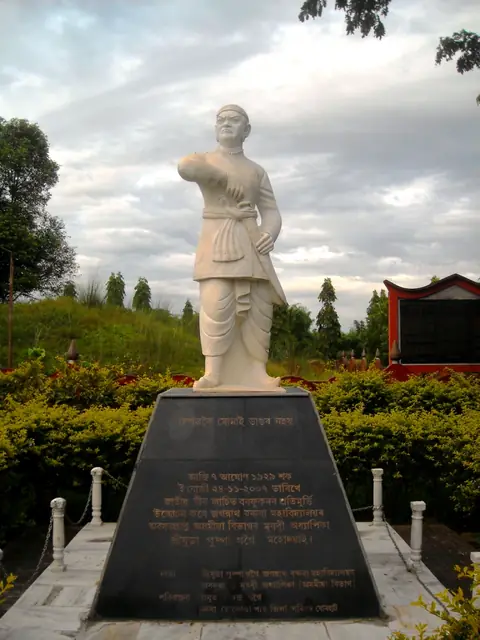 1671
Lachit Borphukan
In March 1671, sick with fever, he led the Ahom boats on the Brahmaputra at Saraighat near Guwahati and destroyed the Mughal fleet of Ram Singh.
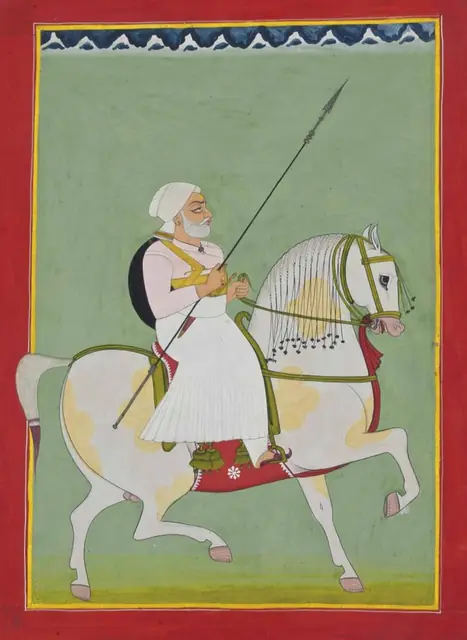 1679
Durgadas Rathore
In July 1679 he cut his way out of Delhi with the infant Ajit Singh, saving the heir of Marwar from Aurangzeb, and then fought for nearly thirty years until Ajit Singh sat on the throne of Jodhpur.
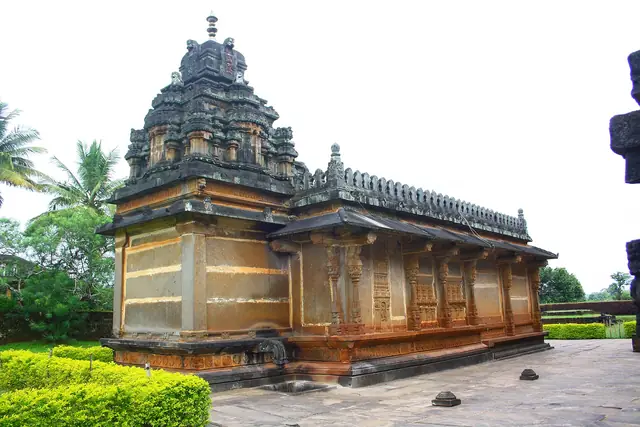 1689
Keladi Chennamma
In 1689 she gave shelter to Chhatrapati Rajaram on his flight to Jinji and held off the Mughal army Aurangzeb sent after him.
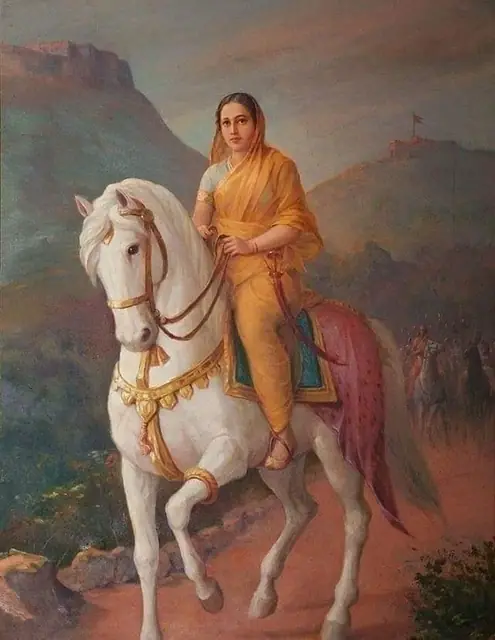 1700
Maharani Tarabai
From 1700, after Chhatrapati Rajaram died, she led the Maratha war against Aurangzeb’s armies in the Deccan herself until his death in 1707.
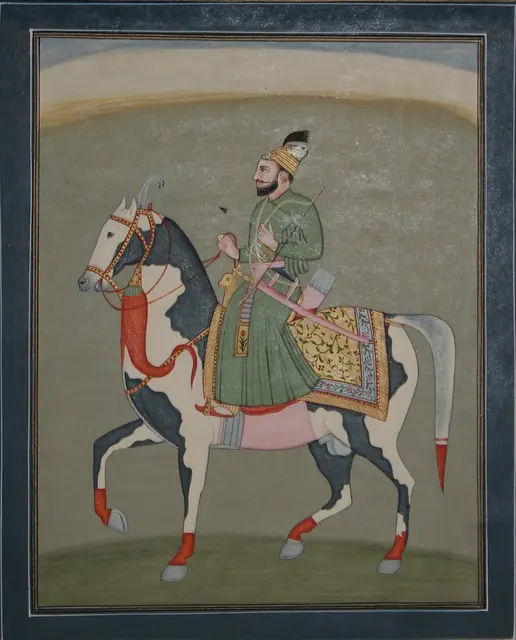 1704
Guru Gobind Singh
In December 1704 at Chamkaur he stood in a mud fortress with a handful of Sikhs against the Mughal host; his two elder sons, Ajit Singh and Jujhar Singh, fell there.
12 · Maratha ascendancy and the Sikh empire1707–1818 CE
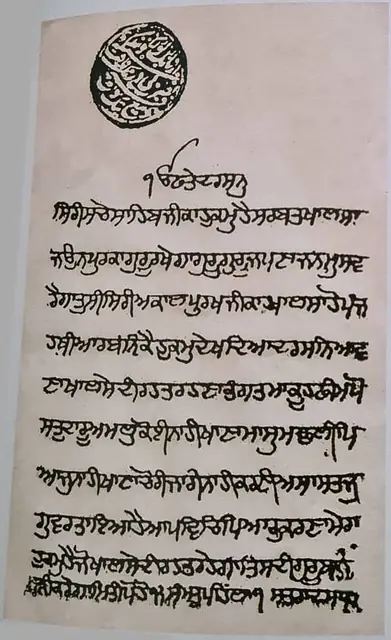 1710
Banda Singh Bahadur
In May 1710 he defeated Wazir Khan at Chappar Chiri and took Sirhind, where the Guru’s younger sons had been put to death, and struck coins in the name of the Gurus.
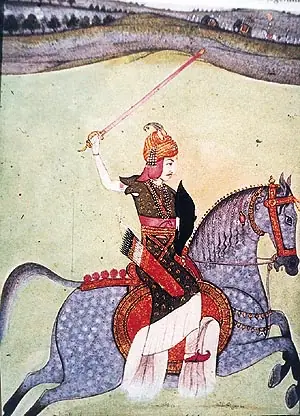 1728
Peshwa Bajirao I
In February 1728 at Palkhed he outmarched the Nizam’s army, cut it off from water and supplies and forced the Nizam to terms without a pitched battle.
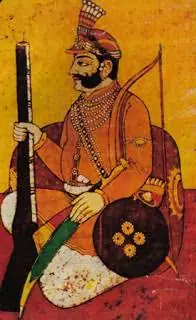 1729
Maharaja Chhatrasal
Having carved Bundelkhand free of the Mughals, the aged king was besieged by Muhammad Khan Bangash at Jaitpur in 1729 and called Bajirao I, who came and broke the siege.
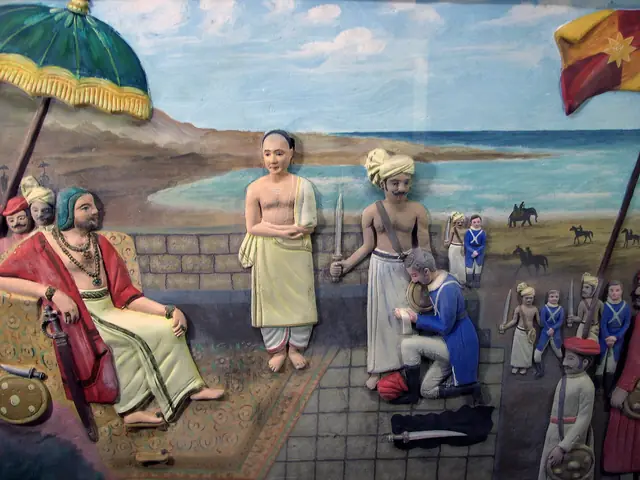 1741
Marthanda Varma
In August 1741 at Colachel the king of Travancore defeated the Dutch East India Company’s force and took its commander Eustachius De Lannoy into his own service.
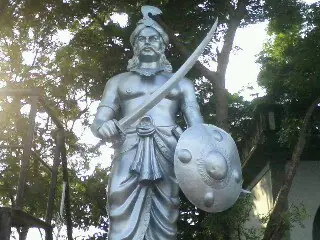 1755
Puli Thevar
From 1755, from his fort at Nerkattumseval in Tirunelveli, he refused tribute to the Nawab of Arcot and the Company and fought their armies for over a decade.
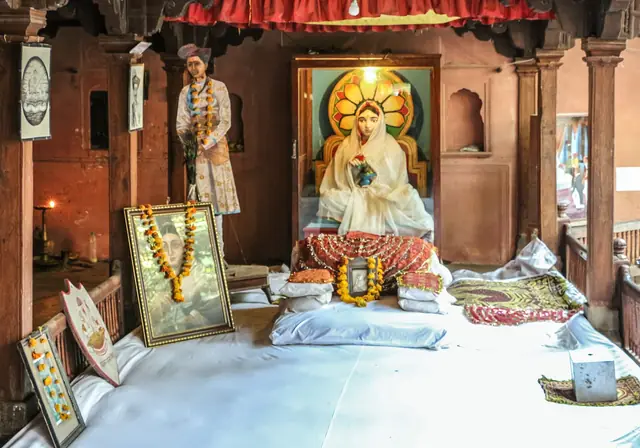 1780
Ahilyabai Holkar
Ruling Malwa from Maheshwar, she built the present Kashi Vishwanath temple in 1780 and restored temples, ghats and dharmashalas from Somnath to Gaya.
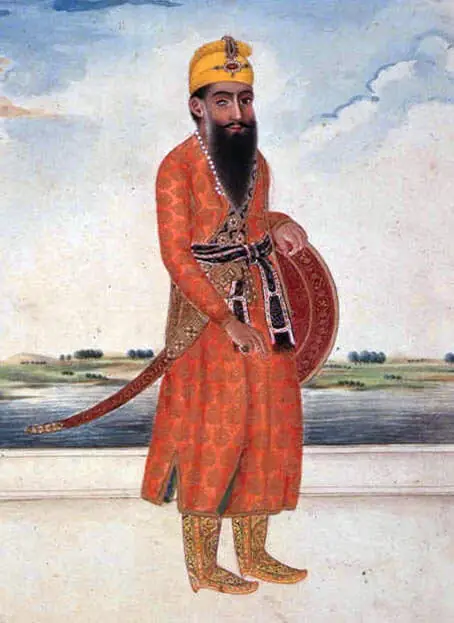 1799
Maharaja Ranjit Singh
On 7 July 1799 he entered Lahore, the first step to the Sikh empire that ran from the Khyber to Ladakh.
 1834
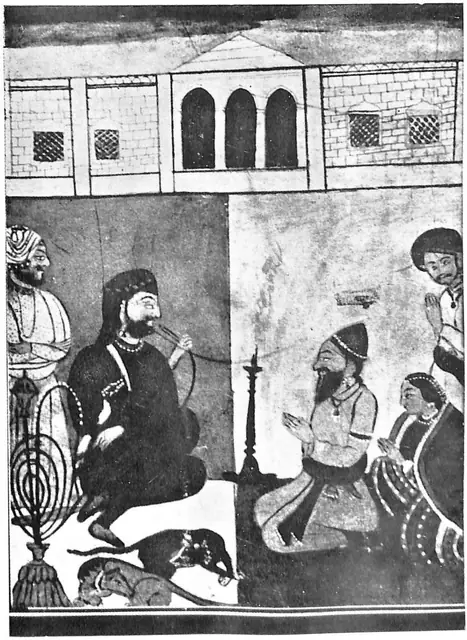
General Zorawar Singh
From 1834 the Dogra general marched his army over the high passes and brought Ladakh under Jammu, then pressed into western Tibet, where he fell in battle in December 1841.
 1837
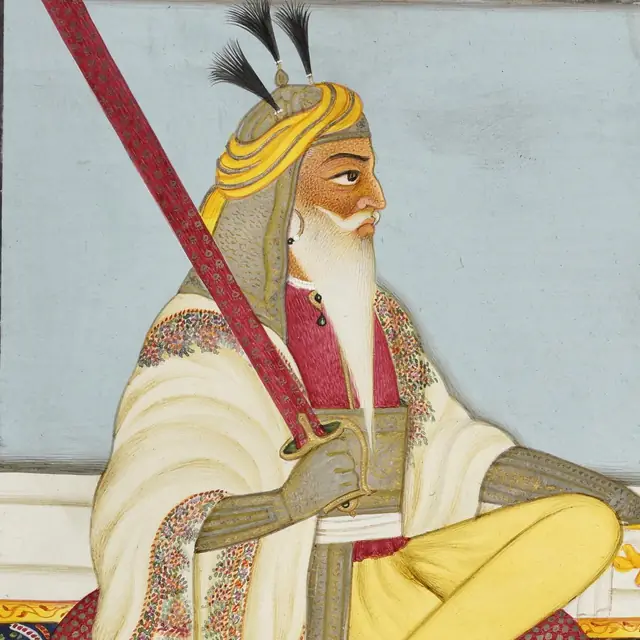
Hari Singh Nalwa
The Sikh general who held Peshawar and the mouth of the Khyber fell defending Jamrud against the Afghan army on 30 April 1837, and the fort held.
13 · Company rule and the war of 18571757–1858 CE
 1780
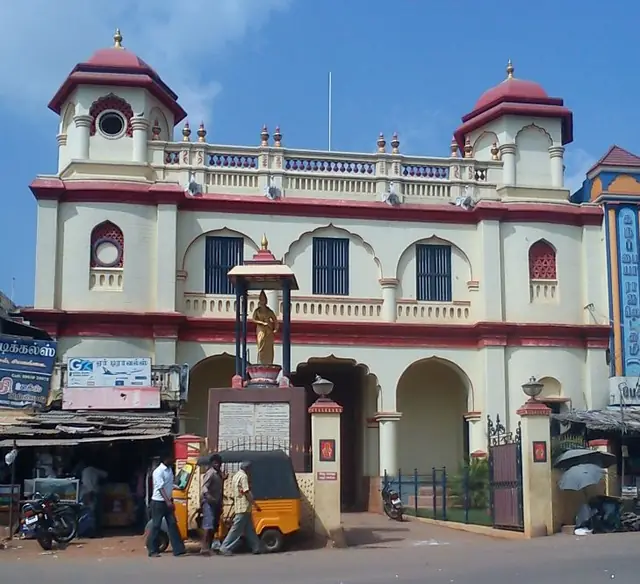
Rani Velu Nachiyar
In 1780, eight years after her husband was killed, she marched back with her own army and Hyder Ali’s help and retook Sivaganga from the Nawab and the Company.
 1799
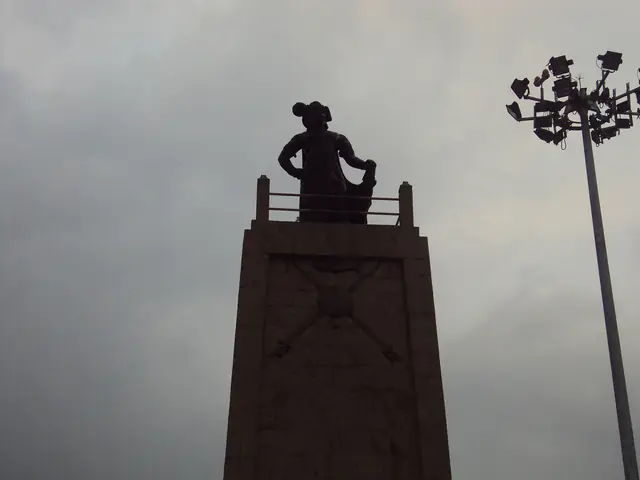
Veerapandiya Kattabomman
The Poligar of Panchalankurichi refused tribute to the Company, fought its troops in 1799 and was hanged at Kayathar on 16 October 1799.
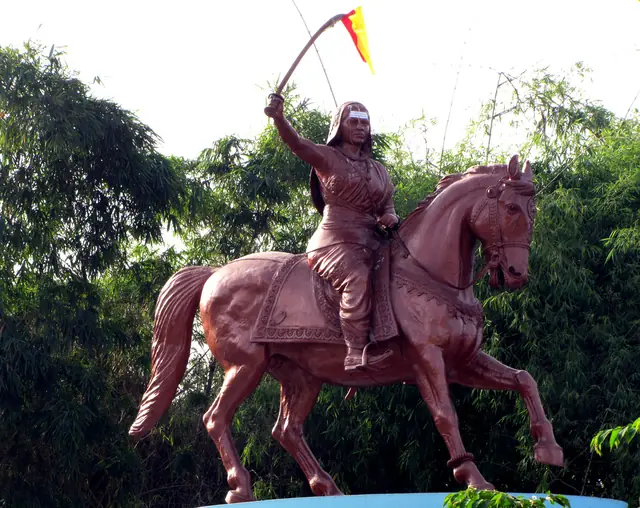 1824
Kittur Rani Chennamma
In October 1824, when the Company refused her adopted son and moved to annex Kittur, her men beat back the attack and the Collector Thackeray was killed.
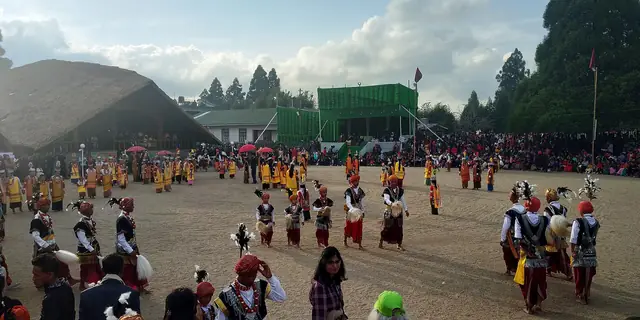 1829
U Tirot Sing
In April 1829 the Syiem of Nongkhlaw rose against the British over the road they were cutting through the Khasi hills and fought them for four years.
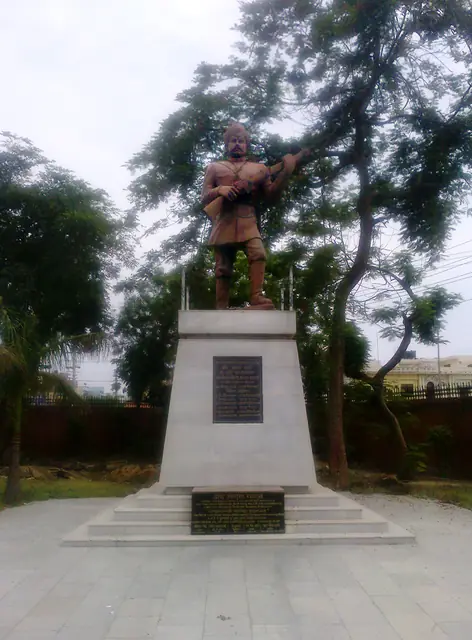 1857
Mangal Pandey
On 29 March 1857 at Barrackpore the sepoy of the 34th Bengal Native Infantry attacked his British officers, and was hanged on 8 April.
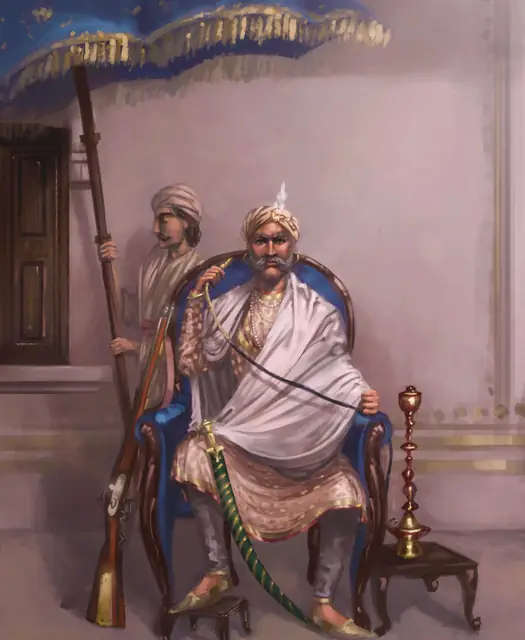 1858
Babu Veer Kunwar Singh
Near eighty, he led the rising in Shahabad in 1857, and on 23 April 1858 beat a British column at Jagdishpur three days before he died of his wounds.
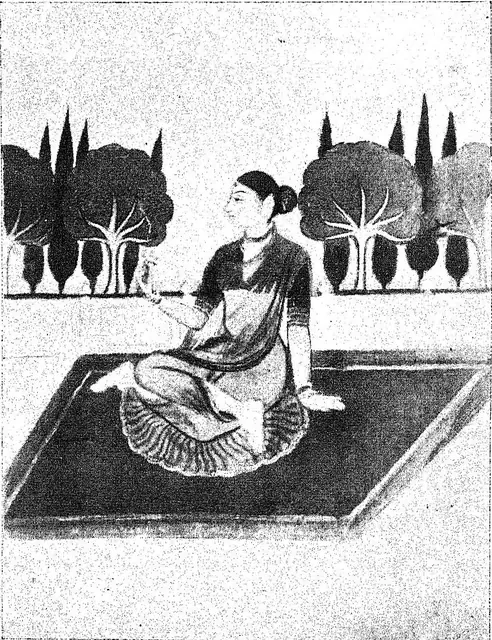 1858
Rani Lakshmibai
She defended Jhansi against Sir Hugh Rose in March–April 1858, broke out, and fell fighting at Kotah-ki-Serai near Gwalior on 18 June 1858.
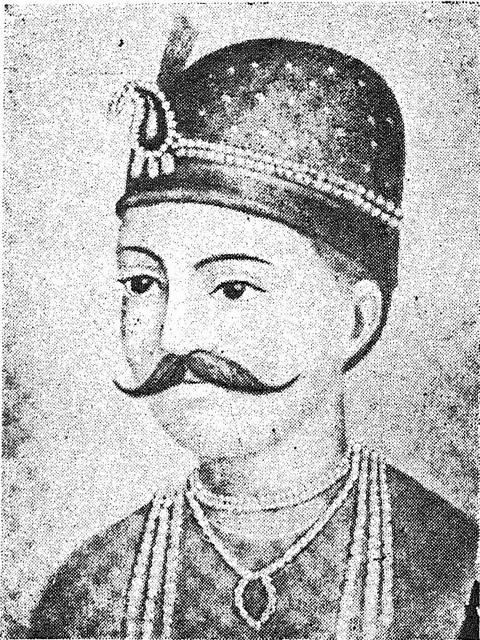 1858
Tatya Tope
In June 1858 he and Rani Lakshmibai took Gwalior, and after her death he kept a running war through central India for ten months until he was betrayed and hanged at Shivpuri in April 1859.
14 · Renaissance and the struggle for Swaraj1858–1947 CE
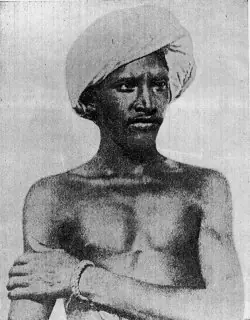 1899
Birsa Munda
In 1899–1900 he led the Ulgulan, the great Munda rising around Ranchi against the British and the landlords, and died in Ranchi jail on 9 June 1900.
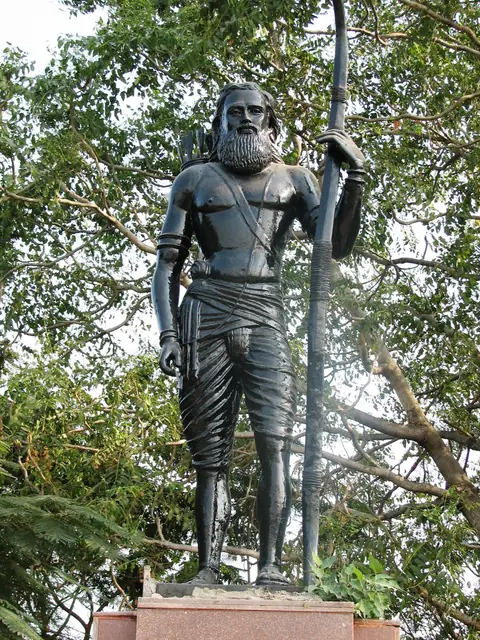 1922
Alluri Sitarama Raju
From August 1922 he led the Rampa rising in the Godavari hill tracts, raiding police stations for arms, until he was captured and shot in May 1924.
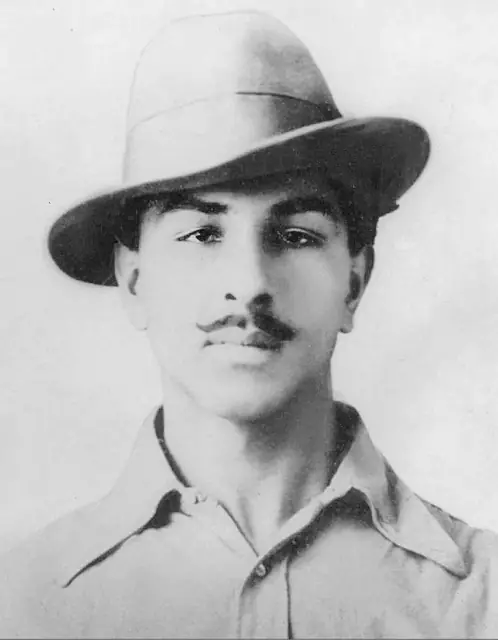 1929
Shaheed Bhagat Singh
On 8 April 1929 he and Batukeshwar Dutt threw harmless bombs in the Central Legislative Assembly in Delhi and courted arrest; he was hanged in Lahore on 23 March 1931.
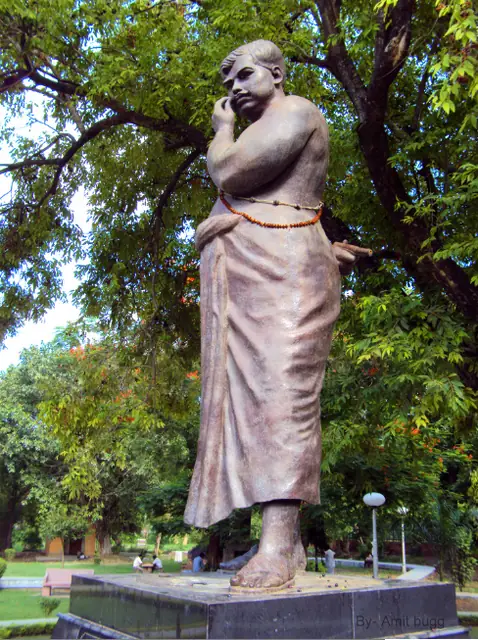 1931
Chandrashekhar Azad
On 27 February 1931, surrounded by police in Alfred Park, Allahabad, he fought back alone and kept his vow never to be taken alive.
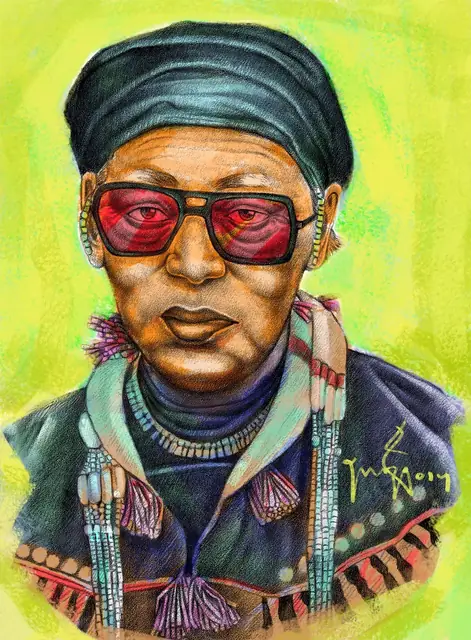 1932
Rani Gaidinliu
At sixteen she led the Zeliangrong Naga resistance to British rule and was captured in October 1932; she spent fourteen years in prison, and Nehru named her Rani.
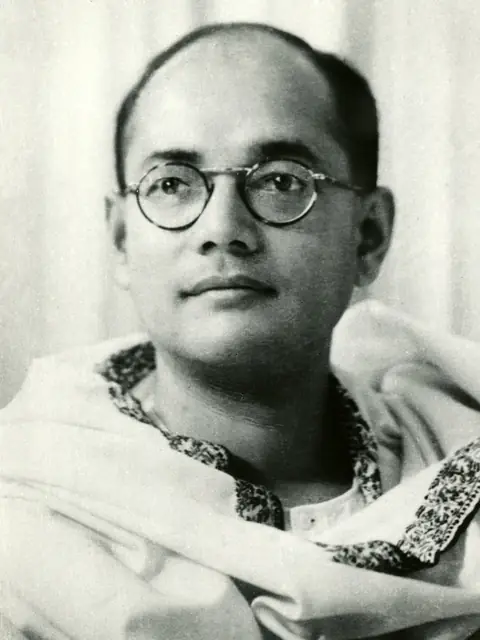 1944
Netaji Subhas Chandra Bose
In 1944 he led the Azad Hind Fauj into Bharat alongside the Japanese at Kohima and Imphal, and on 14 April 1944 its tricolour was raised at Moirang in Manipur.
15 · Independent Bharat1947 CE–today
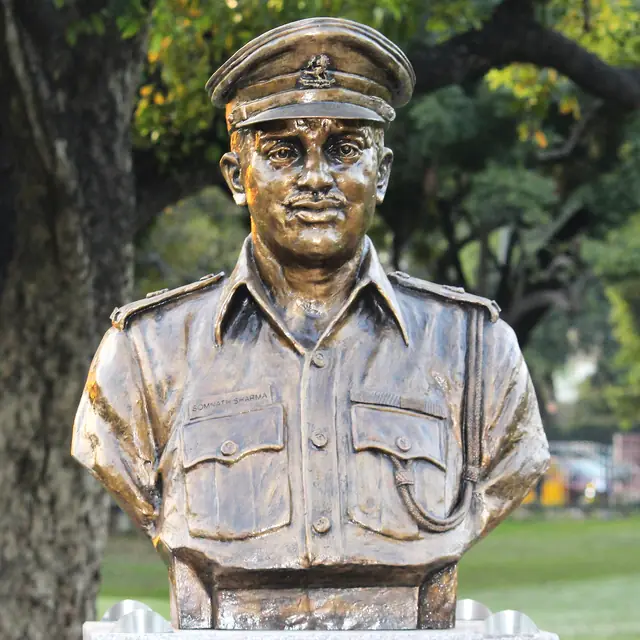 1947
Major Somnath Sharma, PVC
On 3 November 1947 at Badgam, his arm in plaster, he held off a raider force many times his company’s size outside Srinagar airfield until reinforcements came, and was killed by a mortar shell.
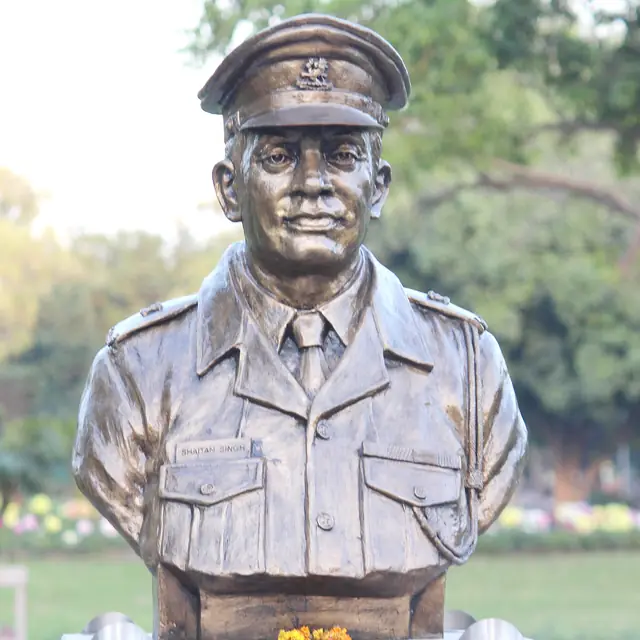 1962
Major Shaitan Singh, PVC
On 18 November 1962 at Rezang La in Ladakh he led C Company, 13 Kumaon, in a fight to the last man against the Chinese assault, and fell with almost all his men.
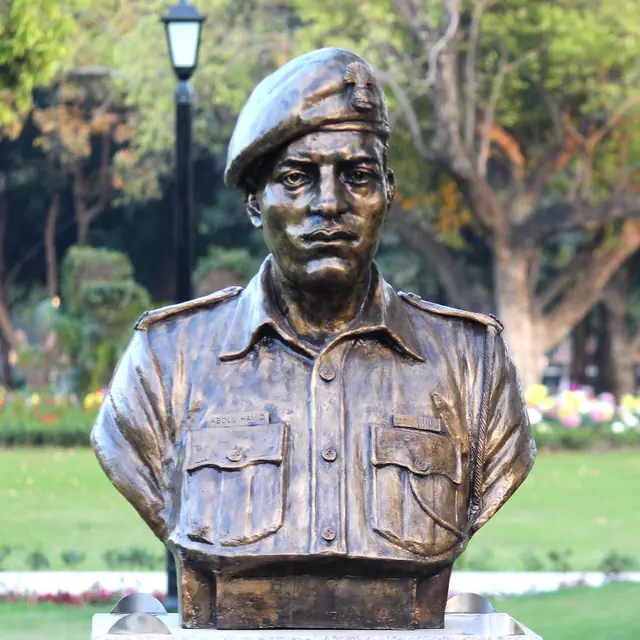 1965
CQMH Abdul Hamid, PVC
On 10 September 1965 at Asal Uttar in the Khem Karan sector he knocked out Pakistani Patton tanks one after another with his jeep-mounted recoilless gun and was killed at his post.
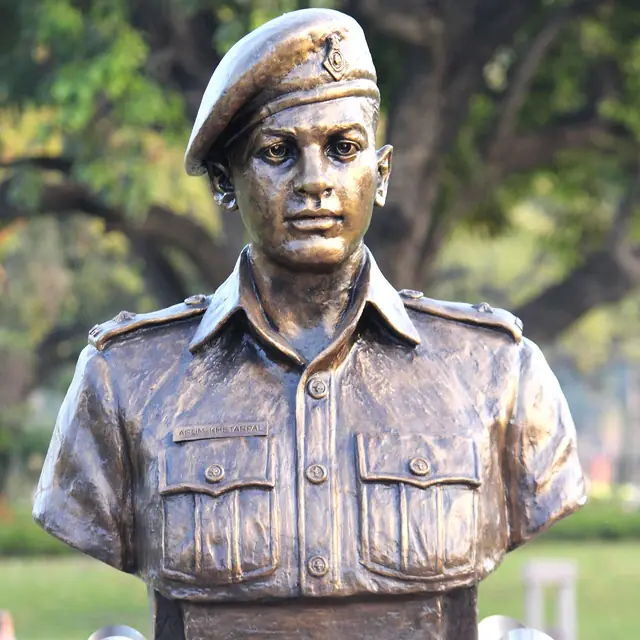 1971
2nd Lt Arun Khetarpal, PVC
On 16 December 1971 at Basantar in the Shakargarh sector the 21-year-old of the Poona Horse kept fighting his burning Centurion tank, destroyed several Pakistani tanks and refused to fall back.
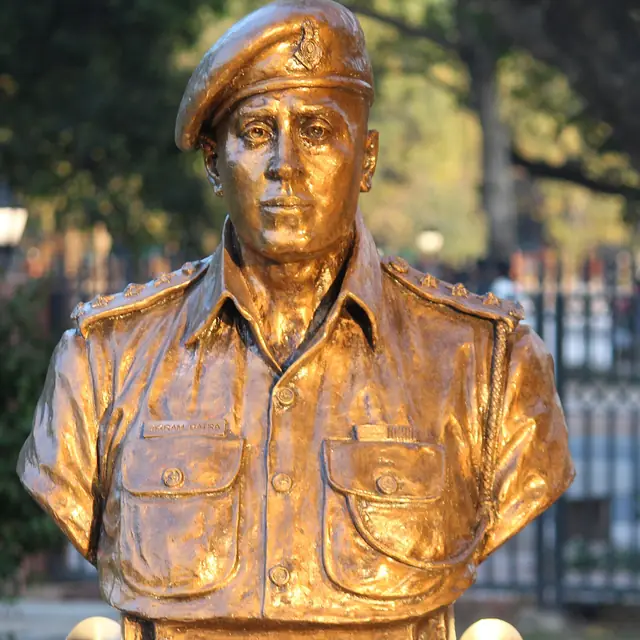 1999
Captain Vikram Batra, PVC
On 20 June 1999 he took Point 5140 in the Dras sector with 13 JAK Rifles, signalling ‘Yeh dil maange more’, and fell on Point 4875 on 7 July 1999 while rescuing a wounded officer.