01Thanesar and the lion to the Huna deer
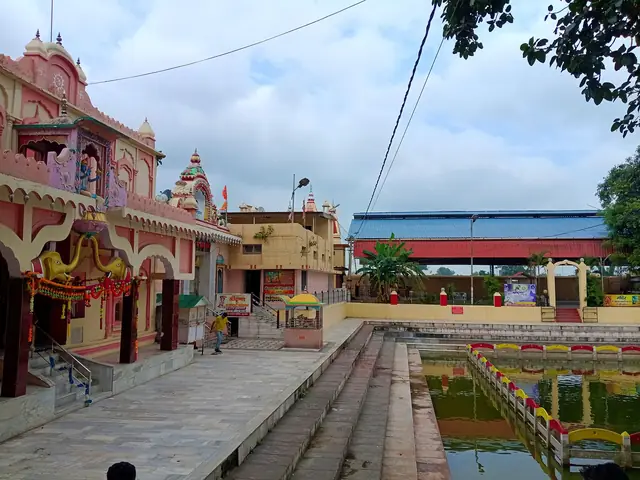
Sthanvishvara took its name from the shrine of Sthanu, Mahadev, at the heart of the Kurukshetra country. Bana calls Prabhakaravardhana huna-harina-kesari, a lion to the Huna deer, and lists the peoples he troubled: the Sindhu king, the Gurjaras, the Gandhara lord and the people of Lata and Malava. Prabhakaravardhana was a devotee of Surya and recited the Aditya-hridaya daily, Bana says. He married his daughter Rajyashri to the Maukhari Grahavarman of Kannauj, tying the two strongest houses of the north together.
02Harsha takes up the sword
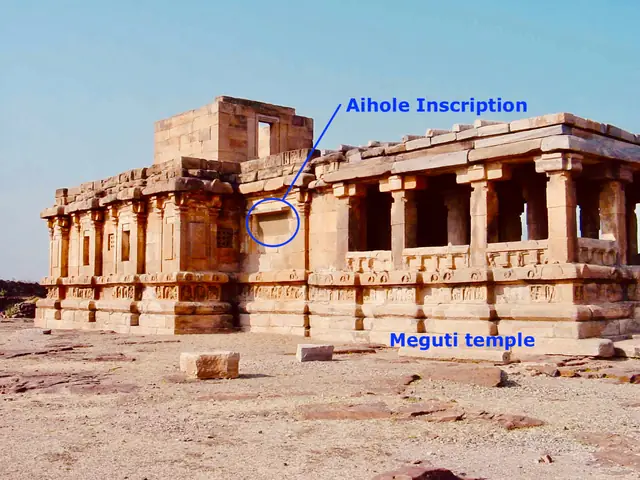
Within months of Prabhakaravardhana’s death Grahavarman was killed, Rajyashri imprisoned, and Rajyavardhana, who had defeated the Malwa army, murdered by Shashanka of Gauda. Harsha, sixteen, became king in 606; the Harsha era is counted from that year. He saved his sister from the pyre in the Vindhya forest and ruled Kannauj in her name and his own. Over the next years he brought most of the Ganga plain, Punjab and Malwa under him, with Bhaskaravarman of Kamarupa as ally. When he turned south, Pulakeshin II of Badami stopped him at the Narmada; the Aihole inscription of 634 says Harsha’s joy (harsha) melted away.
03The court of Kannauj
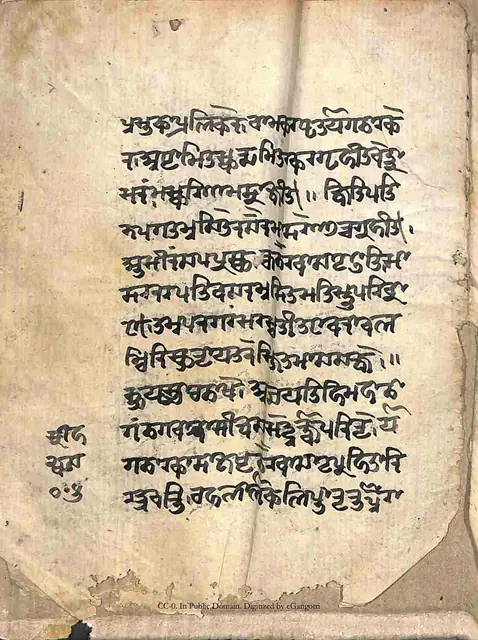
Harsha wrote three Sanskrit plays, Ratnavali, Priyadarshika and Nagananda, and kept Banabhatta, author of the Harshacharita and Kadambari, at his court. Xuanzang stayed with him in the early 640s and describes the assembly at Kannauj in 643, and the great gathering at Prayaga held every five years, where Harsha gave away all his treasure over seventy-five days and then begged a garment from Rajyashri. In 641 he sent an embassy to the Tang emperor. He died in 647 without an heir, and his empire fell apart at once.
The rulers
- 1PushyabhutiFounder, in Bana’s accountc. early 6th century CE
- 2NaravardhanaFirst in the copper plate genealogyc. 500–525 CE
- 3Rajyavardhana Ic. 525–555 CE
- 4Adityavardhanac. 555–580 CE
- 5PrabhakaravardhanaFirst maharajadhiraja of the line; fought the Hunasc. 580–605 CE
- 6Rajyavardhana IIMurdered by Shashanka605–606 CE
- 7HarshavardhanaRuled from Kannauj; playwright606–647 CE
What they left
- The Harsha era from 606 CE
- Harshacharita and Kadambari of Banabhatta
- Harsha’s plays Ratnavali, Priyadarshika and Nagananda
- The Prayaga gatherings described by Xuanzang