
Bharat fought back for more than a thousand years. The Arabs were held at Sindh for three centuries, Kashmir turned back Mahmud of Ghazni, the Ahoms beat the Mughals at Saraighat, and by the 1750s the Marathas were the leading power in India. Unlike Persia or Egypt, most of the land never changed its faith.
The proof
- The Navsari copper plates of about 739 CE record the Chalukya general Avanijanashraya Pulakeshin defeating the Tajikas (Arabs) who had overrun Sindh, Kachchh and Saurashtra.
- Mahmud of Ghazni besieged Lohkot in Kashmir in 1015 and again in 1021 and failed both times.
- Lachit Borphukan’s Ahom navy defeated the Mughal fleet at Saraighat on the Brahmaputra in 1671.
01The claim
The picture is of a passive land: Greeks, Shakas, Huns, Arabs, Turks, Mughals and British walking in one after another, each finding a population that bowed and paid. It flatters every conqueror and it was useful to the last one, since a people who never resisted could be told they needed ruling. Indians who repeat it in shame make the same mistake from the other side.
02636 to 1206: the long wall
The Arabs reached Sindh by sea and land in the 7th century, took it in 712, and then stopped. The Gurjara-Pratiharas under Nagabhata I, Bappa Rawal of Mewar and the Chalukyas of Gujarat broke their eastward raids around 738–39. Kabul and Gandhara were held by the Hindu Shahis against Ghazni for a generation; Jayapala and Anandapala lost, but they fought. Lohkot in Kashmir defeated Mahmud twice. Prithviraj Chauhan beat Muhammad Ghori at Tarain in 1191 before losing there in 1192. It took the Turks more than five centuries from the first Arab raid to rule at Delhi.
031206 to 1818: kingdoms that stood
Vijayanagara ruled the south from 1336 and kept its temples full for more than two centuries. Mewar never accepted Mughal rule under Pratap. The Ahoms held Assam for six hundred years and threw back Mughal attack after attack; Saraighat in 1671 was the most famous. The Sikh Gurus and their Khalsa took on the empire in Punjab. The Marathas fought Aurangzeb from 1681 until he died in the Deccan in 1707, then carried their flag to Attock by 1758. When the British came, they took India mostly from Indian powers, the Marathas and the Sikhs above all.
04Resistance of another kind
Not all resistance was fought with swords. Families carried idols to safety and brought them back generations later. Pilgrims kept walking to Kashi and Mathura when the temples there were broken. Saints such as Tulsidas, Tukaram and Shankardev kept dharma alive in the people’s own languages. Persia, Egypt and much of Central Asia changed faith within a few centuries of conquest. After more than a thousand years of pressure, Bharat is still nearly four-fifths Hindu. That outcome is itself evidence that Hindus resisted.
05What to read
R. C. Majumdar’s volumes The Age of Imperial Kanauj (1955), The Struggle for Empire (1957) and The Delhi Sultanate (1960) in the Bharatiya Vidya Bhavan series cover the long resistance from Indian and foreign sources. Jadunath Sarkar’s History of Aurangzib (1912–24) and Shivaji and His Times (1919) cover the Maratha war. For the North-East, read S. K. Bhuyan’s editions of the Ahom Buranjis. And read Marx’s 1853 article, to see how the idea was put.
Read on
The long resistance: Sindh to Tarain
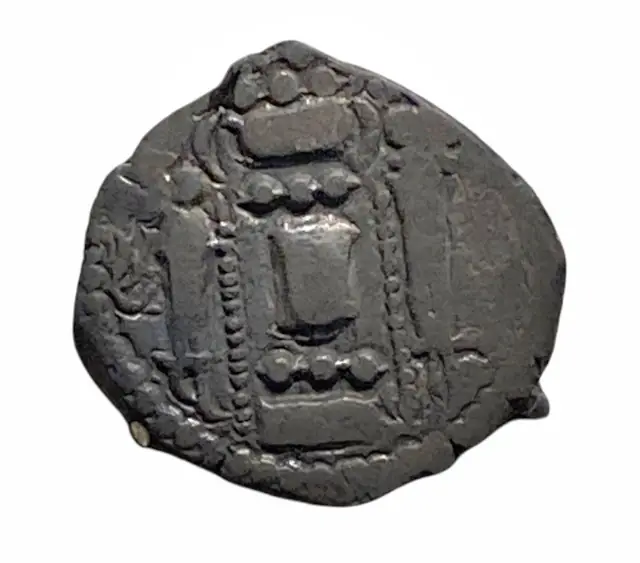
The Rajasthan and Gujarat resistance to the Arabs
After Sindh fell, Arab governors raided deep into Rajasthan, Malwa and Gujarat. Within fifteen years the Pratiharas, the Chalukyas of Lata and their allies had thrown them back for good.
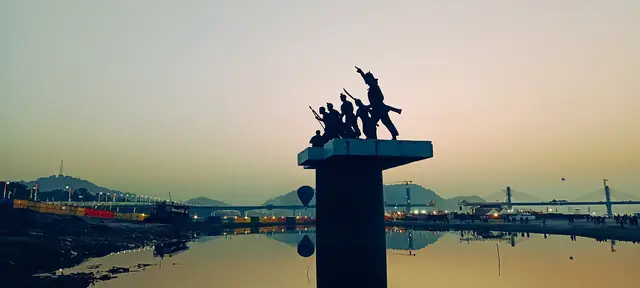
Battle of Saraighat
The last and decisive battle of Ram Singh’s invasion was fought on the river at Guwahati. Lachit Borphukan, gravely ill, had himself carried onto a boat and led the counter-attack.
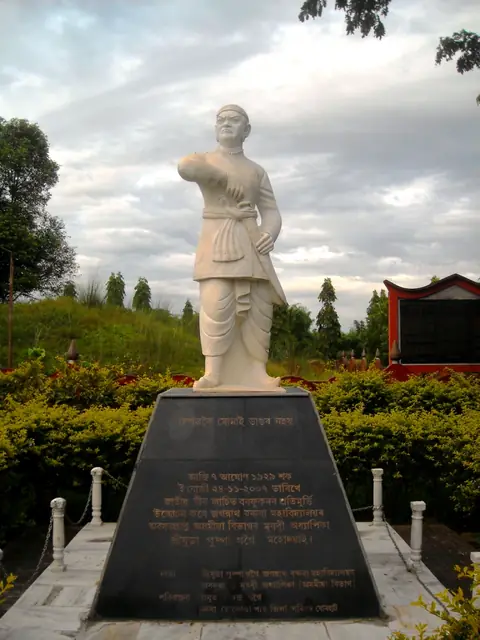
Lachit Borphukan
Lachit, Borphukan (commander) of the Ahom army, recovered Guwahati from the Mughals in 1667 and in March 1671 destroyed the Mughal fleet of Raja Ram Singh of Amber in the river battle of Saraighat on the Brahmaputra, ending Mughal hopes of taking Assam.
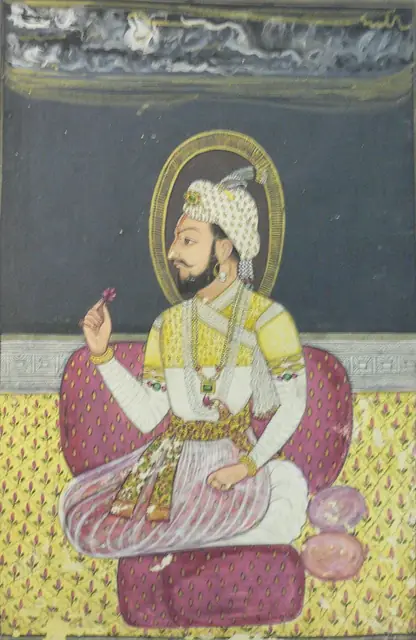
The Mughal–Maratha War of 27 Years
Aurangzeb came south with the full strength of his empire in 1681 and never went back. For twenty-six years three Maratha rulers and a handful of great generals wore his armies down.
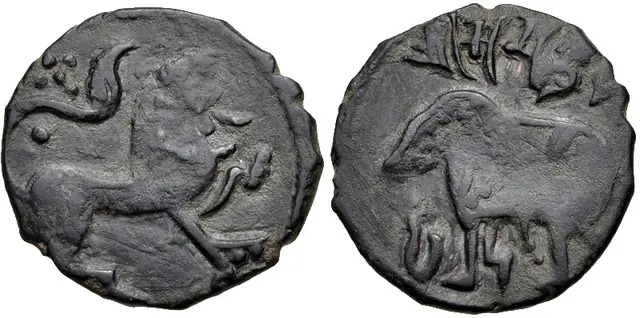
Hindu Shahis of Kabul and Udabhandapura
A Brahmin minister founded this house in the Kabul valley, and for two hundred years it stood between India and the armies coming from the west. Jayapala, Anandapala and Trilochanapala fought Ghazni until the line ended in 1026.