01Shahu and the Peshwas
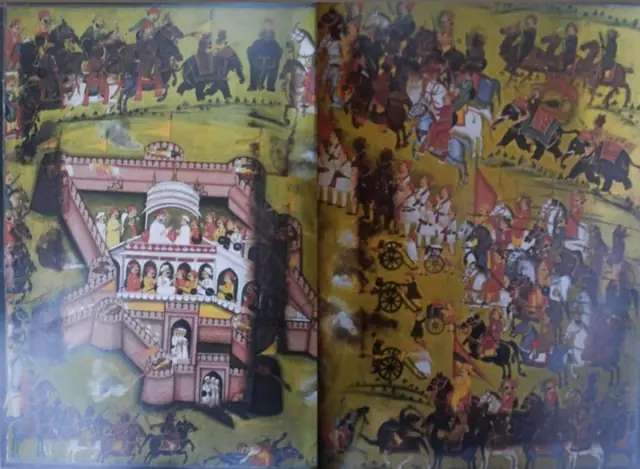
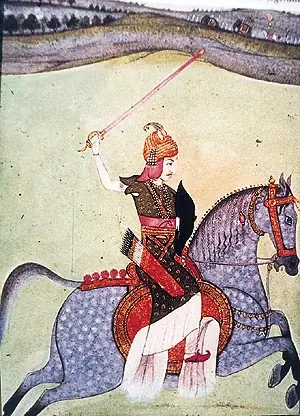
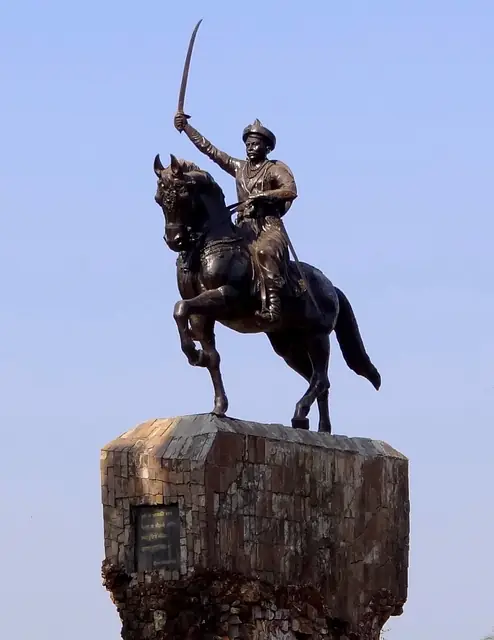
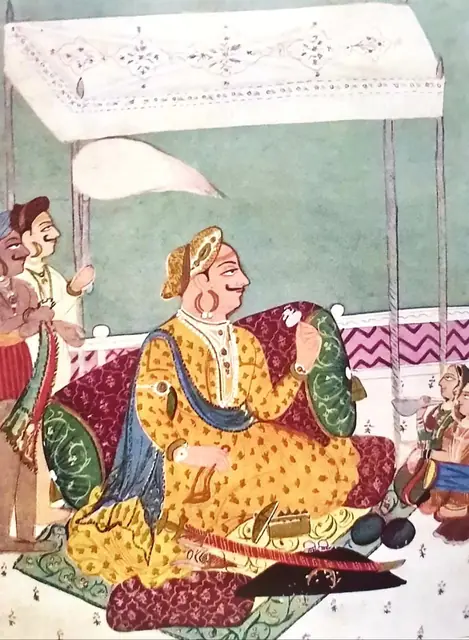
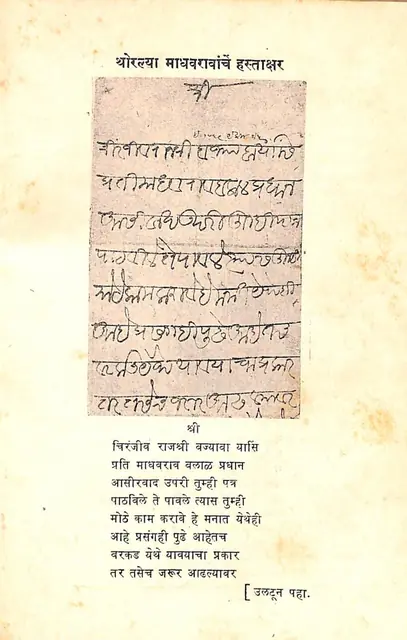
When Aurangzeb died, his heirs released Shivaji’s grandson Shahu, hoping he would split the Marathas. He did for a time, but Shahu won Satara and in 1713 made the Chitpavan Brahmin Balaji Vishwanath his Peshwa. In 1719 Balaji marched to Delhi and came back with imperial grants for chauth and sardeshmukhi across the Deccan. His son Bajirao I, Peshwa from 1720 to 1740, is remembered as a general who never lost a battle. He trapped the Nizam at Palkhed in 1728, rescued the aged Chhatrasal Bundela from Muhammad Khan Bangash in 1729, rode to the outskirts of Delhi in 1737 and beat the Nizam again at Bhopal. His brother Chimaji Appa took Vasai from the Portuguese in 1739.
02Holkar, Scindia, Gaekwad, Bhonsle
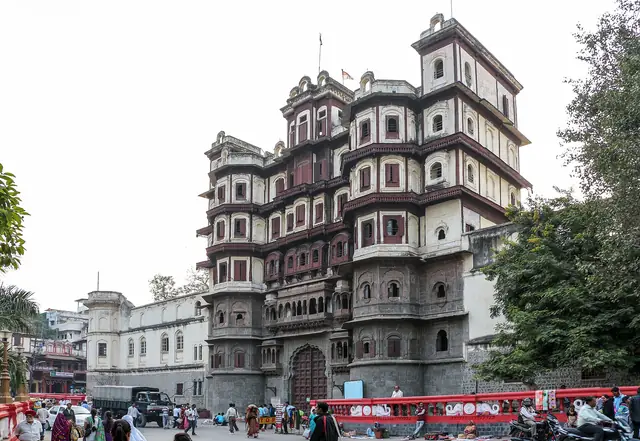
Bajirao raised men of humble families to command. Malhar Rao Holkar, a shepherd’s son, founded the house of Indore; Ranoji Scindia, once a slipper-bearer by the old story, founded Gwalior’s; the Gaekwads took Baroda and the Bhonsles Nagpur. Together they formed the Maratha confederacy, loyal in name to the Chhatrapati at Satara and in practice to the Peshwa at Pune. By the 1750s Maratha power ran from Thanjavur, where a Bhonsle line had ruled since the 1670s, to the Punjab, and from Gujarat to Cuttack. The Mughal emperor in Delhi survived as their ward; in 1752 the Marathas formally took on the defence of his throne.
03Panipat, 1761, and the return
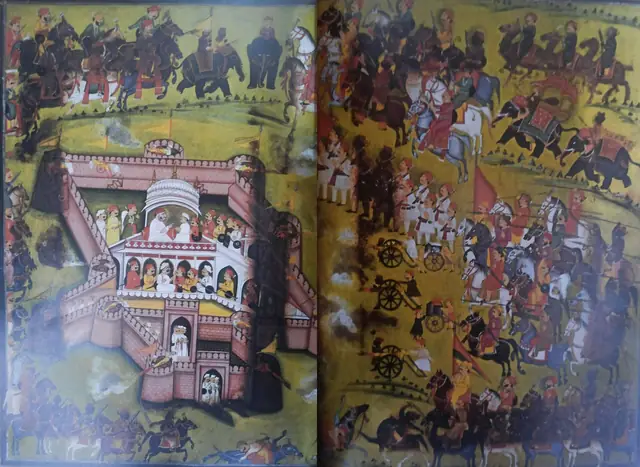
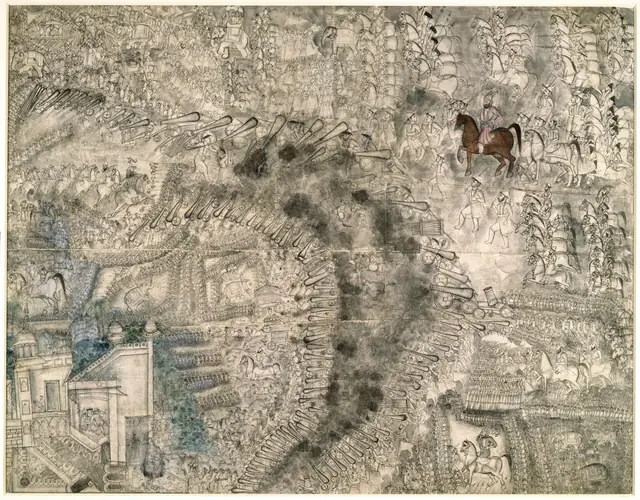
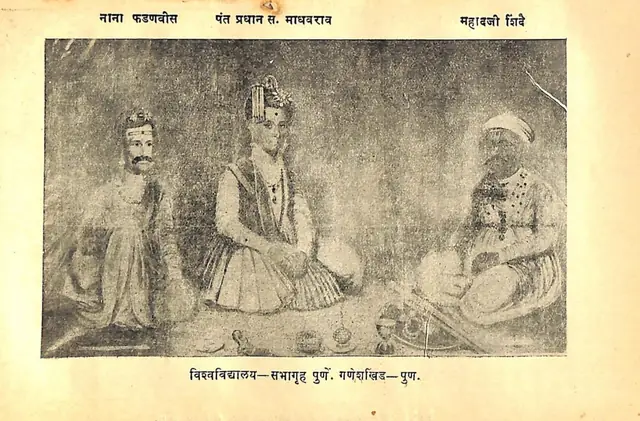
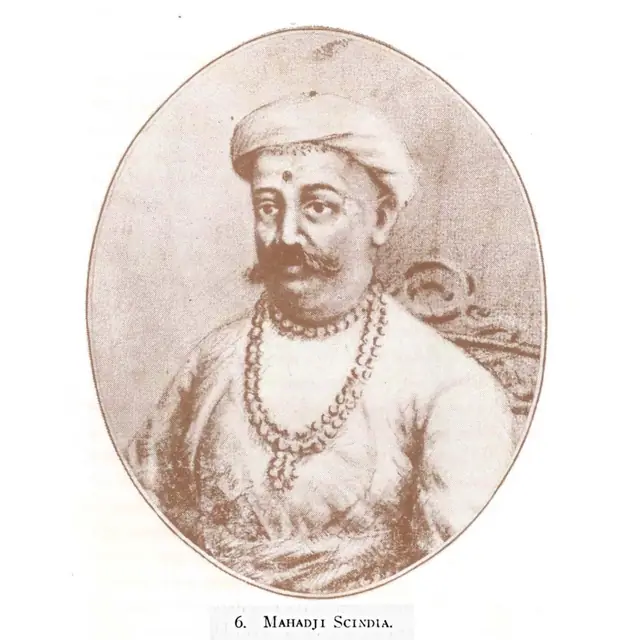
Ahmad Shah Abdali of Afghanistan came down in 1759. Sadashivrao Bhau led the Maratha army north, took Delhi, and dug in at Panipat through a winter of hunger. On 14 January 1761 the armies met. By afternoon the Peshwa’s son Vishwasrao had been killed, Bhau was dead, and tens of thousands of soldiers and camp followers lay on the field or were slaughtered in the pursuit. Yet Abdali, his own losses heavy, went home and never returned in force. Within ten years the young Peshwa Madhavrao I had restored Maratha power, and in 1772 Mahadji Scindia brought the emperor Shah Alam II back to Delhi under Maratha protection.
04Ahilyabai and the rebuilding of the tirthas
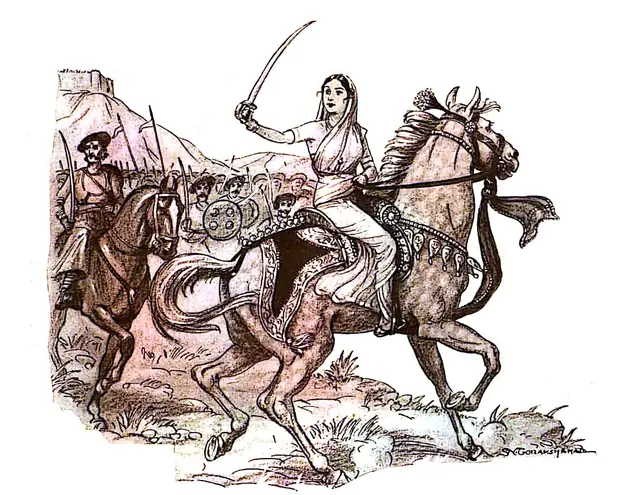
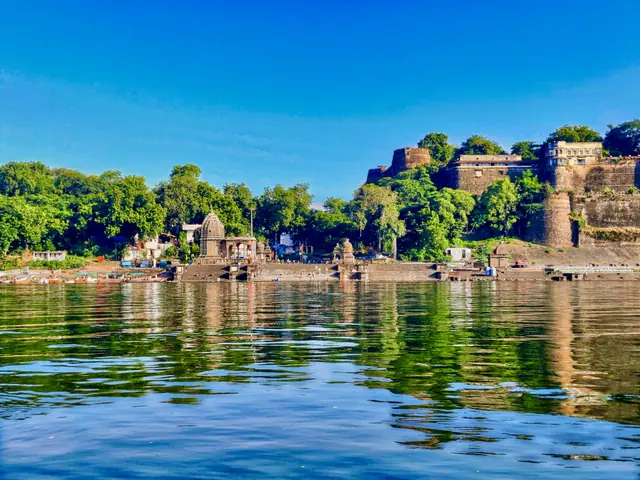
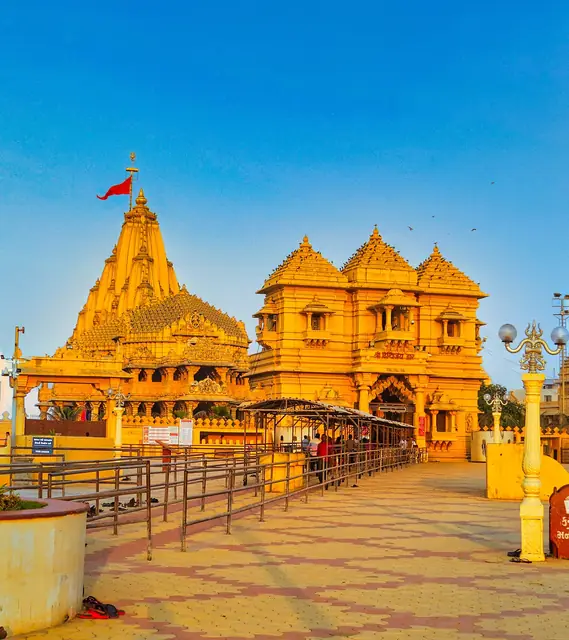
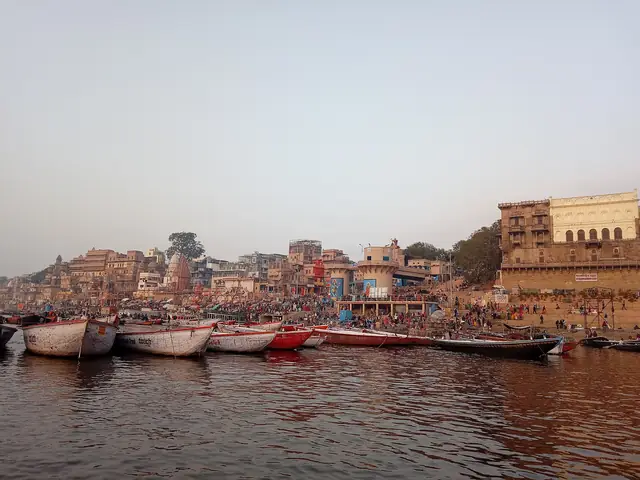
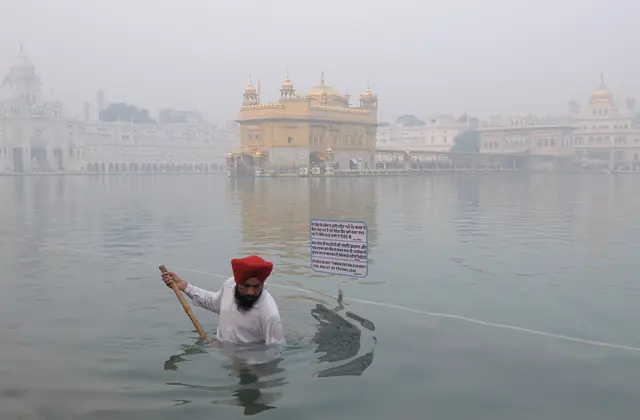
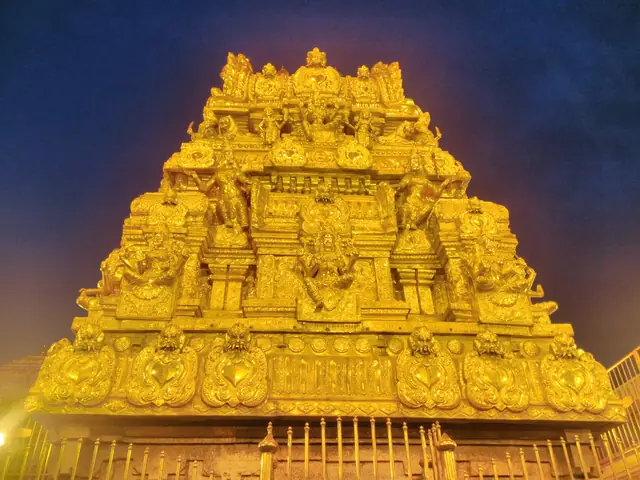
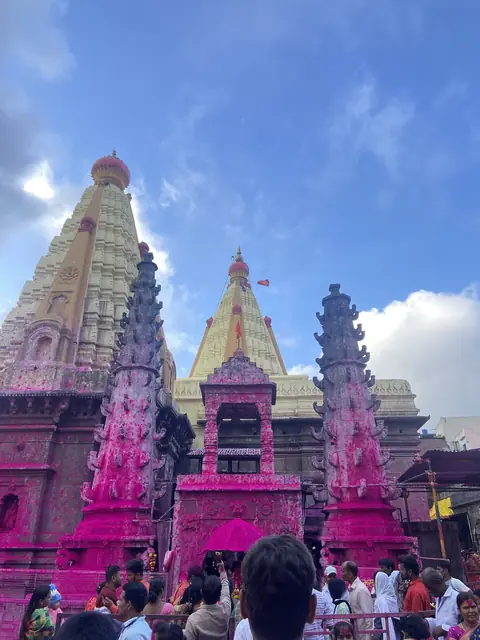
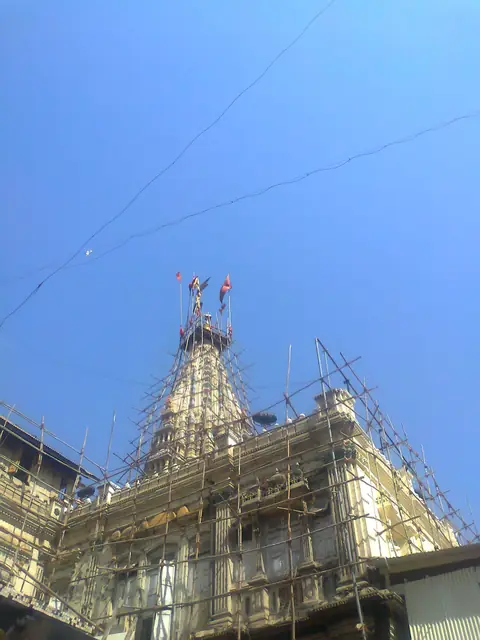
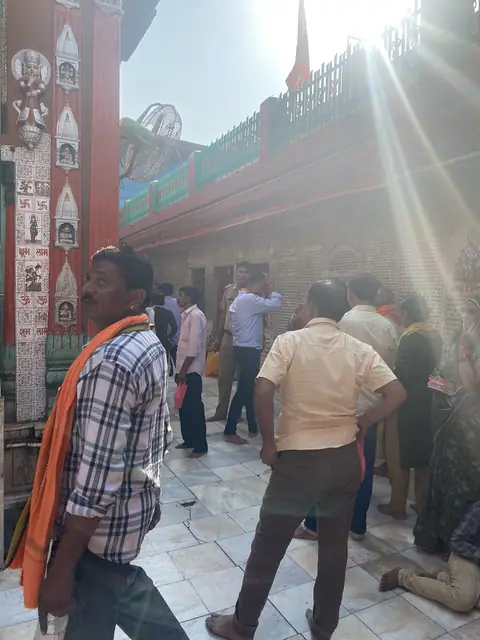
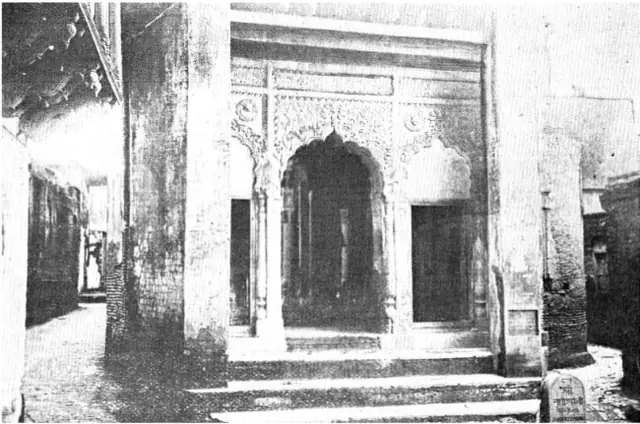
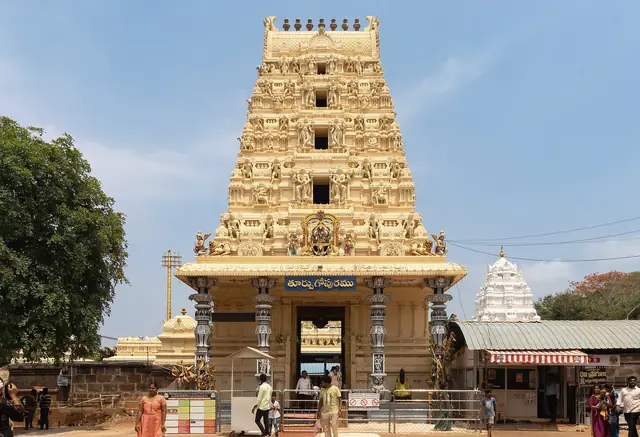
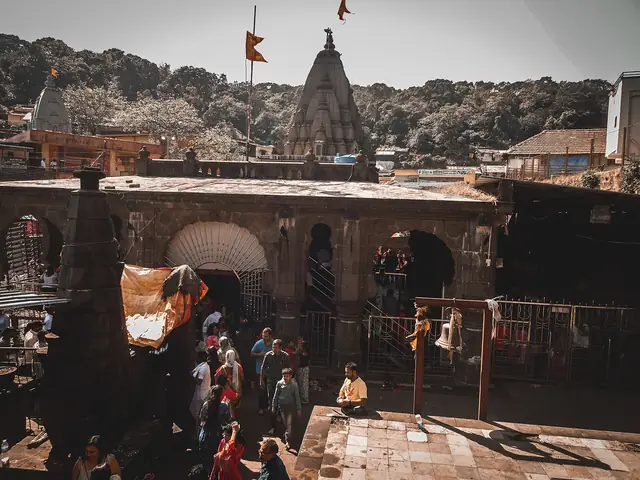
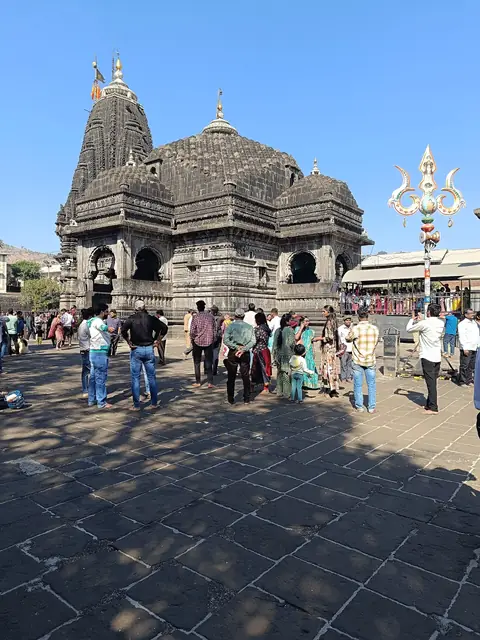
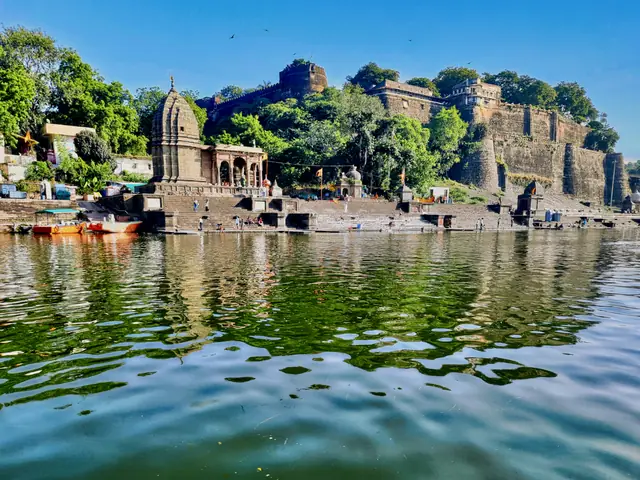
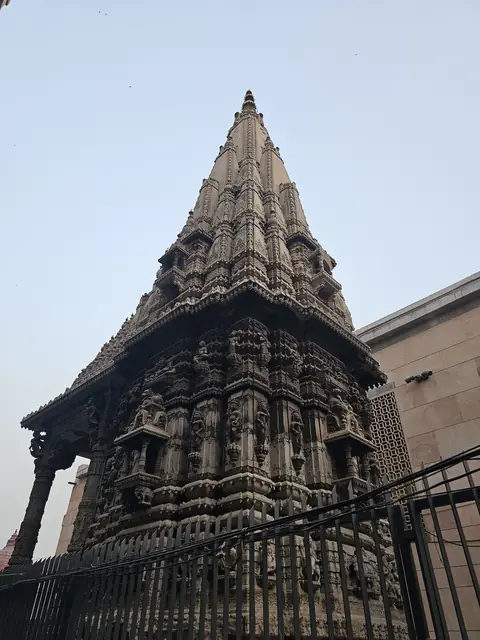
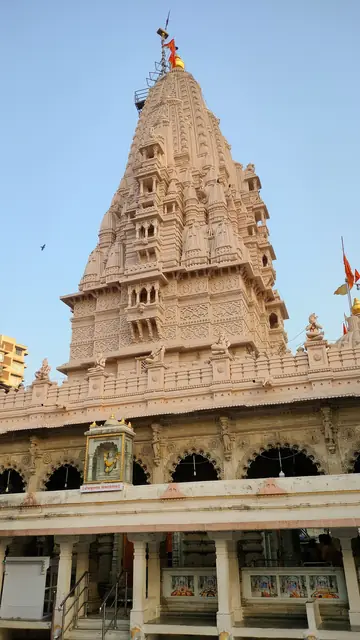
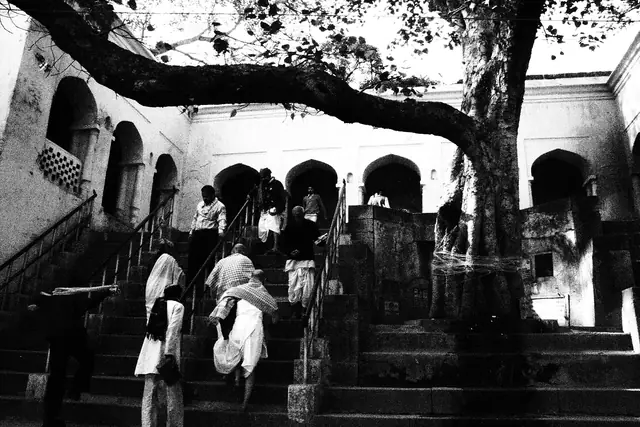
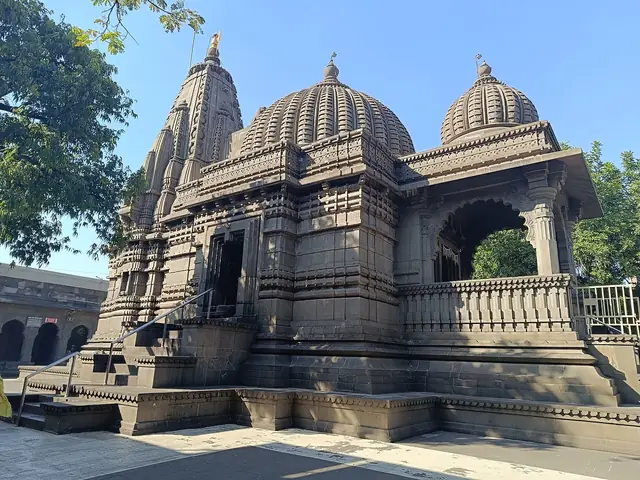
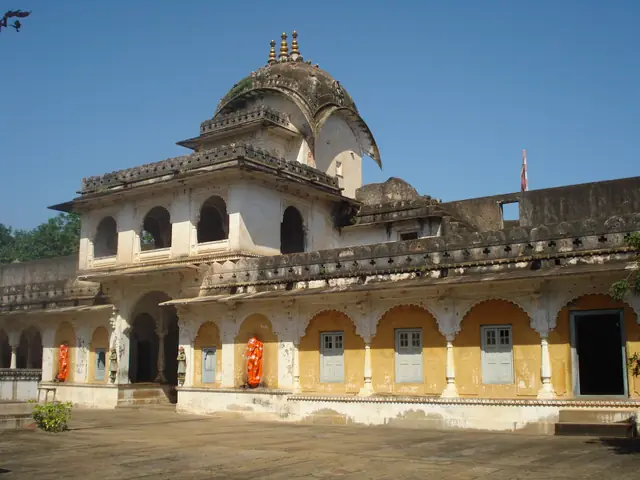
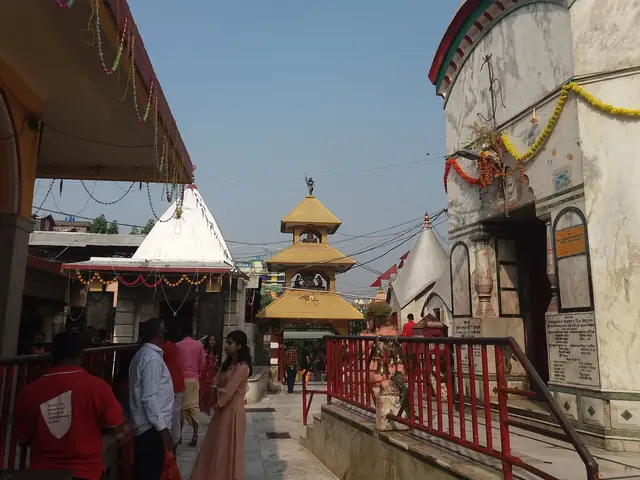
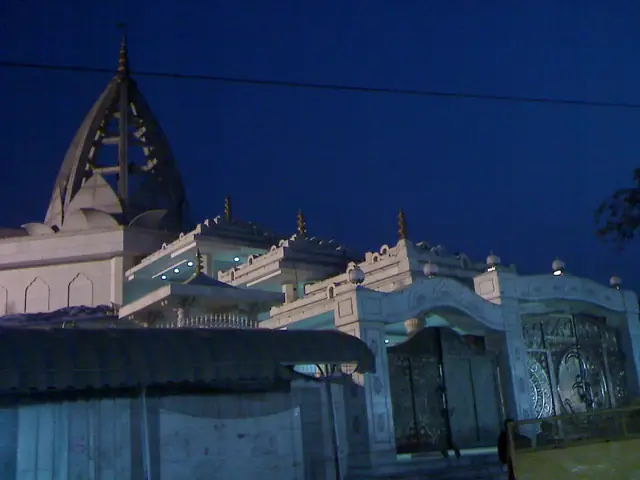
Ahilyabai Holkar ruled Indore from Maheshwar on the Narmada from 1767 to 1795. She is the queen who gave back to Bharat its broken tirthas. In 1780 she built the present Kashi Vishwanath temple beside the Gyanvapi site; in 1783 she raised a new Somnath temple near the ruined one; she rebuilt the Vishnupad at Gaya in 1787, and built ghats, dharmashalas and wells from Kedarnath to Rameswaram. Grishneshwar near Ellora was rebuilt in her time. The Peshwa Nanasaheb began the stone temple at Trimbakeshwar in 1755. In 1835 Maharaja Ranjit Singh sent the gold that covers Kashi Vishwanath’s spire. The Sikhs, whose Harmandir Sahib was blown up by Abdali in 1762, rebuilt it from 1764.
05Banda Singh and Ranjit Singh
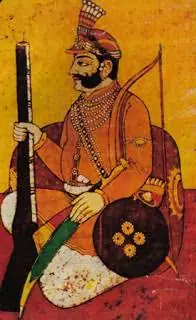
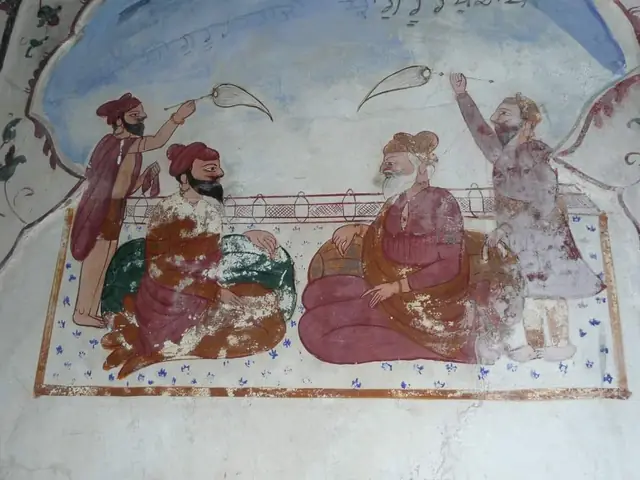
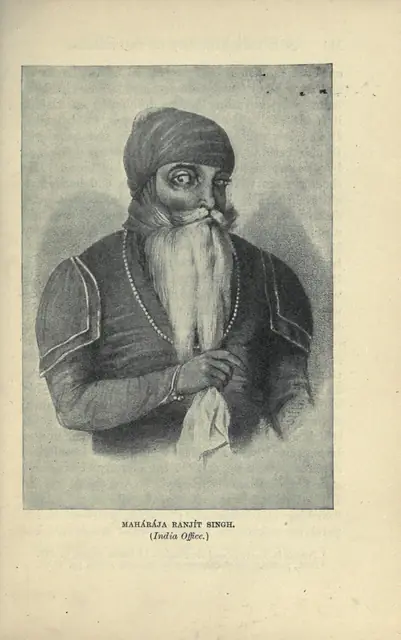
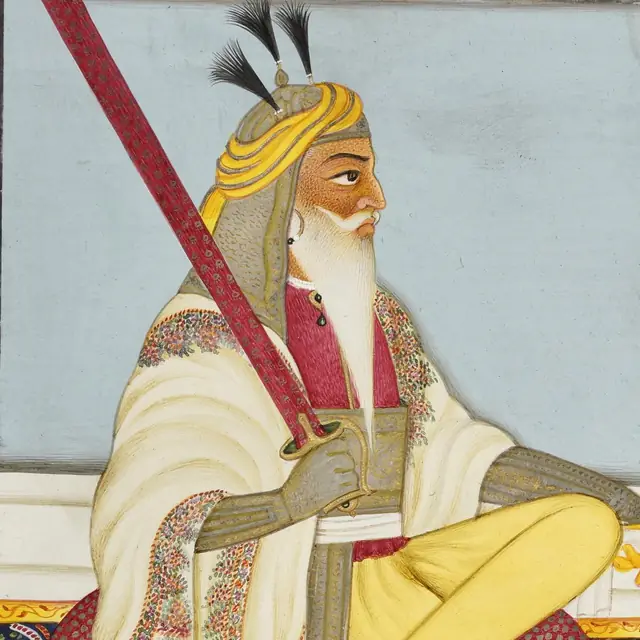
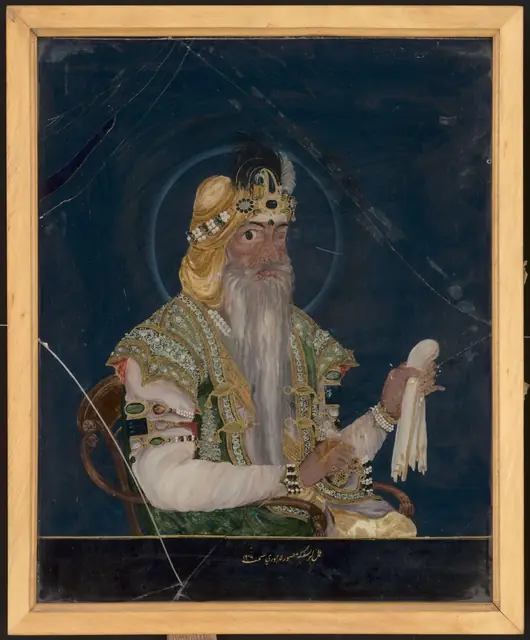
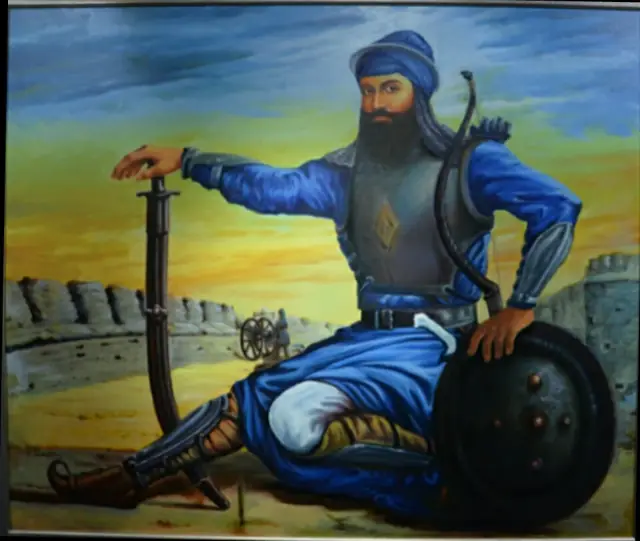
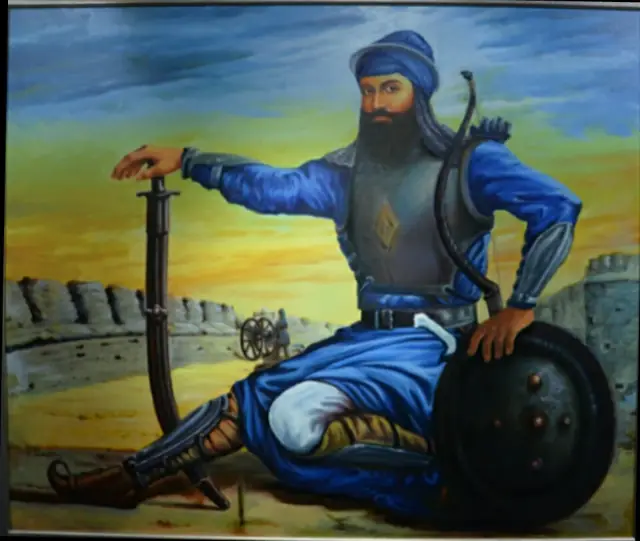
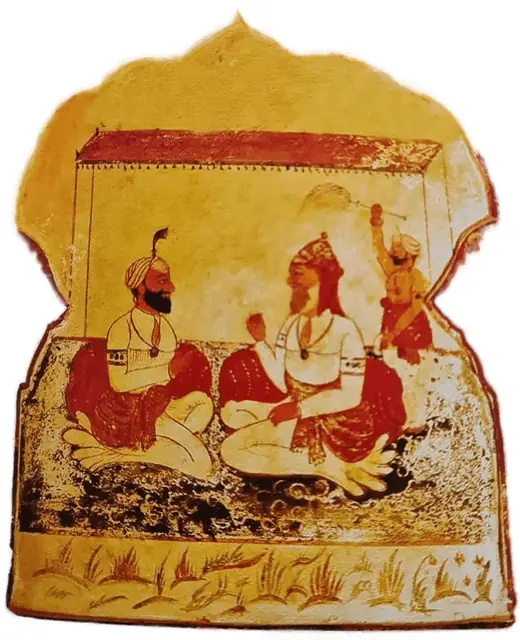
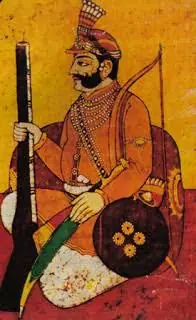
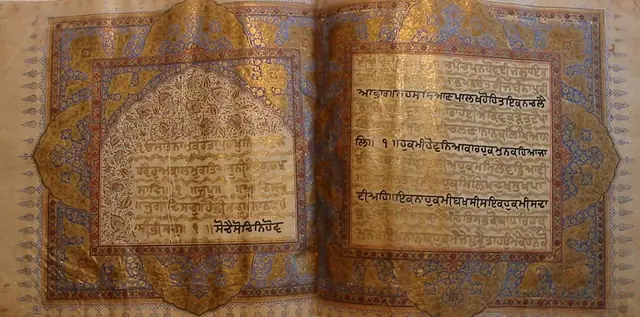
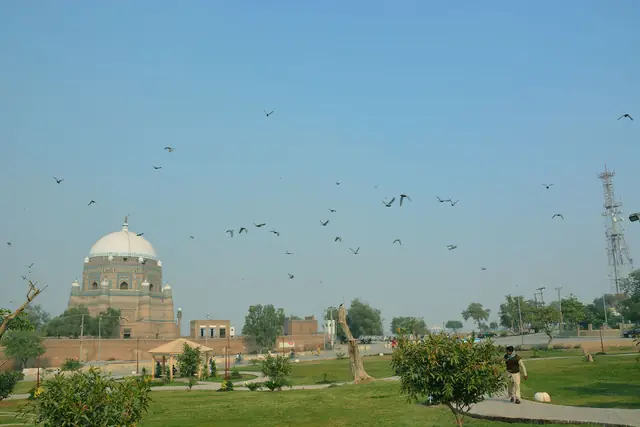
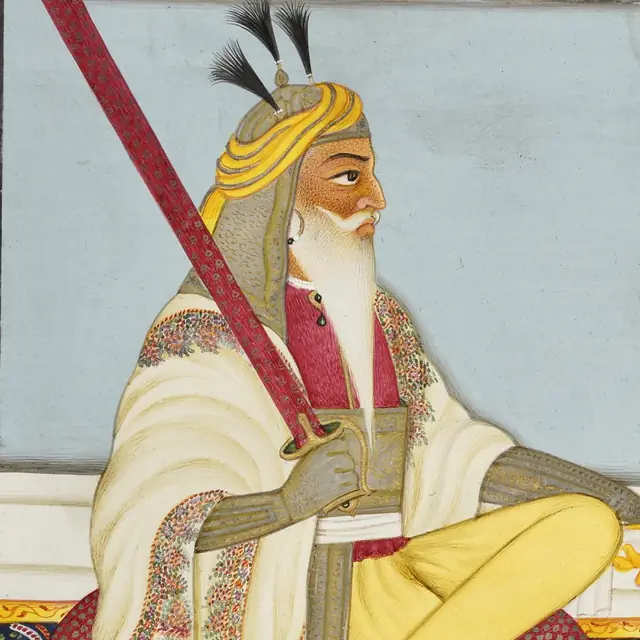
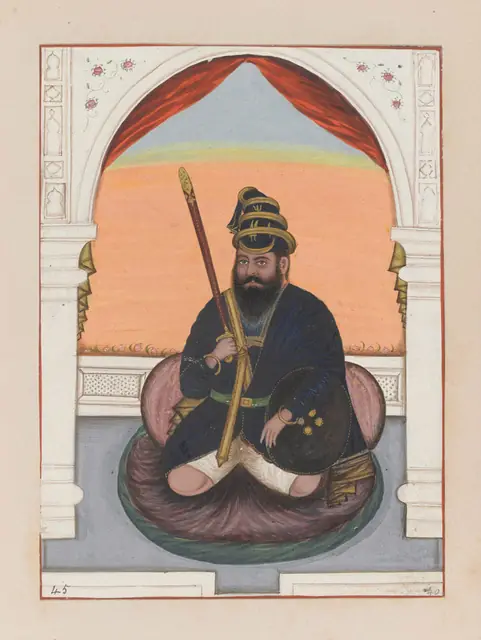
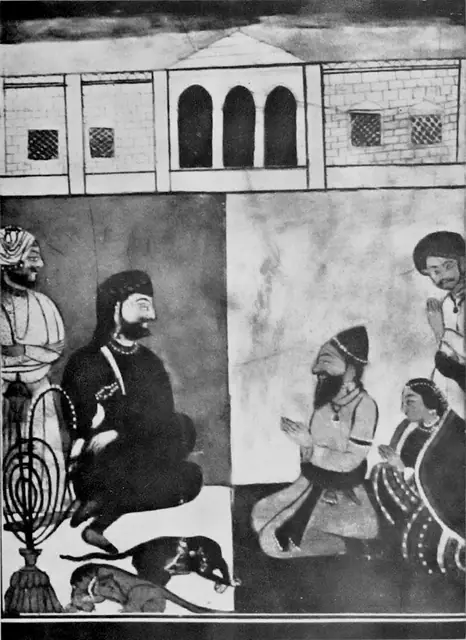
Guru Gobind Singh sent Banda Singh Bahadur to the Punjab in 1708. In May 1710 Banda’s army defeated the governor of Sirhind, who had walled up the Guru’s two youngest sons, and took the town. He struck coins in the name of the Gurus and gave land to those who tilled it. Captured at Gurdas Nangal, he was put to death in Delhi in June 1716. The Sikhs survived persecution in the hills and forests and rose again as the misls. In 1799 Ranjit Singh took Lahore, and in 1801 he was proclaimed Maharaja. He took Multan in 1818 and Kashmir in 1819, and his general Hari Singh Nalwa held Peshawar from 1834. The Sikh empire was the last great state of Bharat to fall to the British, in 1849.
06Jats, Travancore and the southern chiefs
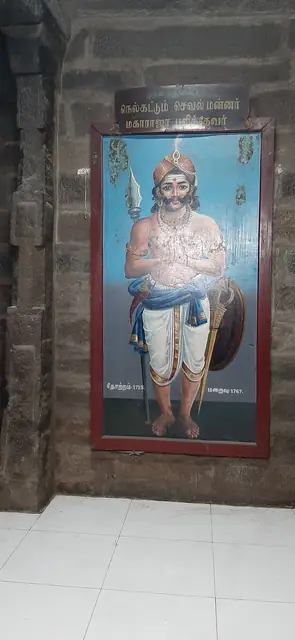
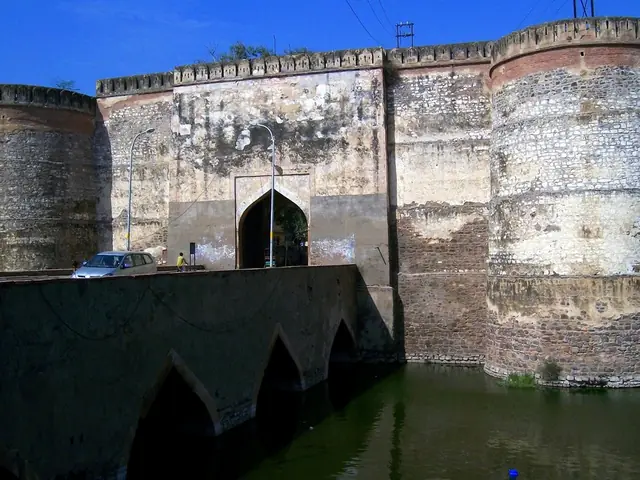
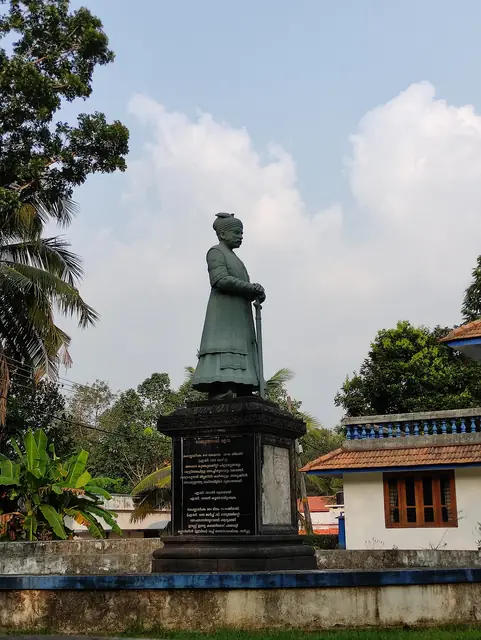
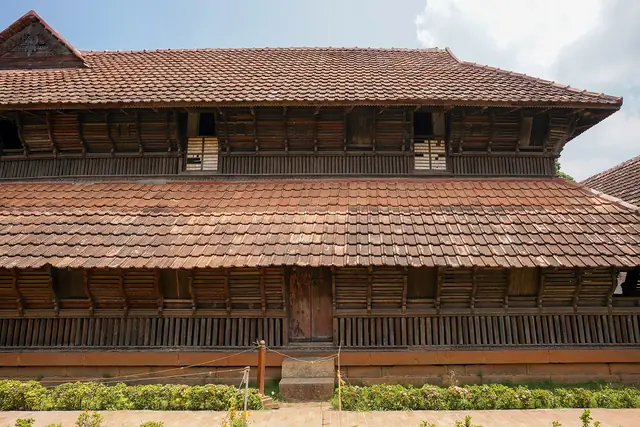
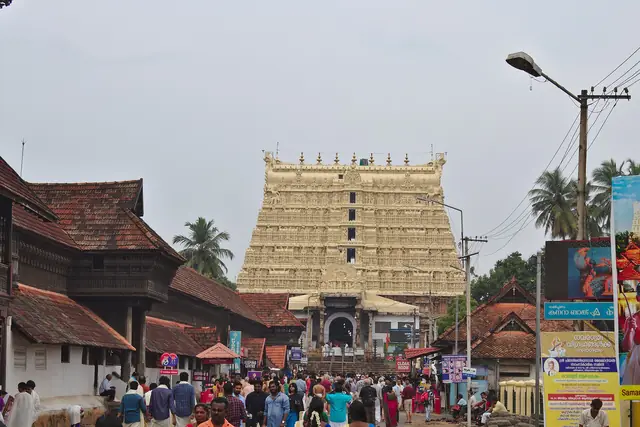
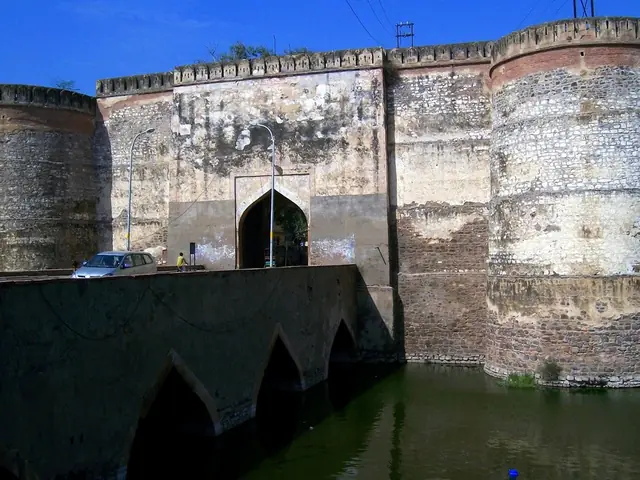
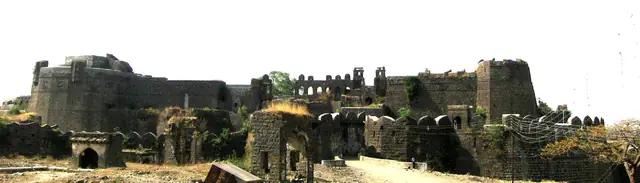
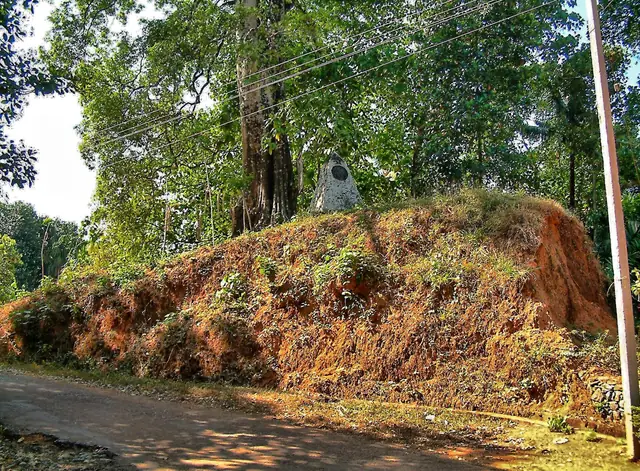
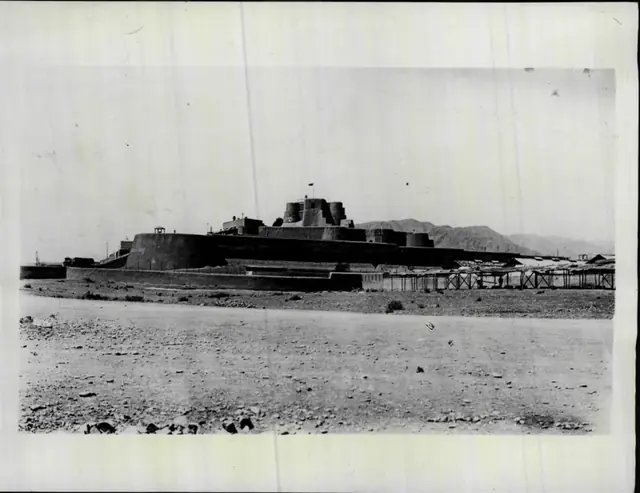
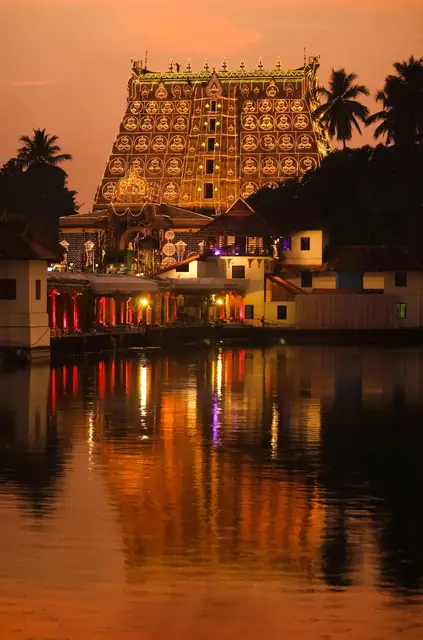
Suraj Mal made Bharatpur and its mud fortress Lohagarh the strongest Jat state, took Agra in 1761 and was killed in battle in 1763. In Travancore, Marthanda Varma defeated the Dutch East India Company at Colachel on 10 August 1741, one of the first defeats of a European power by an Indian state. In January 1750 he laid his sword before Sri Padmanabhaswamy and ruled thereafter as the deity’s servant, the Padmanabha Dasa; he had rebuilt the great temple in Thiruvananthapuram. In the Tamil country, Puli Thevar fought the Nawab of Arcot and the Company in the 1750s, and Velu Nachiyar of Sivaganga won back her kingdom in 1780.
07Mysore and Malabar
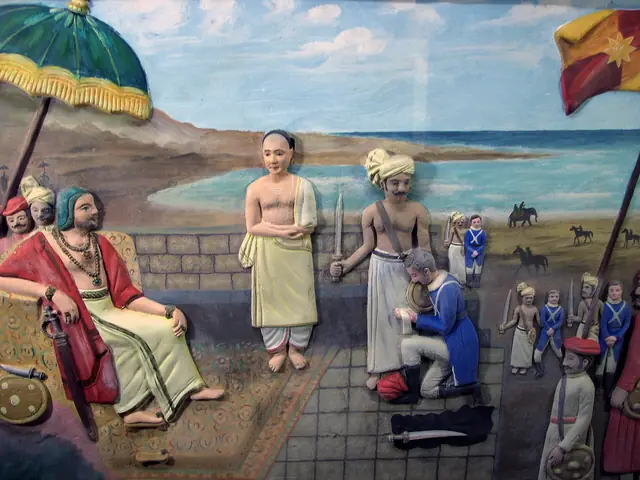
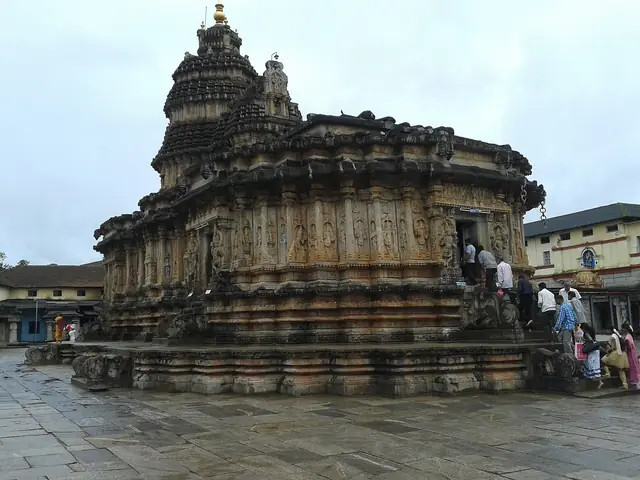
Hyder Ali took power in Mysore from the Wodeyars in 1761, and his son Tipu Sultan ruled from 1782 to 1799. Tipu’s invasion of Malabar in 1788–90 brought the destruction of temples and forced conversions; contemporary accounts gathered in William Logan’s Malabar Manual (1887) record it, and many Nair and Namboodiri families fled to Travancore. Tipu also sent gifts to Sringeri after Maratha horsemen plundered the matha in 1791, and his letters to the Shankaracharya, found at Sringeri and published in 1916, survive. Both are true and both are stated. Tipu was killed at Srirangapatna on 4 May 1799, and the Wodeyars were restored to the throne of Mysore under British control.
08Music, painting and the sky
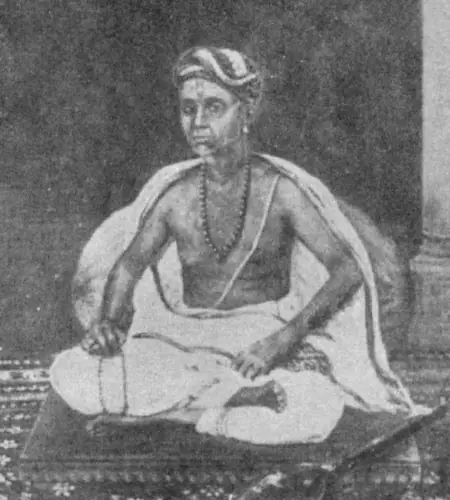
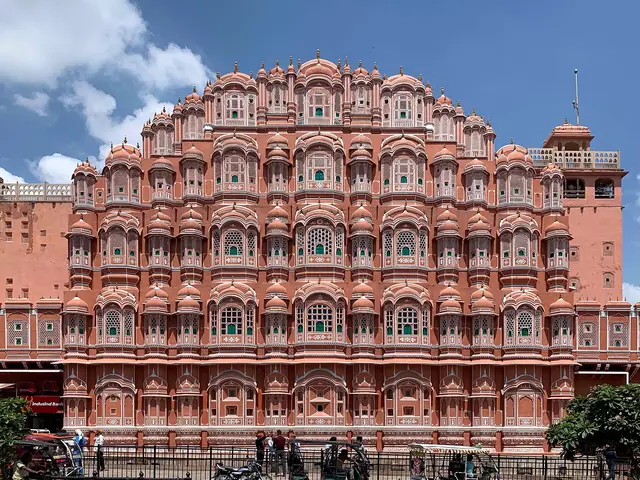
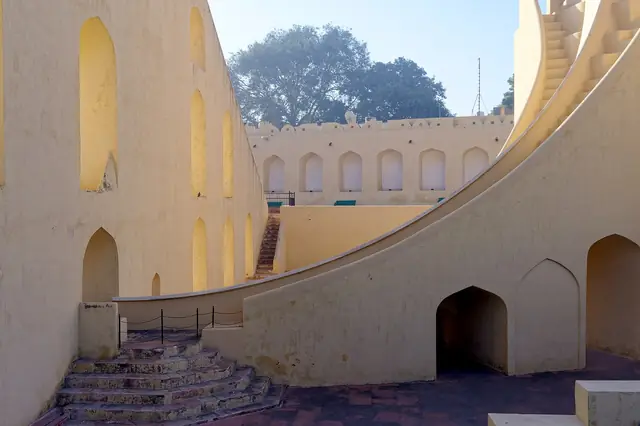
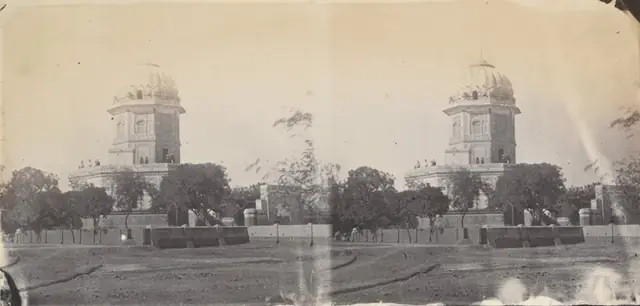
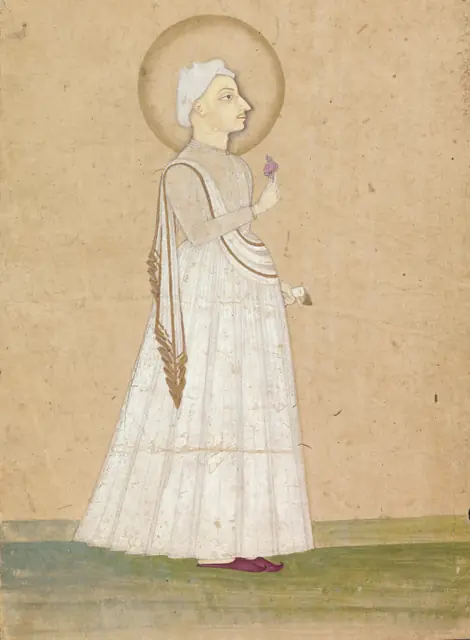
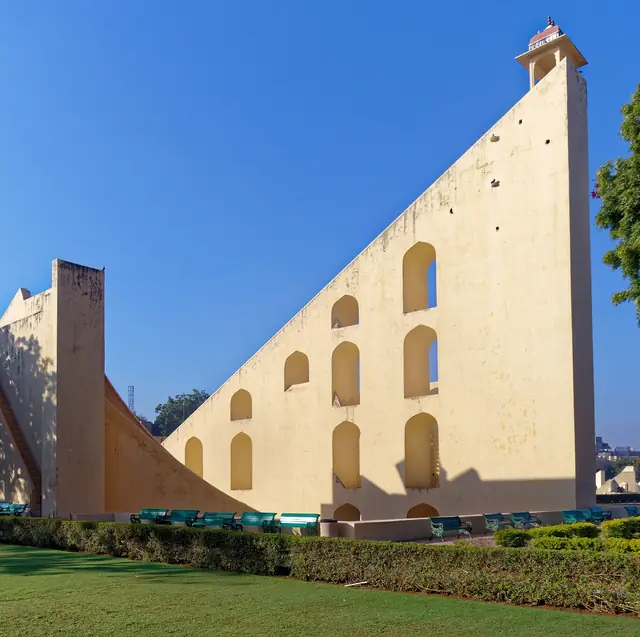
In the temple town of Tiruvarur three composers were born within thirteen years: Syama Sastri in 1762, Tyagaraja in 1767 and Muthuswami Dikshitar in 1775. Their kritis are the core of Carnatic music. In Bengal, Ramprasad Sen sang to Mata Kali. In the Punjab hills, Nainsukh painted at Jasrota and the Kangra painters under Raja Sansar Chand made the Gita Govinda and Bhagavata series that are now in museums across the world; at Kishangarh, Nihal Chand painted Radha as Bani Thani around 1750. Sawai Jai Singh II founded Jaipur in 1727 and raised the stone observatories called Jantar Mantar at Delhi, Jaipur, Ujjain, Mathura and Varanasi.
09Three wars with the Company
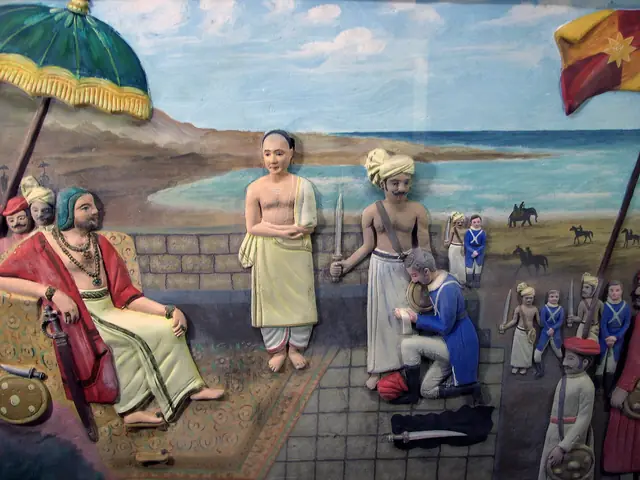
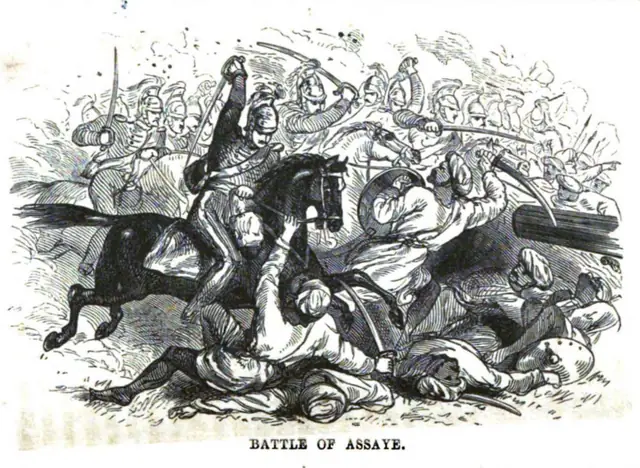
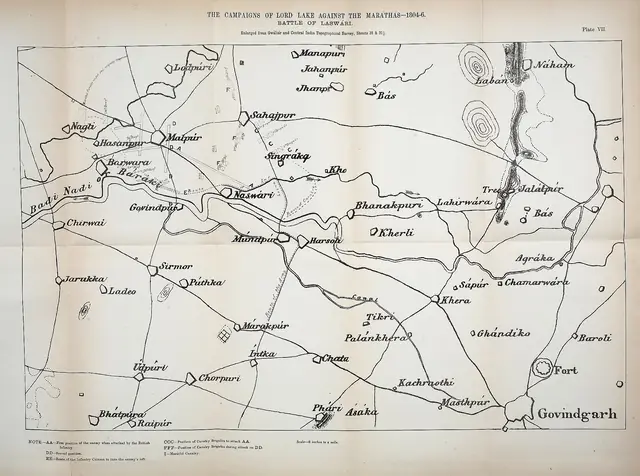
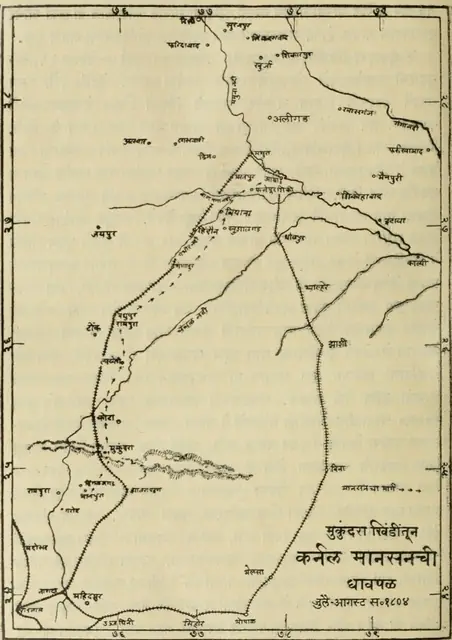
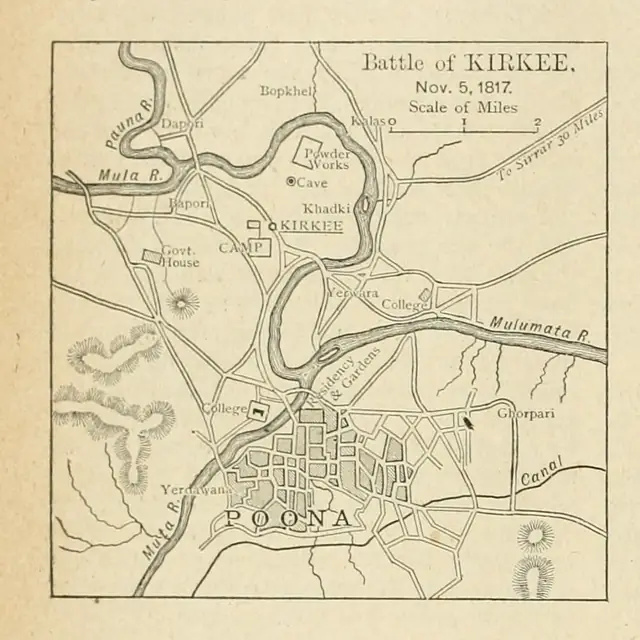
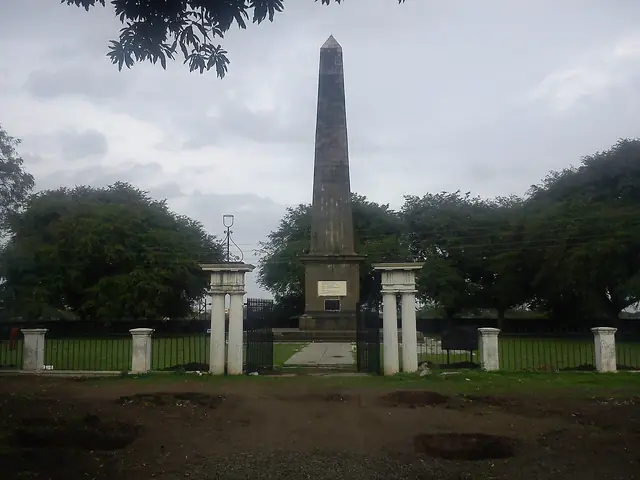
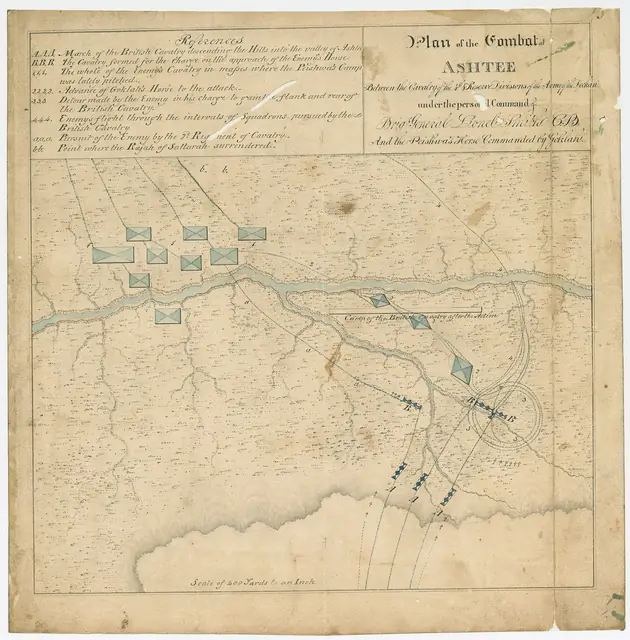
The Marathas met the East India Company three times. In the first war the British army surrendered at Wadgaon in January 1779, and the Treaty of Salbai in 1782 kept the peace for twenty years; Nana Phadnavis held the state together at Pune until his death in 1800. Then the Maratha chiefs fell out. Peshwa Bajirao II signed the Treaty of Bassein with the British on 31 December 1802, and in the second war Scindia and Bhonsle were beaten at Assaye in September 1803. Yashwantrao Holkar fought on and destroyed Monson’s column in 1804, and Bharatpur threw back Lake’s four assaults in 1805. In the third war, Pune fell in November 1817, and on 3 June 1818 Bajirao II surrendered. The Peshwai was over.
What survives today
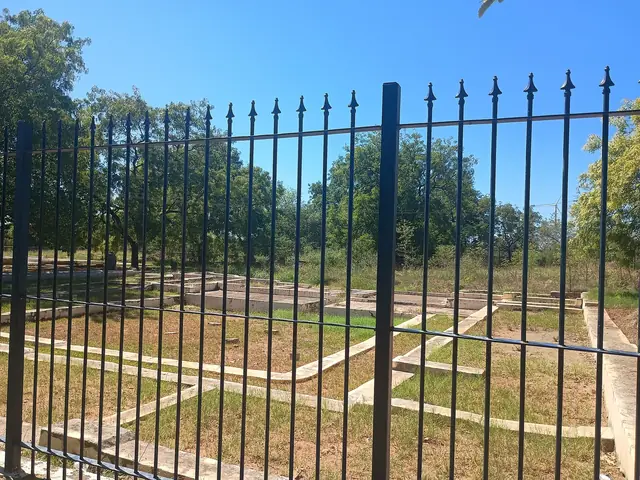
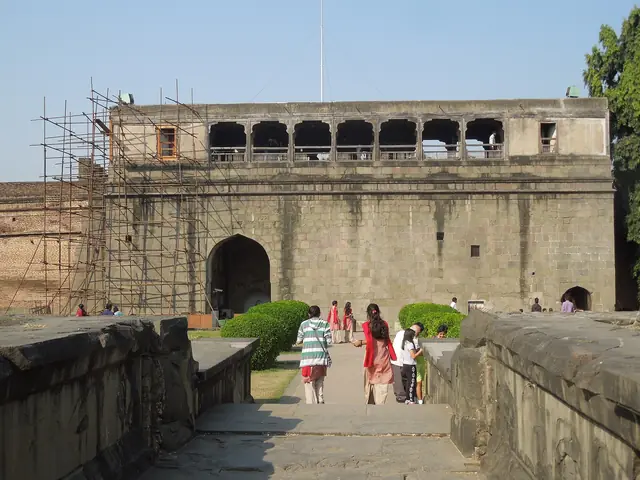
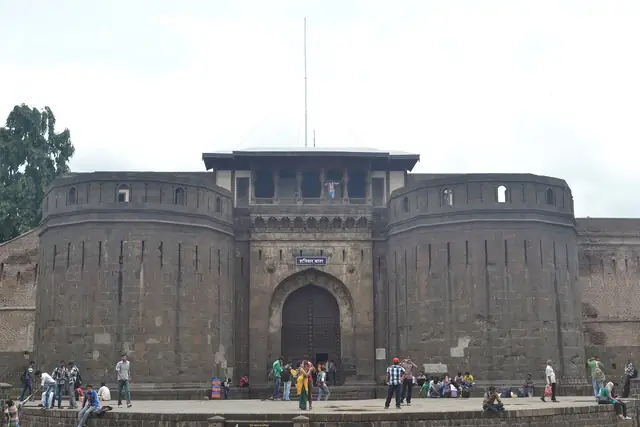
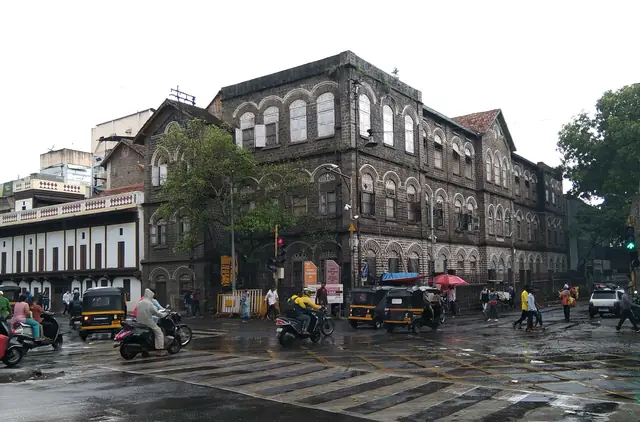
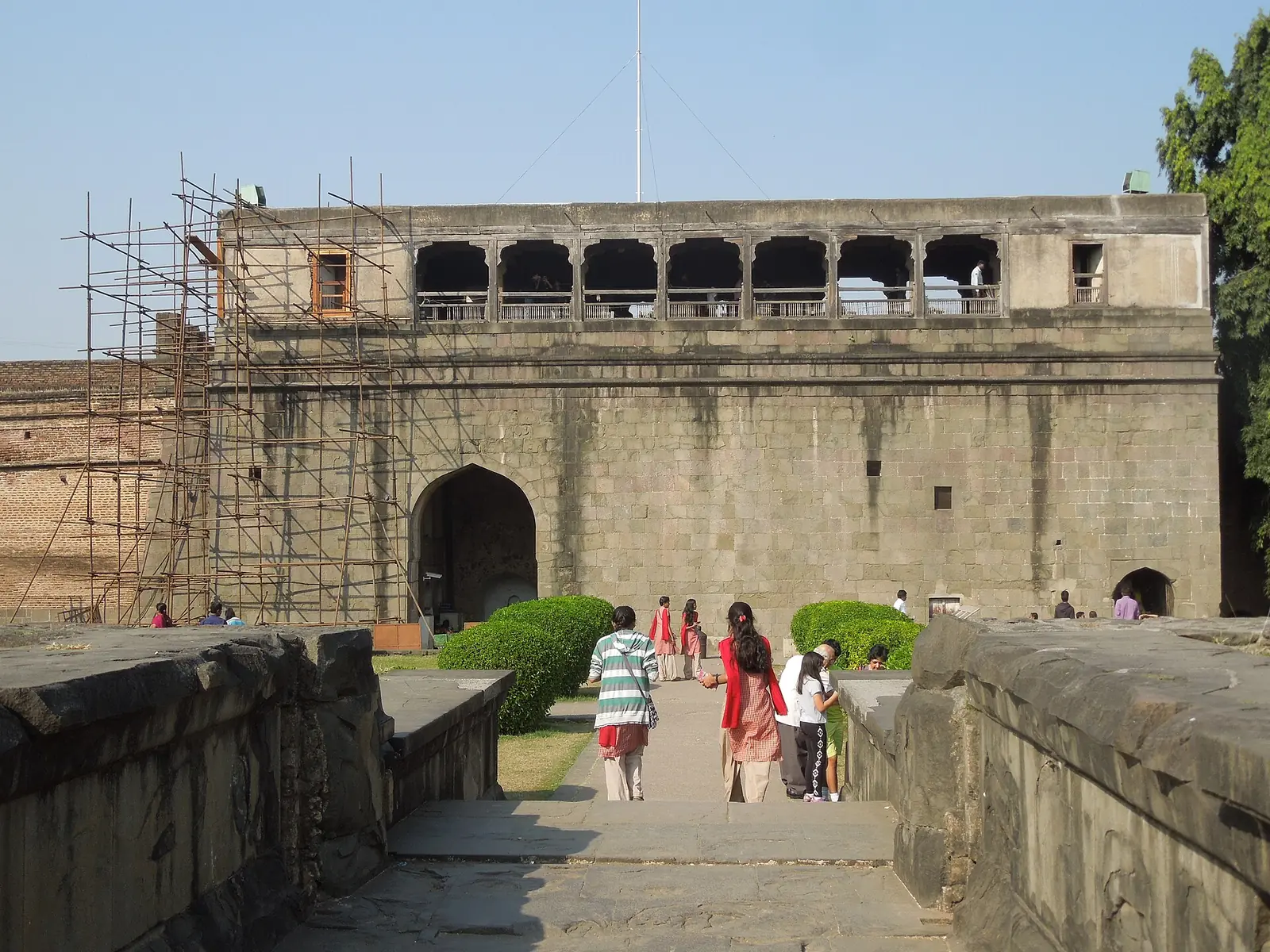
- Shaniwar Wada, the Peshwas’ palace in Pune
- The Kashi Vishwanath temple of 1780 with Ranjit Singh’s gold
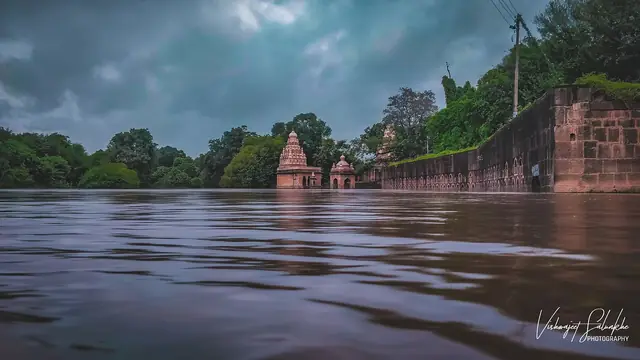
- Ahilyabai’s fort and ghats at Maheshwar on the Narmada
- The Trimbakeshwar and Grishneshwar temples
- The Harmandir Sahib, Amritsar, gilded under Ranjit Singh
- The Jantar Mantar at Jaipur, a UNESCO World Heritage Site
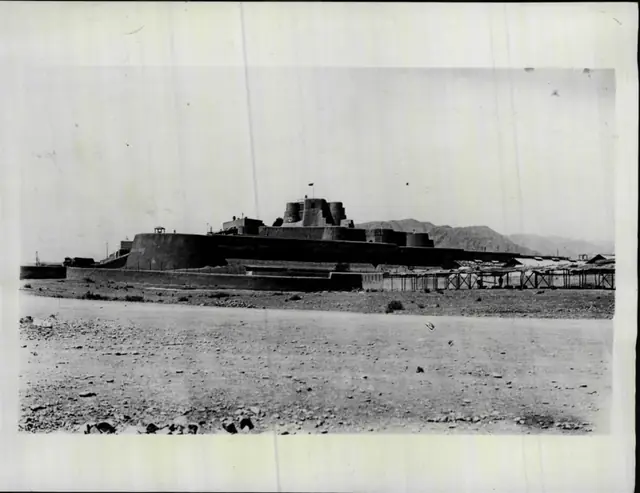
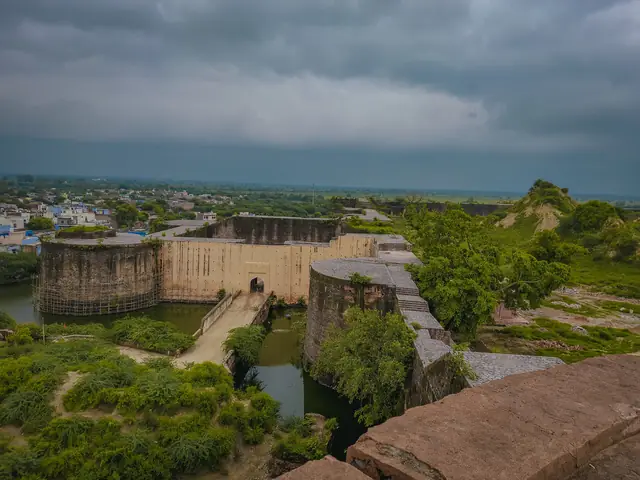
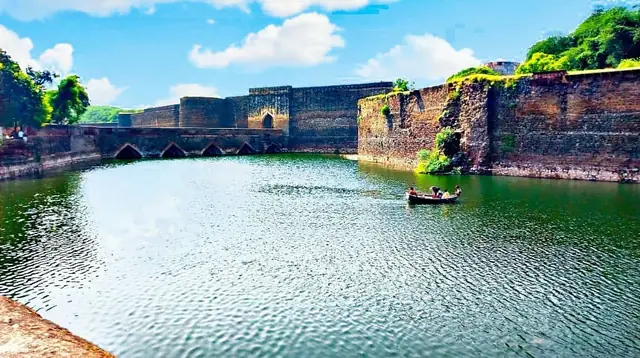
- Lohagarh fort, Bharatpur, never taken by storm
- The kritis of Tyagaraja, sung at his aradhana at Thiruvaiyaru every January