
Samrajya: the great empires
Every great Hindu empire side by side: when it rose, its capital, its greatest ruler, how far it reached, what it built and how it fell.
Two thousand years of empire
Each bar is one empire on the line of time.
 01
Maurya Empire
The first empire to bind most of Bharat together
- Peak
- Ashoka · 260 BCE
- Reach
- From Kandahar and Gandhara in the north-west to Bengal in the east and the Karnataka plateau in the south; Ashoka’s edicts stand from Kandahar to Brahmagiri.
- Ashoka’s rock and pillar edicts, cut in Brahmi and Kharoshthi, with Greek and Aramaic versions at Kandahar
- The polished sandstone lion capital of Sarnath, now the State Emblem of India
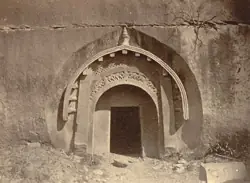
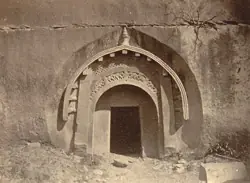
- The Barabar rock-cut caves, polished like glass, given to the Ajivika ascetics
- Megasthenes’ account of Pataliputra, its timber walls and its city boards
In 185 BCE the general Pushyamitra Shunga killed the last Maurya, Brihadratha, at a review of the army and took the throne.
 02
Satavahana Empire
Lords of the Deccan for nearly four centuries
- Peak
- Gautamiputra Satakarni · 124
- Reach
- Across the Deccan from the Konkan coast to the Krishna–Godavari delta, and north into Malwa and Saurashtra under Gautamiputra.
- The Nashik cave inscription of Queen Gautami Balashri, recording her son’s victories
- Lead and potin coins with the two-masted ship, from the age of their sea trade
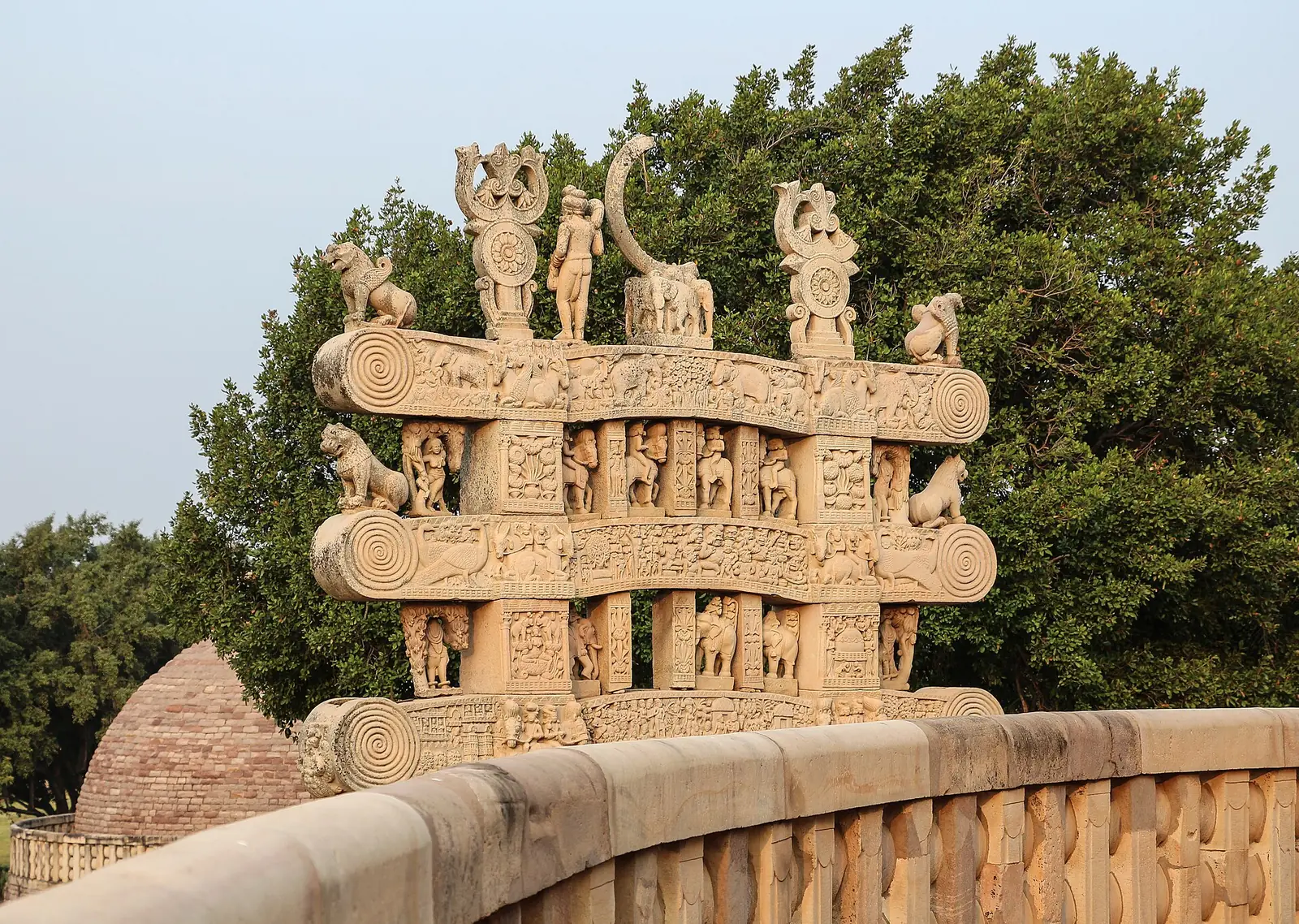
- The great chaitya hall at Karla and the cave monasteries of Nashik
- The Gatha Saptashati, Prakrit verses gathered by tradition under King Hala
In the early 3rd century CE the kingdom broke into successor states, the Ikshvakus in Andhra, the Abhiras in the west and the Chutus in the south.
 03
Gupta Empire
Gold dinars, Aryabhata’s age, early stone temples
- Peak
- Chandragupta II Vikramaditya · 401
- Reach
- The whole Ganga plain from Punjab to Bengal, with Malwa, Gujarat and Saurashtra after the Shaka war, and tributary kings as far south as Kanchi.
- Gold dinars of fine weight showing archer, horseman and Ashvamedha types
- The Mehrauli iron pillar, still free of rust after sixteen centuries
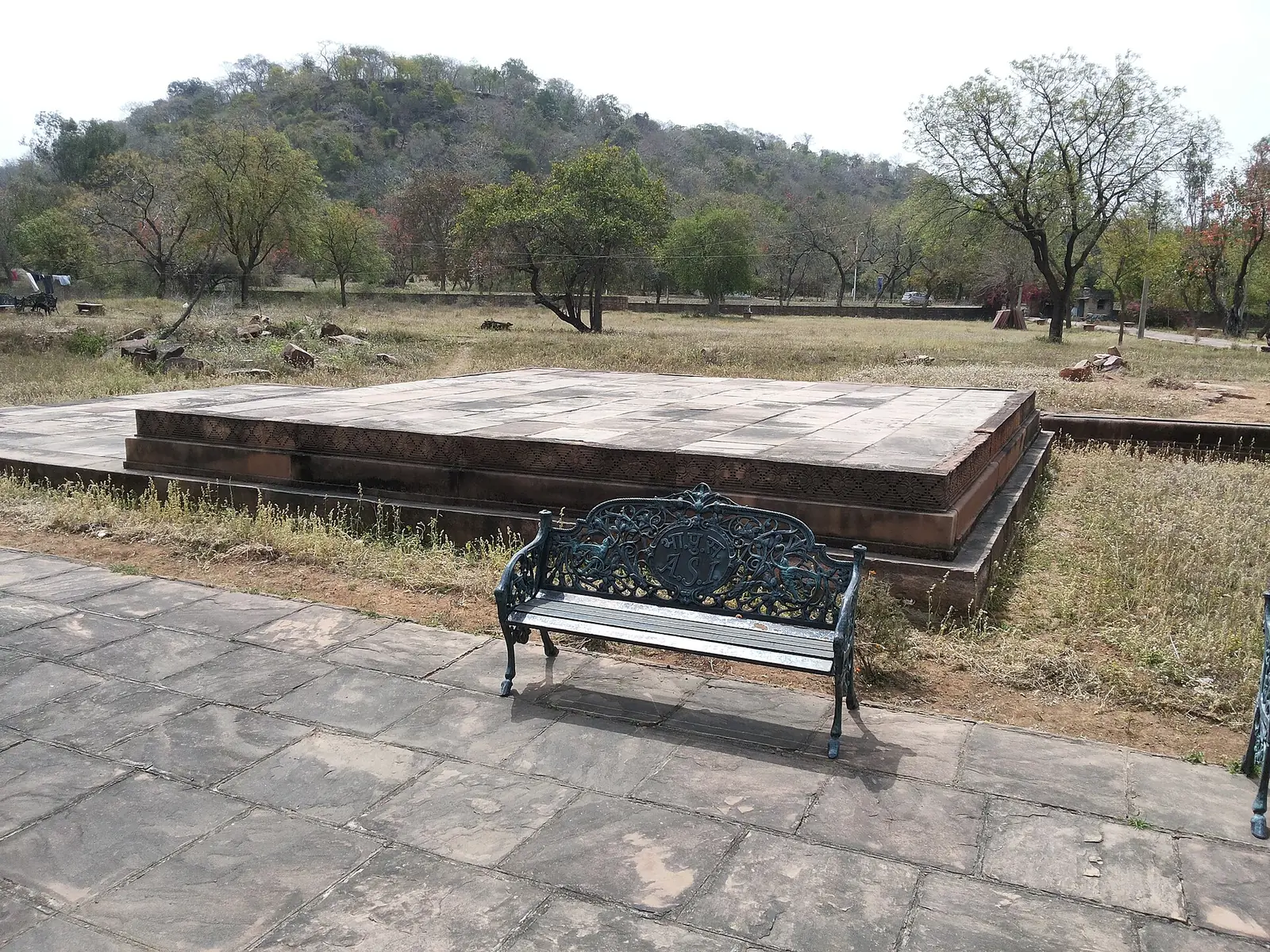
- The Dashavatara temple at Deogarh and the Udayagiri caves with the Varaha panel (401 CE)
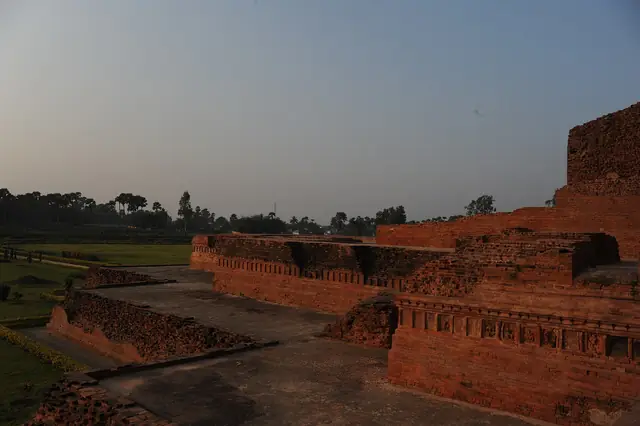
- Aryabhata’s Aryabhatiya (499 CE) and the founding of Nalanda under Kumaragupta I
Worn down by the Huna wars, the empire lost its provinces to the Maukharis, the Later Guptas and other kings, and the imperial line ended around 550 CE.
 04
Chalukyas of Badami
The Deccan power that stopped Harsha
- Peak
- Pulakeshin II · 634
- Reach
- From the Narmada to the Kaveri country, and from the Konkan coast across to Vengi in coastal Andhra.
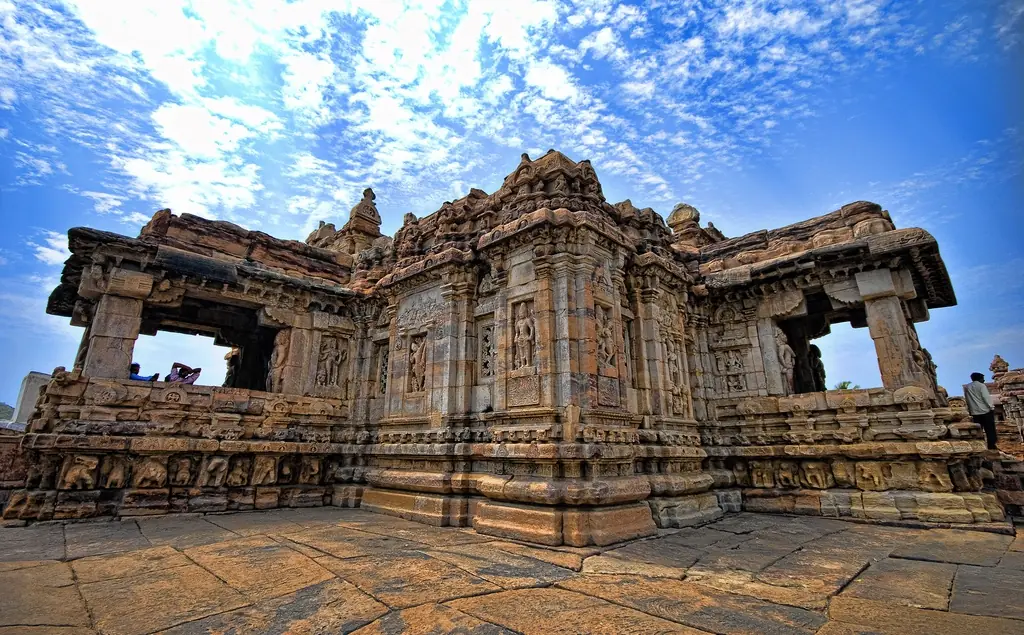
- The Badami cave temples, Cave 3 dated by its inscription to 578 CE
- The Aihole inscription of Ravikirti (634 CE), which names Kalidasa and Bharavi
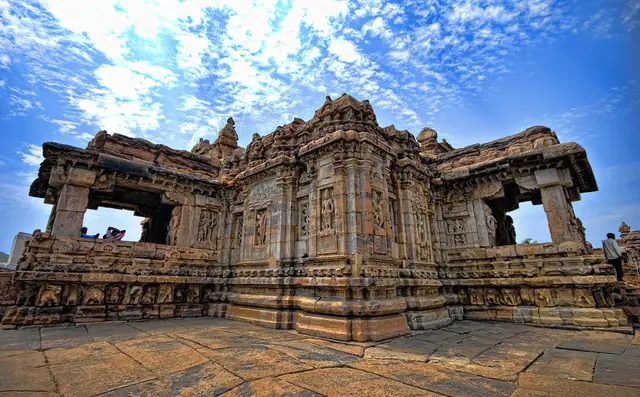
- The Virupaksha temple at Pattadakal, raised by Queen Lokamahadevi around 740
- The Eastern Chalukya branch planted at Vengi, which ruled Andhra for four centuries
Around 753 the Rashtrakuta Dantidurga overthrew Kirtivarman II and took the Deccan.
 05
Karkota Empire of Kashmir
Kashmir’s age of conquest and the Martand temple
- Peak
- Lalitaditya Muktapida · 733
- Reach
- Kashmir and its hill country; by Kalhana’s account Lalitaditya’s armies defeated Yashovarman of Kanyakubja and campaigned far to the east and north.
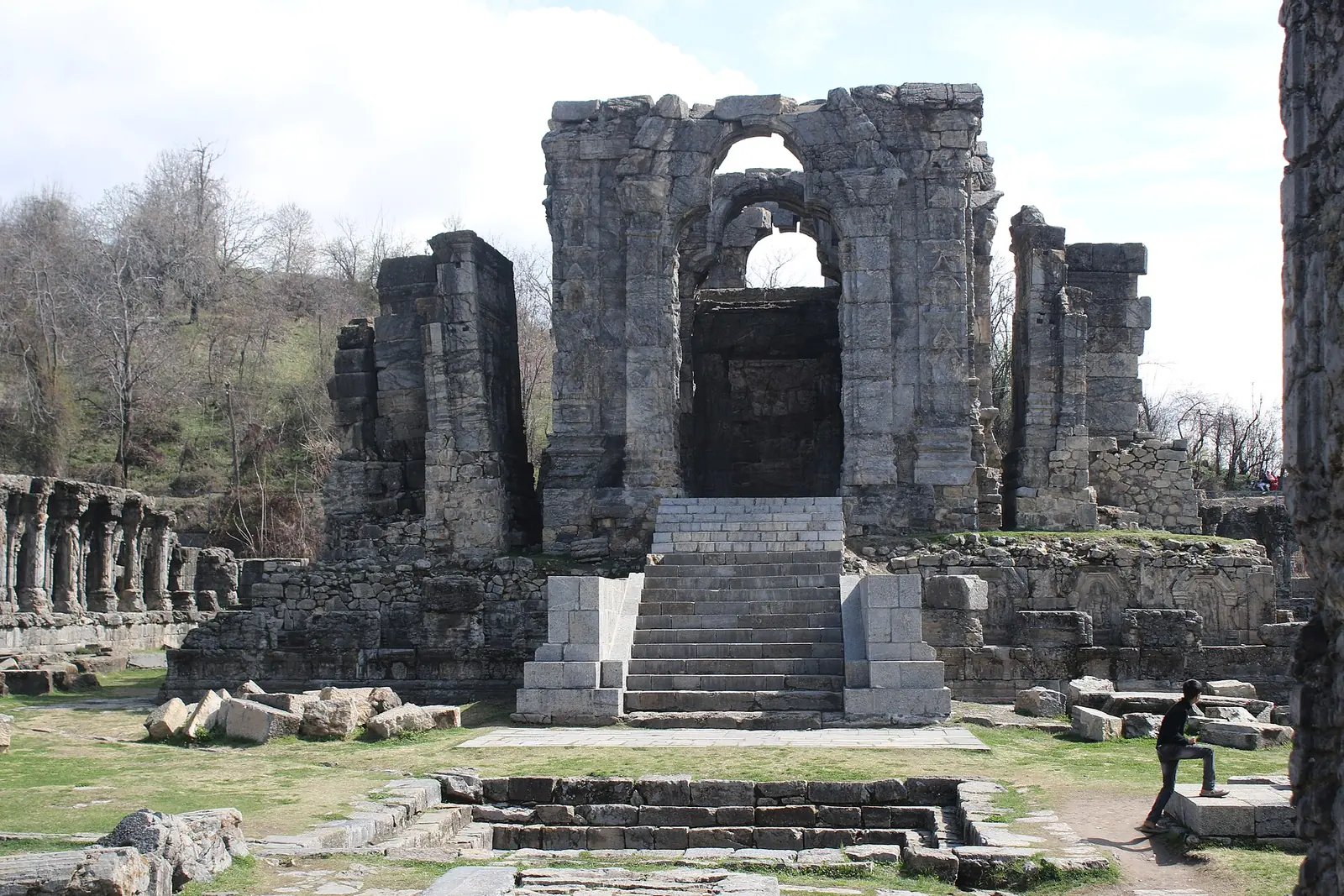
- The Martand Sun temple, built by Lalitaditya on a plateau above Anantnag
- Parihasapura, his new capital of temples and a great stupa
- Embassies of Karkota kings recorded in the annals of Tang China
- Xuanzang’s two years of study in Kashmir under Durlabhavardhana
Around 855 the weakened line gave way to Avantivarman, founder of the Utpala dynasty.
 06
Srivijaya
Buddhist sea empire of the Malacca Strait
- Peak
- Balaputradeva · 860
- Reach
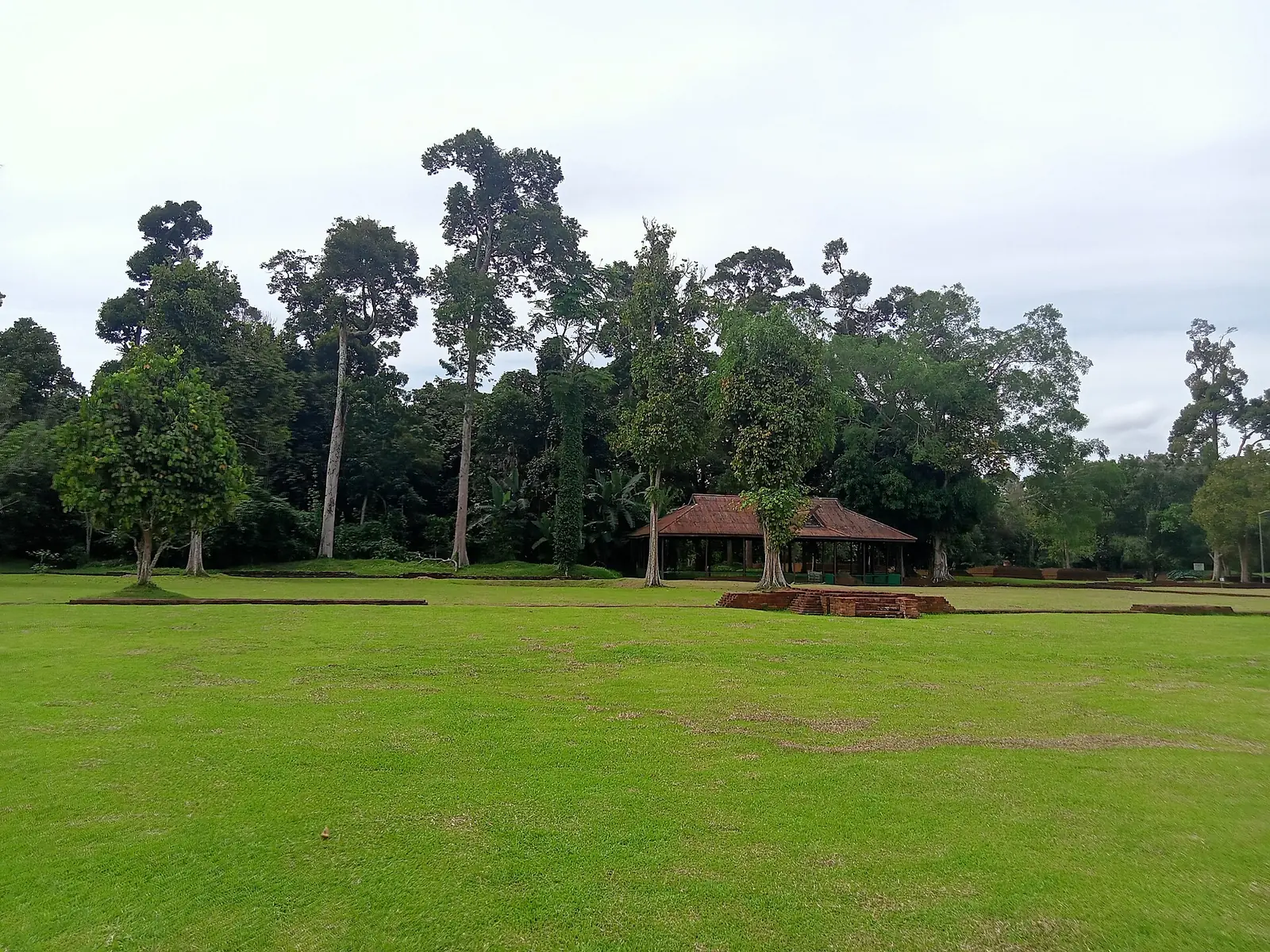
- Southern Sumatra and the Strait of Malacca, with the Malay peninsula as far north as Kedah and Chaiya.
- The Kedukan Bukit inscription (682), in Old Malay written in a Pallava-derived script
- The Chinese monk Yijing studied Sanskrit grammar at Srivijaya in 671 on his way to Nalanda
- A vihara at Nalanda funded by Balaputradeva, recorded in Devapala’s copper plate
- The Chudamani vihara at Nagapattinam, built by a Srivijaya king with Chola grants (Leiden plates)
Weakened by the Chola raid of 1025, Srivijaya lost its hold on the straits and was eclipsed by the Javanese kingdoms in the 13th century.
 07
Gurjara-Pratihara Empire
The wall that held the Arabs at bay
- Peak
- Mihira Bhoja · 850
- Reach
- From the borders of Sindh and Saurashtra across Rajasthan and Malwa to the Ganga plain as far as Bihar, and from the Himalayan foothills to the Narmada.
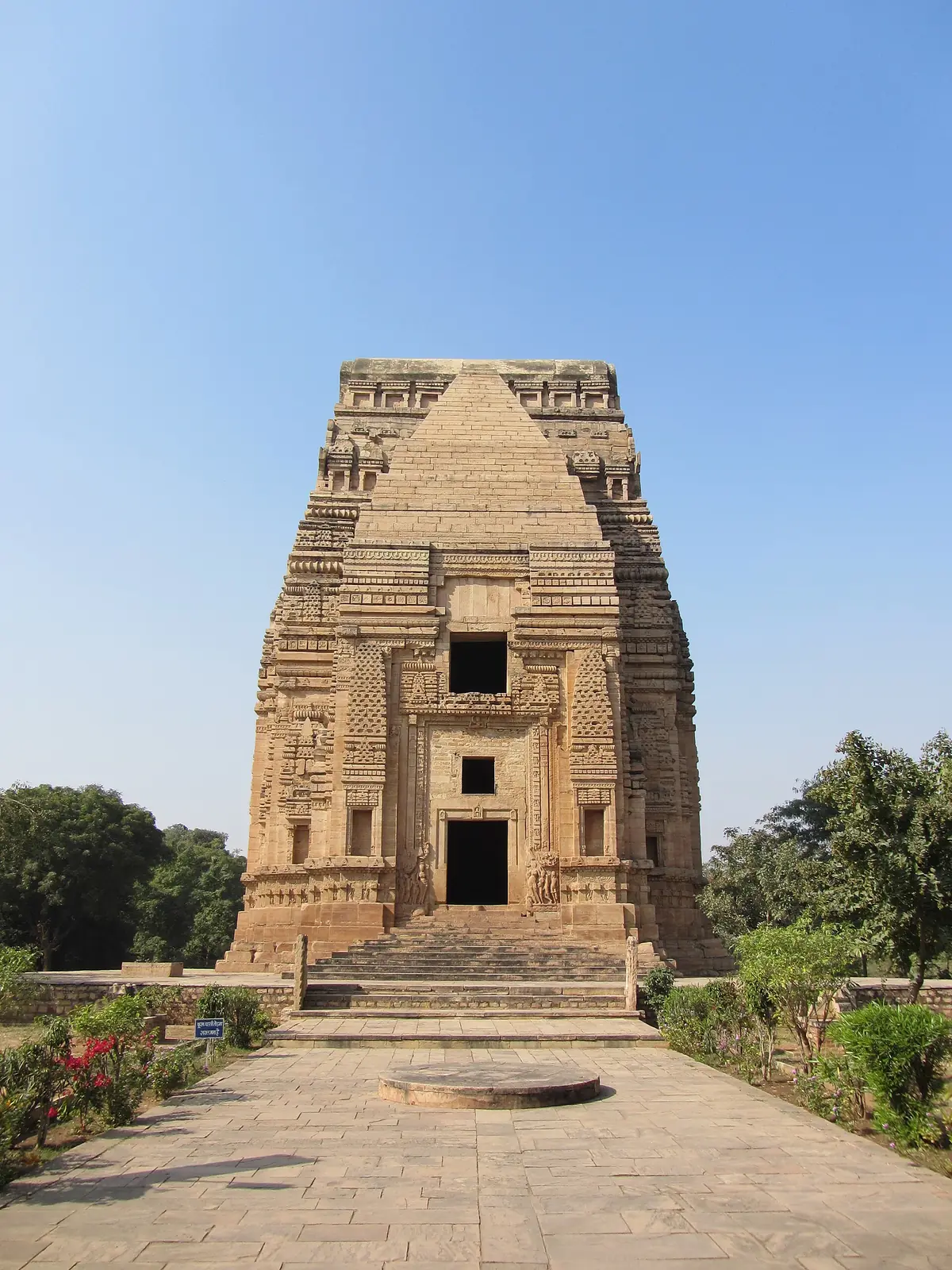
- The Gwalior (Sagar Tal) inscription of Mihira Bhoja, recording Nagabhata I’s victory over the Arabs
- Mihira Bhoja’s Adivaraha silver drammas, struck in huge numbers
- The Arab merchant Sulaiman (851) calls the king of Juzr the strongest foe of the Arabs, with the finest cavalry in Hind
- The poet Rajashekhara at the court of Mahendrapala, author of the Karpuramanjari and Kavyamimamsa
Mahmud of Ghazni took Kannauj in 1018, and the last Pratihara kings faded out by about 1036.
 08
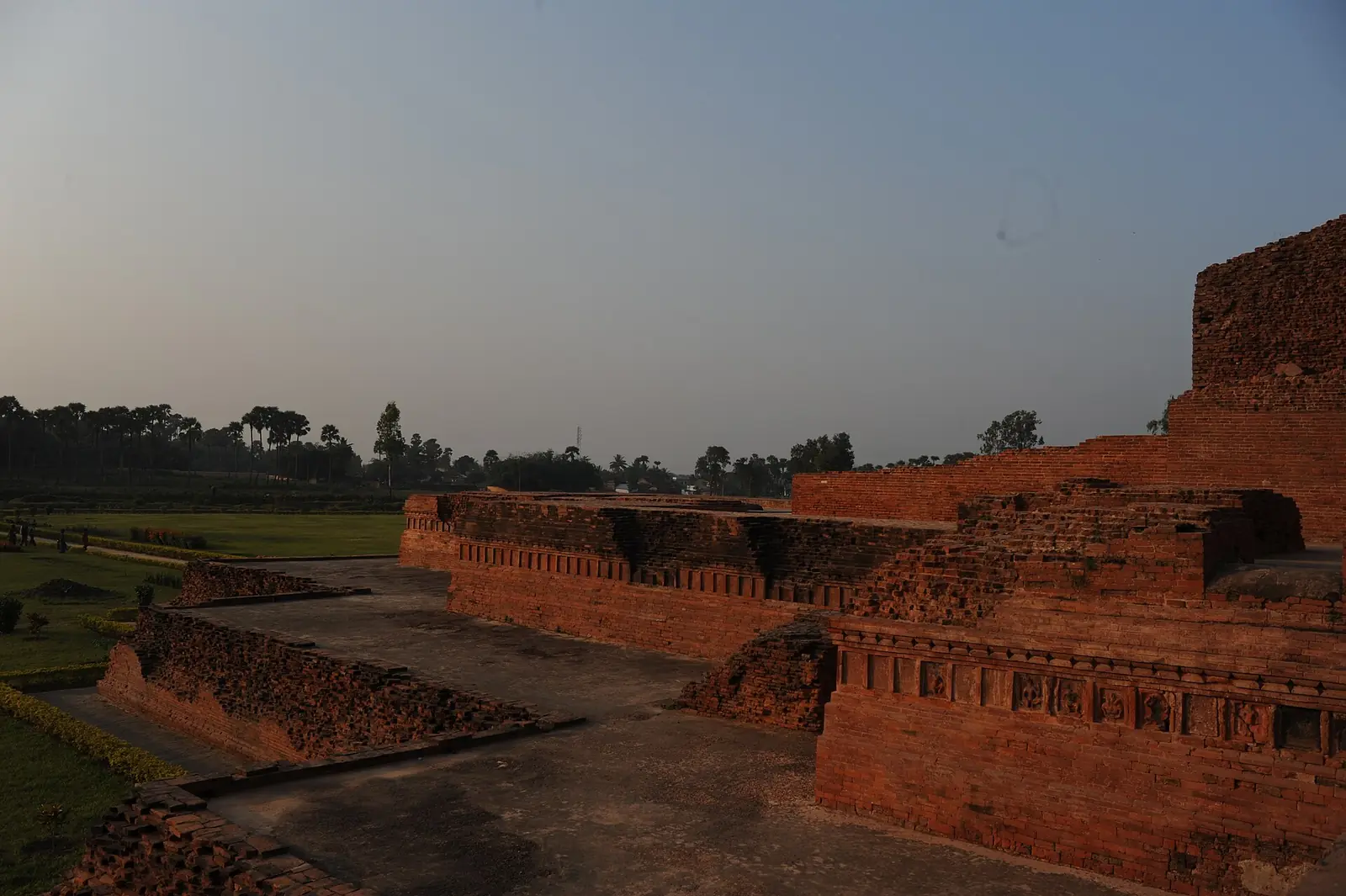
Pala Empire
Bengal’s empire of the great mahaviharas
- Peak
- Dharmapala · 800
- Reach
- Bengal and Bihar, and at Dharmapala’s height overlordship of Kanyakubja, where by his Khalimpur plate he installed Chakrayudha before the assembled kings of the north.
- Vikramashila mahavihara, founded by Dharmapala
- Somapura Mahavihara at Paharpur, one of the largest viharas south of the Himalaya
- The Nalanda copper plate of Devapala, granting villages for a vihara built by the Srivijaya king Balaputradeva
- The Pala school of stone and bronze images, carried by monks to Tibet and Java
By about 1161 the shrunken kingdom had passed to the Senas under Vijayasena.
 09
Rashtrakuta Empire
The Deccan power that carved Kailasa from a hill
- Peak
- Govinda III · 800
- Reach
- The whole Deccan from the Narmada to the Kaveri, with northern campaigns under Dhruva and Govinda III that reached the Ganga–Yamuna doab.
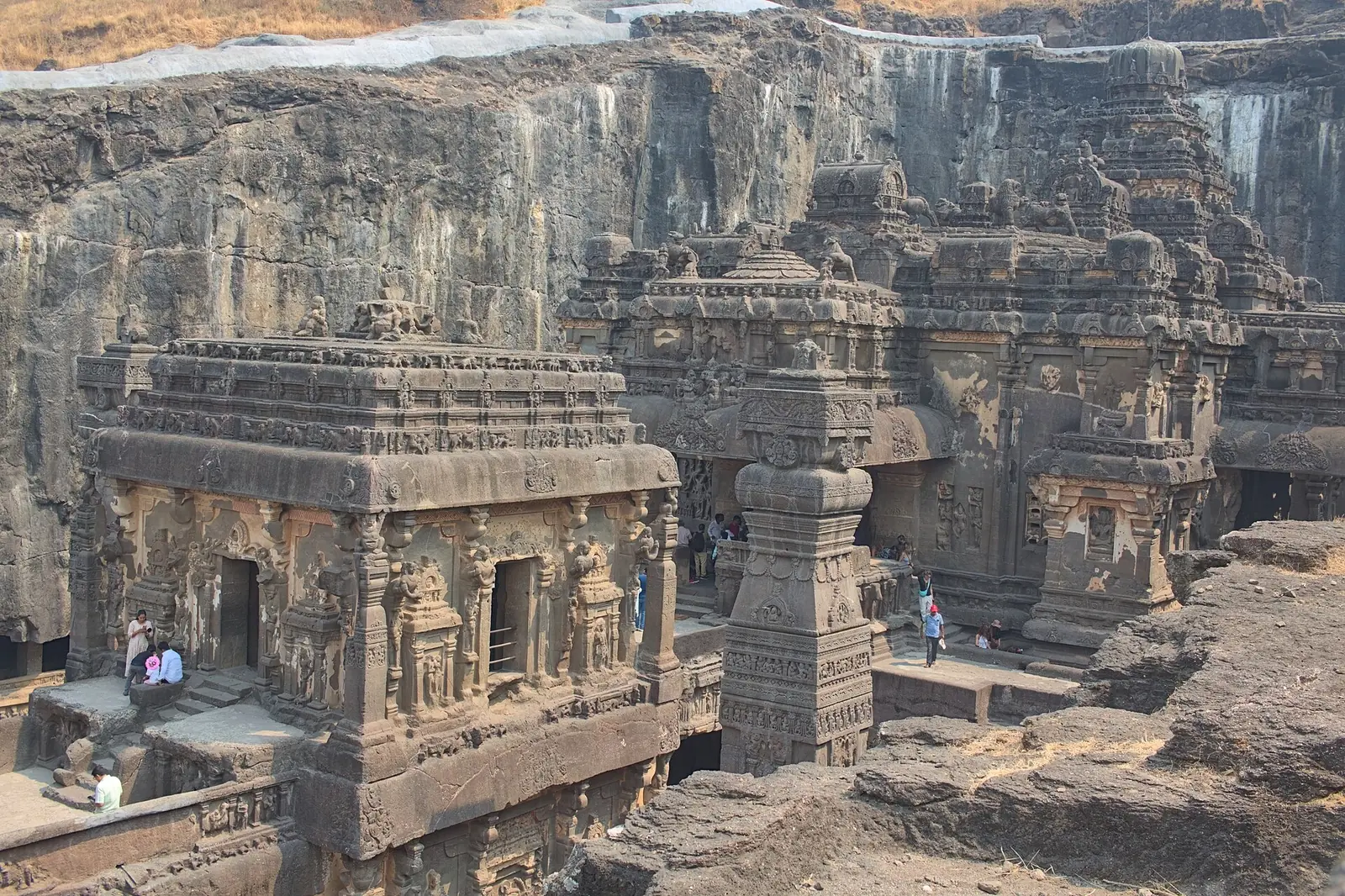
- The Kailasa temple at Ellora, cut down into a single hill under Krishna I
- The Kavirajamarga, the oldest surviving work in Kannada, from Amoghavarsha’s court
- Arab writers counted the Balhara of Manyakheta among the four great kings of the world
- Krishna III’s victory over the Cholas at Takkolam in 949
In 973 Tailapa II, a Chalukya feudatory, overthrew Karka II and founded the Chalukya line of Kalyani.
 10
Khmer Empire
Angkor, the greatest Vishnu temple on earth
- Peak
- Jayavarman VII · 1200
- Reach
- Cambodia with much of present-day Thailand, Laos and southern Vietnam.
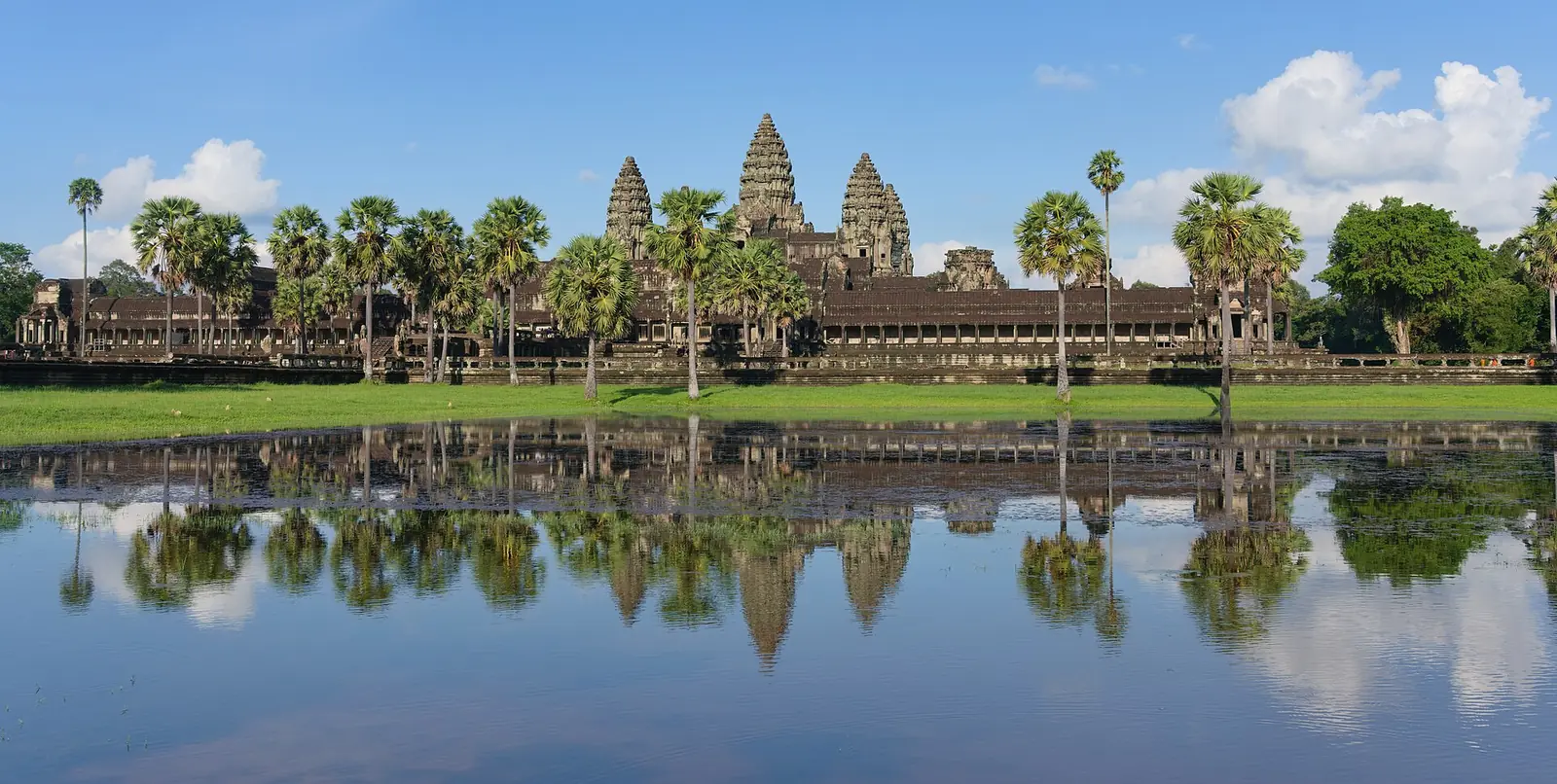
- Angkor Wat, built for Vishnu by Suryavarman II in the 12th century
- The barays, vast reservoirs that fed Angkor’s rice fields
- The Sdok Kak Thom inscription (1052), recording the rite of 802 that founded the kingdom
- Jayavarman VII’s Bayon and the hospitals and rest-houses his inscriptions list
Angkor was taken by the Thai kingdom of Ayutthaya in 1431 by the traditional date, and the court moved south towards Phnom Penh.
 11
Chola Empire
Temple builders who sent fleets across the Bay
- Peak
- Rajendra Chola I · 1025
- Reach
- The Tamil country, Kerala and southern Karnataka, northern Lanka, the Maldives and Vengi, with armies to the Ganga and fleets to Kadaram and Srivijaya.
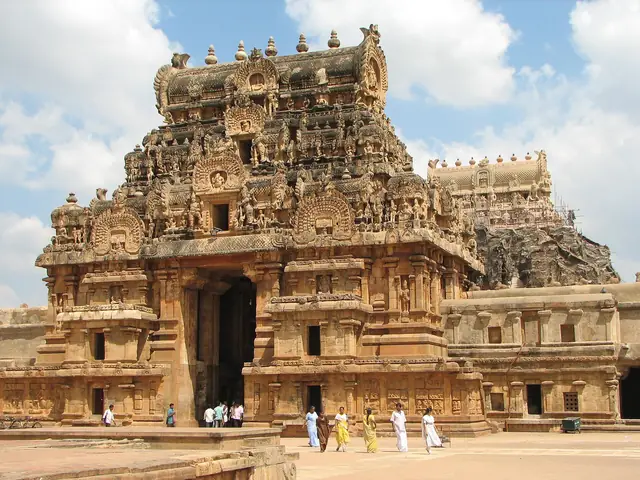
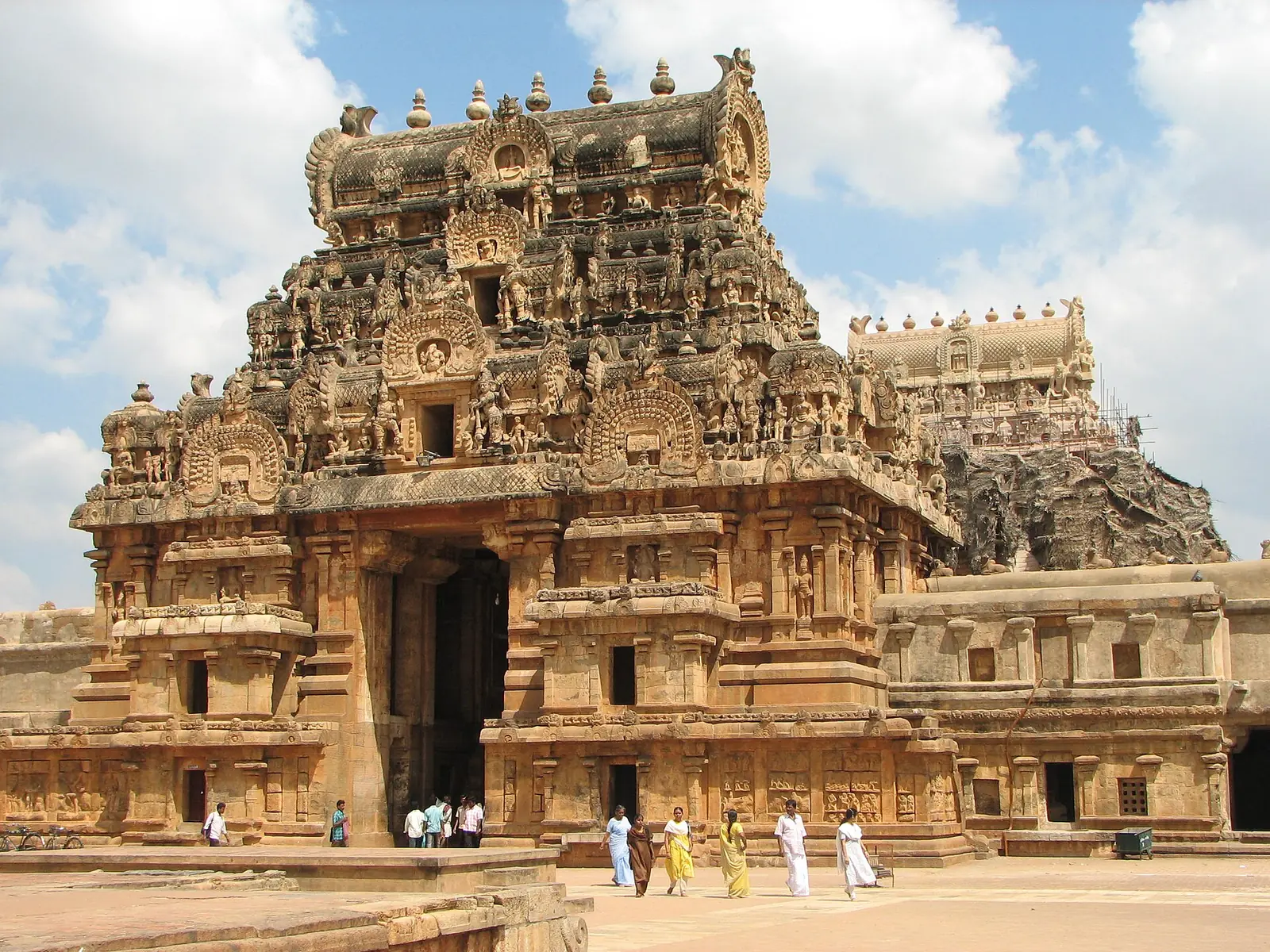
- The Brihadeeswara temple at Thanjavur, completed by Rajaraja I in 1010
- The Uttaramerur inscriptions of Parantaka I (919 and 921), laying down how village assemblies were chosen by lot
- The naval expedition of 1025 against Srivijaya and Kadaram
- Lost-wax bronzes such as the Nataraja, the summit of South Indian metal casting
The rising Pandyas absorbed the Chola lands, and Rajendra III, the last Chola king on record, disappears after 1279.
 12
Chalukyas of Kalyani
Second Chalukya age of the Deccan
- Peak
- Vikramaditya VI · 1100
- Reach
- The western Deccan from the Narmada to the Tungabhadra, with Vengi and the lands beyond contested with the Cholas.
- Bilhana’s Vikramankadevacharita, a court poem on Vikramaditya VI
- The Mitakshara of Vijnaneshwara, the commentary on Yajnavalkya Smriti written at his court
- The Chalukya-Vikrama era, begun in 1076
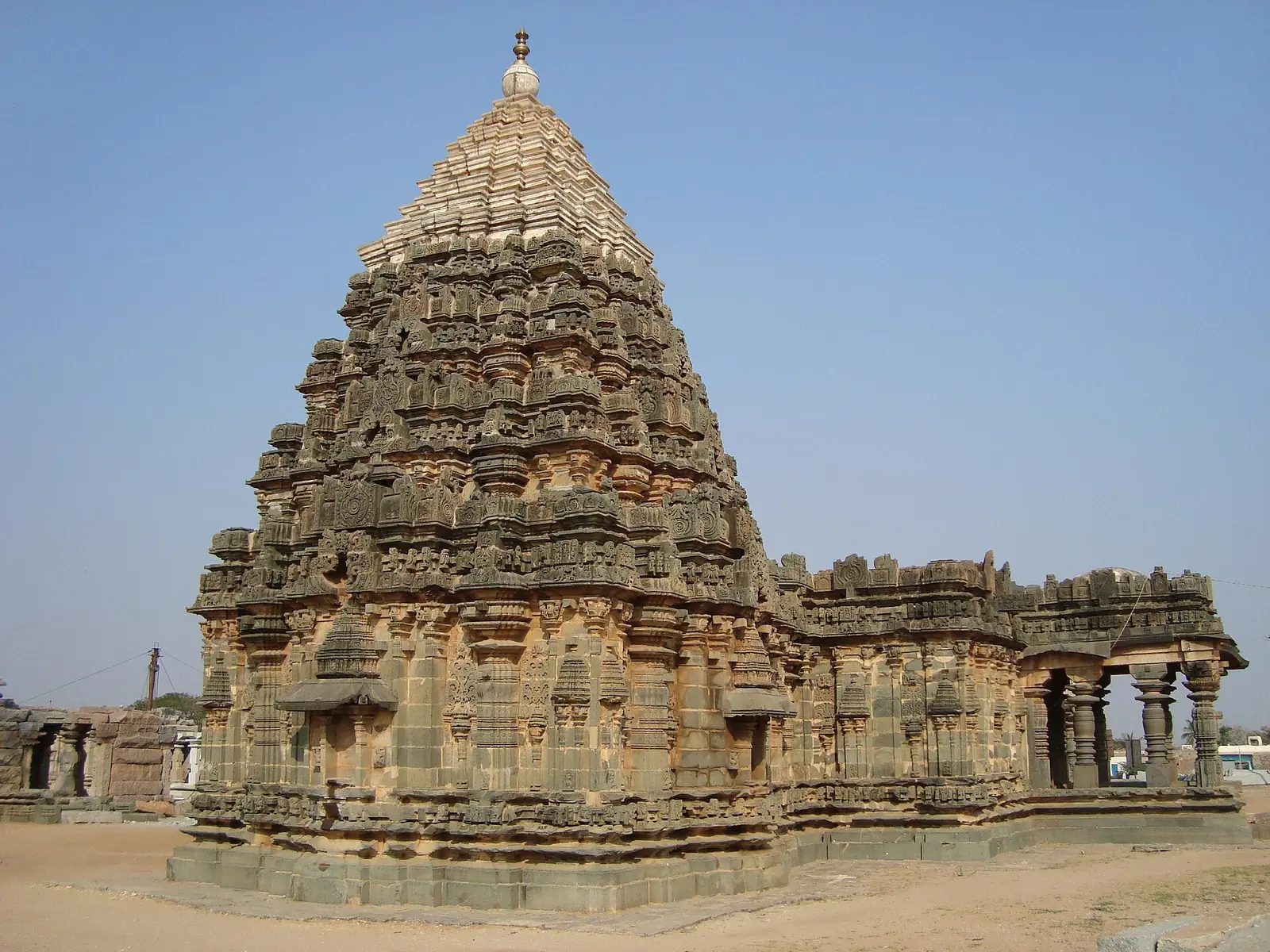
- The Mahadeva temple at Itagi (1112), called in its inscription the emperor among temples
The Kalachuri Bijjala seized Kalyani around 1162, and the last king Someshvara IV lost his lands to the Hoysalas and Seunas by about 1189.
 13
Ahom Kingdom
Six centuries in the Brahmaputra valley, the Mughals turned back
- Peak
- Rudra Singha · 1700
- Reach
- The Brahmaputra valley from Sadiya in the east to the Manas river in the west, with the hill peoples on its borders as allies or tributaries.
- Victory over the Mughal fleet at Saraighat in 1671 under Lachit Borphukan
- The Buranjis, court chronicles kept year by year in Ahom and Assamese
- The paik system, under which every able man served the state in turn
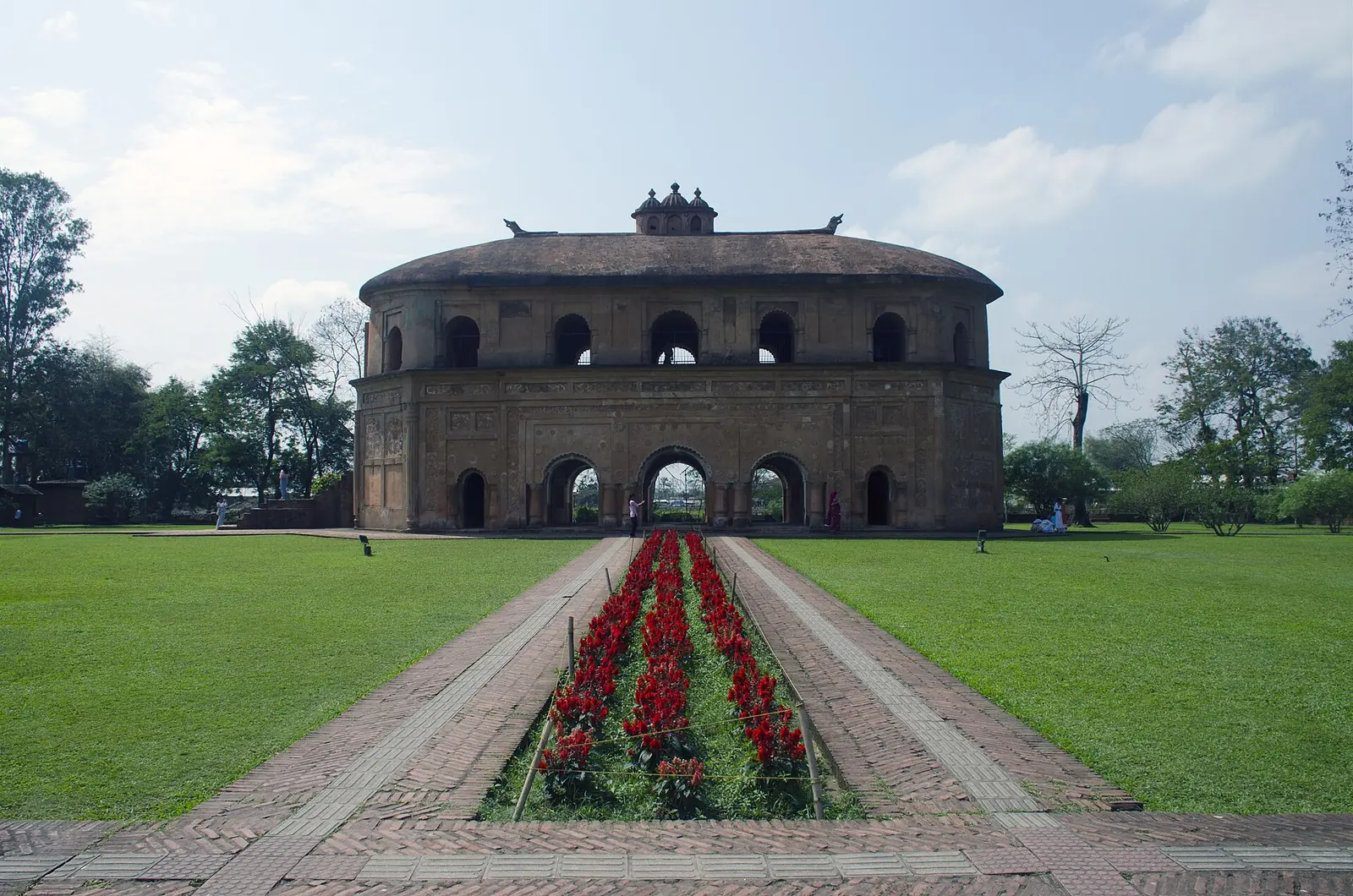
- The Charaideo moidams, royal burial mounds, and the Rang Ghar of Sivasagar
Burmese invasions from 1817 wrecked the kingdom, and by the Treaty of Yandabo in 1826 Assam passed to the British.
 14
Majapahit
Last great Hindu-Buddhist empire of the archipelago
- Peak
- Hayam Wuruk, with his minister Gajah Mada · 1365
- Reach
- Java, Madura and Bali directly, with tributaries the Nagarakretagama lists across Sumatra, Borneo, Sulawesi and the Malay peninsula.
- The Nagarakretagama of Mpu Prapanca (1365), a verse chronicle of the court
- Mpu Tantular’s Sutasoma, the source of ‘Bhinneka Tunggal Ika’, Indonesia’s national motto
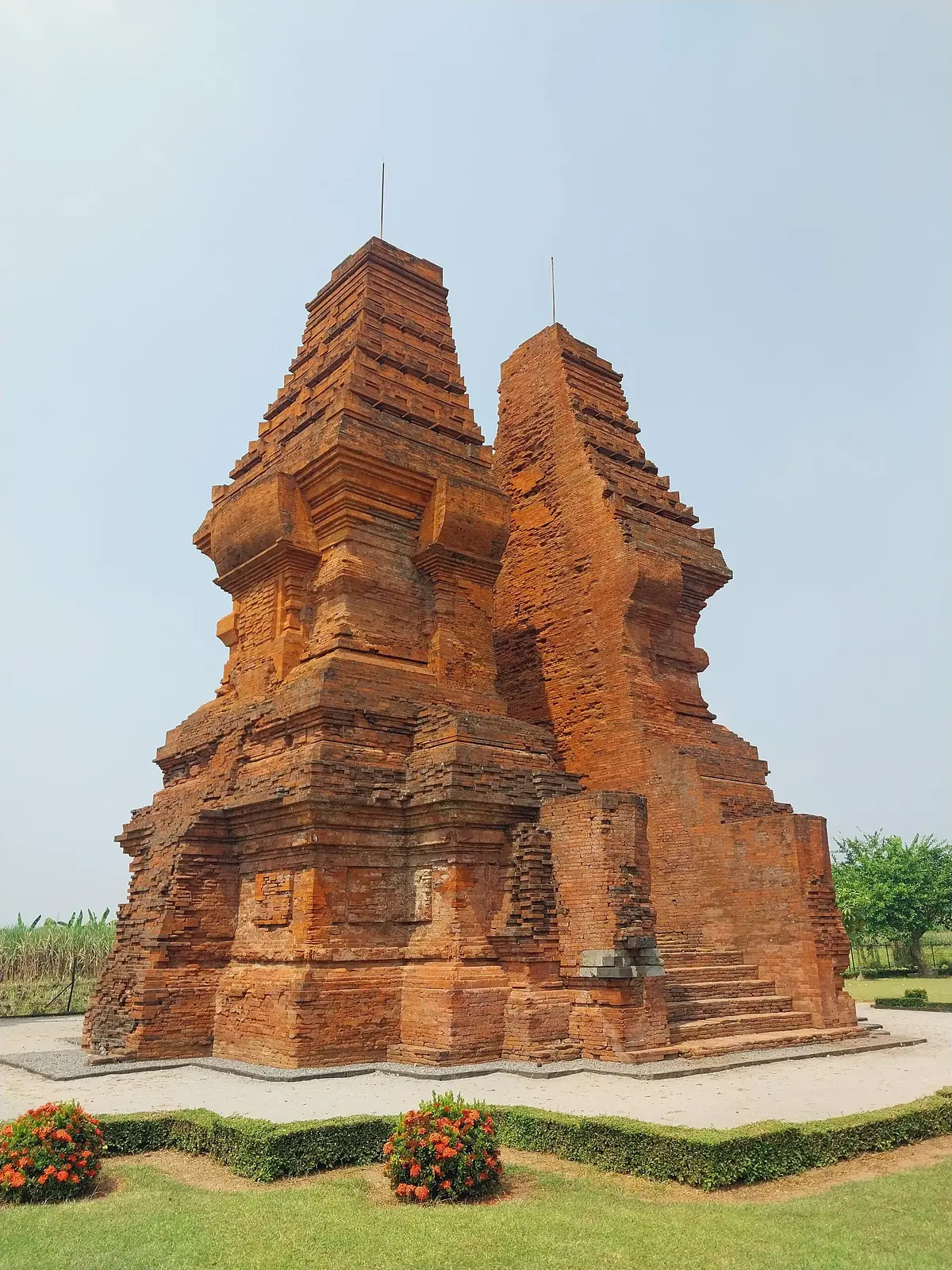
- Red-brick gateways and temples of Trowulan such as Wringin Lawang and Bajang Ratu
- The Penataran temple complex, the state temple of Majapahit kings
Torn by succession wars, Majapahit gave way to the Demak sultanate around 1527, and many of its priests and nobles carried the Hindu court tradition to Bali.
 15
Vijayanagara Empire
The southern bulwark for nearly three centuries
- Peak
- Krishnadevaraya · 1520
- Reach
- The whole peninsula south of the Tungabhadra and Krishna, from the Konkan and Kanara coast to the Coromandel, down to Kanyakumari.
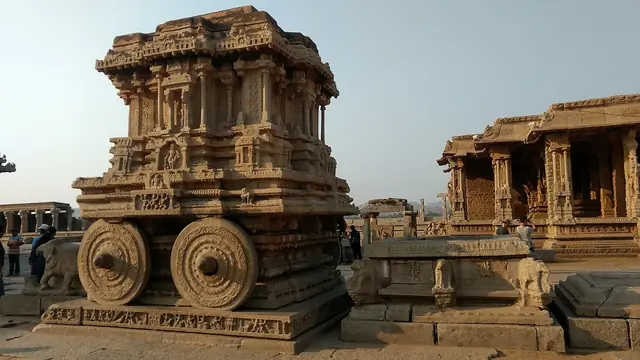
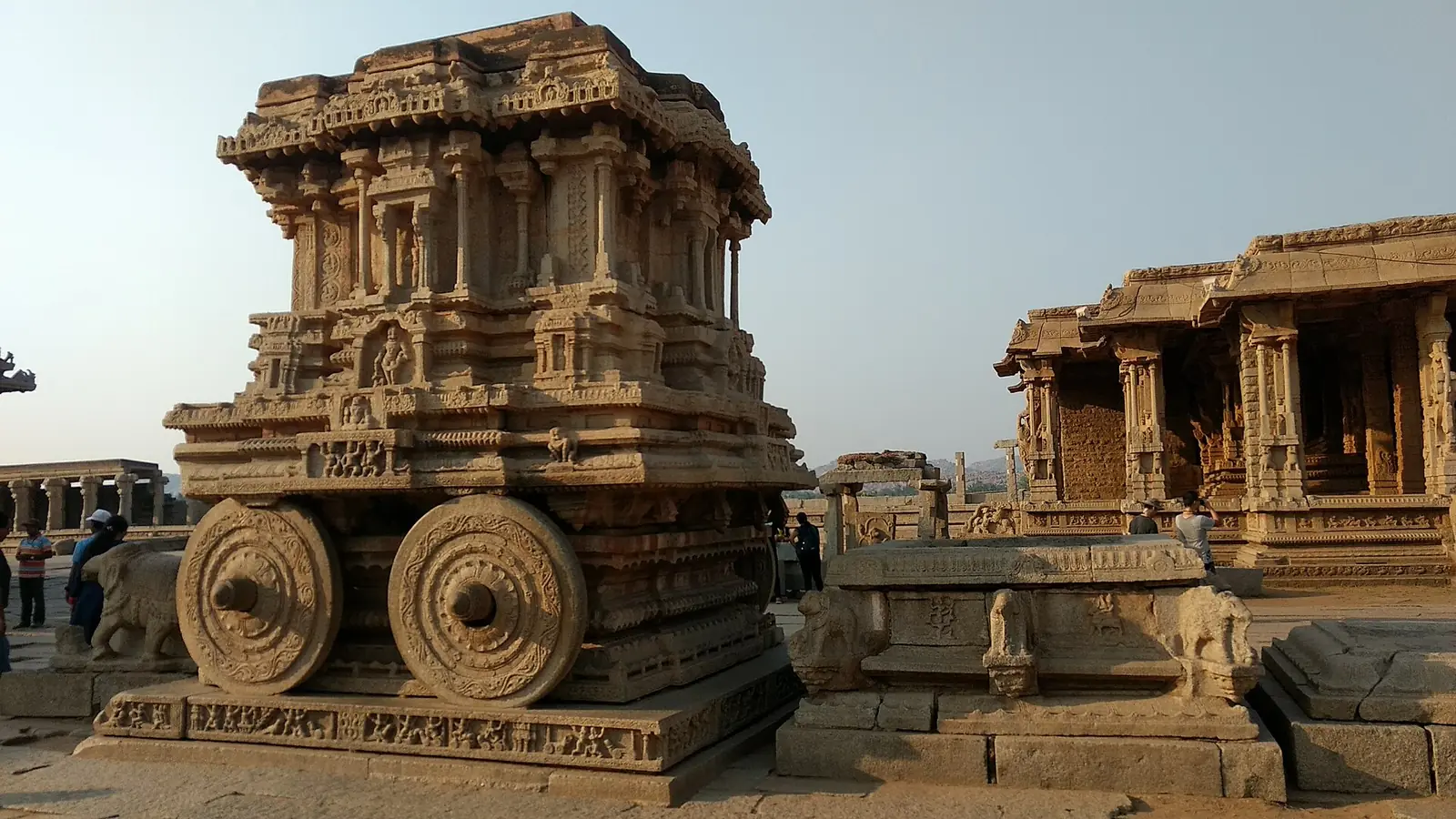
- The Vitthala temple with its stone chariot and musical pillars
- Krishnadevaraya’s Telugu poem Amuktamalyada and the Ashtadiggajas of his court
- Canals and tanks off the Tungabhadra that still water fields around Hampi
- Domingo Paes’s eyewitness account of the city around 1520
After the defeat at Talikota in 1565 the capital was sacked; the Aravidu kings ruled on from Penukonda and Chandragiri until 1646.
 16
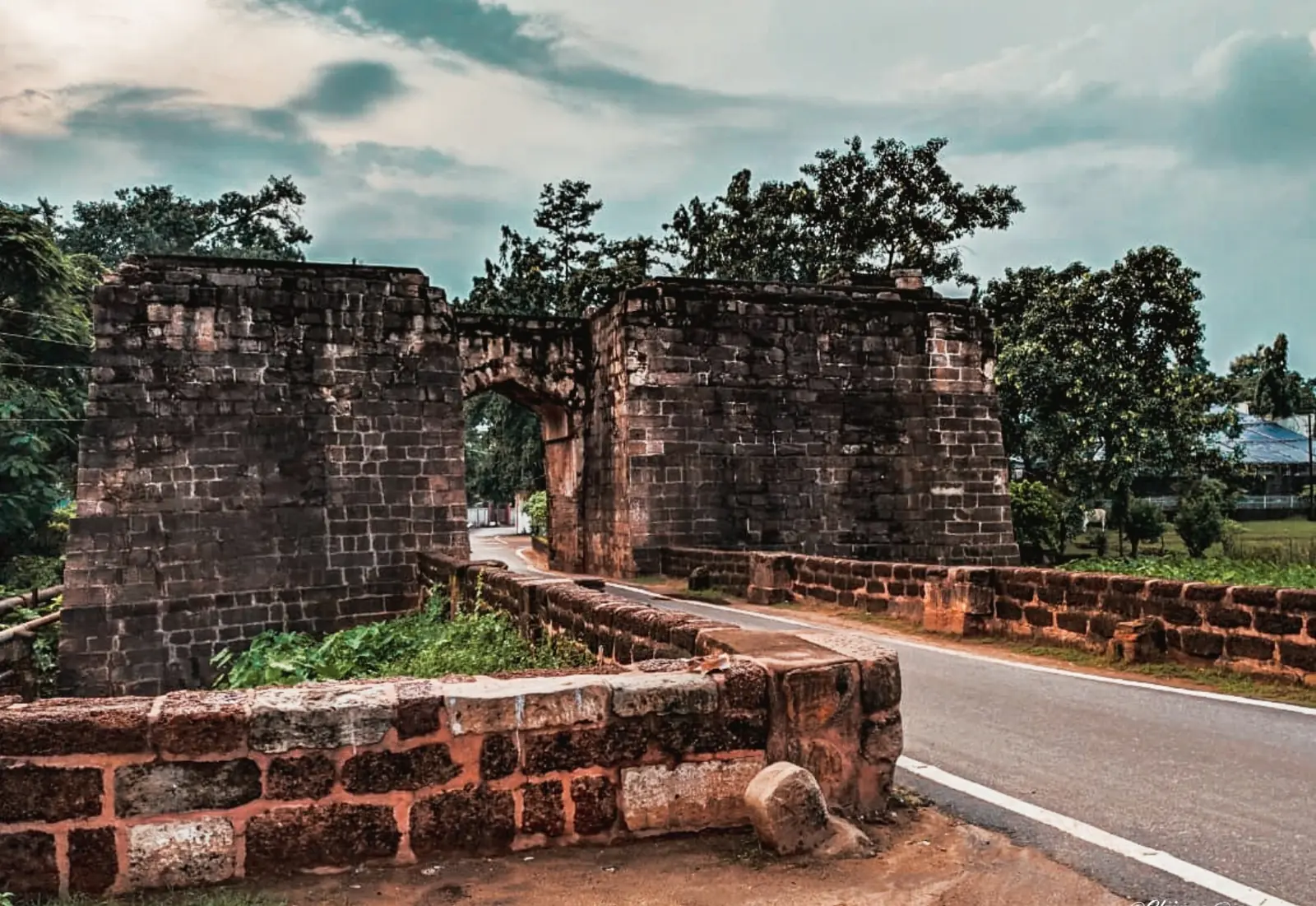
Gajapati Empire of Odisha
Servants of Jagannath, lords of the eastern coast
- Peak
- Kapilendra Deva · 1460
- Reach
- Odisha and the Andhra coast through Rajahmundry and Kondavidu, with campaigns that by his inscriptions reached from the Ganga in the north to the Kaveri in the south.
- Kings who called themselves the servants of Shri Jagannath of Puri
- Sarala Das’s Odia Mahabharata, written in Kapilendra’s time
- Kapilendra’s Odia proclamations cut on the walls of the Jagannath temple
- Shri Chaitanya’s years at Puri under Prataparudra Deva
In 1541 the minister Govinda Vidyadhara seized the throne, ending the Suryavamshi Gajapatis and founding the short Bhoi line.
 17
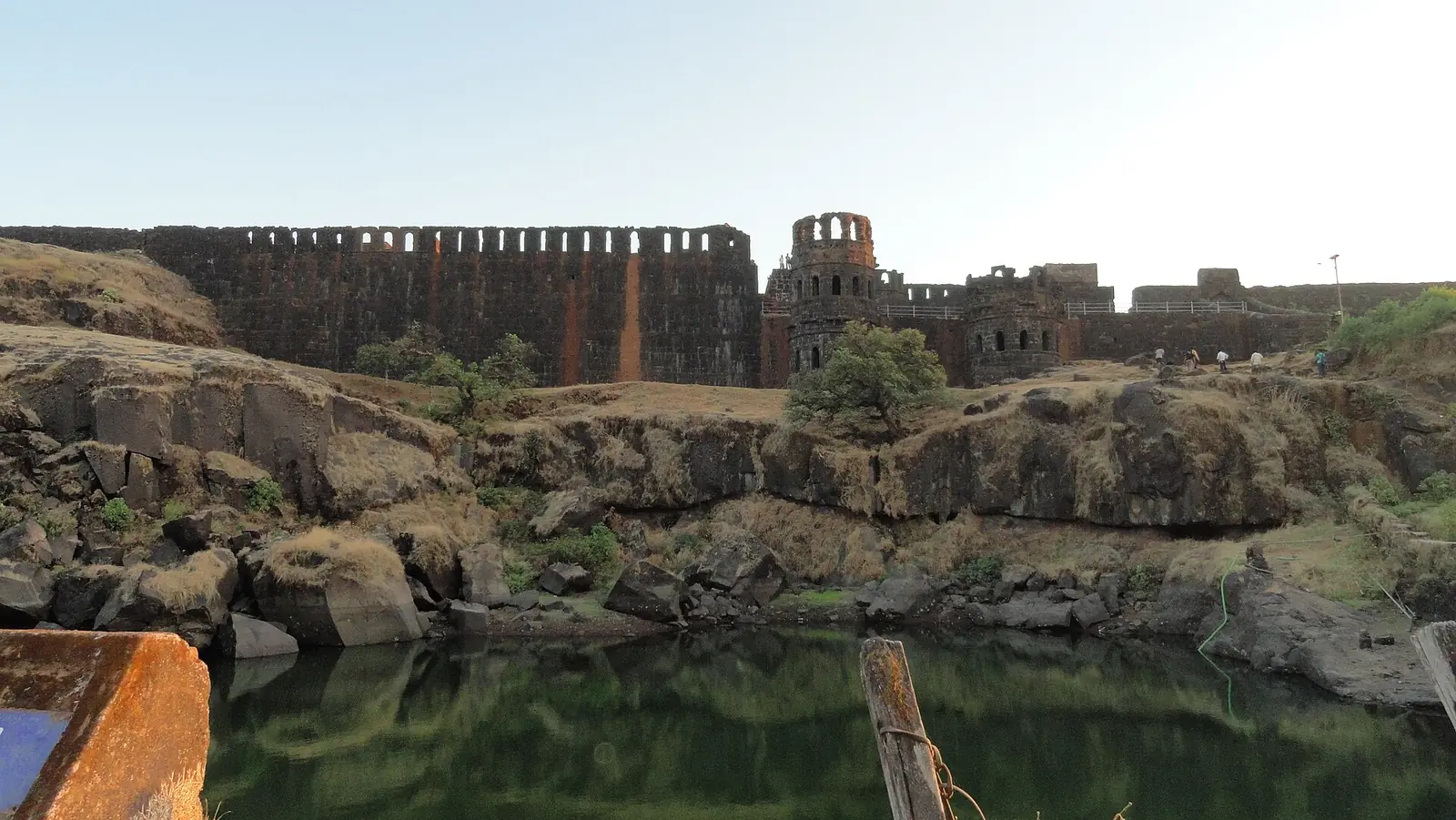
Maratha Empire
From Hindavi Swarajya to the banks of the Indus
- Peak
- Peshwa Balaji Bajirao (Nanasaheb) · 1758
- Reach
- At its height in 1758 Maratha armies held Attock and Peshawar, and Maratha rule or tribute ran from Gujarat to Odisha and south to Thanjavur.
- Shivaji Maharaj’s coronation at Raigad in 1674 and the Ashtapradhan council of eight ministers
- Sea forts such as Sindhudurg and the navy of Kanhoji Angre
- Temples rebuilt across Bharat, Kashi Vishwanath among them (1780, Ahilyabai Holkar)
- The Rajyavyavahara Kosha, a court glossary that replaced Persian terms with Sanskrit
The Third Anglo-Maratha War ended with Peshwa Bajirao II’s surrender to the British in June 1818.
 18
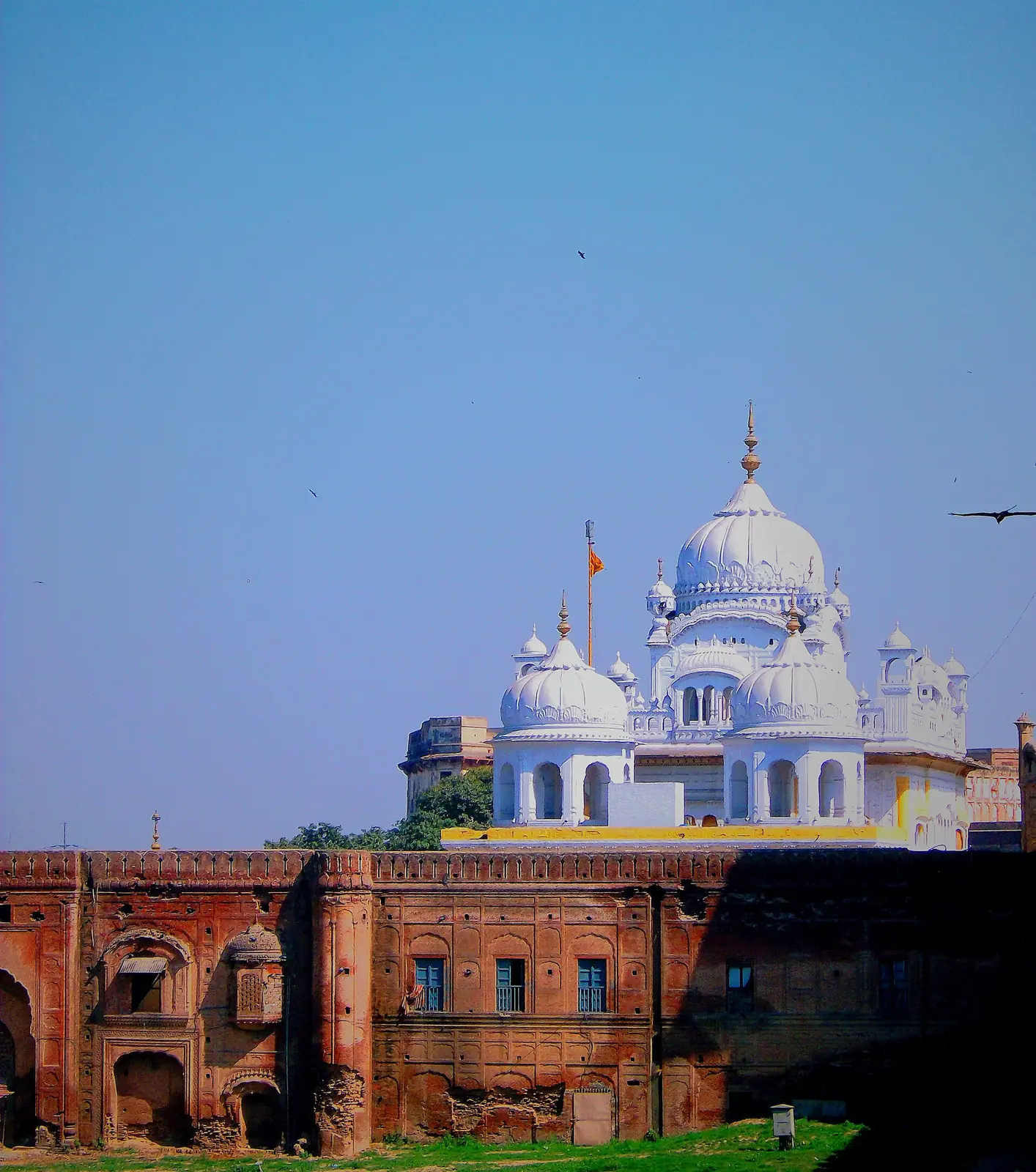
Sikh Empire
Ranjit Singh’s Punjab, from the Khyber to Ladakh
- Peak
- Maharaja Ranjit Singh · 1838
- Reach
- From Peshawar and the mouth of the Khyber to the Sutlej, and from Multan to Kashmir and, through the Dogras of Jammu, Ladakh.
- Gilded copper sheathing of the Harmandir Sahib, given by Ranjit Singh
- The Fauj-i-Khas, a drilled modern army with its own artillery
- Kashmir taken in 1819 and Peshawar in 1834
- Nanakshahi coins struck in the name of the Gurus, not the king
After Ranjit Singh’s death the court fell into faction, and the British annexed Punjab in 1849 after the Second Anglo-Sikh War.