01Khanwa and the first Mughals
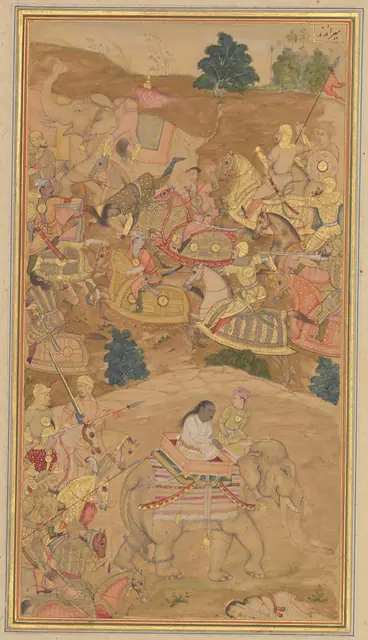
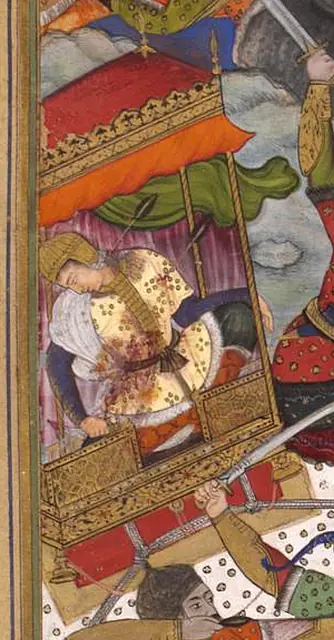
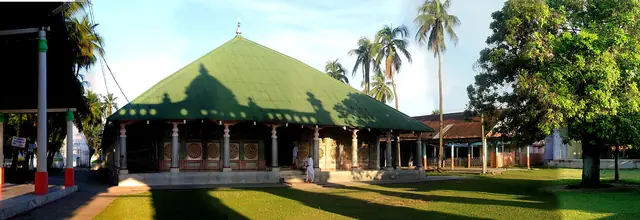
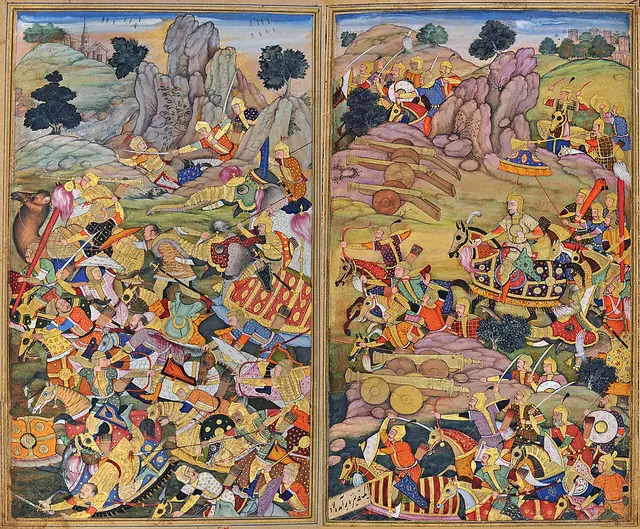
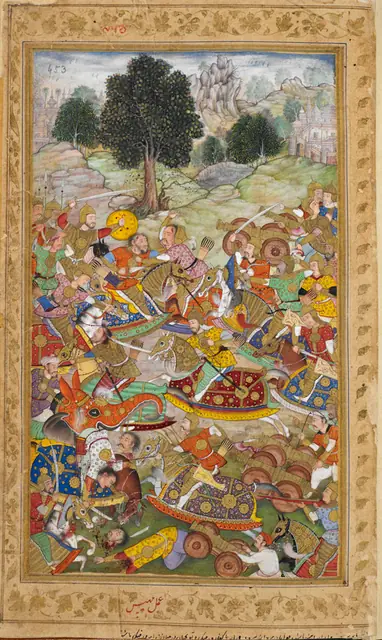
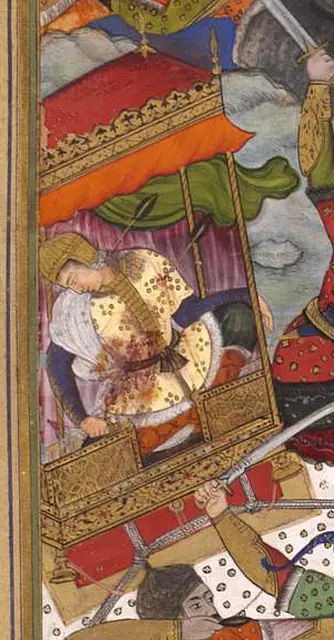
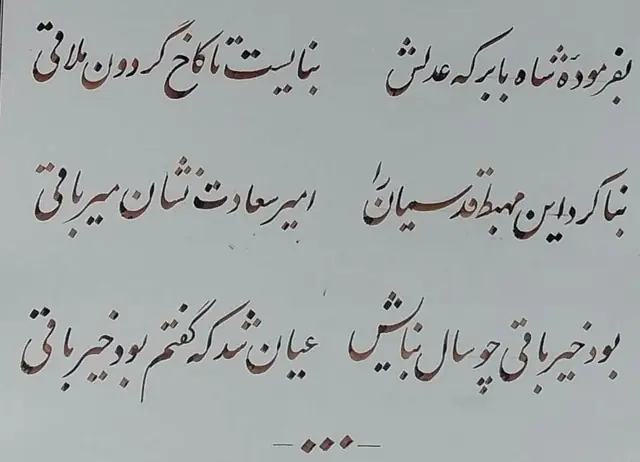
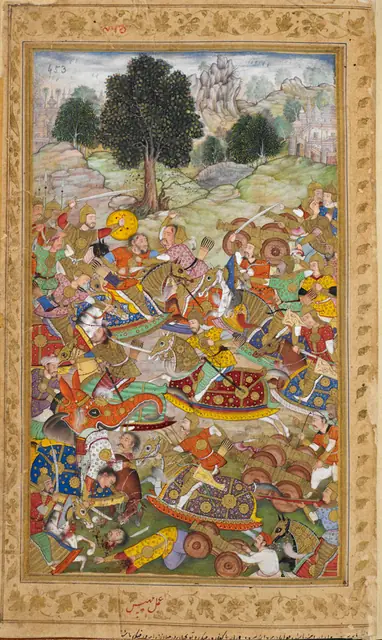
Rana Sanga led a confederacy of Rajput houses against Babur at Khanwa, near Fatehpur Sikri, on 17 March 1527. Babur’s guns and his tied carts broke the Rajput charge; Sanga was wounded and died the next year. In 1528 Babur’s commander Mir Baqi raised a mosque at Ayodhya; its own inscriptions name him and the year. In 1540 Babur’s son Humayun was driven out by Sher Shah Suri. When Humayun’s death left a boy on the throne in 1556, Hemu, a Hindu general of the Suri court, took Delhi on 7 October 1556 and was crowned with the title Vikramaditya. A month later, on 5 November, he was struck in the eye by an arrow at the Second Battle of Panipat, captured and beheaded.
02Talikota and the fall of Hampi
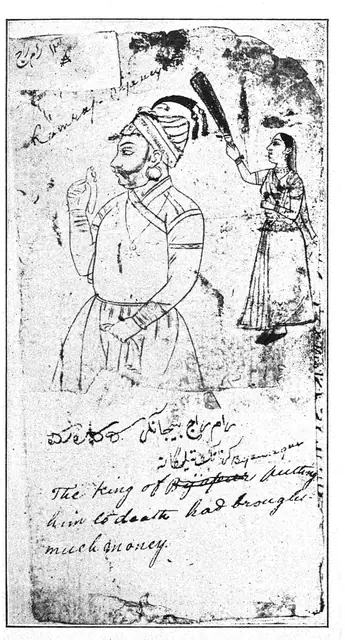
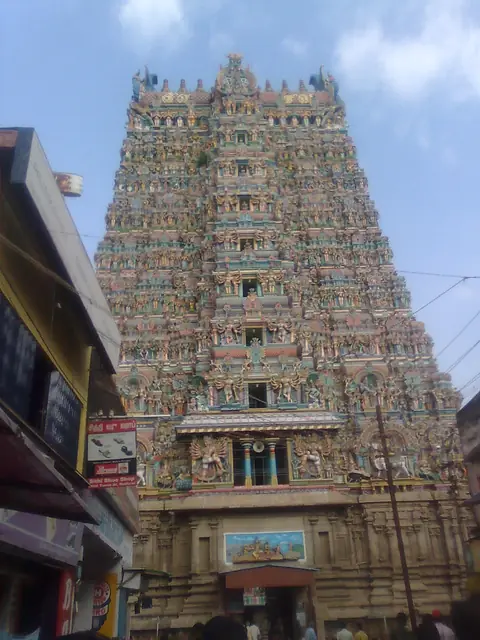
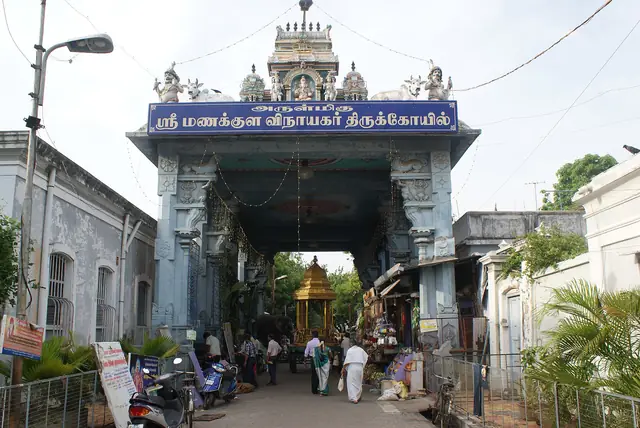
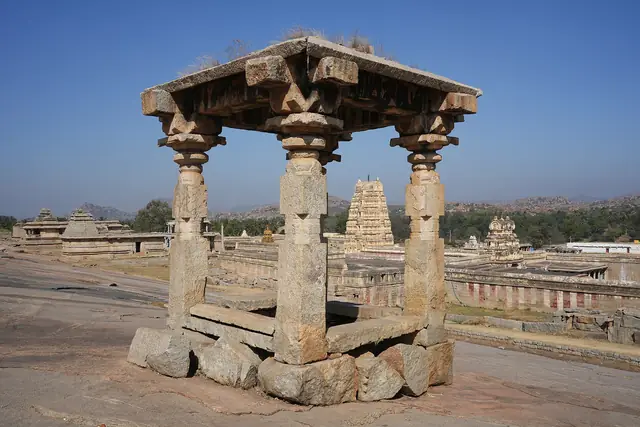
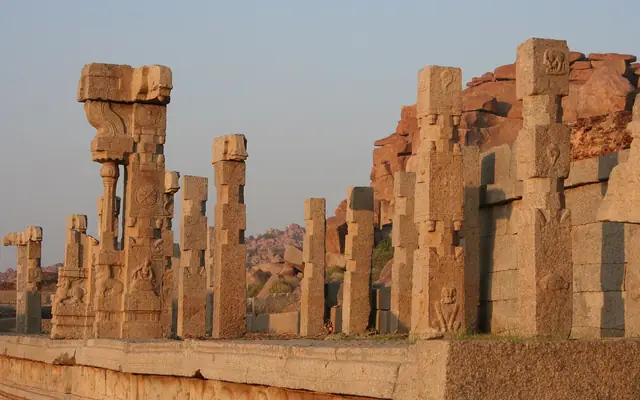
On 23 January 1565 the combined armies of four Deccan sultanates met Vijayanagara near Talikota. Aliya Rama Raya, the regent, was captured and beheaded on the field. The victors spent months in Hampi: the city was looted and burned and its temples broken, and the Portuguese chronicler Diogo do Couto and the later Firishta both describe the ruin. The Aravidu kings carried on from Penukonda and then Chandragiri. Their governors became the Nayakas of Madurai, Thanjavur, Gingee and Keladi, and in the decades that followed they raised the great gopurams and pillared halls of Madurai, Srirangam and Rameswaram. The Wodeyars took Srirangapatna in 1610 and ruled Mysore.
03Mewar and the forest kings
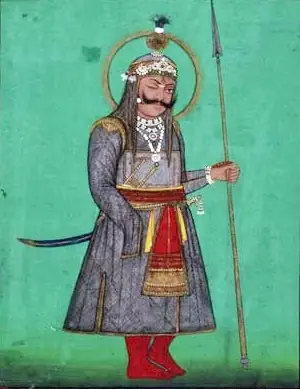
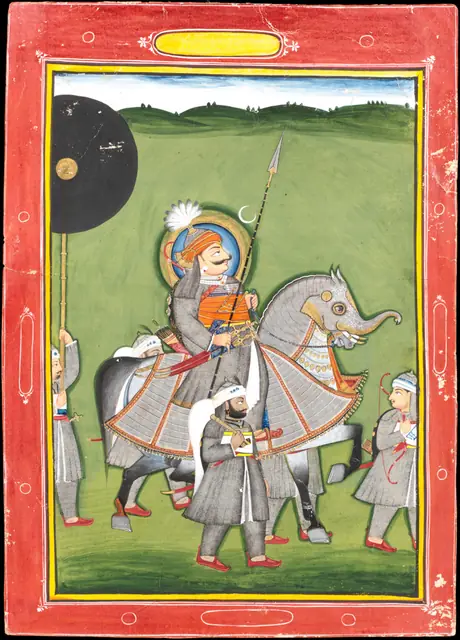
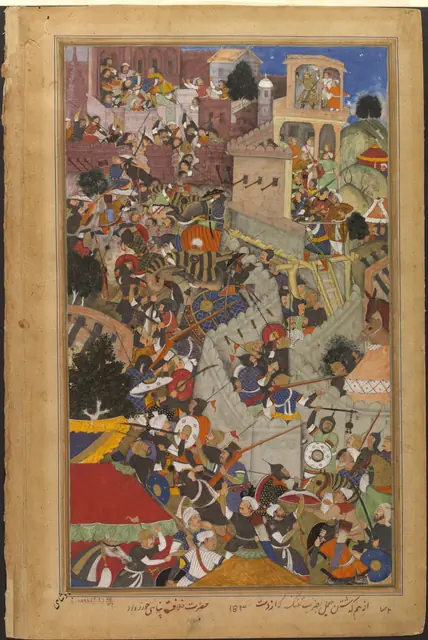
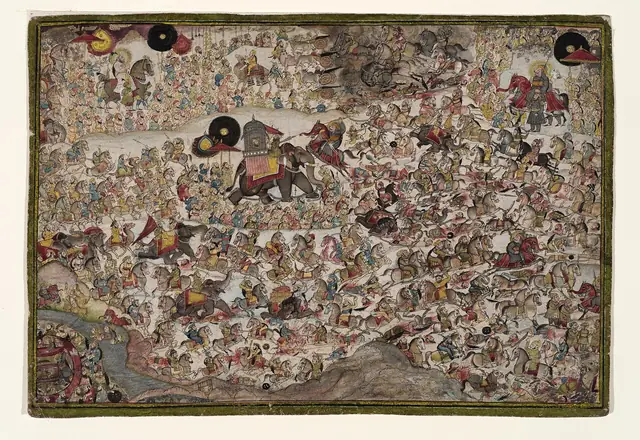
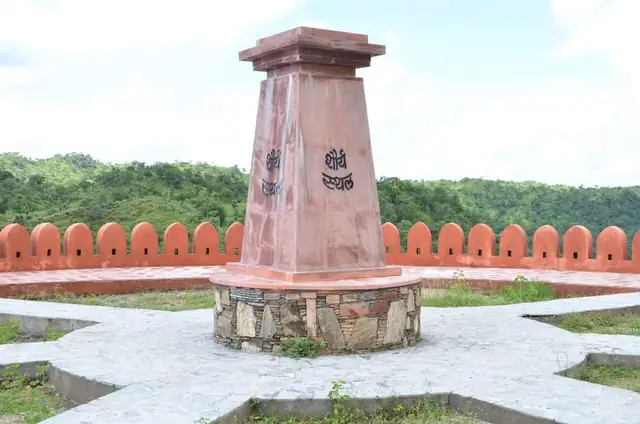
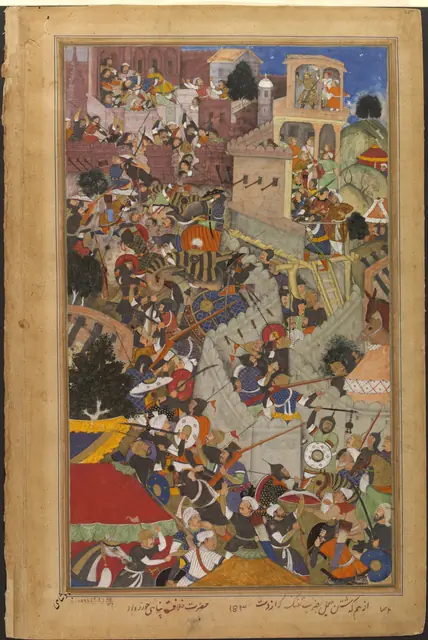
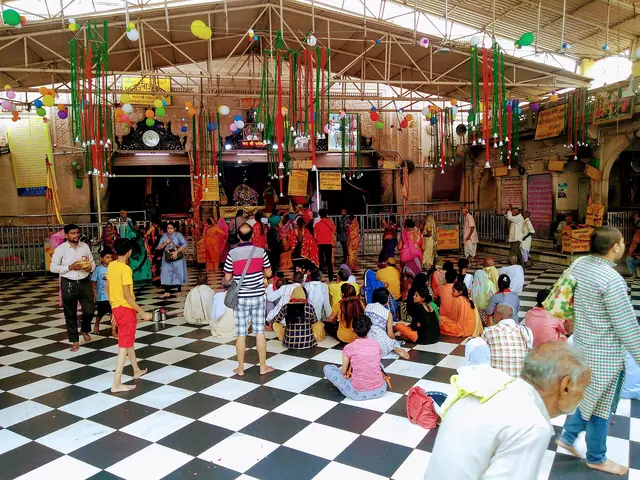
Akbar besieged Chittor in 1567–68. Jaimal and Patta led its defence, the women of the fort performed jauhar, and when the fort fell in February 1568 Akbar ordered a general killing that Abul Fazl puts at about thirty thousand. Akbar’s Fathnama-i-Chittor proclaims the victory as a war against unbelief. Maharana Pratap never submitted. At Haldighati on 18 June 1576 he fought Man Singh’s army to a standstill, then took to the hills and kept up the war. After Dewair in 1582 he won back almost all of Mewar except Chittor and Mandalgarh, and he died at Chavand in 1597. In Gondwana, Rani Durgavati fell fighting Asaf Khan in 1564 rather than be taken.
04Temples under Shah Jahan and Aurangzeb
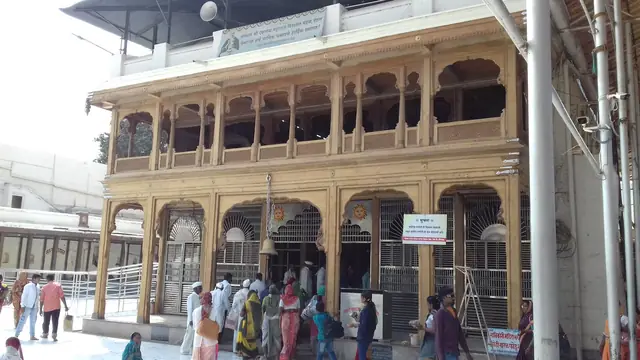
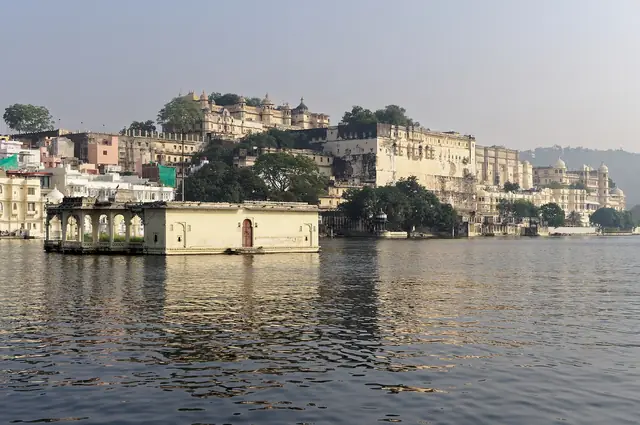
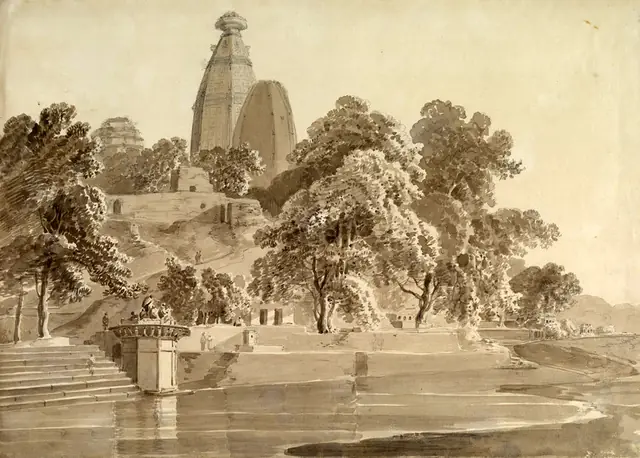
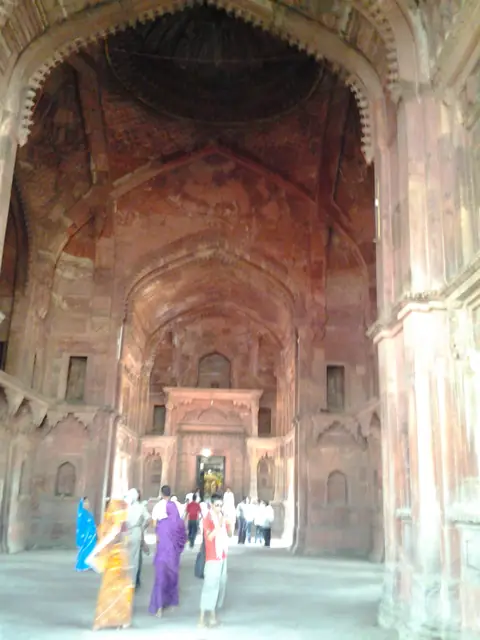
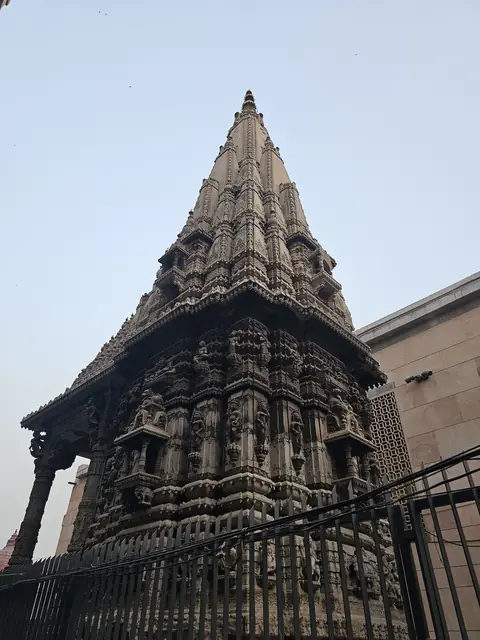
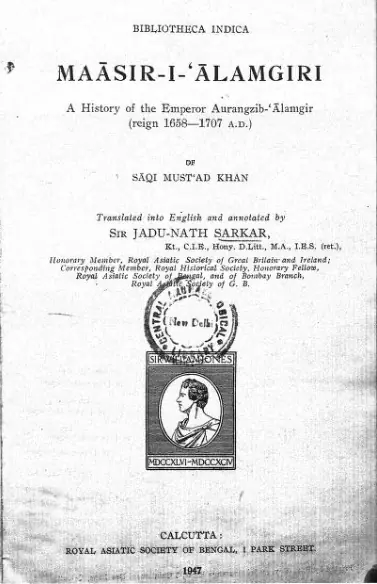
Akbar dropped the pilgrim tax in 1563 and the jizya in 1564, and in his reign Raja Todar Mal and Pandit Narayana Bhatta rebuilt the Vishwanath temple at Kashi around 1585. The next reigns turned back. Abdul Hamid Lahori’s Badshahnama records that in 1633 Shah Jahan ordered newly built temples destroyed and that seventy-six were pulled down at Banaras. Aurangzeb issued a general order on 9 April 1669 to demolish the schools and temples of the Hindus. Kashi Vishwanath was demolished that year and the Gyanvapi mosque raised on its plinth; the Keshava Deva temple at Mathura followed in January 1670, its images buried under the steps of a mosque at Agra. The Maasir-i-Alamgiri records each. Jizya returned in 1679, and in the Rajput war that followed the same chronicle counts 172 temples destroyed around Udaipur.
05The Gurus and the Khalsa
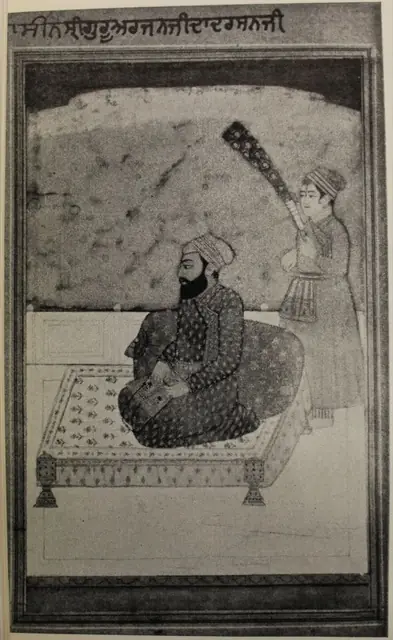
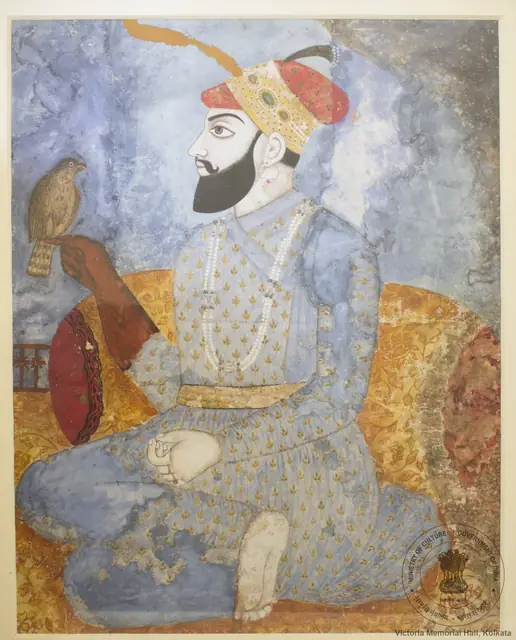
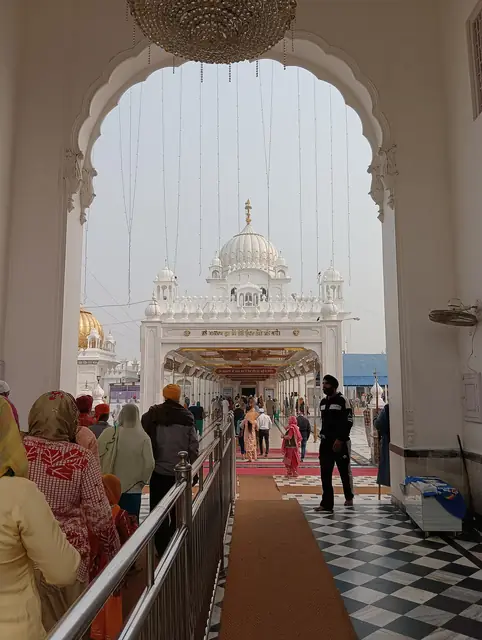
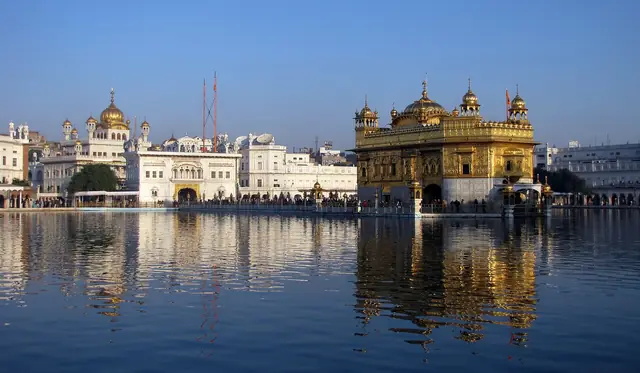
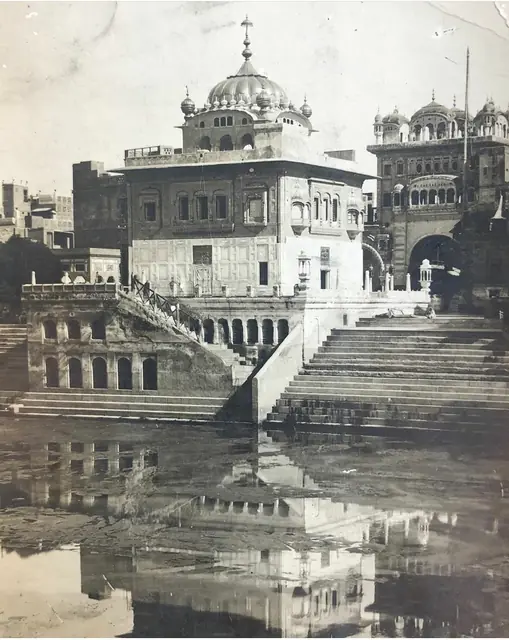
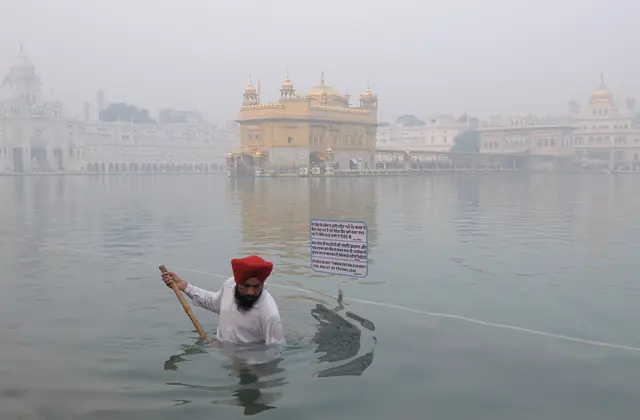
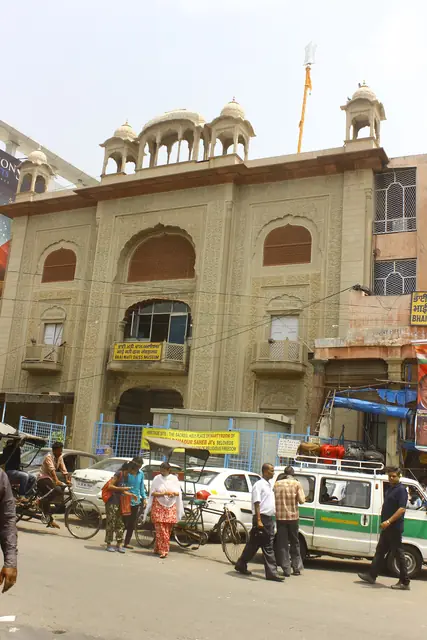
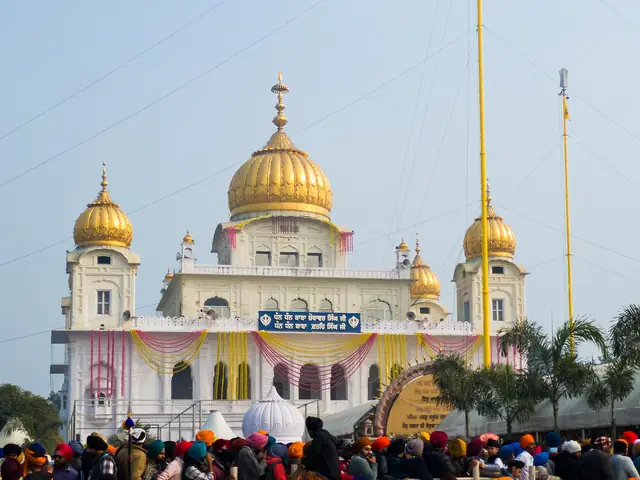
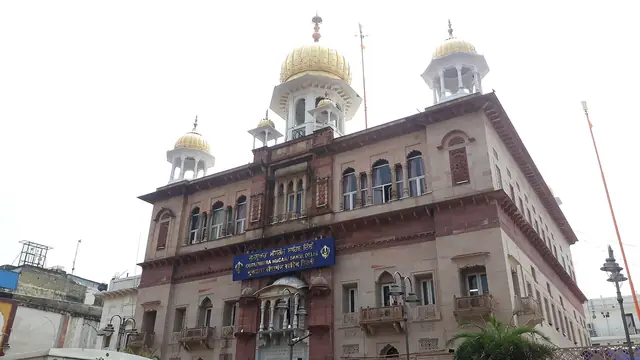
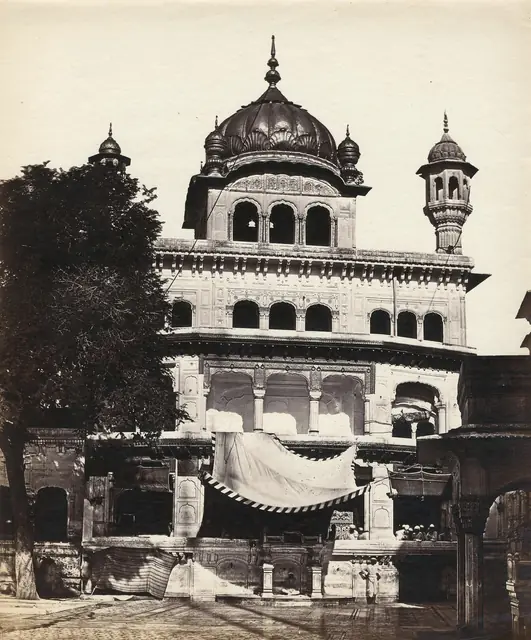
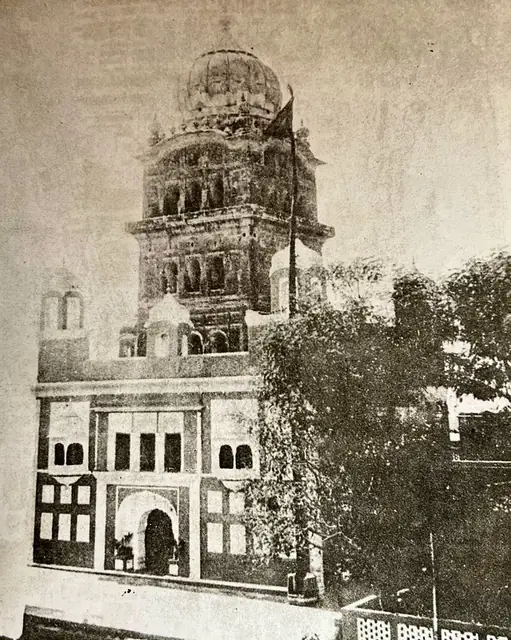
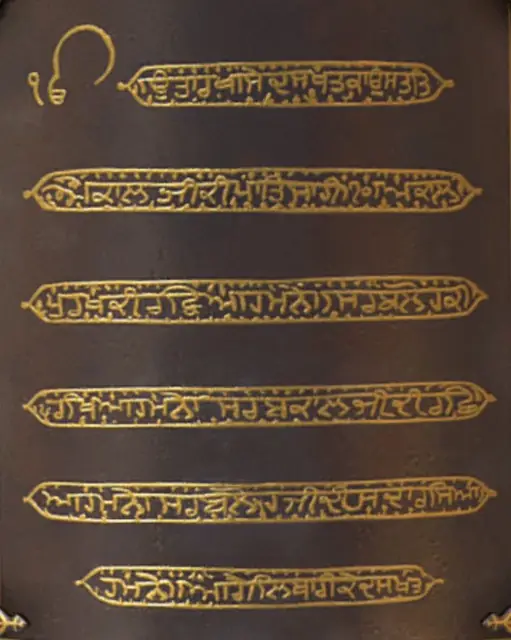
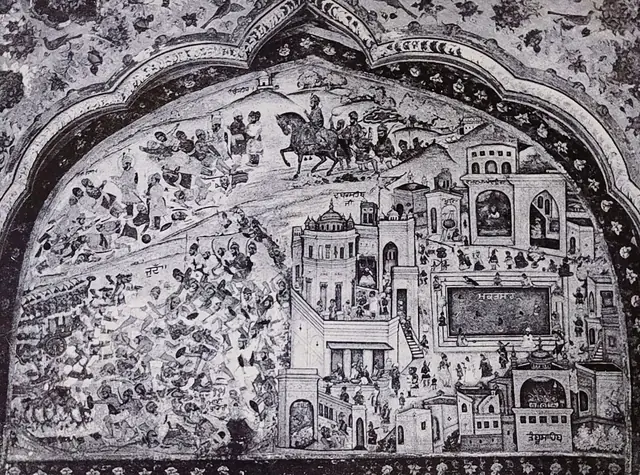
Guru Arjan Dev compiled the Adi Granth in 1604 and installed it in the Harmandir Sahib at Amritsar. In 1606 he was tortured to death at Lahore on Jahangir’s orders; Jahangir’s own memoir names him and says he wished to end his teaching. Guru Hargobind took up the two swords of miri and piri. In 1675 the Kashmiri Pandits, pressed to convert, came to Anandpur to seek Guru Tegh Bahadur’s help; he went to Delhi and was beheaded at Chandni Chowk that November, where Gurdwara Sis Ganj stands. His son, Guru Gobind Singh, created the Khalsa at Anandpur on Vaisakhi 1699, and lost all four of his sons in the wars that followed.
06Shivaji and Hindavi Swarajya
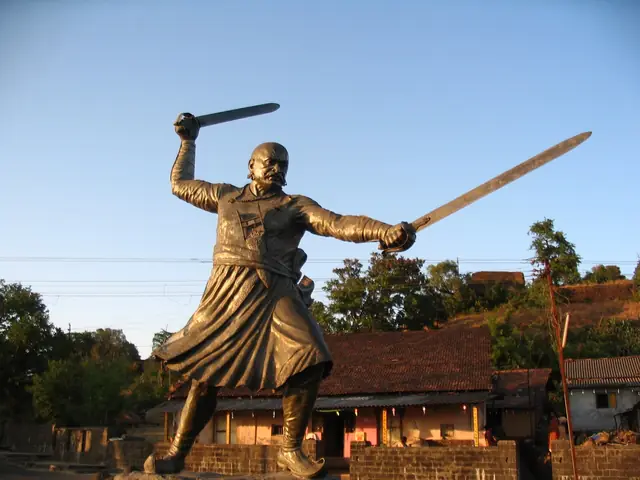
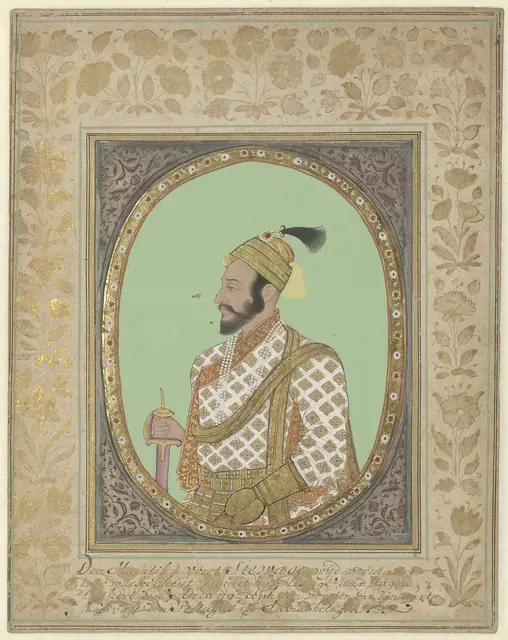
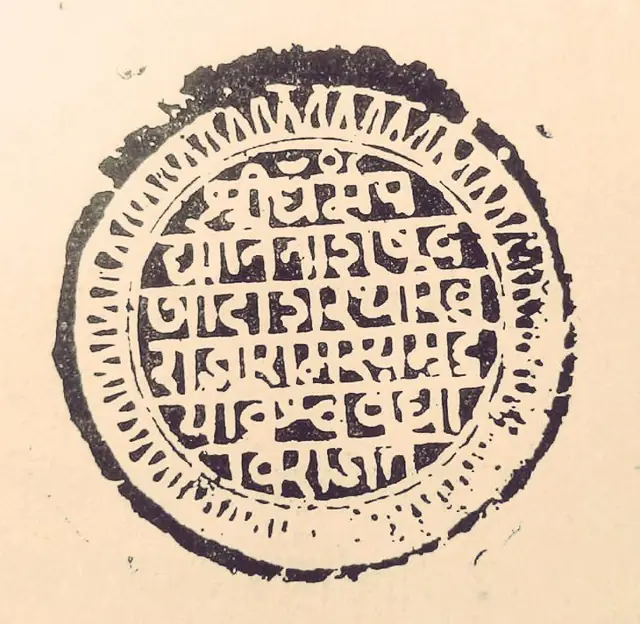
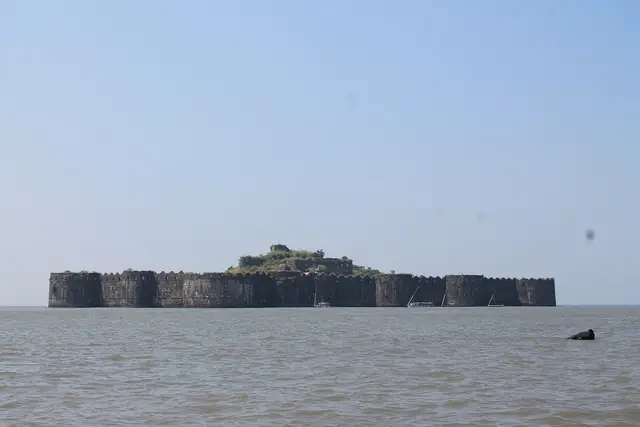
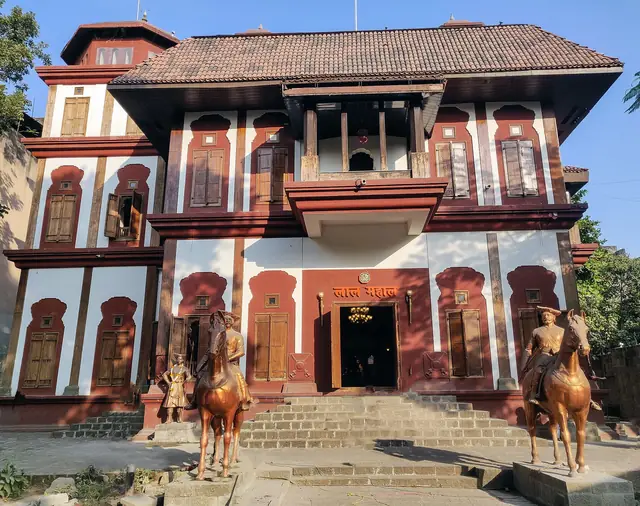
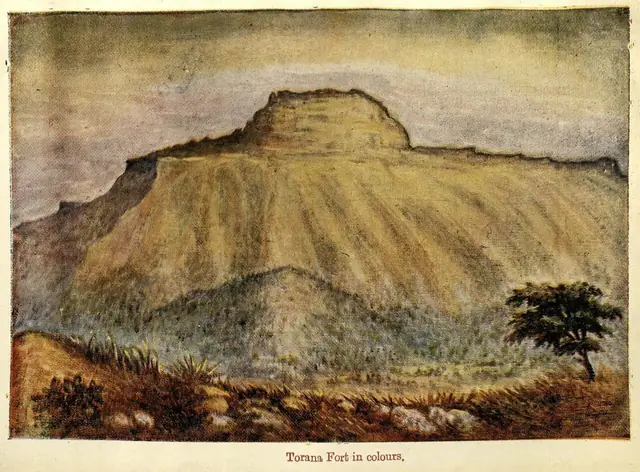
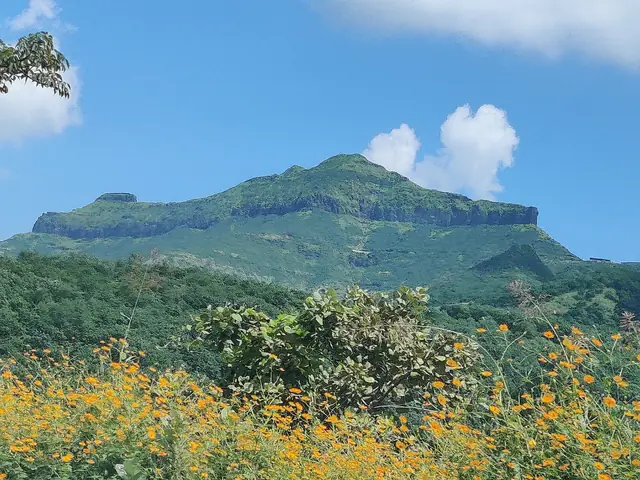
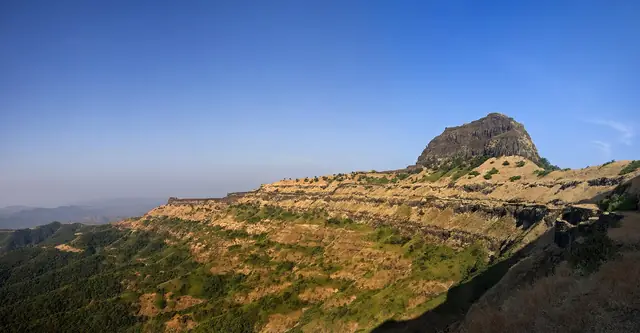
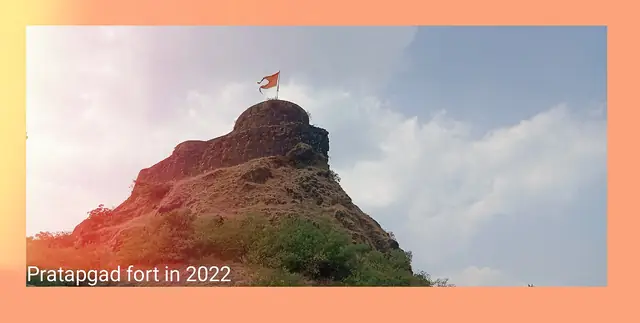
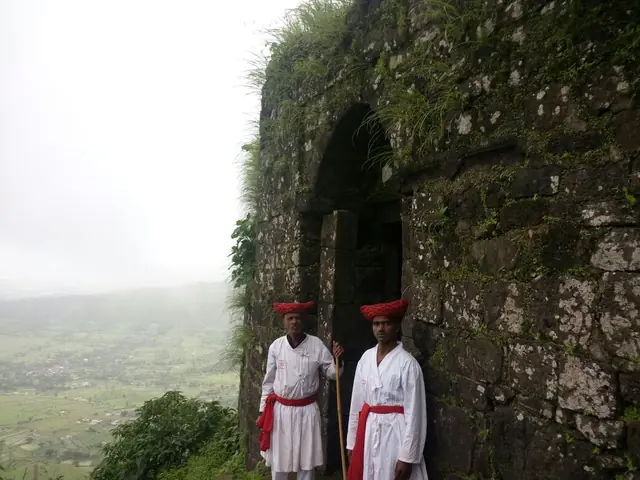
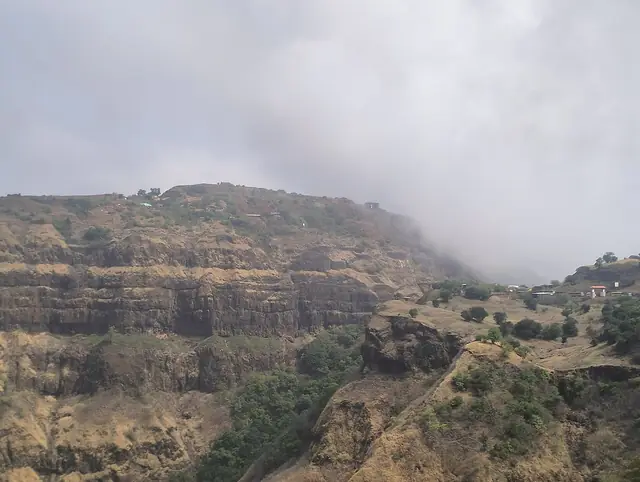
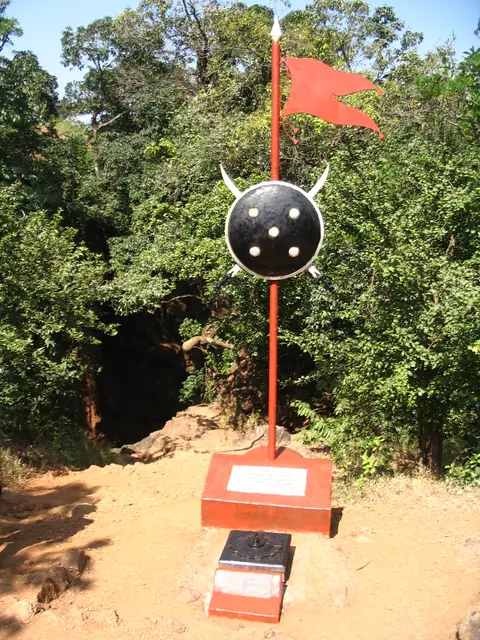
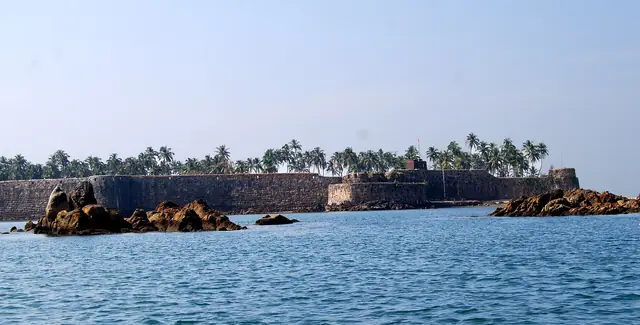
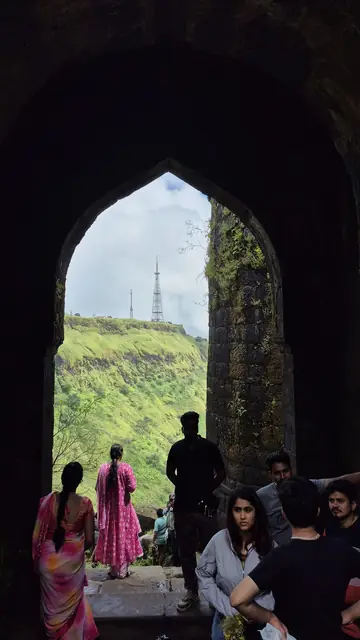
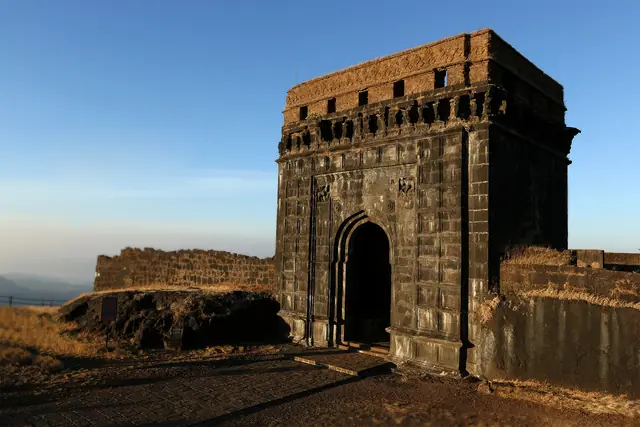
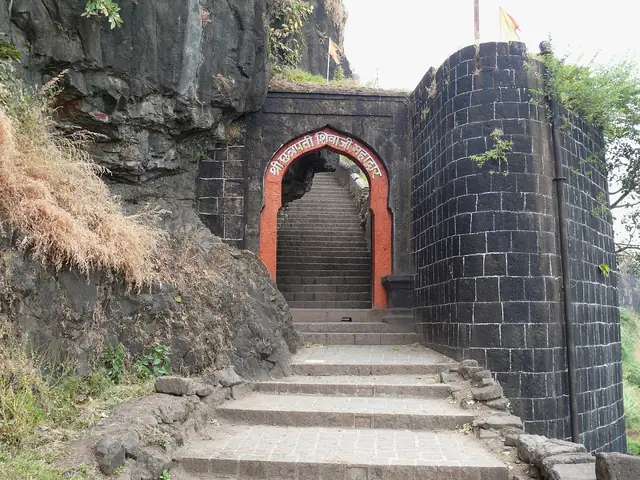
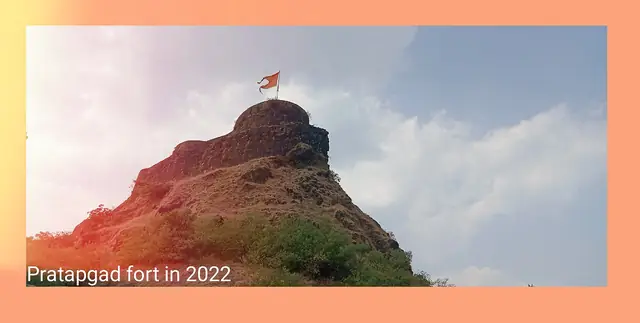
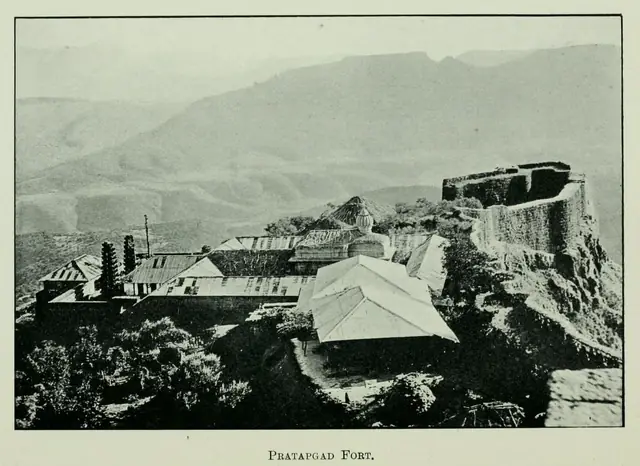
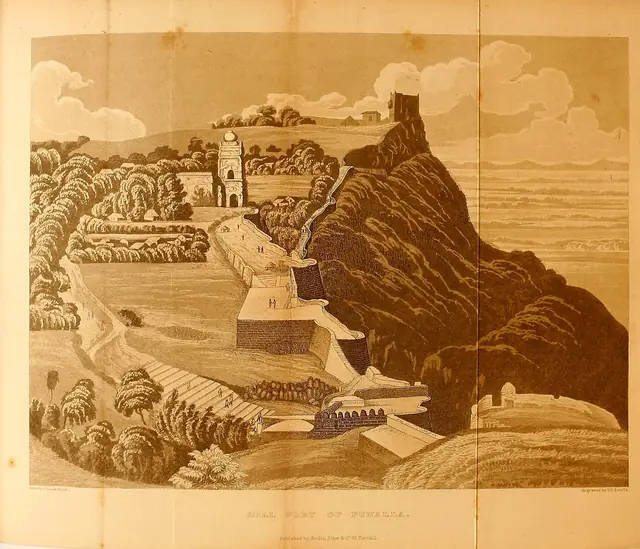
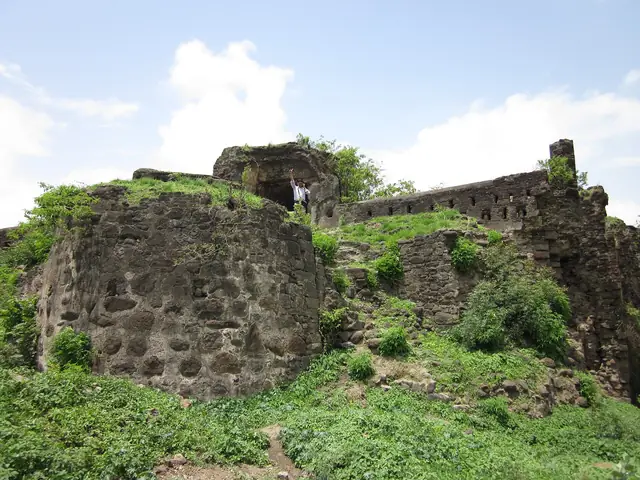
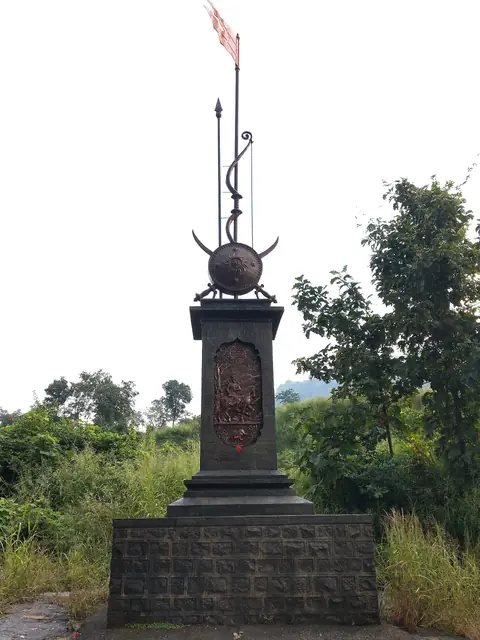
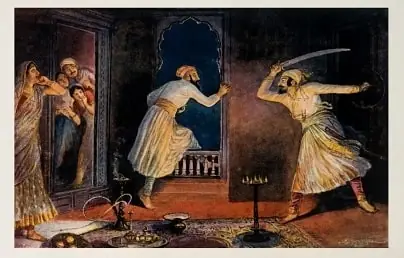
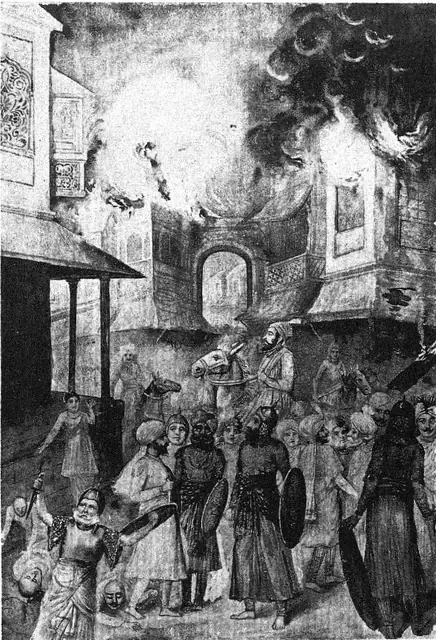
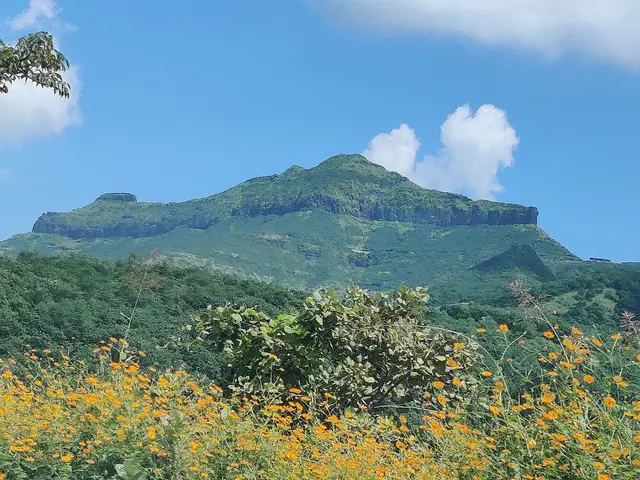
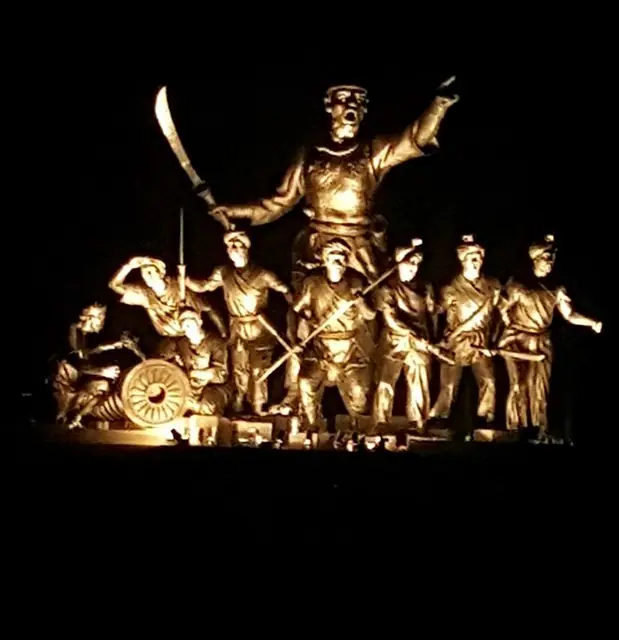
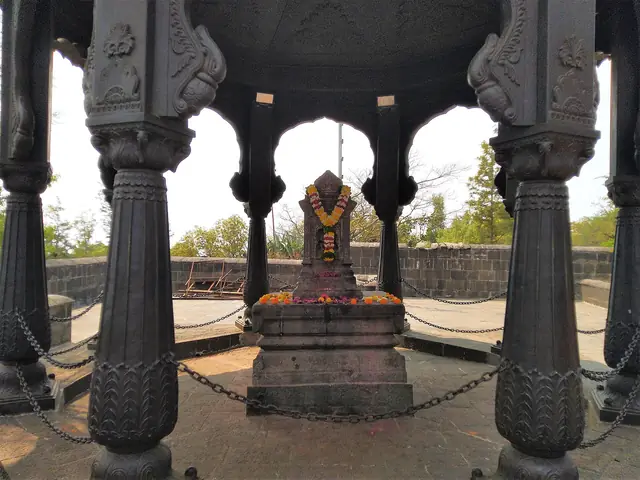
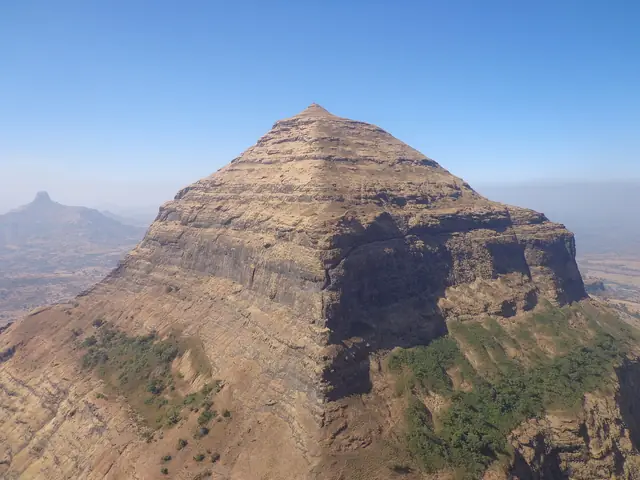
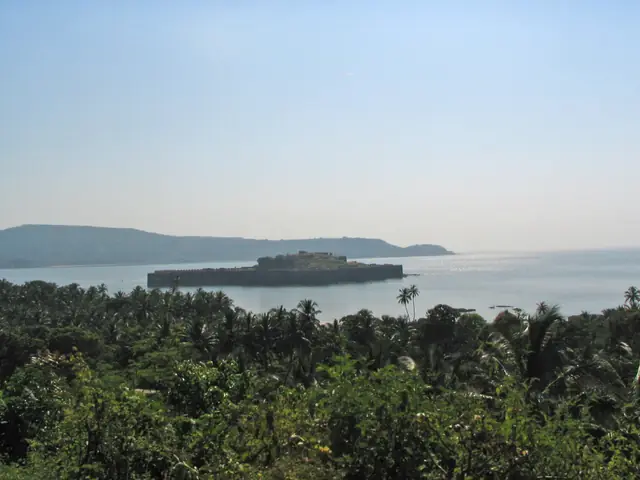
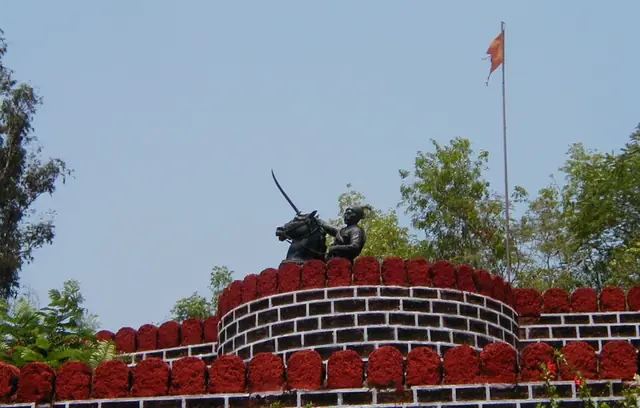
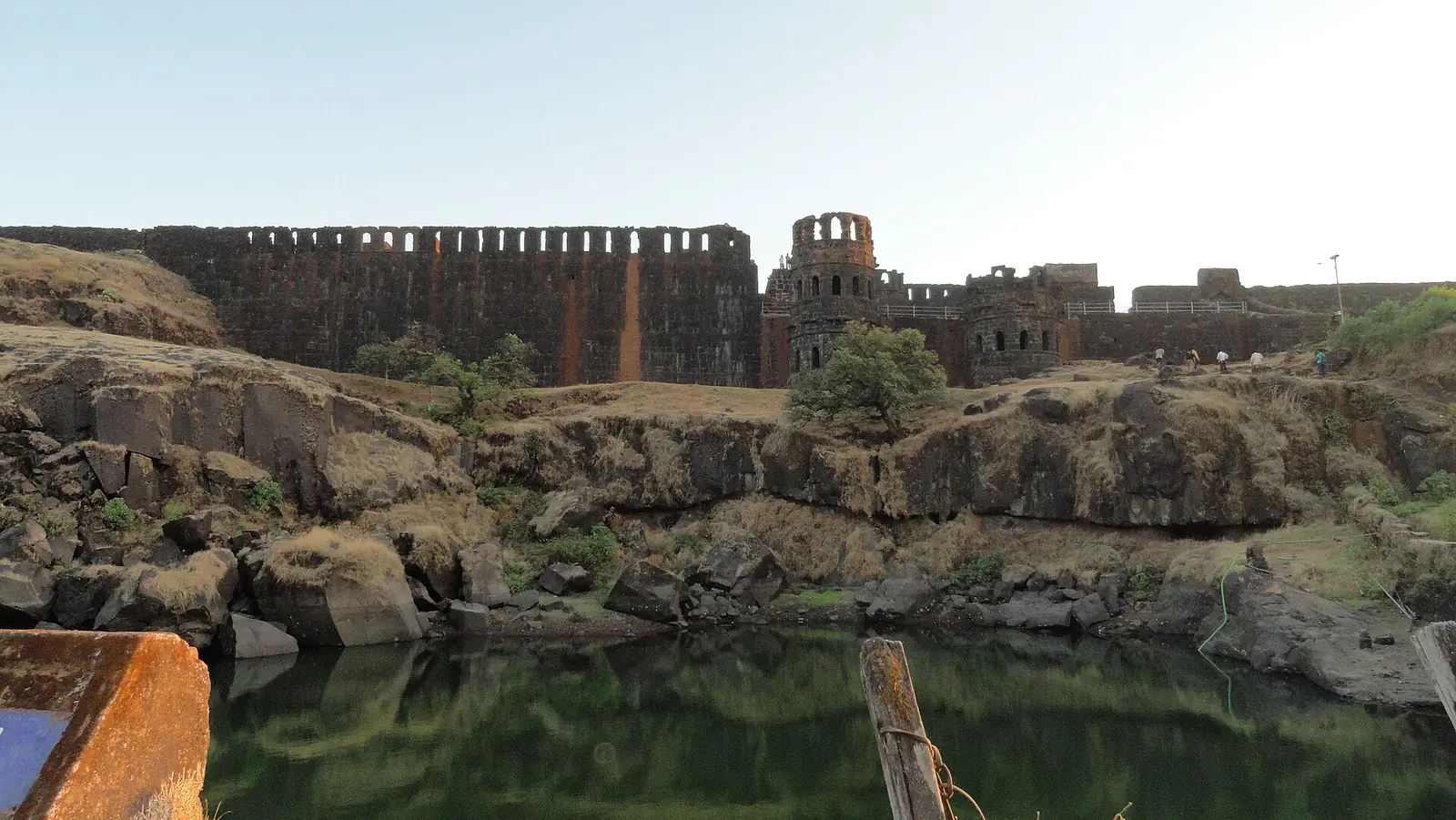
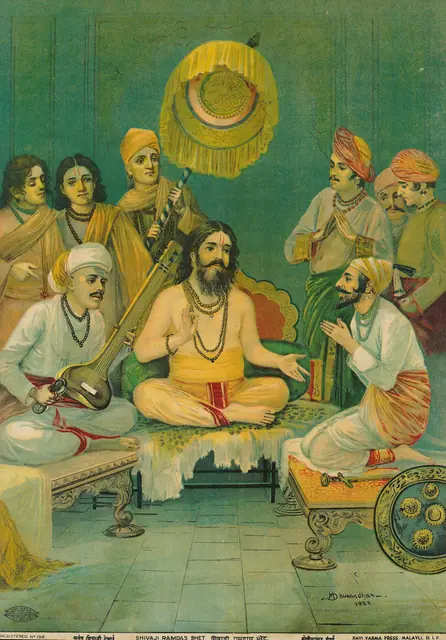
Shivaji, born at Shivneri in 1630, took Torna fort as a youth and built a state out of the hill forts of the Sahyadri. At Pratapgad on 10 November 1659 he killed Bijapur’s general Afzal Khan; at Pavan Khind in July 1660 Baji Prabhu Deshpande held the pass with his men until the guns of Vishalgad told him his king was safe. Shivaji raided Shaista Khan’s camp at Pune in 1663, escaped from Aurangzeb’s court at Agra in 1666, and in February 1670 Tanaji Malusare died taking Sinhagad. Shivaji was crowned at Raigad on 6 June 1674, with a council of eight ministers, a navy and sea forts such as Sindhudurg, and the Rajavyavahara Kosha, a lexicon that replaced Persian terms of state with Sanskrit. He died in April 1680.
07Assam, Bundelkhand, Marwar, the coast
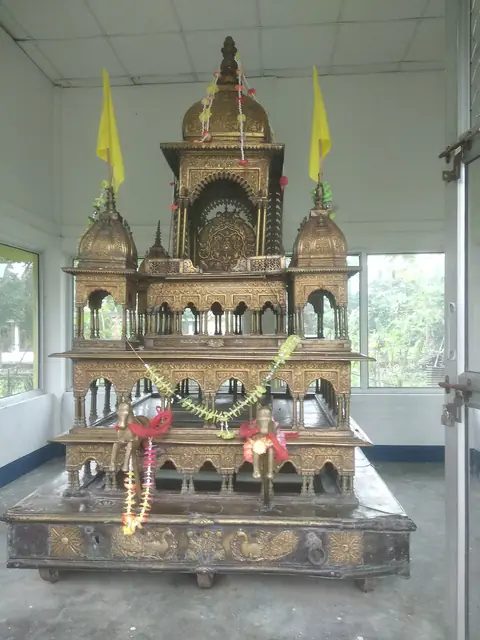
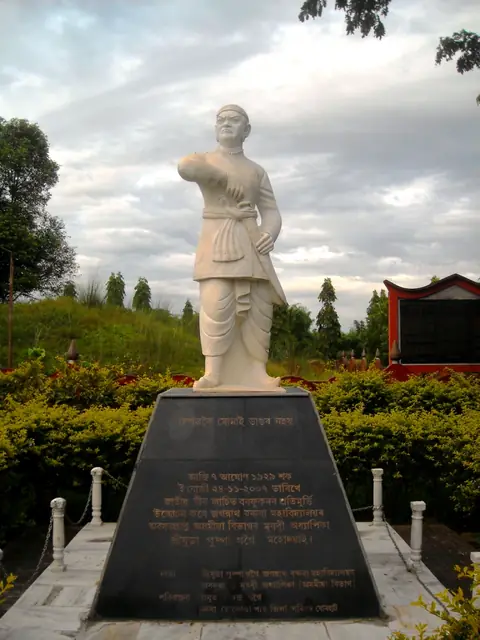
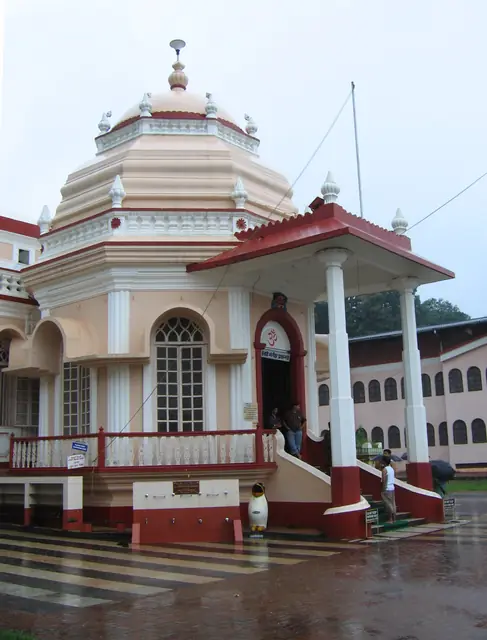
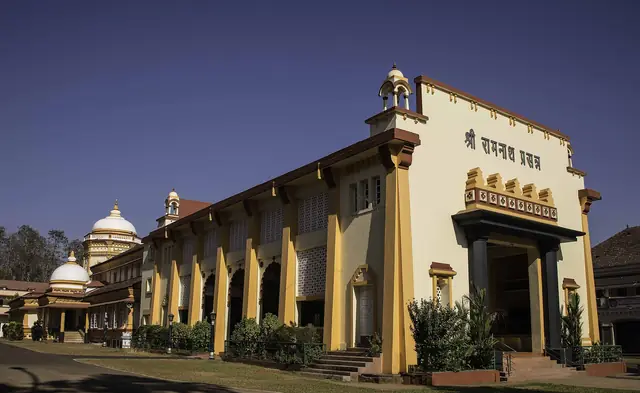
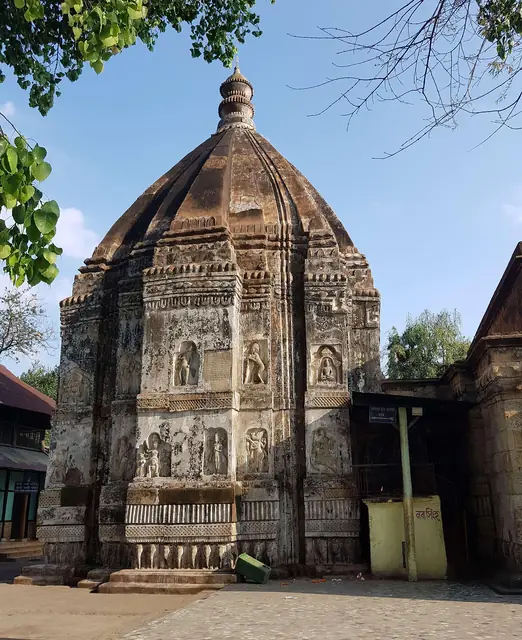
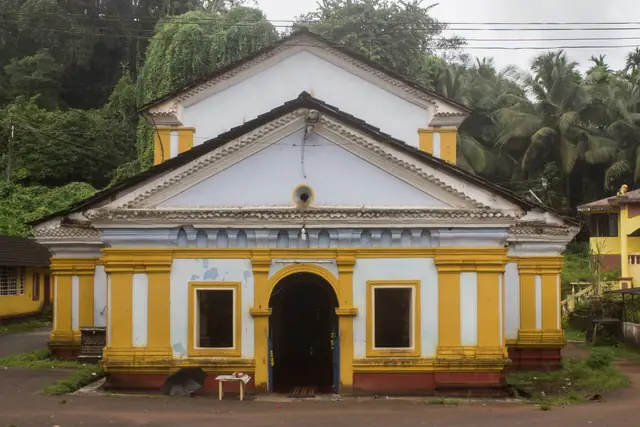
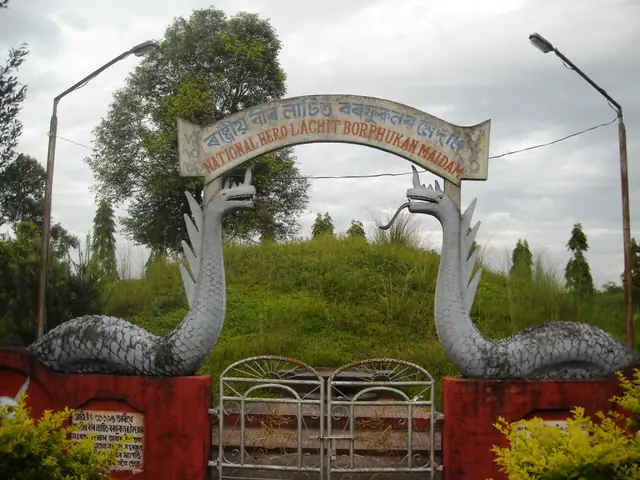
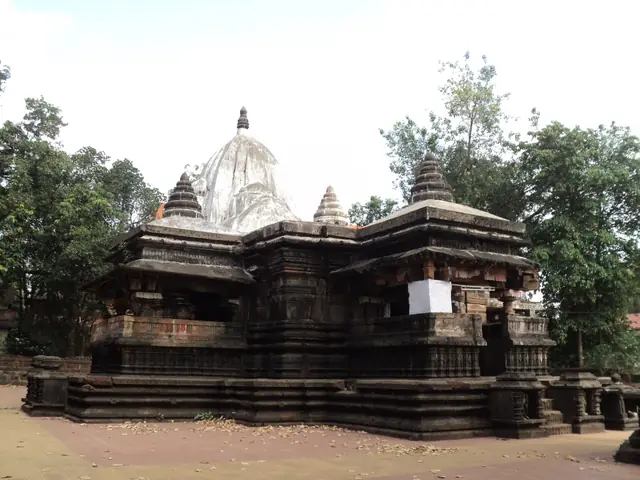
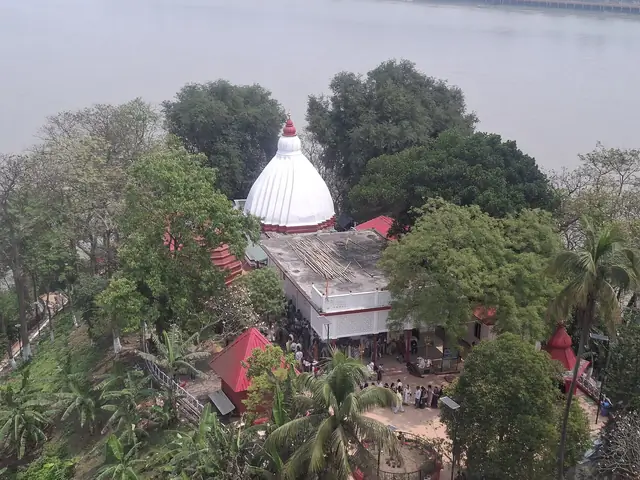
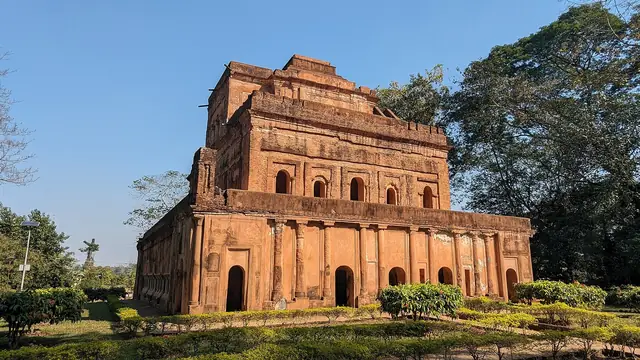
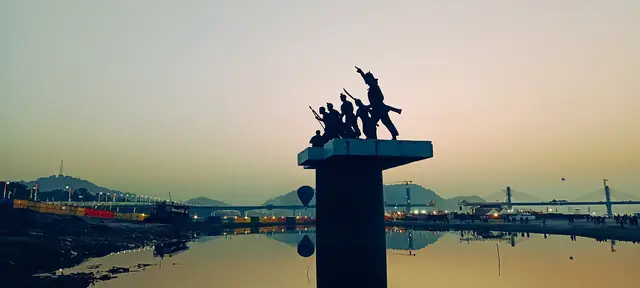
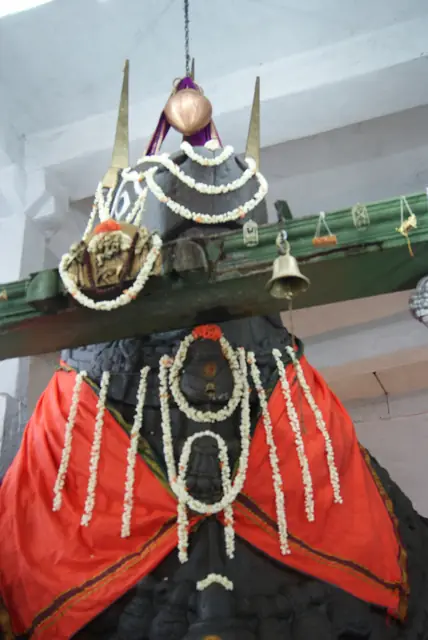
Mir Jumla overran the Ahom capital Garhgaon in 1662, but the Ahoms recovered their land. In March 1671, at Saraighat on the Brahmaputra near Guwahati, Lachit Borphukan, sick with fever, had himself carried to the battle and led the boats that broke Ram Singh’s Mughal fleet. Chhatrasal Bundela carved out a free Bundelkhand from 1671. When Aurangzeb tried to seize Marwar after Jaswant Singh’s death in 1678, Durgadas Rathore smuggled the infant Ajit Singh to safety and fought for nearly thirty years until Ajit took Jodhpur in 1707. On the coast, Rani Abbakka of Ullal fought the Portuguese for decades in the 16th century, while in Goa the Portuguese broke the temples of Salcete and Bardez, and the families carried their deities across the river to Ponda, where Mangeshi and Shantadurga stand today.
08Tulsidas, Surdas, Meera
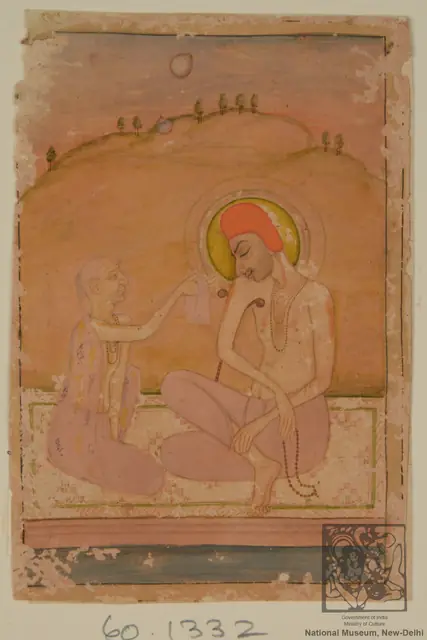
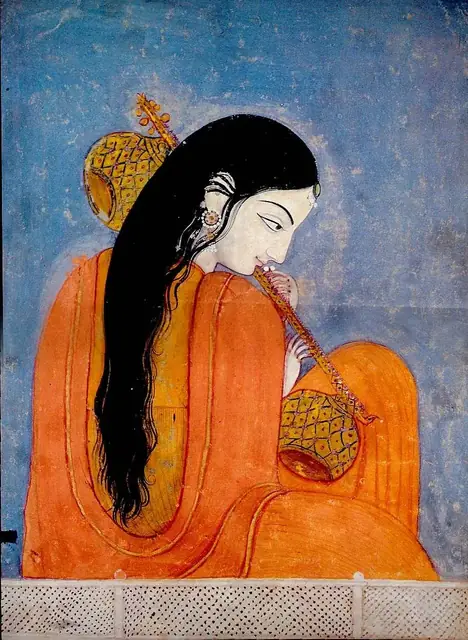
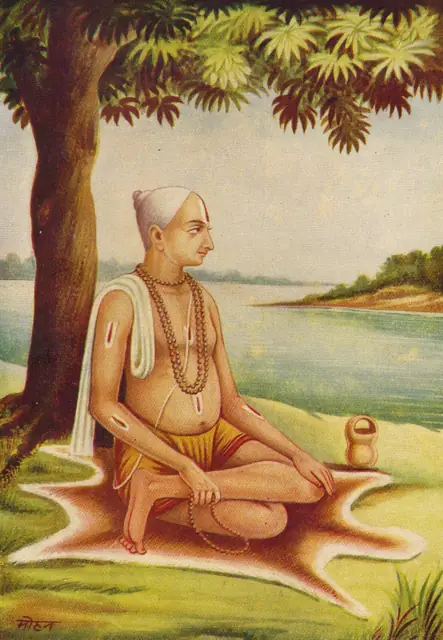
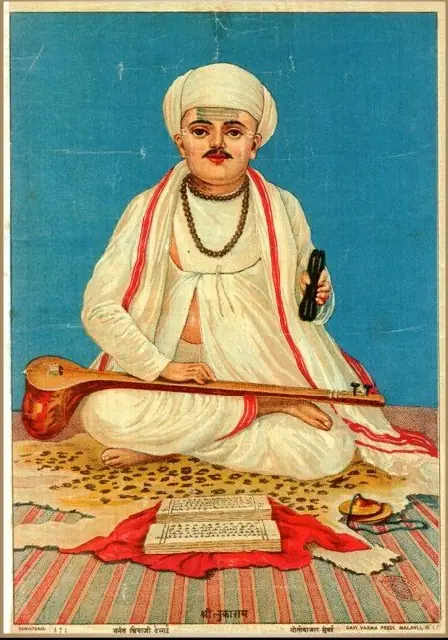
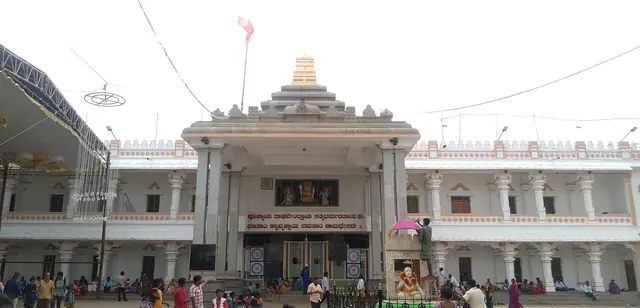
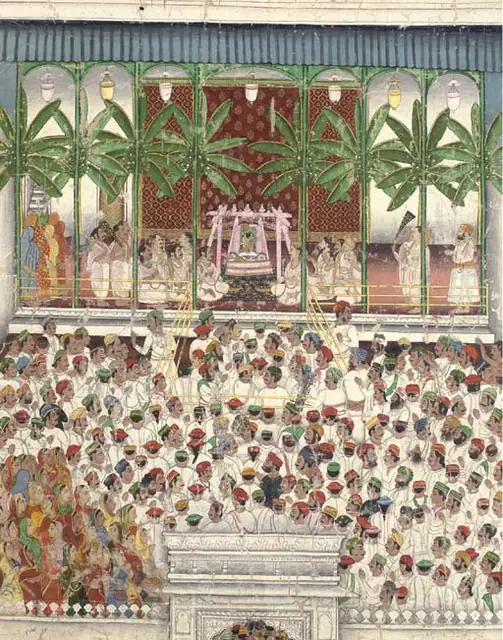
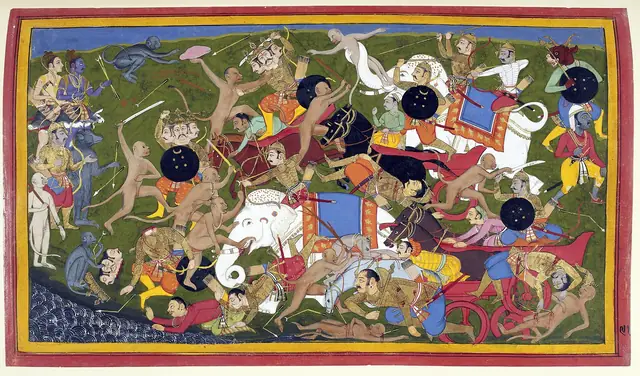
Tulsidas began the Ramcharitmanas at Ayodhya on Ram Navami of Samvat 1631, that is 1574, and finished it in Kashi. In Awadhi rather than Sanskrit, it carried the Ramayana into every village of the north, and the Ramlila of Kashi and the reading of the Manas still follow it. Surdas sang the childhood of Krishna in Braj; Meerabai, a princess of Mewar and Merta, left the palace for Krishna and her padas are sung across Bharat. Samarth Ramdas founded mathas of Hanuman across Maharashtra and wrote the Dasbodh; Tukaram’s abhangas were sung at Dehu, and Eknath edited the Dnyaneshwari. In the south, Kshetrayya and the Nayaka courts shaped music and dance. The Rajput courts painted the Ramayana and Bhagavata; Jagat Singh I of Mewar commissioned the great Mewar Ramayana between 1649 and 1653.
09Land, tax and the Deccan war
The Mughal state lived on land revenue. Todar Mal’s survey under Akbar fixed the demand at about a third of the crop, collected in cash, and the peasant carried that load. Bharat remained one of the two largest economies in the world, with weavers of Bengal, Gujarat and the Coromandel coast clothing much of Asia and Africa. European companies arrived: the Portuguese in Goa from 1510, the English at Surat from 1613 and Madras from 1639, the Dutch and then the French. Aurangzeb spent his last twenty-six years in the Deccan, trying to crush the Marathas and taking the sultanates of Bijapur (1686) and Golconda (1687). The war drained his treasury and left the Mughal state hollow.
10Sambhaji, Tarabai and 1707
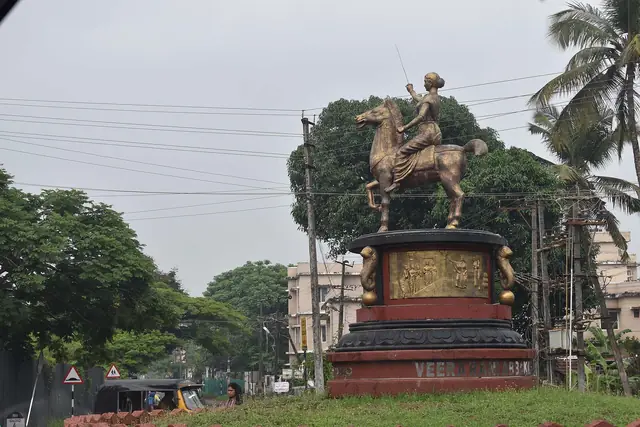
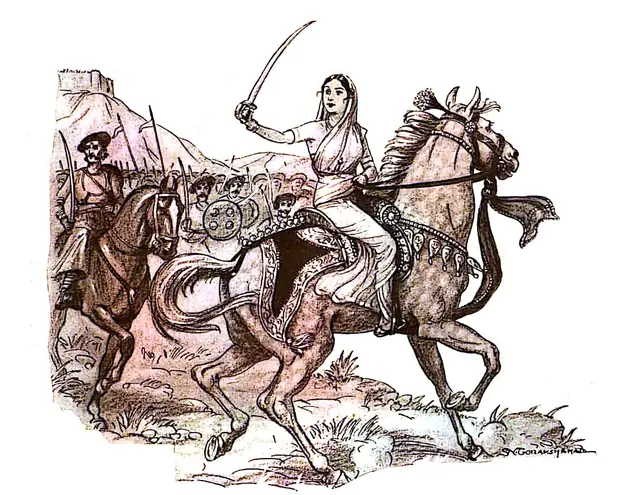
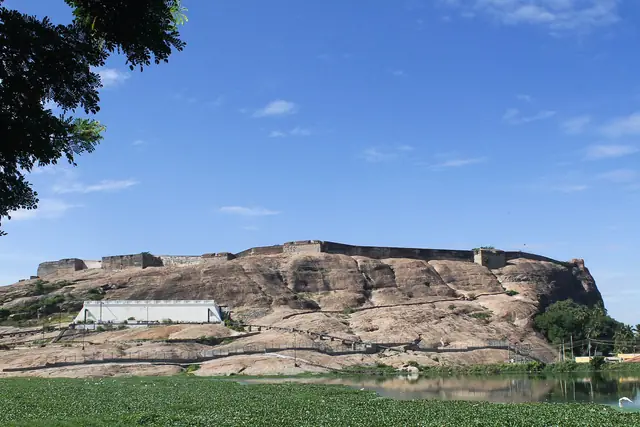
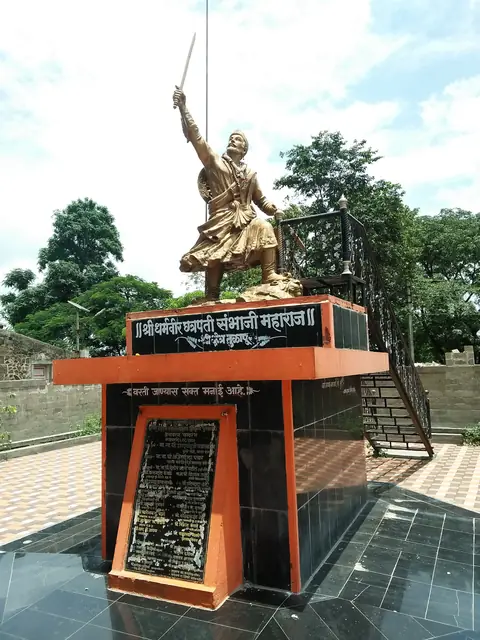
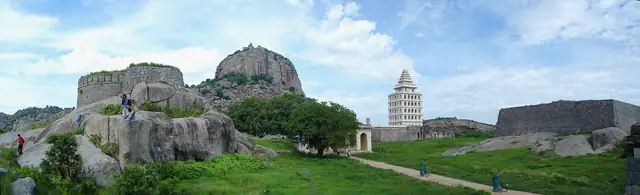
Shivaji’s son Sambhaji fought on for nine years. He was captured at Sangameshwar, tortured and executed at Tulapur on 11 March 1689. The Mughals then took Raigad. His brother Rajaram escaped south to Gingee, with Keladi Chennamma giving him passage, and held out there through an eight-year siege. After Rajaram died in 1700, his widow Tarabai led the war herself; Maratha horsemen carried it into Malwa and Gujarat, burning the Mughal supply lines. Aurangzeb died at Bhingar near Ahmednagar on 3 March 1707, at the age of eighty-eight, with the Deccan unconquered. Within a generation, Maratha armies stood at the gates of Delhi.
What survives today
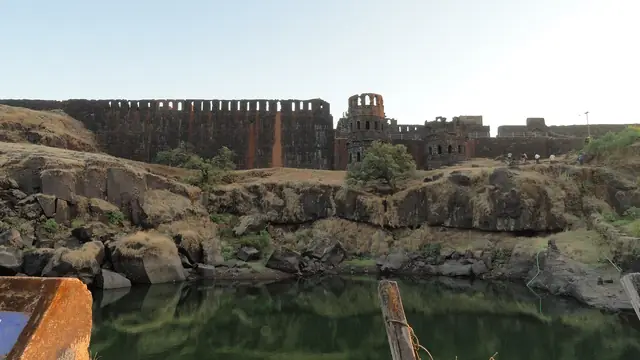
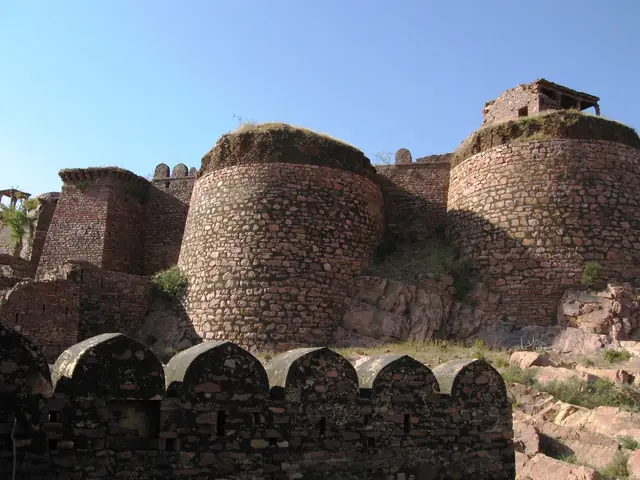
- Raigad, Pratapgad, Sinhagad and Sindhudurg forts, Maharashtra
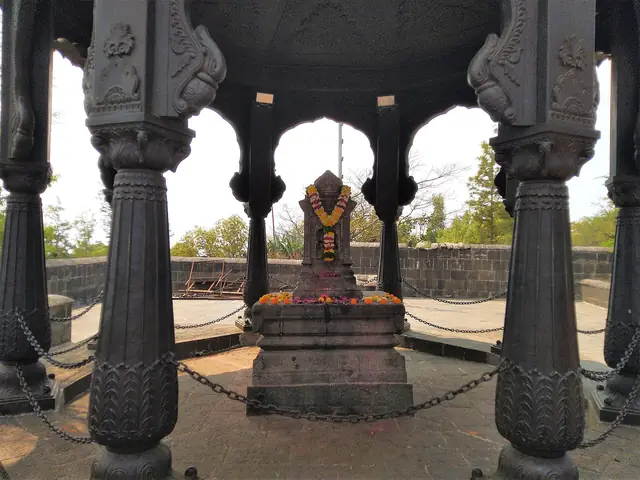
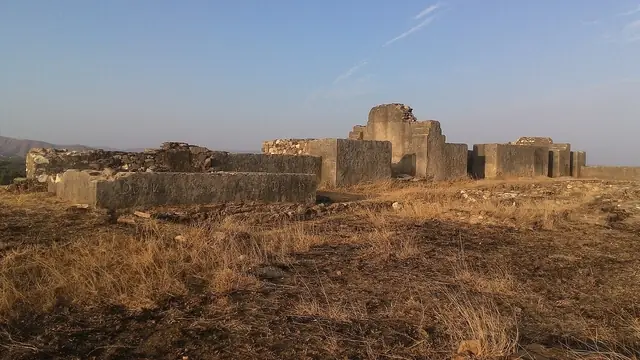
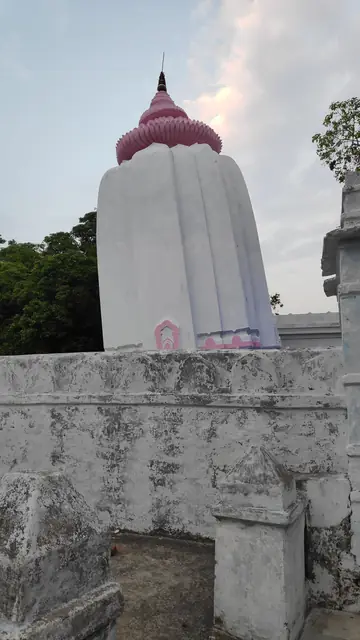
- Chittorgarh and Haldighati, with the chhatri of Maharana Pratap at Bandoli near Chavand
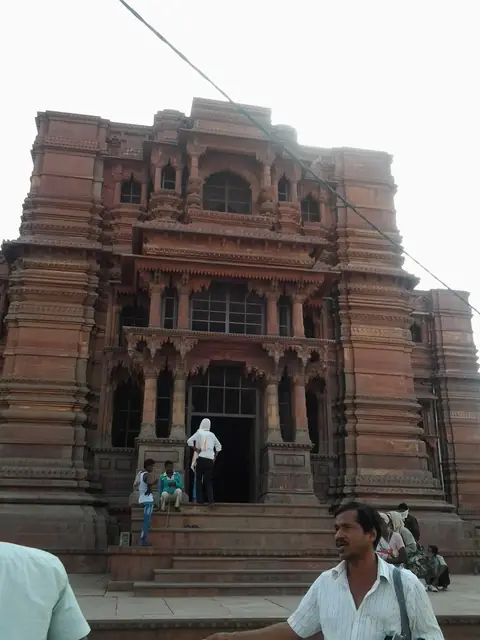
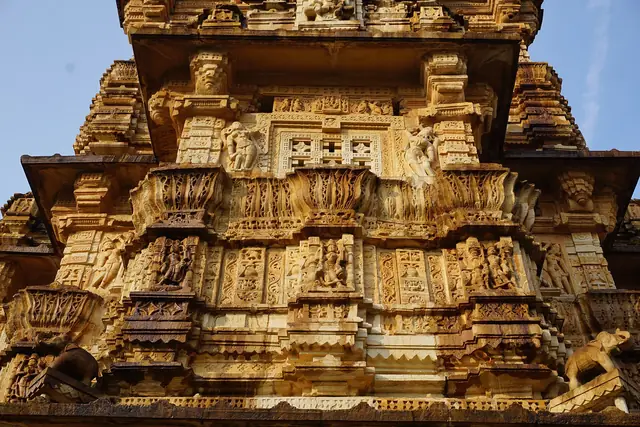
- The Govind Dev temple at Vrindavan, 1590
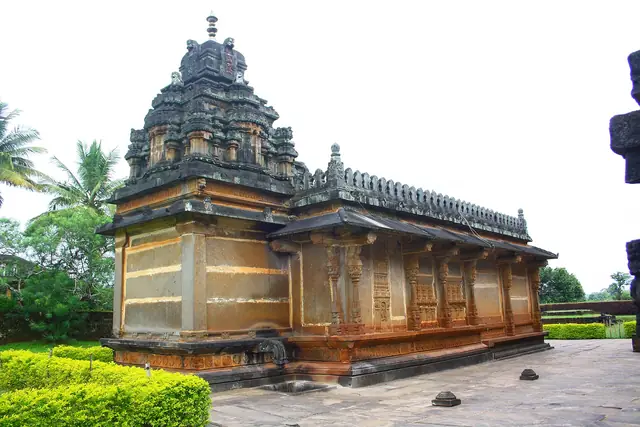
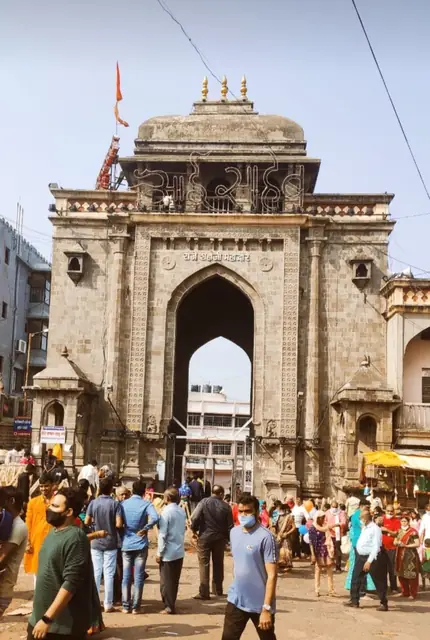
- The Meenakshi temple’s Nayaka-era gopurams and halls, Madurai
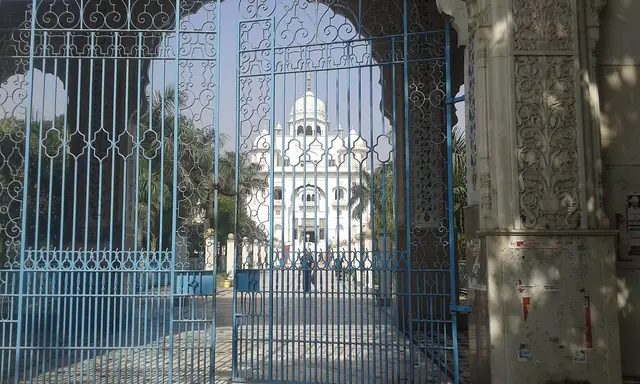
- Gurdwara Sis Ganj, Delhi, and the Harmandir Sahib, Amritsar
- The Ramcharitmanas, and the Ramlila of Ramnagar that follows it
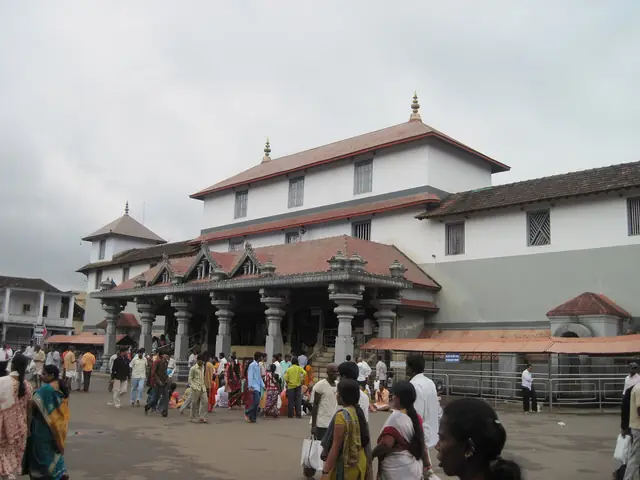
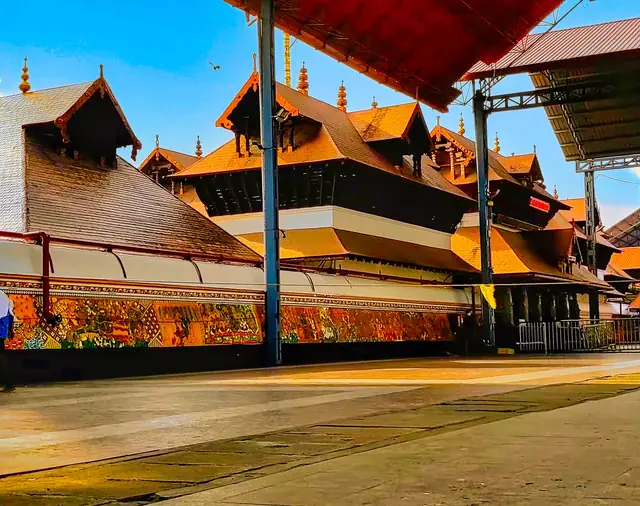
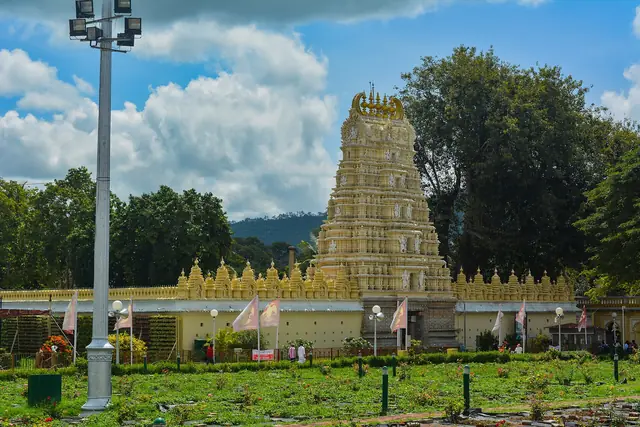
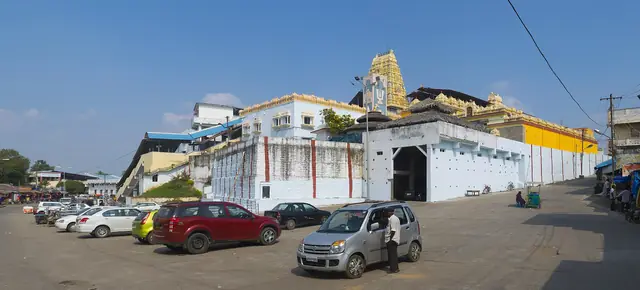
- The Mangeshi and Shantadurga temples at Ponda, Goa
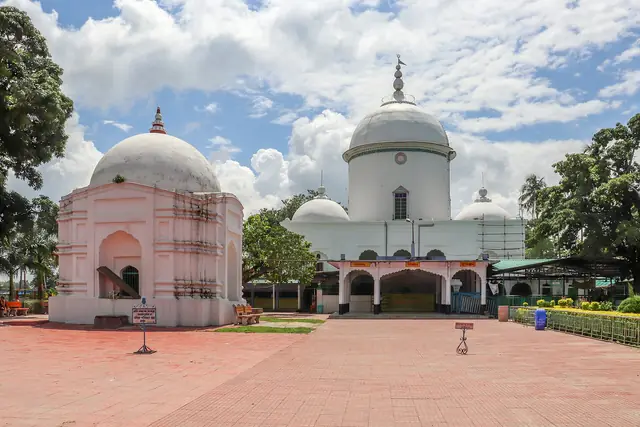
- The Lachit Maidam at Hoolungapara near Jorhat, and the Saraighat reach of the Brahmaputra