01Mayurasharma at Kanchi
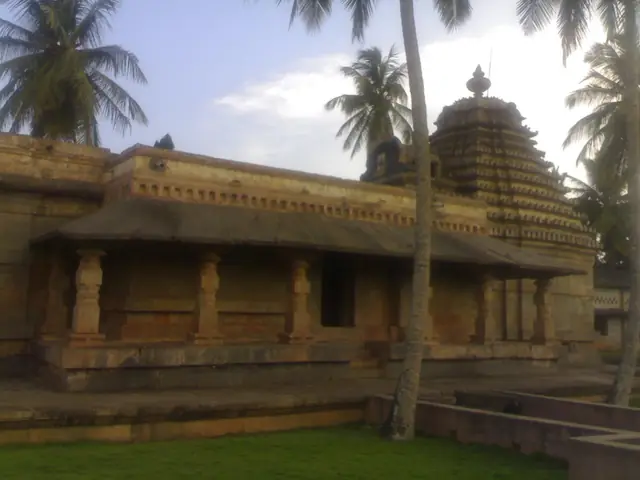
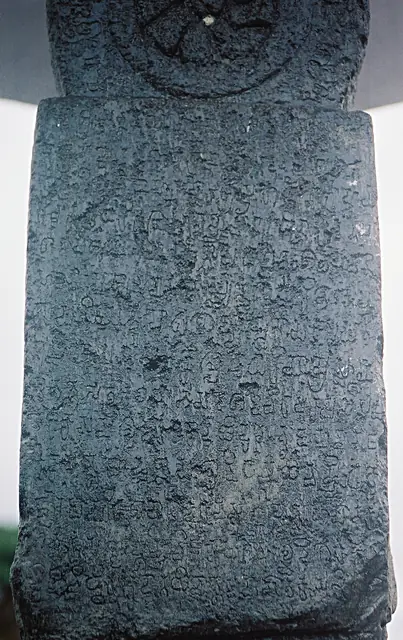
The Talagunda pillar inscription, raised by King Shantivarma in front of the old Shiva temple at Talagunda, tells the founding katha. Mayurasharma, of a brahmana family that kept the sacred fires, went with his guru Virasharma to Kanchi to study the Vedas at the Pallava capital. There a quarrel with a Pallava horseman left him humiliated, and he swore that a brahmana would now take up the sword. He gathered men in the forests near Shriparvata, harried the Pallava frontier, and the Pallavas came to terms and recognised his rule over land reaching to the western sea.
02Kakusthavarma and the first Kannada inscription
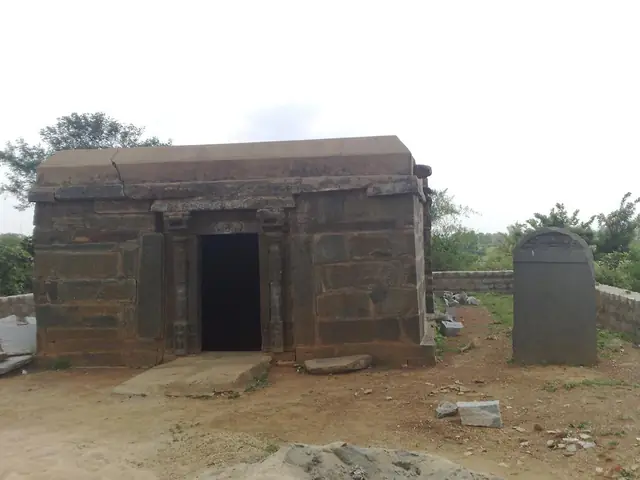
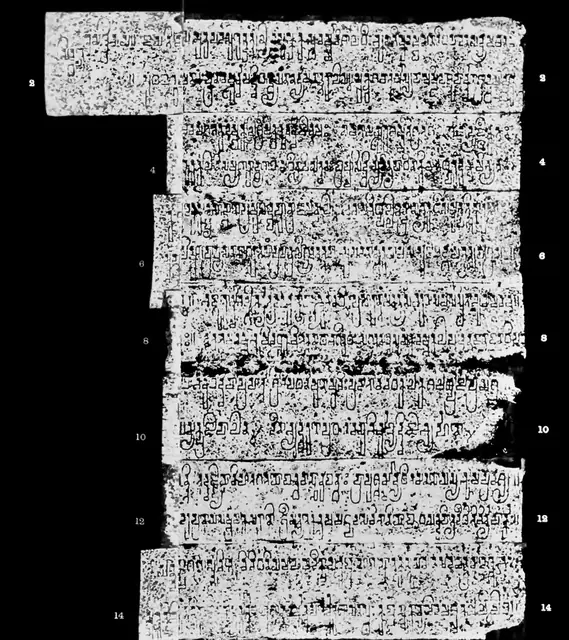
Kakusthavarma, in the early 5th century, was the greatest of the line; the Talagunda inscription says he gave his daughters in marriage to the Guptas and other kings. The Halmidi inscription from Hassan district, of about the mid-5th century, records a grant in the Kadamba kingdom and is the oldest known inscription in Kannada. Kakusthavarma’s son Shantivarma raised the Talagunda pillar, its Sanskrit verses composed by the poet Kubja. Mrigeshavarma, who ruled from Halasi, gave land to Jain monks of several orders.
03Absorbed by the Chalukyas
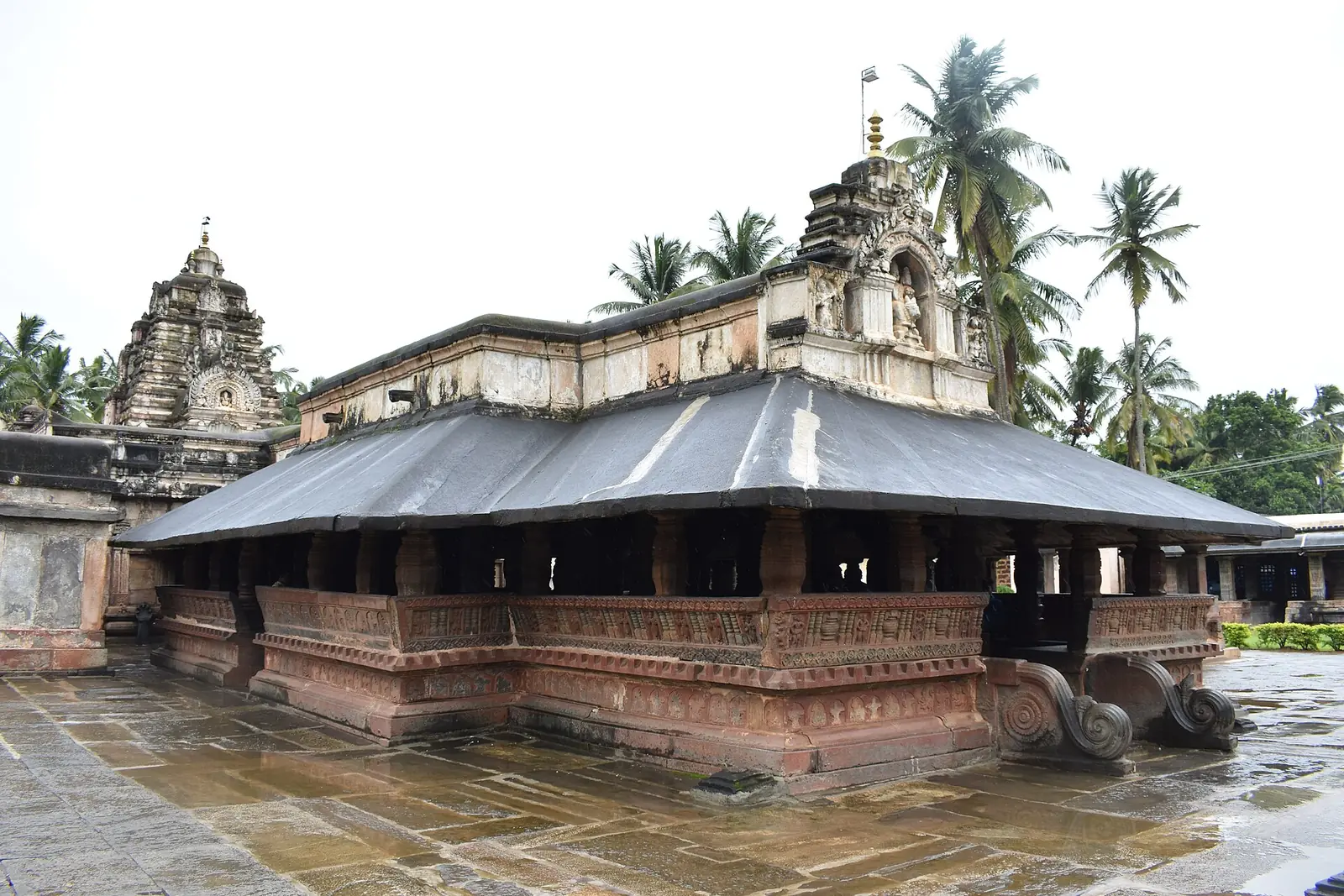
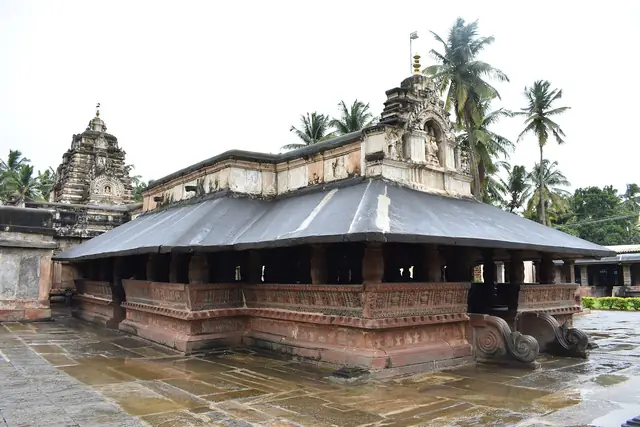
Ravivarma, in the late 5th century, fought the Pallavas and the Gangas and held the kingdom together, but under Harivarma it weakened. Pulakeshin I of the Chalukyas, a Kadamba feudatory, fortified Vatapi in 543, and his son Kirtivarman I finished the Kadambas; the Aihole inscription calls him the night of doom to the Kadambas. Kadamba families lived on as governors and feudatories, and from the 10th century the Kadambas of Goa and of Hangal ruled under the Chalukyas of Kalyani. At Banavasi the Madhukeshwara temple, rebuilt many times, still stands on the bank of the Varada.
The rulers
- 1MayurasharmaFounder; brahmana who took up the swordc. 345–365 CE
- 2Kangavarmac. 365–390 CE
- 3Bhagirathac. 390–415 CE
- 4Raghuc. 415–435 CE
- 5KakusthavarmaMarried his daughters to the Guptasc. 435–455 CE
- 6ShantivarmaRaised the Talagunda pillarc. 455–460 CE
- 7MrigeshavarmaRuled from Halasi; grants to Jain monksc. 460–480 CE
- 8Ravivarmac. 485–519 CE
- 9HarivarmaLast king before the Chalukya takeoverc. 519–530 CE
What they left
- The Halmidi inscription, oldest known in Kannada
- The Talagunda pillar inscription
- Banavasi and its Madhukeshwara temple
- Kadamba lines of Goa and Hangal in the medieval Deccan