01Balaji Vishwanath and Bajirao
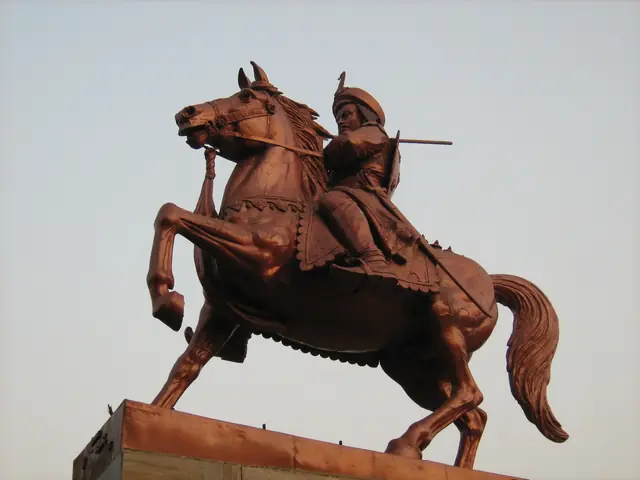
Balaji Vishwanath, a Chitpavan Brahmin from the Konkan, won Shahu’s civil war for him and was made Peshwa in 1713. In 1719 he marched to Delhi and brought back imperial grants of chauth and sardeshmukhi over the six Mughal provinces of the Deccan. His son Bajirao I, Peshwa at twenty, fought some forty campaigns and is remembered for never losing a battle. He outmanoeuvred the Nizam at Palkhed in 1728, saved Chhatrasal Bundela in 1729, rode to the outskirts of Delhi in 1737, and cornered the Nizam again near Bhopal. His brother Chimaji Appa took Vasai from the Portuguese in 1739. Bajirao died on the Narmada at Raverkhedi in April 1740.
02Nanasaheb and Panipat
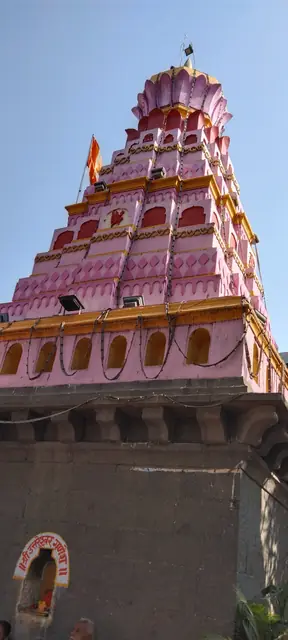
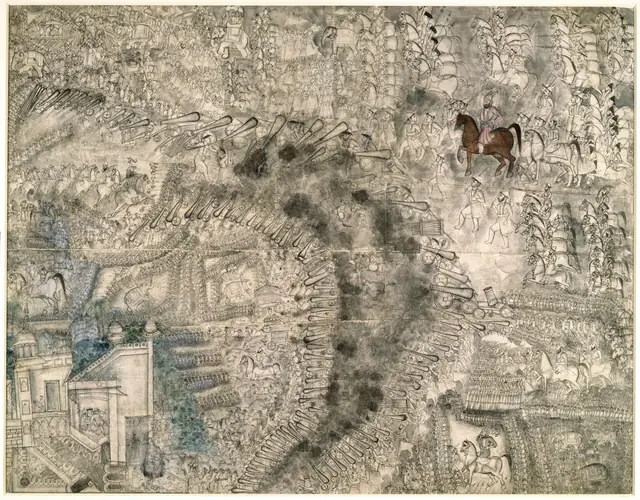
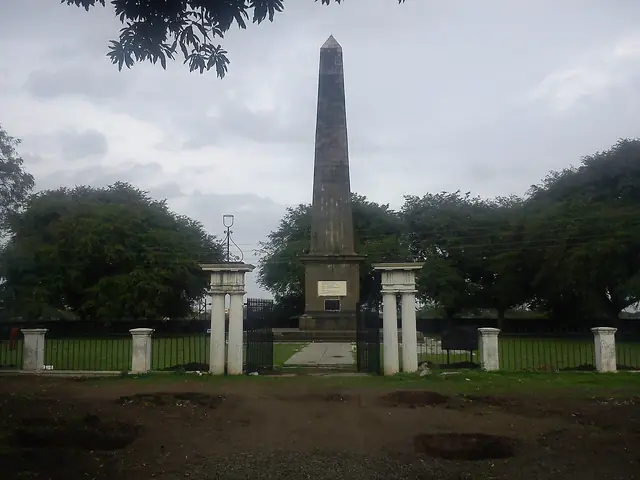
Balaji Bajirao, called Nanasaheb, ruled for twenty-one years. Pune grew into a great city, the Parvati temple rose on its hill in 1749, and Maratha armies collected tribute from Rajputana to Bengal. In 1758 Raghunathrao’s army reached Attock on the Indus. Then Ahmad Shah Abdali came down from Afghanistan. On 14 January 1761, at Panipat, the Maratha army under Sadashivrao Bhau was destroyed; Bhau and the Peshwa’s son Vishwasrao died on the field, and tens of thousands of soldiers and camp followers were killed or taken. Nanasaheb died that June.
03Madhavrao and the recovery
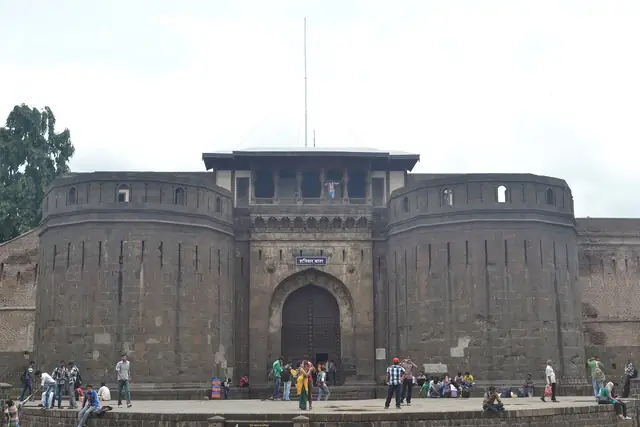
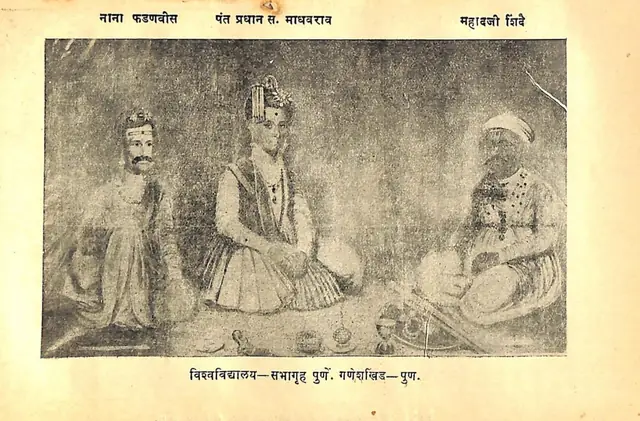
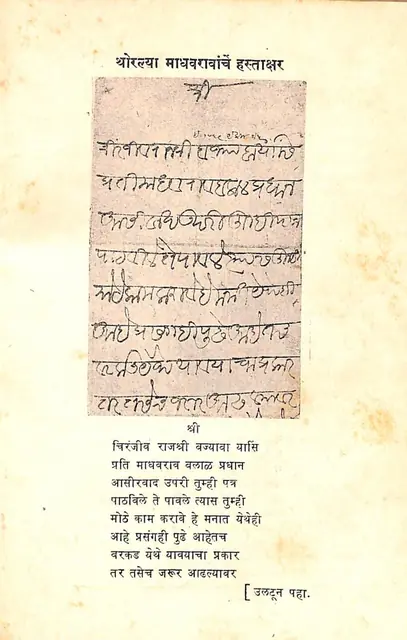
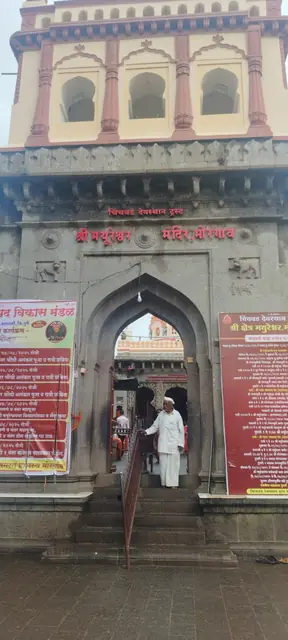
Madhavrao I was sixteen when he became Peshwa. He beat the Nizam at Rakshasbhuvan in 1763, pushed back Hyder Ali of Mysore, and sent Mahadji Scindia and others north to restore Maratha power; by 1771 the Mughal emperor Shah Alam II sat in Delhi under Maratha protection. Madhavrao died of consumption at Theur in 1772, aged twenty-seven. His brother Narayanrao was murdered in Shaniwar Wada in 1773. Nana Phadnavis and the ministers’ council then ruled for the infant Sawai Madhavrao, and they beat the British at Wadgaon in 1779 and the Nizam at Kharda in 1795.
04Bassein and the fall
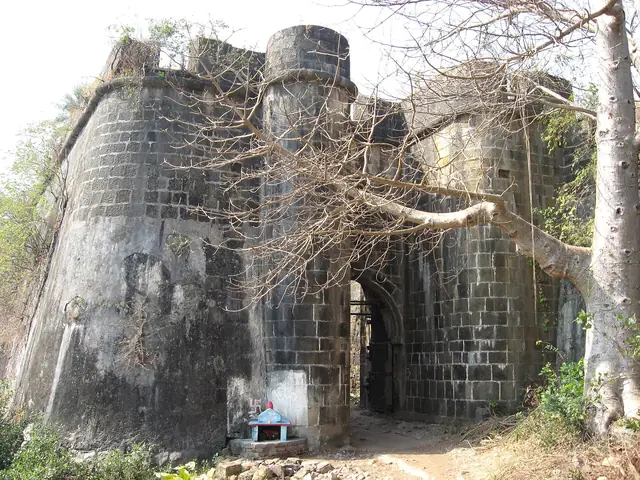
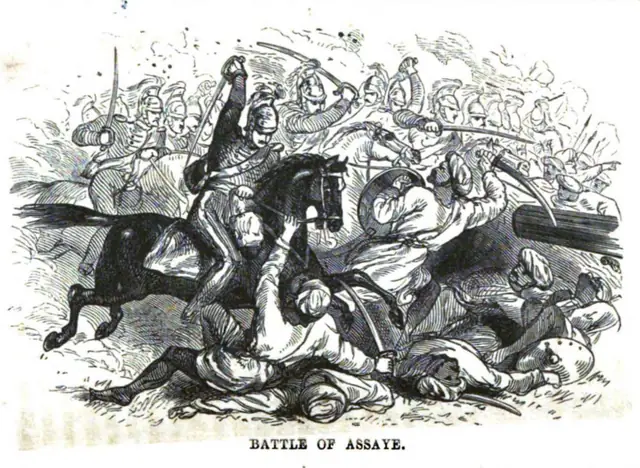
Bajirao II, the last Peshwa, was driven from Pune by Yashwantrao Holkar in 1802 and signed the treaty of Bassein with the East India Company, taking a British subsidiary force. That treaty brought on the second Anglo-Maratha war. In November 1817 he turned on the British, lost at Khadki and Koregaon, and surrendered to John Malcolm in June 1818. He was pensioned off to Bithoor near Kanpur, where his adopted son Nana Saheb would raise the standard of 1857. The Peshwa Daftar, the state archive they left in Pune, holds their revenue, war and household records in the Modi script.
The rulers
- 1Balaji VishwanathWon the Deccan chauth grants in Delhi, 17191713–1720
- 2Bajirao IPalkhed, Bundelkhand, Delhi, Bhopal1720–1740
- 3Balaji Bajirao (Nanasaheb)Height of Maratha reach; Panipat 17611740–1761
- 4Madhavrao IRebuilt Maratha power after Panipat1761–1772
- 5NarayanraoMurdered in Shaniwar Wada1772–1773
- 6RaghunathraoContested; turned to the British1773–1774
- 7Sawai MadhavraoNana Phadnavis governed in his name1774–1795
- 8Bajirao IITreaty of Bassein; surrendered 18181796–1818
What they left
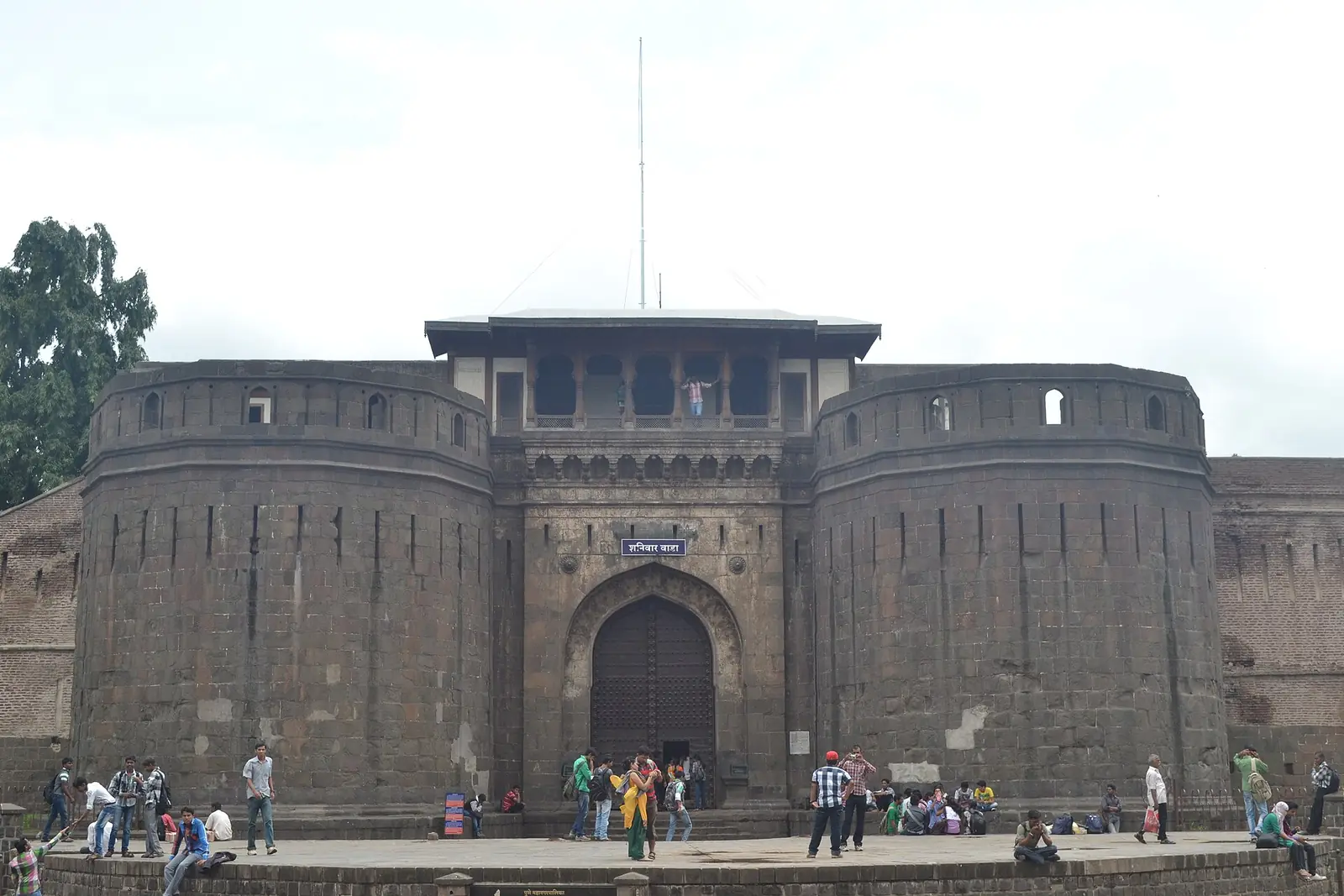
- Shaniwar Wada, the Peshwas’ palace in Pune (1732)
- The Parvati temple on its hill in Pune (1749)
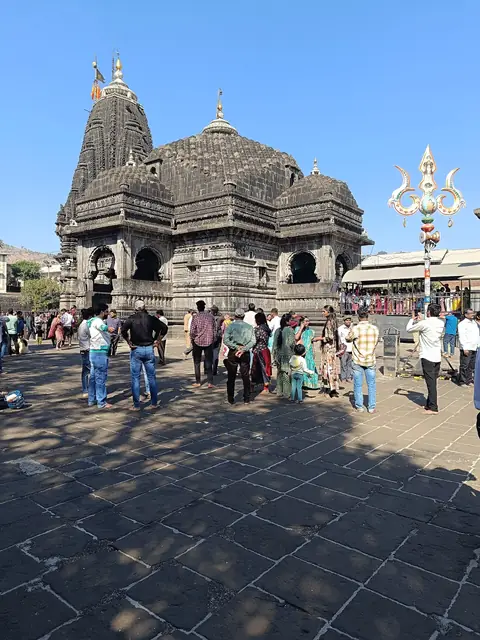
- The present Trimbakeshwar temple, raised under Nanasaheb
- The Peshwa Daftar, the largest Modi-script archive
- The Maratha houses of Holkar, Scindia, Gaekwad and Bhonsle, raised by them