01Bimbisara at Rajagriha
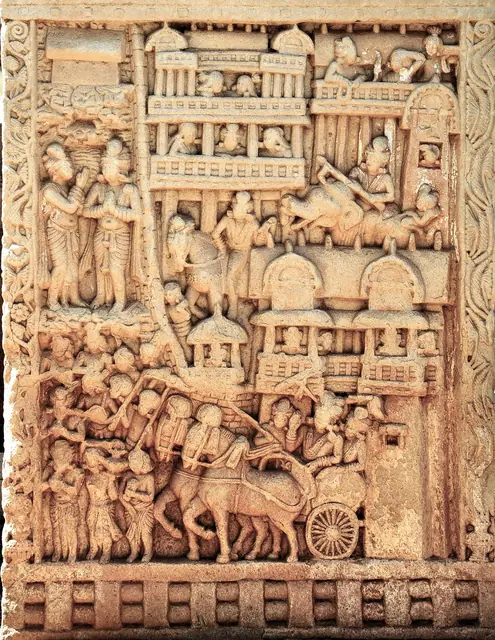
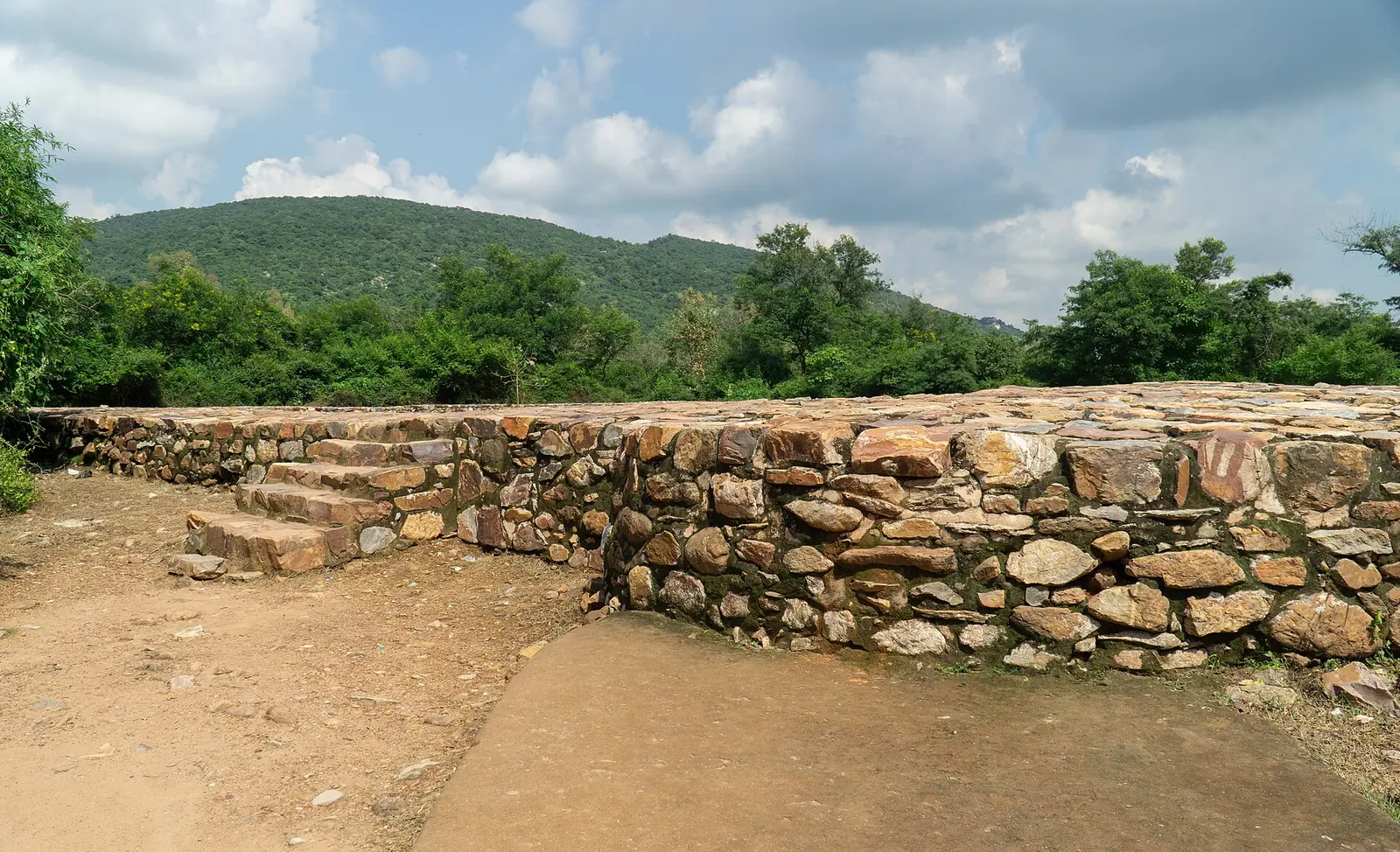
Rajagriha sat in a ring of five hills, and the stone wall that ran along their crests, forty kilometres of it, can still be walked in parts. Bimbisara took Anga and its port of Champa in the east. He married Kosala Devi, sister of Prasenajit of Kosala, and received a village of Kashi yielding a lakh of revenue as her dowry; he married Chellana of the Licchavis and a princess of Madra. The Pali texts say he met the young Siddhartha before his enlightenment and later gave the Sangha the Venuvana, the bamboo grove, its first monastery.
02Ajatashatru’s wars
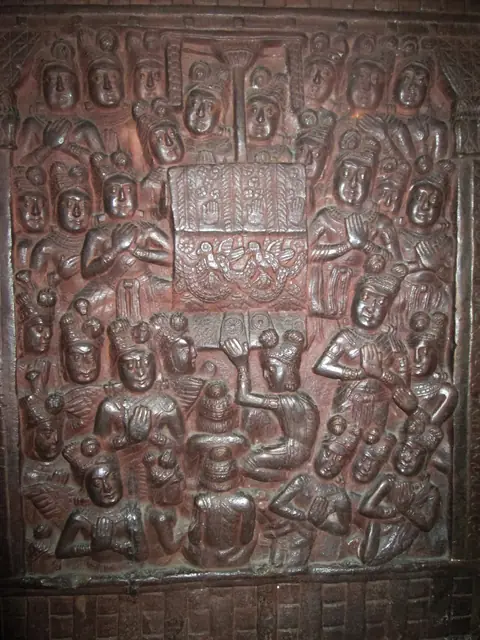
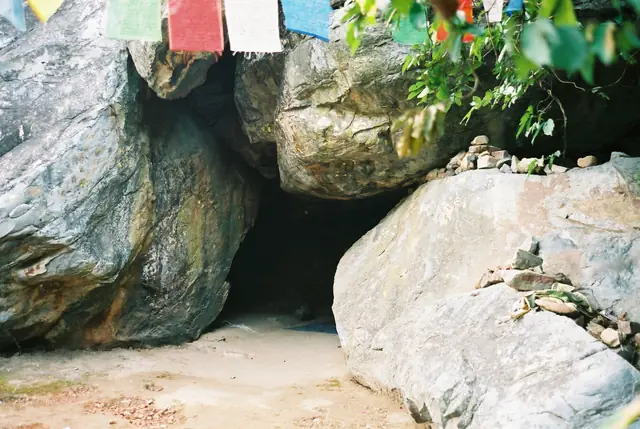
Ajatashatru took the throne from his father; Buddhist texts say Bimbisara died in his son’s prison, and a site at Rajgir is still pointed out as that jail. Ajatashatru fought Kosala over Kashi, and then turned on the Vajjis north of the Ganga. To hold the river crossing he had a fort built at the village of Pataligrama, and after years of war Vaishali fell. Soon after the Buddha’s parinirvana the first Buddhist council met at the Saptaparni cave in Rajagriha under his protection.
03Pataliputra and the end of the line
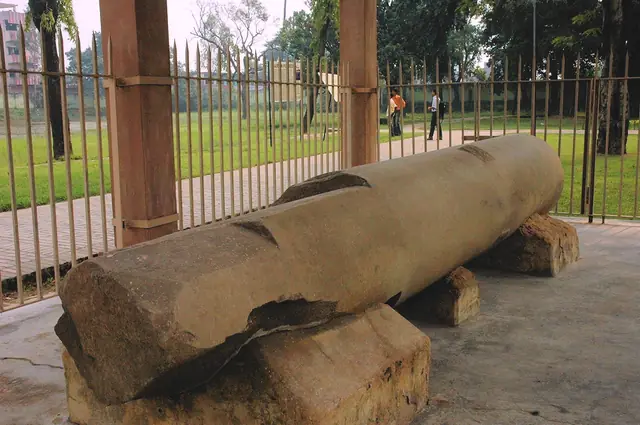
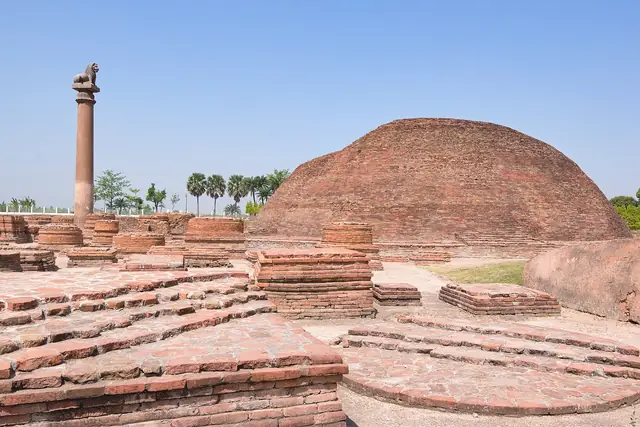
Ajatashatru’s son Udayin built the city of Pataliputra at the meeting of the Ganga and the Son, on the site of his father’s fort. Mauryas, Shungas and Guptas would all rule from it. The Mahavamsa calls the later Haryankas a line of parricides, and says the people of Magadha finally deposed Nagadasaka and raised his minister Shishunaga to the throne. The Puranas give a different order and place Shishunaga before Bimbisara; the dates here follow the Sri Lankan Buddhist reckoning, which some historians set a few decades later.
The rulers
- 1BimbisaraTook Anga; friend of the Buddhac. 544–492 BCE
- 2AjatashatruConquered the Vajji confederacyc. 492–460 BCE
- 3Udayin (Udayabhadra)Founded Pataliputra as capitalc. 460–444 BCE
- 4Anuruddhac. 444–440 BCE
- 5Mundac. 440–437 BCE
- 6NagadasakaDeposed by the people, by the Mahavamsac. 437–413 BCE
What they left
- Pataliputra, capital of Magadha’s empires for a thousand years
- The cyclopean wall of Rajgir
- Venuvana, the first gift of land to the Buddhist Sangha
- The first Buddhist council at the Saptaparni cave