01After the great war
The Puranas carry the royal lines forward from the Kurukshetra war: the Pauravas of Hastinapura after Parikshit and Janamejaya, the Ikshvakus of Kosala, and in Magadha the Barhadrathas, descended from Jarasandha’s line, followed by the Pradyotas. When the Ganga flooded Hastinapura, the Puranas say, King Nichakshu moved the Kuru capital to Kaushambi.
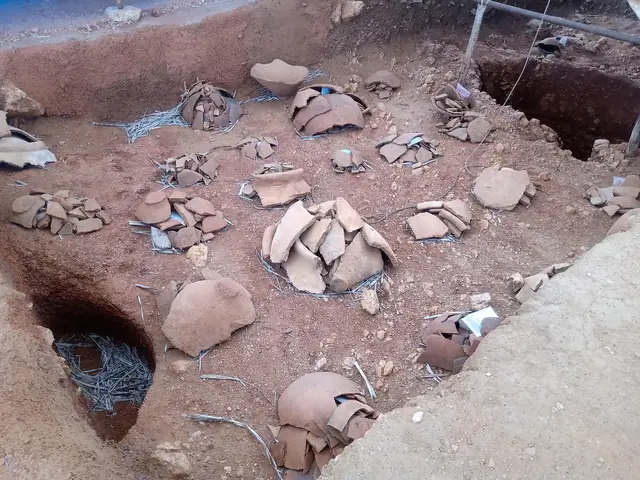
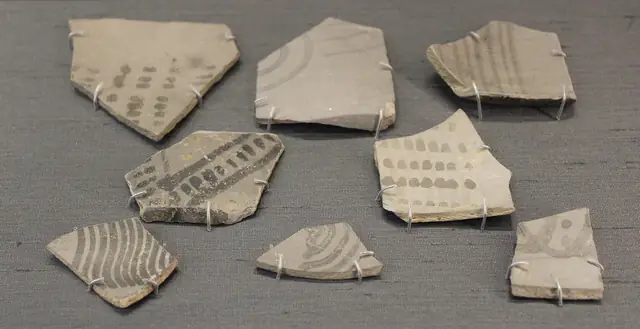
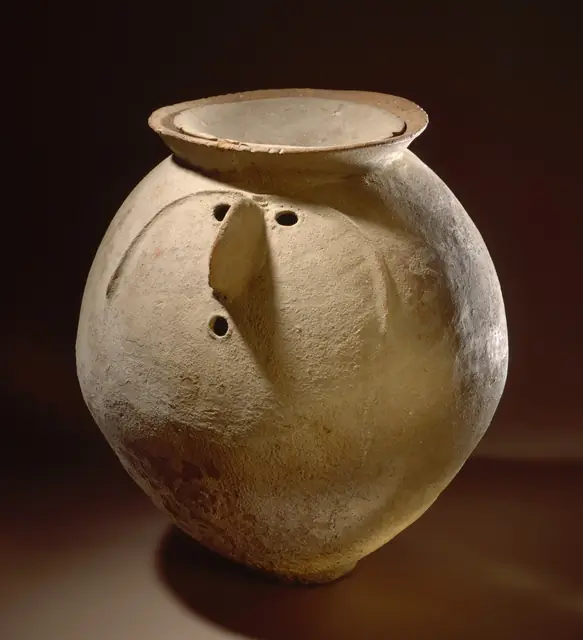
The spade finds these same places alive. A grey pottery painted with black lines, the Painted Grey Ware, turns up at Hastinapura, Ahichchhatra, Mathura, Kurukshetra and Indraprastha’s mound at Purana Qila, along with the first iron tools of the doab. Iron axes cleared the forests of the middle Ganga, and rice fields spread east.
02Sixteen mahajanapadas
By the time of the Buddha and Mahavira the land was divided into sixteen great states. The Anguttara Nikaya names them: Kashi, Kosala, Anga, Magadha, Vajji, Malla, Chedi, Vatsa, Kuru, Panchala, Matsya, Shurasena, Ashmaka, Avanti, Gandhara and Kamboja. Most were kingdoms. Some, like the Vajjis with the Licchavis of Vaishali, the Mallas of Kushinagar and the Shakyas of Kapilavastu, were ganas, ruled by an assembly of clan heads who met in a hall, debated and voted.
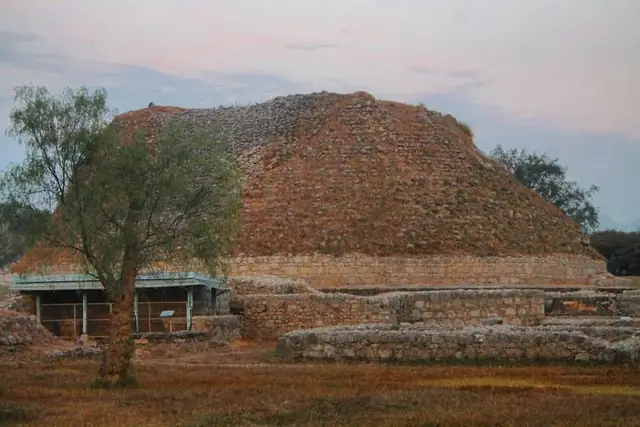
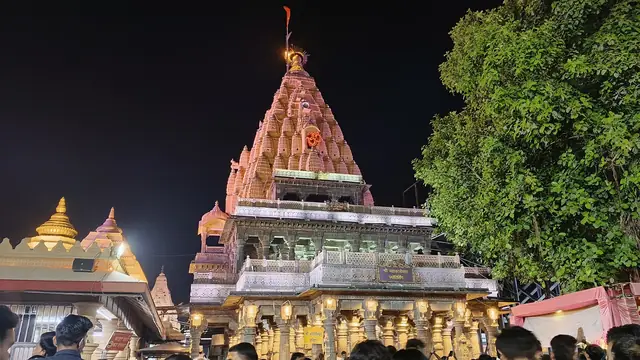
Kashi was famed for its cloth and sandalwood, Avanti for its iron and its capital Ujjayini, Gandhara for Takshashila, where students came from across Bharat to study the Vedas, medicine and statecraft.
03Magadha takes the lead
Bimbisara of the Haryanka line made Magadha strong by marriage and by the sword: he took queens from Kosala and from the Licchavis, and annexed Anga with its port at Champa. His son Ajatashatru fought Kosala, then spent years breaking the Vajji republic; Jain texts name two engines he used, the mahashilakantaka that hurled stones and the rathamusala, a chariot fitted with maces.
Ajatashatru fortified the village of Pataligrama where the Son meets the Ganga. His successor Udayin made it the capital, Pataliputra, which would stay the seat of power in Bharat for nearly a thousand years. The Shishunagas who followed crushed the Pradyotas of Avanti, Magadha’s last real rival.
04The Nandas
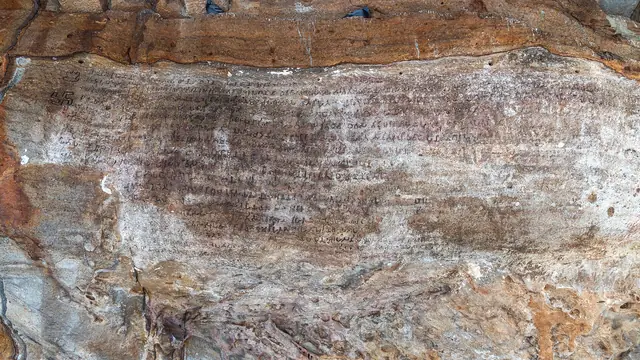
Mahapadma Nanda seized Magadha from the Shishunagas. The Puranas call him sarva-kshatrantaka, the ender of the old kshatriya houses, and ekarat, sole ruler. He brought Kalinga under Magadha; two centuries later Kharavela’s Hathigumpha inscription still remembers a canal dug there by a Nandaraja, and a Jina image he carried off.
The Nandas grew rich and hated. Greek writers heard that the king beyond the Beas commanded some 2,00,000 foot soldiers, 20,000 horse, 2,000 chariots and thousands of elephants. Their wealth was talked of even in the Tamil south, where a Sangam poem speaks of the treasure the Nandas hid in the Ganga.
05Persians and Alexander in the northwest
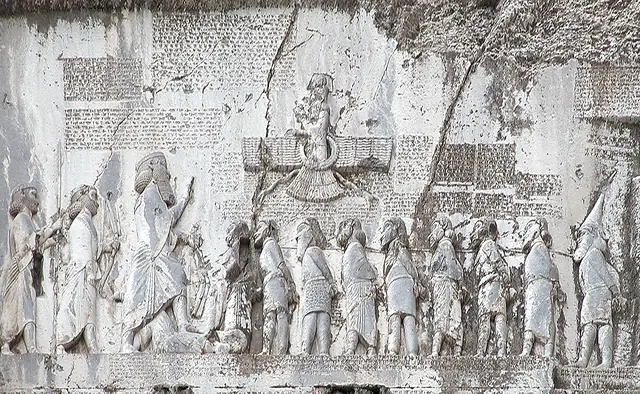
Around 518 BCE the Achaemenid king Darius I took Gandhara and the land along the lower Sindhu, which his inscriptions call Hindush; the Persian name for the river gave the world the words Hindu and India.
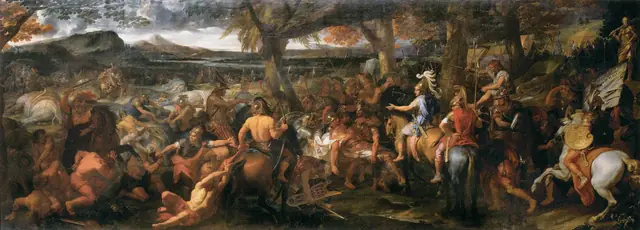
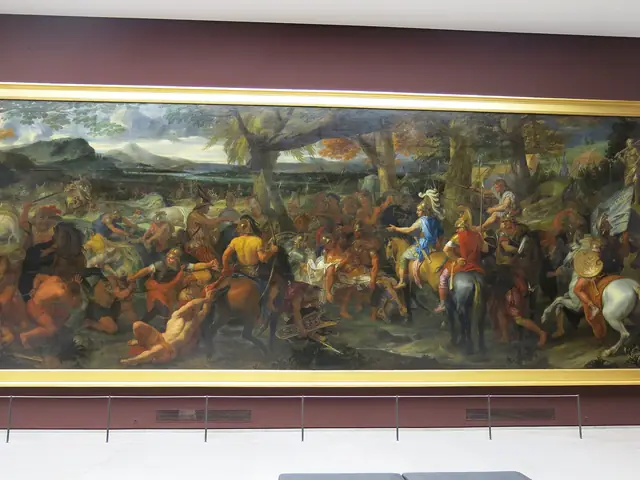
In 326 BCE Alexander of Macedon crossed the Sindhu. Ambhi of Takshashila submitted, but Porus of the Paurava kingdom met him on the Jhelum, the Hydaspes, with elephants, and fought until he was wounded. Alexander kept him as king. A few weeks later, on the banks of the Beas, Alexander’s soldiers, hearing of the Nanda army waiting on the Ganga, refused to march any further. He turned back down the Sindhu, fighting the Malavas and Kshudrakas on the way.
06Faith: sutras, ashrams and new paths
Vedic life in this age was set down in the sutras: the Shrauta Sutras for the great yajnas, the Grihya Sutras for the samskaras of the home, from namakarana to vivaha, and the Dharma Sutras of Gautama, Baudhayana and Apastamba for law and conduct. The Upanishadic teachers kept their ashrams in the forests.
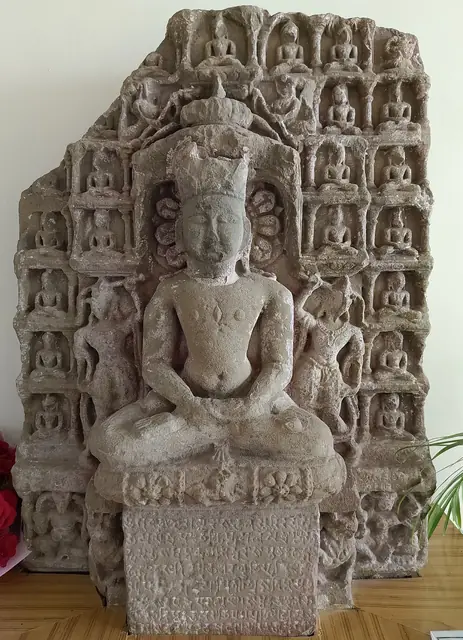
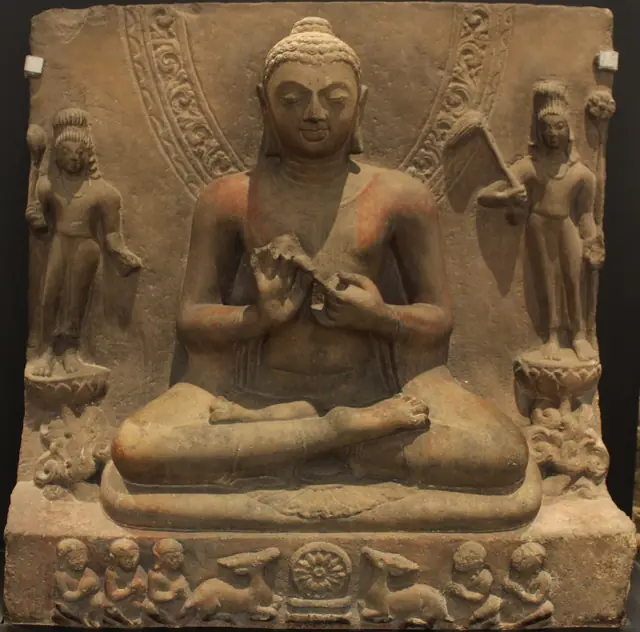
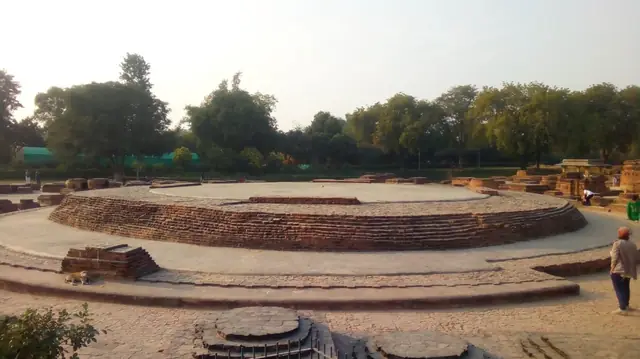
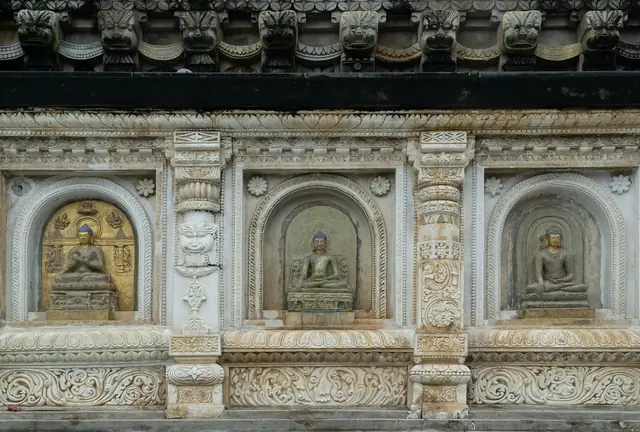
Two great teachers of this age founded paths of their own. Vardhamana Mahavira, the 24th Tirthankara, born near Vaishali, taught ahimsa and austerity, and the Jain tradition dates his nirvana to 527 BCE at Pavapuri. Siddhartha of the Shakyas attained bodhi at Bodh Gaya, taught first at Sarnath near Kashi, and passed away at Kushinagar. Kings of Magadha honoured both.
07Panini and the science of words
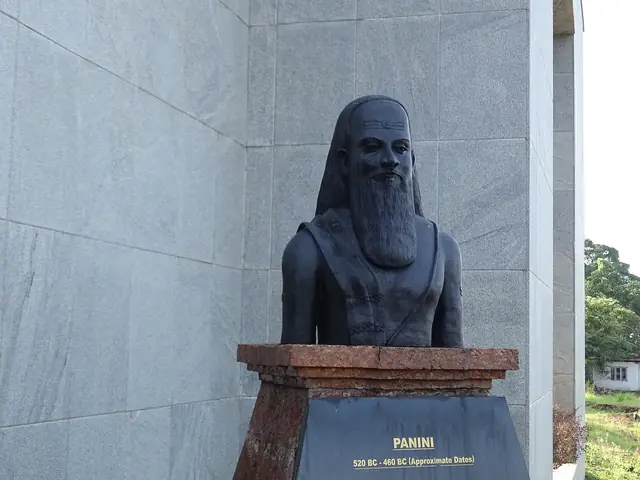
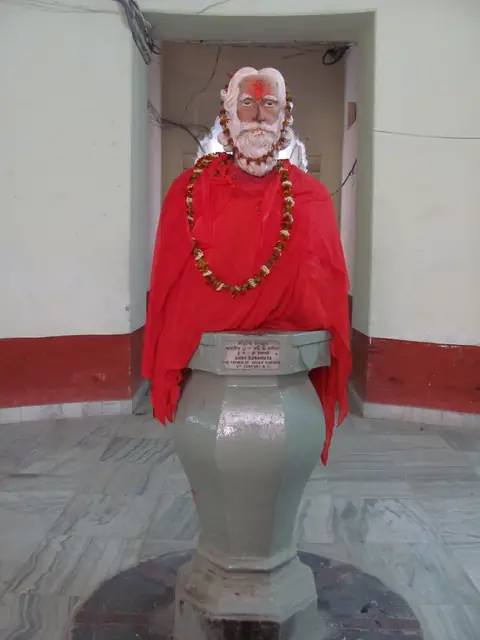
Panini, from Shalatula near Attock in Gandhara, described the whole of Sanskrit in about 4,000 short sutras, the Ashtadhyayi. He worked like an engineer: a list of sounds arranged so that short codes can name whole groups, rules that apply in order, and a system of markers that later linguists compared to a computer program. Sanskrit grammar has been taught from his text ever since.
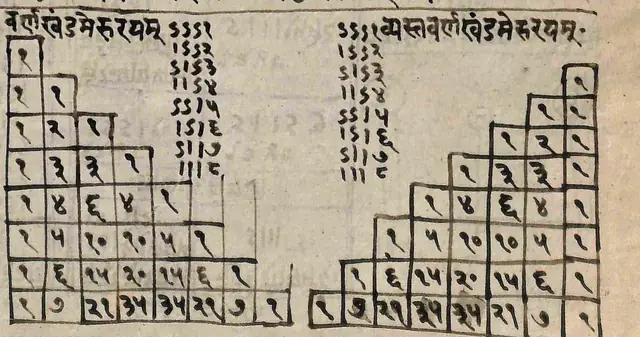
Around the same schools grew the Nirukta of Yaska, explaining difficult Vedic words, and Pingala’s Chhandahshastra on metre, whose method of counting long and short syllables amounts to a binary system. Takshashila in Gandhara was the great teaching centre of the northwest.
08Coins, roads and guilds
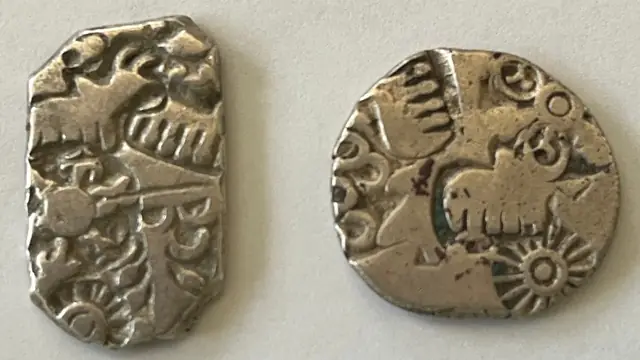
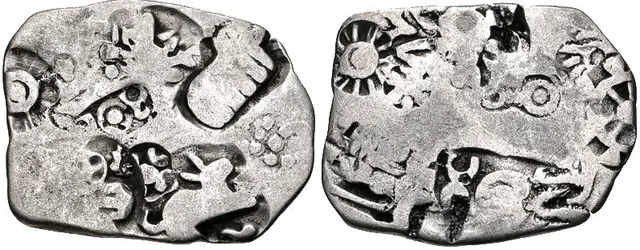
The first coins of Bharat appear in this age: bent bars and then small silver pieces punched with symbols, the sun, the six-armed wheel, hills, animals, the karshapana. Hoards of them come from Taxila to the Deccan. Two great roads carried trade: the Uttarapatha from Gandhara down the Ganga to the eastern ports, and the Dakshinapatha south from Kashi and Ujjayini to Pratishthana on the Godavari.
Merchants and craftsmen organised into shrenis, guilds with their own heads and rules, which kings were told to respect. The glossy Northern Black Polished Ware, made with great skill, spread with this trade across the Ganga valley and beyond.
09The fall of the Nandas
At Takshashila taught a Brahmin named Vishnugupta, called Chanakya and Kautilya. The tradition preserved in the Mudrarakshasa and the Puranas says that Dhana Nanda insulted him in the royal hall, and that he vowed not to tie his shikha until the Nandas were gone.
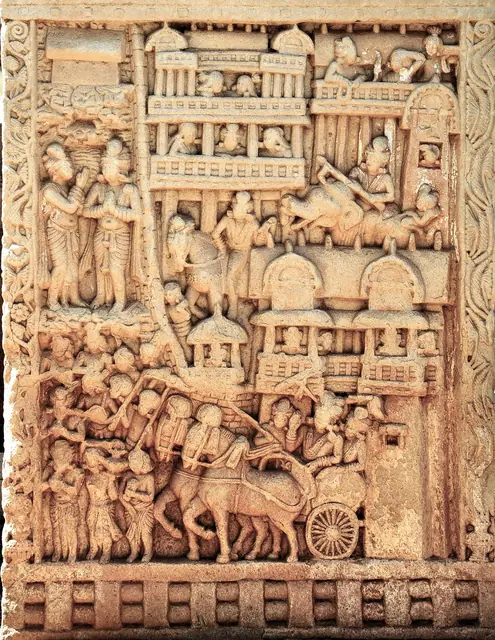
He found a young man of the Maurya clan, Chandragupta, trained him, and raised an army in the northwest, where the Greek garrisons left by Alexander were being driven out. After hard fighting, Chandragupta and Chanakya took Pataliputra around 321 BCE and ended the Nanda line. Magadha passed to the dynasty that would rule almost the whole subcontinent.
What survives today
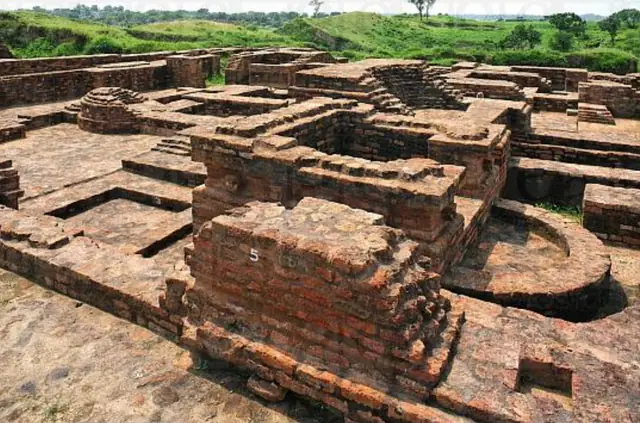
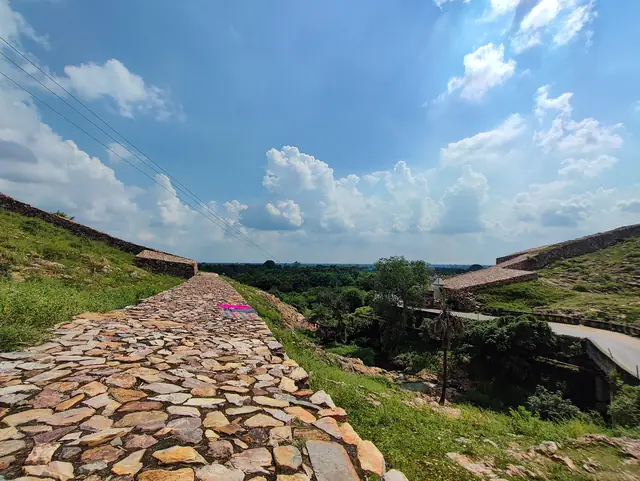
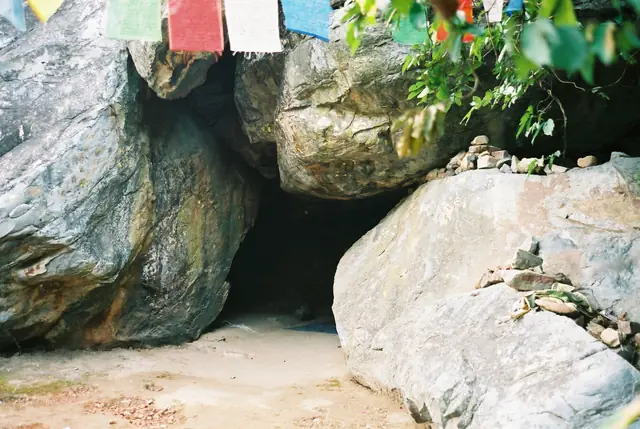
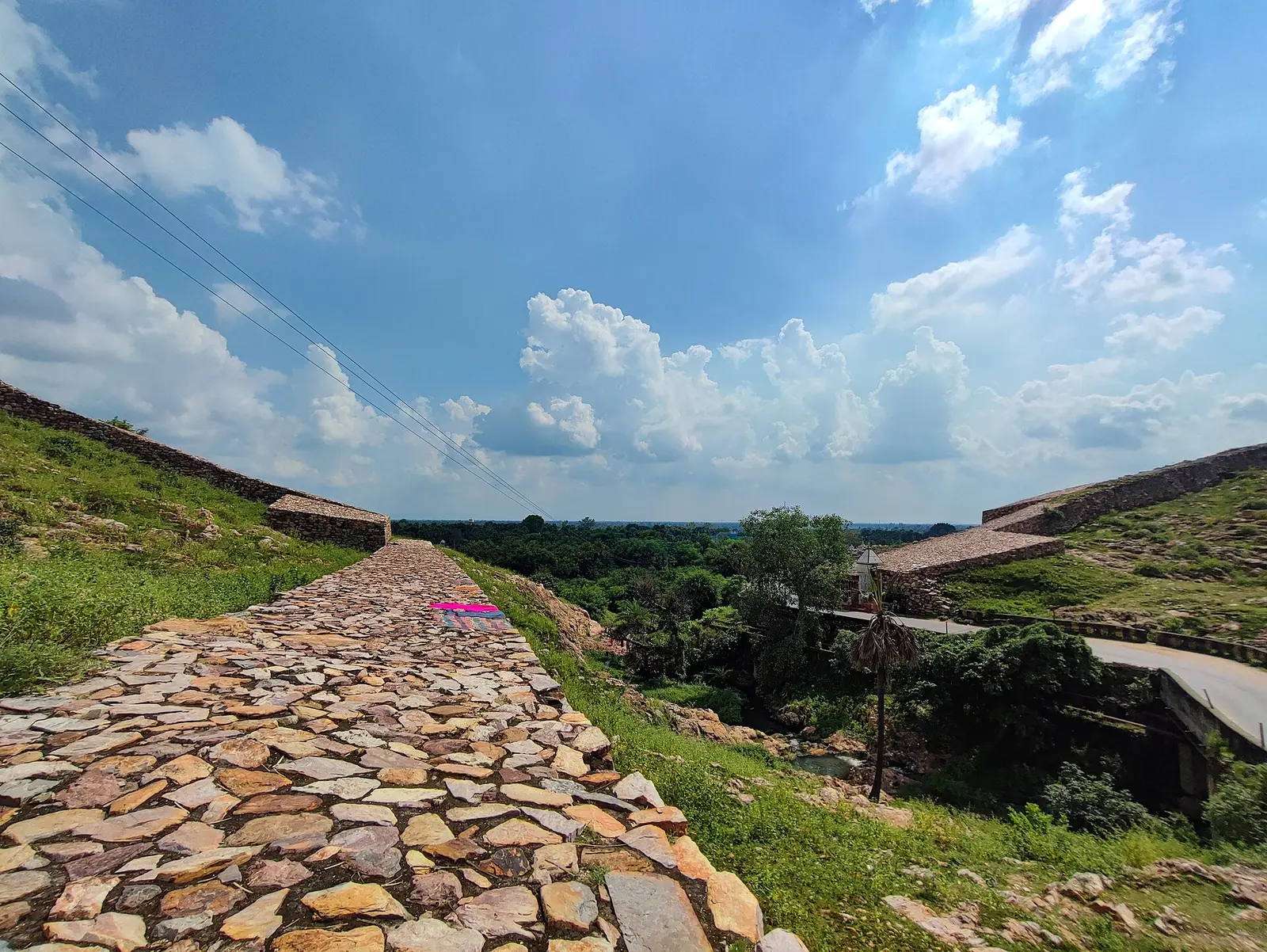
- The cyclopean wall and the hills of Rajgir, Bihar
- Panini’s Ashtadhyayi, still the foundation of Sanskrit grammar
- The Grihya Sutra samskaras, from namakarana to vivaha, still performed
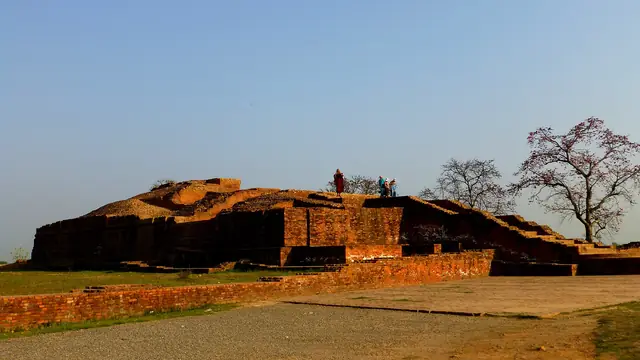
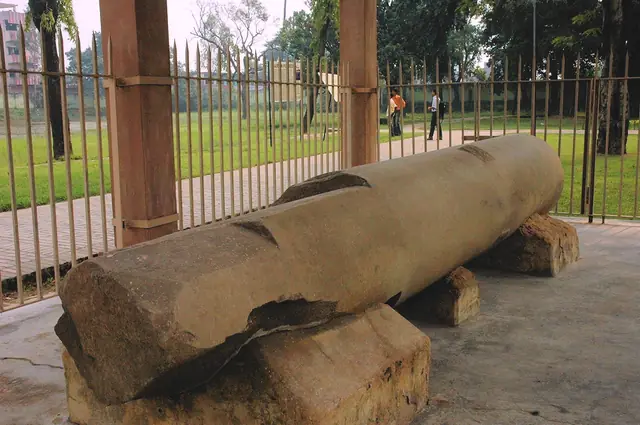
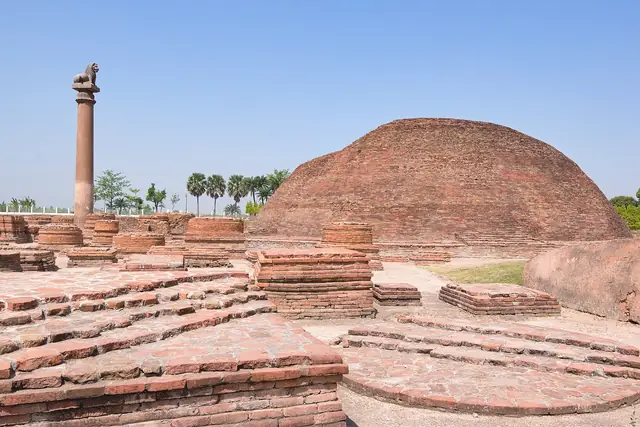
- Vaishali’s mound and the Ashokan pillar at Kolhua, in the old Licchavi republic
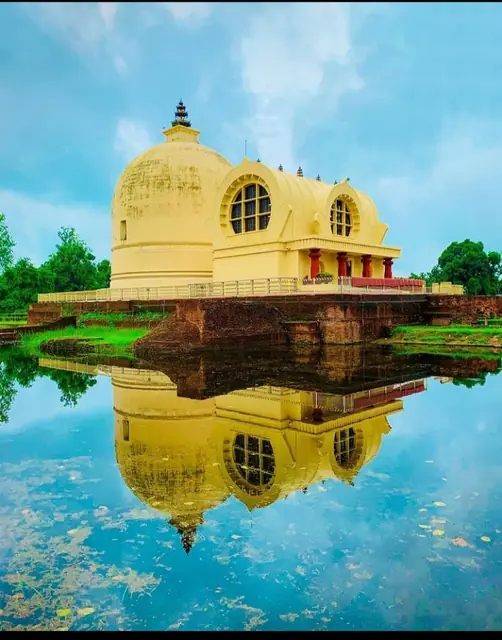
- Pavapuri’s Jal Mandir and Bodh Gaya, Kushinagar and Sarnath, places of Mahavira and the Buddha
- Silver punch-marked coins in the National Museum and state museums