01Gold in, pepper out
A Sangam poem, Akananuru 149, describes the beautiful ships of the Yavanas churning the white foam of the Periyar as they come to Muciri with gold and go away with pepper. Greek and Latin writers knew the port as Muziris. Pliny the Elder names it in his Natural History, and the Periplus of the Erythraean Sea, a Greek sailing guide of the 1st century CE, says it was full of ships from Arabia and the Greeks. A papyrus now in Vienna records a loan contract for a cargo shipped from Muziris to Alexandria in the 2nd century CE, worth enough to buy a fleet.
02Finding it again
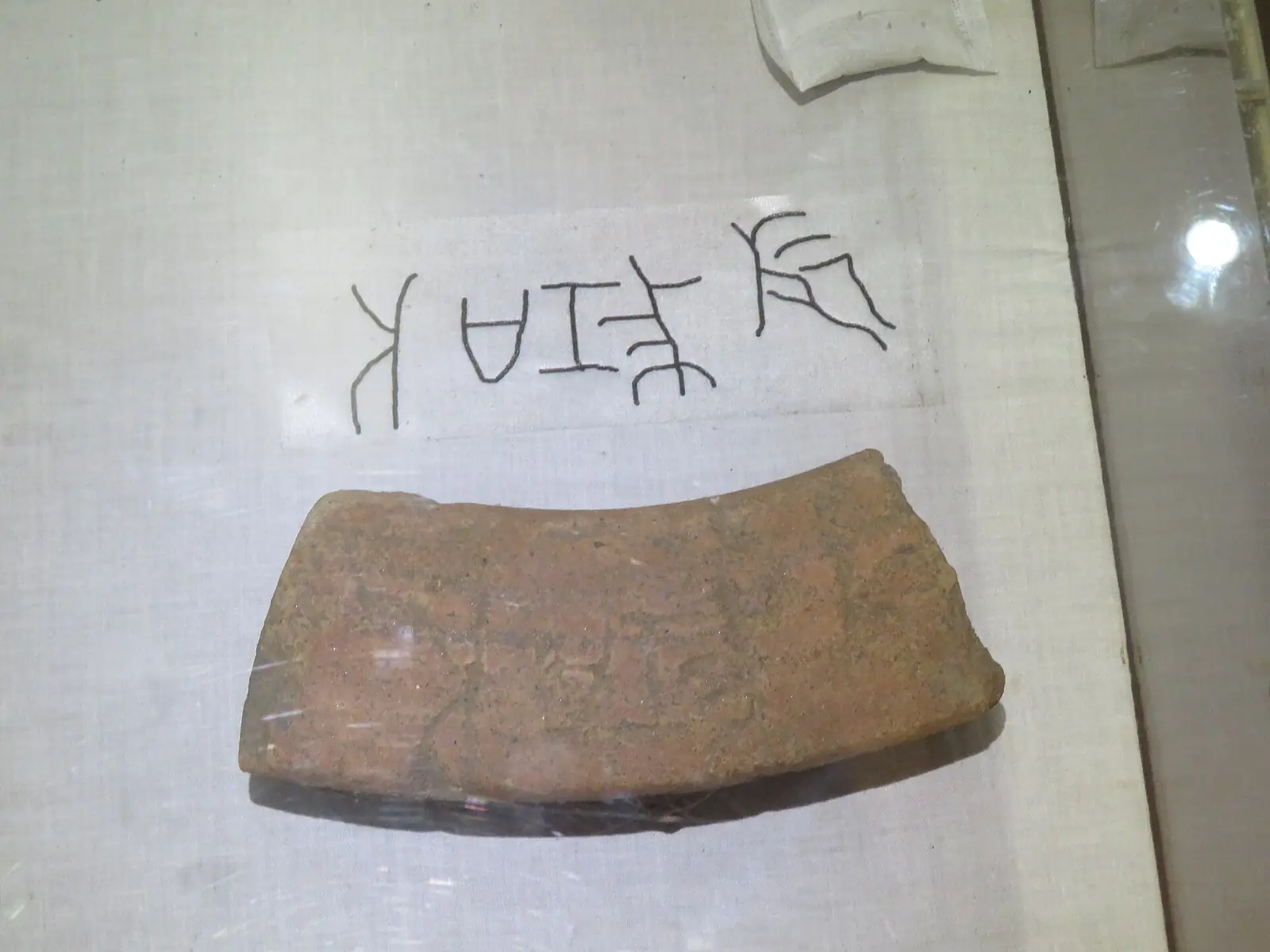
The port vanished from memory, and tradition says a great flood of the Periyar in 1341 choked its harbour while opening a new one at Kochi. From 2007 the Kerala Council for Historical Research dug at Pattanam, a village about 10 km south of Kodungallur. The trenches gave Roman amphora sherds by the thousand, Mediterranean and West Asian glass, beads, Chera coins, Tamil-Brahmi writing on pottery, and a wooden wharf with a dugout canoe. Most scholars now take Pattanam to be at least part of ancient Muciri. The finds are shown at the Pattanam site museum, part of the Muziris Heritage Project.
The life of this place
- c. 1st century BCERoman trade with the Chera port grows after Egypt passes to Rome.
- c. 77 CEPliny the Elder names Muziris in his Natural History.
- 2nd century CEThe Muziris papyrus records a cargo bound for Alexandria.
- 1341 (tradition)A Periyar flood silts the old harbour and opens the Kochi inlet.
- 2007 onwardKCHR excavations at Pattanam begin.
Pattanam lies between Kodungallur and North Paravur; the Muziris Heritage Project links the site museum with nearby temples, synagogues and churches by boat.