01Delhi’s sultans and their reach
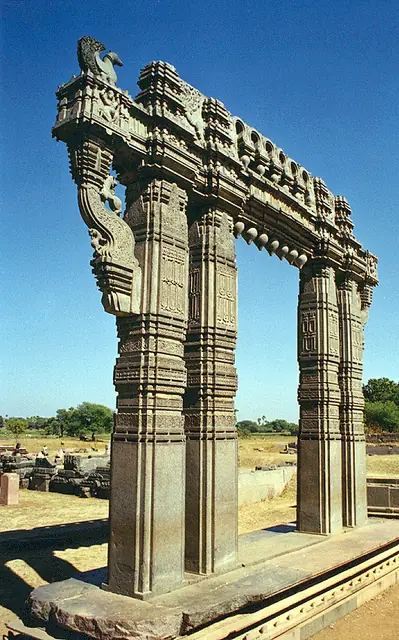
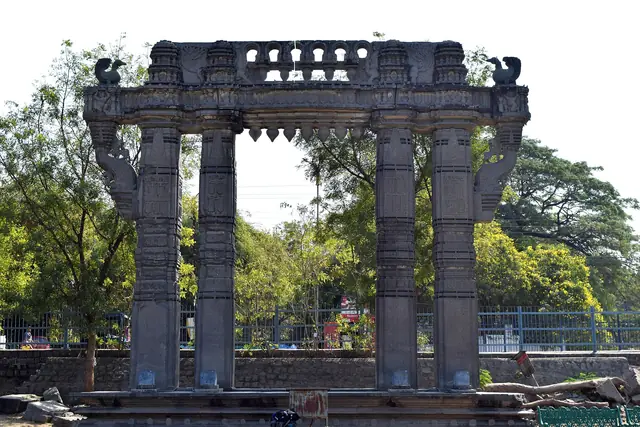
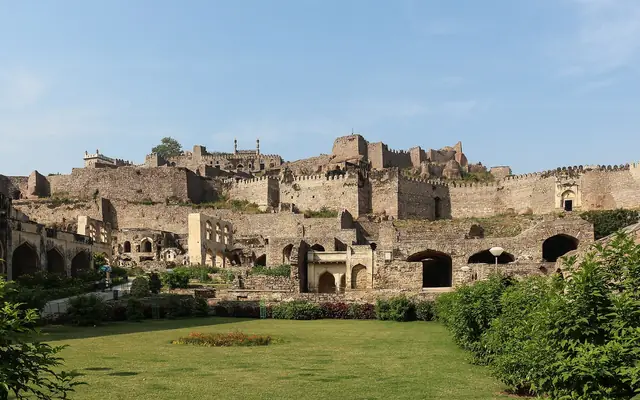
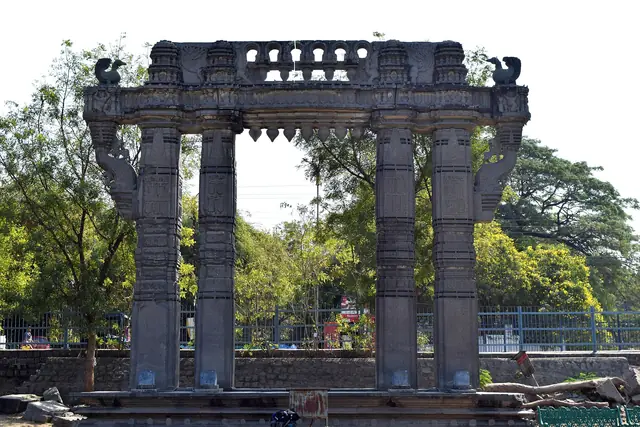
Five houses ruled from Delhi between 1206 and 1526: the Mamluks, the Khaljis, the Tughlaqs, the Sayyids and the Lodis. Their hold on the Ganga plain was real, and their armies raided far beyond it. Alauddin Khalji took Devagiri in 1296, Gujarat in 1299, Ranthambore in 1301 and Chittor in 1303. His general Malik Kafur struck Warangal in 1310 and Dwarasamudra and Madurai in 1311; Amir Khusrau’s Khazain ul-Futuh records the temples broken at Chidambaram and Srirangam on the way. Prince Ulugh Khan, the future Muhammad bin Tughlaq, took Warangal for good in 1323; as sultan he moved his capital to Daulatabad in 1327, marching Delhi’s people south and back again. The Sultanate’s widest reach lasted barely a decade.
02Ranthambore, Chittor, Jalore
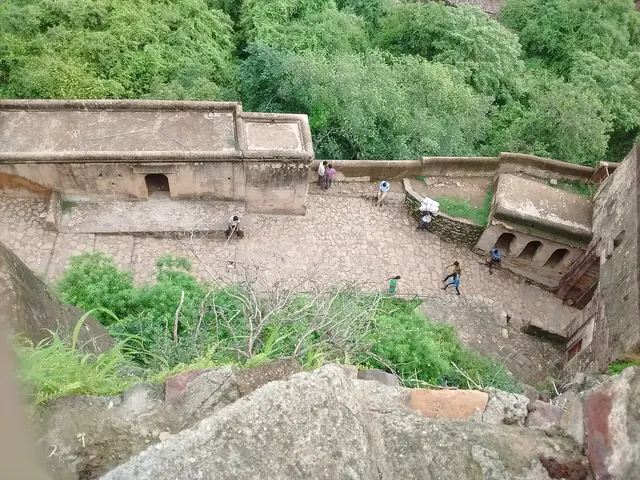
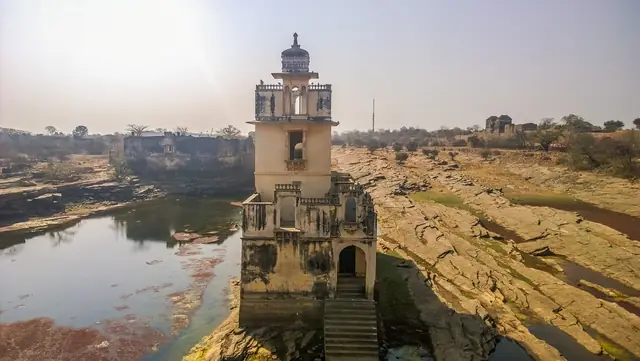
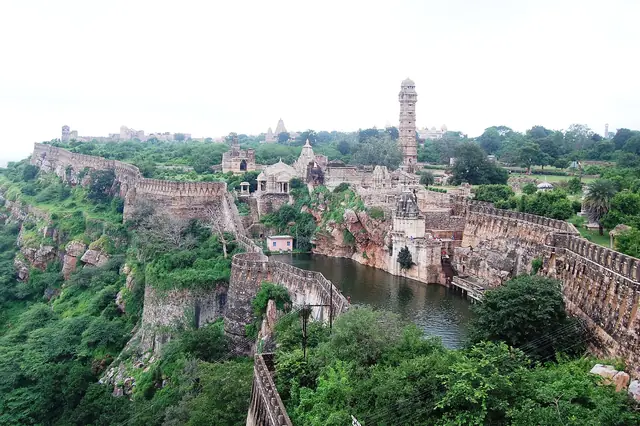
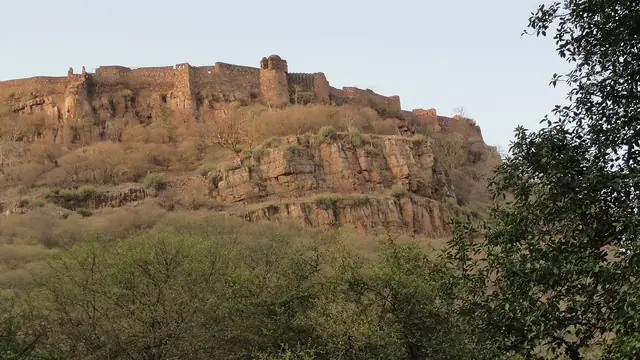
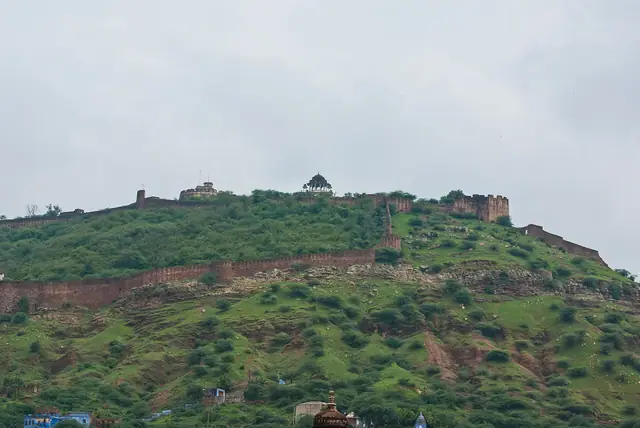
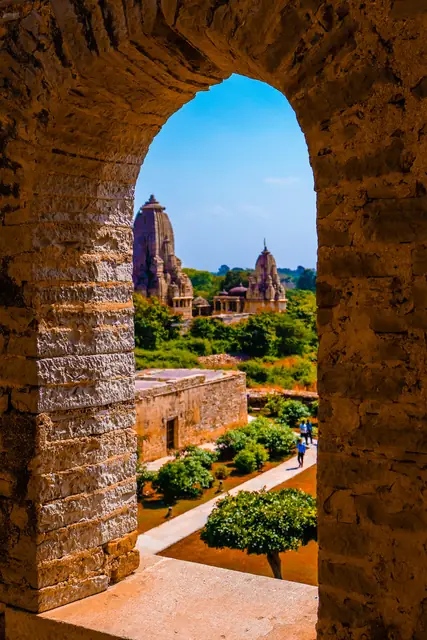
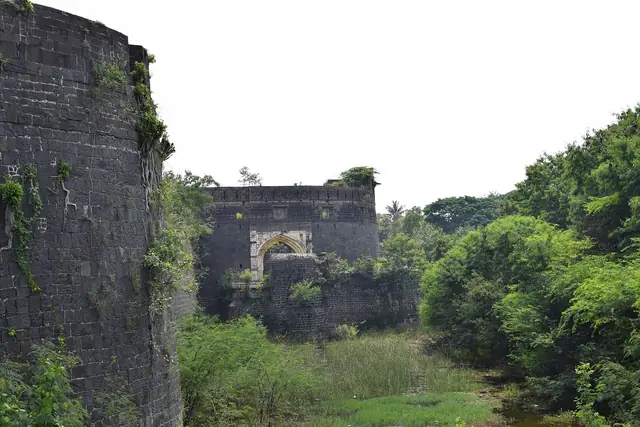
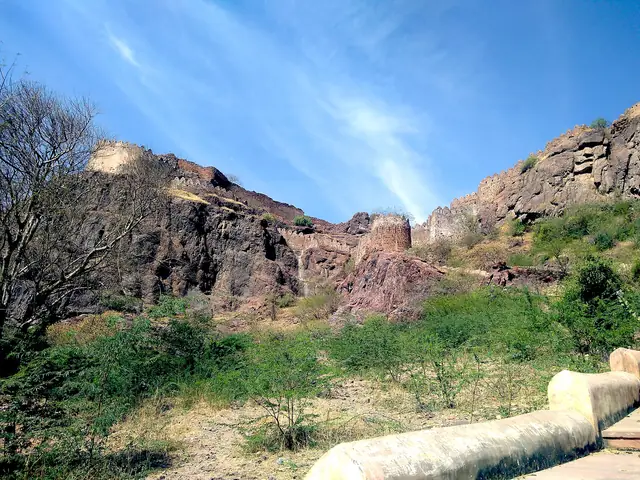
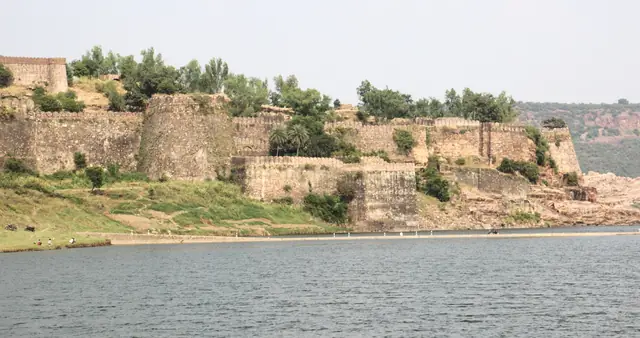
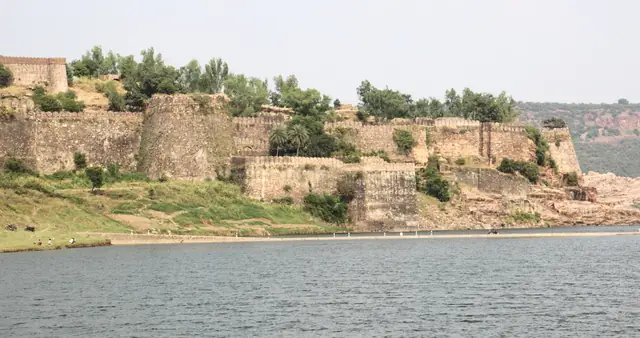
Rajputana answered with sieges that lasted months and ended in saka and jauhar. Hammir Dev Chauhan of Ranthambore gave refuge to rebels from Alauddin’s army and would not hand them over; the fort fell in 1301 and Hammir died with his men, as Nayachandra Suri’s Hammira Mahakavya and Amir Khusrau both record. Chittor fell in 1303 after an eight-month siege. The story of Rani Padmini is told in Malik Muhammad Jayasi’s Padmavat of 1540 and in Rajasthan’s bardic memory. Kanhadadeva of Jalore held out until 1311; the Kanhadade Prabandha of 1455 tells his war. Within a generation, Rana Hammir of the Sisodia branch had taken Chittor back, around 1326, and Mewar never again let it go for long.
03The south rises: Musunuri and Vijayanagara
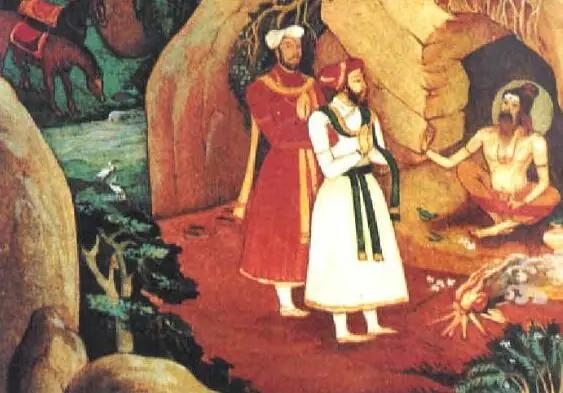
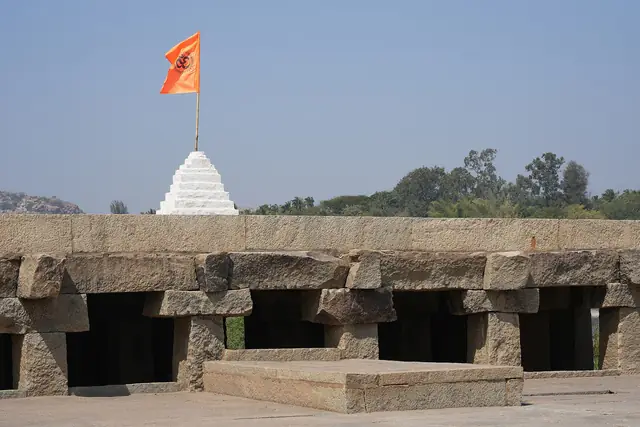
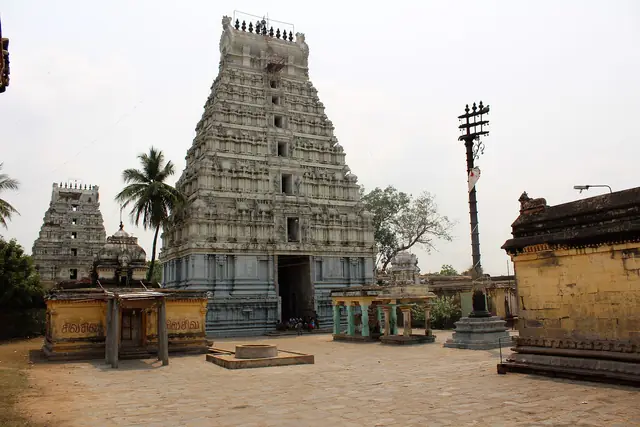
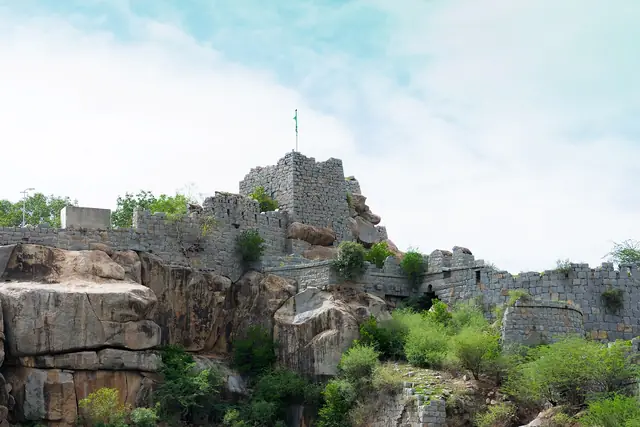
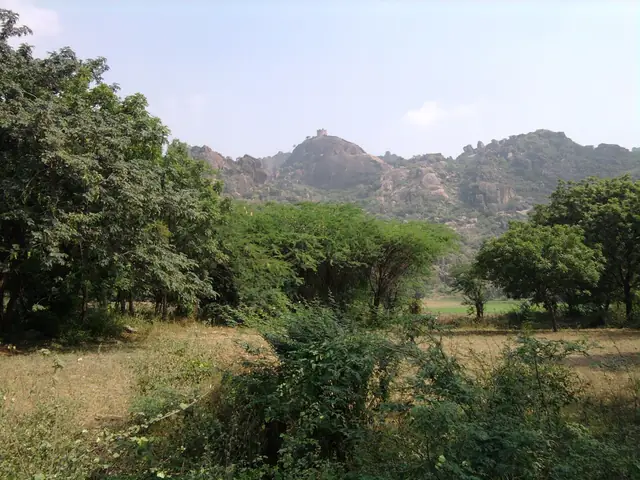
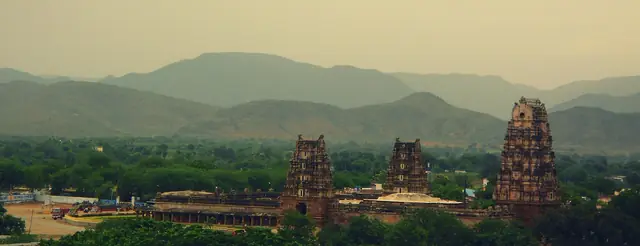
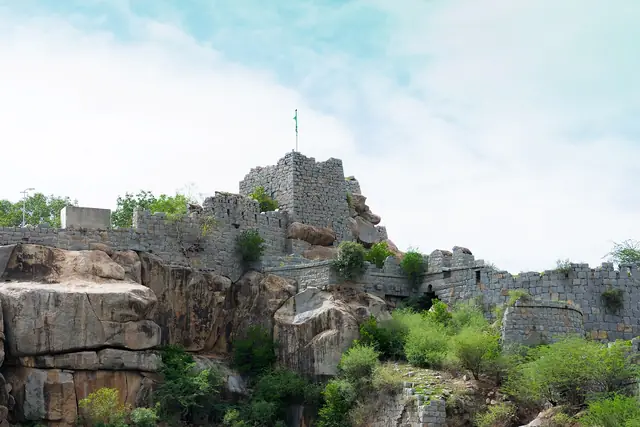
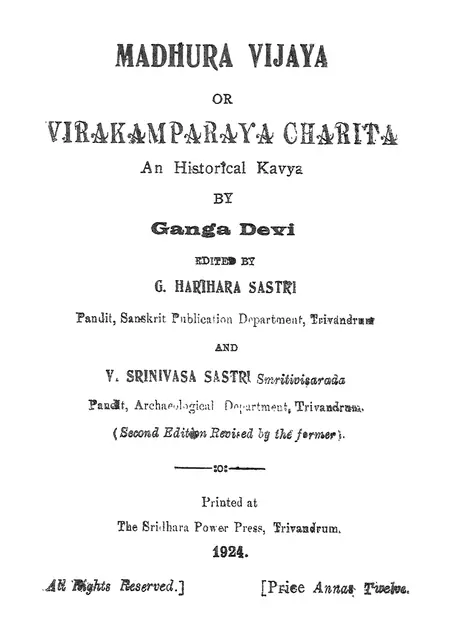
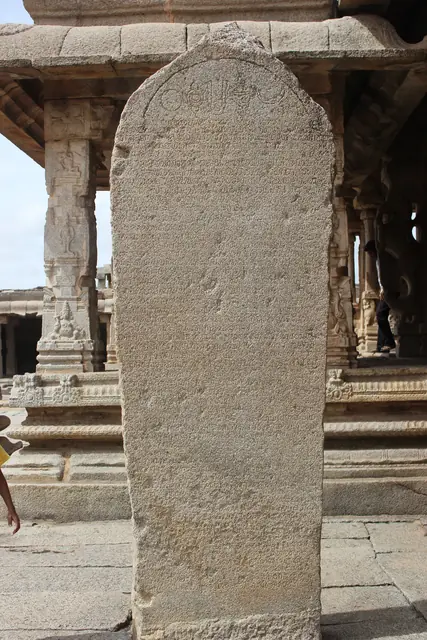
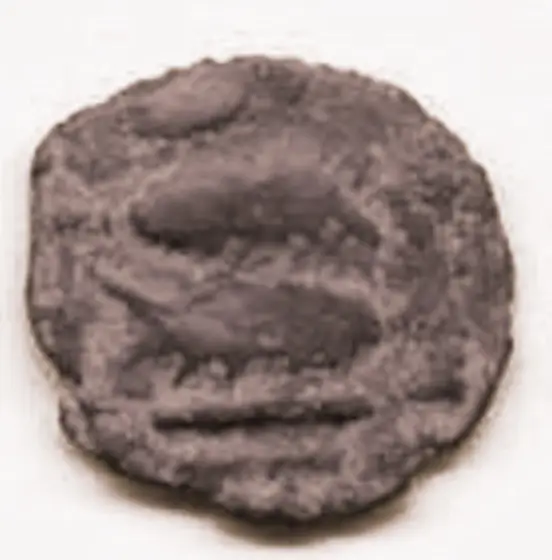
After Warangal fell and Prataparudra was taken captive in 1323, the Telugu chiefs regrouped. Prolaya Nayaka and his cousin Kaapaya Nayaka of the Musunuri family drove the Tughlaq garrison out of Warangal around 1336; Prolaya’s Vilasa grant laments the temples broken and the Brahmins harassed under the invaders. In the same years the brothers Harihara and Bukka founded a city on the Tungabhadra. Tradition gives the year as 1336 and honours the sage Vidyaranya of Sringeri as their guide. Vijayanagara grew into the largest Hindu state of its time. Bukka’s son Kumara Kampana marched south and broke the Madurai Sultanate around 1371; his queen Gangadevi wrote the Sanskrit poem Madhura Vijayam about the campaign and the temples it restored.
04Temples broken, temples raised
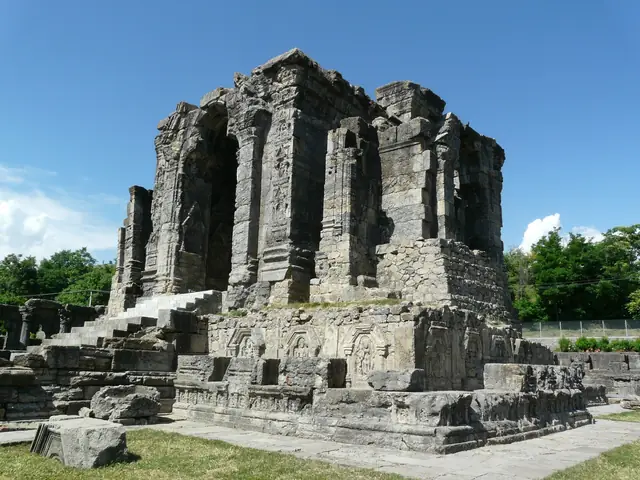
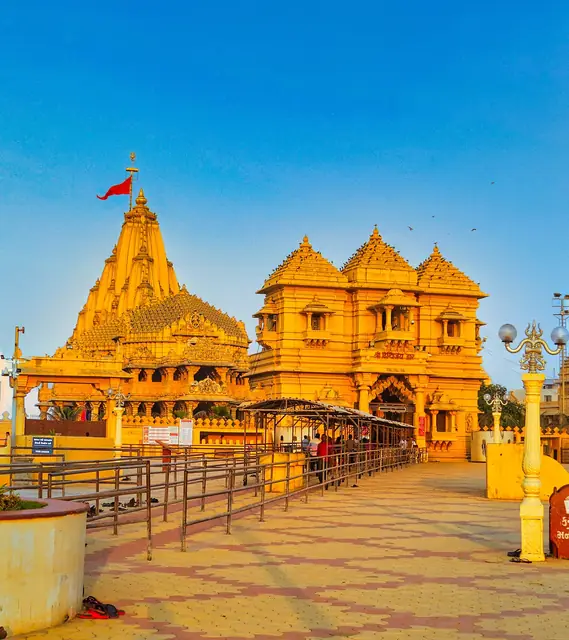
Somnath was attacked again in 1299 by Alauddin’s generals Ulugh Khan and Nusrat Khan (Khazain ul-Futuh). In Kashmir, Sultan Sikandar (1389–1413) broke the temples of the valley, the Sun temple of Martand among them, and pressed Brahmins to convert or leave; Jonaraja’s Rajatarangini records it. His son Zain-ul-Abidin (1420–70) reversed the policy, invited the Pandits back and let temples be repaired, and Jonaraja records that too. Firuz Shah Tughlaq, in his own memoir Futuhat-i-Firuz Shahi, writes of destroying new temples and of extending the jizya to Brahmins.
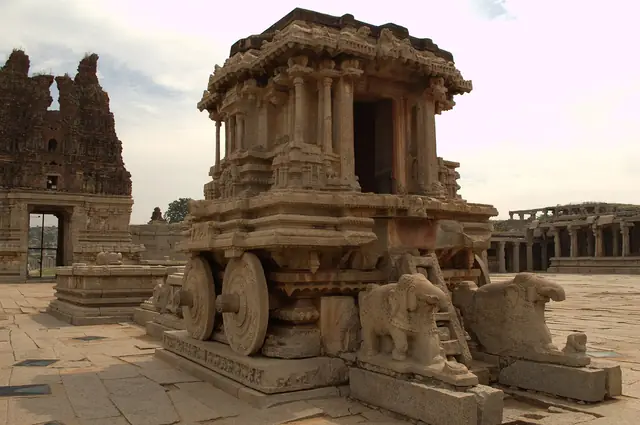
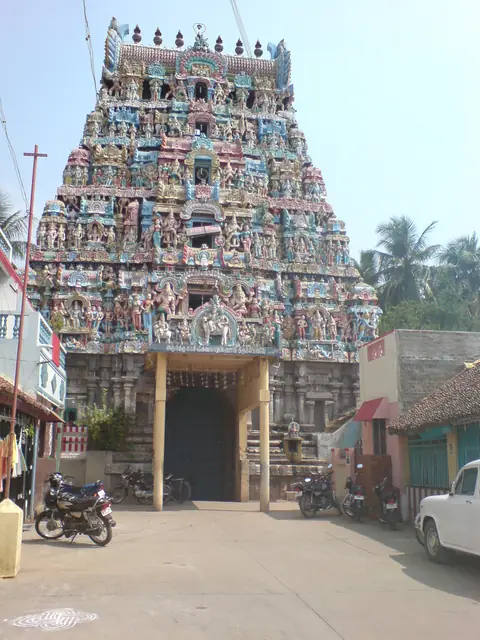
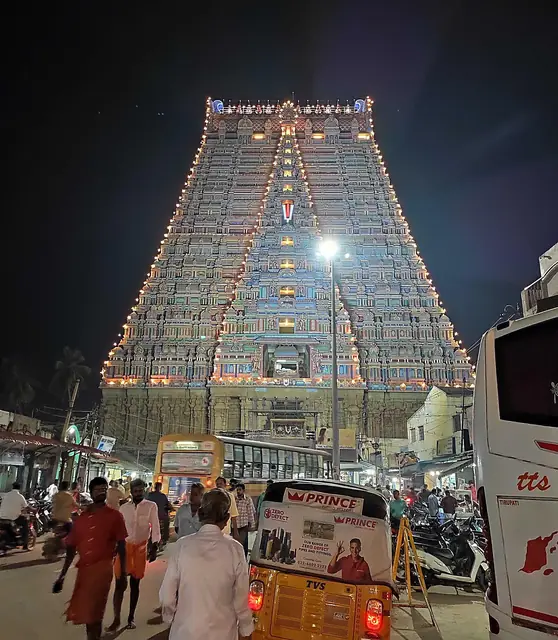
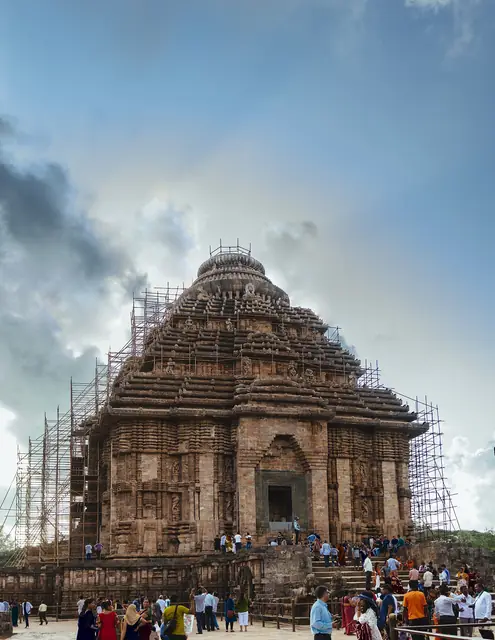
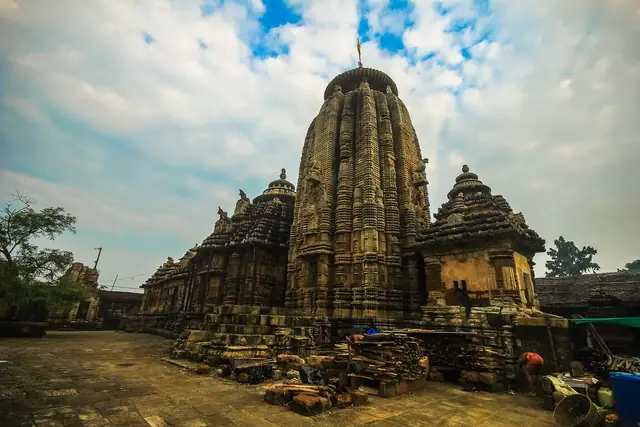
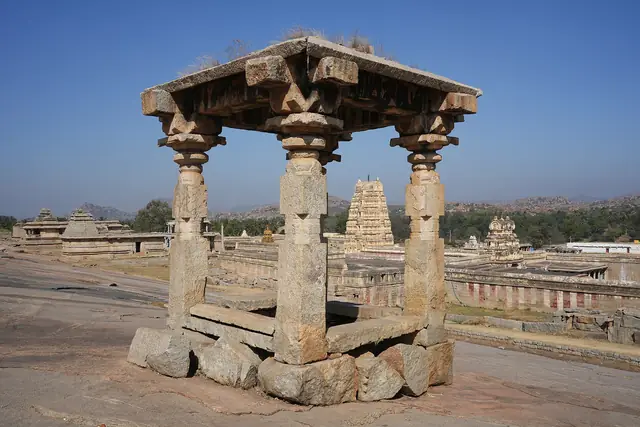
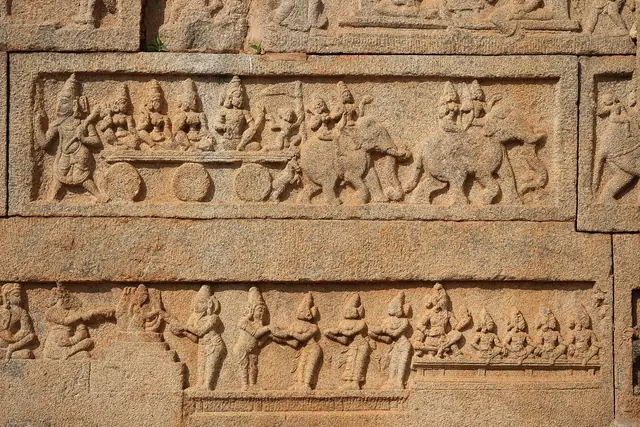
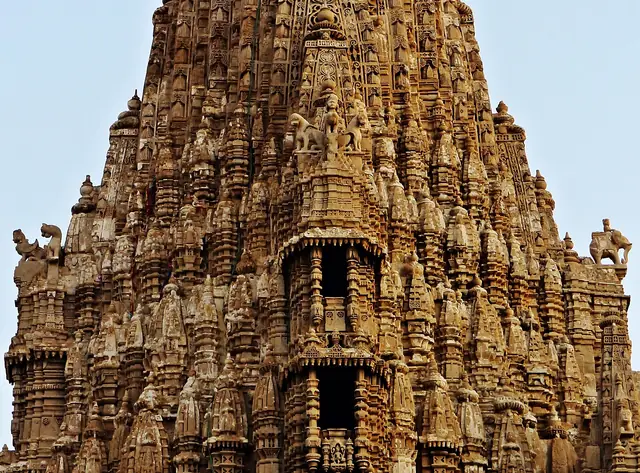
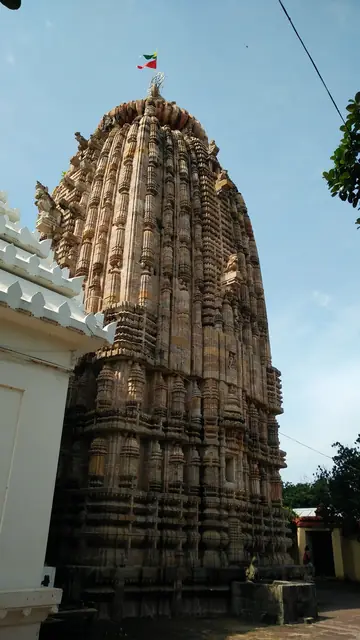
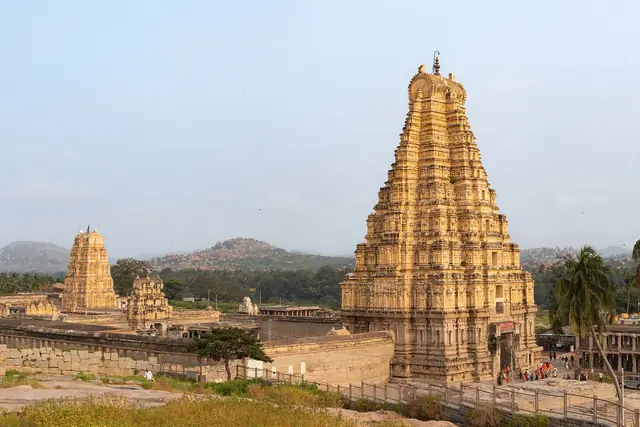
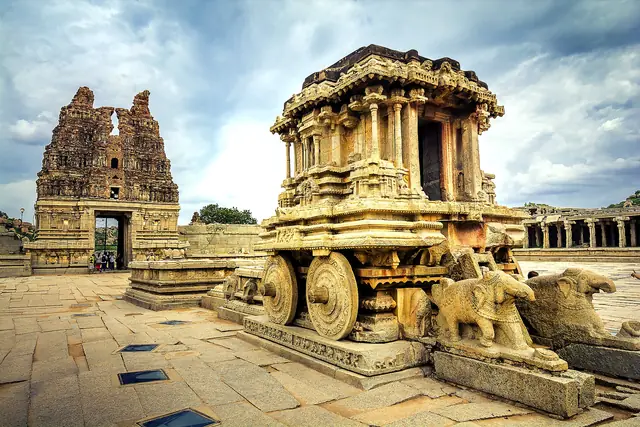
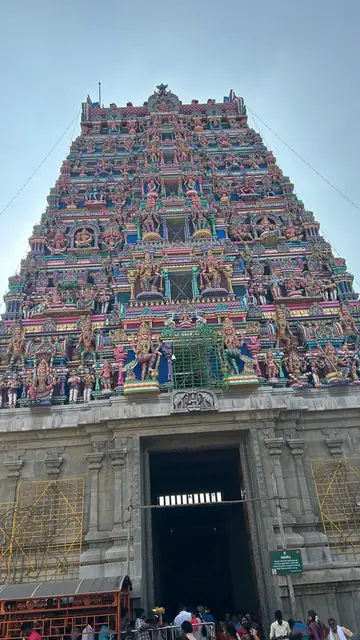
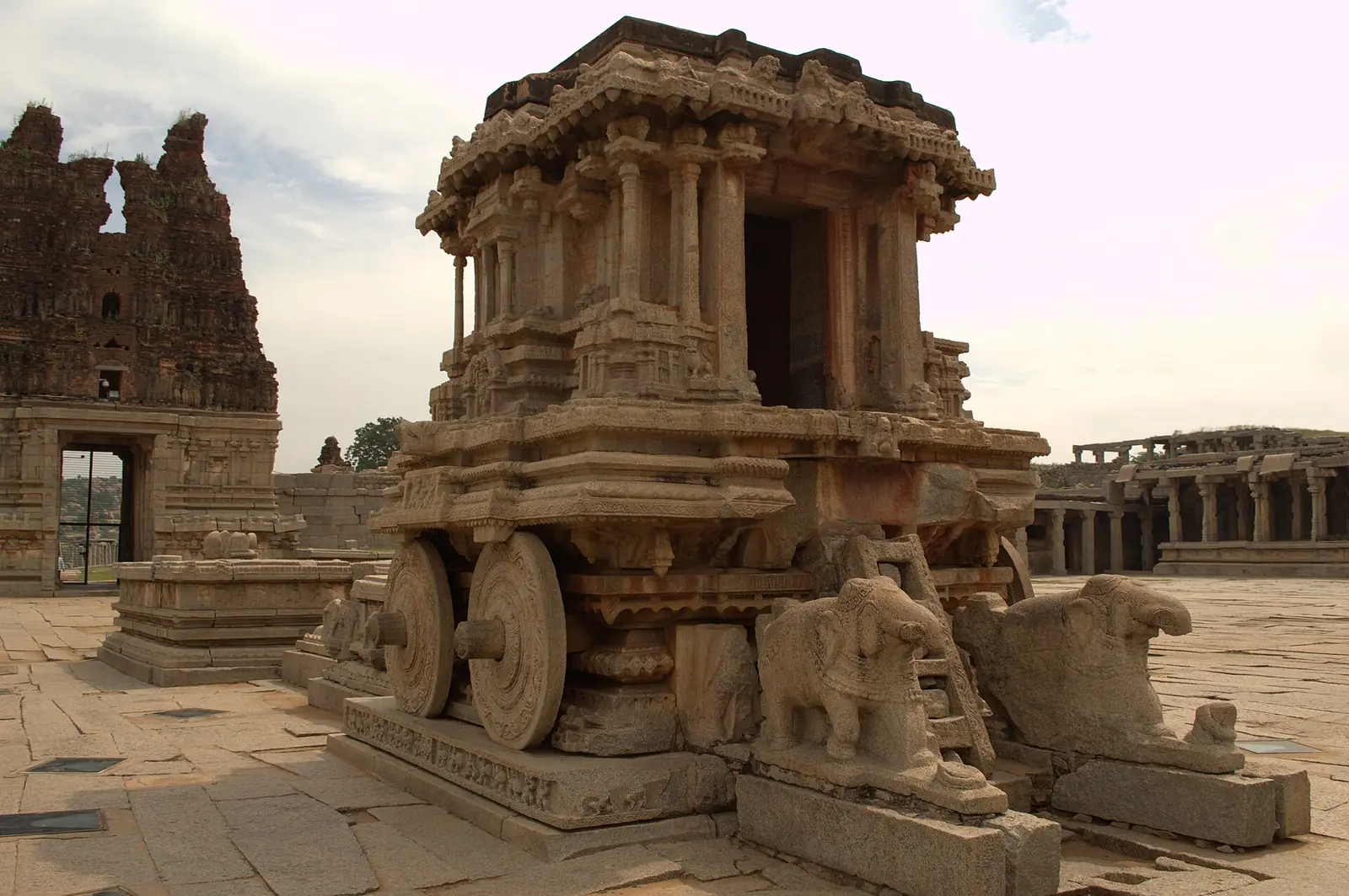
Against this, the builders never stopped. Narasimhadeva I of the Eastern Gangas raised the Sun temple at Konark around 1250. Vijayanagara rebuilt and enlarged temples from Tirupati to Srirangam, and the Vittala and Virupaksha at Hampi.
05Mewar, Odisha, Assam
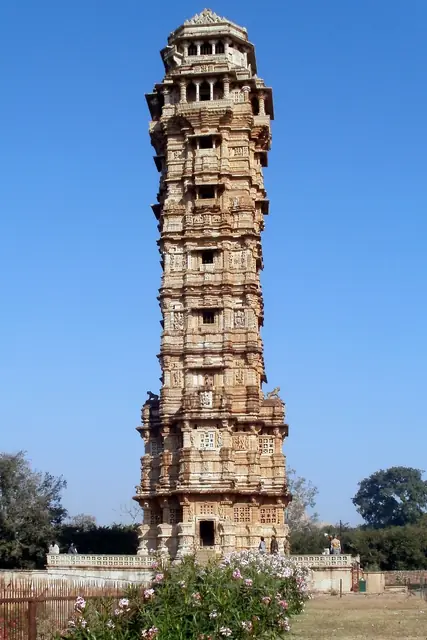
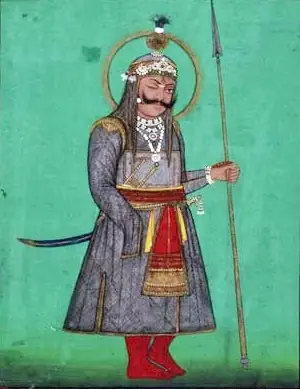
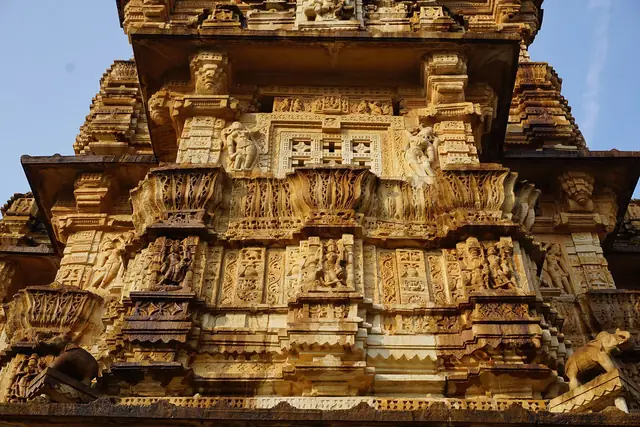
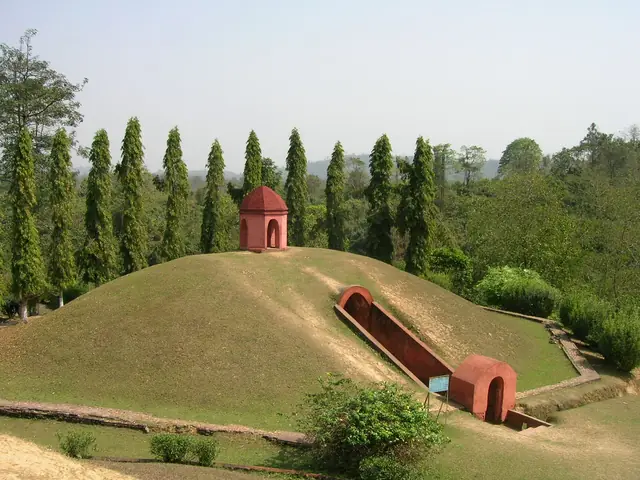
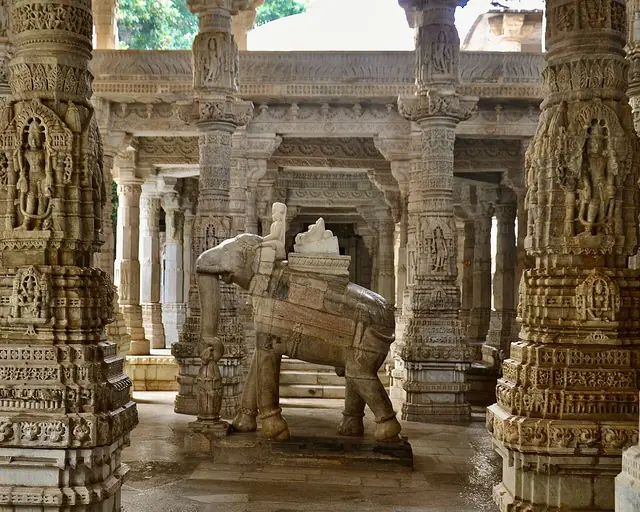
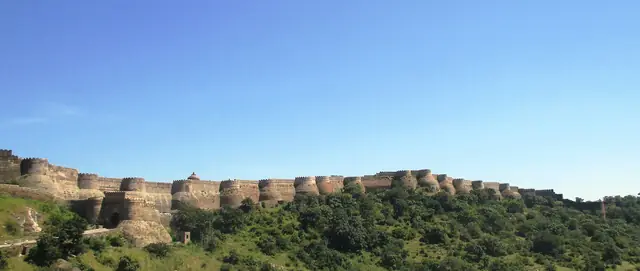
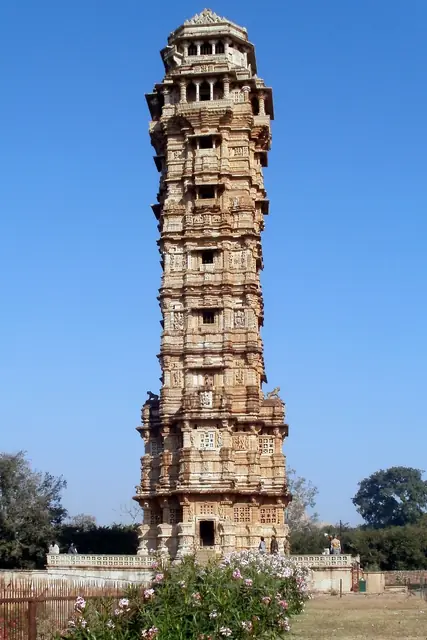
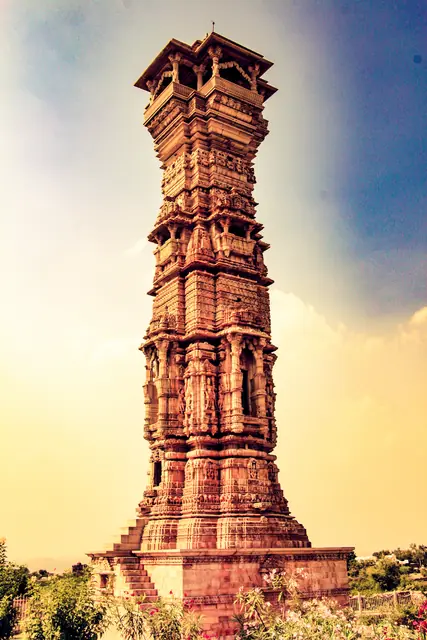
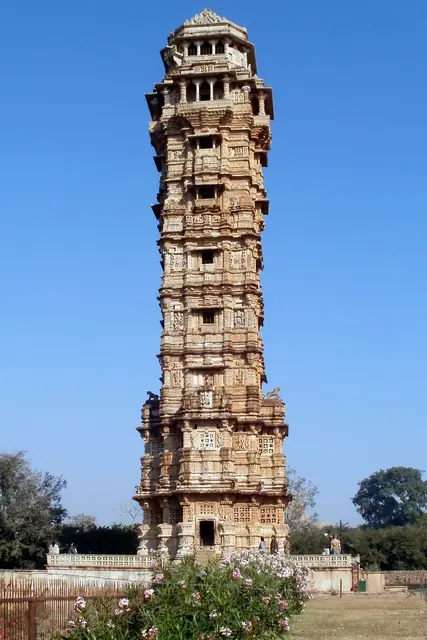
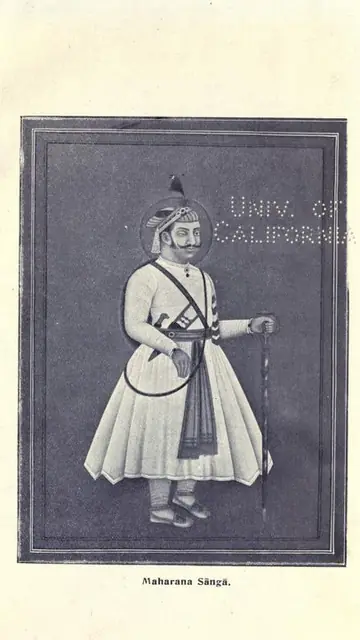
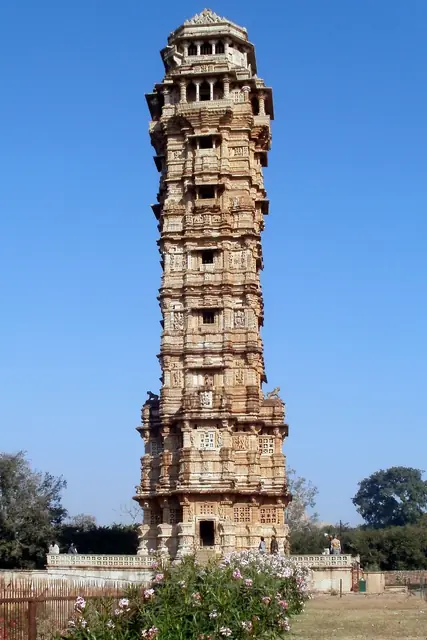
Rana Kumbha of Mewar (1433–68) defeated the Sultan of Malwa and raised the nine-storey Vijay Stambh at Chittor, finished in 1448 and carved with images of the Devas. He built Kumbhalgarh, wrote the Sangita Raja on music and a commentary on the Gita Govinda; in his reign Dharna Shah raised the Jain temple at Ranakpur in 1437. Rana Sanga (1508–28) beat Ibrahim Lodi at Khatoli in 1517 and was the strongest king of the north by 1526. In Odisha, Kapilendra Deva founded the Gajapati line in 1434 and carried its arms to the Ganga and the Kaveri. In Assam, Sukaphaa crossed the Patkai in 1228 and founded the Ahom kingdom, which threw back every Sultanate army that came up the Brahmaputra.
06Bhakti in every tongue
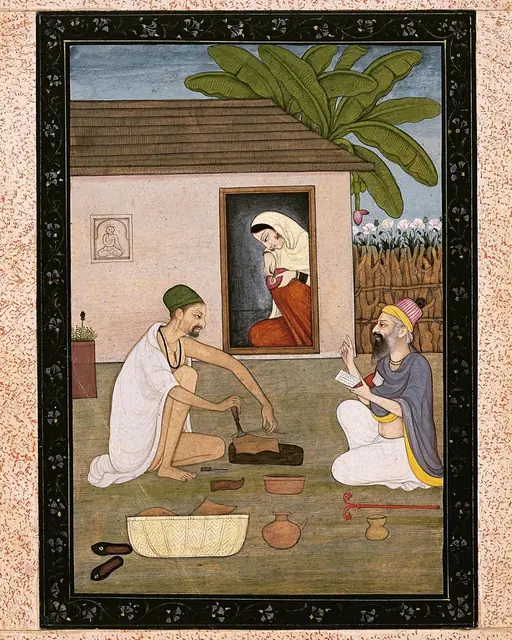
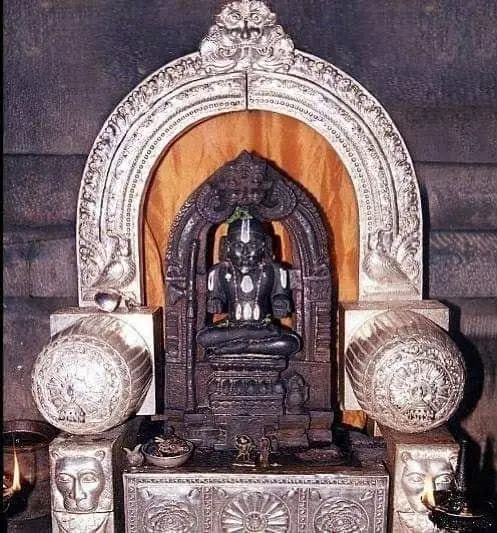
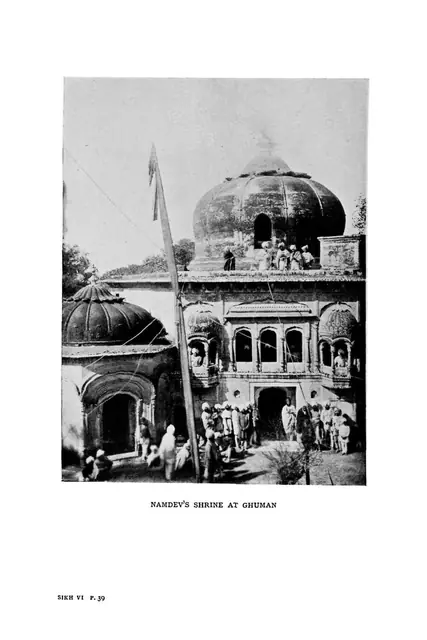
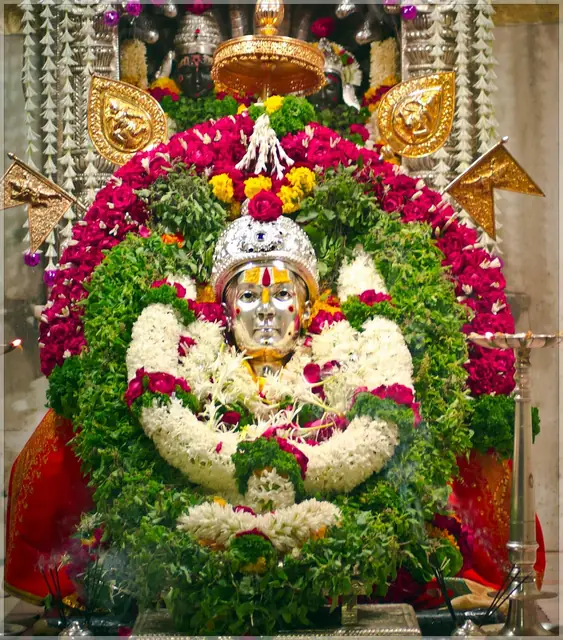
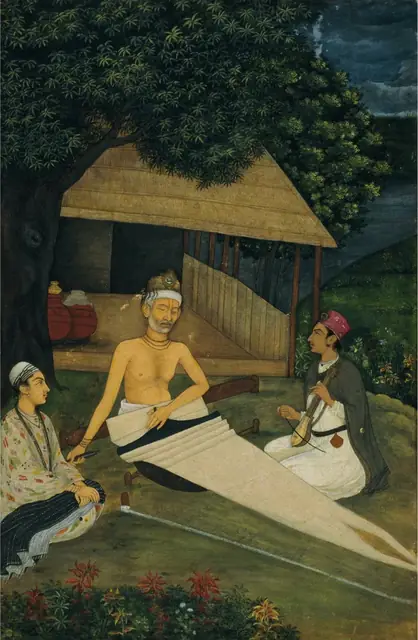
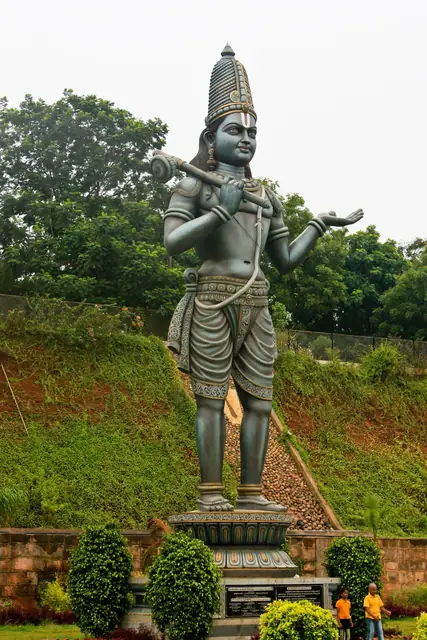
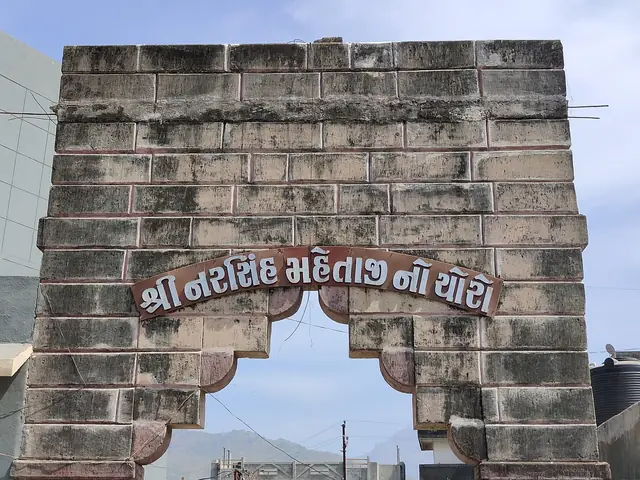
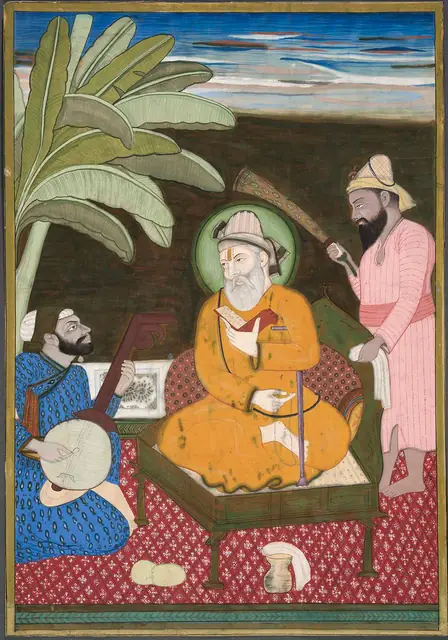
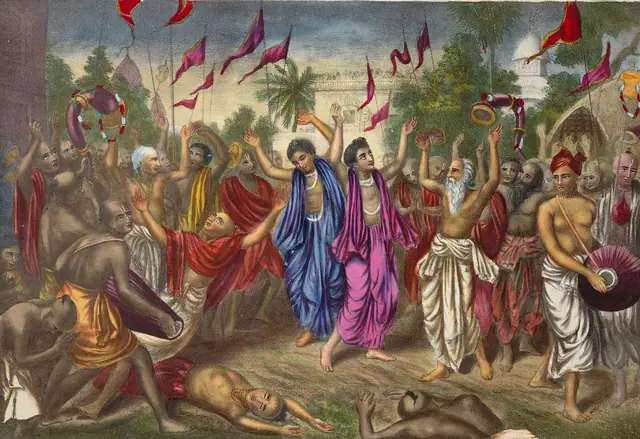
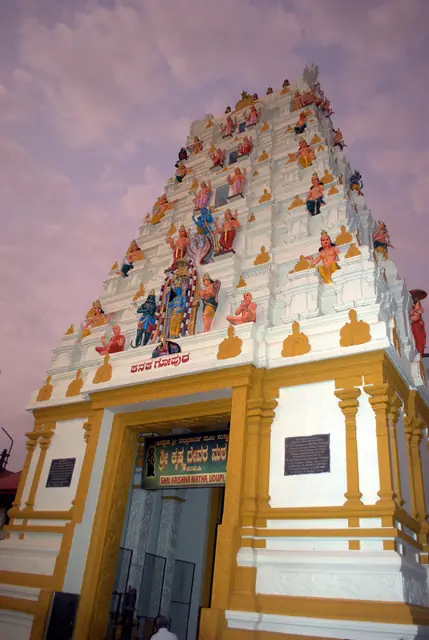
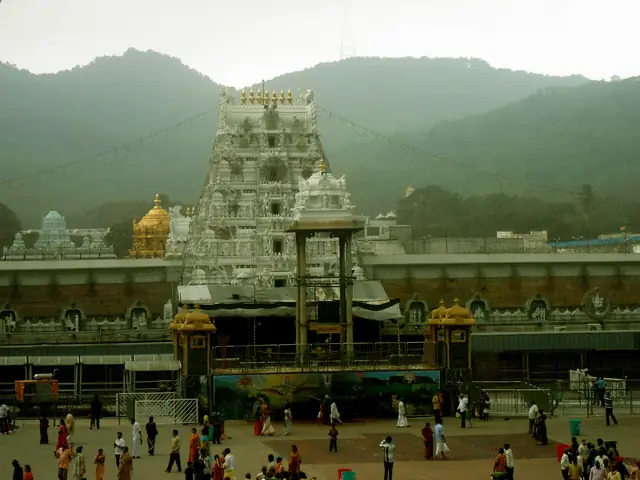
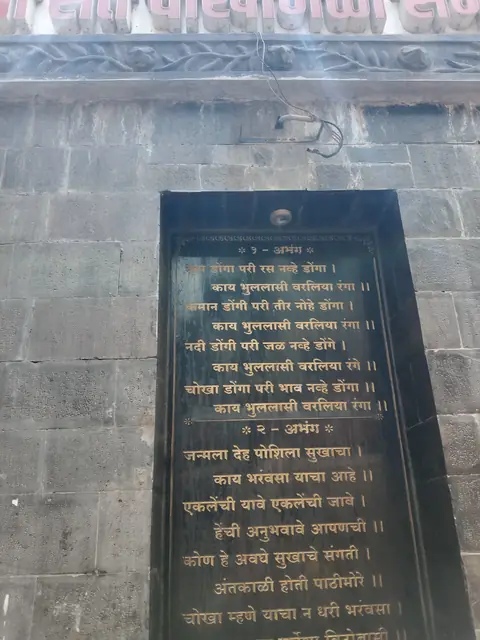
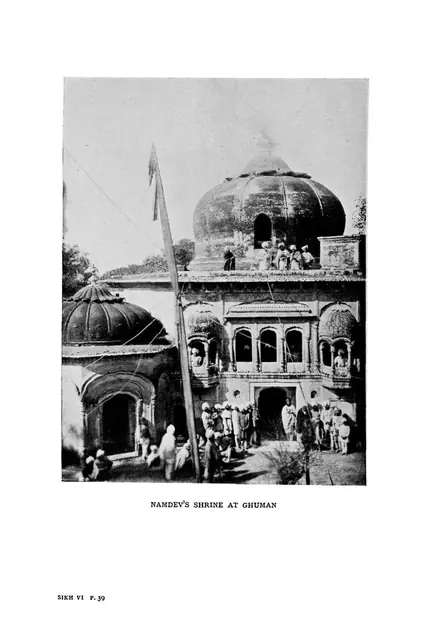
When the courts were lost, the faith moved into the language of the home. Jnaneshwar wrote the Dnyaneshwari, a Marathi commentary on the Gita, in 1290, and the Varkari path of Pandharpur grew around him and Namdev. Madhvacharya taught Dvaita in Udupi. Lal Ded sang her vakhs in Kashmiri. Ramananda’s disciples carried Rama-bhakti across the north; Kabir and Ravidas sang in Kashi. Guru Nanak, born in 1469, began the Sikh path. Chaitanya Mahaprabhu filled Bengal and Puri with kirtan; Vallabhacharya taught Pushti Marga in Braj. Srimanta Sankardev founded the satras of Assam. Annamacharya sang to Venkateswara at Tirumala and Purandara Dasa laid the method of Carnatic teaching. Narsinh Mehta’s Vaishnav Jan to was composed in these years.
07Scholars of Vijayanagara and Kerala
Under the first Vijayanagara kings, Sayanacharya and his team wrote the commentary on the four Vedas that is still the standard one. Vidyaranya’s Panchadashi became a primer of Advaita. Vedanta Desika wrote at Kanchi and Srirangam. On the Kerala coast, Madhava of Sangamagrama, around 1340–1425, found infinite series for sine, cosine and pi, the start of a school that ran through Nilakantha Somayaji’s Tantrasangraha of 1500. Krittibas Ojha retold the Ramayana in Bengali in the 15th century, and in Telugu Bammera Potana rendered the Bhagavata. Krishnadevaraya (1509–29), who wrote the Telugu Amuktamalyada himself, kept eight great poets, the Ashtadiggajas, at his court.
08Hampi’s bazaars
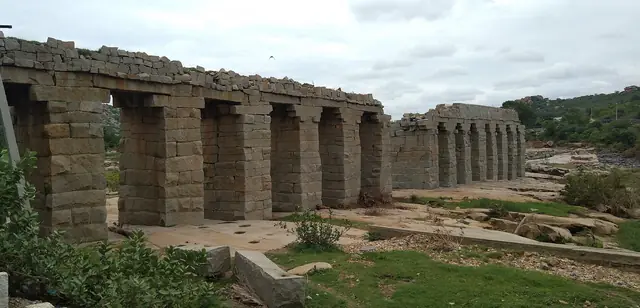
Foreign visitors left wonder-struck accounts of Vijayanagara. Niccolò de’ Conti came around 1420; the Persian envoy Abdur Razzaq in 1443 wrote that the eye had never seen a place like it. The Portuguese Domingo Paes, around 1520, described markets of rubies, pearls and horses, and a city as large as Rome. The empire’s wealth rested on irrigation tanks and canals off the Tungabhadra, on temple towns that were also banks and granaries, and on control of the horse trade through the western ports. Krishnadevaraya took Raichur from Bijapur in 1520. Across Bharat, temple-centred towns, weaving guilds and the coastal trade kept the land among the richest in the world.
09Panipat, 1526
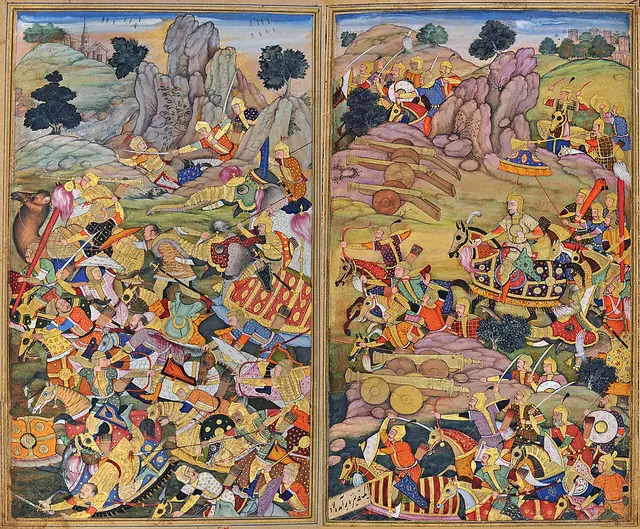
By 1526 the Lodi Sultanate was weak and divided. Babur, a Timurid prince from Kabul, crossed the Indus with matchlocks and field guns, and on 21 April 1526 he killed Ibrahim Lodi at the First Battle of Panipat. Delhi’s Sultanate ended in an afternoon. The kingdoms that had stood through these three centuries were still standing: Rana Sanga in Mewar, Krishnadevaraya’s Vijayanagara at the height of its power, the Gajapatis in Odisha, the Ahoms in Assam, and the Rajas of Kerala on the coast. Within a year Sanga would march against the new power from Kabul.
What survives today
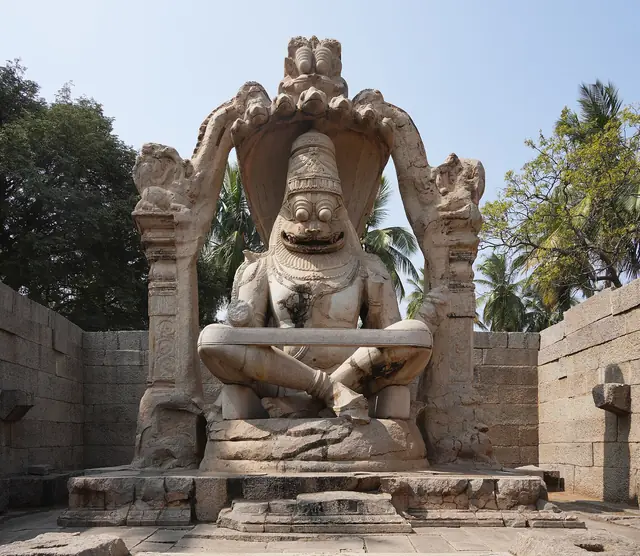
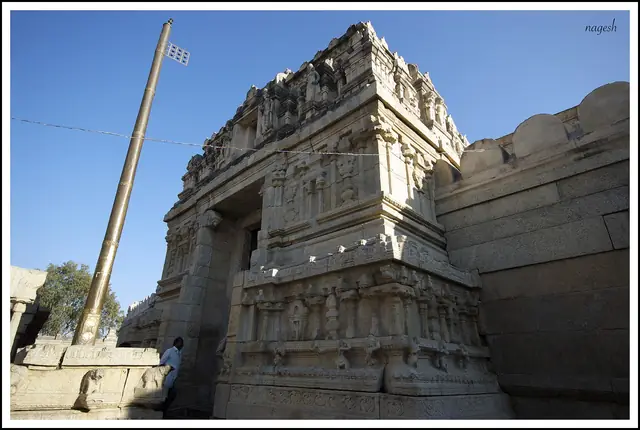
- The ruins of Hampi: Virupaksha, Vittala and its stone chariot
- The Sun temple at Konark, c. 1250
- The Vijay Stambh at Chittor and the walls of Kumbhalgarh
- The Ranakpur Jain temple, 1437
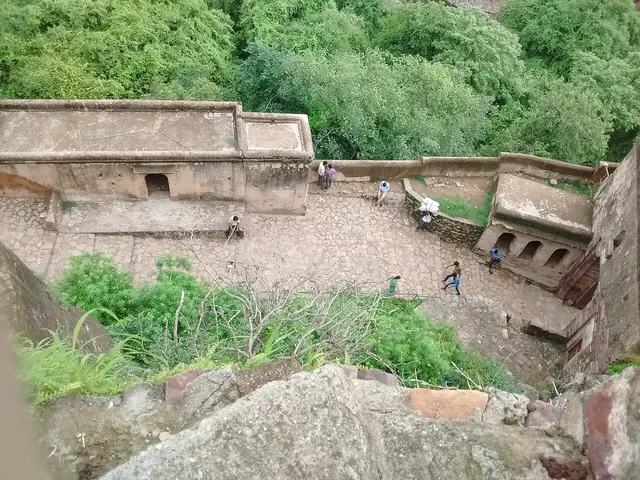
- Ranthambore fort and its Ganesh temple, still a place of pilgrimage
- The ruins of the Martand Sun temple, Kashmir
- The Dnyaneshwari, sung on the Pandharpur wari every Ashadhi Ekadashi
- Sayana’s Veda bhashya and the padas of Annamacharya and Purandara Dasa