01Janaka’s Mithila and the valley lake
Nepal enters the Itihasa through Mithila. The Ramayana tells that King Janaka of Videha found Sita in the furrow while ploughing, and Janakpur in Nepal’s Terai keeps the tradition of his capital, where Shri Rama broke the bow of Shiva and married her. The valley of Kathmandu has its own katha, kept in the Svayambhu Purana and in Hindu tradition alike: it was once a lake, and a cut in the hills at Chobhar drained it. The Gopala and Kirata kings come first in the old vamshavalis, the chronicles of Nepal, before history in stone begins with the Licchavis.
02The Licchavi kings
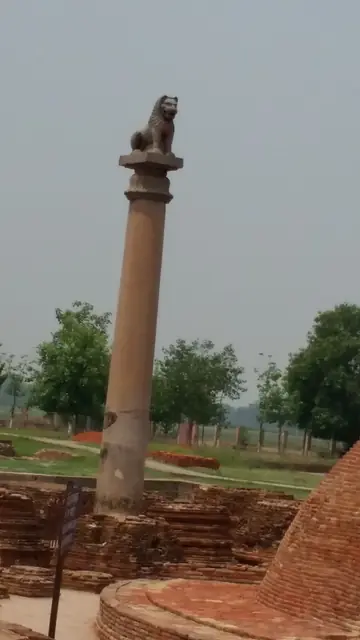
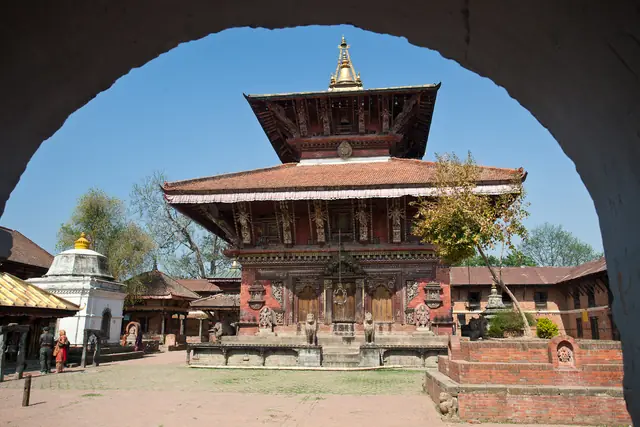
The Licchavis of Nepal claimed descent from the famous Licchavis of Vaishali. From the 5th to the 9th century they ruled the valley and left some two hundred inscriptions in Sanskrit, the earliest at Changu Narayan in 464 CE, where Manadeva tells how he persuaded his widowed mother not to commit sati and went out to subdue the east and west. Under Amshuvarman, in the early 7th century, the Kailashakuta palace was spoken of in China. The Licchavis worshipped Pashupati and Vishnu, raised Garuda pillars and stepped water conduits, the hiti, some of which still run in Patan.
03Pashupatinath on the Bagmati
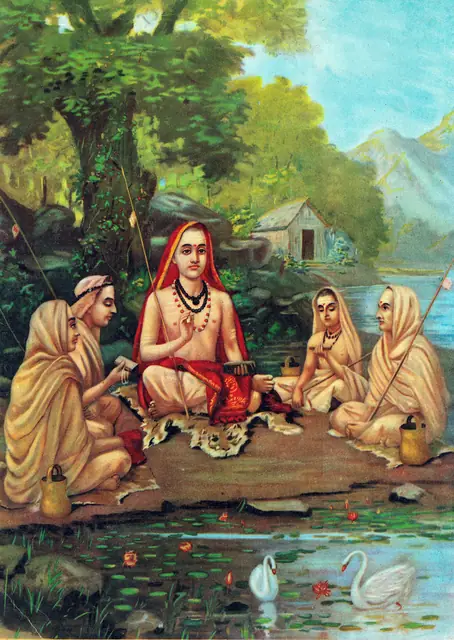
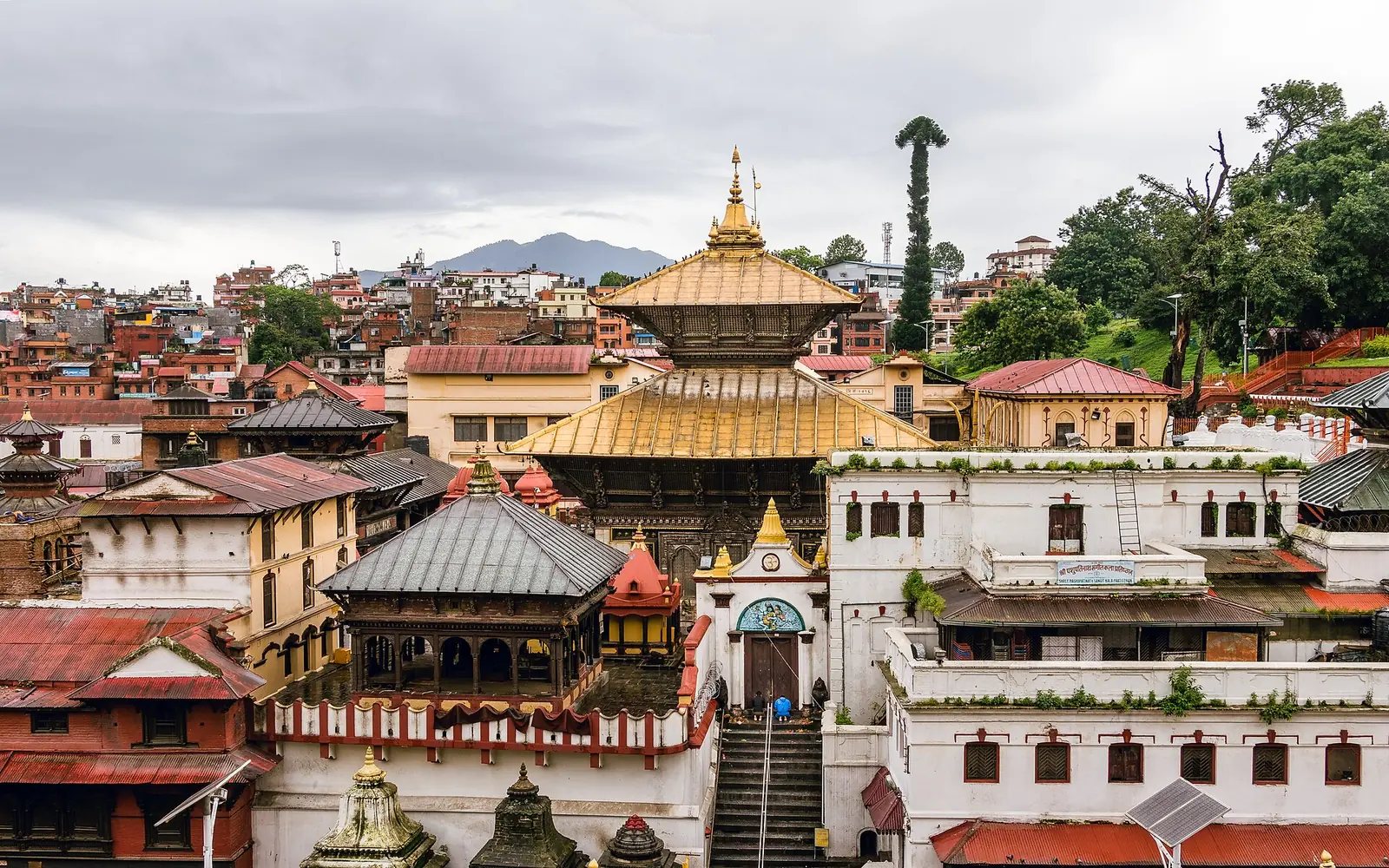
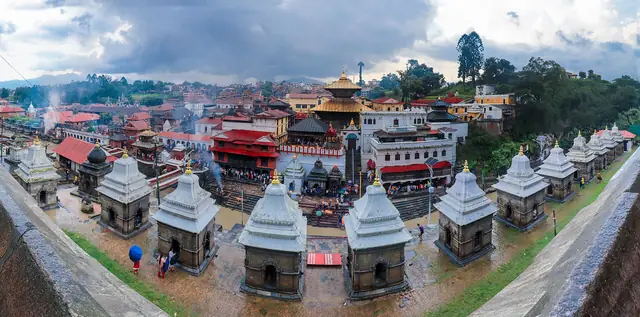
Pashupatinath, the lord of all beings, has been worshipped on the bank of the Bagmati since before the oldest inscriptions, which already treat the shrine as ancient. The Linga has four faces and a fifth facing upward, and only Hindus may enter the inner courtyard. By long custom the chief priests, the Bhattas, come from Karnataka, a rule tradition credits to Adi Shankaracharya. Along the ghats below the temple the dead of Kathmandu are cremated, as at Kashi. At Mahashivaratri sadhus come from across Bharat, and the courtyard fills from before dawn. The 2015 earthquake shook the valley, and the main temple stood.
04The Mallas and the three cities
The Malla kings ruled the valley from the early 13th century. Jayasthiti Malla, at the end of the 14th, set down the rules of caste and custom that shaped Newar society for centuries. After Yaksha Malla died in the late 15th century the kingdom split among his heirs into Kathmandu, Patan and Bhaktapur, three small courts that competed in building. Their Durbar Squares, the Nyatapola of Bhaktapur, the Krishna Mandir of Patan with its Mahabharata friezes, the Taleju temples of the royal goddess, are the work of that rivalry. The Mallas also gave Nepal the living Kumari, a girl worshipped as the goddess.
05Prithvi Narayan Shah unites Nepal
From the hill state of Gorkha, Prithvi Narayan Shah set out in the 1740s to unite the hills. He besieged the valley for years and took Kathmandu in 1768, while the city was celebrating Indra Jatra; Patan and Bhaktapur followed. He called his kingdom asal Hindustan, the true land of the Hindus, at a time when the plains below were under Mughal and then Company rule. His Shah dynasty ruled until 2008. Nepal fought the East India Company in 1814–16 and lost the lands west of the Mahakali and in the Terai by the Treaty of Sugauli, but it was never colonised.
06Tirthas of the high Himalaya
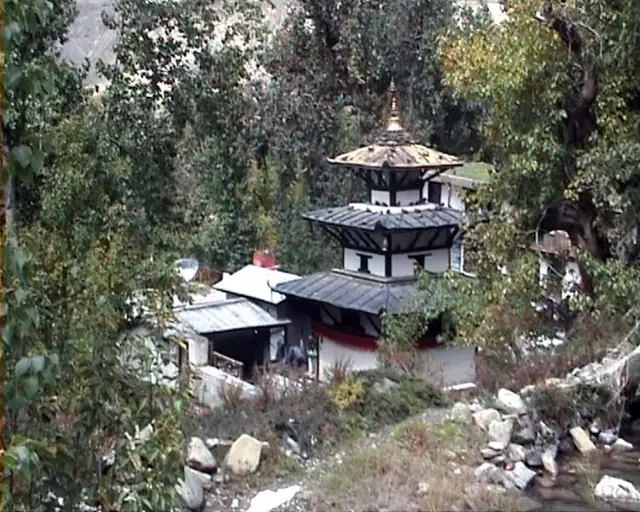
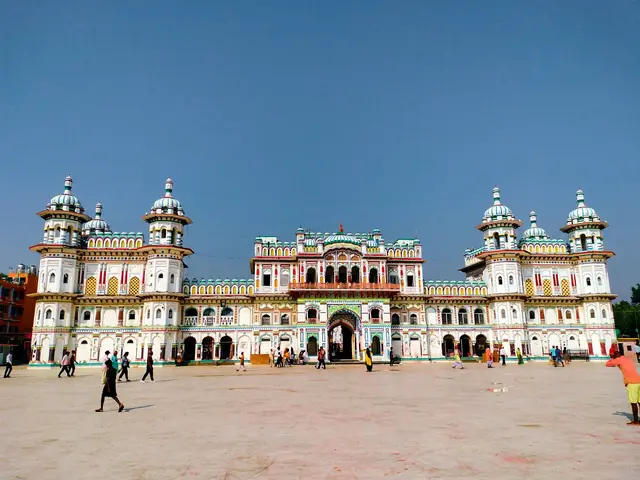
Beyond the valley, Nepal holds tirthas that pilgrims from Bharat have walked to for centuries. Muktinath, at about 3,700 metres below the Thorong La, is one of the 108 Divya Desams of Shri Vishnu sung by the Alvars, and the 108 spouts of its temple pour icy water on bathing pilgrims. The Kali Gandaki below it gives the shaligram stones worshipped as Vishnu in homes across India. Gosaikunda lake, high in Langtang, draws thousands at Janai Purnima. In Janakpur the white Janaki Mandir, completed in 1910 by Queen Vrisha Bhanu of Tikamgarh, hosts the Vivah Panchami festival of Rama and Sita each winter.
07From Hindu kingdom to republic
Nepal was the world’s only constitutionally Hindu kingdom for most of the 20th century. After a decade of Maoist insurgency, the interim constitution of 2007 declared the country secular, and on 28 May 2008 the Constituent Assembly abolished the monarchy. The constitution of 2015 kept the word secular but defined it to include the protection of sanatana religion and culture, and made the cow the national animal. The Lumbini garden where the Buddha was born lies in Nepal too, a reminder that the two Dharmic traditions grew up on the same ground. The Hindu calendar, the Bikram Sambat, remains Nepal’s official calendar.
The 2021 census counted 81.19 per cent of Nepal’s people as Hindu, the highest share of any country. Dashain is the national festival, when families gather for tika from their elders, and Tihar lights every house; the Kumari of Kathmandu still blesses the head of state at Indra Jatra.