01The Vedas, heard by the rishis
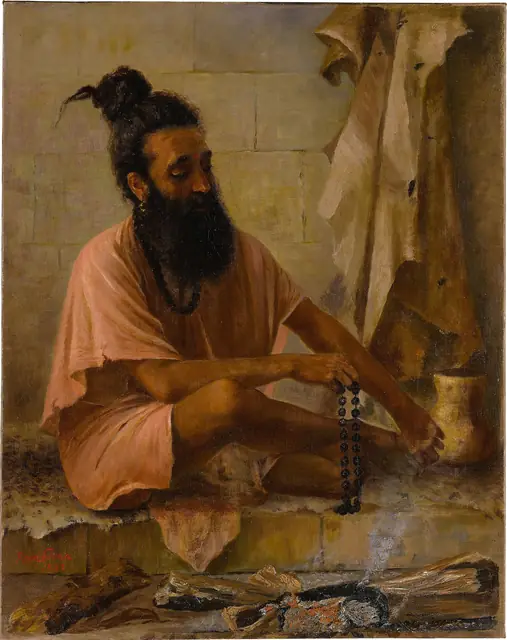
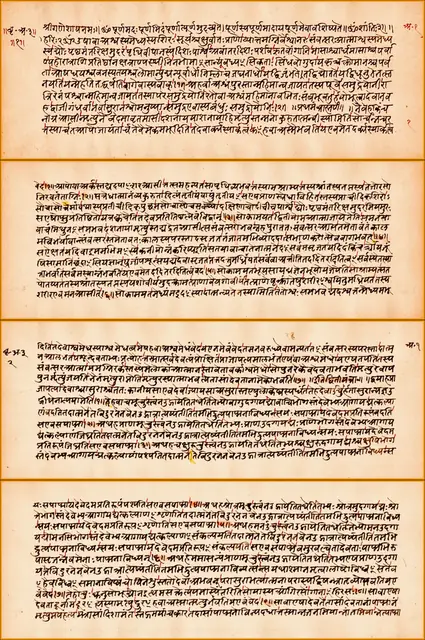
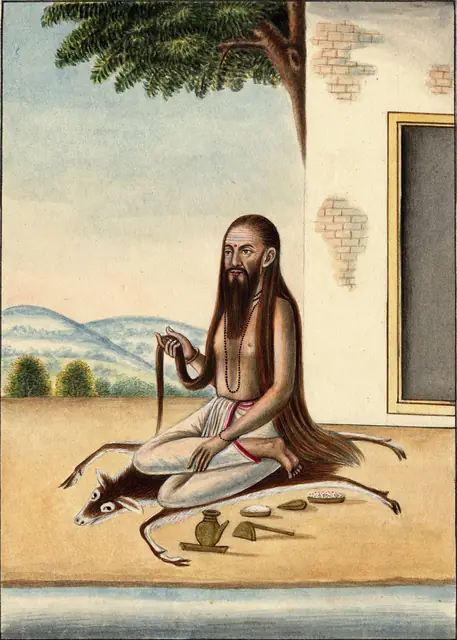
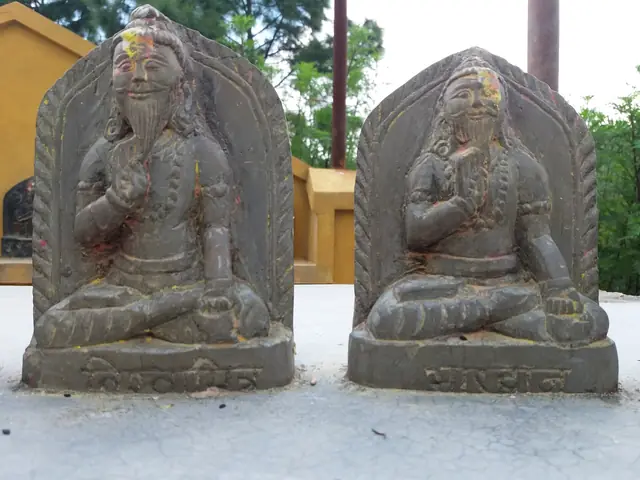
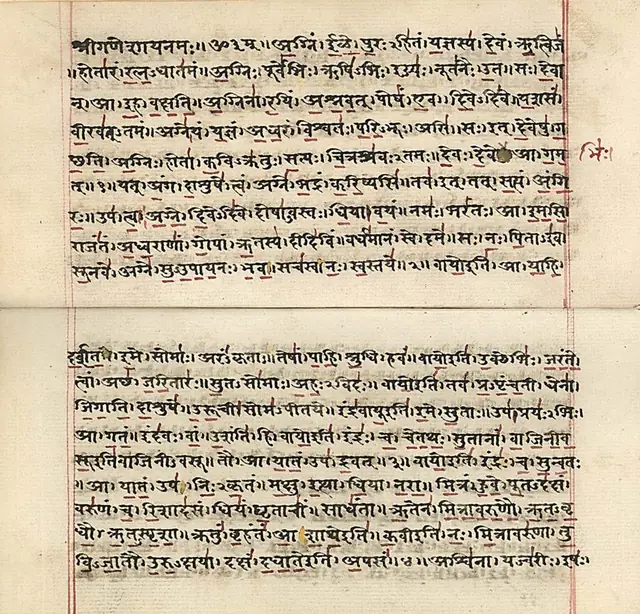
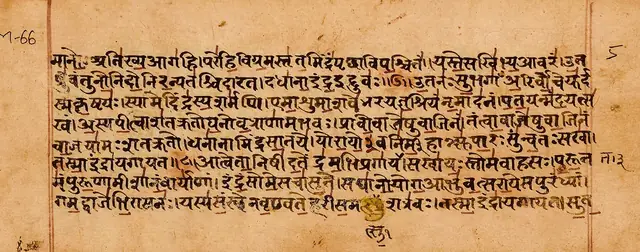
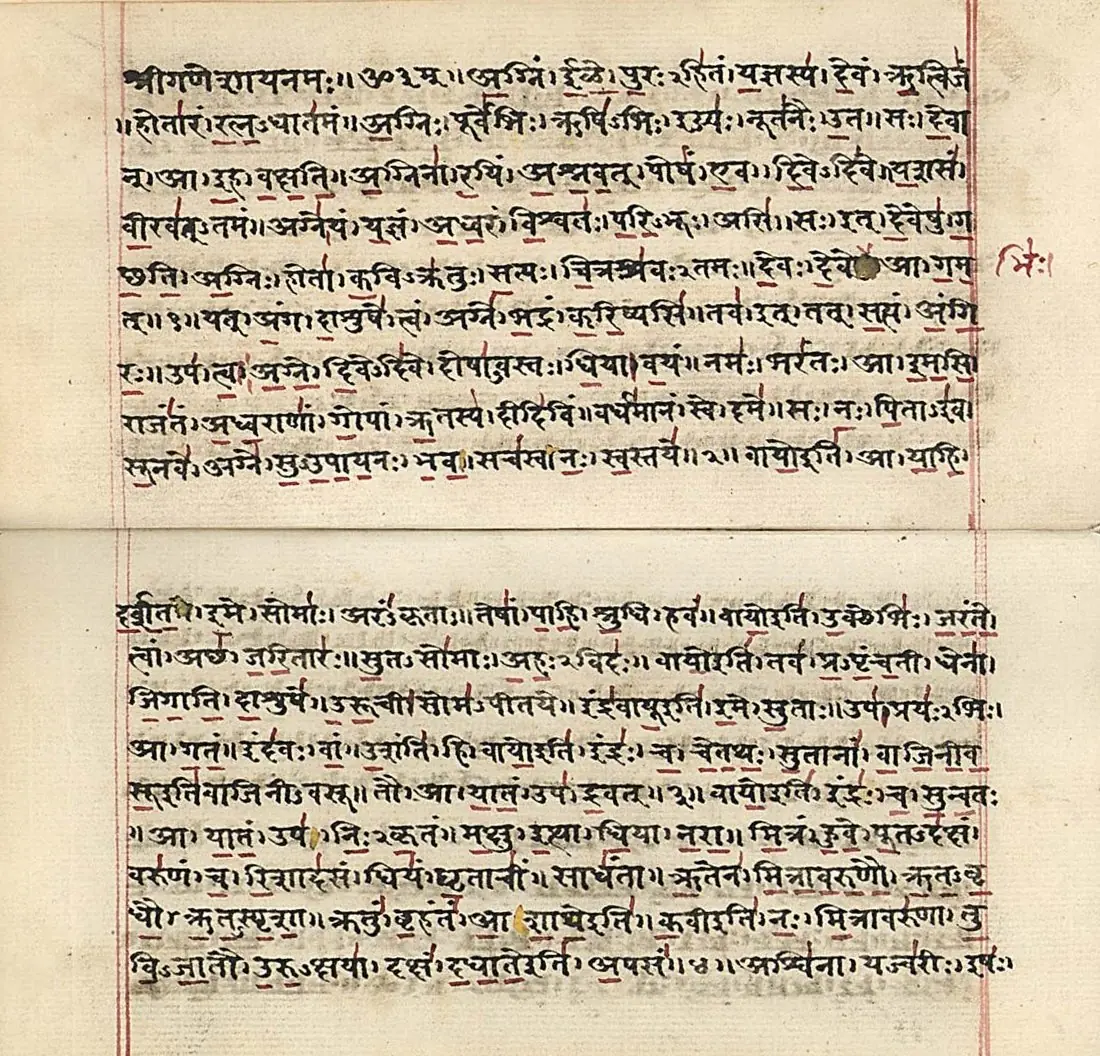
Shastra calls the Vedas apaurusheya: no human author composed them. The rishis were mantra-drashta, seers who saw the mantras, and each sukta still carries the name of the rishi, the devata and the metre. Whole mandalas of the Rigveda belong to single families: the second to Gritsamada, the third to Vishvamitra, the fourth to Vamadeva, the fifth to Atri, the sixth to Bharadvaja, the seventh to Vasishtha.
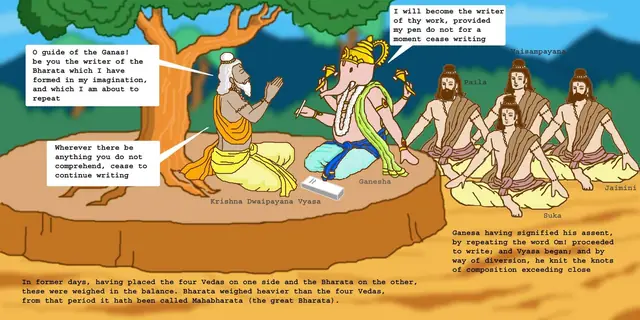
At the close of the Dvapara Yuga, Maharshi Vyasa arranged the one Veda into four, Rig, Yajur, Sama and Atharva, and gave each to a disciple to carry forward. That is why he is called Veda Vyasa, the divider of the Veda.
02Fire, yajna and the altar
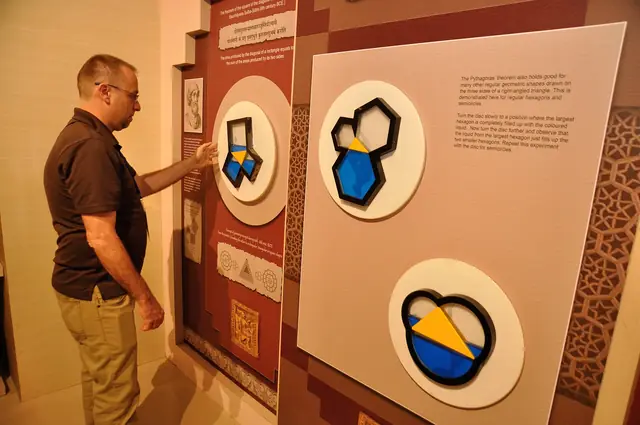
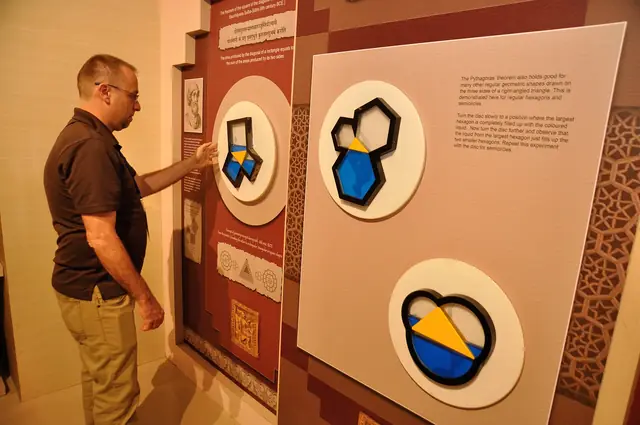
The first word of the Rigveda is Agni. The household kept its fires alive and offered into them at dawn and dusk, the agnihotra, and the greater shrauta yajnas needed altars laid brick by brick to exact measure. The Shulba Sutras, part of the Kalpa Vedanga, give the rules: how to build a falcon-shaped altar, how to turn a square into a circle of nearly equal area, and, in Baudhayana’s words, that the diagonal of a rectangle produces as much as its two sides do separately. Geometry in Bharat grew out of the yajnashala.
The yajna bound the people to the devas and to one another: rta, the cosmic order, held so long as the offerings were made.
03Land of seven rivers
The Rigveda knows its geography. The Nadistuti sukta (10.75) names the rivers in order from east to west: Ganga, Yamuna, Sarasvati, Shutudri, Parushni and on to the Sindhu. Above them all stands Sarasvati, praised in 2.41.16 as the best of mothers, best of rivers, best of goddesses, a river that flowed from the mountains to the sea.
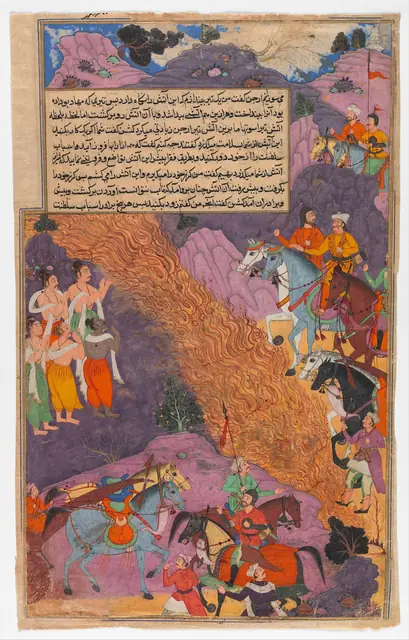
On the Parushni, the river we call the Ravi, King Sudas of the Bharatas defeated a league of ten kings, with Maharshi Vasishtha at his side; the seventh mandala sings of it. From that Bharata line the land took the name it still uses for itself: Bharatavarsha.
04Upanishads in the forest schools
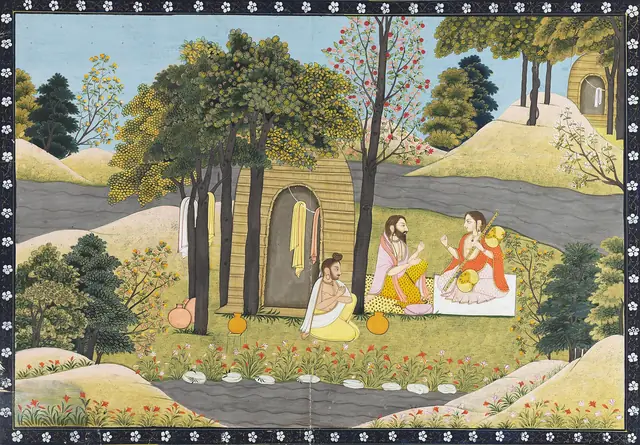
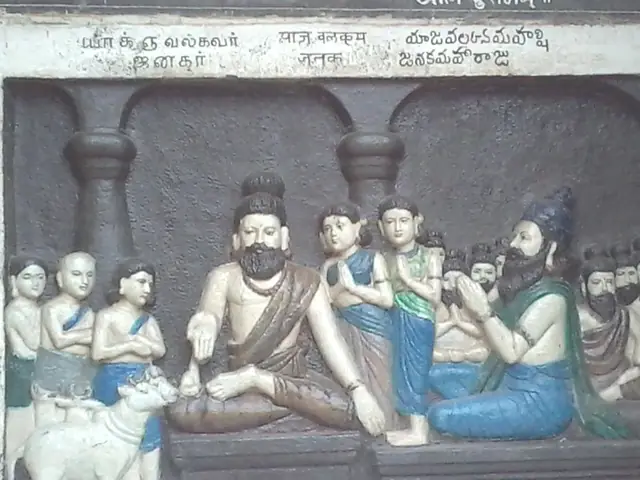
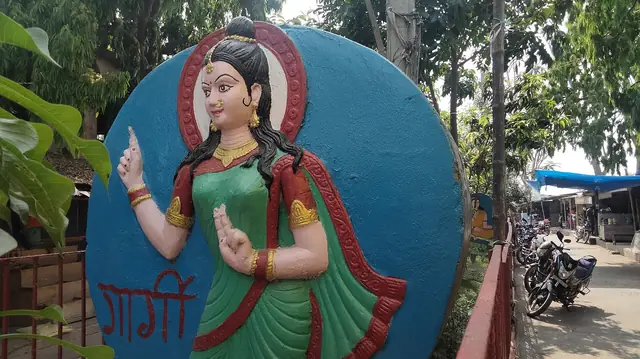
In the court of King Janaka of Videha, Yajnavalkya answered every challenger at a great debate, until Gargi Vachaknavi pressed him on what the worlds themselves are woven upon; the Brihadaranyaka Upanishad keeps the exchange. To his wife Maitreyi, as he left for the forest, Yajnavalkya taught that the Self alone is to be seen, heard and meditated upon.
In the Chandogya, Uddalaka Aruni tells his son Shvetaketu to dissolve salt in water and then taste it, and says: tat tvam asi, that thou art. Teaching happened in the guru’s home, the gurukula, where a student served, listened and memorised for twelve years or more.
05Treta Yuga: Shri Rama
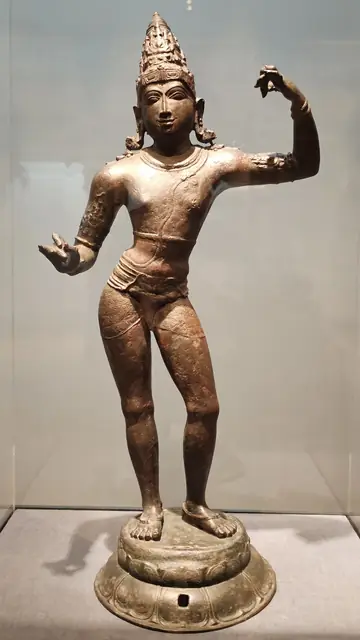
In the Treta Yuga, Bhagwan Vishnu was born as Shri Rama, eldest son of King Dasharatha of the Ikshvaku line, the Suryavansha, at Ayodhya on the Sarayu. Maharshi Valmiki, the adikavi, told his life in 24,000 shlokas across seven kandas.
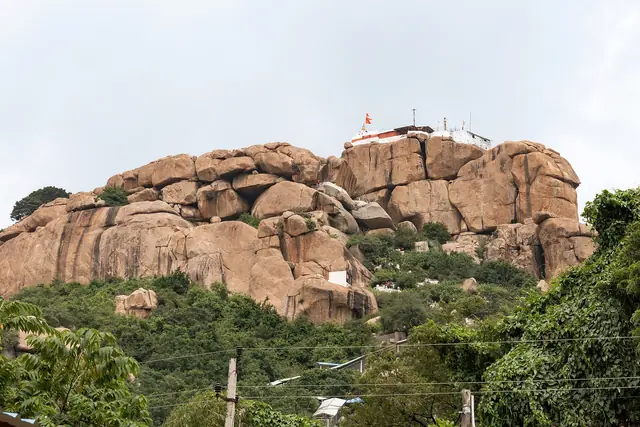
The route of the Ramayana is a map of Bharat that pilgrims still walk: Ayodhya, the forest of Chitrakoot, Panchavati on the Godavari, Kishkindha among the boulders near Hampi, and Rameswaram, where Shri Rama worshipped Shiva before the vanara army built the setu to Lanka. Rama Rajya, the just rule that followed his return, became the measure by which every later king in Bharat was judged.
06Dvapara Yuga: Shri Krishna
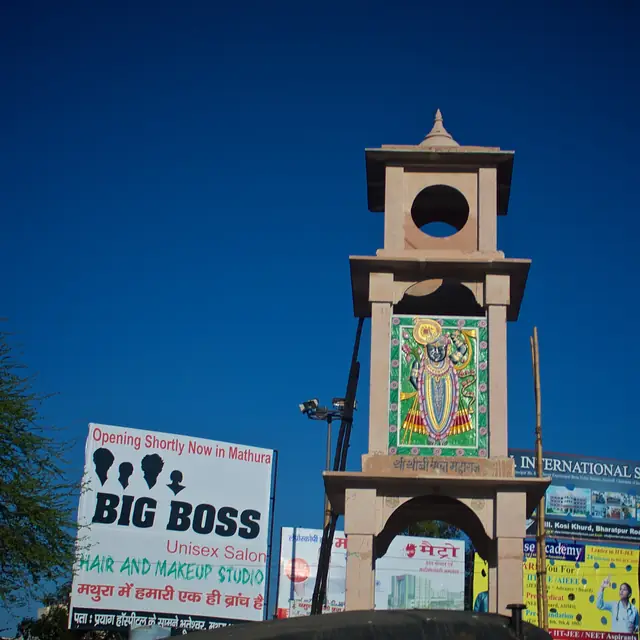
Shri Krishna was born in the prison of Kamsa at Mathura, grew up among the cowherds of Gokul and Vrindavan, and later built Dwarka on the western sea for the Yadavas. His life ran alongside the story of the Kuru house at Hastinapura, where the sons of Pandu and the sons of Dhritarashtra quarrelled over the throne.
The Pandavas cleared the Khandava forest and founded Indraprastha on the Yamuna. Lost at dice, exiled for twelve years and a thirteenth in hiding, they asked at the end for only five villages. Duryodhana refused them land the size of a needle’s point, and war followed. Maharshi Vyasa, grandfather to both sides, told it all in the Mahabharata.
07Eighteen days at Kurukshetra
Eighteen akshauhinis gathered at Kurukshetra, the dharmakshetra where the Kurus had sacrificed since ancient times: seven for the Pandavas, eleven for the Kauravas. Before the first arrow, Arjuna lowered his bow, and Shri Krishna, his charioteer, spoke the Bhagavad Gita, 700 shlokas in the Bhishma Parva, on duty done without attachment to its fruit.
Bhishma fell on the tenth day onto a bed of arrows, Drona on the fifteenth, Karna on the seventeenth, Duryodhana on the eighteenth. Almost a whole generation of Bharat’s warriors died. Yudhishthira was crowned at Hastinapura, and Bhishma, waiting for Uttarayana, taught him rajadharma from his bed of arrows.
08Society, learning, the six limbs
Life was ordered by the four ashramas, student, householder, forest-dweller and renunciant, and by varna, which the Gita (4.13) says Bhagwan created by guna and karma. Around the Vedas grew six Vedangas, the limbs that protect them: shiksha (pronunciation), kalpa (ritual), vyakarana (grammar), nirukta (etymology), chhandas (metre) and jyotisha (the calendar of the stars).
To keep the text from drifting, the reciters invented cross-checks: the padapatha breaks every word apart, the kramapatha recites them in overlapping pairs, and the ghanapatha weaves them back and forth. A mistake in one pattern shows up in another. UNESCO recognised this Vedic chanting as intangible heritage of humanity in 2003.
09The close of Dvapara
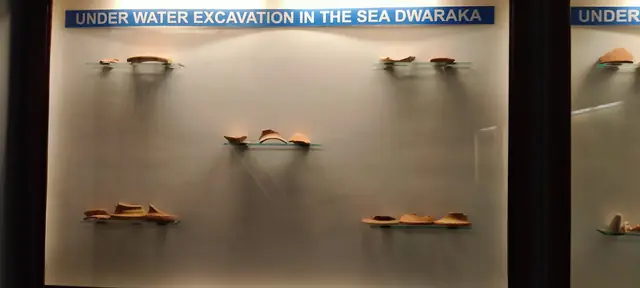
Thirty-six years after the war, the Yadavas destroyed one another at Prabhasa, Shri Krishna left his body, and the sea took Dwarka. With his departure the Kali Yuga began, in 3102 BCE by the traditional reckoning. The Pandavas crowned Arjuna’s grandson Parikshit and walked north towards the Himalaya.
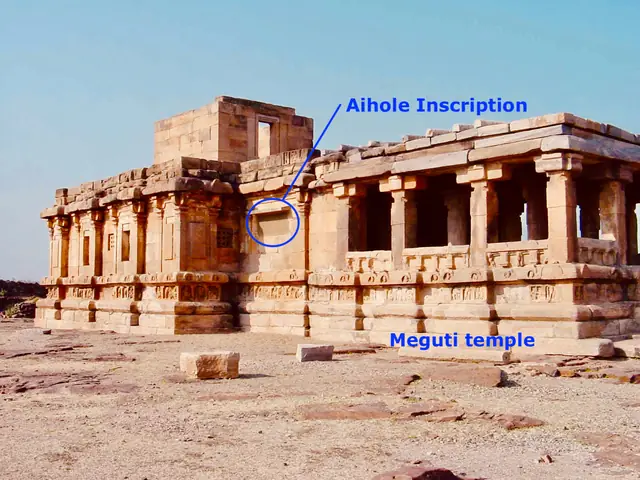
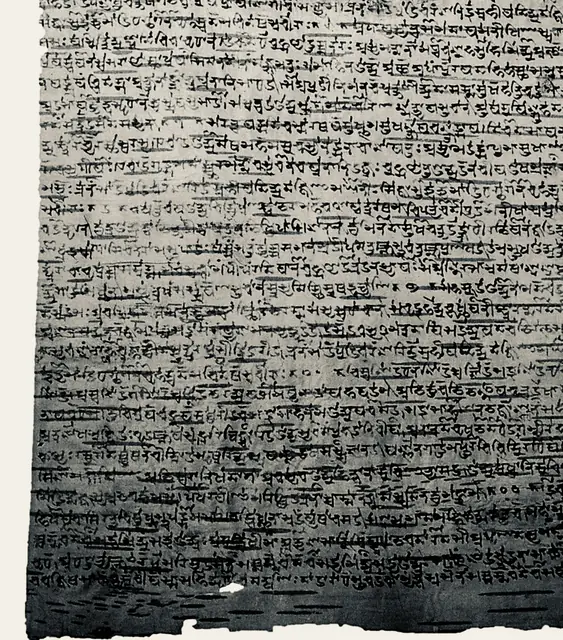
The date is old. Aryabhata wrote in 499 CE that 3,600 years of Kali had passed when he was 23, and the Aihole inscription of Pulakeshin II, in 634 CE, counts 3,735 years since the Bharata war. Modern scholars have proposed other dates from astronomy and archaeology; this site gives the traditional figure first. Divers off Dwarka since the 1980s have reported submerged stone structures.
What survives today
- Vedic chanting in unbroken family lineages, from Kerala’s Nambudiri homes to the pathashalas of Kashi
- The Gayatri mantra (Rigveda 3.62.10), recited at sandhya every day
- Ayodhya, Chitrakoot, Panchavati and Rameswaram on the path of Shri Rama
- Mathura, Vrindavan and Dwarka, the places of Shri Krishna
- Jyotisar at Kurukshetra, where the Gita was spoken
- The agnihotra and the saptapadi around the sacred fire at every Hindu wedding