01Amber and the Mughal bargain
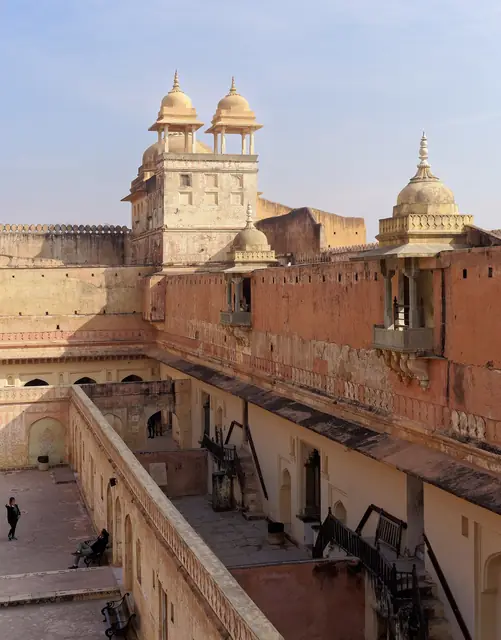
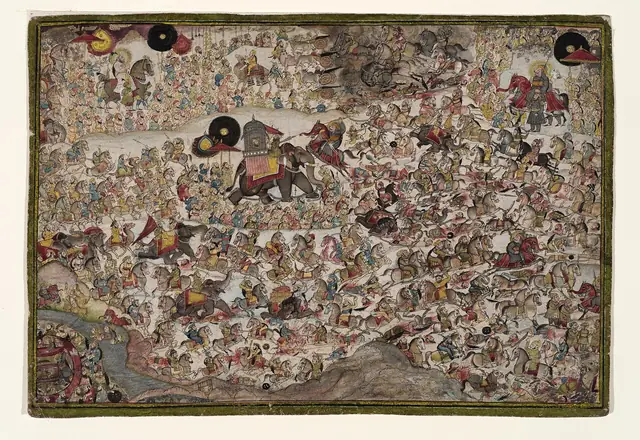
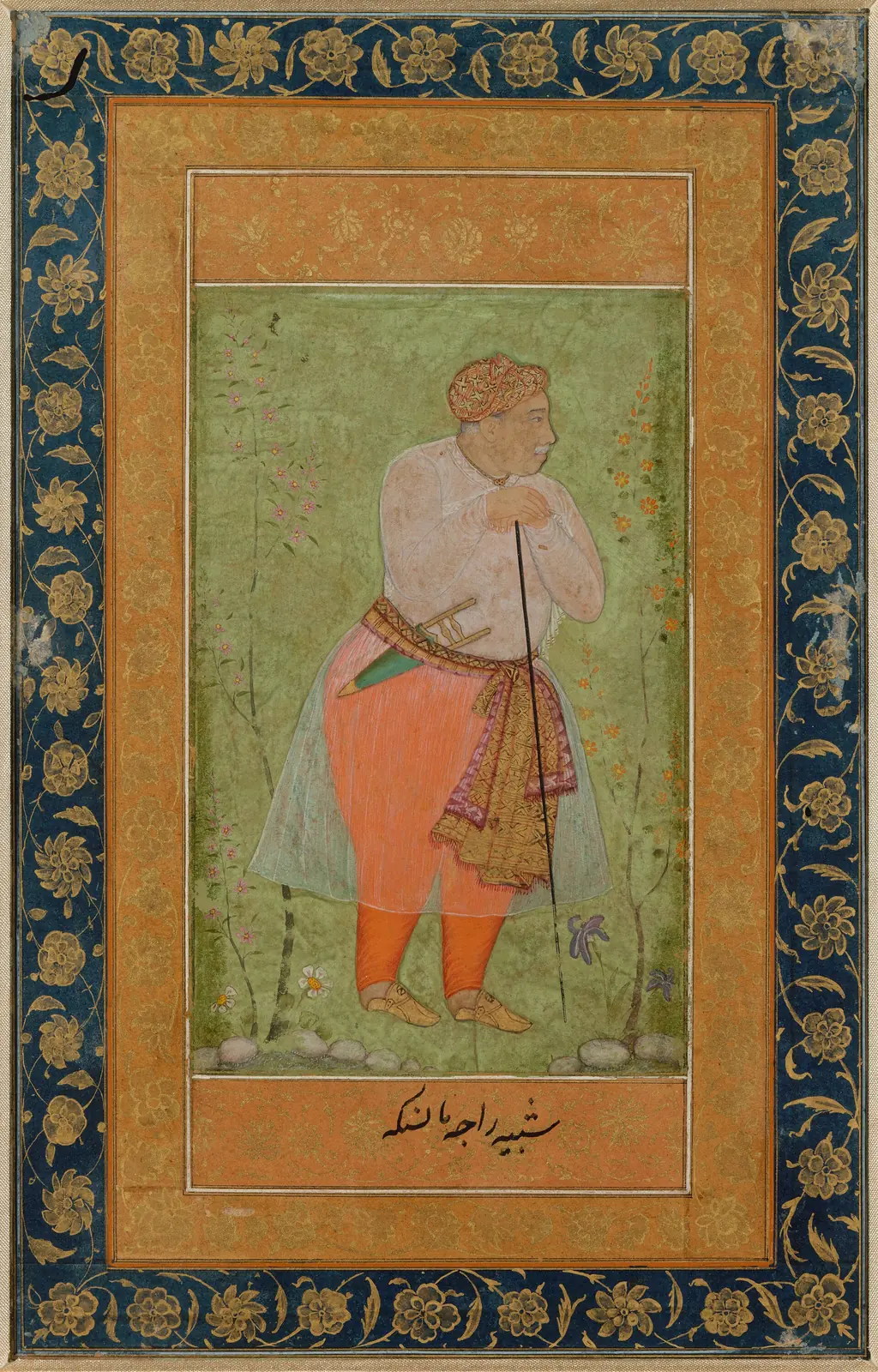
The Kachwahas traced their line to Kusha, son of Shri Rama. They took Amber from the Mina chiefs and held a modest state there for centuries. In 1562 Raja Bharmal met Akbar, gave him his daughter in marriage, and entered imperial service. It was a choice Mewar never made, and it changed the family’s fortunes. Bharmal’s grandson Man Singh became one of Akbar’s first commanders, led the Mughal army at Haldighati in 1576, and governed Kabul, Bihar and Bengal.
02Temples and treaties
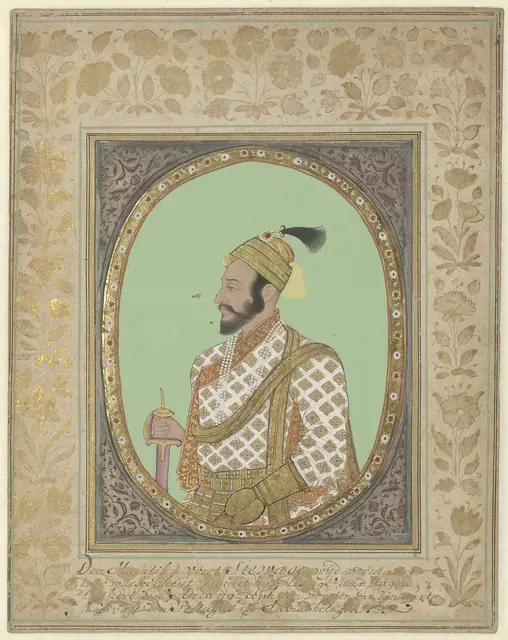
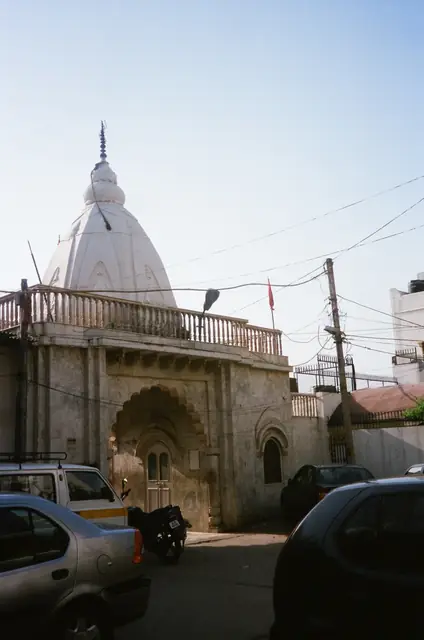
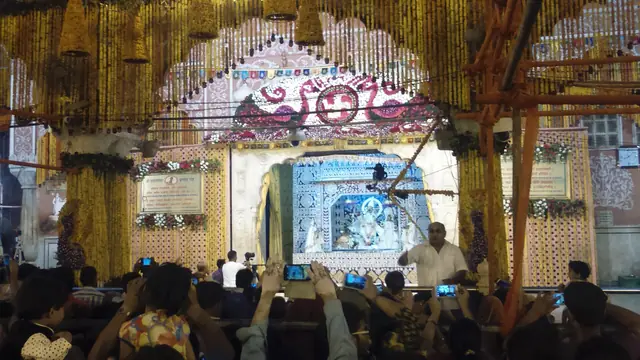
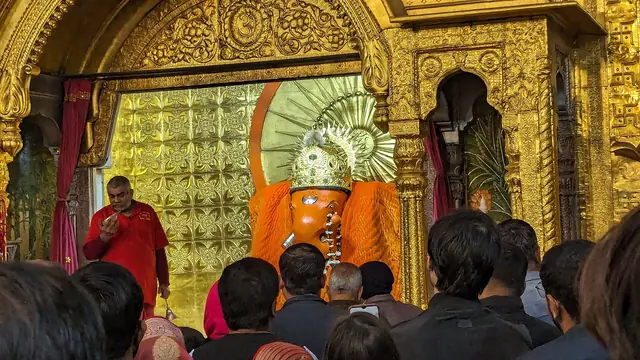
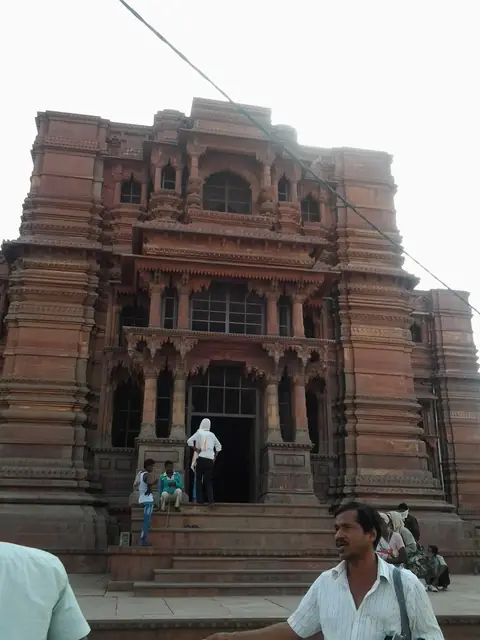
Man Singh built the red sandstone Govind Dev temple at Vrindavan in 1590, then the tallest temple in the north, and brought the image of Shila Devi to Amber from Bengal. Mirza Raja Jai Singh I, sent by Aurangzeb against Shivaji, besieged Purandar and made the Treaty of Purandar in 1665, under which Shivaji went to Agra. When Aurangzeb’s officers damaged the Vrindavan temple, its images were carried west; Govind Devji reached Jaipur and is worshipped in the palace garden to this day.
03Sawai Jai Singh’s city
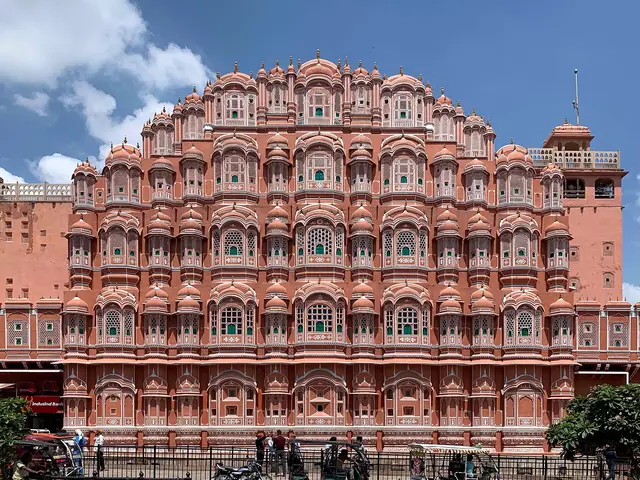
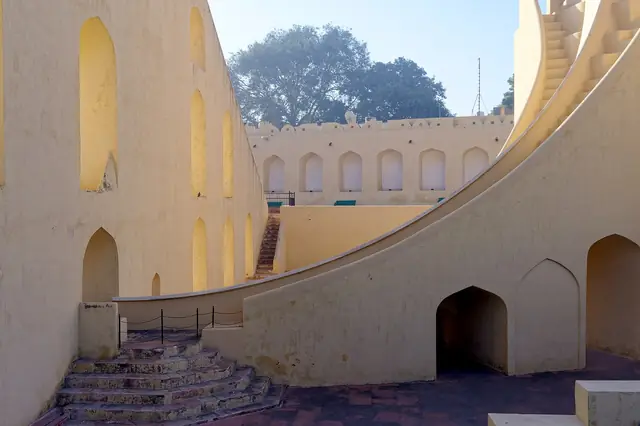
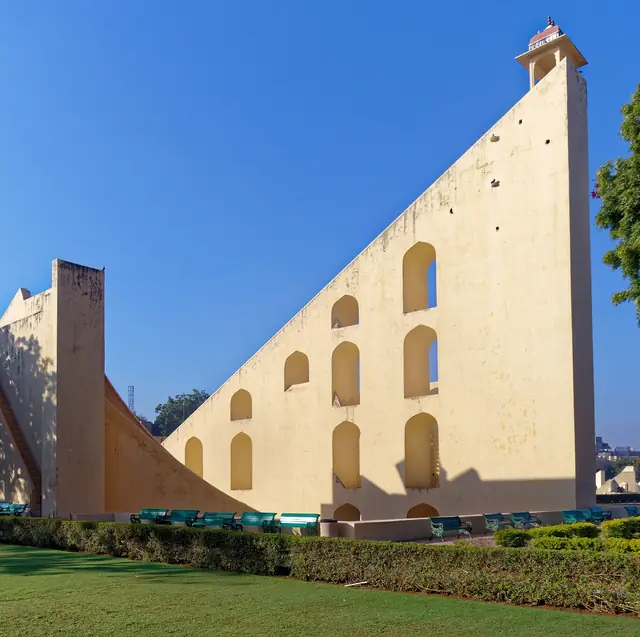
Sawai Jai Singh II laid out Jaipur in 1727 on a grid of wide streets and squares, planned with the help of the Bengali scholar Vidyadhar Bhattacharya. He built five observatories, at Delhi, Jaipur, Ujjain, Varanasi and Mathura, with masonry instruments far larger than any brass astrolabe, and prepared new astronomical tables. He also performed the Ashvamedha and Vajapeya yajnas. Pratap Singh added the Hawa Mahal in 1799. Jaipur joined the Union in 1949, and Man Singh II became Rajpramukh of Rajasthan.
The rulers
- 1Raja BharmalAlliance with Akbar, 15621548–1574
- 2Bhagwant Das1574–1589
- 3Man Singh IAkbar’s general; Govind Dev temple, Vrindavan1589–1614
- 4Mirza Raja Jai Singh ITreaty of Purandar, 16651621–1667
- 5Ram Singh I1667–1688
- 6Sawai Jai Singh IIFounded Jaipur 1727; Jantar Mantars1699–1743
- 7Ishwari Singh1743–1750
- 8Madho Singh I1750–1768
- 9Pratap SinghHawa Mahal, 17991778–1803
- 10Ram Singh II1835–1880
- 11Madho Singh II1880–1922
- 12Man Singh IIJaipur joined India1922–1949
What they left
- Amber fort and palace, part of the UNESCO Hill Forts of Rajasthan
- Jaipur city, a UNESCO World Heritage Site
- The Jantar Mantar observatories, Jaipur’s a World Heritage Site
- Govind Dev temple, Vrindavan (1590)