01Chandragupta and Chanakya
Chandragupta Maurya took Pataliputra around 321 BCE with Chanakya as his guide and minister. In a few years he held the Ganga plain, the Punjab and the northwest, where he cleared out the governors Alexander had left behind.
When Seleucus Nicator, who held Alexander’s eastern lands, crossed the Sindhu to win them back, he was beaten. Under the treaty of about 303 BCE Seleucus gave up the provinces of Arachosia, Gedrosia and the Paropamisadae, roughly Kandahar, Makran and Kabul, and received 500 war elephants in return; Greek writers also record a marriage alliance. The western frontier of Bharat now ran along the Hindu Kush.
02The Arthashastra and the state
The Arthashastra, attributed to Kautilya, is a manual for running a kingdom in fifteen books: how to collect revenue, run mines and forests, keep granaries, set prices, judge cases, spy on officials and fight wars. It lists superintendents for everything from the mint to the slaughterhouse and the liquor shop.
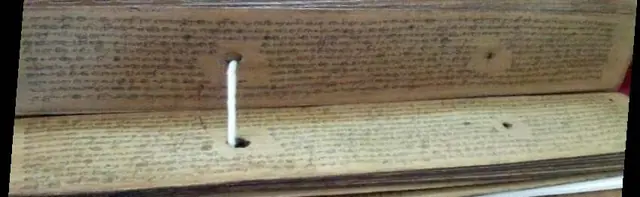
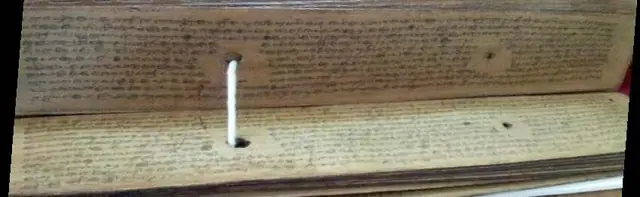
Its ideal is plain. The king’s happiness lies in the happiness of his subjects, it says; what pleases him is not good, what pleases his people is. The text was lost for centuries and came to light only in 1905, when R. Shamasastry identified a palm-leaf manuscript in the Oriental Research Institute at Mysore.
03Pataliputra, as Megasthenes saw it
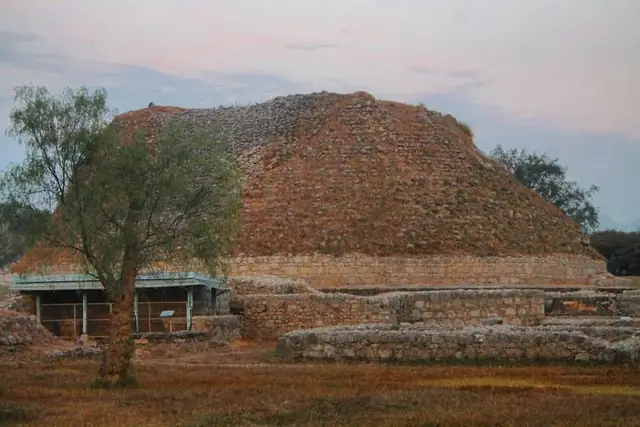
Seleucus sent an ambassador, Megasthenes, to Chandragupta’s court. His book, the Indika, is lost, but later Greek writers quote it. He describes Pataliputra stretched along the Ganga, enclosed by a timber wall with 64 gates and 570 towers and a deep moat, and a city run by boards of officials who looked after trade, foreigners, births and deaths.
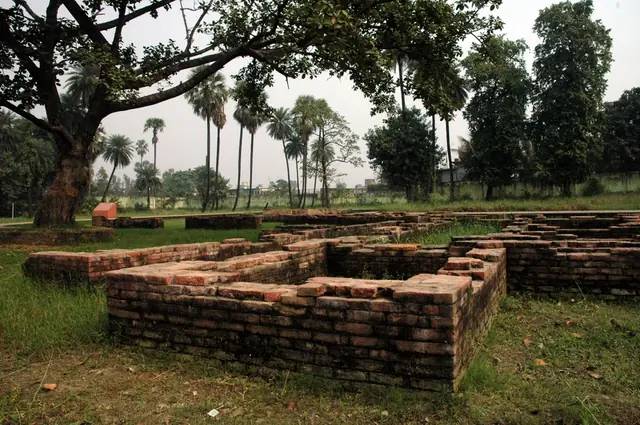
He was struck that famine was rare, that the farmers were left to plough even when armies fought nearby, and that Indians seldom lied or locked their doors. Excavations at Kumrahar and Bulandi Bagh in Patna have found the timber palisade and the stumps of a great hall of polished stone pillars.
04Bindusara and the south
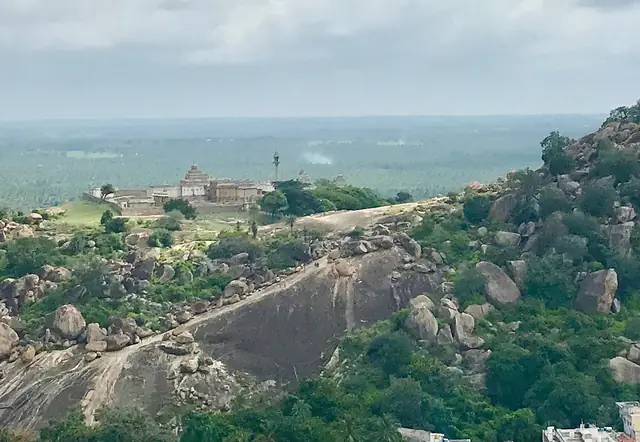
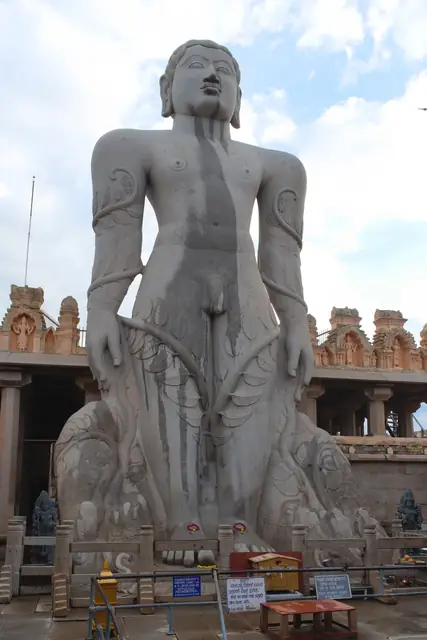
Chandragupta, says the Jain tradition, gave up his throne, went south with the acharya Bhadrabahu, and ended his life by sallekhana, the Jain fast unto death, on the hill at Shravanabelagola in Karnataka, which is still called Chandragiri.
His son Bindusara, whom the Greeks called Amitrochates, from Amitraghata, slayer of foes, carried Maurya rule deep into the Deccan. Antiochus I of Syria kept an envoy, Deimachus, at his court. By the end of his reign the empire reached Karnataka; only Kalinga on the eastern coast and the Tamil kingdoms of the far south stood outside it.
05Ashoka and Kalinga
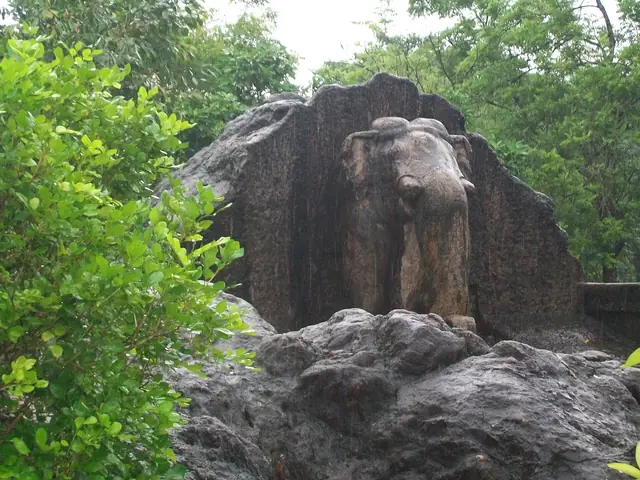
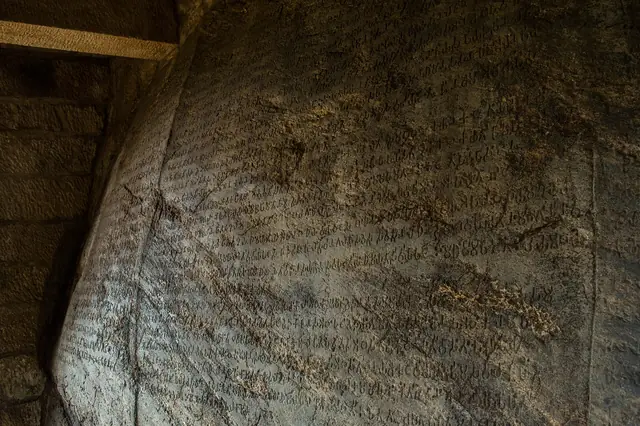
Ashoka, who had been governor at Ujjayini and Takshashila, was consecrated about four years after his father’s death. In the eighth year of his reign, around 261 BCE, he invaded Kalinga. Rock Edict XIII gives the cost in his own voice: 1,50,000 people carried away, 1,00,000 killed, and many times that number dead afterwards. He says he felt deep remorse.
After Kalinga he gave up conquest by war for what he called dhamma-vijaya, conquest by dharma. He did not disband the army or give back Kalinga, and he warned the forest peoples that he still had power to punish. But no further war of his is recorded.
06Edicts in stone
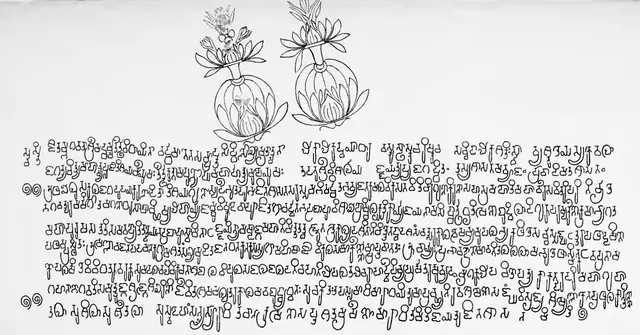
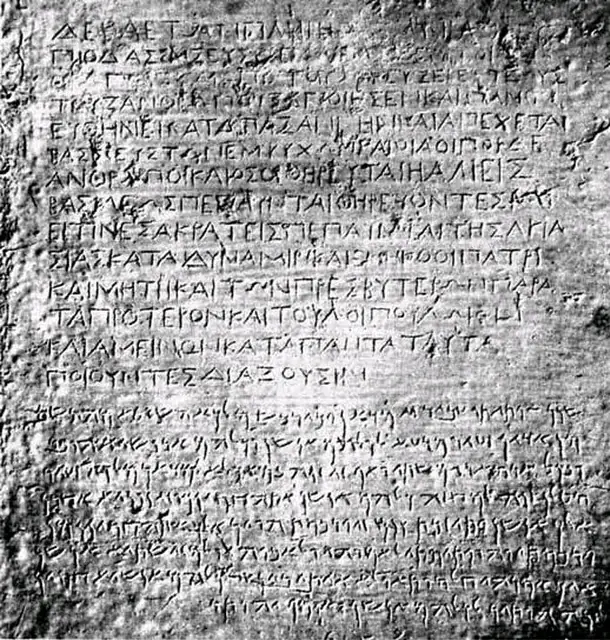
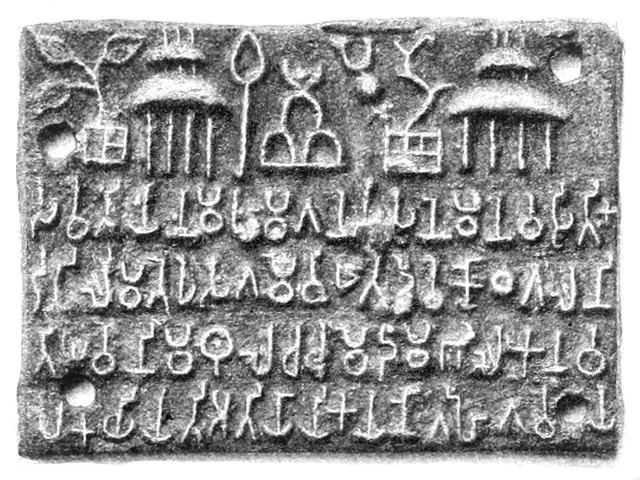
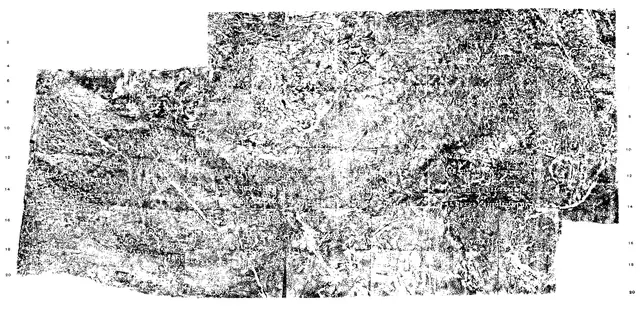
Ashoka had his messages cut into rocks and pillars at the edges and along the roads of the empire: in Prakrit in the Brahmi script across most of Bharat, in Kharoshthi at Shahbazgarhi and Mansehra, and in Greek and Aramaic at Kandahar. They ask for obedience to parents, kindness to servants and slaves, gifts to Brahmanas and shramanas alike, and care for animals. Rock Edict XII says that whoever praises his own sect and disparages another’s harms his own.
He had wells dug and banyans planted along the roads, and set up medical care for people and animals. The script went unread for two thousand years until James Prinsep deciphered Brahmi in 1837.
07Faith in the Maurya age
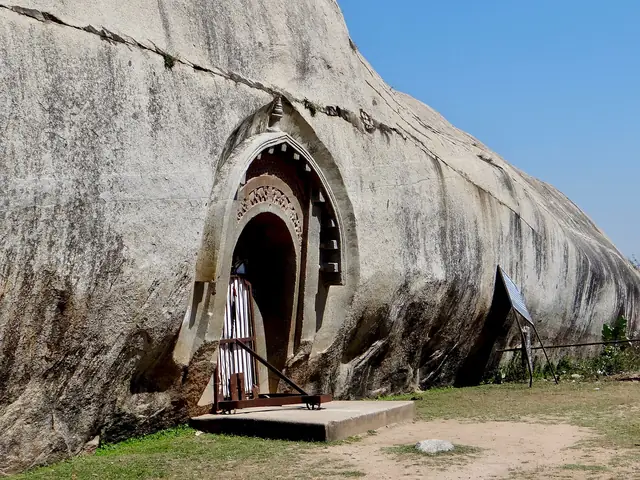
Vedic rites, Jain and Buddhist orders and the Ajivikas all lived side by side under the Mauryas. Ashoka himself became a lay follower of the Buddha; he had the Barabar caves in Bihar cut and polished for the Ajivika ascetics. Buddhist tradition records a council at Pataliputra in his reign, and says his son Mahinda and daughter Sanghamitra carried the Buddha’s teaching to Lanka, with a sapling of the Bodhi tree.
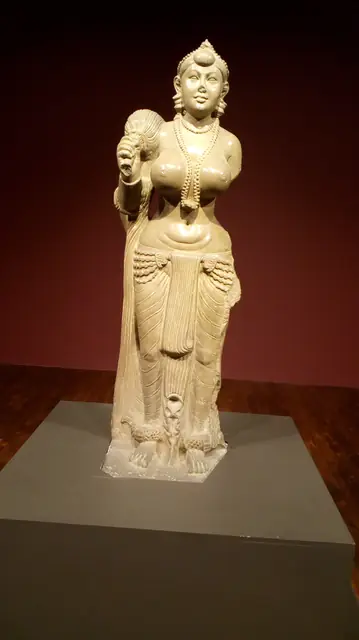
Patanjali, writing in the next century, mentions images of Shiva, Skanda and Vishakha that the Mauryas, wanting gold, set up for worship. The Yakshas and Yakshis, guardians of wealth and fertility, were honoured everywhere with large standing figures.
08Polished stone and the lion capital
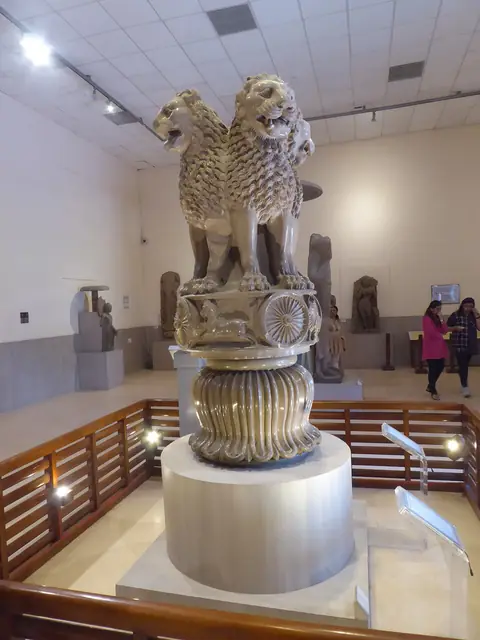
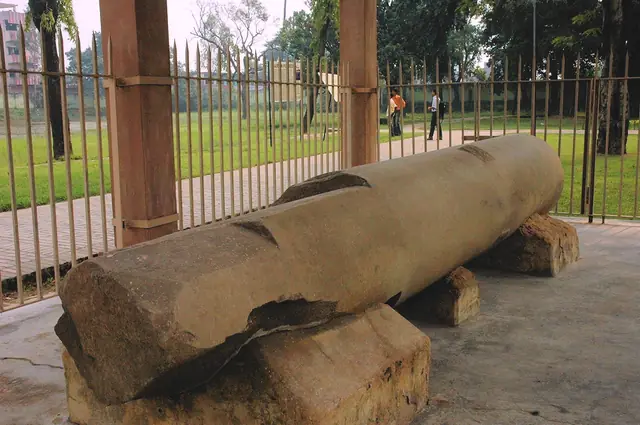
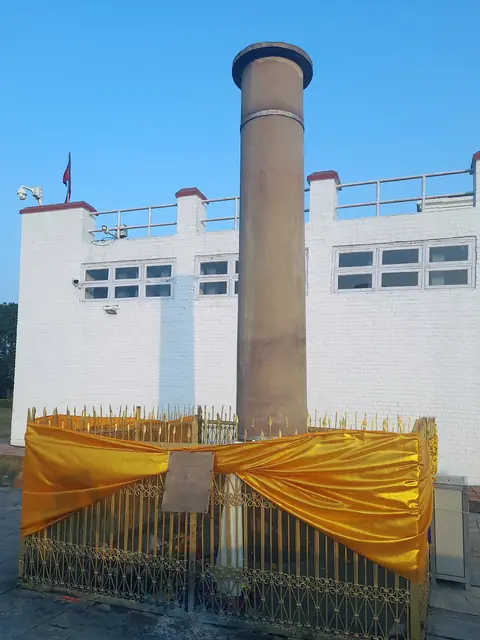
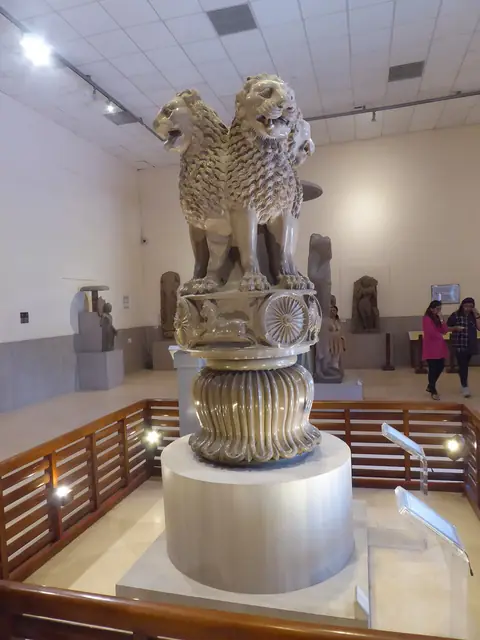
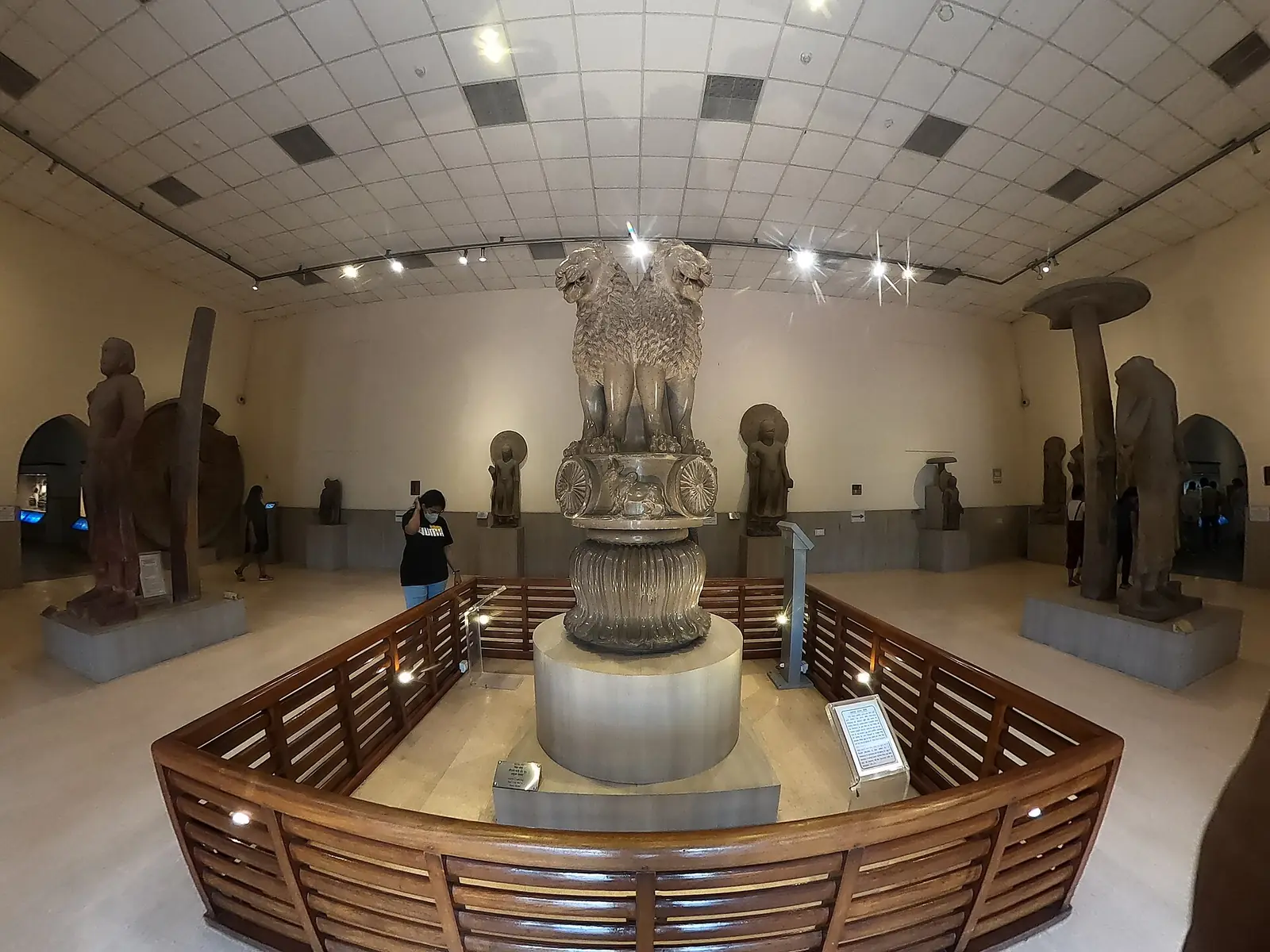
Maurya craftsmen worked Chunar sandstone to a polish so bright that early visitors took the pillars for metal. Each pillar was a single shaft, over 12 metres tall, quarried near Varanasi and hauled across the Ganga plain, crowned with a bell-shaped lotus and an animal: a bull at Rampurva, a single lion at Lauriya Nandangarh, four lions back to back at Sarnath.
The Sarnath capital, with its frieze of elephant, bull, horse and lion between wheels, became the national emblem of India on 26 January 1950, and its wheel sits on the national flag. The life-size Didarganj Yakshi, found by the Ganga at Patna in 1917, has the same mirror polish.
09The fall of the Mauryas
After Ashoka’s death around 232 BCE the empire split among weaker heirs. Dasharatha, his grandson, gave the Nagarjuni caves to the Ajivikas; Gandhara and the northwest slipped away, and Greek kings from Bactria began to push in across the Hindu Kush.
The last Maurya, Brihadratha, was killed by his own commander-in-chief, Pushyamitra Shunga, while reviewing the army, around 185 BCE; Banabhatta’s Harshacharita tells the story of that parade. The Puranas give the Mauryas 137 years. Their roads, their idea of one government from the Hindu Kush to the Deccan, and Ashoka’s stone words outlived them.
What survives today
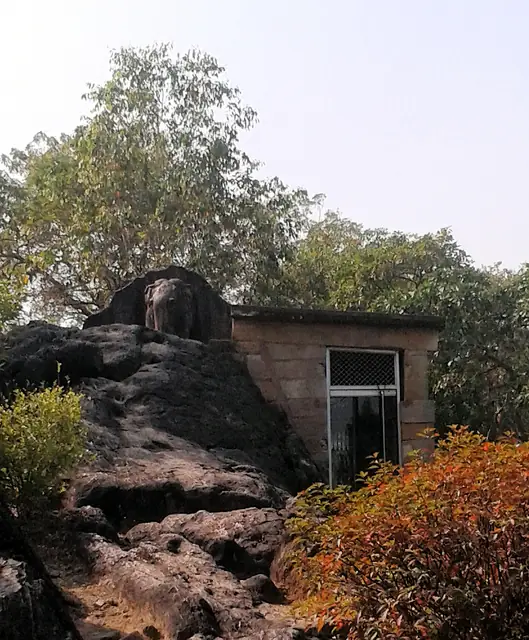
- Ashoka’s edicts at Dhauli, Jaugada, Girnar, Kalsi, Maski and dozens more sites
- The lion capital in the Sarnath Museum, India’s national emblem
- The Ashoka pillars at Vaishali (Kolhua), Lauriya Nandangarh and Rampurva
- The polished Barabar caves near Gaya, cut for the Ajivikas
- Chandragiri at Shravanabelagola, linked to Chandragupta Maurya
- The Didarganj Yakshi in the Bihar Museum, Patna
- The Arthashastra, studied today in schools of statecraft