
Bharat kept history in its own forms: dated royal inscriptions by the thousand, temple chronicles, court genealogies, and full histories such as Kalhana’s Rajatarangini (1148–49) and the Ahom Buranjis.
The proof
- Kalhana’s Rajatarangini (1148–49) traces the kings of Kashmir in eight books and tells the historian to stand free of love and hatred, like a judge.
- The Aihole inscription of Pulakeshin II dates itself both to 3,735 years after the Bharata war and to Shaka 556, that is 634–35 CE.
- The Ahom court kept Buranjis, prose chronicles in Tai and Assamese, across six centuries of rule from 1228.
01History in stone and palm leaf
Indian kings wrote their history where it could not be lost: on rock, on temple walls and on copper plates given with land grants. A single Chola temple can carry decades of dated records of gifts, wars and village assemblies. The Madala Panji of the Jagannath temple at Puri is a running chronicle. The Marathas wrote bakhars, among them Sabhasad’s life of Shivaji, written at Jinji in the 1690s. What colonial writers missed was a familiar shape. They looked for a Gibbon and did not read the walls.
Read on
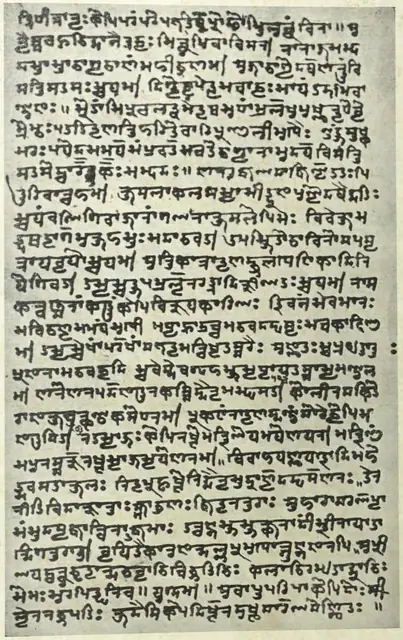
Rajatarangini of Kalhana
A Sanskrit chronicle in eight books (tarangas), nearly 8,000 verses, of the kings of Kashmir from the earliest times to Kalhana’s own day.
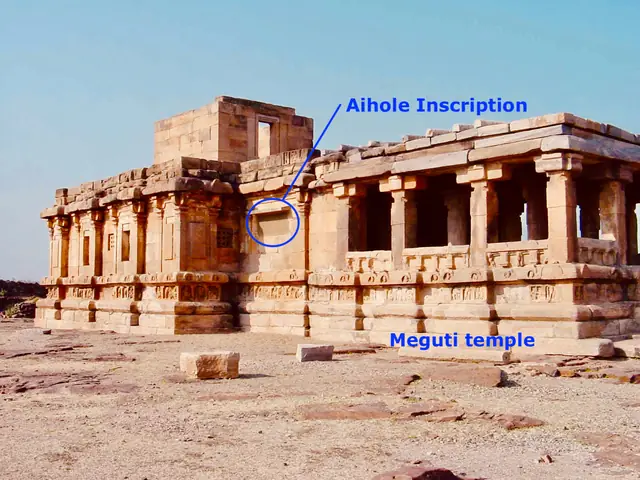
Aihole inscription of Ravikirti
A Sanskrit prashasti of the Chalukya king Pulakeshin II by the Jain poet Ravikirti, who built the temple.
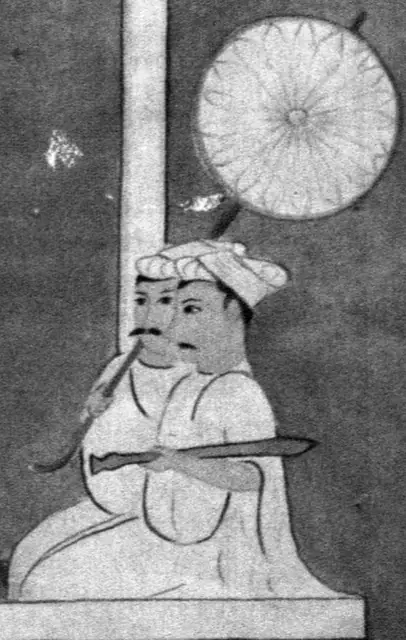
Ahom Buranjis
The court chronicles of the Ahom kingdom, kept year by year for six centuries from the arrival of Sukaphaa in 1228.
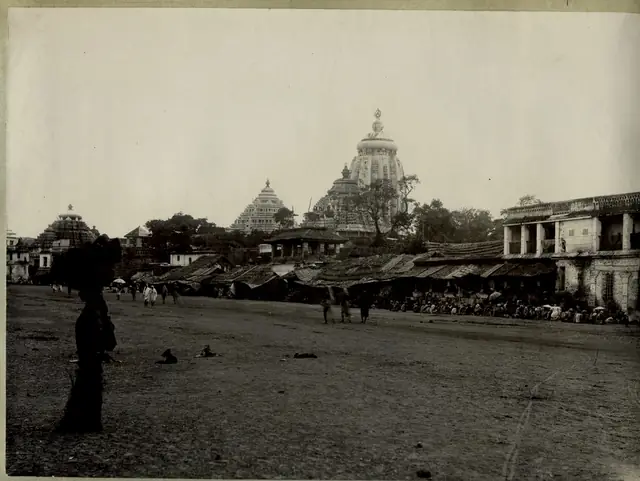
Madala Panji of the Jagannath temple
The temple chronicle of Shri Jagannath: the kings of Odisha, the rites of the temple and the dangers it passed through.
Sabhasad Bakhar
The earliest surviving life of Chhatrapati Shivaji, written by a man who had served him.