01From Songadh to Baroda
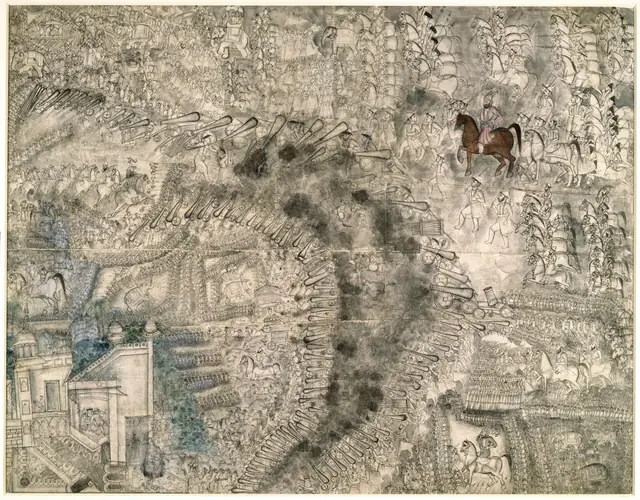
Pilaji Rao Gaekwad served under the Dabhade family, the Maratha commanders for Gujarat, and built a base at the hill fort of Songadh in the 1720s, raiding the Mughal province from there. He was murdered at Dakor in 1732. His son Damaji Rao took Baroda from the Mughals in 1734, and Ahmedabad fell to the Marathas in 1753. Damaji fought at Panipat in 1761 and came out alive. On his death in 1768 a long quarrel among his sons let the Peshwa and later the British step into Baroda’s affairs.
02Sayajirao III
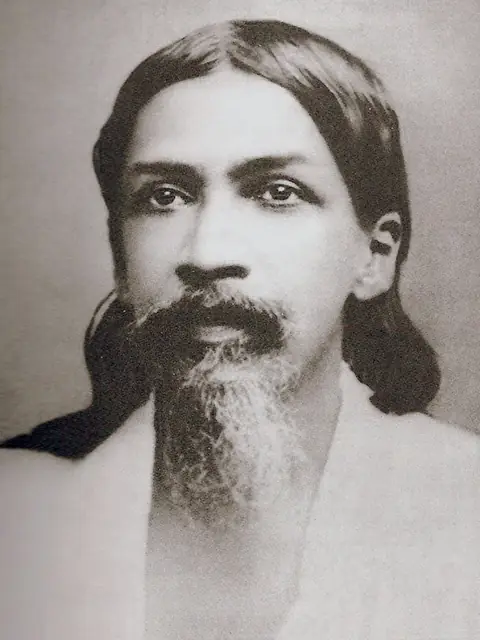
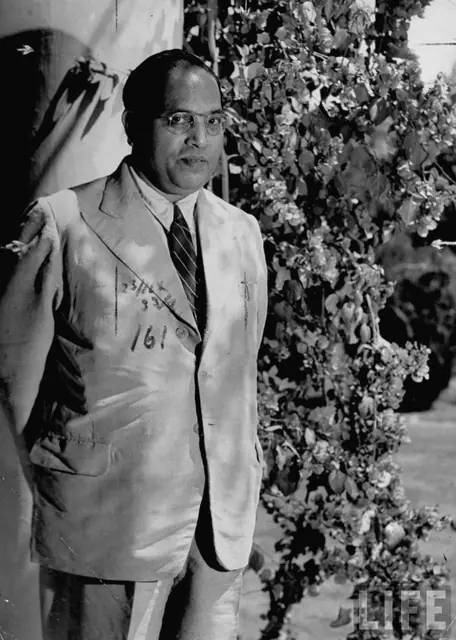
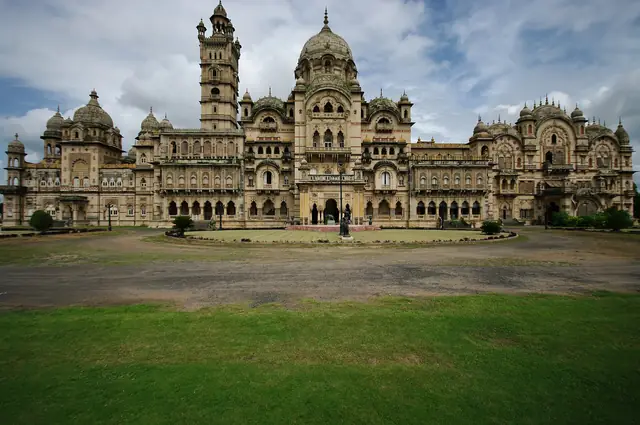
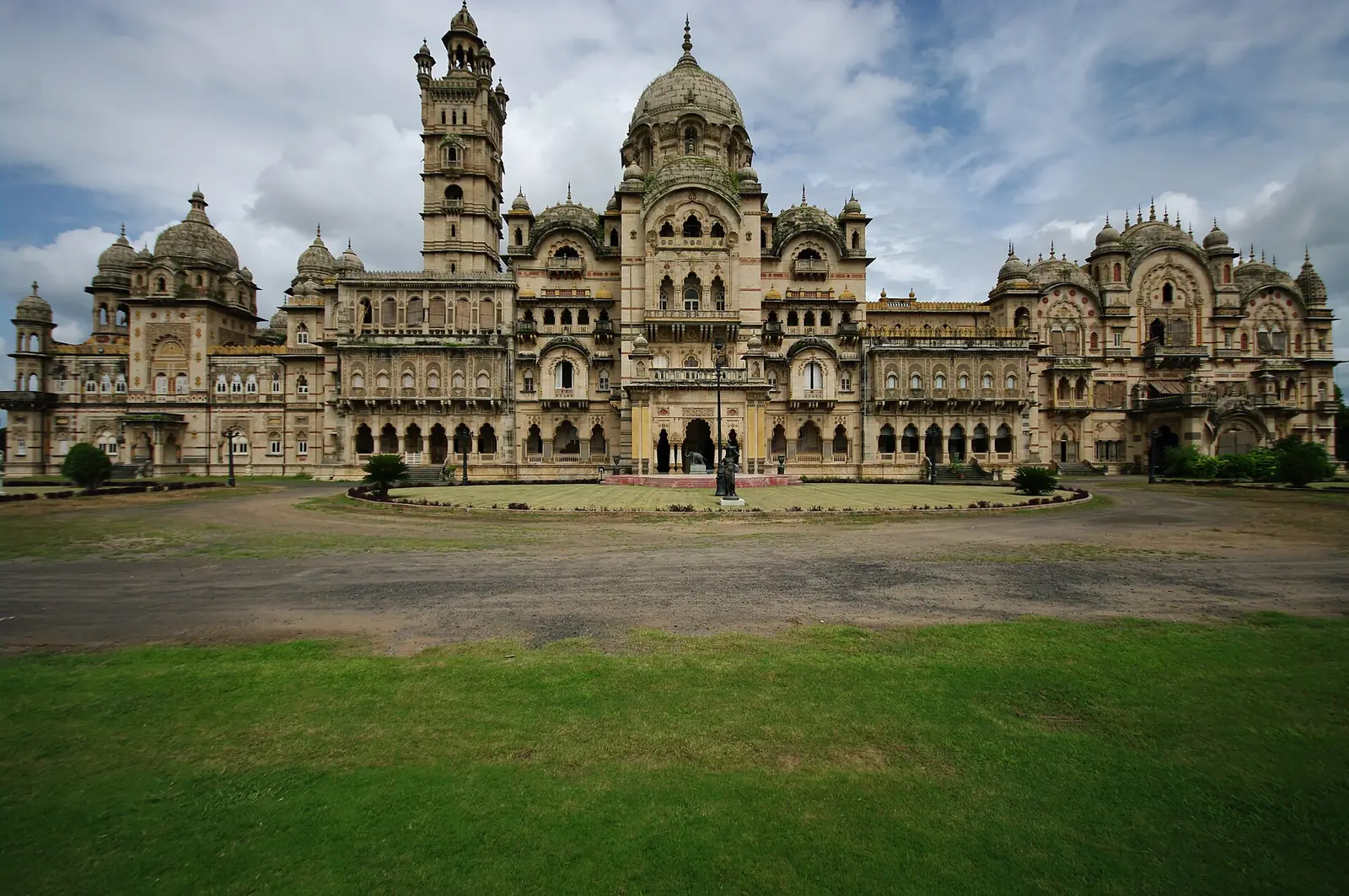
In 1875 the British deposed Malhar Rao and the widowed Maharani Jamnabai adopted a twelve-year-old farmer’s son from Kavlana in Nashik district, who became Sayajirao III. He ruled for sixty-four years. Baroda under him made primary schooling free and compulsory, first in Amreli taluka in 1893 and then across the state in 1906; set up a network of village libraries; founded the Bank of Baroda in 1908; and banned child marriage. He paid for Bhimrao Ambedkar’s studies at Columbia University, and Sri Aurobindo worked in his service from 1893 to 1906. The Laxmi Vilas Palace was finished in 1890.
03Into the Union
Pratapsinh Rao, Sayajirao’s grandson, signed the Instrument of Accession in 1947, and Baroda merged into Bombay State on 1 May 1949. The Maharaja Sayajirao University of Baroda, formed that year out of Baroda College, carries the old ruler’s name, and the palace, the Kirti Mandir cenotaph of the family and the Baroda Museum, which Sayajirao opened in 1894, still stand in the city.
The rulers
- 1Pilaji RaoFounder; based at Songadhc. 1721–1732
- 2Damaji Rao IITook Baroda, 17341732–1768
- 3Fateh Singh Rao IRuled as regent for his brother1771–1789
- 4Govind Rao1793–1800
- 5Anand Rao1800–1819
- 6Sayaji Rao II1819–1847
- 7Ganpat Rao1847–1856
- 8Khande Rao1856–1870
- 9Malhar RaoDeposed by the British1870–1875
- 10Sayajirao IIIFree compulsory schooling; Bank of Baroda1875–1939
- 11Pratapsinh RaoAcceded to India1939–1949
What they left
- Laxmi Vilas Palace, Vadodara (1890)
- Free compulsory primary education, from 1893
- Bank of Baroda (1908)
- The Baroda village-library movement and the Central Library
- The Maharaja Sayajirao University of Baroda