
The evidence
Inscriptions, coins, manuscripts, excavations, chronicles and genetics. What each one says and what it proves.
 Excavation
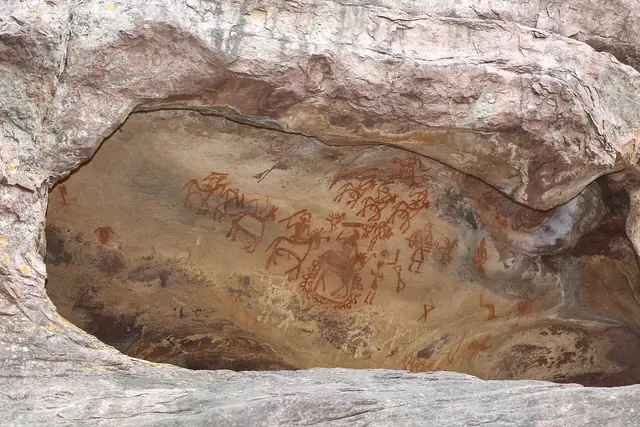
Rock shelters of Bhimbetka
Hundreds of sandstone shelters where people lived and painted for thousands of years, the oldest gallery of human art in Bharat.
 Excavation
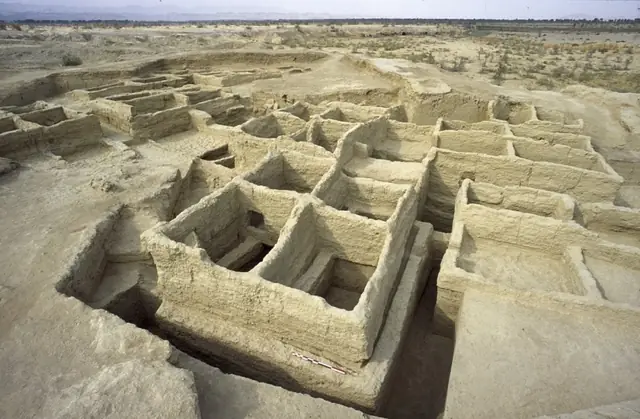
The drilled teeth of Mehrgarh
Eleven molar crowns from nine adults with neat holes drilled into them, the earliest evidence of dentistry on living people anywhere.
 Excavation
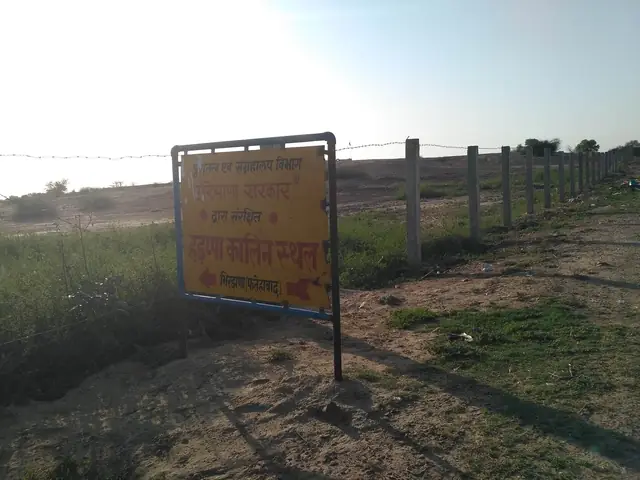
Bhirrana excavations
A Sarasvati-valley settlement whose levels run from Hakra ware pit-dwellings up to a mature Harappan town, and whose earliest dates are argued over.
 Excavation
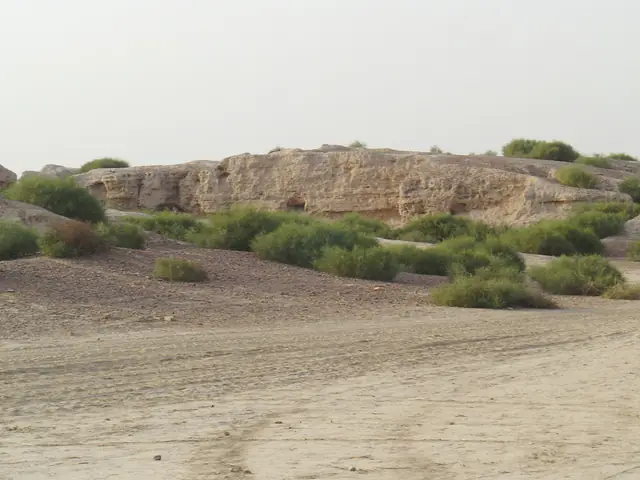
The ploughed field at Kalibangan
The oldest ploughed field yet excavated anywhere, with its furrows still visible in a grid.
 Excavation
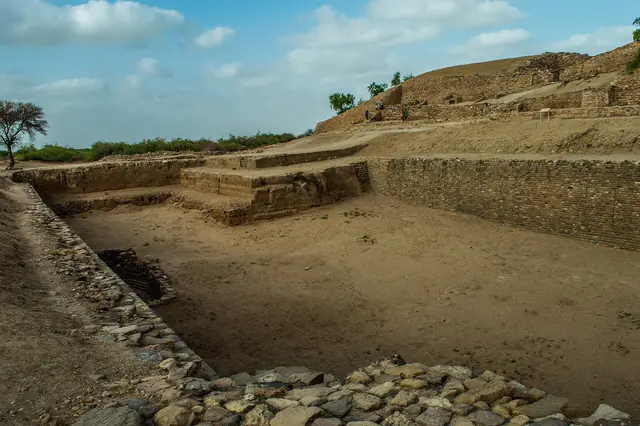
The reservoirs of Dholavira
A Harappan city in a dry land that lived by catching every drop: dams on two seasonal streams fed a chain of reservoirs cut into the rock around the town.
 Excavation
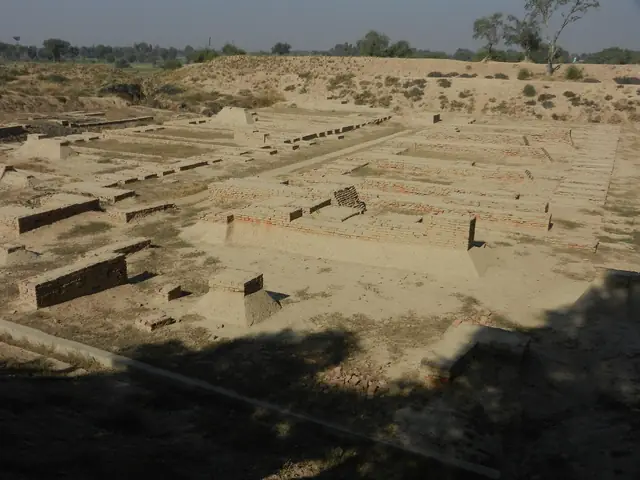
Harappa excavations
The first city of the civilisation to be dug, which gave its name to the whole culture.
 Genetics
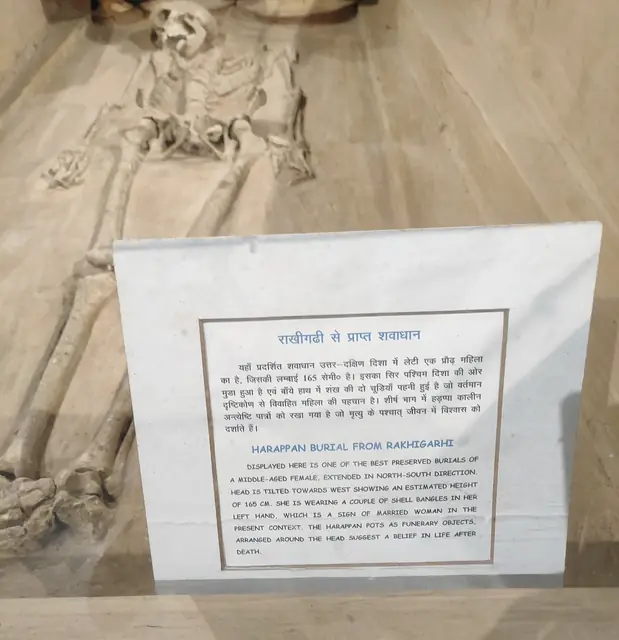
The Rakhigarhi genome
The first ancient genome recovered from a person of the Sindhu–Sarasvati cities, a woman buried at Rakhigarhi more than 4,000 years ago.
 Excavation
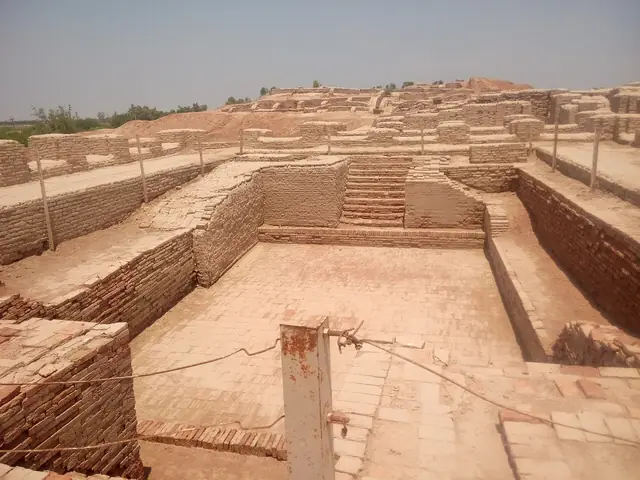
Mohenjo-daro excavations
The largest city of the Sindhu valley, laid out in a grid of baked-brick streets with covered drains and a great bath on its citadel.
 Excavation
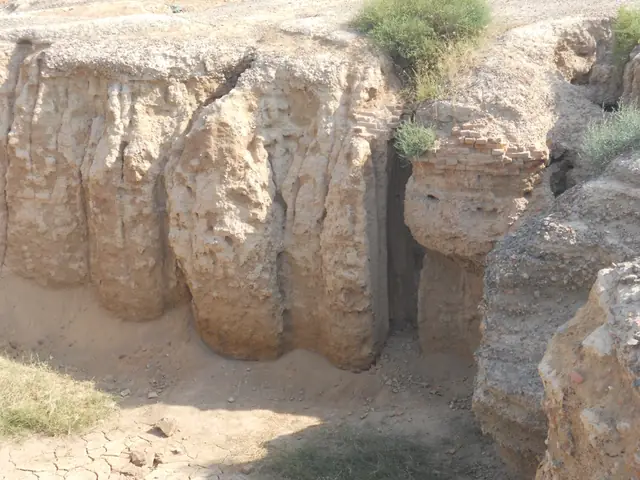
Fire altars of Kalibangan
Rows of small clay-lined fire pits on raised brick platforms, with a well and bathing floors beside them.
 Excavation
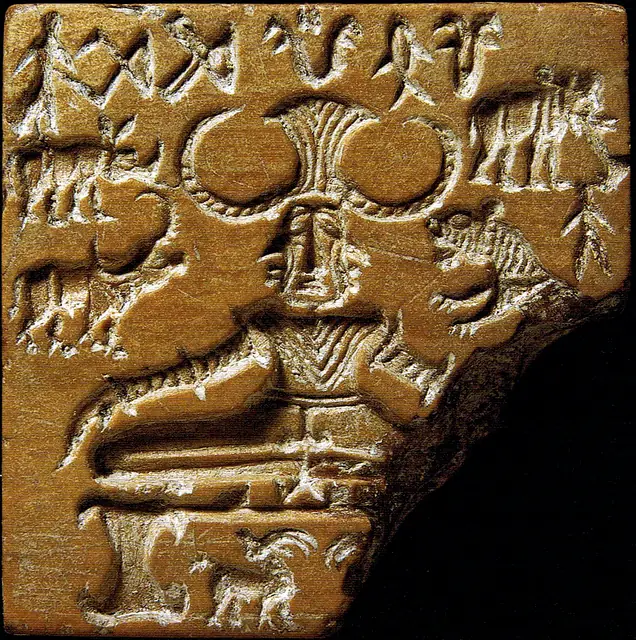
The Pashupati seal
A small steatite seal of a figure seated in a yogic posture, wearing a horned headdress and surrounded by animals, whom many see as Pashupati, Lord of creatures.
 Excavation
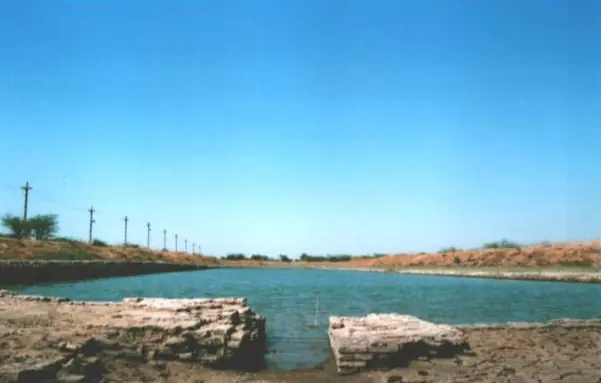
The dock at Lothal
A brick basin more than 200 m long beside a Harappan port town, which its excavator read as the world’s oldest known tidal dock.
 Excavation
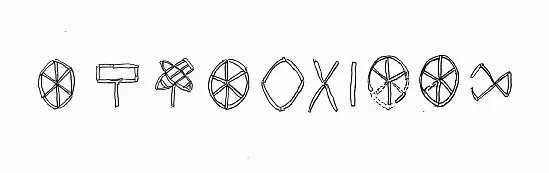
The Dholavira signboard
Ten large signs of the Indus script, once fixed on a wooden board above the city’s main gate, found where the board had fallen.
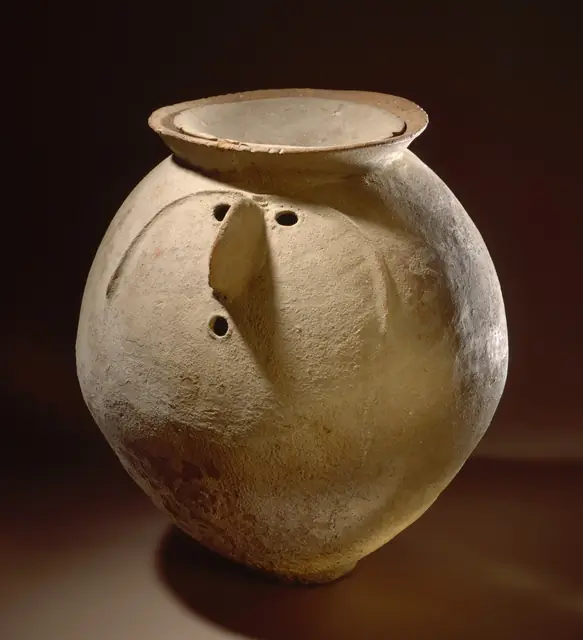 Genetics
Ancient DNA of South and Central Asia (Narasimhan et al. 2019)
The largest ancient-DNA study of the region: 523 individuals, from which the paper builds the main lines of South Asian ancestry.
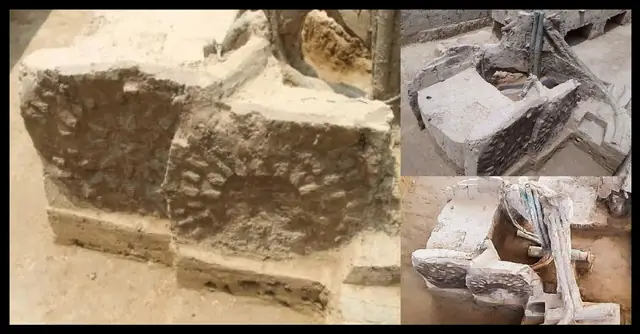 Excavation
Sinauli chariot burials
Warrior burials in the upper Ganga–Yamuna doab, laid with three wheeled vehicles, copper-sheathed coffins, swords and a helmet.
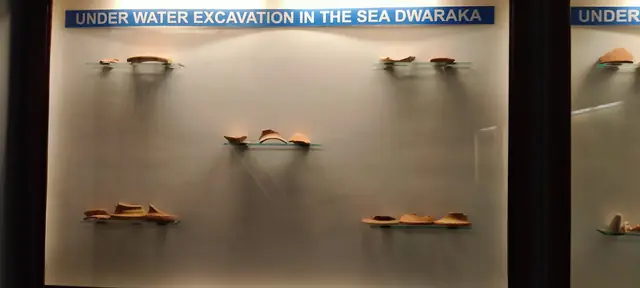 Excavation
The submerged structures off Dwarka
Dressed-stone walls, bastion-like blocks and stone anchors on the seabed at the place the Mahabharata calls Dvaraka, the city of Shri Krishna that the sea took back.
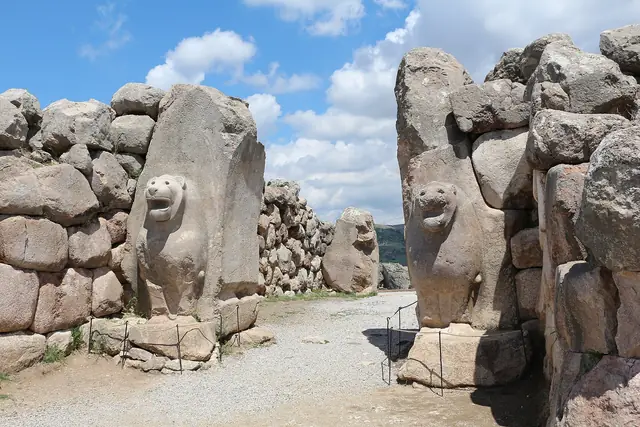 Inscription
Boğazköy treaty naming Mitra, Varuna, Indra and the Nasatyas
A treaty between the Hittite king Suppiluliuma I and Shattiwaza, prince of Mitanni in north Syria, sworn before the gods of both kingdoms. Among the Mitanni gods stand four names any Vedic priest would know.
 Excavation
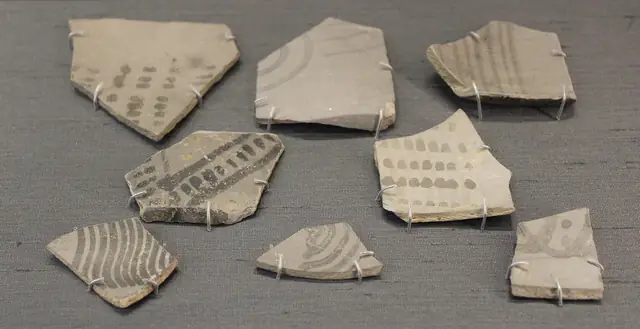
Hastinapura excavation
B. B. Lal’s dig at the Kuru capital of the Mahabharata, which found Painted Grey Ware levels cut off by a great flood of the Ganga.
 Excavation
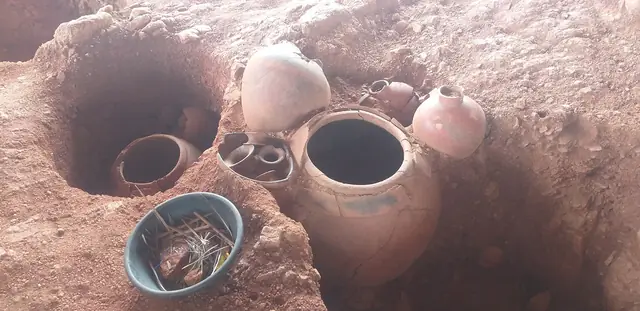
Adichanallur urn burials
A vast Iron Age burial ground where the dead were laid in great clay urns with iron tools, bronze vessels and gold ornaments.
 Excavation
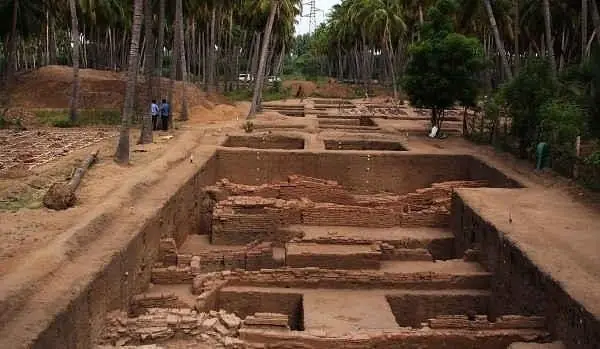
Keezhadi excavations
A brick-built town on the Vaigai with ring wells, drains and potsherds scratched with Tamil-Brahmi names.
 Inscription
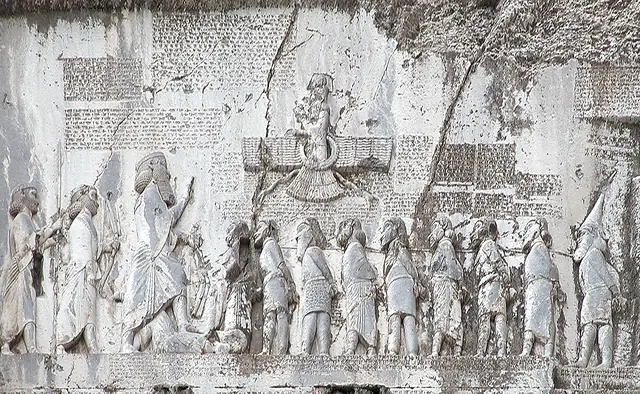
Behistun inscription of Darius I
The Persian king Darius I tells, in Old Persian, Elamite and Babylonian, how he took the throne and which lands obeyed him. Gandhara is on the list.
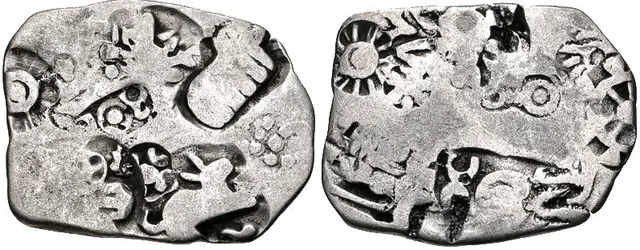 Coin
Punch-marked karshapanas
The first coins of Bharat: small pieces of silver of a set weight, stamped one symbol at a time with separate punches.
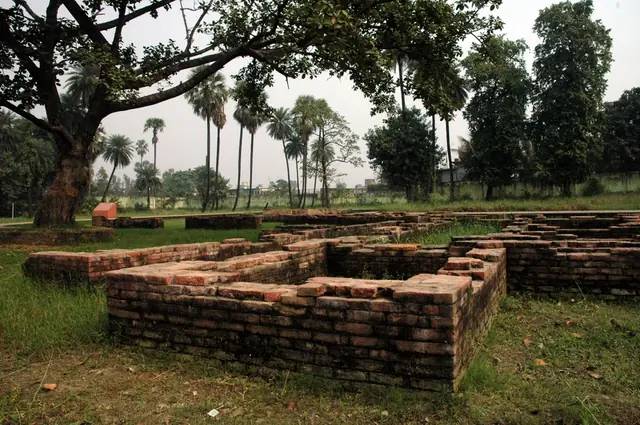 Excavation
s at Pataliputra
The remains of the Maurya capital under modern Patna: a hall of polished stone pillars and long lines of timber palisade.
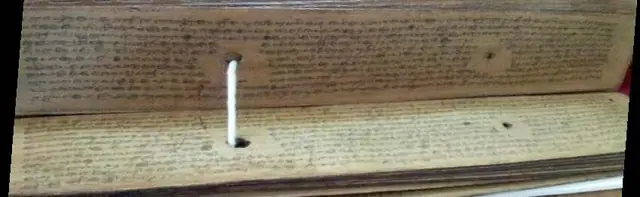 Manuscript
The Arthashastra manuscript found in 1905
The palm-leaf copy that brought Kautilya’s Arthashastra, the ancient book of statecraft, back into print after centuries in which it was known only by quotation.
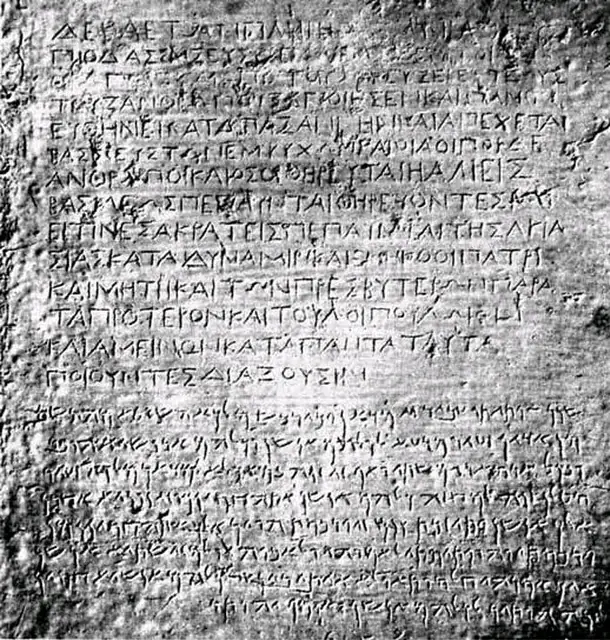 Inscription
Kandahar bilingual edict of Ashoka
Ashoka’s message of dhamma, carved in Greek and Aramaic for the Greek and Persian-speaking subjects at the western edge of his empire.
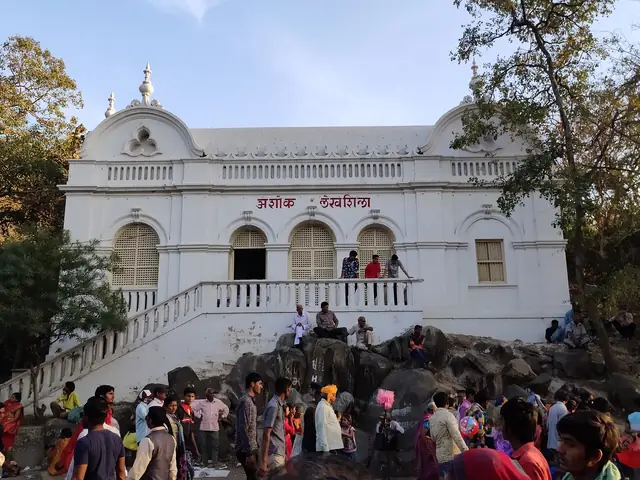 Inscription
Edicts of Ashoka
Fourteen major rock edicts, minor rock edicts and seven pillar edicts in which the Maurya emperor speaks in his own voice, as Devanampiya Piyadasi.
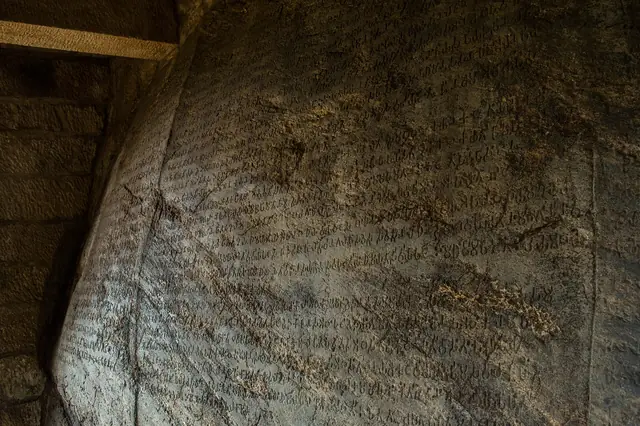 Inscription
Kalinga edicts at Dhauli and Jaugada
In conquered Kalinga, Ashoka left out the thirteenth rock edict, which mourns the war, and carved two separate edicts addressed to his officers there instead.
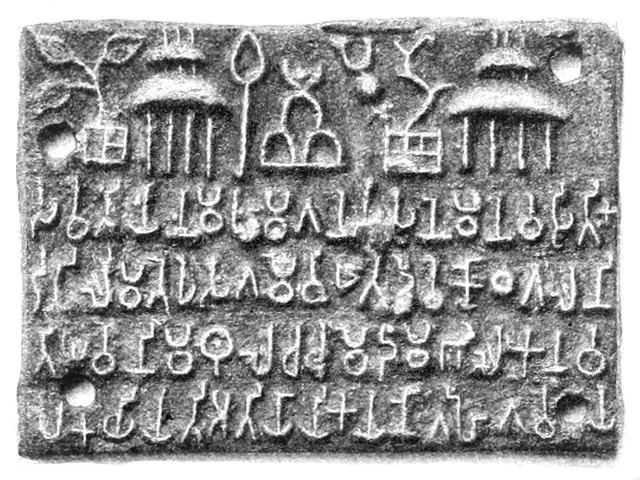 Inscription
Sohgaura copper plate
A small bronze-copper plate in early Brahmi, issued by the officials of Shravasti, cast with symbols of storehouses above the text.
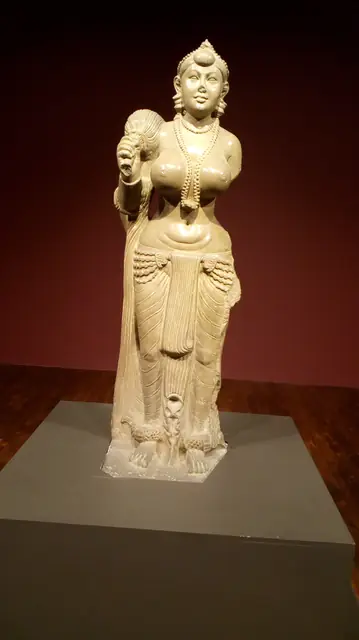 Monument
Didarganj Yakshi
A life-size woman holding a chowrie, carved from one block of Chunar sandstone and polished to a mirror shine.
 Monument
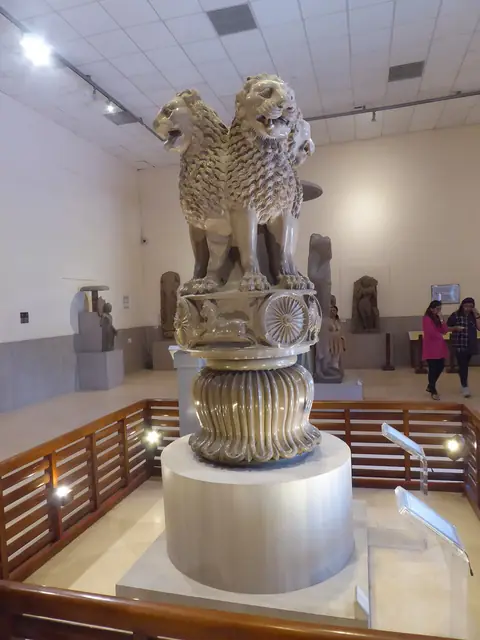
The Lion Capital of Sarnath
The polished sandstone crown of Ashoka’s pillar at Sarnath: four lions back to back, which became the State Emblem of India.
 Science
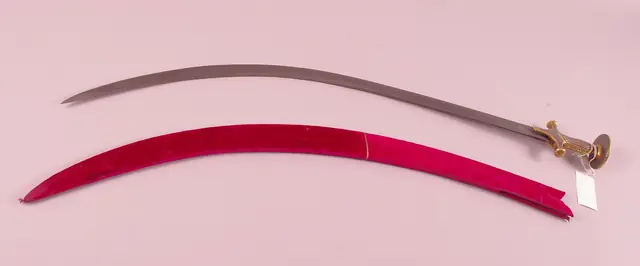
Wootz steel
High-carbon steel made in sealed clay crucibles in South India, the metal behind the famous watered “Damascus” blades.
 Coin
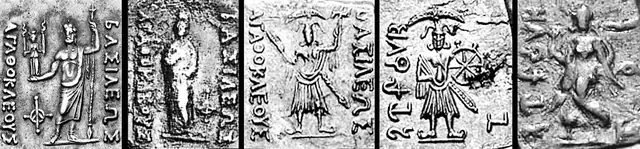
Agathocles’ coins of Balarama and Krishna
Silver coins of a Greek king of Bactria that carry the oldest known images of Balarama and Vasudeva-Krishna.
 Inscription
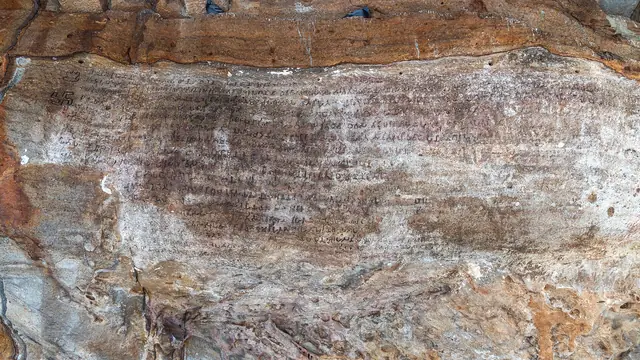
Hathigumpha inscription of Kharavela
Seventeen lines in Prakrit and Brahmi recording, year by year, the reign of Kharavela, the Jain emperor of Kalinga.
 Inscription
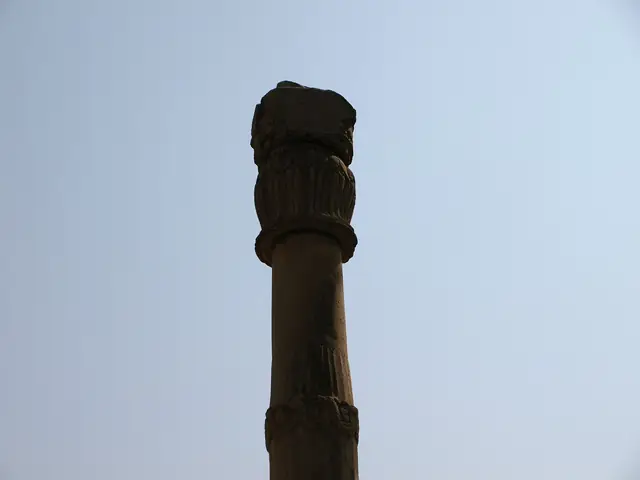
Heliodorus pillar, Besnagar
A stone Garuda-dhvaja raised to Vasudeva by Heliodorus, a Greek envoy from Takshashila, at the court of King Bhagabhadra.
 Inscription
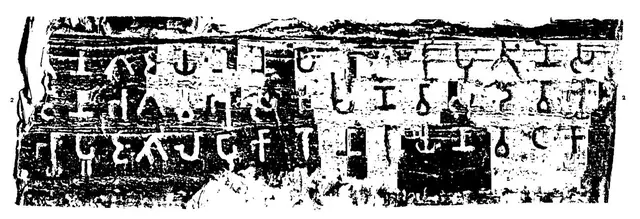
Ghosundi and Hathibada inscriptions
A Sanskrit record of a stone enclosure built for the worship of Sankarshana and Vasudeva by a king who had performed the Ashvamedha.
 Inscription
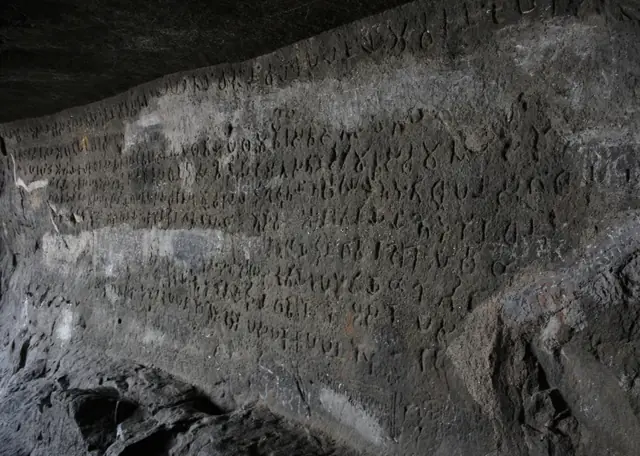
Naneghat inscription of Queen Naganika
The Satavahana queen Naganika, widow of Satakarni I, records the Vedic sacrifices her husband performed and the fees he gave.
 Inscription
Ayodhya inscription of Dhanadeva
A short Sanskrit record of Dhanadeva, lord of Kosala, who set up a memorial to his father at Ayodhya.
 Chronicle
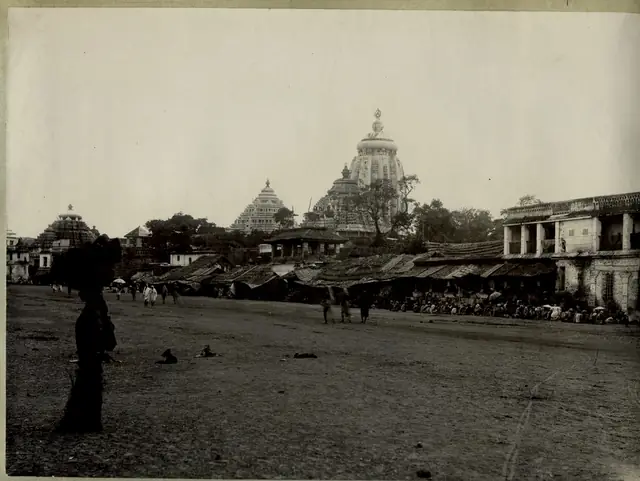
Madala Panji of the Jagannath temple
The temple chronicle of Shri Jagannath: the kings of Odisha, the rites of the temple and the dangers it passed through.
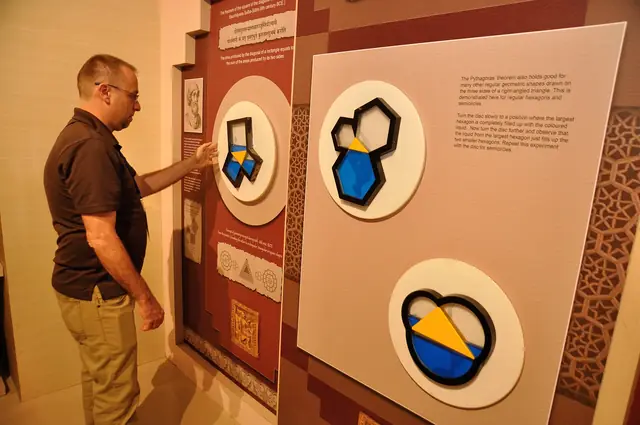 Science
The Sulba Sutras
The “rules of the cord”: exact instructions for laying out the altars of the Vedic yajna, and with them the oldest geometry of Bharat.
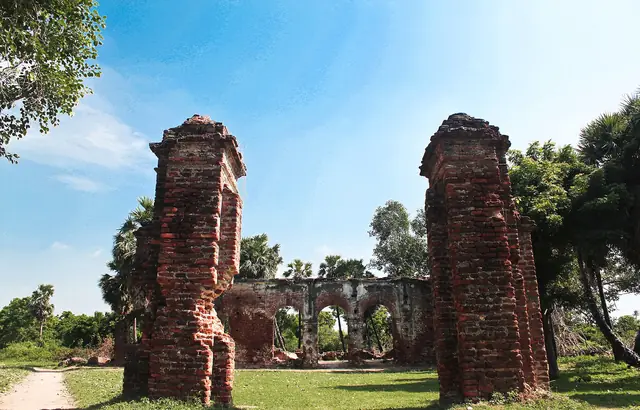 Excavation
Arikamedu excavations
A Tamil port of the Sangam age where Roman pottery, wine jars and Indian beads were found together.
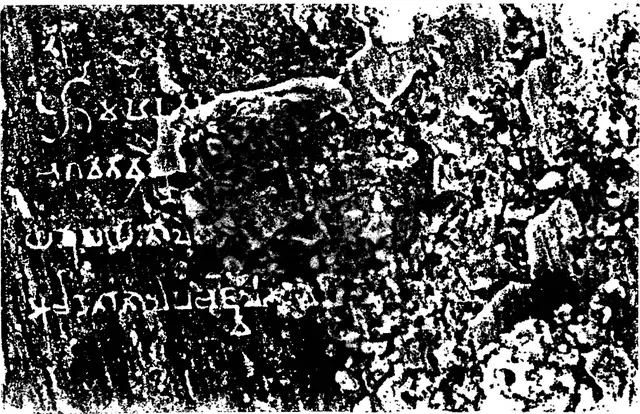 Inscription
Mora well inscription
A Sanskrit record in Brahmi of a stone temple set up for the images of the five Vrishni heroes, in the time of the son of the Mahakshatrapa Rajuvula of Mathura.
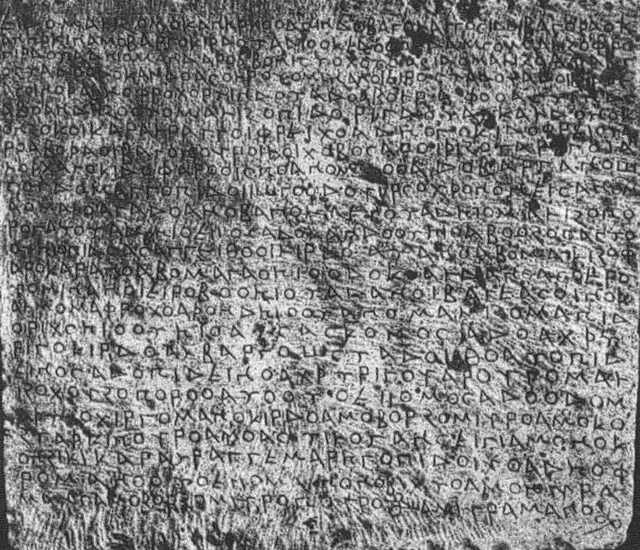 Inscription
Rabatak inscription of Kanishka
A stone in the Bactrian language, written in Greek letters, in which Kanishka lists his ancestors and the gods of his shrine.
 Inscription
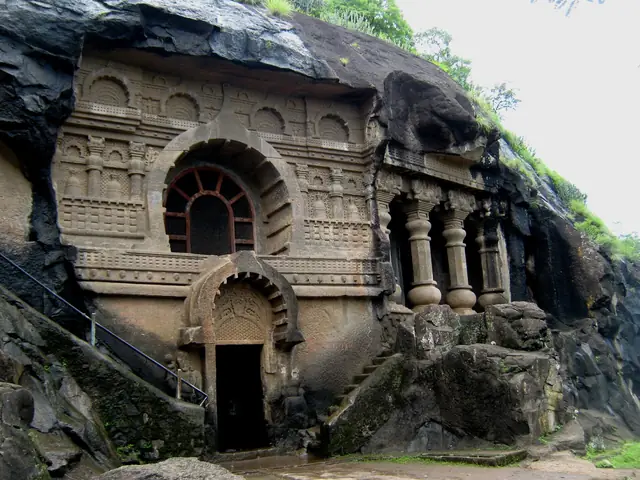
Nasik prashasti of Gautami Balashri
The queen mother Gautami Balashri dedicates a cave to the Buddhist sangha and praises her son, Gautamiputra Satakarni.
 Inscription
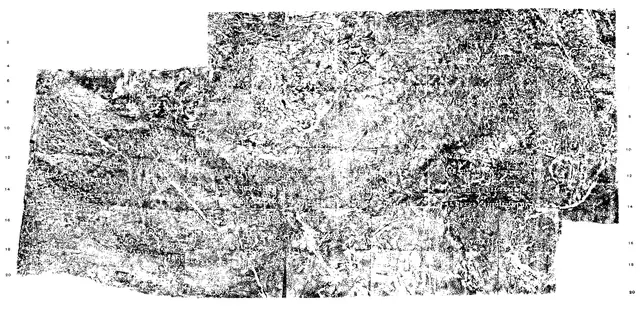
Junagadh rock inscription of Rudradaman
The first long inscription in classical Sanskrit, recording how the Shaka ruler Rudradaman rebuilt the Sudarshana lake after a storm burst its dam.
 Coin
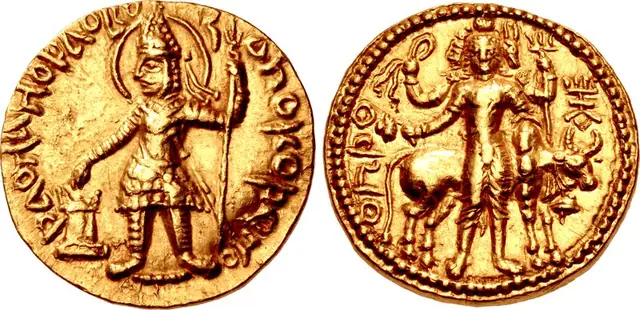
Kushana coins of Shiva (Oesho)
Gold coins of the Kushana emperors showing Shiva with his trident and Nandi, named in the Bactrian inscription as OESHO.
 Manuscript
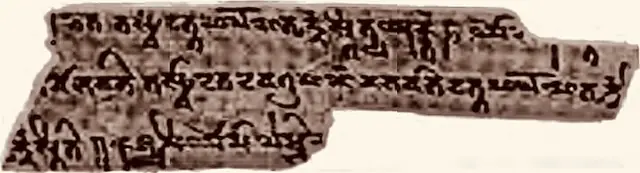
The Spitzer manuscript
The oldest philosophical manuscript in Sanskrit, named after Moritz Spitzer who first studied it, which holds a list of the parvas of the Mahabharata.
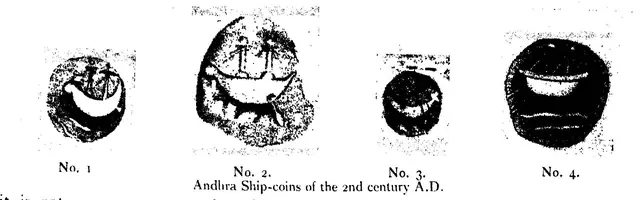 Coin
Satavahana ship coins
Lead and potin coins of the Satavahana king Yajna Sri Satakarni showing a two-masted ship.
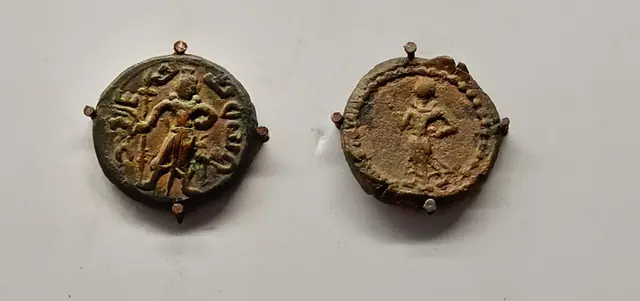 Coin
Yaudheya coins of Kartikeya
Copper coins of the Yaudheya republic of the Haryana plains, dedicated to Kartikeya and struck in the name of the gana, not of a king.
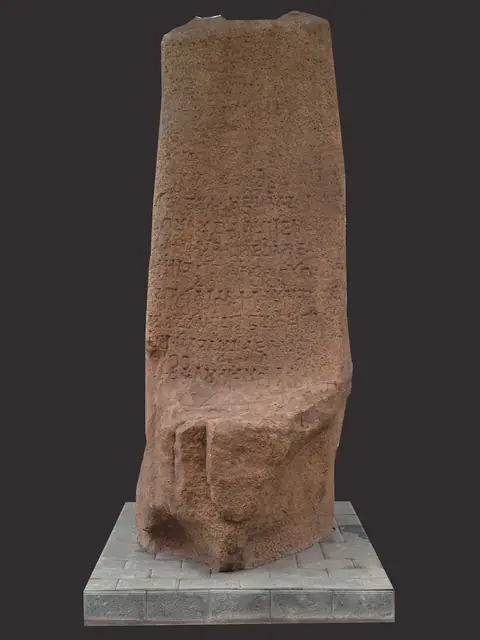 Inscription
Võ Cạnh inscription
A Sanskrit stele from the coast of central Vietnam, the oldest Sanskrit inscription found in Southeast Asia.
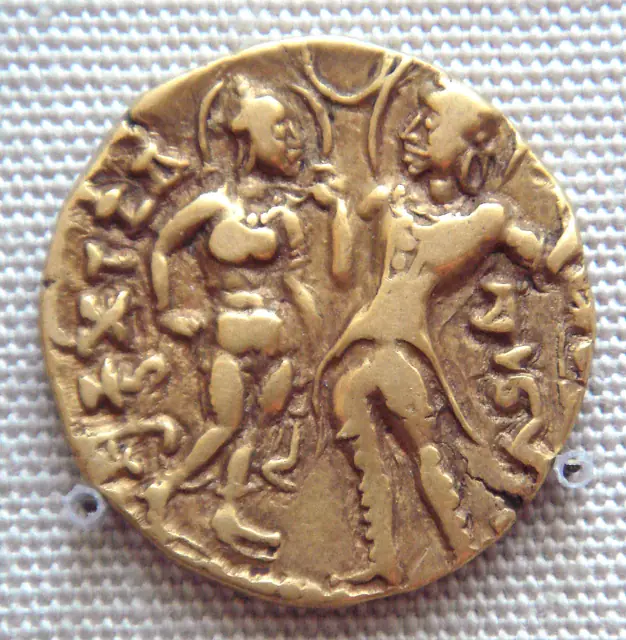 Coin
The Chandragupta–Kumaradevi coin
A gold coin showing Chandragupta I with his Licchavi queen Kumaradevi, both named, with the word “Licchavayah” on the back.
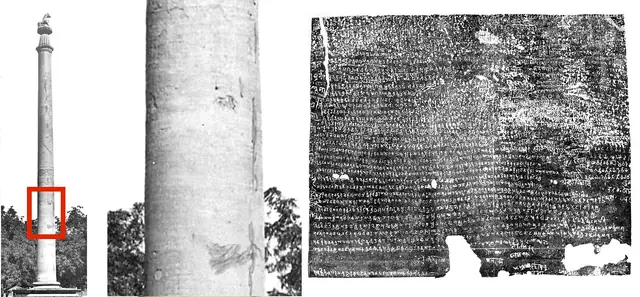 Inscription
Allahabad pillar prashasti of Samudragupta
Harishena, minister and poet of Samudragupta, carved a long Sanskrit eulogy of his king onto a pillar that already bore Ashoka’s edicts.
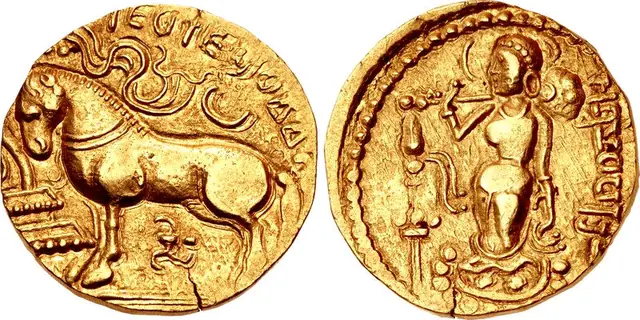 Coin
Samudragupta’s Ashvamedha coin
A gold dinar struck to mark Samudragupta’s horse sacrifice: the consecrated horse stands before the sacrificial post.
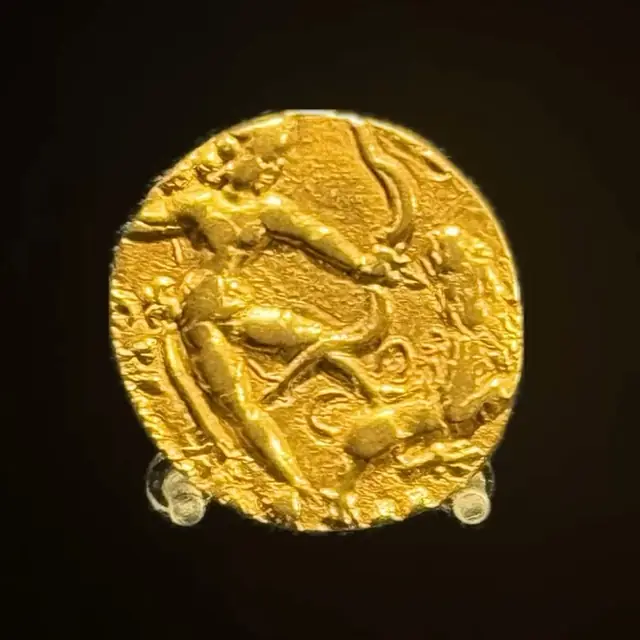 Coin
Gupta gold dinars
The gold coins of the Gupta emperors, which their own inscriptions call dinaras: portraits of kings as archers, horsemen and lion-slayers, with Lakshmi on the back.
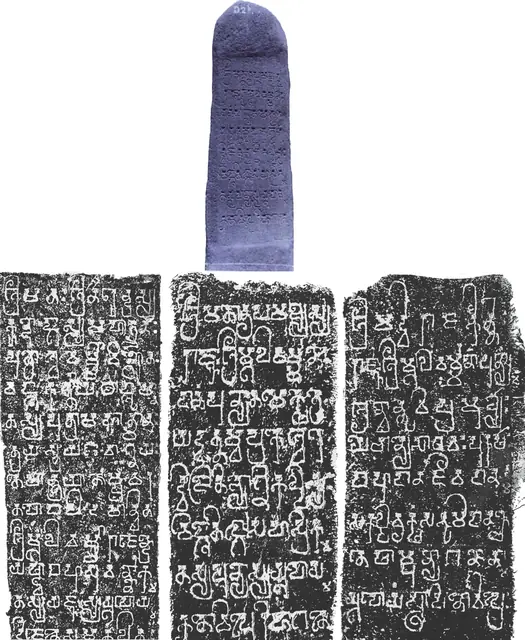 Inscription
Yupa inscriptions of Mulavarman, Kutai
Seven stone yupas, the sacrificial posts of a Vedic yajna, inscribed in Sanskrit for King Mulavarman.
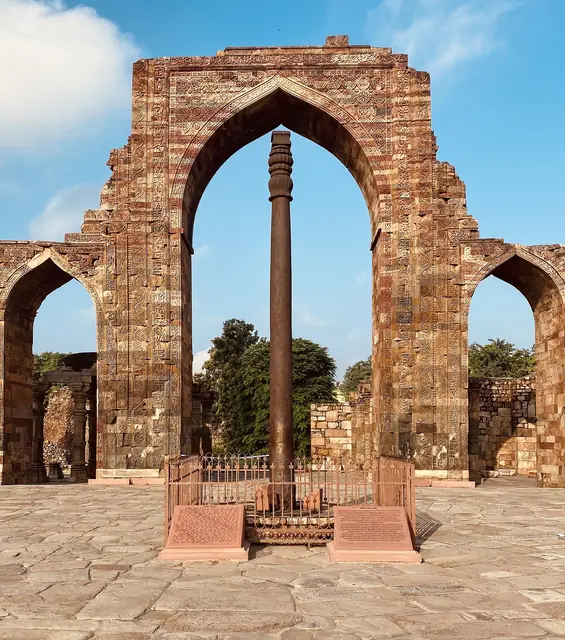 Science
Iron pillar of Delhi
A 7.2-metre wrought-iron column of about six tonnes, forged as a dhvaja of Vishnu and still almost free of rust after sixteen centuries.
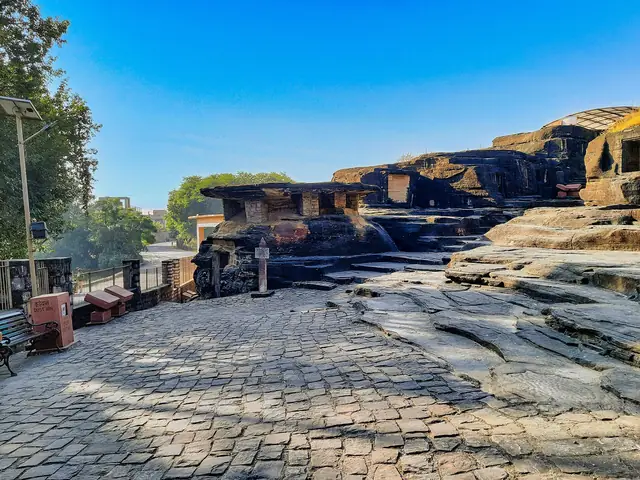 Inscription
Udayagiri cave inscriptions of Chandragupta II
Two records at Udayagiri tie its shrines, among them the great Varaha panel, to Chandragupta II and the men who served him.
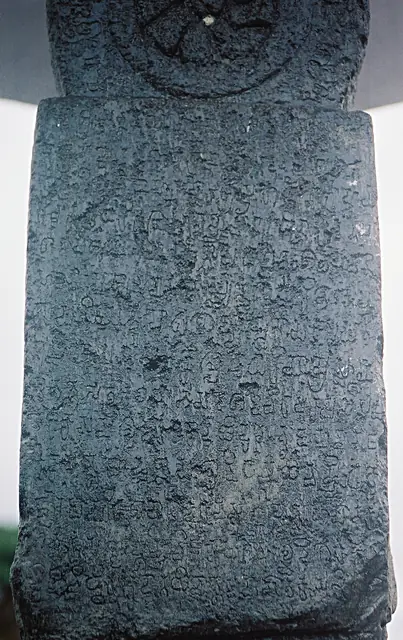 Inscription
Halmidi inscription
A short stone of the Kadamba age that is the oldest known inscription in the Kannada language.
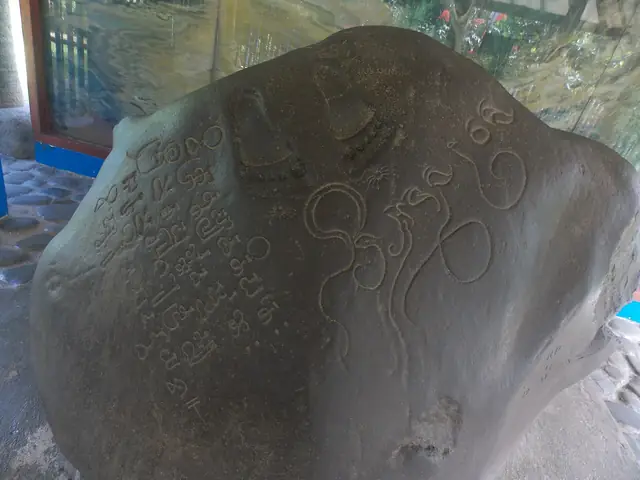 Inscription
Ciaruteun inscription of Purnavarman
A Sanskrit verse beside a pair of carved footprints of Purnavarman, king of Tarumanagara.
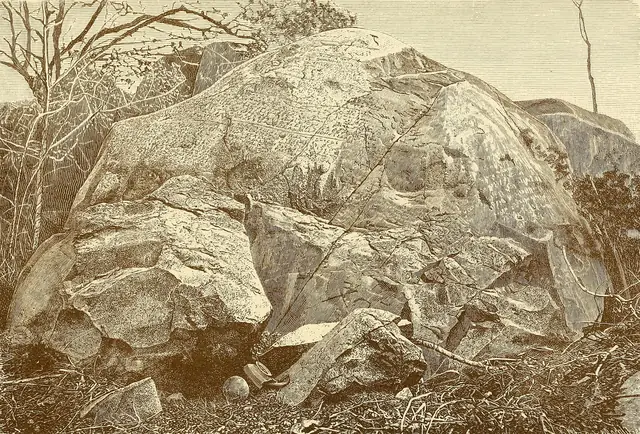 Inscription
Junagadh inscription of Skandagupta
Three centuries after Rudradaman, the Sudarshana dam burst again; Skandagupta’s governor rebuilt it and recorded the work on the same rock.
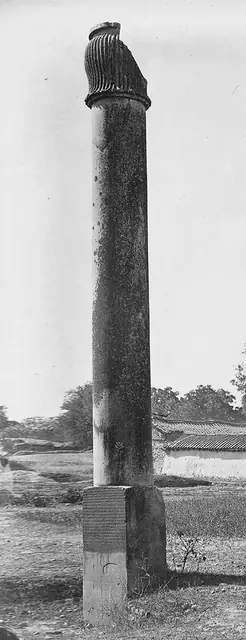 Inscription
Bhitari pillar of Skandagupta
A red sandstone pillar on which Skandagupta records how he saved the Gupta house and fought the Hunas.
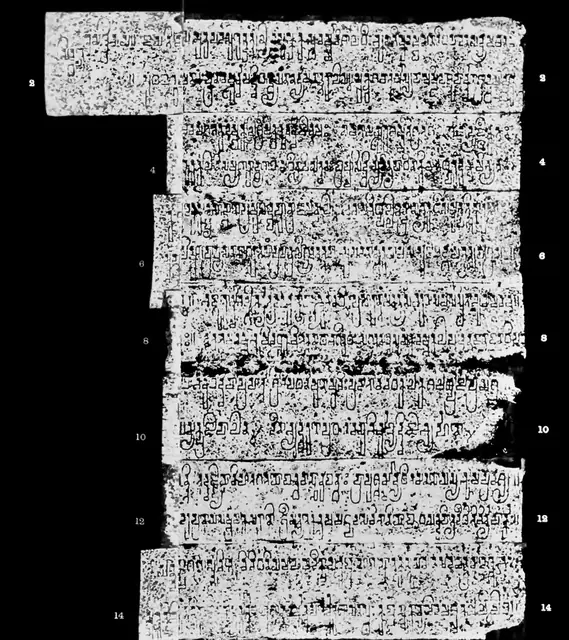 Inscription
Talagunda pillar inscription
A Sanskrit poem on a stone pillar telling how the Kadamba dynasty began, composed by the poet Kubja in the time of Shantivarman.
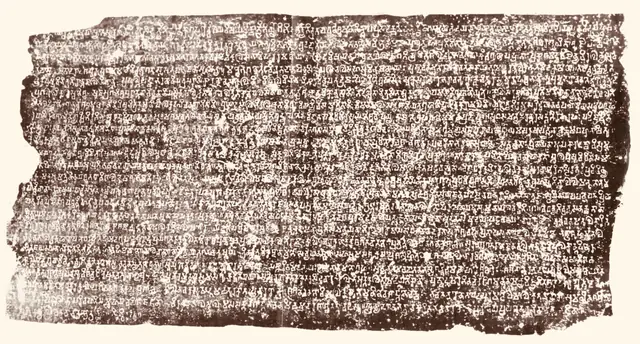 Inscription
Mandsaur inscription of the silk-weavers’ guild
A poem in stone by Vatsabhatti about a guild of silk-weavers from Lata who settled at Dashapura, built a temple to Surya and repaired it a generation later.
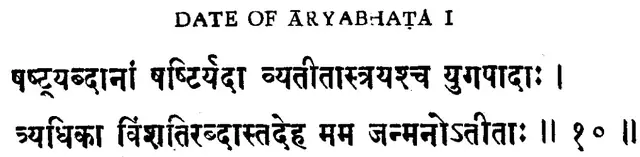 Science
The Aryabhatiya
Aryabhata’s book of 121 verses in four parts, on mathematics, time-reckoning and the sphere, written when he was 23.
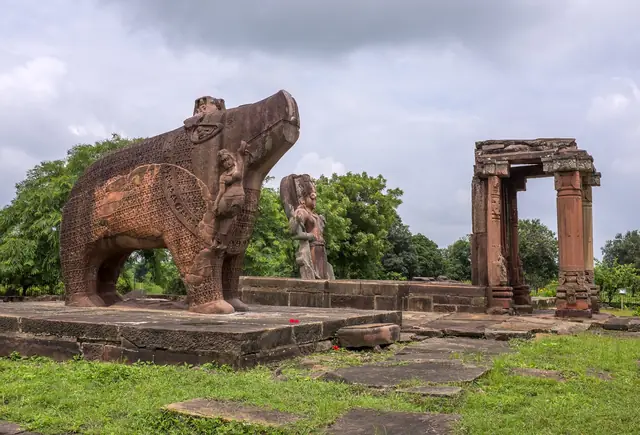 Inscription
Eran inscriptions
A small town that kept records of three turning points: Samudragupta’s rule, the Huna Toramana’s arrival, and the earliest dated sati memorial.
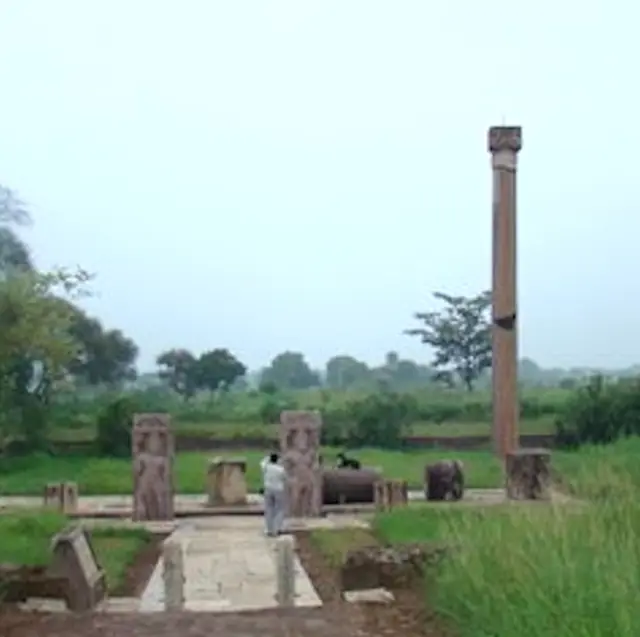 Inscription
Mandasor victory pillars of Yashodharman
Twin monolithic pillars of the Aulikara king Yashodharman, who broke the Huna king Mihirakula.
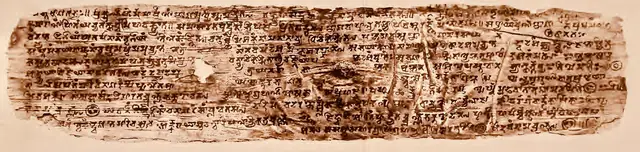 Manuscript
The Bower manuscript
Birch-bark leaves in Gupta-era Brahmi holding seven texts, three of them on medicine, including the Navanitaka.
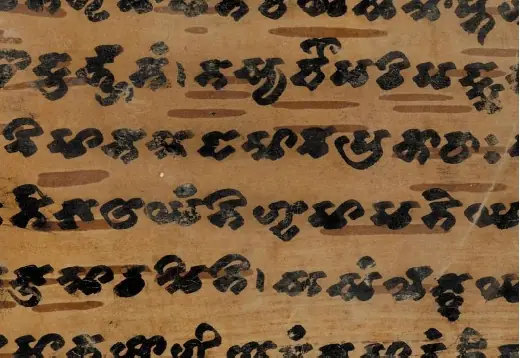 Manuscript
The Gilgit manuscripts
Birch-bark books of Buddhist scripture in Sanskrit, the oldest manuscript collection to survive in the subcontinent.
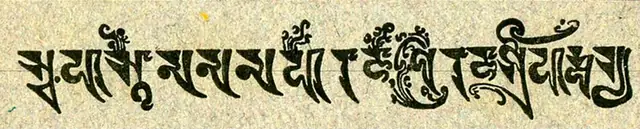 Inscription
Banskhera copper plate of Harsha
A land grant to two Brahmanas that carries the signature of Emperor Harsha himself.
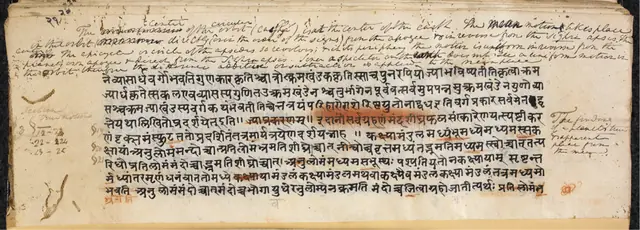 Science
Brahmagupta’s Brahmasphutasiddhanta
The astronomical work in which Brahmagupta, aged thirty, first set down rules for calculating with zero and negative numbers.
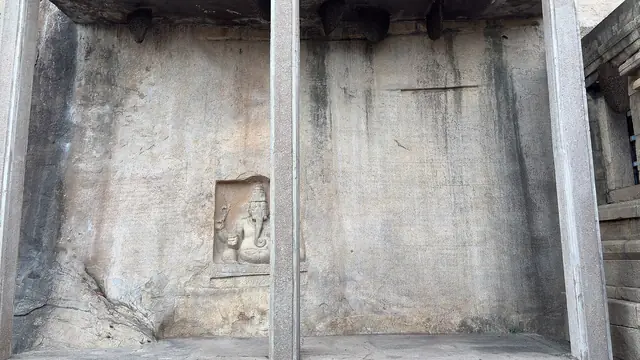 Inscription
Kudumiyanmalai music inscription
A large rock inscription in Grantha script that sets down musical exercises in svara notation, arranged under seven ragas.
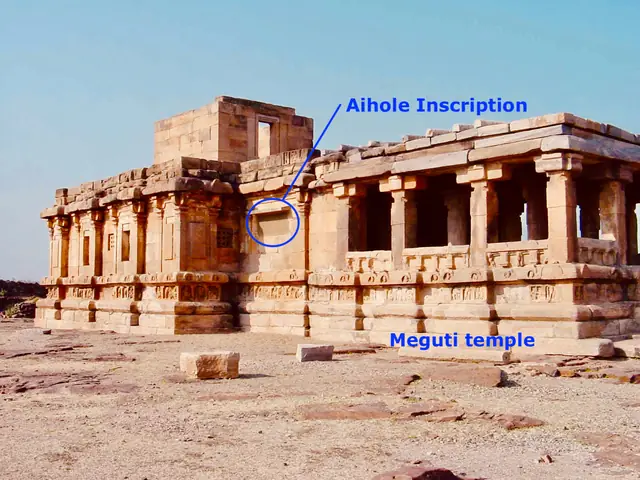 Inscription
Aihole inscription of Ravikirti
A Sanskrit prashasti of the Chalukya king Pulakeshin II by the Jain poet Ravikirti, who built the temple.
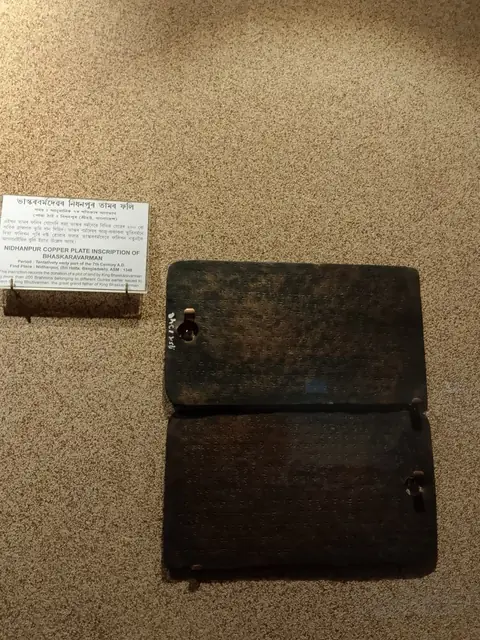 Inscription
Nidhanpur copper plates of Bhaskaravarman
Copper plates of Kumara Bhaskaravarman of Kamarupa, Harsha’s ally, renewing a land grant whose original plates had been burnt.
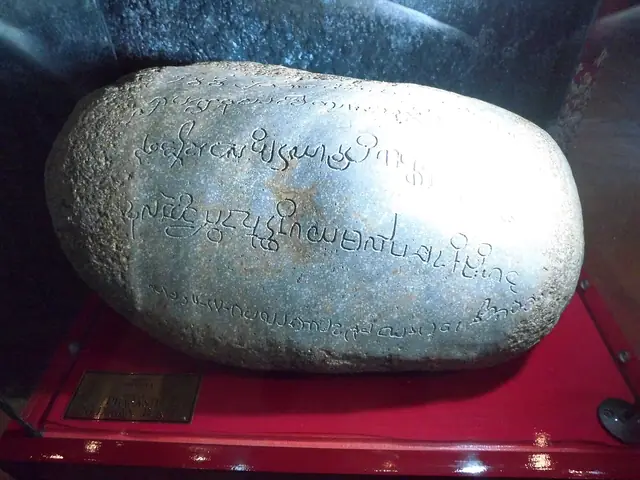 Inscription
Kedukan Bukit inscription
A small stone in Old Malay, written in a Pallava-derived script, that is the earliest record of the Srivijaya kingdom.
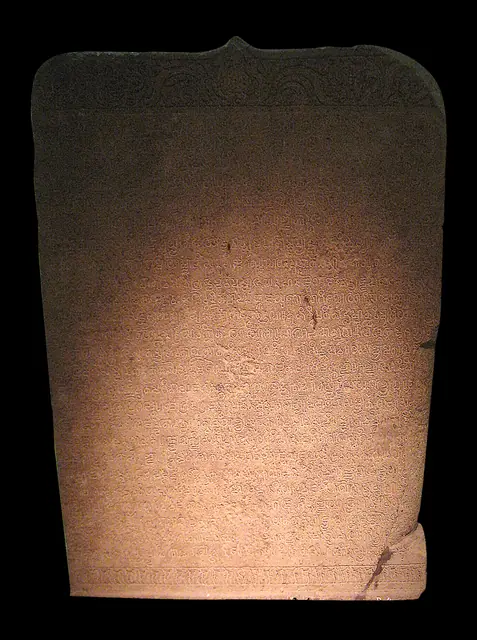 Inscription
Canggal inscription of Sanjaya
A Sanskrit inscription recording that King Sanjaya of Mataram set up a Shiva linga on a hill in Java.
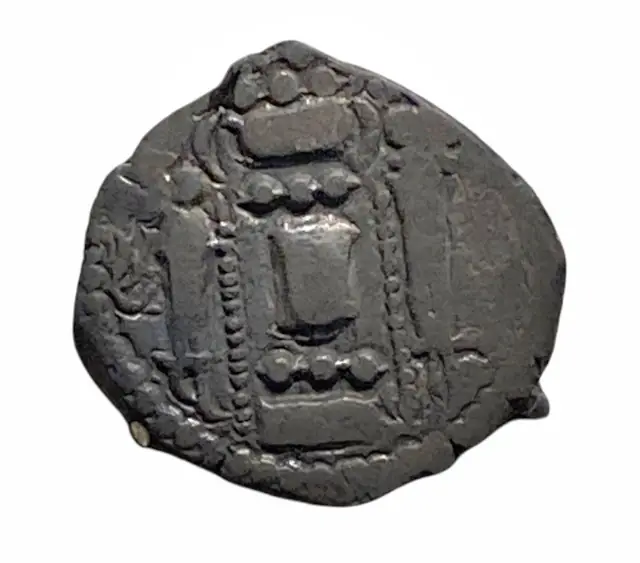 Inscription
Navsari plates of Avanijanashraya Pulakeshin
A land grant of the Chalukya prince of Lata that records how he threw back an Arab army trying to break into the Deccan.
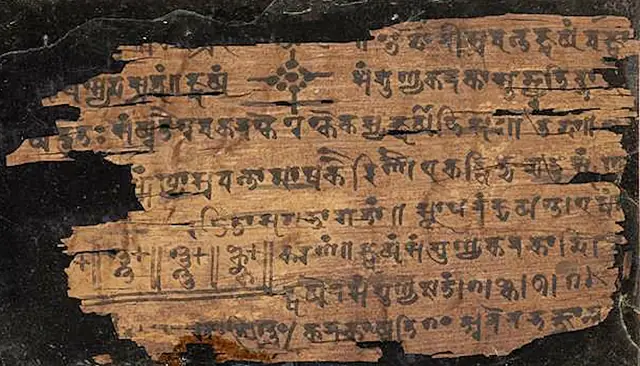 Manuscript
The Bakhshali manuscript
Seventy fragile leaves of birch bark holding a book of arithmetic in Sharada script, in which zero is written as a dot.
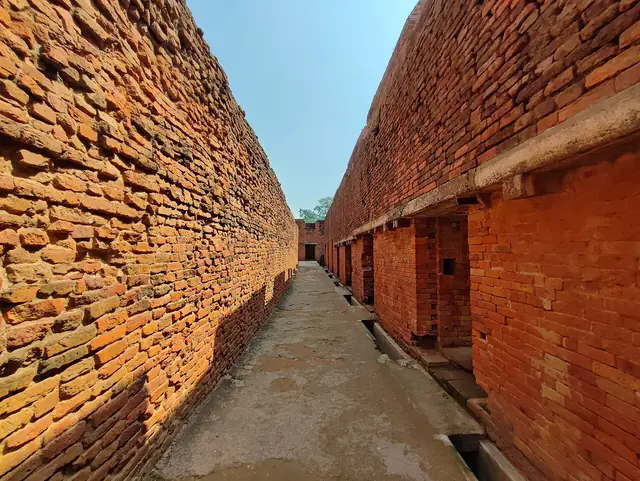 Inscription
Nalanda copper plate of Devapala
The Pala king Devapala grants five villages to a monastery at Nalanda built by Balaputradeva, the Shailendra king of Suvarnadvipa (Sumatra).
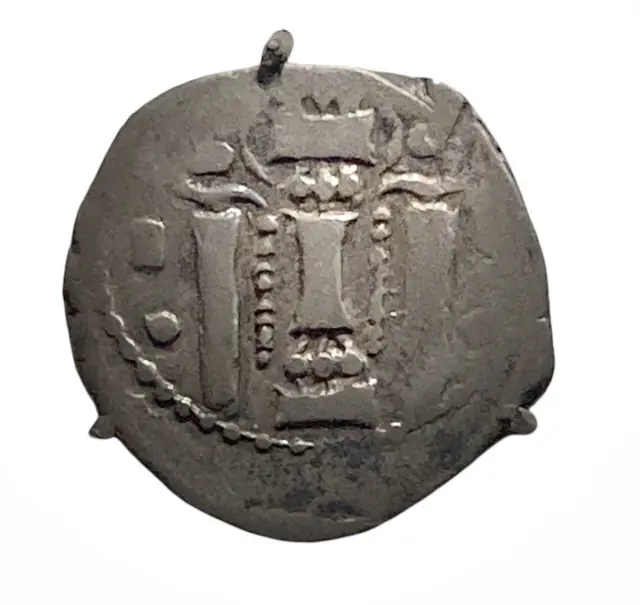 Inscription
Gwalior prashasti of Mihira Bhoja
The Gurjara-Pratihara king Mihira Bhoja’s family history in Sanskrit verse, from the founder who stopped the Arabs to Bhoja himself.
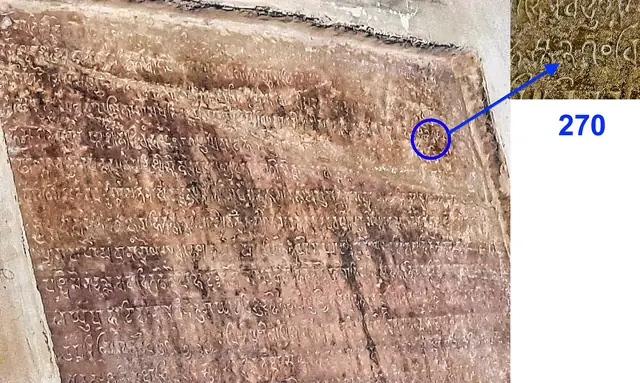 Inscription
Zero at the Chaturbhuj temple, Gwalior
A temple endowment record in which the numeral zero is written as a small circle, the oldest such zero in stone whose date is certain.
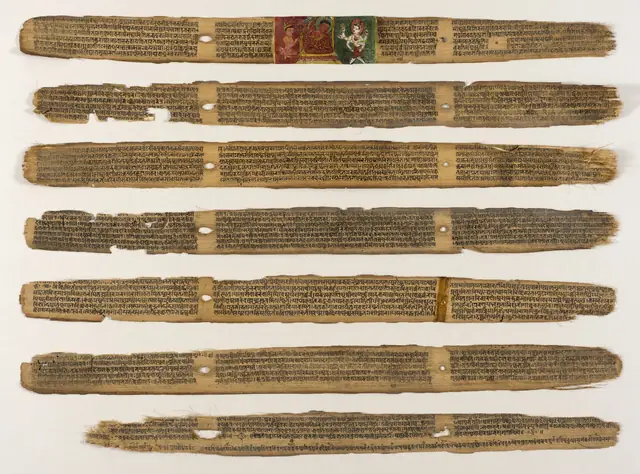 Manuscript
s of the Sushruta Samhita
A palm-leaf copy of the Sushruta Samhita made in Nepal in 878 CE, older than any other dated copy and older than the commentary of Dalhana that shaped the printed text.
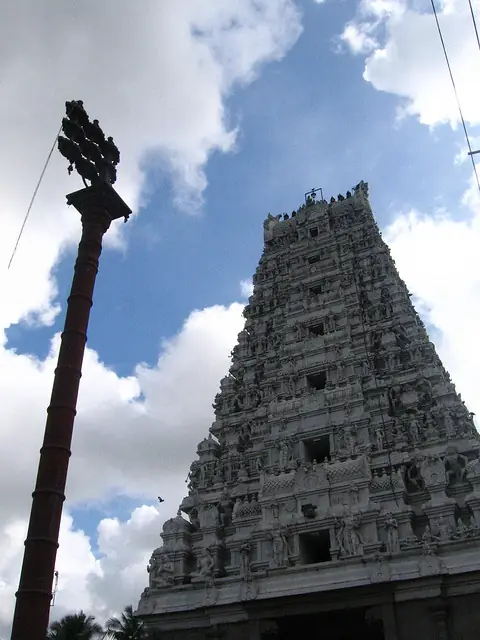 Inscription
Uttaramerur inscriptions on village elections
The sabha of a Brahmana village wrote its own constitution on the temple wall: who may stand for its committees, how they are chosen, and who is barred.
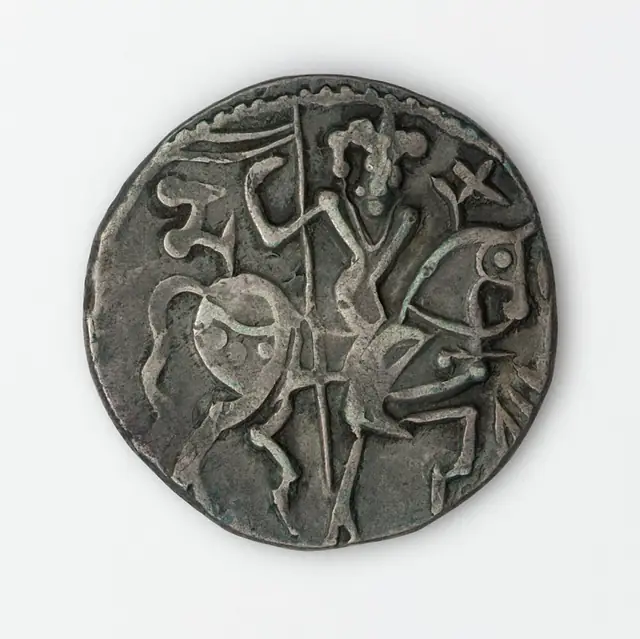 Coin
Hindu Shahi bull-and-horseman coins
Silver coins of the Shahi kings of Kabul and Udabhandapura, with Nandi on one side and a horseman on the other.
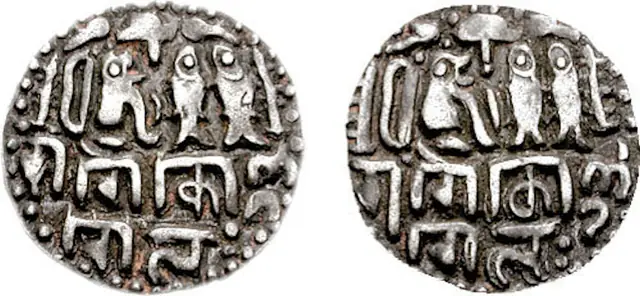 Coin
Chola coins
Gold, silver and copper coins of the imperial Cholas, bearing the seated tiger of the Cholas beside the fish of the Pandyas and the bow of the Cheras.
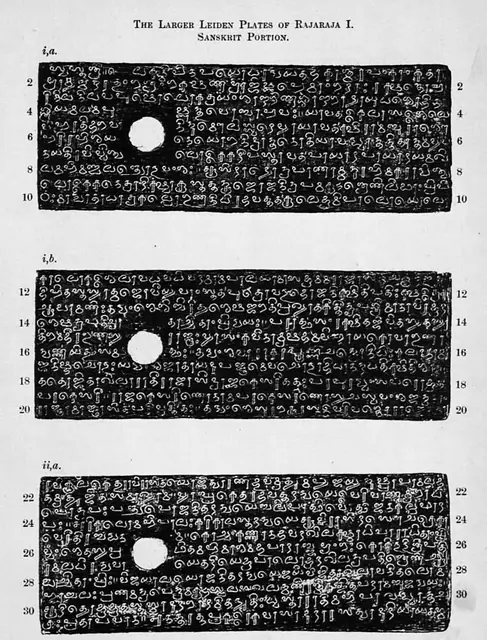 Inscription
Larger Leiden copper plates
A set of copper plates strung on a ring sealed with the Chola tiger, in Sanskrit and Tamil.
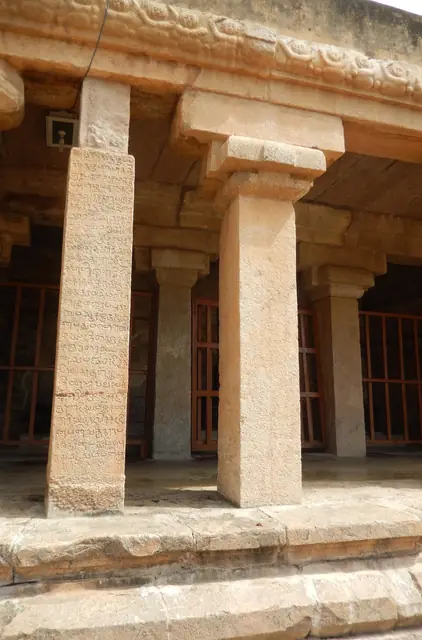 Inscription
s of the Brihadeeswara temple, Thanjavur
The kalvettu (stone records) of Thanjavur, in Tamil, form the temple’s own ledger, ordered by Rajaraja himself.
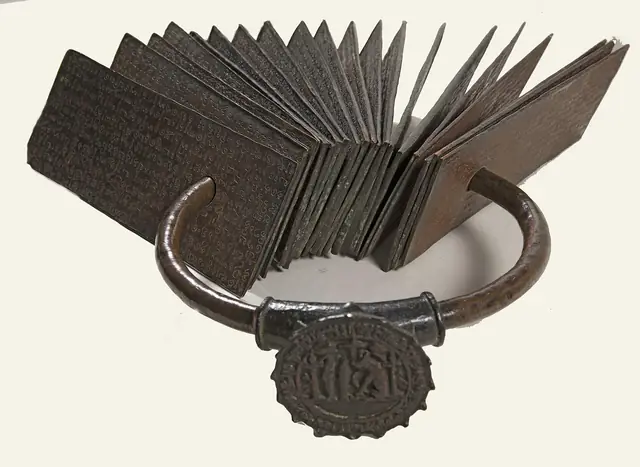 Inscription
Tiruvalangadu copper plates of Rajendra Chola
The largest Chola copper-plate charter: a Sanskrit genealogy and a Tamil grant to the Shiva temple at Tiruvalangadu.
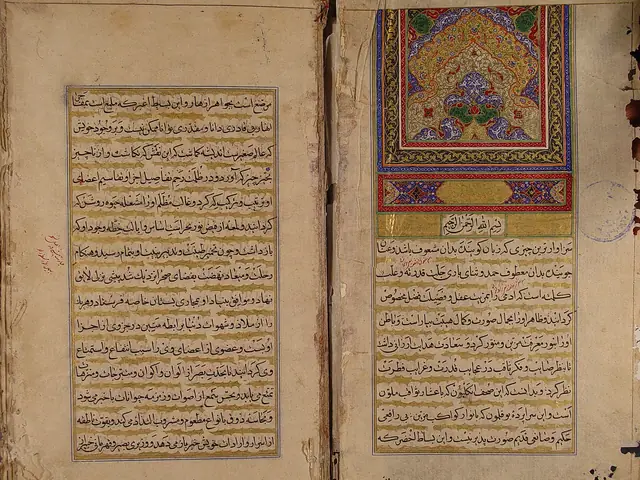 Chronicle
Tarikh-i-Yamini of al-Utbi
A court history of Sabuktigin and his son Mahmud of Ghazni, written while Mahmud was still raiding Bharat.
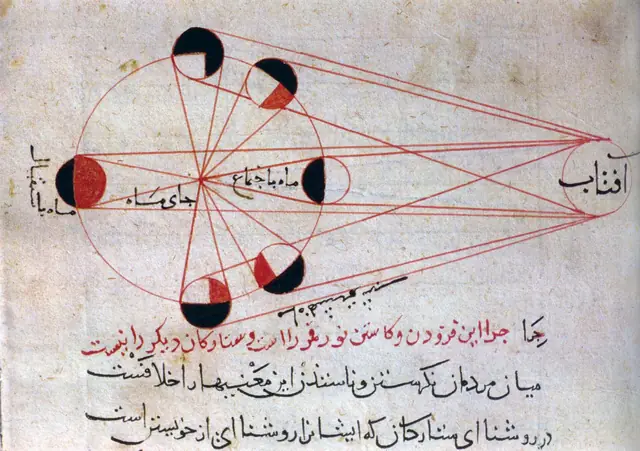 Chronicle
Kitab al-Hind of Al-Biruni
A study of Hindu learning by a foreign scholar: philosophy, the Gita, Patanjali, astronomy, the calendar, the Puranas, weights and measures and customs.
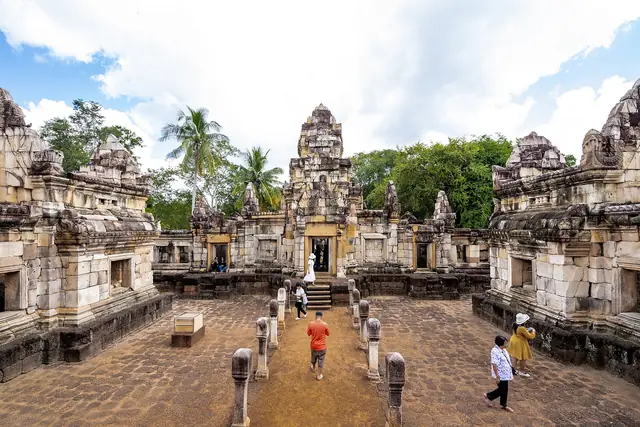 Inscription
Sdok Kak Thom inscription
A long Sanskrit and Khmer stele recording 250 years of a priestly family that served the Devaraja of the Khmer kings.
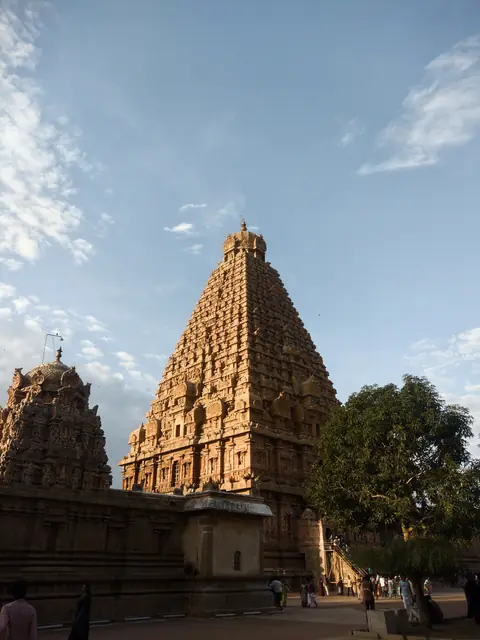 Inscription
Lobu Tua Tamil inscription, Barus
A Tamil stone record of the great merchant guild ‘the Five Hundred of the Thousand Directions’ at the camphor port of Barus.
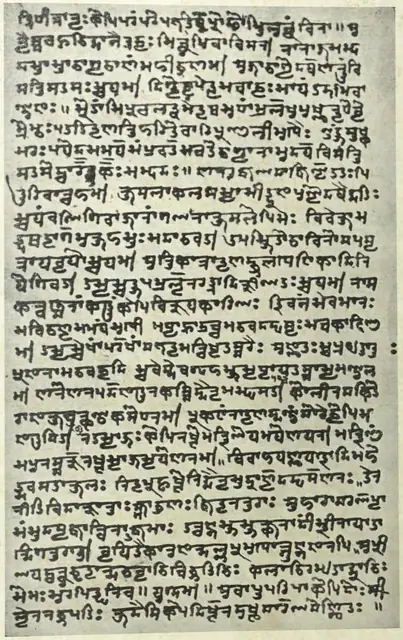 Chronicle
Rajatarangini of Kalhana
A Sanskrit chronicle in eight books (tarangas), nearly 8,000 verses, of the kings of Kashmir from the earliest times to Kalhana’s own day.
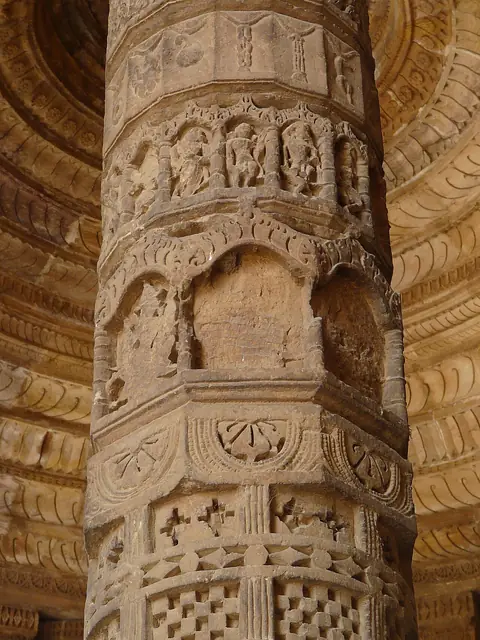 Inscription
Harakeli Nataka slabs, Ajmer
Black stone slabs carrying a Sanskrit play written by the Chahamana king Vigraharaja IV himself, with a second play written in his honour.
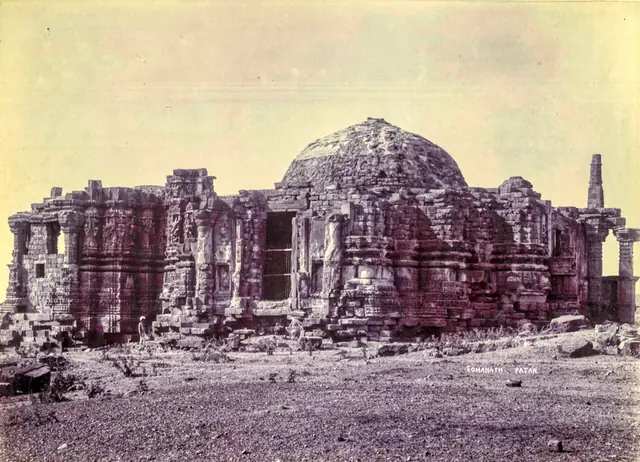 Inscription
Prabhas Patan inscription of Bhava Brihaspati
A Sanskrit record of the Pashupata acharya Bhava Brihaspati, who persuaded the Chaulukya king Kumarapala to rebuild the Somnath temple.
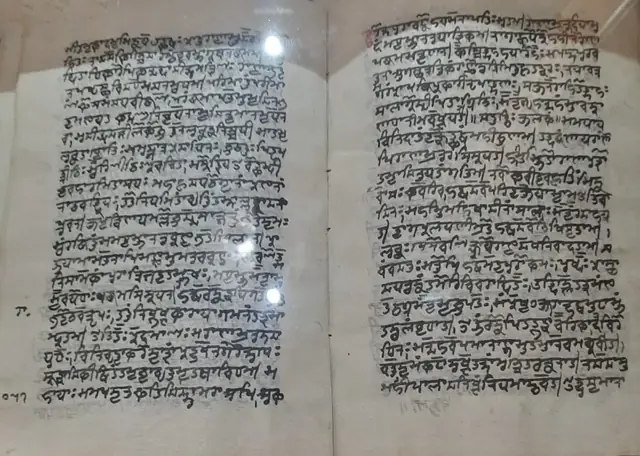 Chronicle
Prithviraja Vijaya of Jayanaka
A Sanskrit mahakavya by Jayanaka, a Kashmiri poet at the court of Prithviraj Chauhan, written in the king’s lifetime.
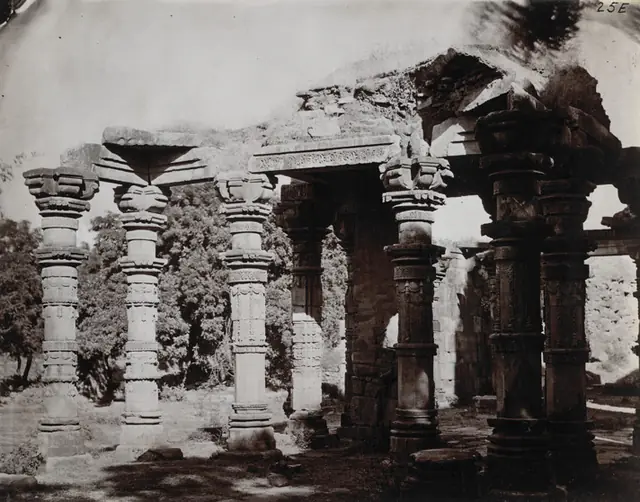 Inscription
The Quwwat-ul-Islam mosque inscription
The Persian foundation inscription of Delhi’s first mosque, which itself states that it was built from the materials of twenty-seven temples.
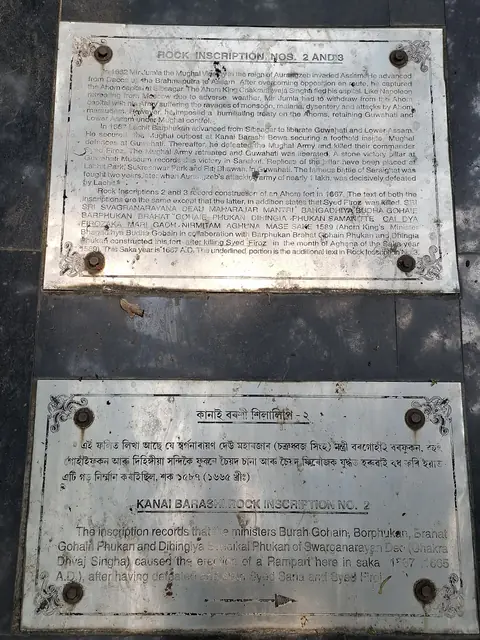 Inscription
Kanai Barasi rock inscription
A one-verse Sanskrit record cut into the rock to say that the Turks who came into Kamarupa were destroyed.
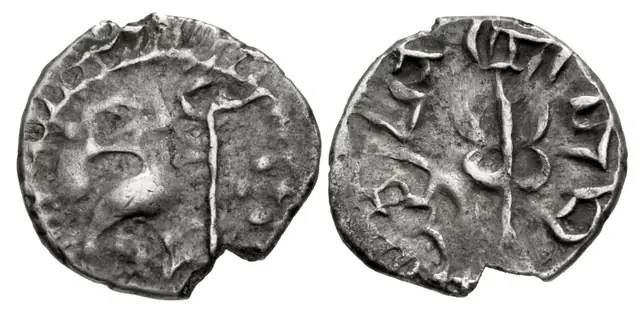 Chronicle
Chachnama
The account of Sindh under the Brahmana king Chach and his son Dahir, and of its conquest by Muhammad bin Qasim in 711–712.
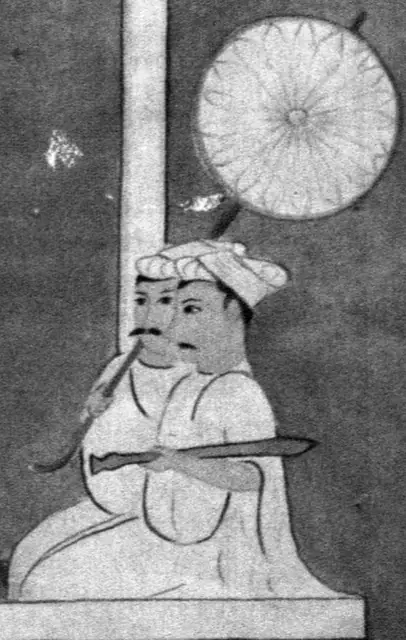 Chronicle
Ahom Buranjis
The court chronicles of the Ahom kingdom, kept year by year for six centuries from the arrival of Sukaphaa in 1228.
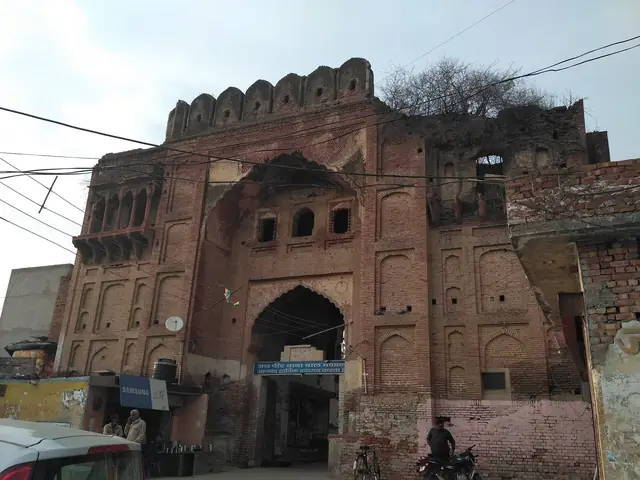 Chronicle
Tabaqat-i-Nasiri of Minhaj-i-Siraj
A general history ending with the Delhi Sultanate, the main source for the Ghurid conquest of north India.
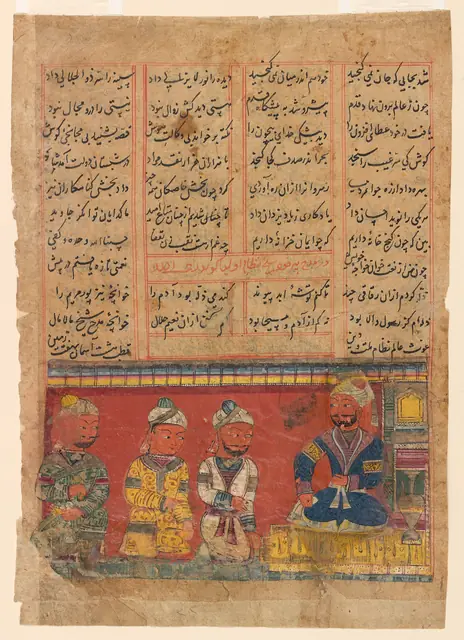 Chronicle
Khazain-ul-Futuh of Amir Khusrau
‘The Treasures of Victories’: a Persian prose account of Alauddin Khalji’s campaigns to 1311, written by an eyewitness of his court.
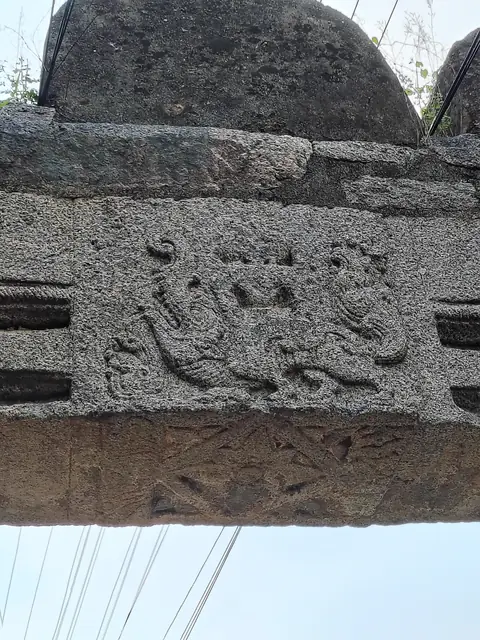 Inscription
Vilasa grant of Prolaya Nayaka
Copper plates of Prolaya Nayaka of the Musunuri family, who led the Andhra nayakas to throw off Tughluq rule after the fall of Warangal in 1323.
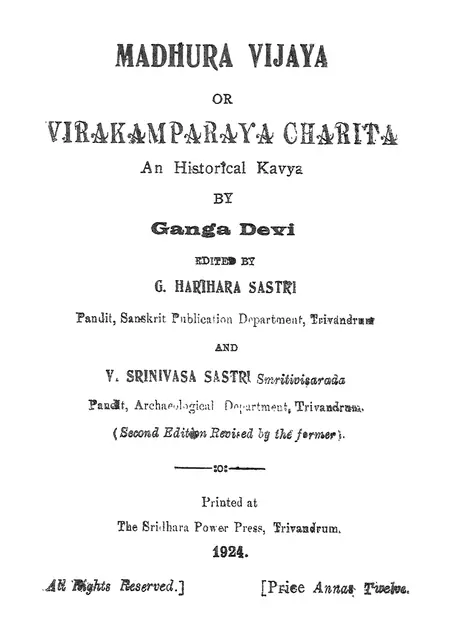 Chronicle
Madhura Vijayam of Gangadevi
A Sanskrit poem by the Vijayanagara princess Gangadevi on her husband Kumara Kampana’s conquest of the Madurai Sultanate.
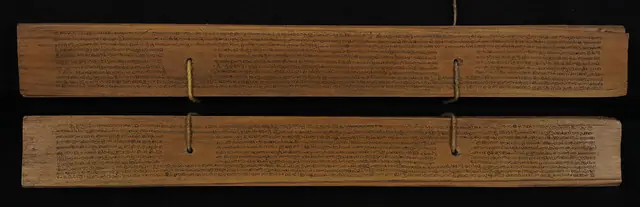 Science
The Kerala school of astronomy and mathematics
A line of teachers and pupils, begun by Madhava of Sangamagrama, who found infinite series for pi and for the sine and cosine some three centuries before Europe.
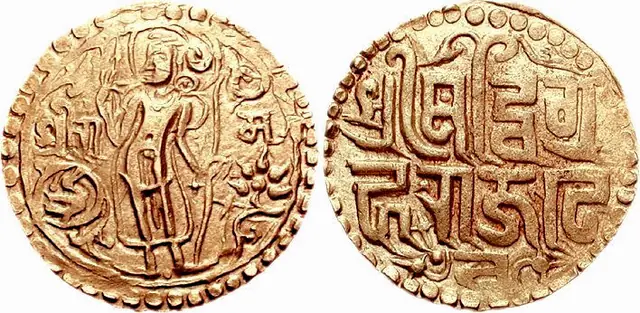 Chronicle
Kanhadade Prabandha of Padmanabha
A verse chronicle of Kanhadadeva, the Songara Chauhan king of Jalore, and his war against Alauddin Khalji.
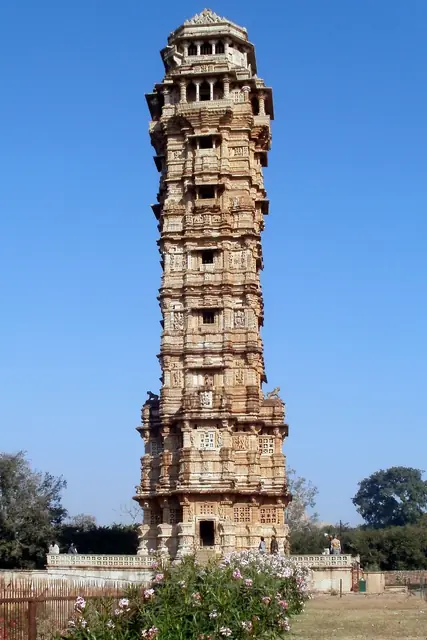 Inscription
Kirti-stambha prashasti of the Vijay Stambh, Chittor
The Sanskrit prashasti of Rana Kumbha’s nine-storey tower of victory, giving the line of the Mewar kings and their deeds.
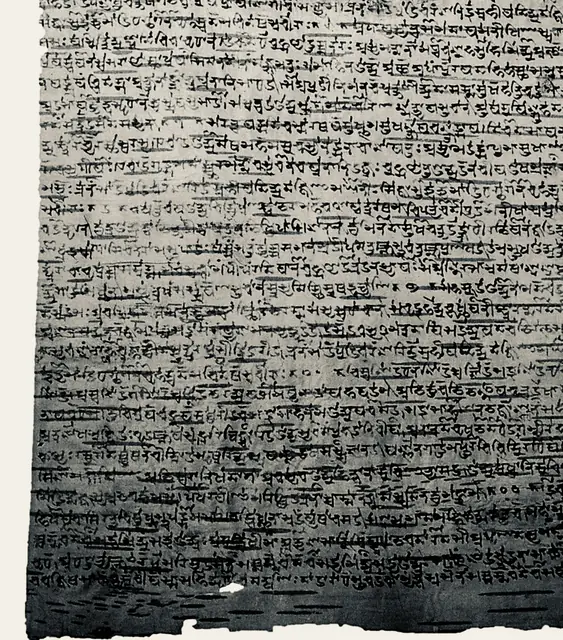 Manuscript
Rigveda manuscripts at BORI, Pune
Thirty manuscripts of the Rigveda, some with Sayana’s commentary, that UNESCO entered in its Memory of the World Register in 2007.
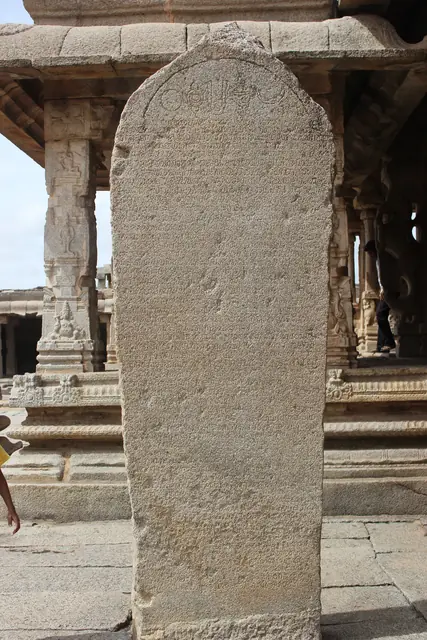 Inscription
Krishnadevaraya’s inscription at the Krishna temple, Hampi
A Kannada and Sanskrit record of the temple Krishnadevaraya built to house the image of Balakrishna he brought home from Udayagiri.
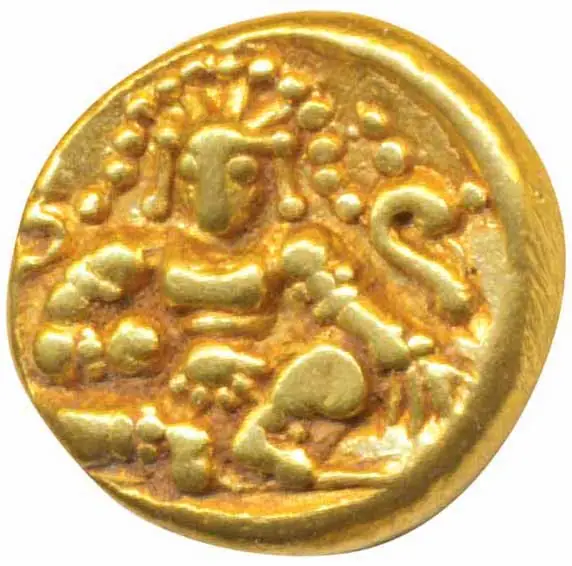 Coin
Vijayanagara gold varaha
The small, thick gold coin of Vijayanagara, called varaha after the boar on the royal seal, hon in Marathi and Kannada, and “pagoda” by the Europeans.
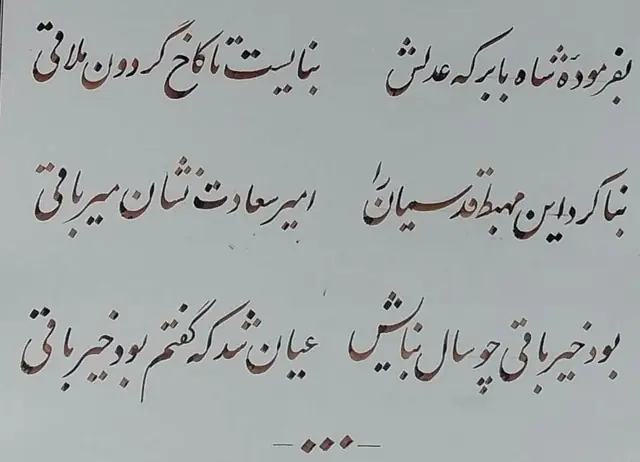 Inscription
Persian inscriptions of the Babri mosque
Two Persian verse inscriptions that named Babur as the one who ordered the mosque and Mir Baqi as its builder, in AH 935.
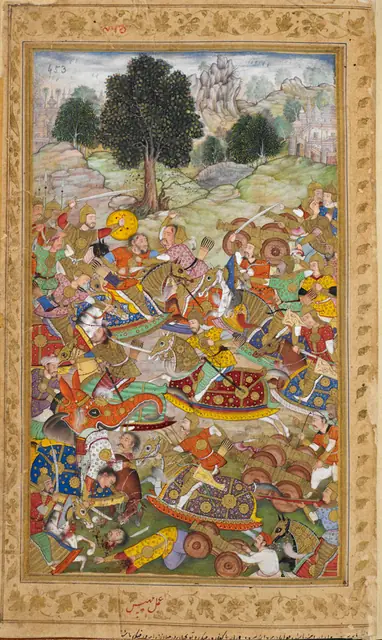 Chronicle
Baburnama
Babur’s own memoir of his wars from Ferghana to Hindustan, with his account of Panipat and Khanwa.
 Chronicle
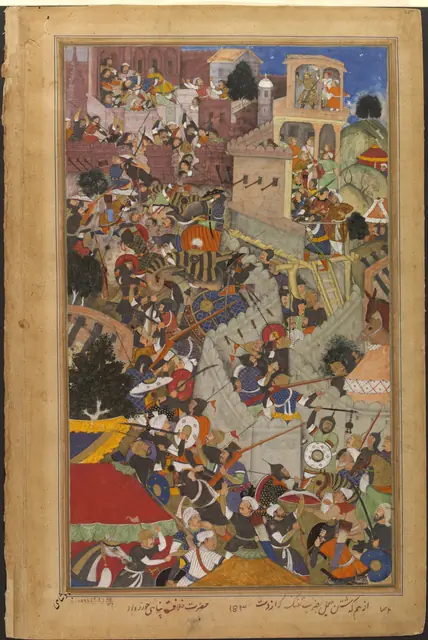
Fathnama-i-Chittor of Akbar
Akbar’s proclamation of victory after the siege of Chittor, sent out to announce the fall of Mewar’s fortress.
 Chronicle
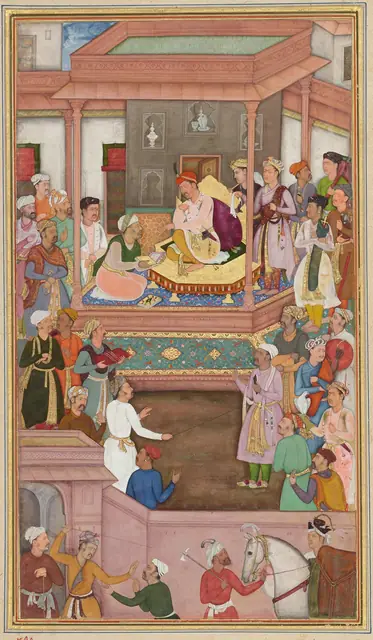
Ain-i-Akbari of Abul Fazl
A gazetteer of Akbar’s empire: its provinces, revenue, army, mints, prices and peoples.
 Chronicle
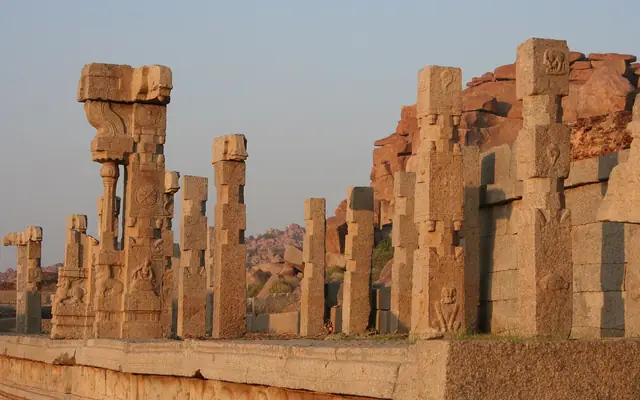
Tarikh-i-Firishta
A general history of the Muslim rulers of India, strongest on the Deccan sultanates and their wars with Vijayanagara.
 Chronicle
Badshahnama of Abdul Hamid Lahori
Shah Jahan’s court chronicle, year by year, with campaigns, buildings and orders of state.
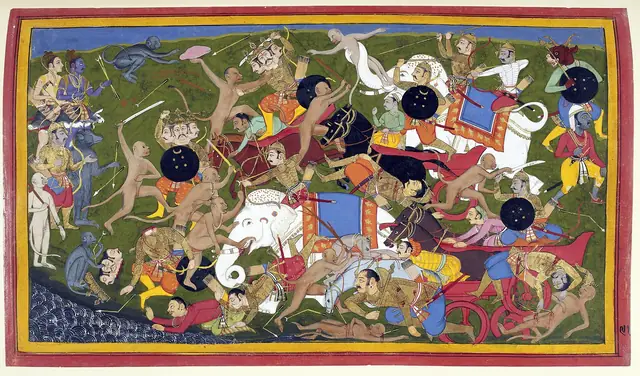 Manuscript
The Mewar Ramayana
Valmiki’s Ramayana in more than four hundred paintings, made at the Sisodia court while Mewar still refused to bow to the Mughals in spirit.
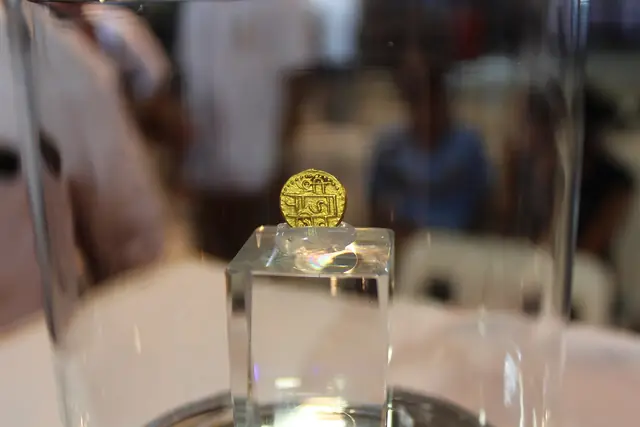 Coin
Shivaji’s Shivrai hon
The gold coin of the new Hindavi Swarajya, with the king’s name and title in Devanagari and no reference to any Mughal overlord.
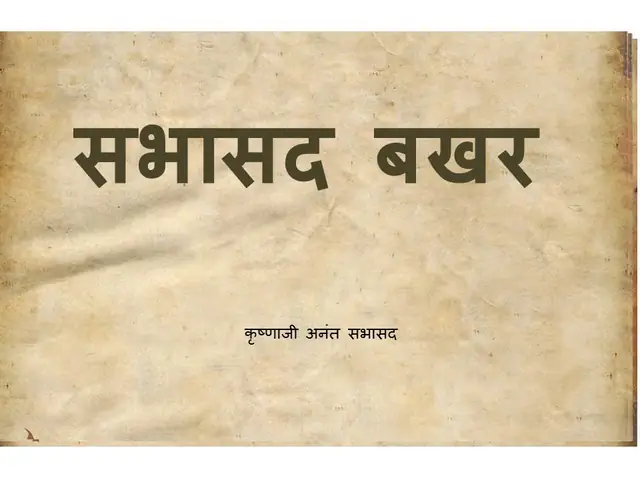 Chronicle
Sabhasad Bakhar
The earliest surviving life of Chhatrapati Shivaji, written by a man who had served him.
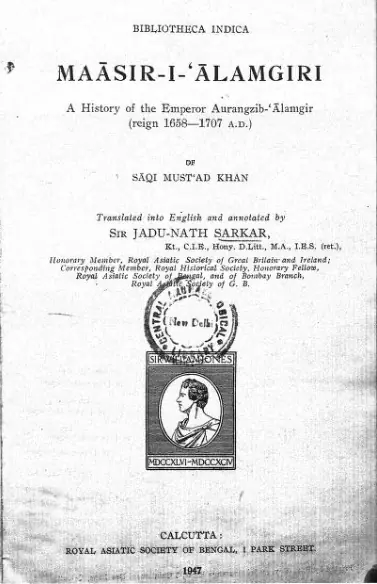 Chronicle
Maasir-i-Alamgiri
The official history of Aurangzeb’s fifty-year reign, year by year.
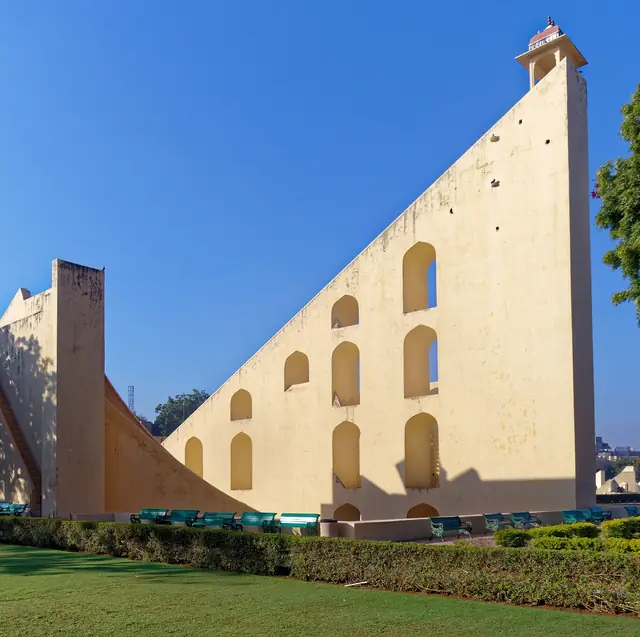 Science
Jantar Mantar observatories
Giant instruments of masonry, built to measure time and the positions of the sun, moon and stars with the naked eye.
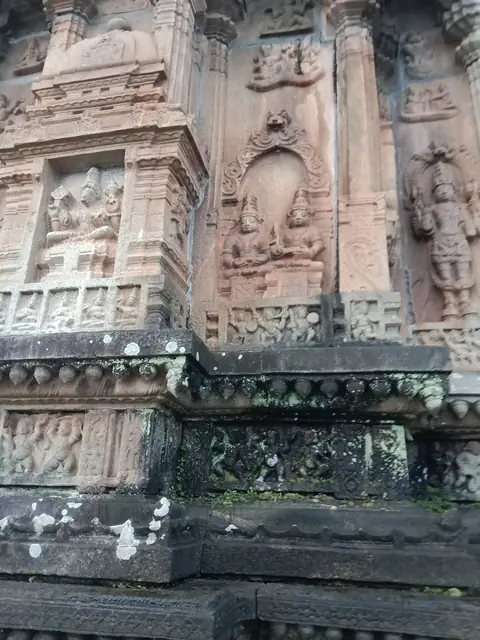 Manuscript
Tipu Sultan’s letters to the Sringeri math
About thirty letters from Tipu Sultan to the Jagadguru of Sringeri, among them his reply after Maratha horsemen raided the math in 1791.
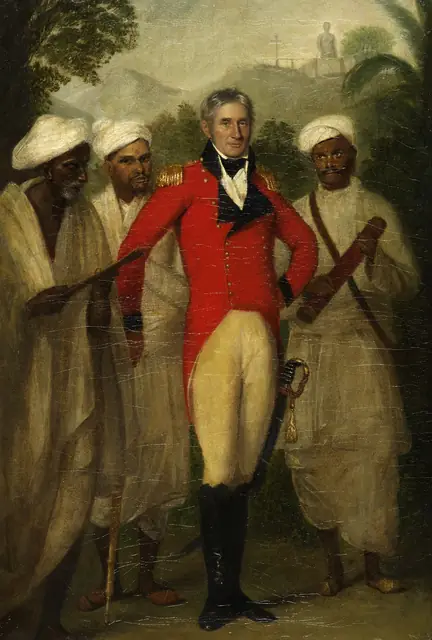 Manuscript
The Mackenzie manuscripts
The largest collection of South Indian manuscripts, local histories and copied inscriptions ever made, much of it recorded from village elders, temple priests and family archives.
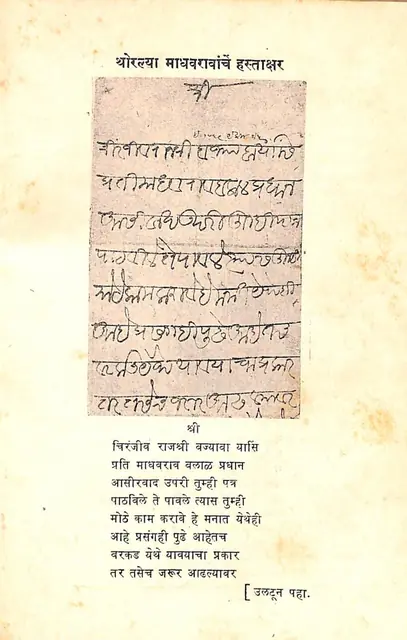 Manuscript
The Peshwa Daftar
The archive of the Maratha state under the Peshwas: accounts, orders and letters in Marathi, mostly in Modi script, bundled in cloth rumals.
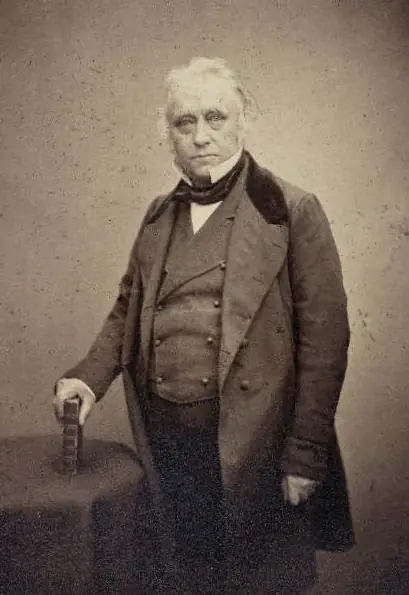 Chronicle
Macaulay’s Minute on Education
The paper that turned Company money away from Sanskrit and Arabic learning to English education, accepted by Lord William Bentinck’s resolution of 7 March 1835.
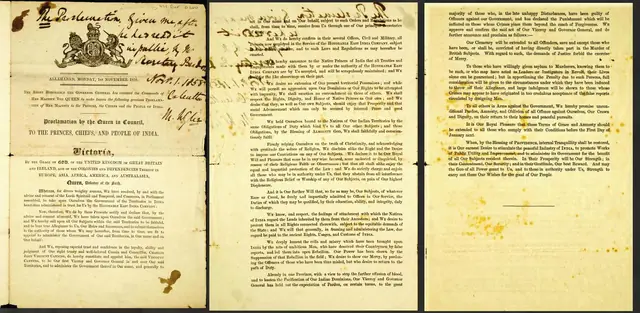 Chronicle
Queen Victoria’s Proclamation of 1858
The proclamation by which the British Crown took over the government of India from the East India Company after the war of 1857.
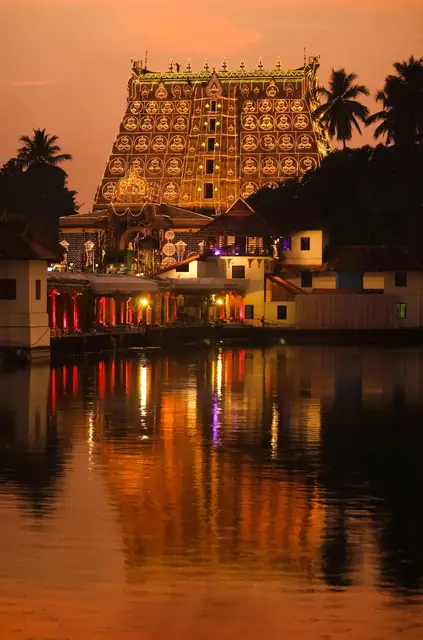 Chronicle
Malabar Manual of William Logan
A two-volume district manual that gathers Malabar’s history, land tenures and records, with a long account of the Mysorean conquest.
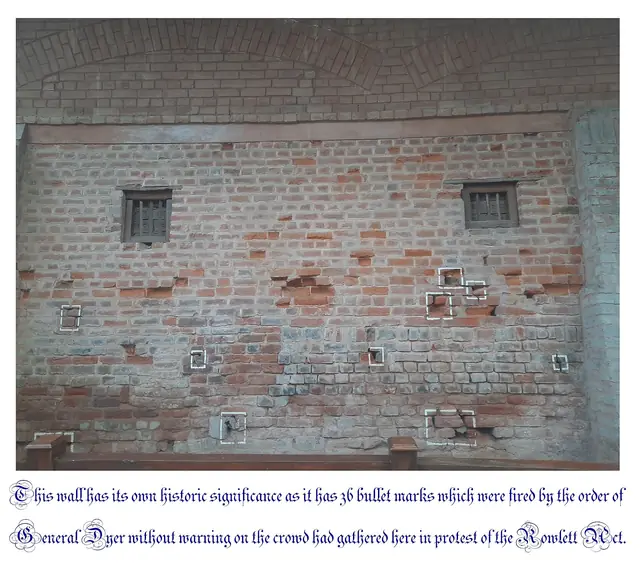 Chronicle
Report of the Hunter Committee
The official inquiry into the Punjab disturbances of 1919, before which General Dyer described in his own words the firing at Jallianwala Bagh.
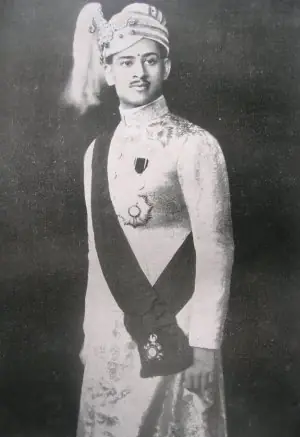 Chronicle
Temple Entry Proclamation of Travancore
The royal order that opened every temple under the Travancore government to all Hindus, whatever their caste.
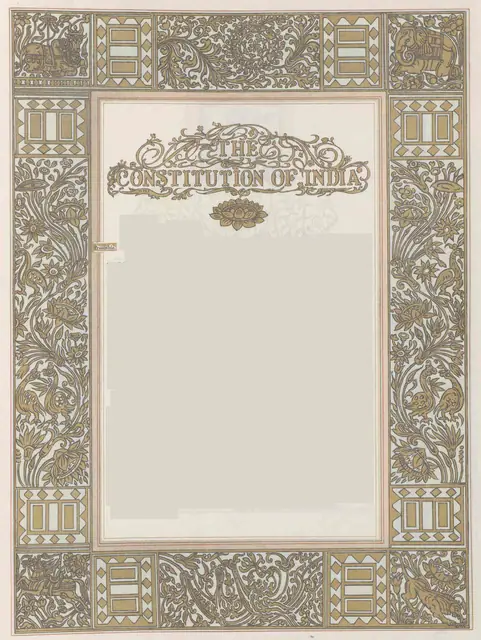 Manuscript
The hand-written Constitution of India
The original Constitution, written out by hand and illustrated with scenes from five thousand years of Bharat, from the Sindhu seals to the freedom struggle.
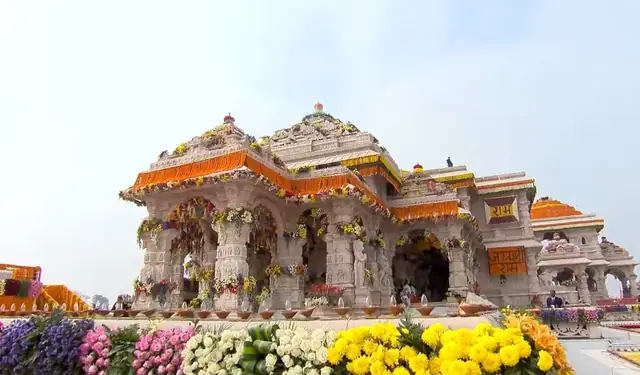 Excavation
ASI excavation at Ayodhya, 2003
A court-ordered excavation beneath the Babri structure that found the remains of a large pillared building under it.
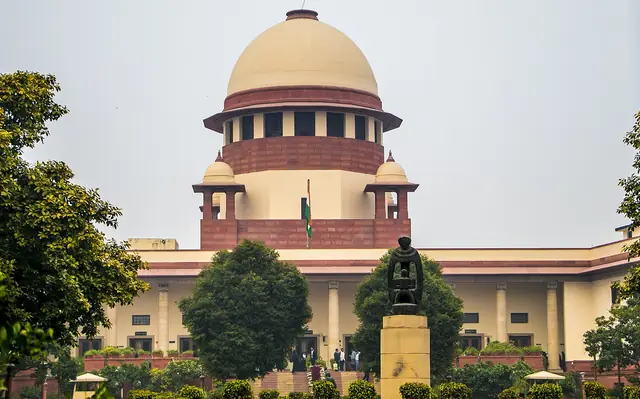 Chronicle
Supreme Court judgment on Ayodhya, 2019
The unanimous judgment that gave the 2.77-acre Janmabhoomi site to Ram Lalla Virajman, to be built on by a trust, and five acres elsewhere in Ayodhya for a mosque.
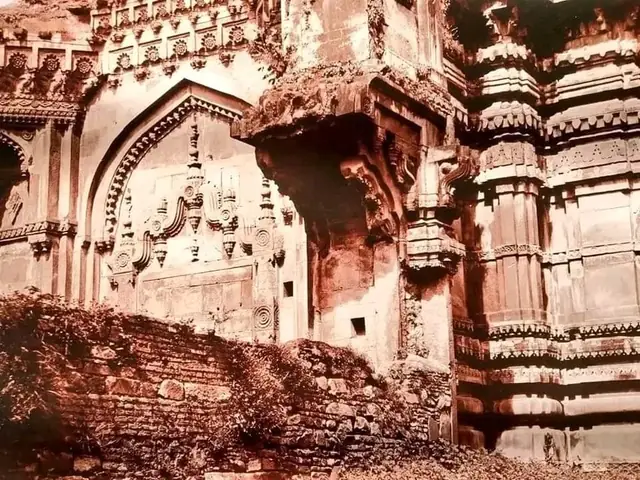 Excavation
ASI scientific survey of the Gyanvapi complex
The Archaeological Survey of India’s study of the mosque beside Kashi Vishwanath, which concluded that a large Hindu temple stood there before the present structure.