What it says
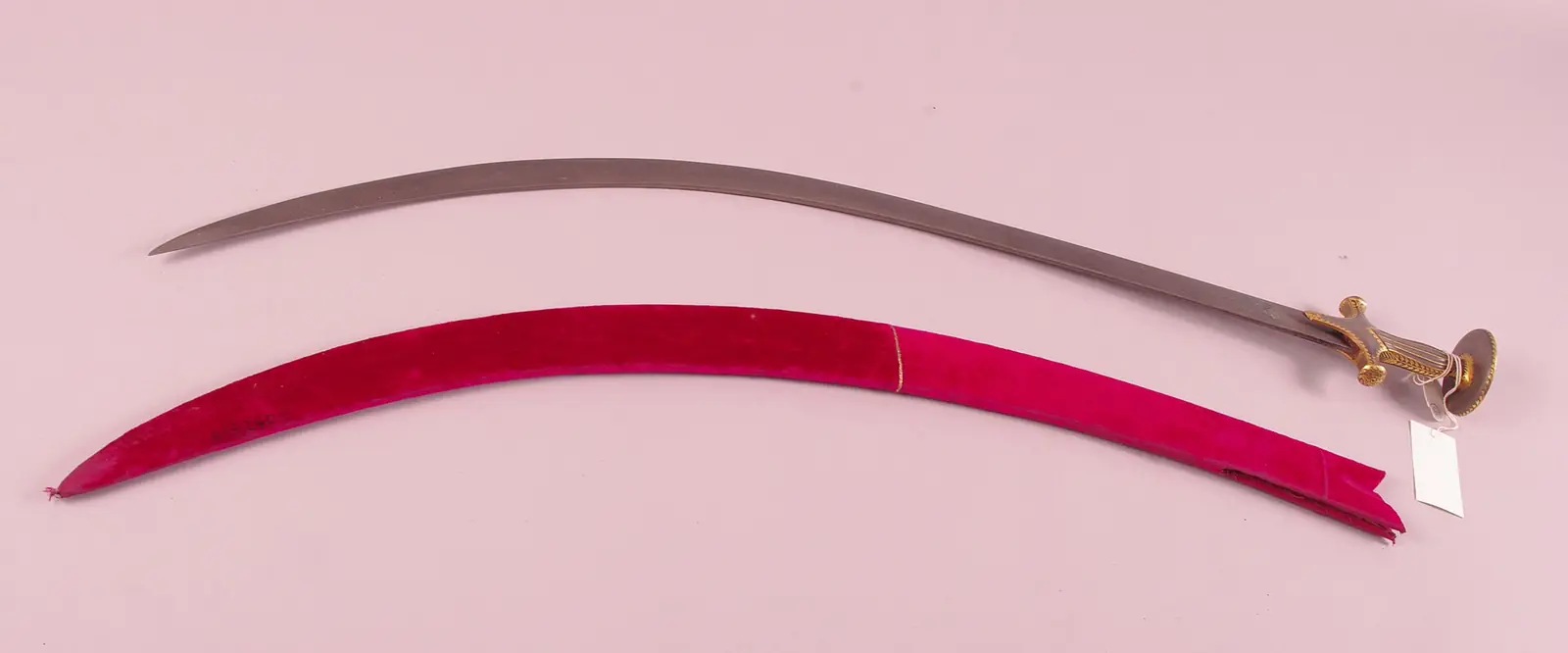
Iron was sealed in clay crucibles with wood and leaves, heated for hours and cooled slowly, giving small cakes of steel rich in carbon. Forged with care, the steel showed a watered pattern on the blade. The English name comes from the Kannada “ukku”. George Pearson reported on samples to the Royal Society in 1795, and Michael Faraday tried to copy it. In 2006 carbon nanotubes were found in a 17th-century sabre of this steel.
What it proves
It shows South Indian smiths making the finest steel of the ancient and medieval world, sought from Persia to Europe.