01Sindh and the first raids
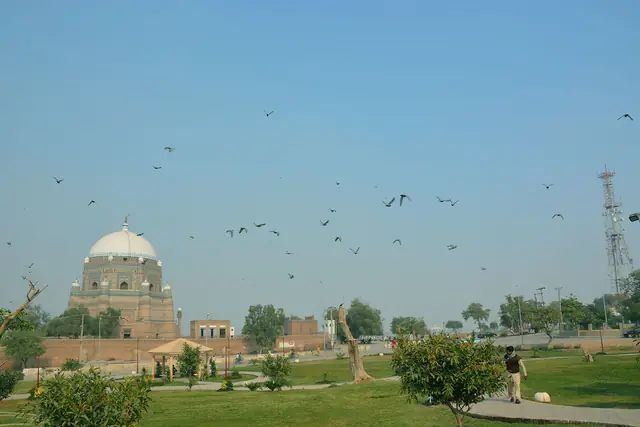
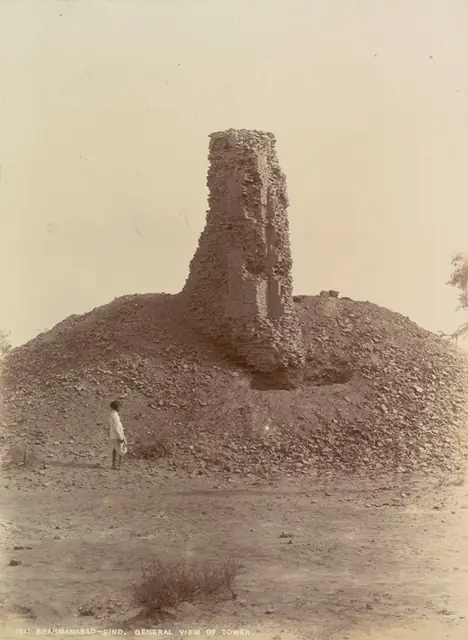
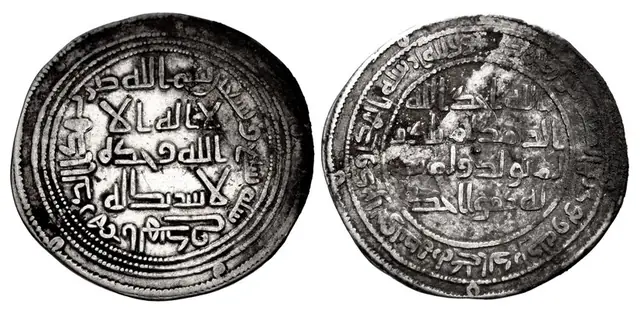
Al-Baladhuri, writing in Baghdad in the 9th century, records the first Arab expedition against the coast of Bharat: a naval raid on Thana in 636, followed by attempts on Broach and Debal. For seventy years the Arabs probed the Makran and Sindh frontier and were turned back. In 712 Muhammad bin Qasim took the port of Debal, broke its temple, and defeated Raja Dahir near Rawar. Dahir fell in battle; his queen, by the account of the Chach Nama, led the defence of the fort and chose fire over capture. Multan fell next. Its great Sun temple was left standing because the conquerors drew revenue from its pilgrims, Baladhuri says, until a later Ismaili ruler broke the idol in the 10th century, as al-Biruni records.
02The wall of the Pratiharas
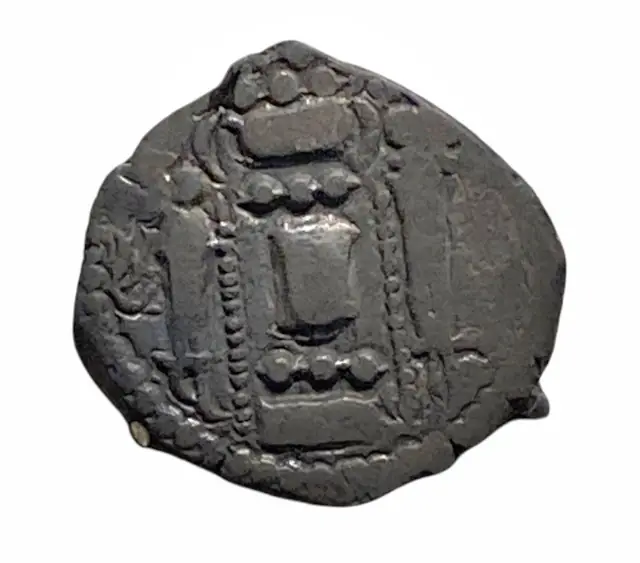
The Arab governors of Sindh pushed east in the 720s and 730s, into Marwar, Malwa and Gujarat. They were stopped. Nagabhata I of the Gurjara-Pratiharas threw them back from Ujjain; the Gwalior prashasti of Mihira Bhoja remembers him as the one who crushed the armies of the mlechchhas. In Mewar, the Guhila house honours Bappa Rawal for the same years. In the south of Gujarat, the Chalukya prince Avanijanashraya Pulakeshin defeated the Tajikas, and his Navsari copper plates of 739 say so. After this the Pratiharas held a shield across northern Bharat for nearly two centuries. The Arab traveller Sulaiman, around 851, called their king the greatest foe of Islam in Hind, with the finest cavalry he had seen.
03The Hindu Shahis at the gate
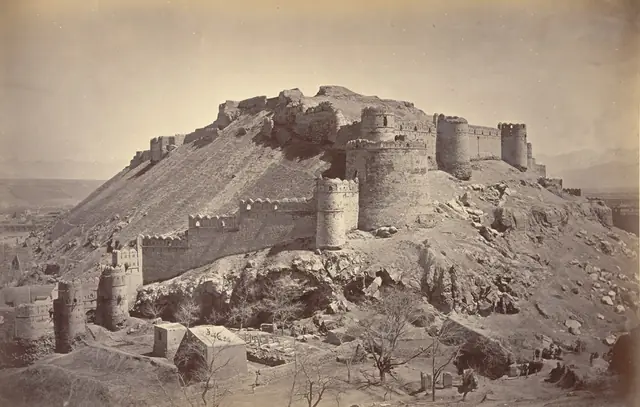
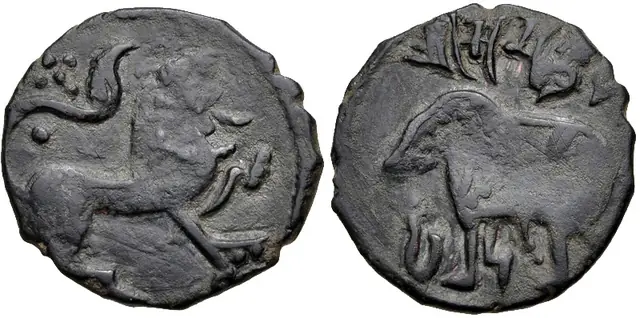
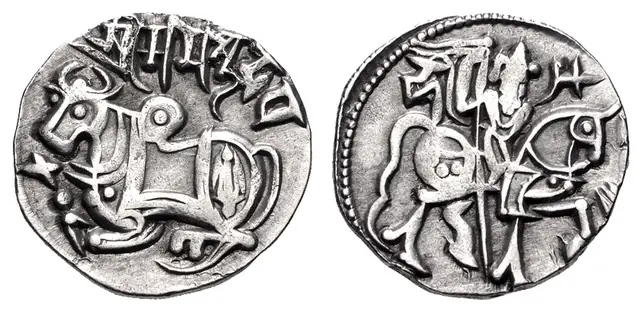
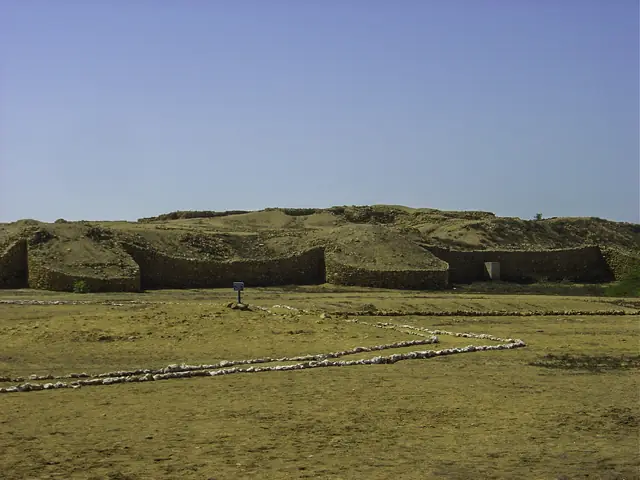
From Kabul and then from Udabhandapura on the Indus, the Hindu Shahi kings guarded the passes for more than a century. Jayapala fought Sabuktigin of Ghazni more than once. On 27 November 1001 he met Sabuktigin’s son Mahmud near Peshawar, was defeated and captured, and after his release gave the throne to his son Anandapala and ended his own life on a pyre. Anandapala gathered help from other Hindu kings and fought again in 1008 and lost. Trilochanapala carried the war into the Punjab hills and fell in 1021. With Bhimapala’s death in 1026 the house ended. Al-Biruni, who knew their record well, wrote that this noble Hindu dynasty never let slip the desire to do what is good and right.
04Mahmud, Somnath and the temple towns
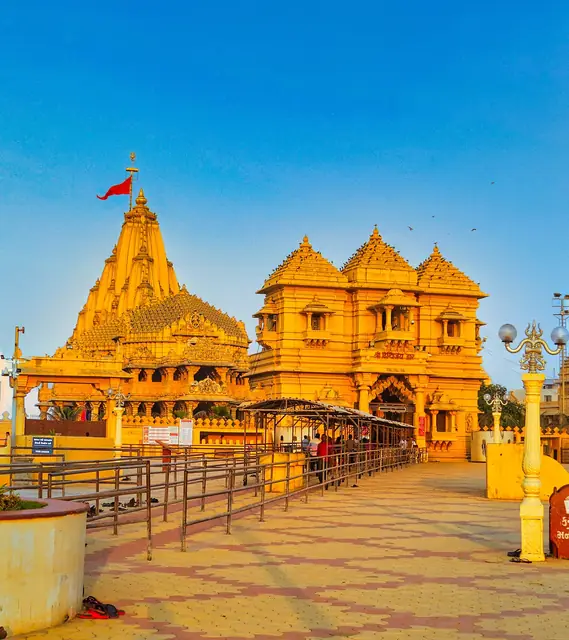
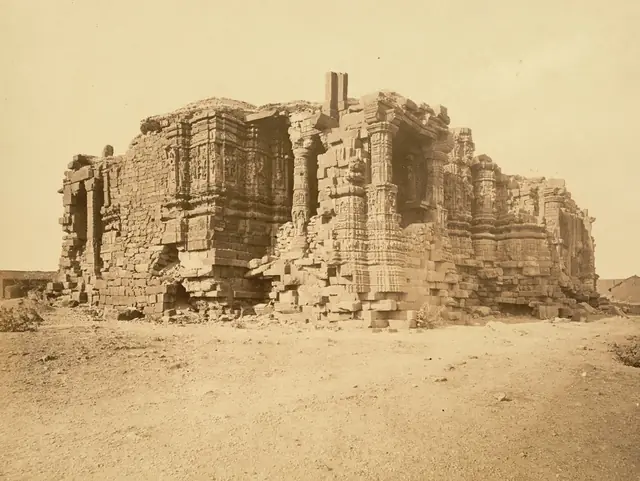
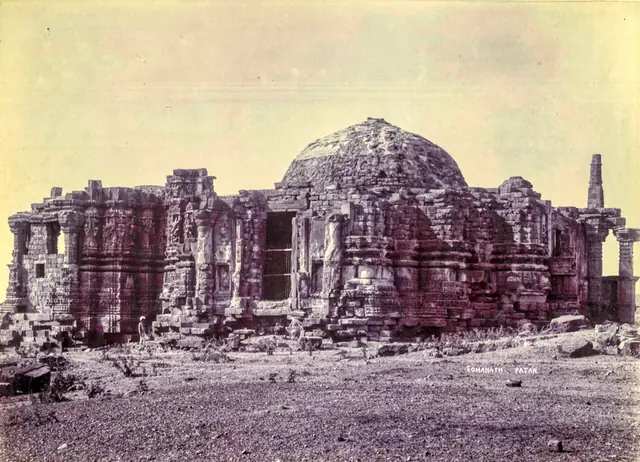
Mahmud of Ghazni raided Bharat seventeen times between 1000 and 1027. His secretary al-Utbi, in the Tarikh-i-Yamini, records the sack of Nagarkot (1009), Thanesar (1014), whose Chakraswamin image, al-Biruni adds, was carried to Ghazni, and Mathura and Kanauj (1018), where temples were plundered and burned. In January 1026 Mahmud reached Somnath on the Saurashtra coast; defenders fought for the temple for days before it fell, the linga was broken and the treasure carried to Ghazni, as Ibn al-Athir and al-Biruni record. Al-Biruni, who lived at Mahmud’s court, wrote that Mahmud utterly ruined the prosperity of the country, and the Hindus became like atoms of dust scattered in all directions.
05The kings who held
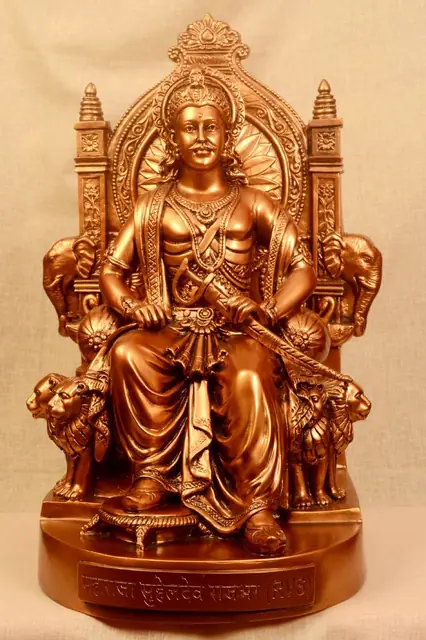
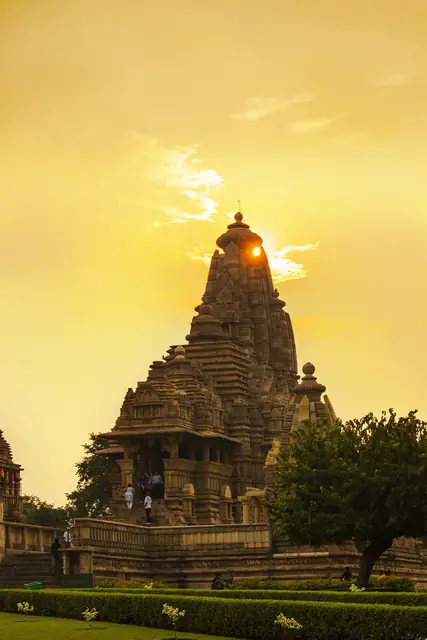
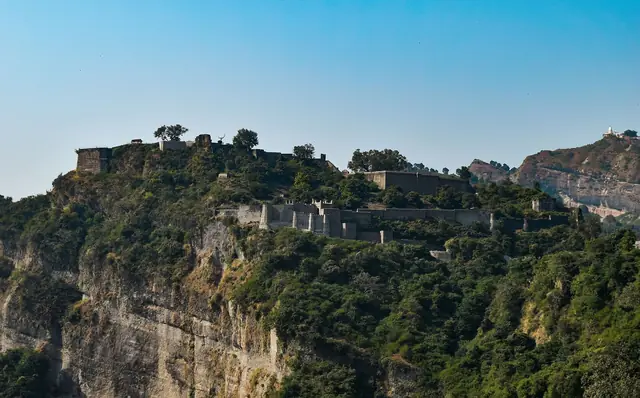
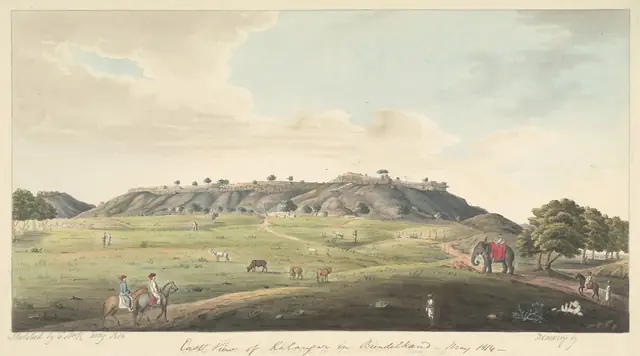
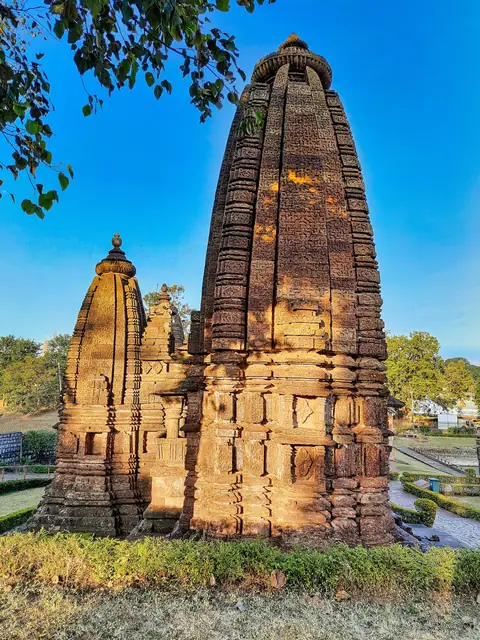
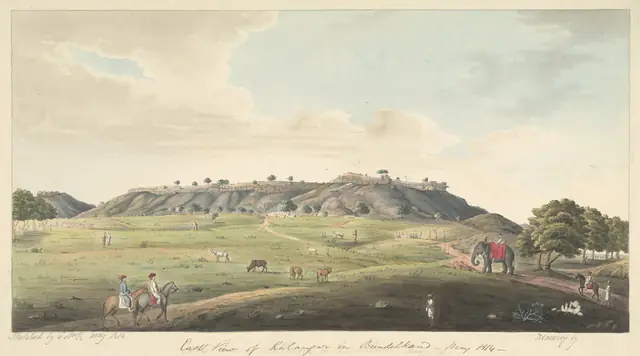
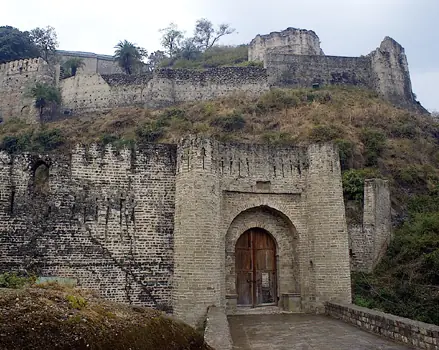
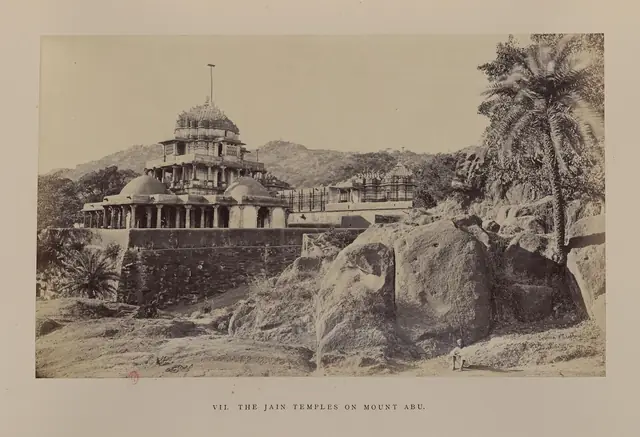
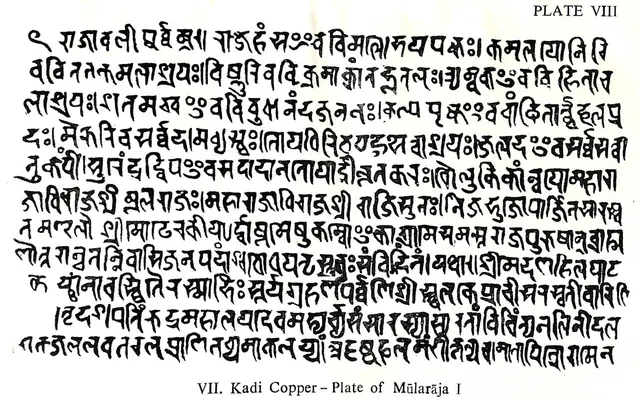
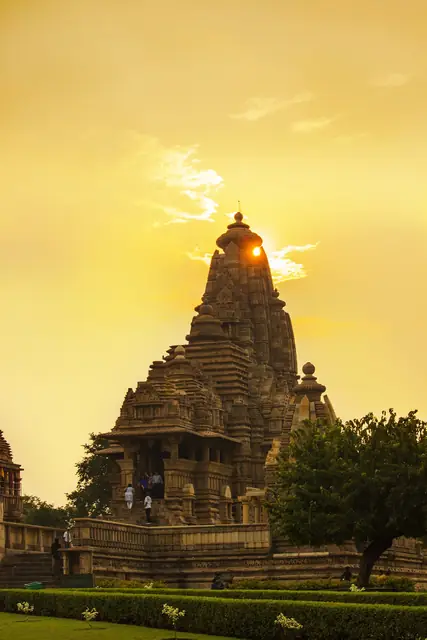
Mahmud never took Kashmir. Twice, in 1015 and 1021, his army broke against the fort of Lohkot in the Pir Panjal and turned back, as Kalhana and the Persian chroniclers both record. At Kalinjar, Vidyadhara Chandela faced him in 1019 and again in 1022 and kept his kingdom; Khajuraho’s Kandariya Mahadeva rose in his reign. In Awadh, the memory of Raja Suheldev, who is remembered for destroying the army of Salar Masud at Bahraich in 1033, lives in folk song and in the later Persian Mirat-i-Masudi. In Gujarat, Bhima I of the Chaulukyas returned to rebuild Somnath. In 1178 the queen mother Naiki Devi led Gujarat’s army at Kasahrada below Mount Abu and routed Muhammad Ghori so badly that he never came that way again.
06Rebuilding, again and again
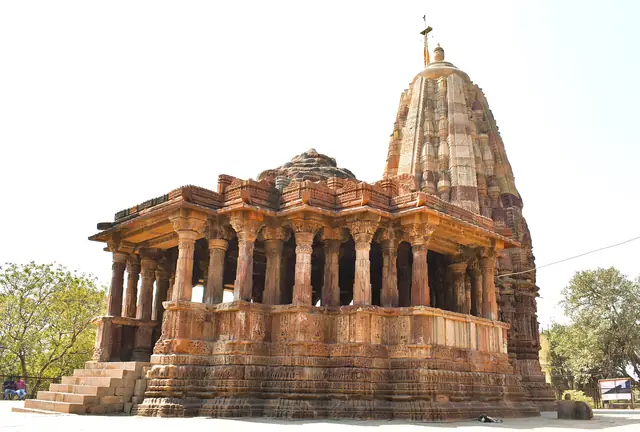
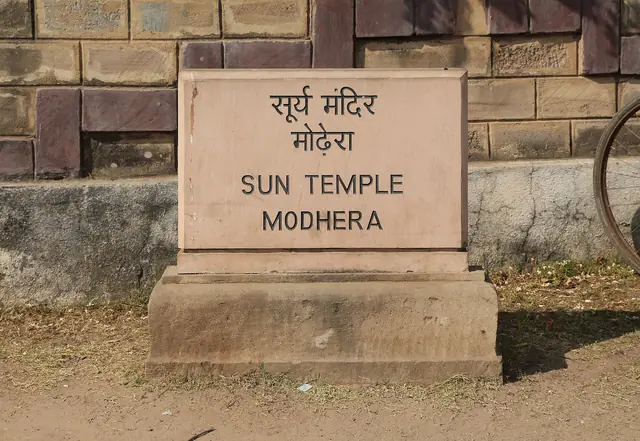
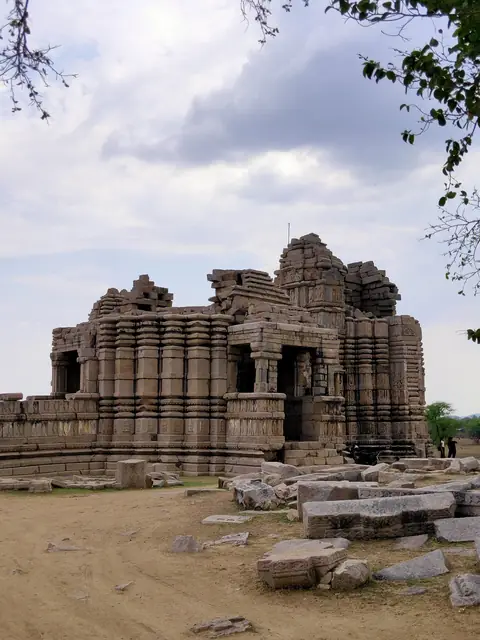
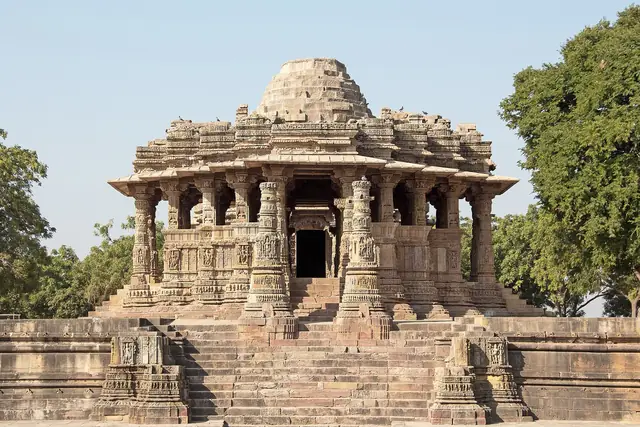
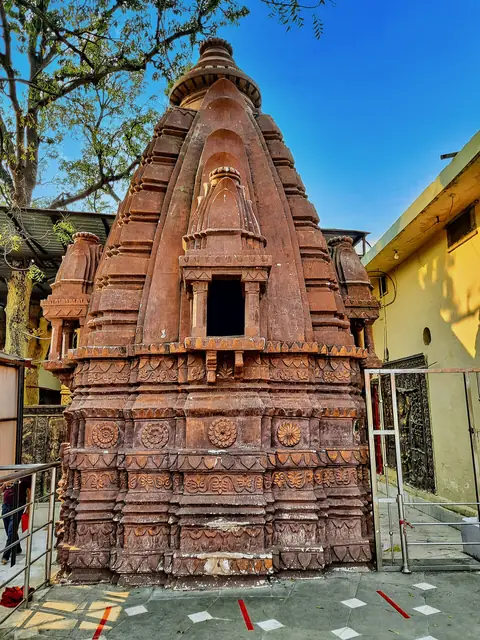
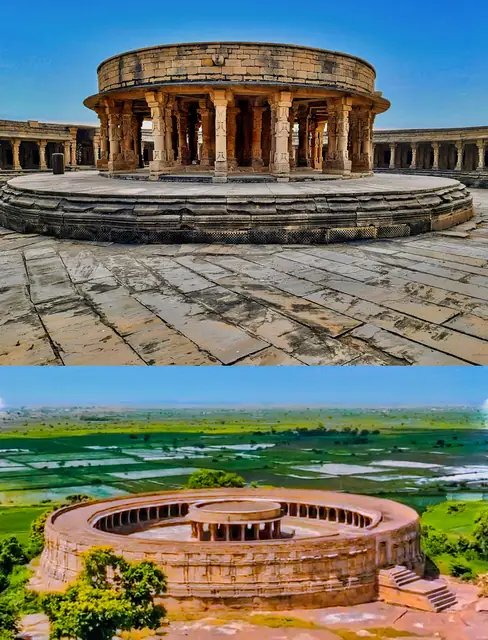
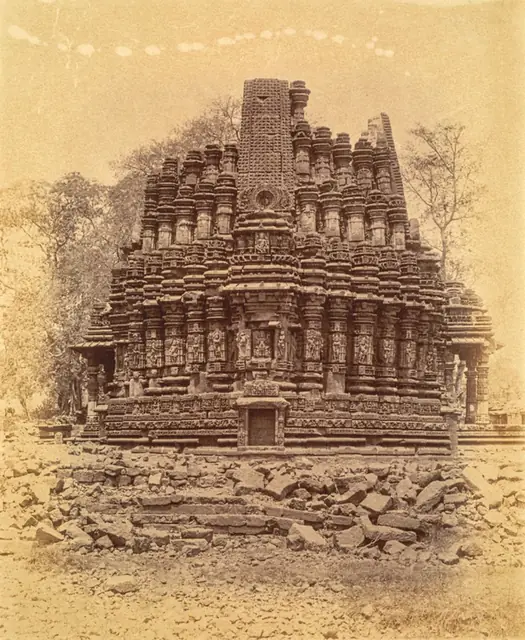
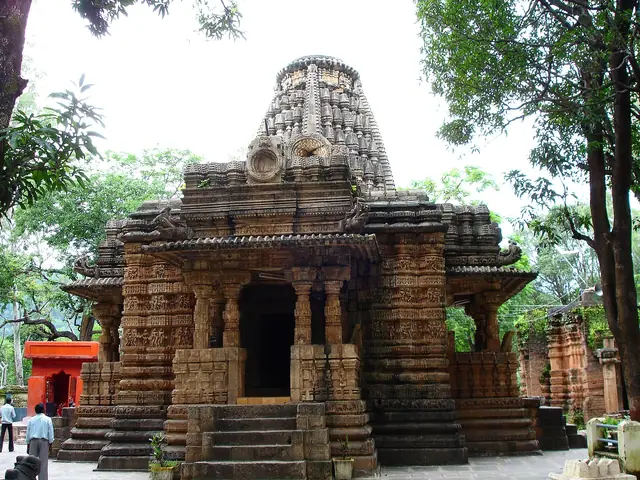
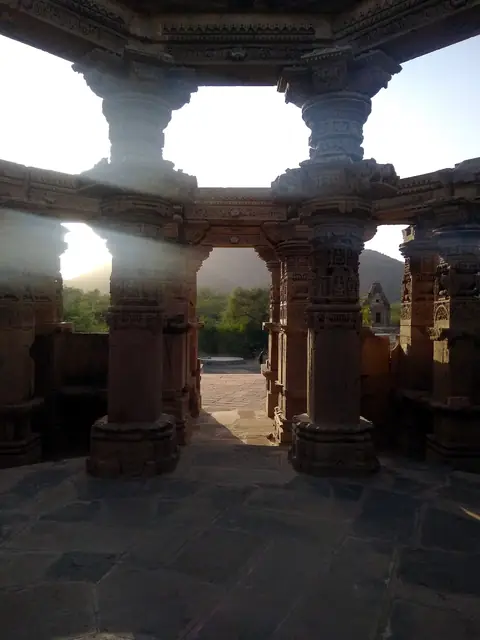
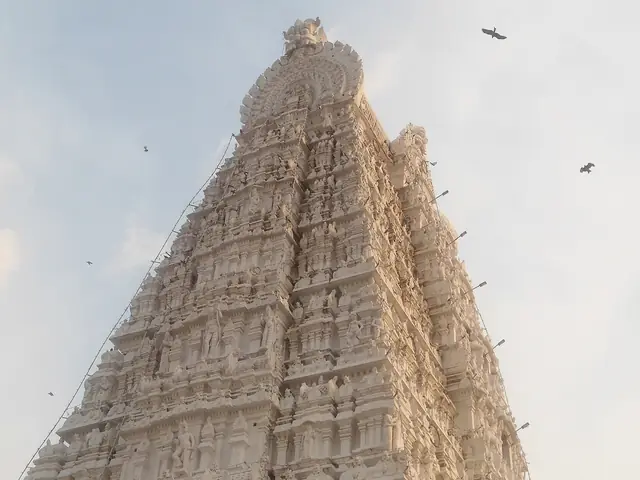
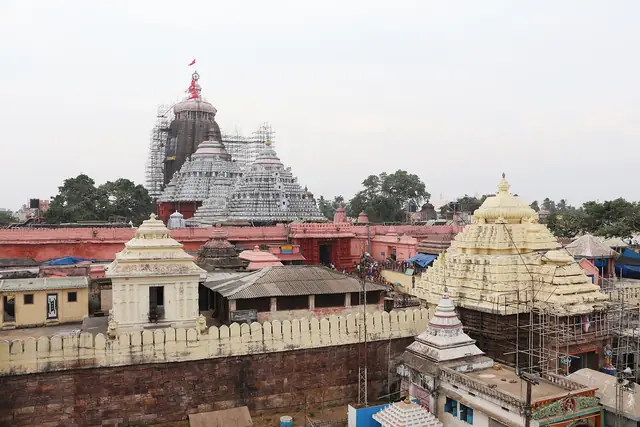
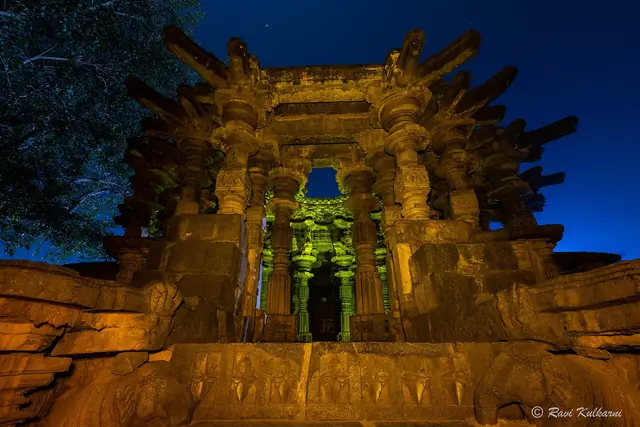
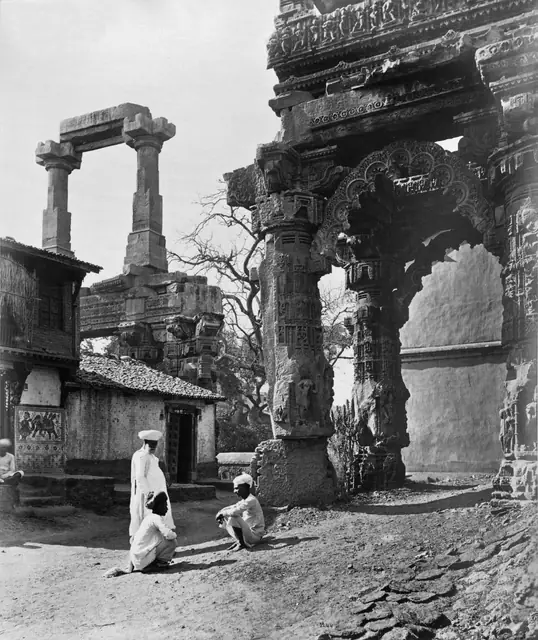
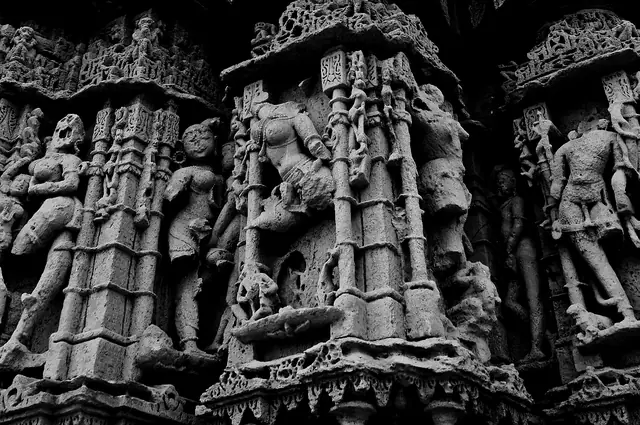
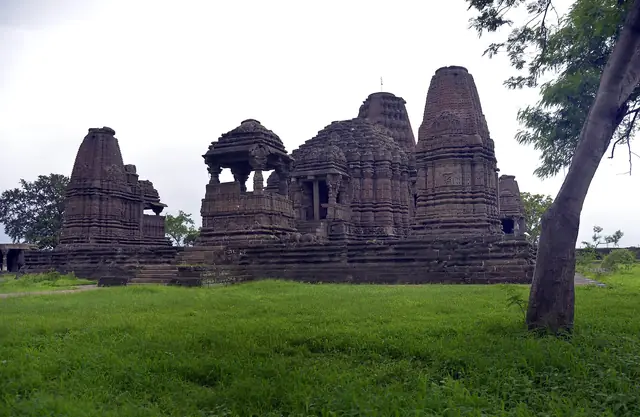
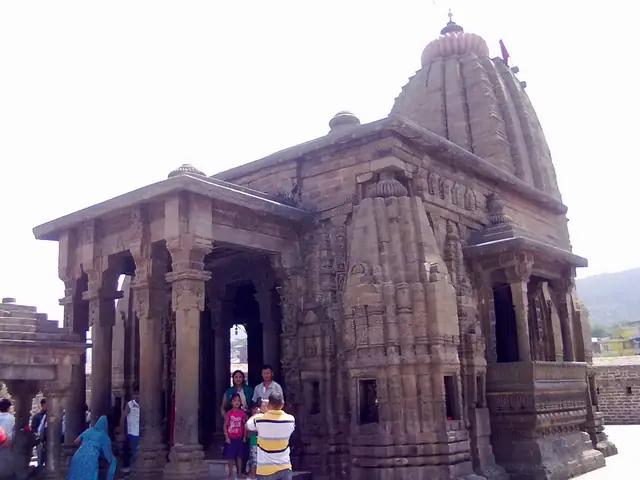
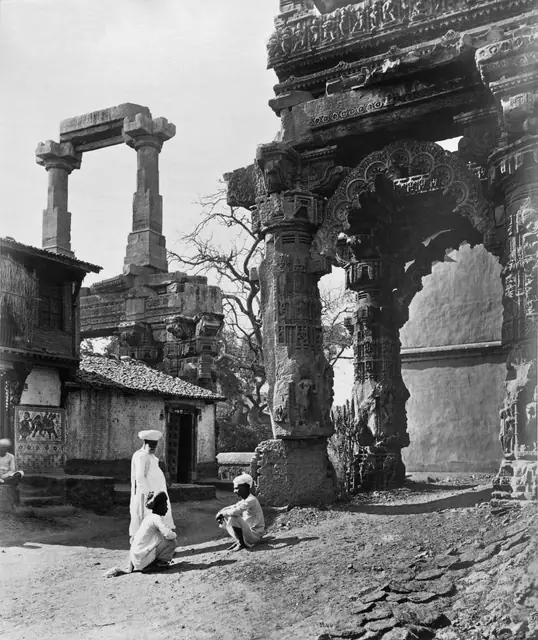
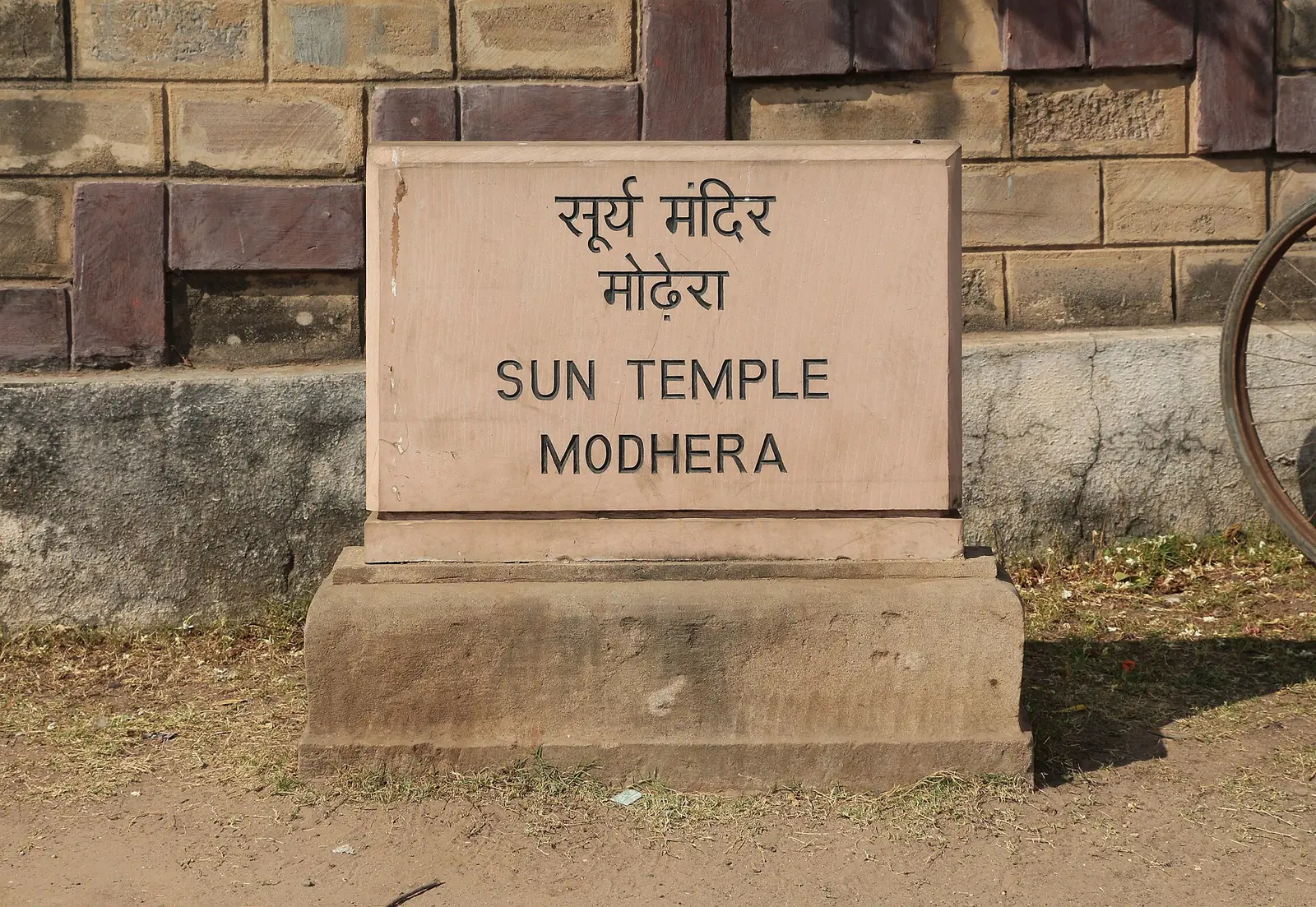
Every raid was followed by builders. The Sun temple at Modhera, with its stepped tank of a hundred and eight shrines, carries a date of Vikram Samvat 1083, that is 1026–27, the very year Somnath was broken. Somnath itself was raised again in stone; the Bhava Brihaspati prashasti at Prabhas Patan, dated 1169, records Kumarapala’s great rebuilding. This was the century of Khajuraho, of the Lingaraja at Bhubaneswar, of Raja Bhoja’s unfinished Shiva temple at Bhojpur with its linga of a single stone. At Puri, Anantavarman Chodaganga of the Eastern Gangas began the Jagannath temple that still stands. The temple-building of the north slowed only where the raids came year after year.
07Acharyas, poets and the living faith
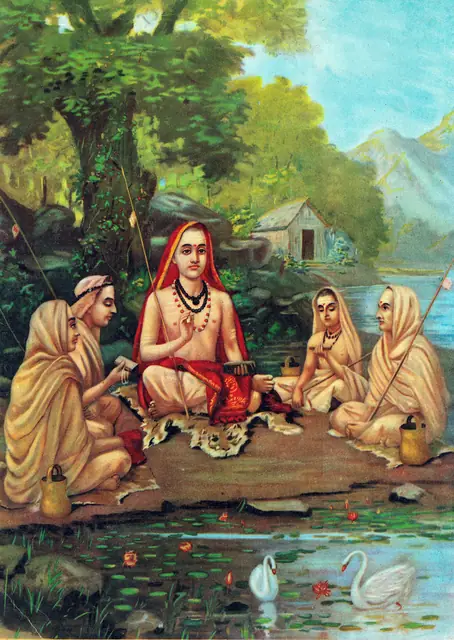
These centuries were also among the most fertile in Sanatan thought. Adi Shankaracharya’s four mathas stood at the four corners of Bharat; the Amnaya Mathas date him to c. 509–477 BCE, while another widely used reckoning places him in 788–820 CE. In Kashmir, Abhinavagupta wrote the Tantraloka. In the south, Nathamuni gathered the four thousand hymns of the Alvars, Nambi Andar Nambi the Tirumurai of the Nayanars, and Ramanujacharya taught Vishishtadvaita from Srirangam. Basava’s vachanas rang out in Kalyana in the 12th century. Jayadeva sang the Gita Govinda in Bengal, and Kalhana finished the Rajatarangini in 1148–49, the first history of a Hindu kingdom written as history.
08Science, trade and the sea
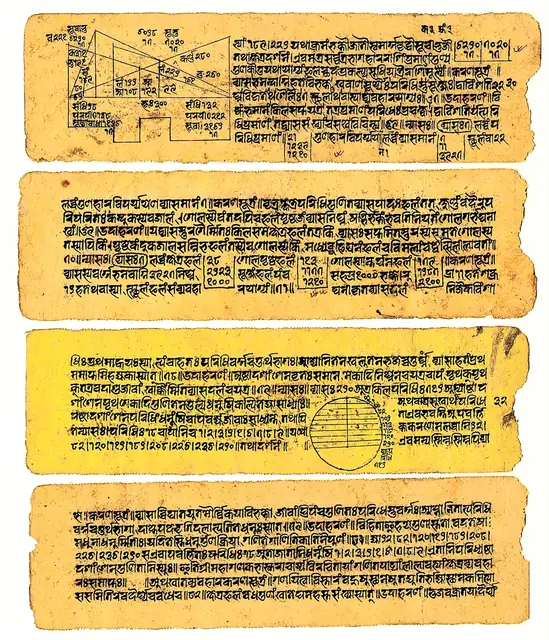
In 1150 Bhaskaracharya completed the Siddhanta Shiromani; its Lilavati, a book of arithmetic set as verses addressed to a girl, is still read. Raja Bhoja of Dhara is credited with the Samarangana Sutradhara on architecture. Al-Biruni came with Mahmud’s army, learned Sanskrit, and wrote his Kitab al-Hind around 1030, a careful record of Hindu astronomy, calendars and philosophy. Gujarat’s ports at Cambay and Somnath traded with Arabia and Africa; Chola fleets still sailed east. The wealth that drew the raiders came from this: temple treasuries filled by pilgrims, guilds, and the cotton, indigo and spice of a productive land.
09Tarain, 1191–92
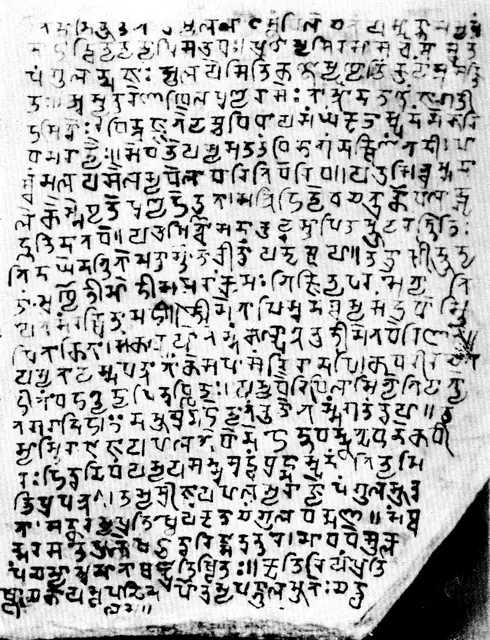
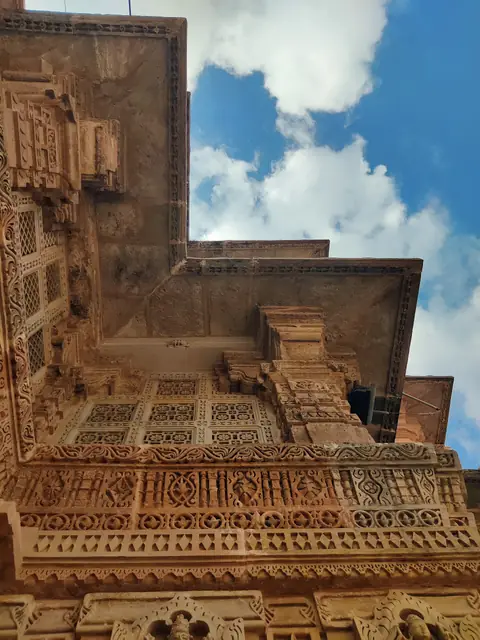
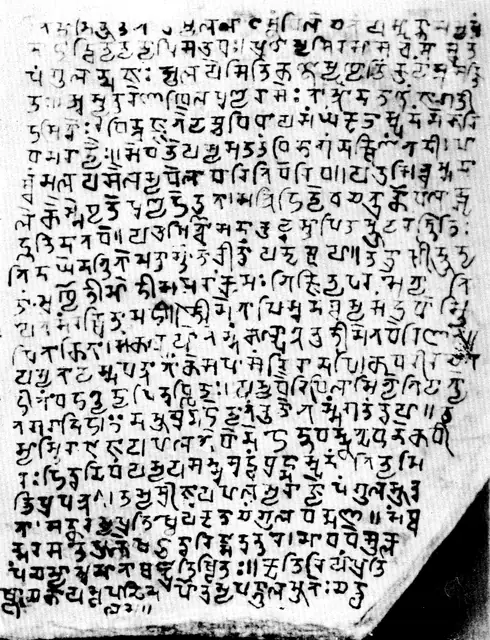
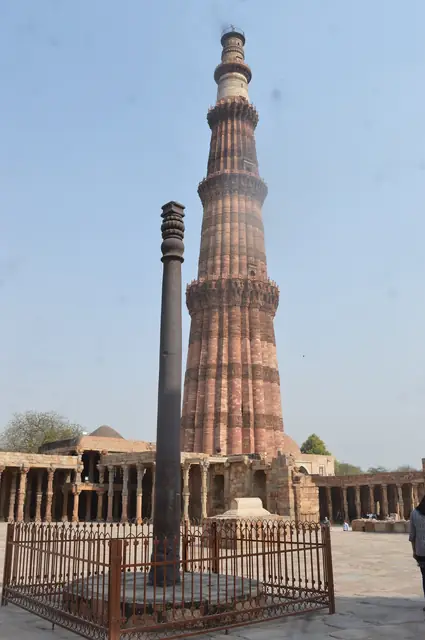
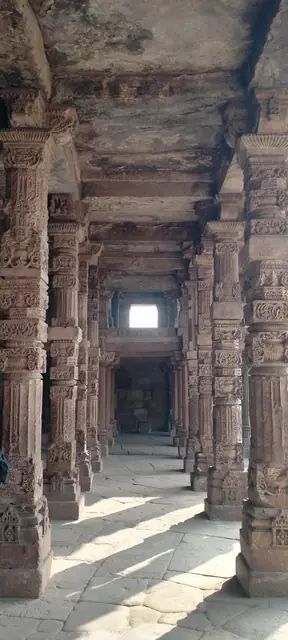
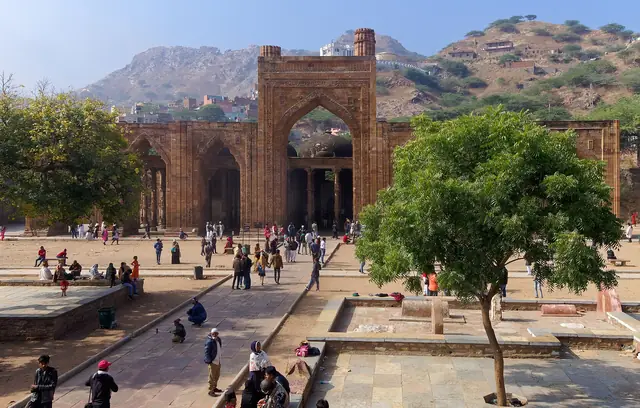
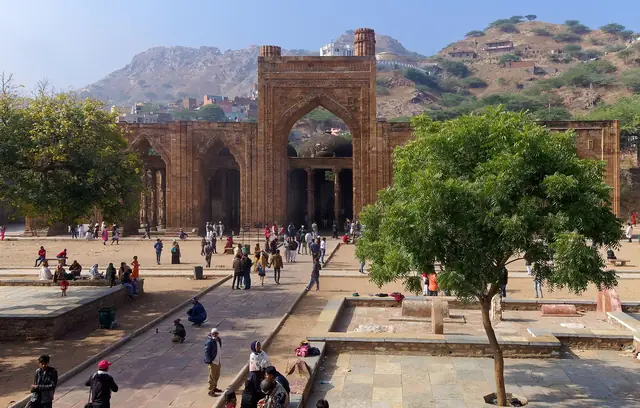
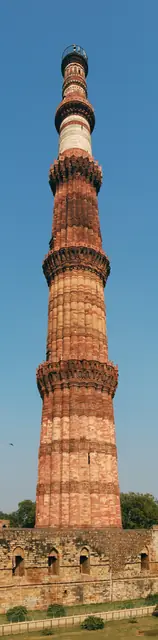
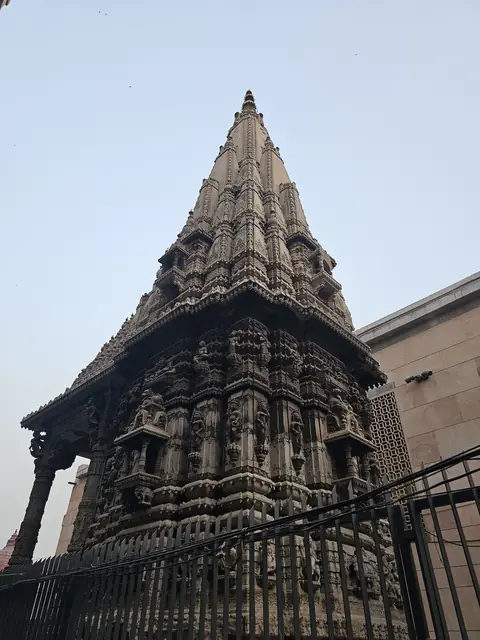
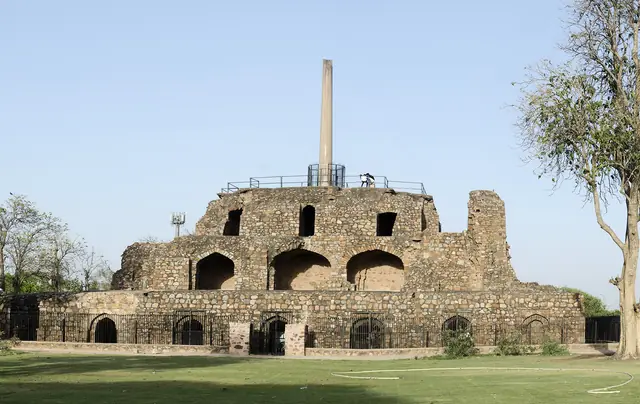
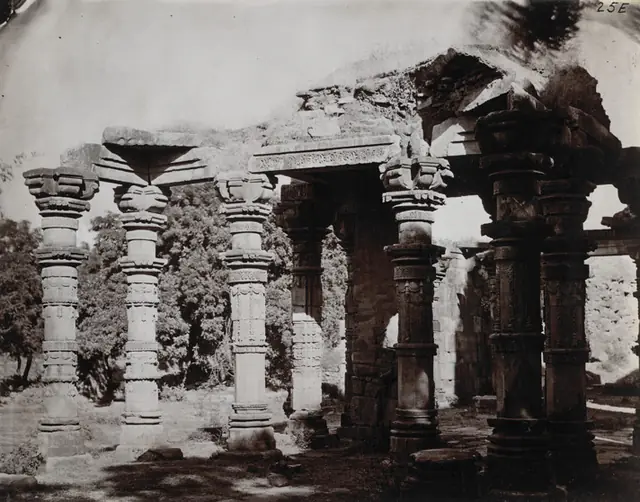
In 1191 Prithviraj Chauhan of Ajmer and Delhi met Muhammad Ghori at Tarain near Thanesar and drove him from the field wounded. Ghori returned in 1192 with a larger mounted army, and at the Second Battle of Tarain Prithviraj was defeated and soon killed. In 1194 Jayachandra Gahadavala fell at Chandawar. Qutb ud-din Aibak raised the mosque at Delhi from the pillars of twenty-seven temples, as its east-gate inscription itself says, and the Adhai Din ka Jhonpra at Ajmer, where slabs carved with Vigraharaja IV’s Sanskrit play Harakeli Nataka were later found. Hasan Nizami’s Taj ul-Maasir boasts of nearly a thousand temples destroyed at Banaras.
10Nalanda burns, Kamarupa holds
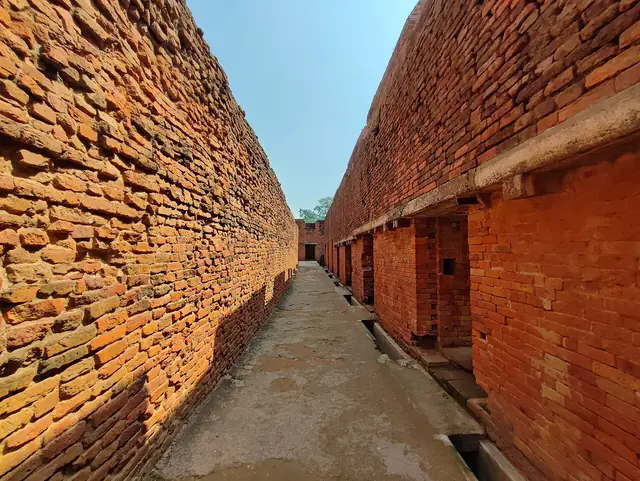
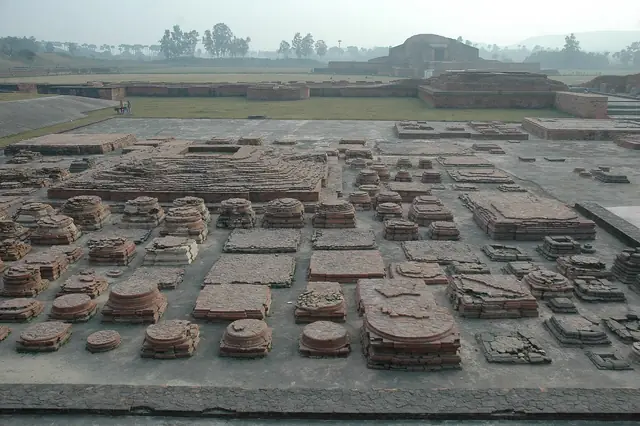
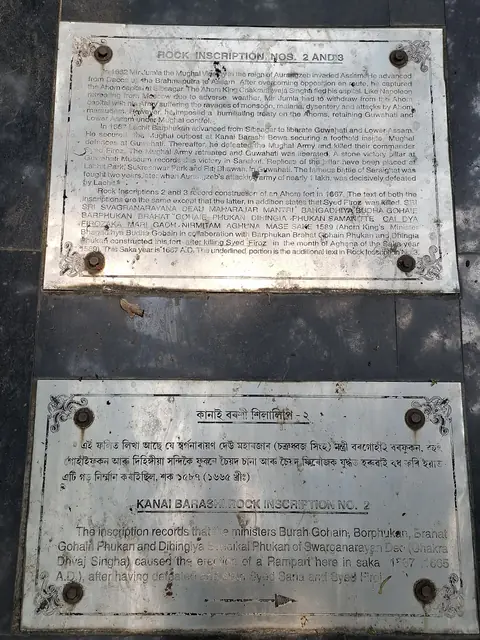
Around 1200 a Khalji officer, Bakhtiyar, rode into Bihar. Minhaj-i-Siraj’s Tabaqat-i-Nasiri describes his capture of a walled vihara, Odantapuri, whose shaven-headed residents were all killed and whose books no one was left to read. Nalanda and Vikramashila were sacked in the same years and left in ruin; the Tibetan pilgrim Dharmasvamin found only a handful of monks still teaching among the ruins of Nalanda in the 1230s. Bakhtiyar then surprised the aged Lakshmana Sena at Nadia. Further east, the land held. When Bakhtiyar marched north through Kamarupa in 1206, his army was destroyed; a rock inscription at Kanai Barasi near Guwahati records that the Turks who came into Kamarupa were destroyed. Ghori himself was killed that year on the Jhelum, and Aibak took Delhi for himself.
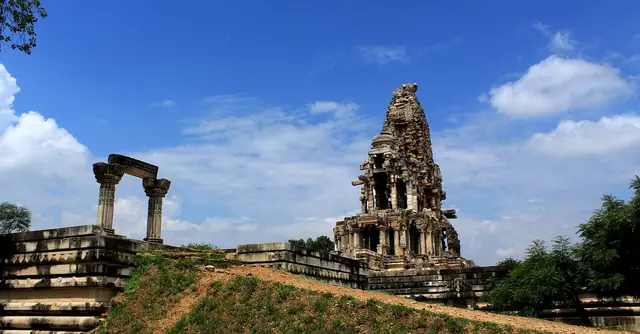
What survives today
- The Sun temple at Modhera, Gujarat, dated 1026–27, with its stepped kund
- Kandariya Mahadeva and the western group at Khajuraho
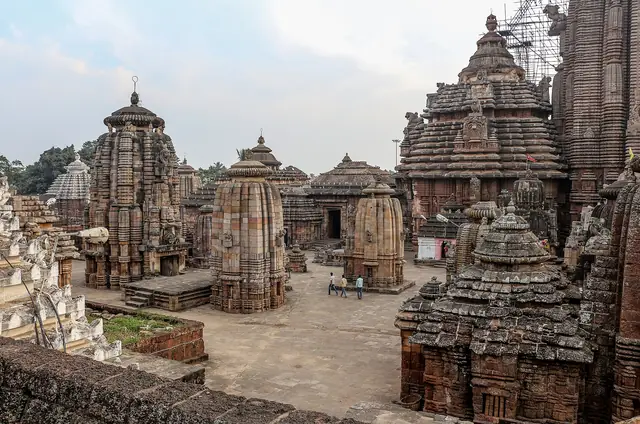
- The Lingaraja temple, Bhubaneswar, and the Jagannath temple at Puri
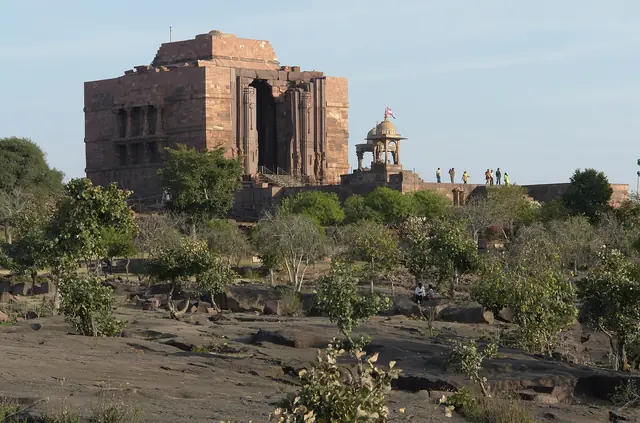
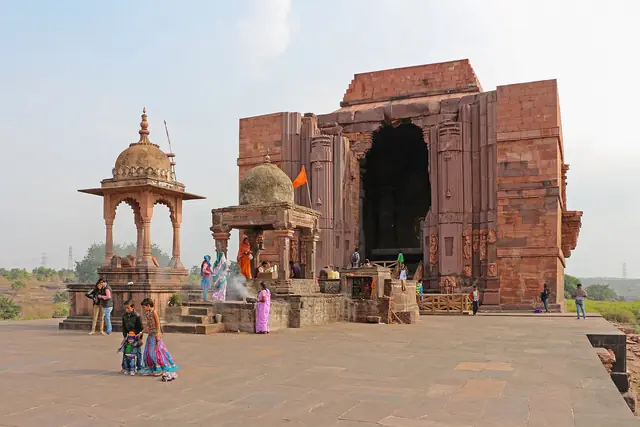
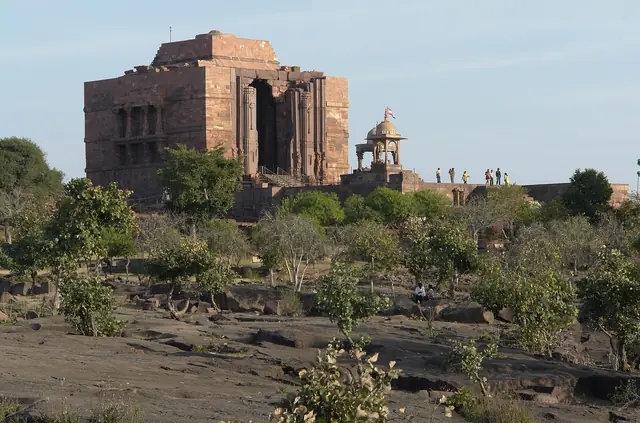
- The Bhojeshwar temple at Bhojpur with its single-stone linga
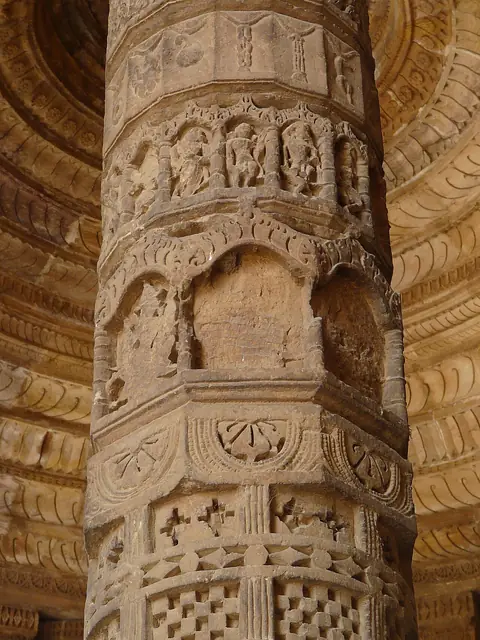
- The temple pillars inside the Quwwat ul-Islam mosque, Qutb complex, Delhi
- The Harakeli Nataka slabs from Ajmer, now in the Ajmer Government Museum
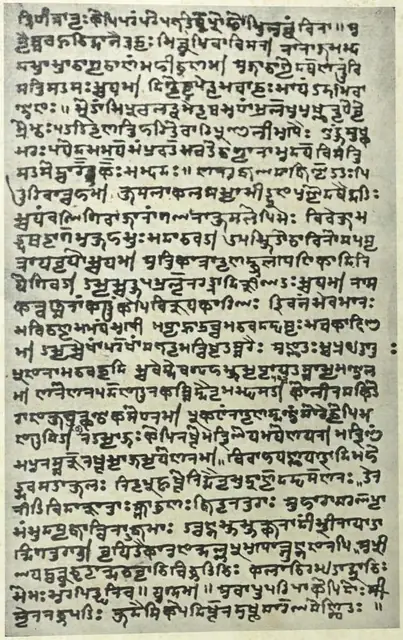
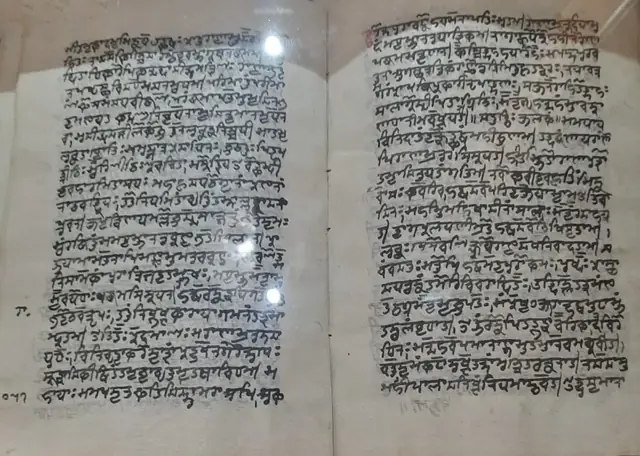
- Kalhana’s Rajatarangini and Bhaskaracharya’s Lilavati, read to this day
- The excavated ruins of Nalanda and Vikramashila, Bihar