
Battles, sieges and campaigns
From Kurukshetra to Kargil: who fought, who won, and what changed.
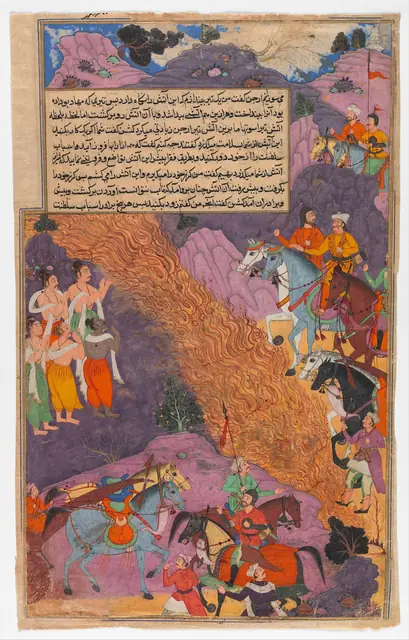
The Mahabharata War at Kurukshetra
The war of the Itihasa, fought on the Dharmakshetra of the Kurus over eighteen days. Before the first arrow flew, Shri Krishna spoke the Bhagavad Gita to Arjuna between the two armies.
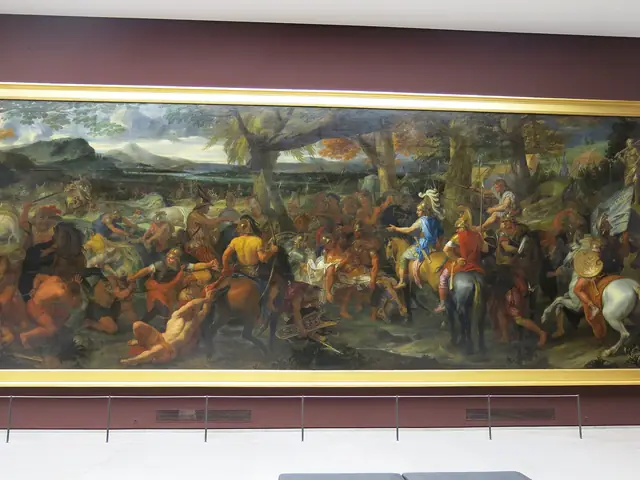
Battle of the Hydaspes (Vitasta)
Raja Puru met Alexander on the Vitasta with war elephants in the monsoon of 326 BCE. He lost the battle, kept his kingdom, and within months Alexander’s army refused to march further east.
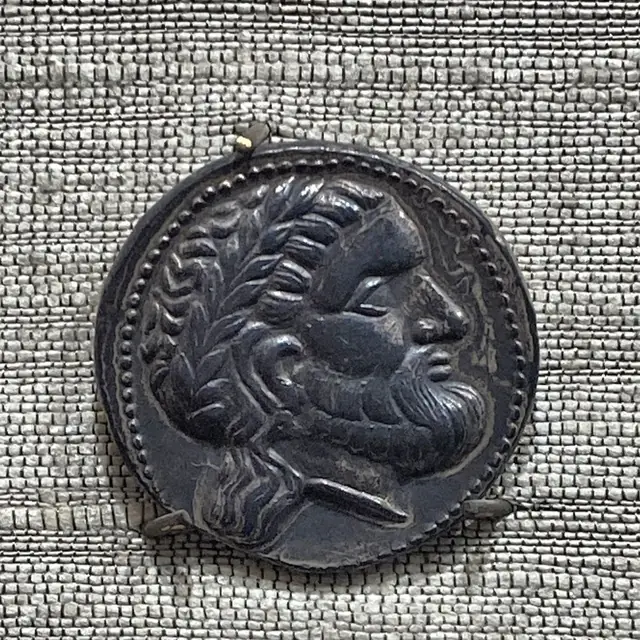
Chandragupta Maurya’s war with Seleucus
Alexander’s general Seleucus crossed the Indus to take back the Indian provinces and met Chandragupta. He went home with elephants and a treaty, and the Maurya frontier moved to the Hindu Kush.
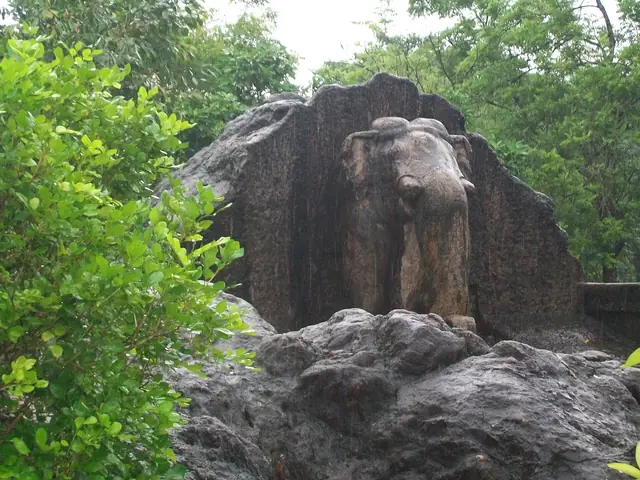
The Kalinga War
Ashoka conquered Kalinga eight years after his abhisheka, at a cost he himself counted in stone. The remorse that followed turned him to Dhamma.
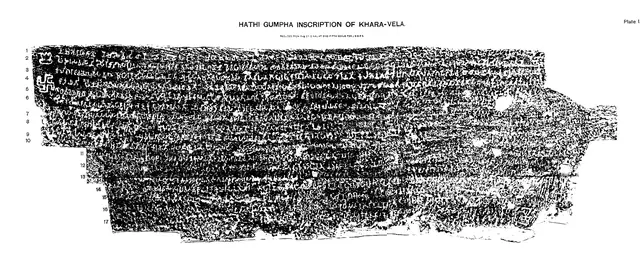
Kharavela’s campaigns against Magadha
The Hathigumpha inscription at Udayagiri tells, year by year, how Kharavela of Kalinga marched on Magadha twice and brought back a sacred image carried off generations before.
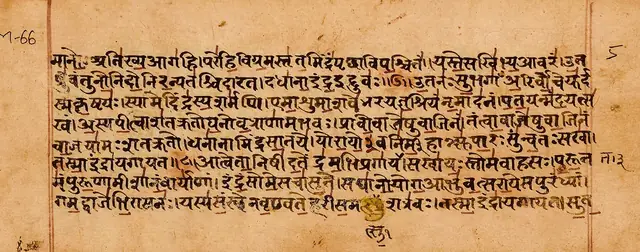
Battle of the Ten Kings (Dasharajna)
The oldest battle in the Rigveda. King Sudas of the Bharatas, guided by Maharshi Vasishtha, broke a league of ten kings on the river Parushni, the Ravi of today.
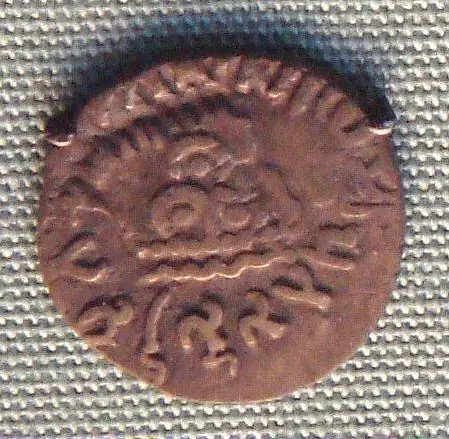
Gautamiputra Satakarni’s war on the Kshaharatas
Gautamiputra Satakarni won back the western Deccan from the Shaka satrap Nahapana. His mother’s inscription at Nashik says he uprooted the Kshaharata race.
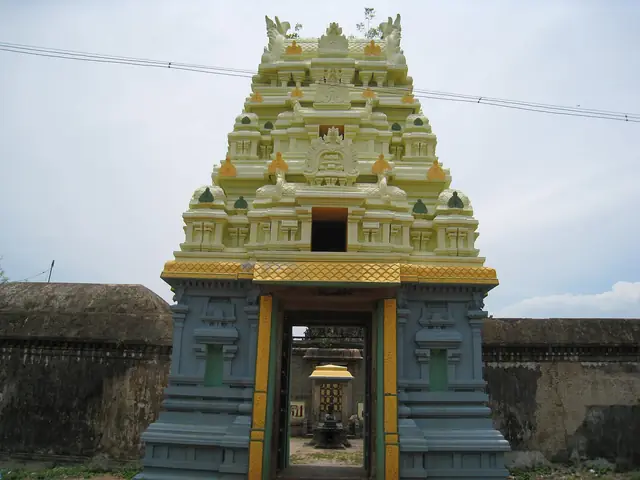
Battle of Venni
The battle that made the young Karikala the first great Chola king, fought among the paddy fields of the Kaveri delta and sung by the Sangam poets who knew the men in it.
Battle of Talaiyalanganam
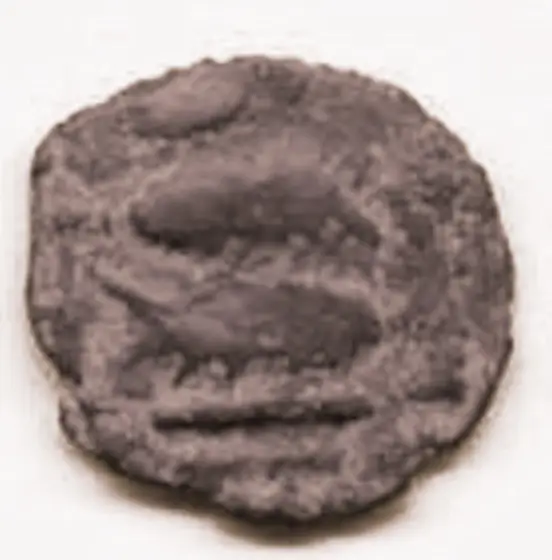
A boy-king of Madurai, mocked by his neighbours as too young to rule, met a league of two kings and five chieftains in the Chola country and broke it.
Samudragupta’s digvijaya
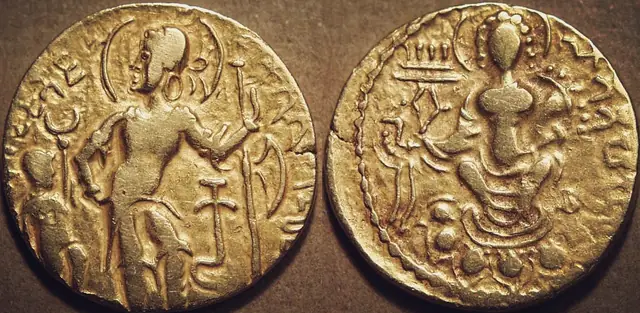
Samudragupta’s court poet Harishena listed his victories on Ashoka’s pillar: nine kings of the north uprooted, twelve of the south captured and released, the frontier kingdoms paying tribute.
Chandragupta II’s war on the Western Kshatrapas
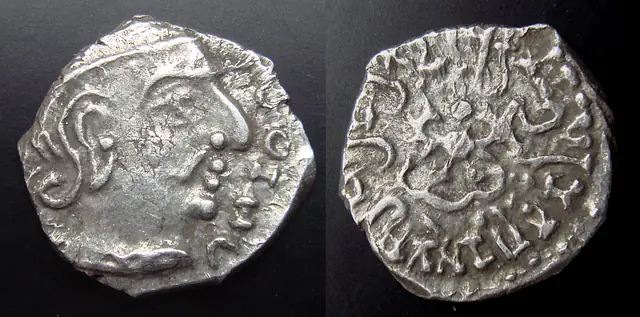
The campaign that gave the Guptas Ujjayini and the western ports, and gave Chandragupta II the name later remembered as Vikramaditya, the Shakari.
Skandagupta’s war against the Hunas
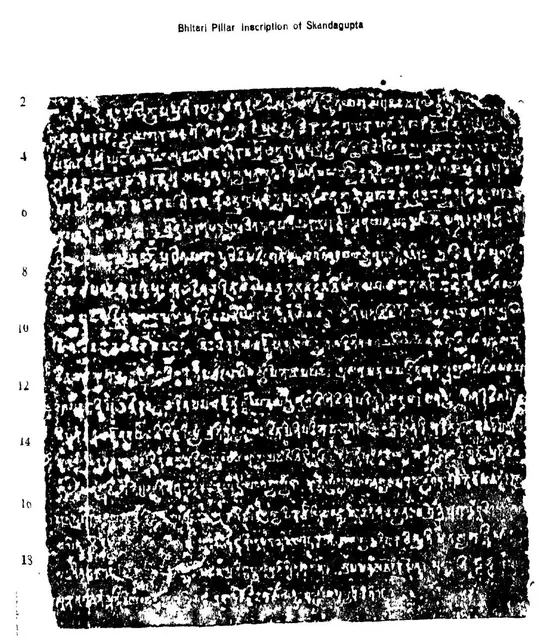
When the Hunas came down on the Gupta empire, Skandagupta met them and broke them. His pillar at Bhitari says the earth shook when he closed with them.
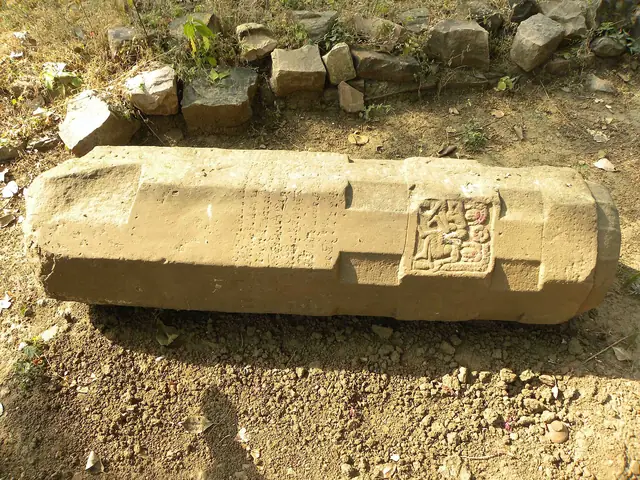
Battle of Eran
A short memorial pillar at Eran records a famous battle of the Gupta twilight, and with it the oldest dated inscription in India of a widow entering her husband’s pyre.
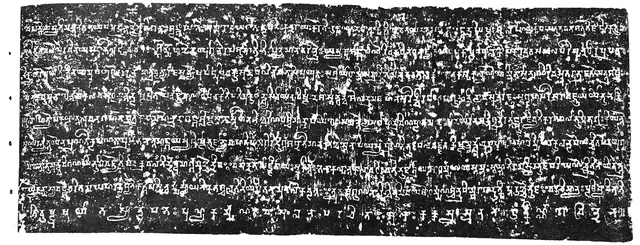
Yashodharman’s defeat of Mihirakula
Mihirakula, the Huna king remembered for cruelty, was beaten by Yashodharman of Malwa. Two great sandstone pillars at Sondani still carry the boast.
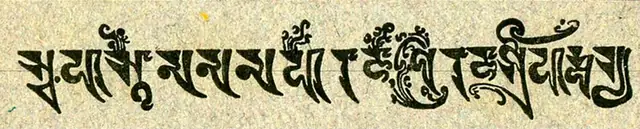
The Malava–Gauda war against the Pushyabhutis
Within weeks of the old king’s death at Thanesar, his son-in-law was murdered at Kannauj, his daughter was in chains, and his elder son was dead on the road back from victory.
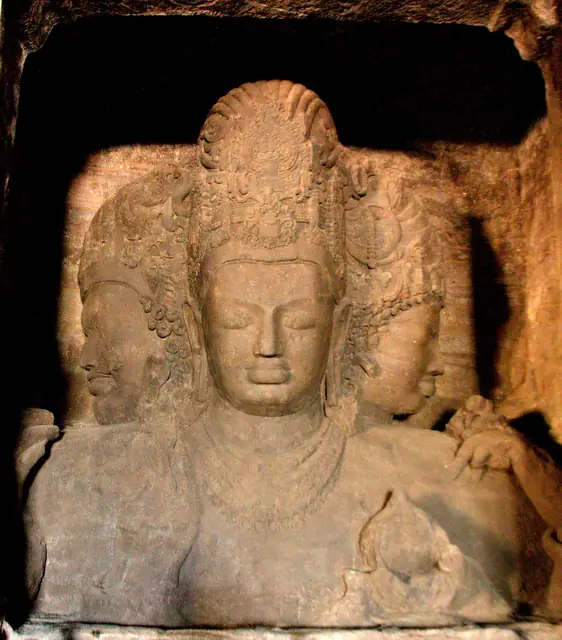
Pulakeshin II’s fleet takes Puri
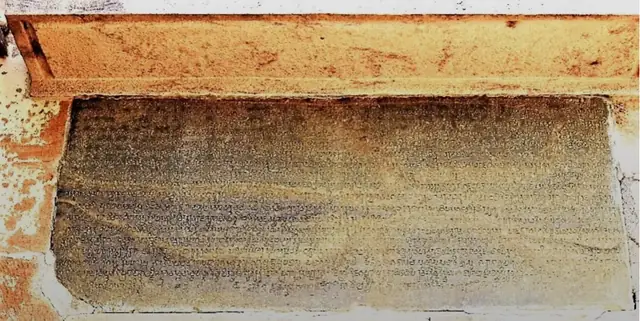
The Aihole inscription remembers a sea war on the Konkan coast, in which Pulakeshin II came against Puri with hundreds of ships.
Pulakeshin II against Harsha on the Narmada
Harsha, master of the north, tried to cross into the Deccan and was turned back at the Narmada by Pulakeshin II of Badami. Both the Aihole inscription and Xuanzang record it.
Battle of Pullalur
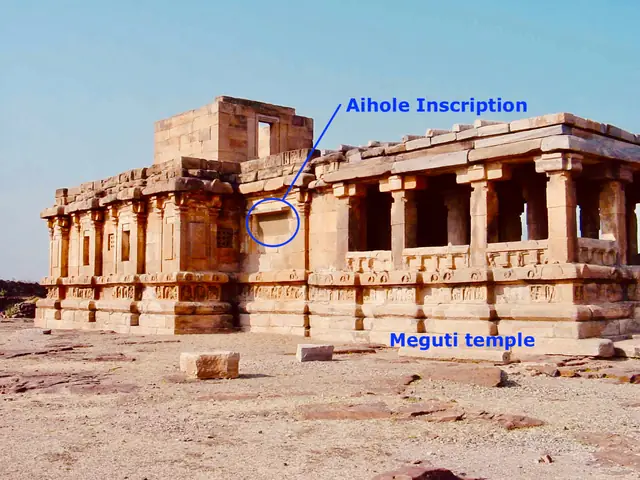
The first clash of the long Chalukya–Pallava wars, fought a day’s march from Kanchipuram when Pulakeshin II came south with the army that had just turned back Harsha.
Pallava capture of Vatapi
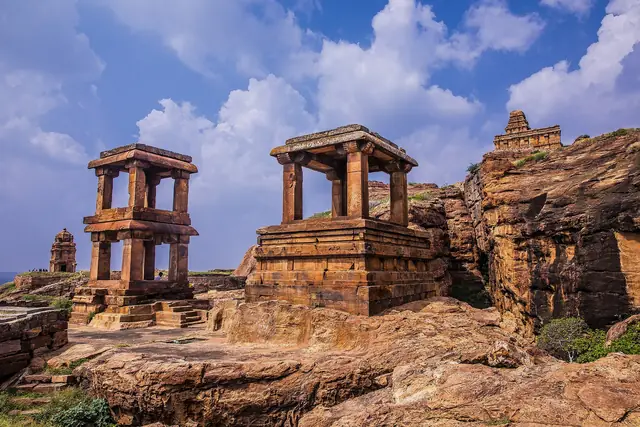
Narasimhavarman I avenged his father’s defeats by marching into the Chalukya capital itself. He took the title Vatapikonda, the taker of Vatapi.
Battle of Peruvalanallur
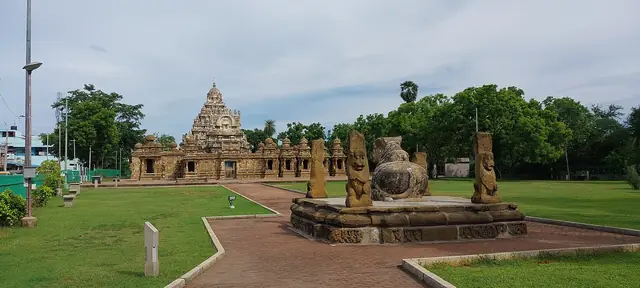
Thirty years after the Pallavas burnt Vatapi, the Chalukyas came south again and took Kanchi; at Peruvalanallur the Pallava king turned the tide.
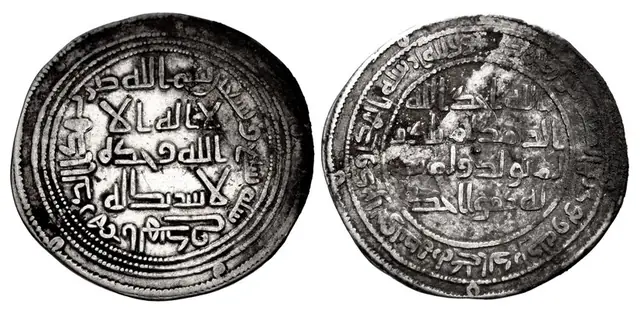
Raja Dahir’s last battle, Sindh
The first Arab conquest of an Indian kingdom. Raja Dahir of Sindh died on his elephant in battle, and his queen led the defence of Rawar fort after him.
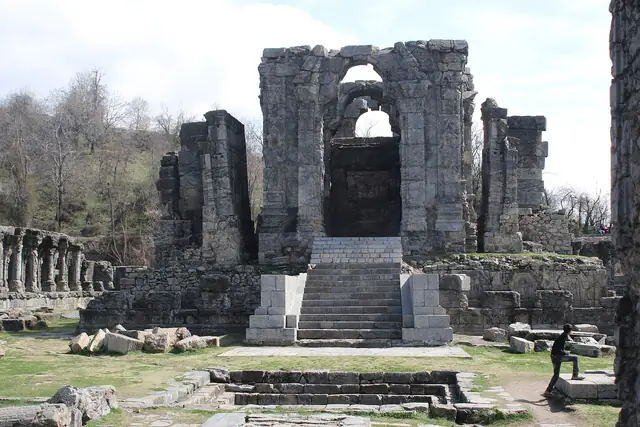
Lalitaditya Muktapida’s campaigns
Lalitaditya of Kashmir broke Yashovarman of Kanyakubja and, by Kalhana’s account, carried his arms to every quarter. He built the Martand sun temple with the wealth of these wars.
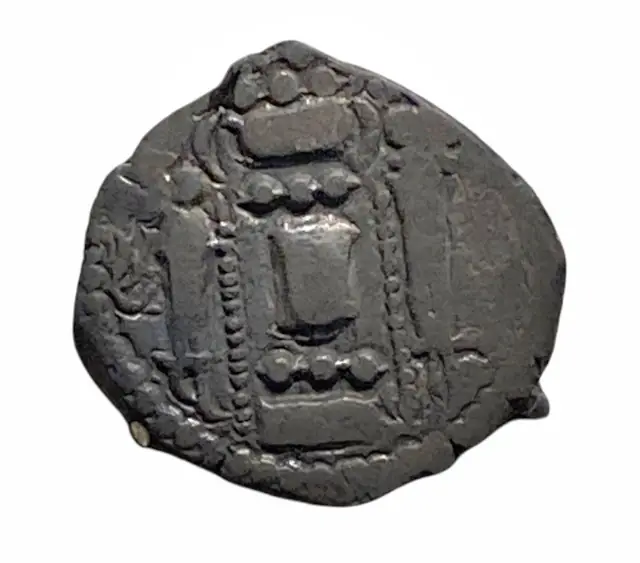
The Rajasthan and Gujarat resistance to the Arabs
After Sindh fell, Arab governors raided deep into Rajasthan, Malwa and Gujarat. Within fifteen years the Pratiharas, the Chalukyas of Lata and their allies had thrown them back for good.
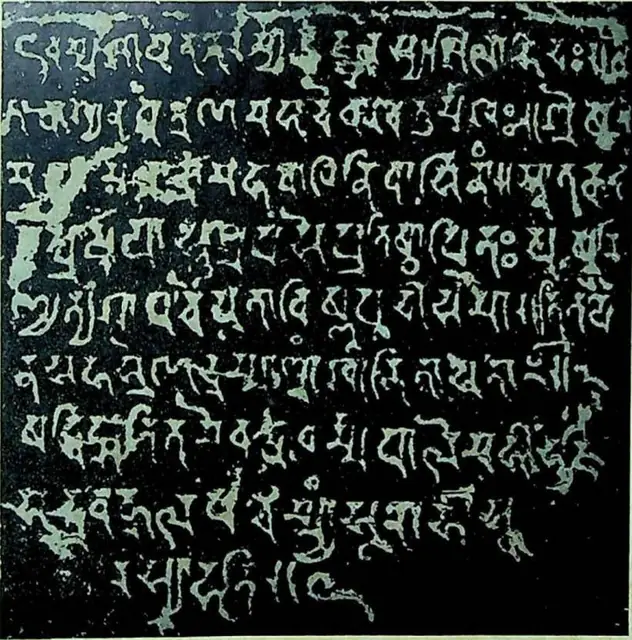
The tripartite struggle for Kanyakubja
For over a century three empires fought for Harsha’s old capital, Kanyakubja. Whoever held it claimed to be master of Aryavarta.
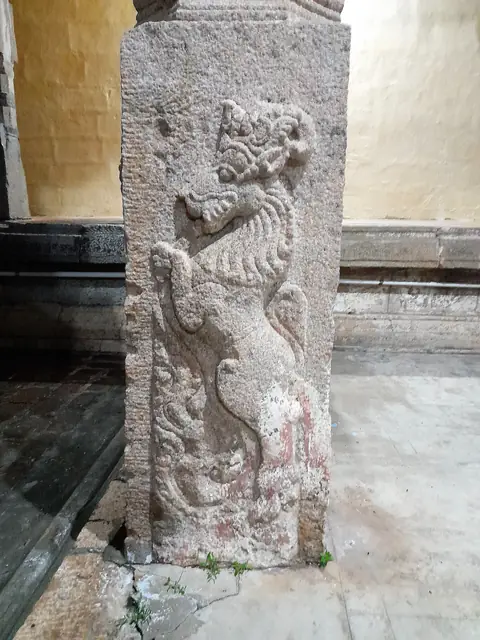
Battle of Thirupurambiyam (Sripurambiyam)
A battle near Kumbakonam that ended Pandya power in the north of the Tamil land and, without anyone intending it, opened the road to the Chola empire.
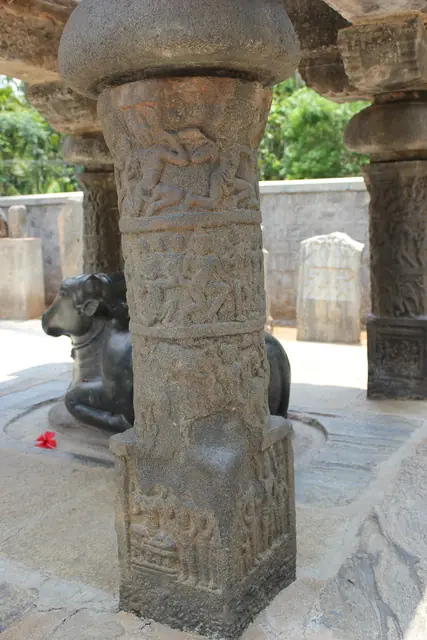
Battle of Takkolam
At Takkolam the Rashtrakuta emperor Krishna III and his Ganga ally Butuga II broke the rising Chola power and killed its heir, a blow the Cholas took a generation to recover from.
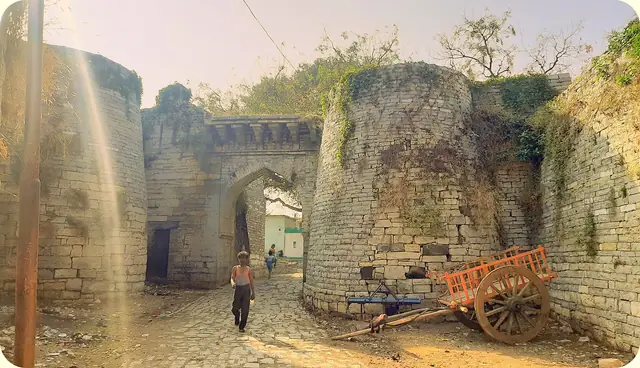
Battle of Khalighatta and the sack of Manyakheta
The Paramara king of Malwa, once a Rashtrakuta vassal, beat his overlord on the Narmada and sacked Manyakheta, the capital that had ruled the Deccan for two centuries.
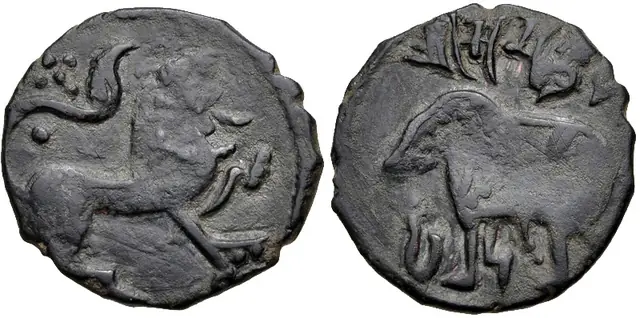
Jayapala’s battles at Laghman
Jayapala carried the war to the new Turkish power at Ghazni twice. The second defeat, at Laghman, cost the Shahis their western lands and set the frontier at the Khyber.
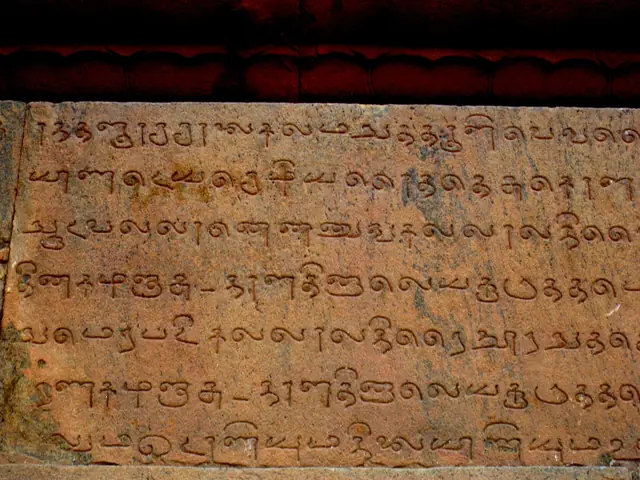
Kandalur Salai
The first victory Rajaraja Chola had carved into his royal praise: the destruction of Kandalur Salai on the Kerala coast.
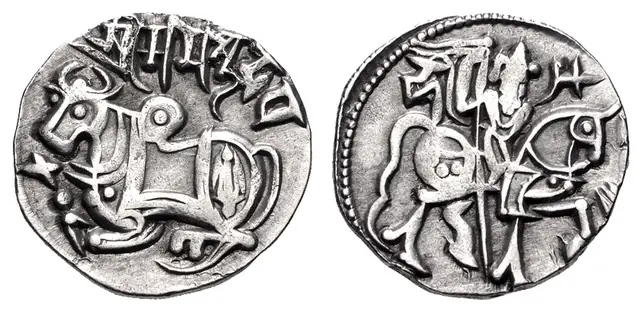
Battle of Peshawar
The first of Mahmud’s invasions of India. Jayapala, the Hindu Shahi king who had stood for decades between Ghazni and the Punjab, was beaten and captured near Peshawar.
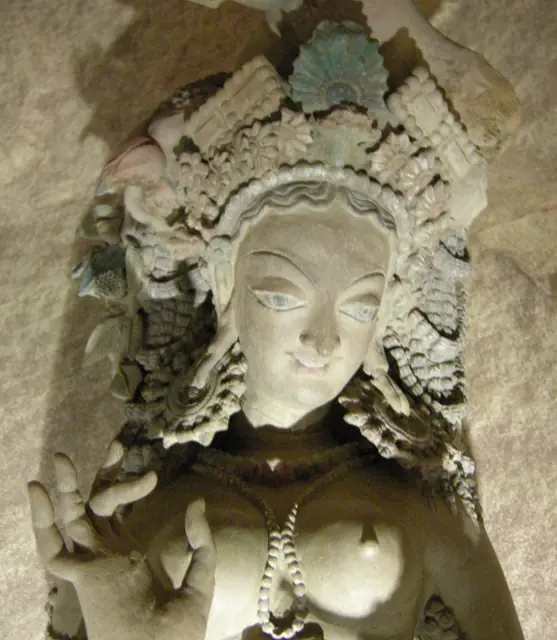
Battle of Chach (Waihind)
Anandapala gathered the largest Hindu army yet raised against Ghazni, with help from other kings of the north. It came close to winning on the Chach plain before it broke.
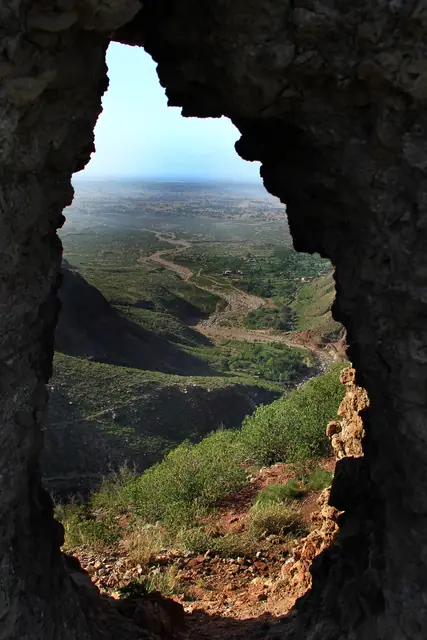
Fall of Nandana
The Hindu Shahis made their last organised stand west of the Jhelum at Nandana, a hill fort guarding the pass through the Salt Range; Kalhana, the Kashmiri historian, mourned its loss.
Mahmud’s sieges of Lohkot
Mahmud of Ghazni, who took Mathura, Kannauj and Somnath, twice failed before a mountain fort on the road into Kashmir.
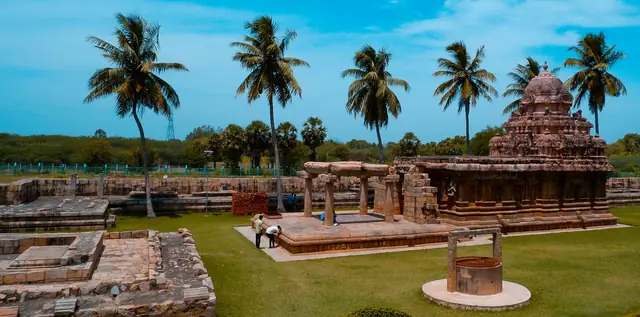
Rajendra Chola’s march to the Ganga
A Chola army marched a thousand miles north, beat the kings of Odisha and Bengal, and brought back Ganga water in pots. Rajendra built a new capital to mark it: Gangaikonda Cholapuram.
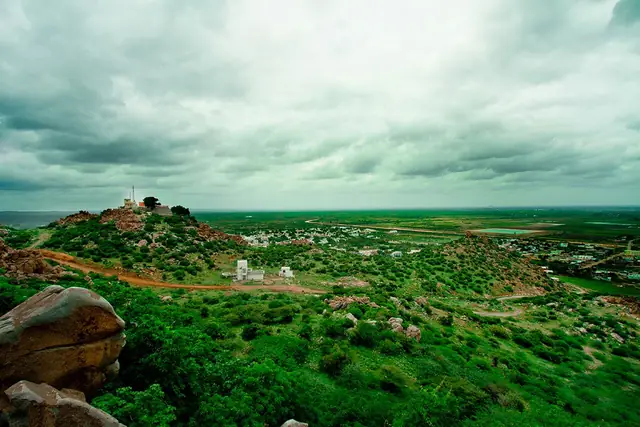
Battle of Maski (Muyangi)
The great battle of Rajendra Chola’s Deccan war, fought in the Raichur doab, where Chola and Chalukya would fight for the rest of the century.
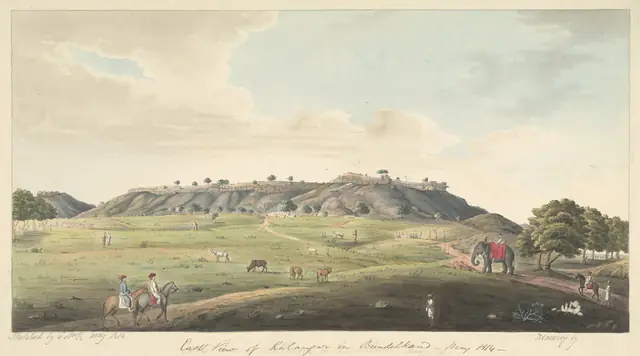
Mahmud before Gwalior and Kalinjar
Vidyadhara Chandela was the one king of the Ganga plain who stood up to Mahmud. Twice the Sultan came against him, and twice he went home without taking the Chandela strongholds.
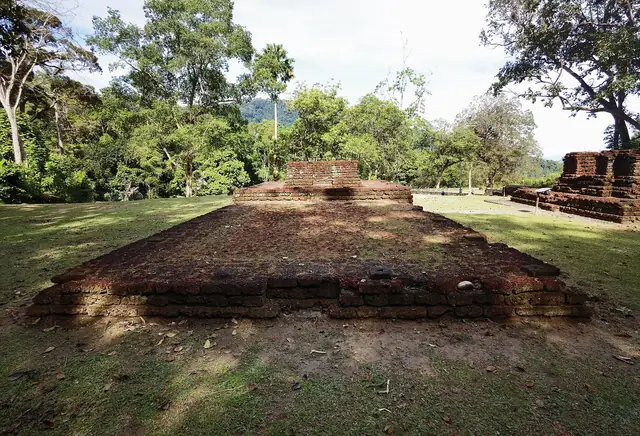
Chola naval expedition to Srivijaya
Rajendra sent a fleet across the Bay of Bengal and struck the maritime empire of Srivijaya along the Strait of Malacca. It is the only overseas naval expedition by an Indian kingdom recorded in such detail.
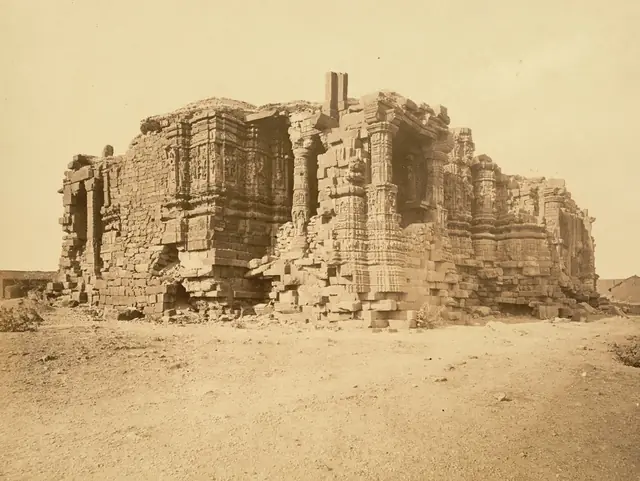
Mahmud’s attack on Somnath
Mahmud marched across the Thar to the first of the twelve jyotirlingas. The defenders fought on the walls for days; the temple was looted and the linga broken. Somnath was rebuilt, again and again.
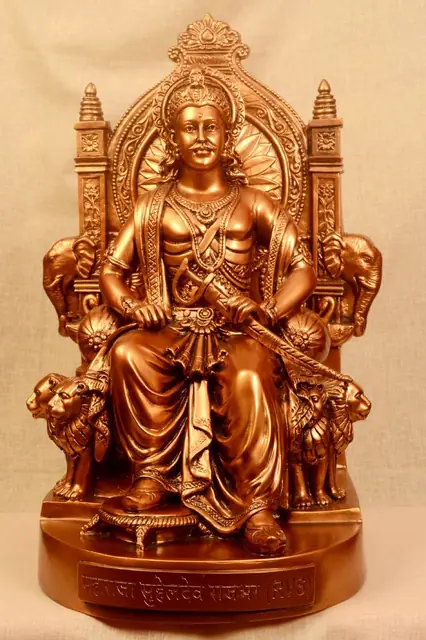
Battle of Bahraich
A Ghaznavid army under Salar Masud, said to be Mahmud’s nephew, pushed into Awadh and was wiped out at Bahraich by the local rajas. Local tradition names their leader Suheldev.
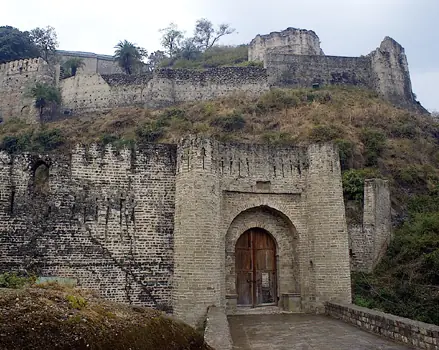
The Hindu recovery of Nagarkot and siege of Lahore
Seventeen years after Somnath, with Ghazni weakened by war with the Seljuqs, a league of Hindu kings struck back and won the eastern Punjab hills back for a time.
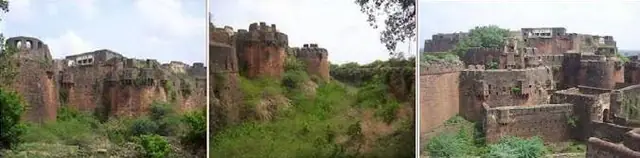
Rajadhiraja Chola’s sack of Kalyani
Rajendra Chola’s eldest son carried the Deccan war to the Chalukya capital itself, held a victor’s coronation there and brought home its door guardians in stone.
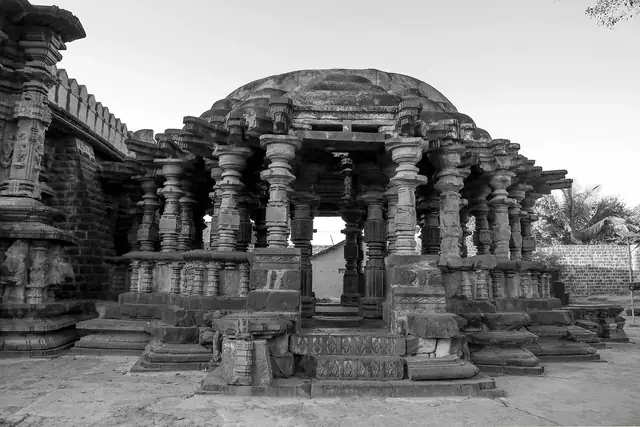
Battle of Koppam
At Koppam a Chola king died on his elephant and his younger brother won the battle in the same hour, one of the strangest days of the Chola–Chalukya wars.
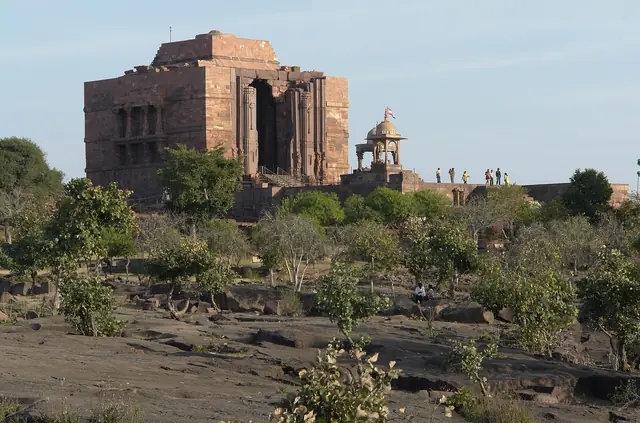
The Kalachuri–Chaulukya invasion of Malwa and the death of Bhoja
The scholar-king Bhoja of Dhara, who had fought every neighbour in his long reign, died under a joint attack from the east and the west, and Dhara briefly fell.
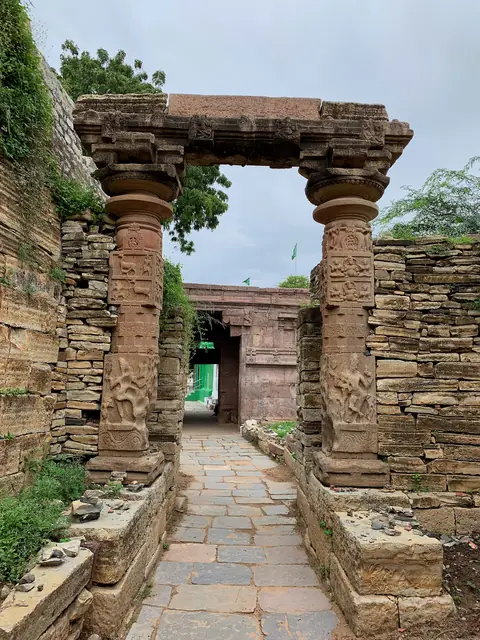
Battle of Kudal-Sangamam
The Chola victory at the confluence of two rivers, and the challenge that followed, closed the long duel between Someshvara I and the sons of Rajendra Chola.
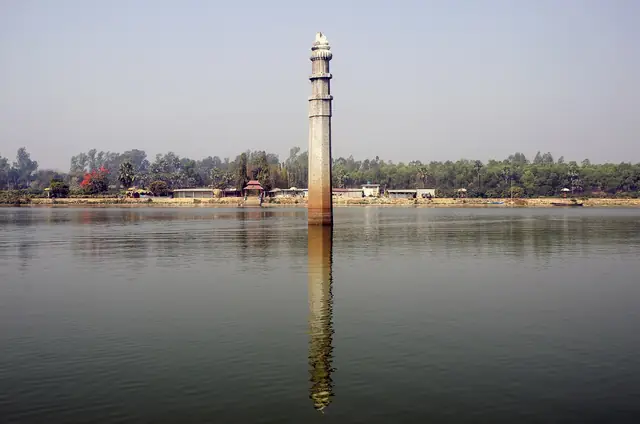
The Kaivarta revolt and Ramapala’s recovery of Varendra
A revolt led by a Pala officer took the Pala homeland in north Bengal. Its story was kept in a Sanskrit poem in which every verse tells the Ramayana and the life of Ramapala at once.
The revolt against Harsha of Kashmir
A gifted king who turned to stripping the temples of Kashmir for their gold lost his kingdom to a revolt in 1101. Kalhana, whose father had served him, told the story.
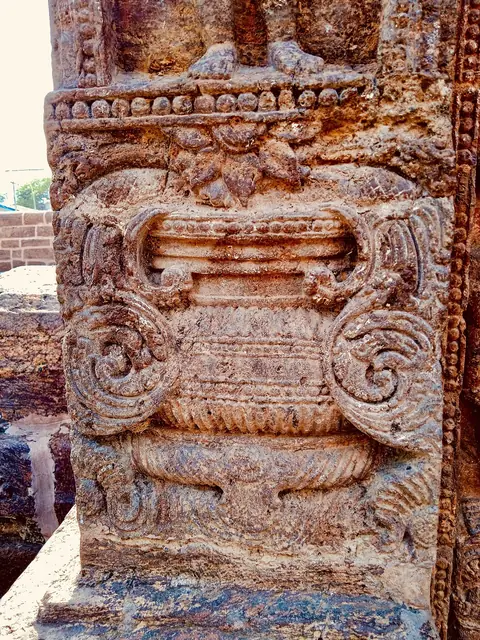
Kulottunga’s Kalinga War
The Kalinga war of Kulottunga I is remembered less for the fighting than for the poem it produced, Jayamkondar’s Kalingattuparani, a classic of Tamil war poetry.
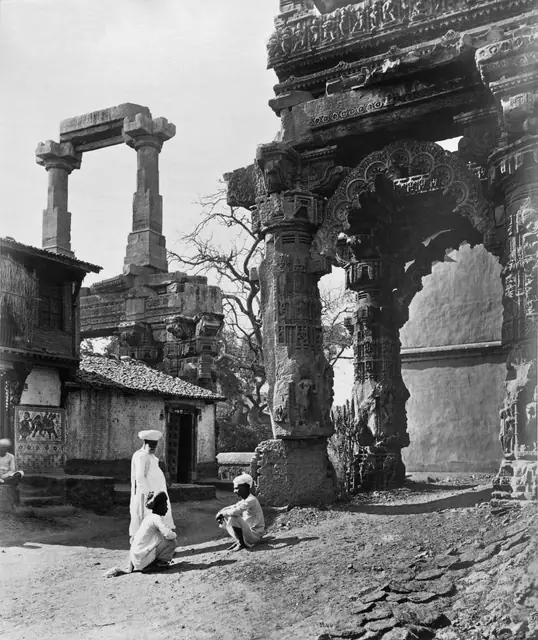
Jayasimha Siddharaja’s conquest of Malwa
After a long war the Chaulukya king of Gujarat took Dhara, the city of Bhoja, and for a generation Malwa was ruled from Anahilapataka.
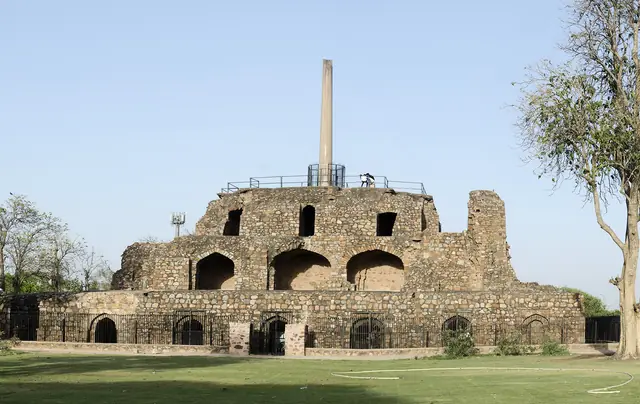
Vigraharaja IV takes Delhi from the Tomaras
The Chahamana king of Ajmer took Delhi and Hansi and then had his conquest from the Vindhyas to the Himalaya cut on Ashoka’s pillar.
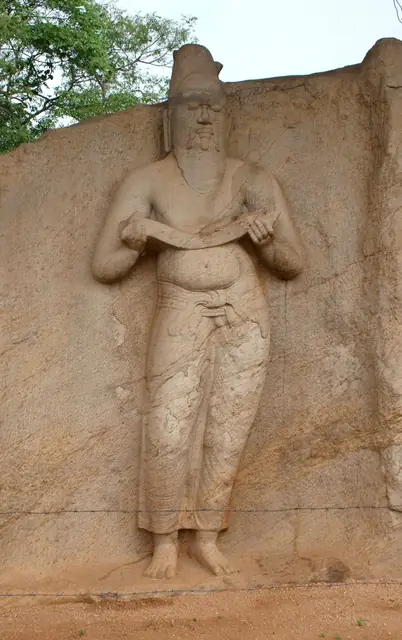
The Pandyan war of succession
A quarrel between two Pandya princes drew in the two great powers of the far south, Parakramabahu I of Lanka and the Chola empire, and turned the Pandya country into their battlefield.
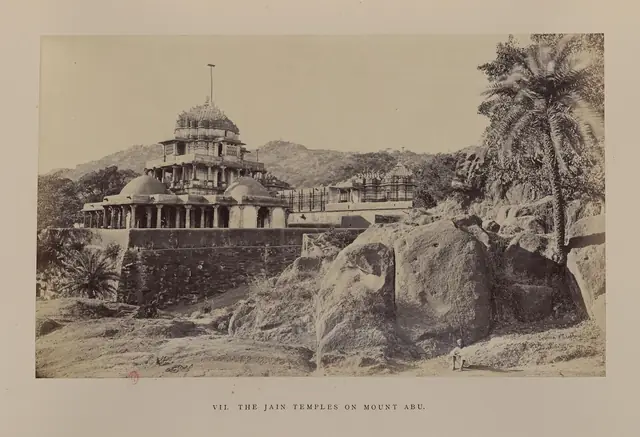
Battle of Kasahrada
Thirteen years before Tarain, Muhammad of Ghor tried the southern road into India through Gujarat. He was routed below Mount Abu by an army led in the name of a boy king by his mother, Naiki Devi.
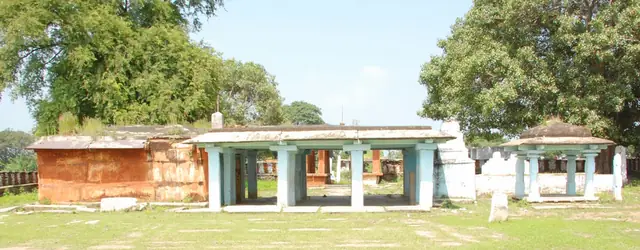
Battle of Palnadu
A war between two branches of one Haihaya family in the Palnadu country of Andhra, remembered as the Mahabharata of the Telugu land.
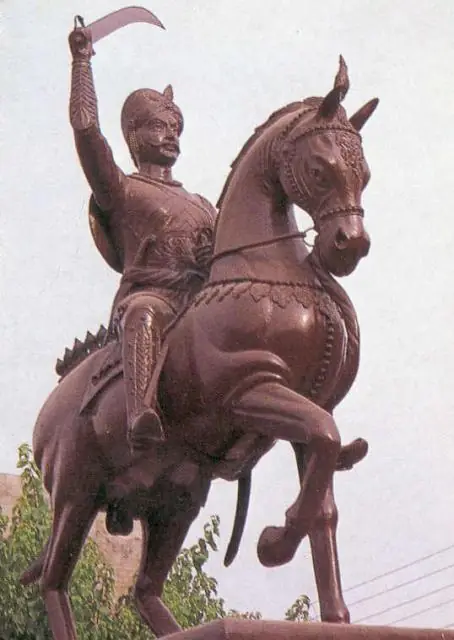
Battle of Mahoba
Prithviraj Chauhan’s raid into the Chandela kingdom, confirmed by his own inscriptions and immortalised by the ballad of Alha and Udal.
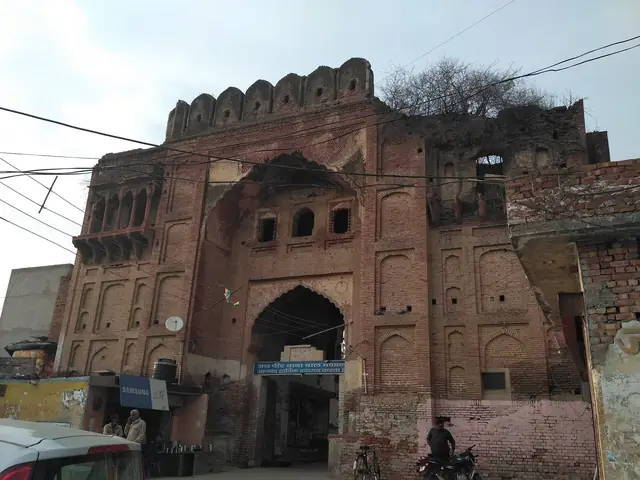
First Battle of Tarain
Prithviraj Chauhan met Muhammad of Ghor on the old Kurukshetra plain and crushed his army. The Sultan was wounded in a duel with Govindaraja and carried from the field.
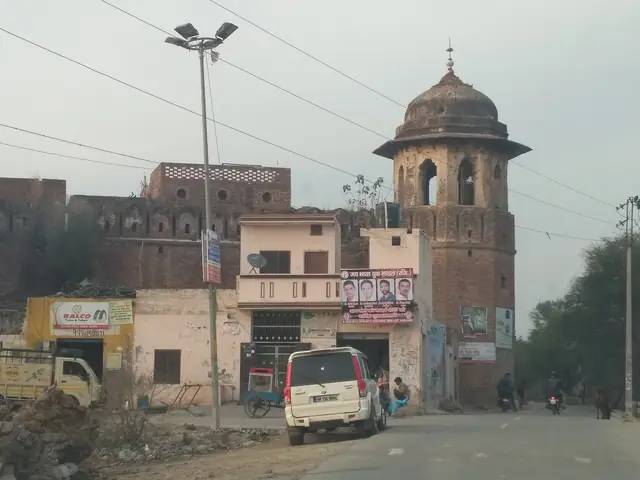
Second Battle of Tarain
A year after his defeat Muhammad of Ghor came back to the same field with a reorganised army of mounted archers. He wore down the Rajput host in a day of harassing attacks and broke it at dusk.
Battle of Chandawar
Two years after Tarain the Ghurids came for the largest kingdom left in the north, the Gahadavala realm of Kanyakubja and Kashi. Jayachandra fell at Chandawar and the road to Varanasi lay open.
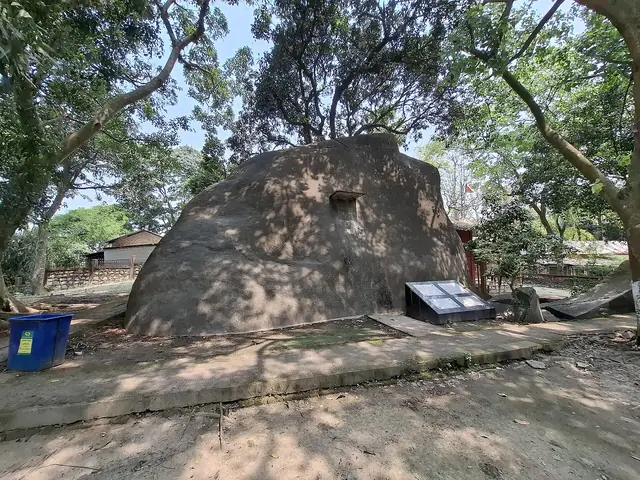
Destruction of Bakhtiyar Khalji’s army in Kamarupa
A few years after he sacked Nalanda and Nadia, Bakhtiyar Khalji marched north-east through Kamarupa towards Tibet. He came back with almost nothing left of his army.
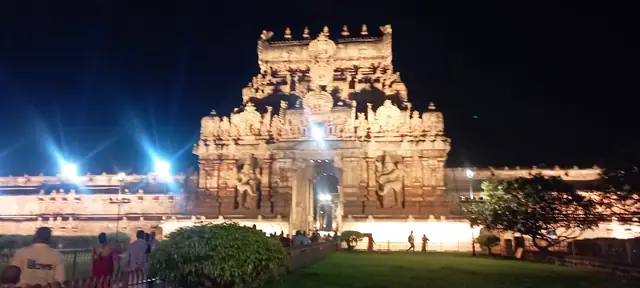
Maravarman Sundara Pandya’s sack of Thanjavur
Forty years after the Cholas had decided the Pandya succession, a Pandya king marched into the Chola heartland, sacked its cities and handed the crown back as a favour.
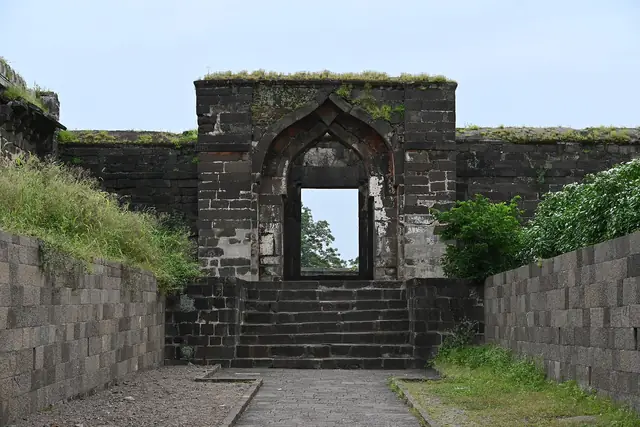
Raid on Devagiri
The first Sultanate army to cross the Vindhyas caught the rich Yadava capital unready, and the gold of Devagiri paid for Alauddin Khalji’s path to the throne.
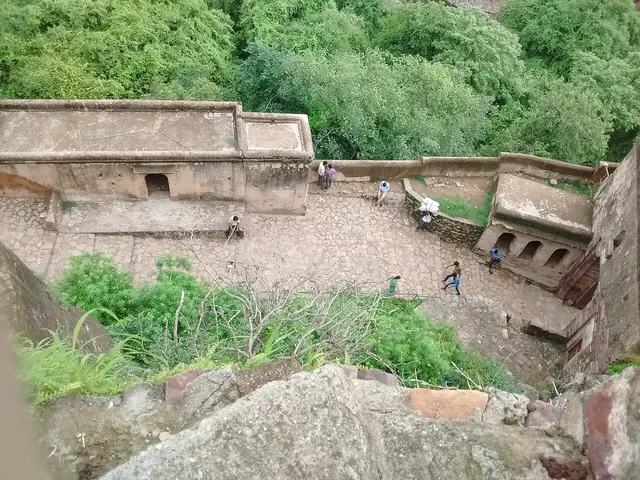
Siege of Ranthambore
Hammir Dev gave shelter to Mongol officers who had rebelled against Alauddin Khalji and refused to hand them over. Alauddin’s generals failed before the fort, and the Sultan came himself.
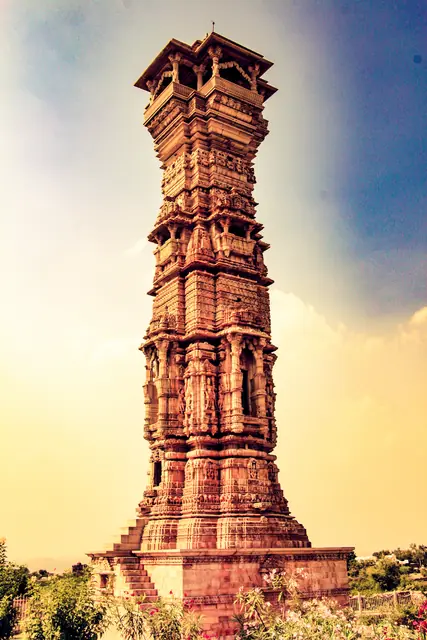
First siege of Chittorgarh
Alauddin Khalji camped below Chittor in January 1303 and took it in August. Amir Khusrau, who was in the camp, says thirty thousand people were killed after the fort surrendered.
Siege of Siwana
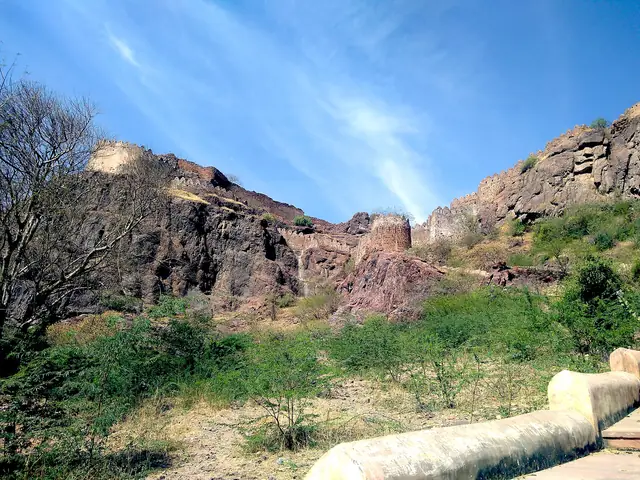
Between Chittor and Jalore, Alauddin Khalji’s armies spent months before the hill fort of Siwana, held by a Paramara chief who would not submit.

Siege of Warangal (1310)
Malik Kafur’s first southern campaign besieged the twin walls of Warangal and forced the Kakatiya king to become a tributary of Delhi.
Fall of Warangal
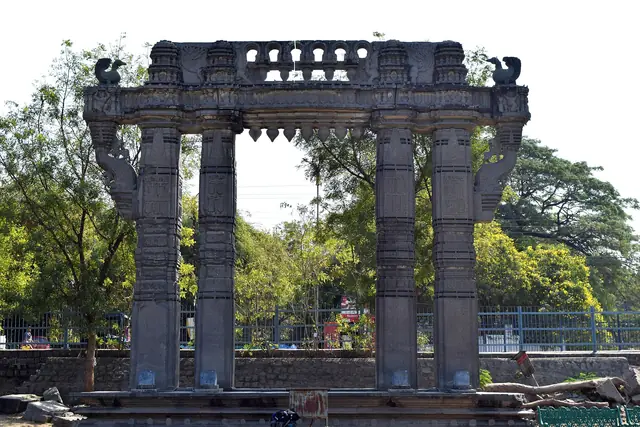
Prataparudra held out against Delhi for twenty years and drove off Ulugh Khan’s first siege in 1321. Two years later the prince came back and took the city.
Fall of Kampili
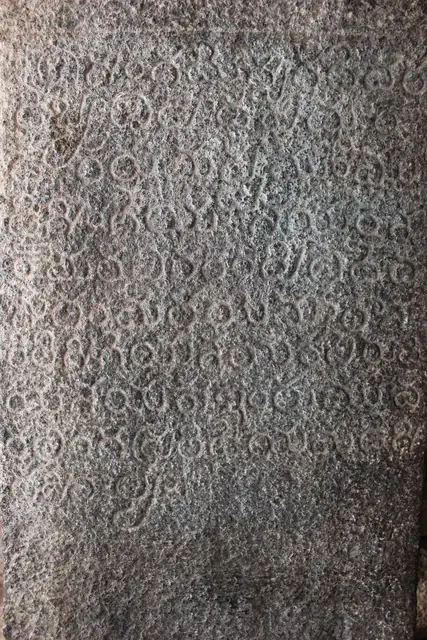
Kampiladeva sheltered Bahauddin Gurshasp, a cousin of Muhammad bin Tughluq who had rebelled. The Sultan’s army came for him, and the small kingdom on the Tungabhadra went down fighting.
Musunuri Nayakas free Warangal
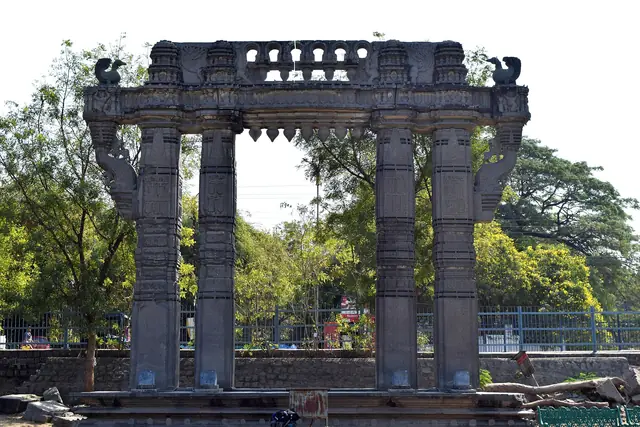
The commanders of the fallen Kakatiyas joined under the Musunuri brothers and drove Delhi out of the Telugu country within about thirteen years of Warangal’s fall.
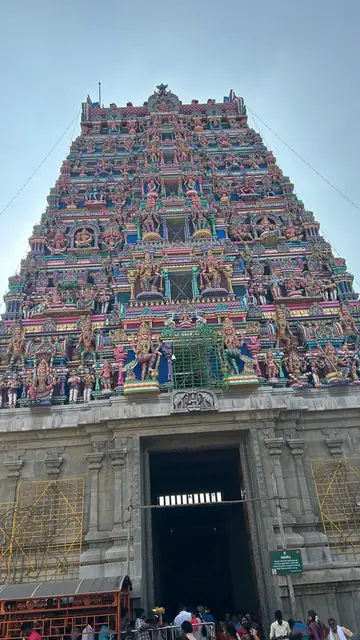
Battle of Kannanur Koppam
The last Hoysala king, past eighty, besieged the Madurai Sultan’s fort near Srirangam and was taken in a sudden sally; the Moroccan traveller Ibn Battuta saw his remains on the walls of Madurai.
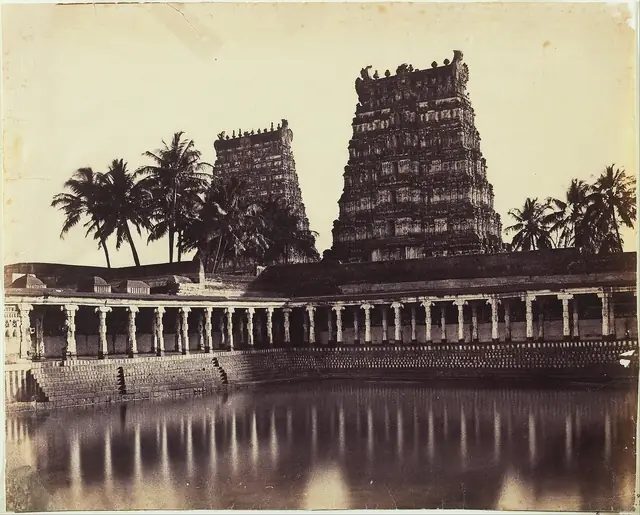
Kumara Kampana’s conquest of Madurai
Kumara Kampana marched from the Kannada country, took Kanchipuram from the Sambuvarayas and then destroyed the sultanate that had ruled Madurai for about forty years.
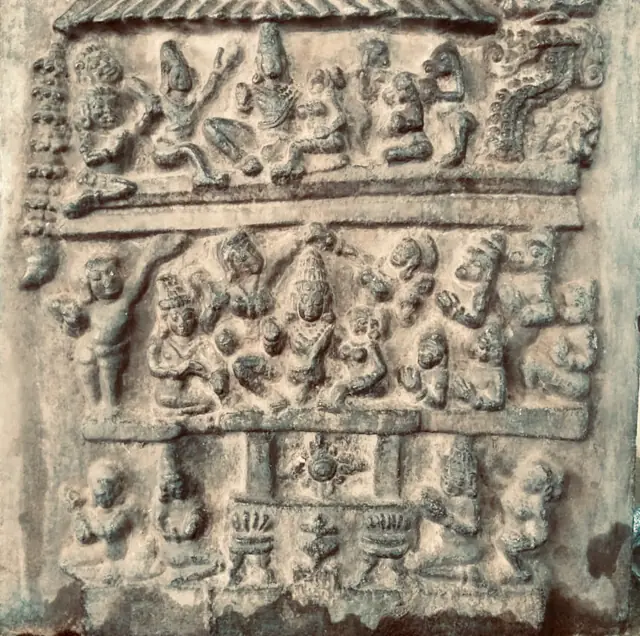
Siege of Pangal
The Bahmani Sultan sat for two years before the fort of Pangal; when Devaraya I’s army came up, the siege turned into a rout that broke Firuz Shah’s reign.
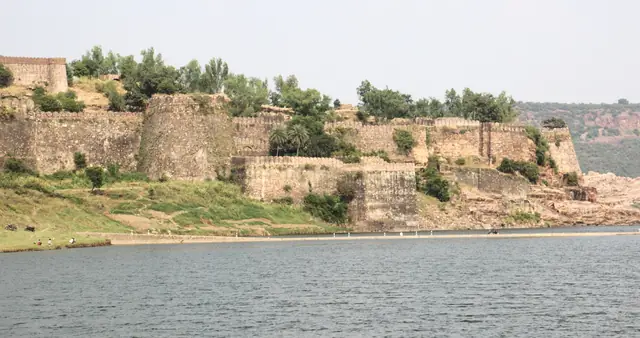
Siege of Gagron
The Malwa Sultan besieged the water fort of the Khichi Chauhans; its lord died at the gate, the women chose the fire, and a bard wrote the story within a generation.
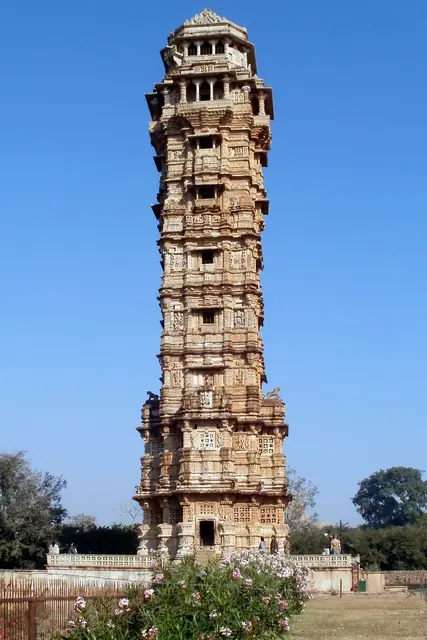
Battle of Sarangpur
Mahmud Khalji had sheltered enemies of Rana Kumbha. Kumbha marched into Malwa and met him at Sarangpur.
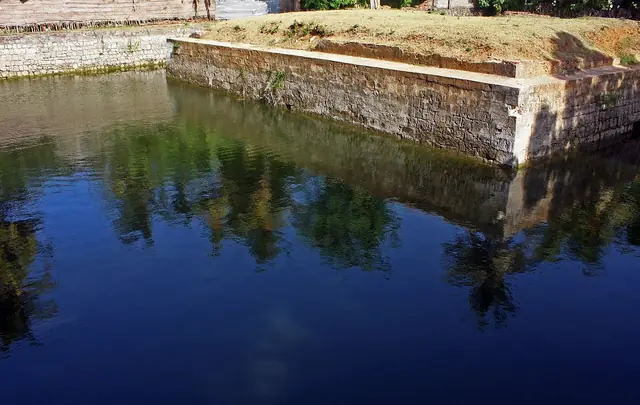
Kotte conquest of the Jaffna kingdom
The one time in its three centuries that the Tamil Hindu kingdom of Jaffna was conquered by a Lankan power, under the last king who ruled the whole island.
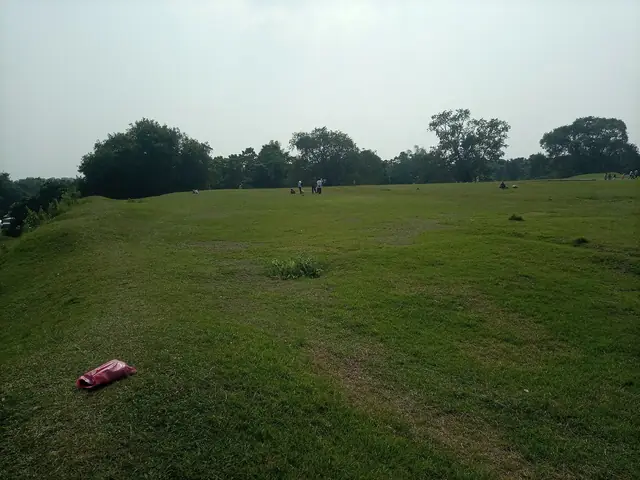
Bengal’s conquest of Kamata
The Sultan of Bengal took the fortified capital of the Khen kings in the north Bengal plain, ending the Kamata kingdom that had followed Kamarupa.
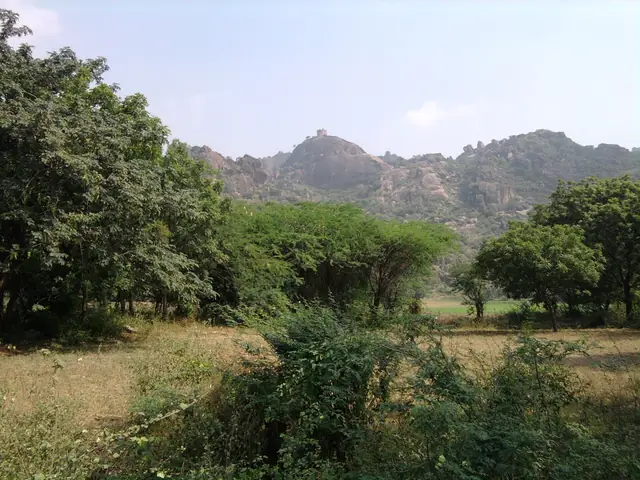
Siege of Kondavidu
Kondavidu was the Gajapatis’ great fortress on the Andhra plain. Krishnadevaraya took it in 1515 after a long siege, the central blow of his eastern war.
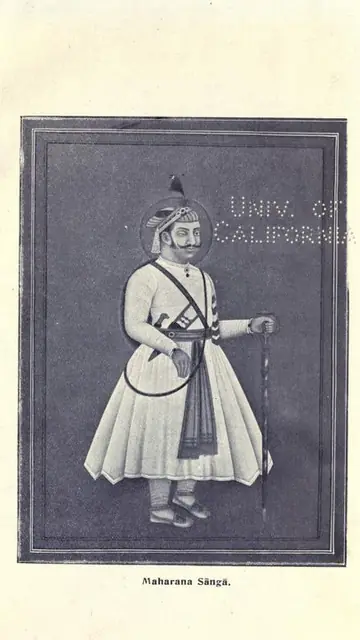
Battle of Khatoli
As Rana Sanga pushed Mewar’s border north-east, Ibrahim Lodi marched against him and was beaten at Khatoli.
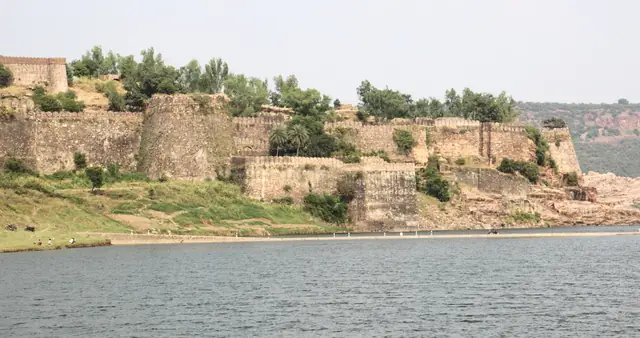
Battle of Gagron
Mahmud Khalji II besieged Gagron, held by men of his former minister Medini Rai, who had gone over to Mewar. Sanga came to relieve the fort and captured the Sultan.
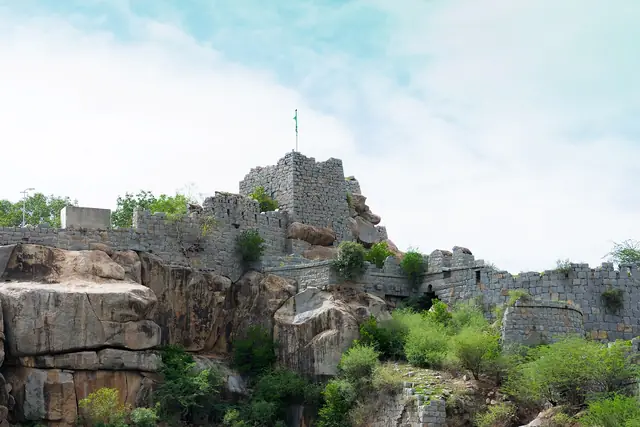
Battle of Raichur
The rich land between the Krishna and the Tungabhadra had been fought over for 150 years. Krishnadevaraya besieged Raichur, beat the Bijapur army that came to save it and took the fort.
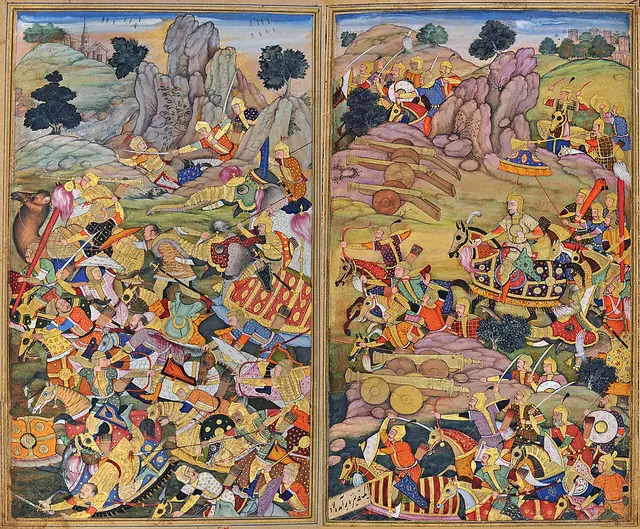
First Battle of Panipat
Babur’s guns and wheeling cavalry broke the far larger army of Ibrahim Lodi on the plain of Panipat, ending the Delhi Sultanate and opening the Mughal age.
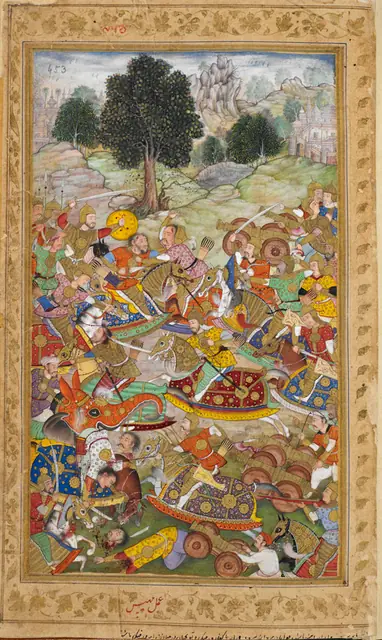
Battle of Khanwa
A year after Panipat, Rana Sanga led the largest Rajput army of the age against Babur. Cannon, matchlocks and Babur’s flanking horse decided the day.
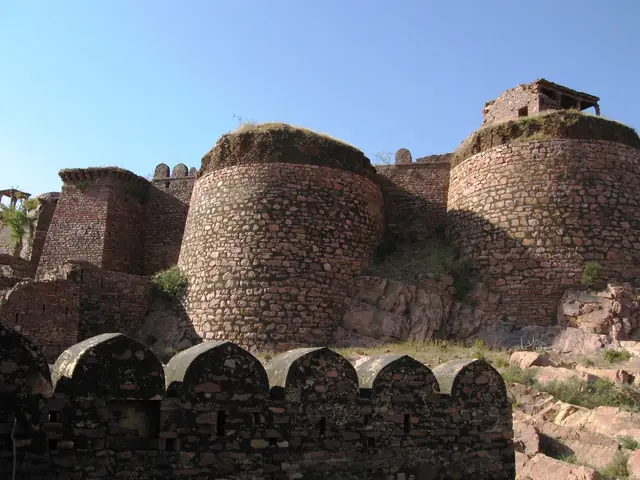
Battle of Bayana
A month before Khanwa, Rana Sanga’s army fell on Babur’s men at Bayana and beat them twice. Babur himself records how badly his camp took the news.
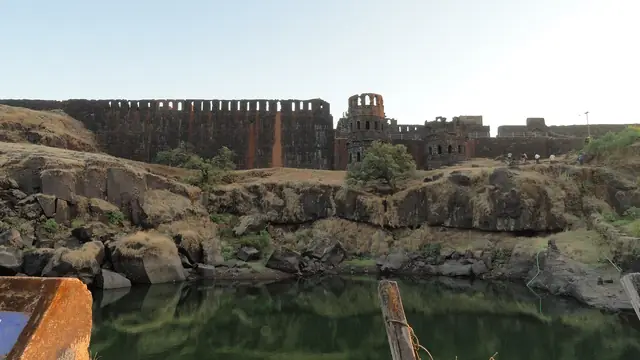
Battle of Duimunisila and the defeat of Turbak
In 1532–33 the Bengal general Turbak pushed up the Brahmaputra deep into Assam. After early losses, Suhungmung’s Ahoms beat him on the river, killed him and drove his army out of the valley.
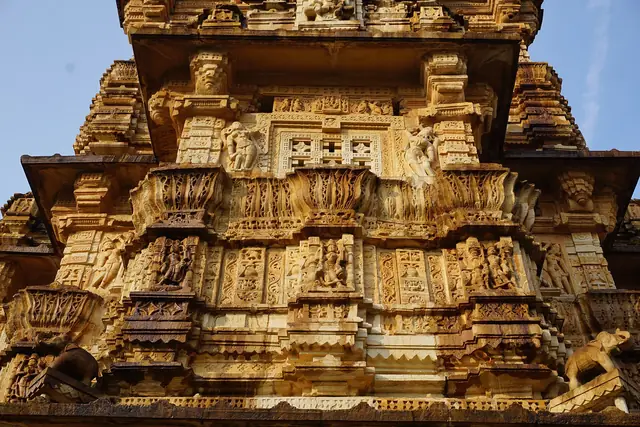
Second siege of Chittorgarh
Mewar was weak after Khanwa, with a boy on the throne. Bahadur Shah of Gujarat brought heavy guns against Chittor and took it in 1535.
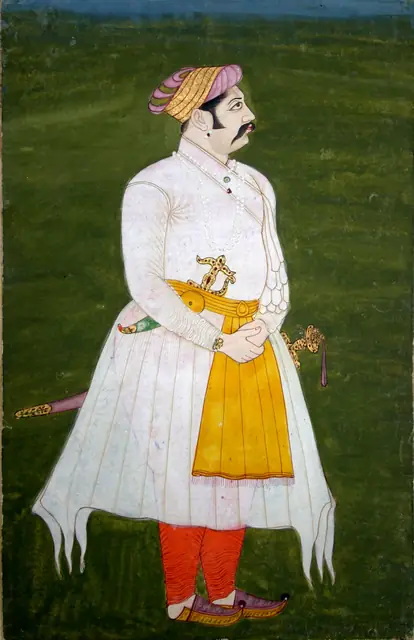
Battle of Giri Sumel
Sher Shah marched on Rao Maldeo of Marwar and, by the chroniclers’ account, used forged letters to make Maldeo doubt his own nobles. Maldeo withdrew; Jaita and Kumpa stayed and attacked.
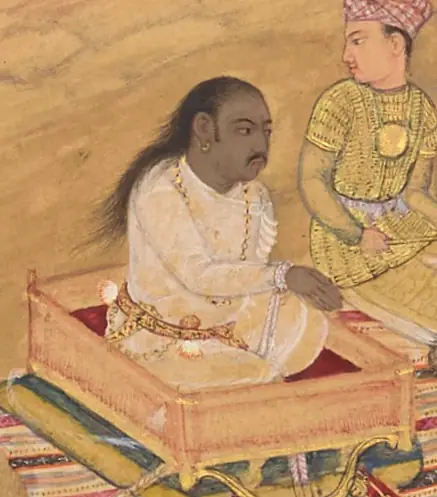
Second Battle of Panipat
A month after taking Delhi and crowning himself as Vikramaditya, Hemu met the Mughal army at Panipat. He was winning until a stray arrow changed the day.
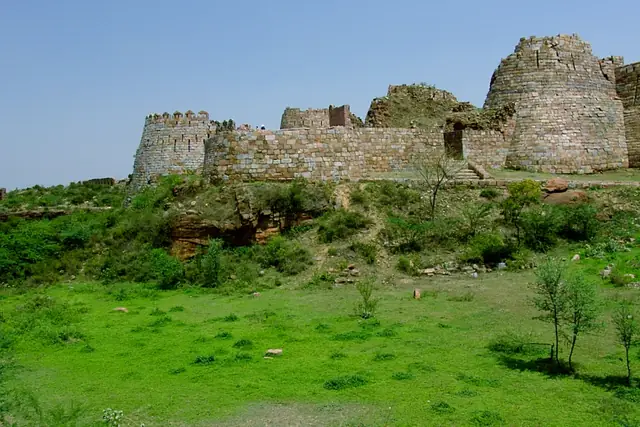
Battle of Tughlaqabad
Hemu, the general of Adil Shah Sur, beat the Mughal governor outside Delhi and for a month a Hindu king sat on the throne of Delhi.
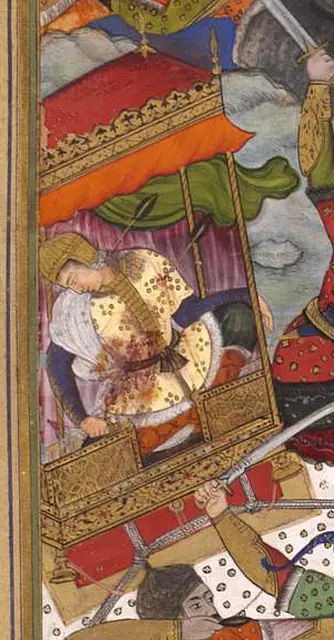
Battle of Narrai: Rani Durgavati’s last stand
Rani Durgavati had ruled the Gond kingdom for fifteen years as regent for her son Vir Narayan. When Akbar’s governor Asaf Khan invaded, she met him in battle herself.
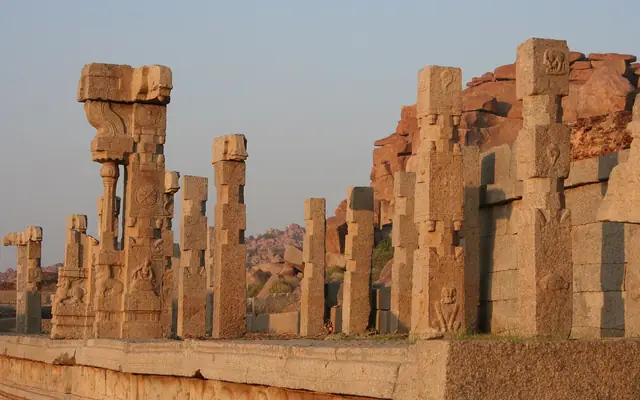
Battle of Talikota (Rakkasa-Tangadi)
The four sultanates that had fought one another for years united against Vijayanagara. In a single afternoon the army of the greatest Hindu state of the south was broken.
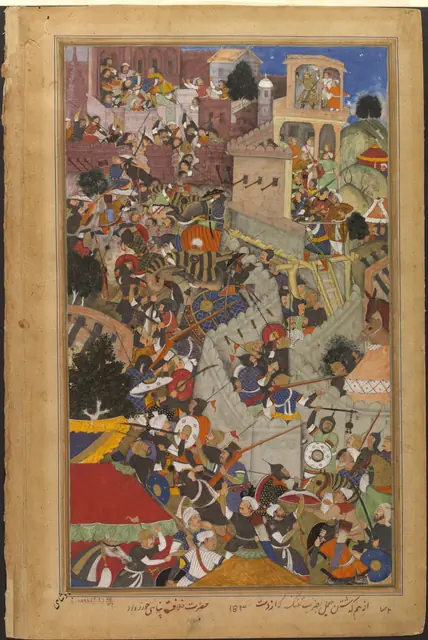
Third siege of Chittorgarh
Rana Udai Singh withdrew to the hills and left Chittor in the hands of Jaimal and Patta. Akbar besieged it himself for four months with mines and covered approaches.
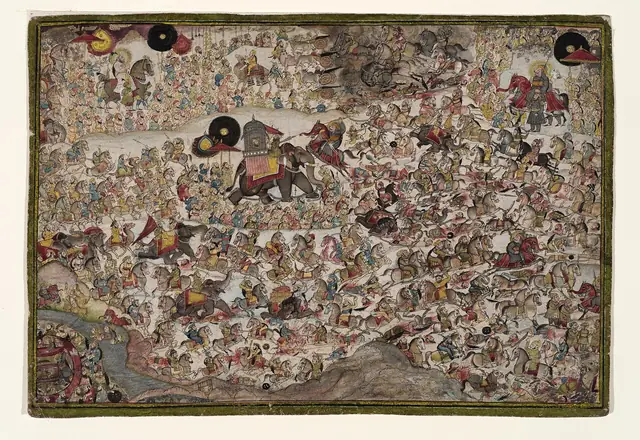
Battle of Haldighati
Akbar sent Man Singh with a large army to bring Maharana Pratap to submission. They met at the mouth of the yellow-earthed Haldighati pass.
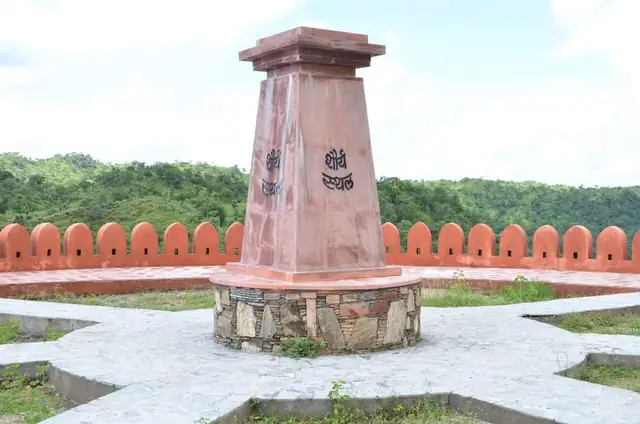
Battle of Dewair
After years in the hills, Pratap came down on the Mughal post at Dewair. Mewar remembers it as the battle that turned the war.
Battle of Toppur
When Venkatapati Raya died in 1614, his wife’s brother Jagga Raya murdered the heir’s family and set up his own nephew. At Toppur the loyal nayakas destroyed him, the largest battle in the south between Talikota and the Mughal age.
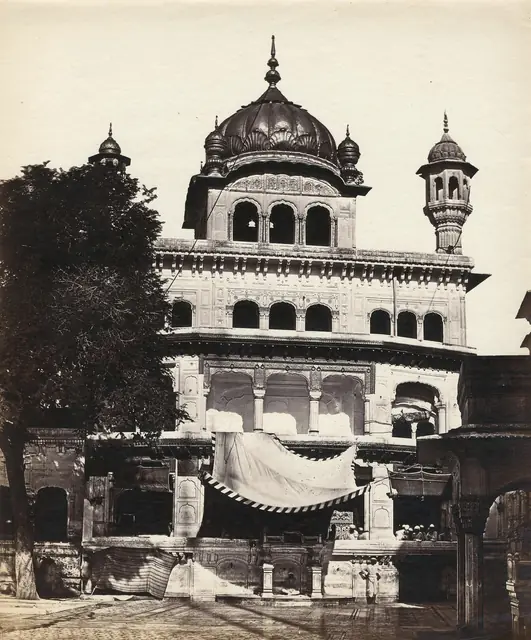
Battle of Amritsar
The first battle fought by the Sikh Gurus against the Mughal state. It began, Sikh tradition says, over a royal hawk that Sikhs out hunting refused to give up.
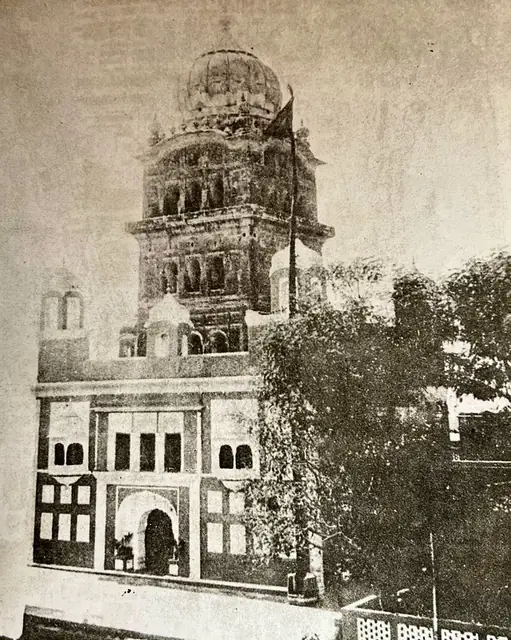
Battle of Kartarpur
Kartarpur was the last of Guru Hargobind’s four battles with the Mughals. A Pathan once raised in his own household led the attack, and died in single combat with the Guru.
Shivaji’s conquest of Javali
The Mores of Javali held the dense forest country between the Deccan plateau and the Konkan. By taking it in 1656 Shivaji doubled his lands and gained the ground where he would later meet Afzal Khan.
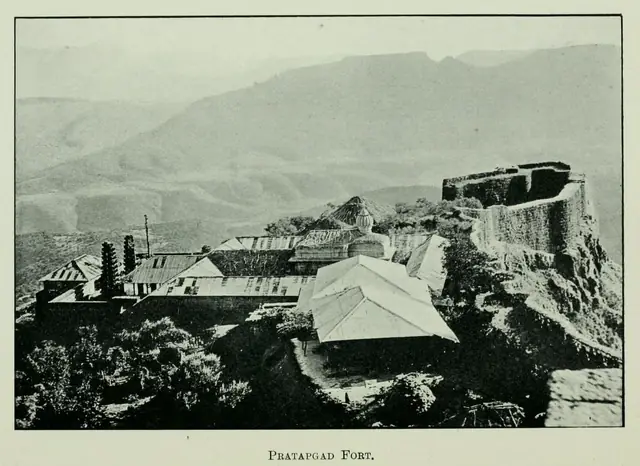
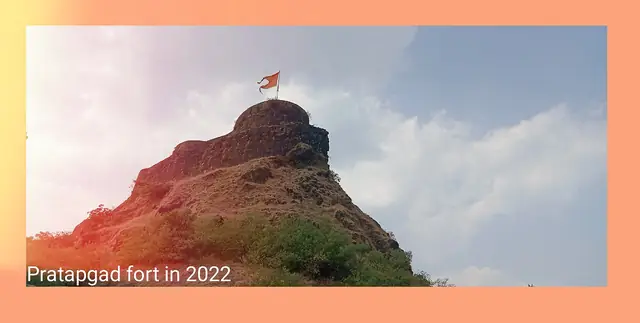
Battle of Pratapgad
Bijapur sent its senior general Afzal Khan to crush Shivaji. Shivaji drew him into the forests of Jaoli and agreed to meet him alone below Pratapgad.
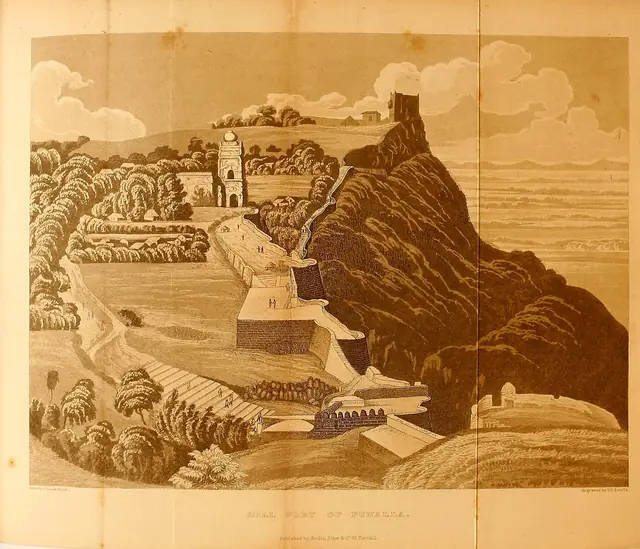
Battle of Kolhapur
Seven weeks after Pratapgad, Bijapur sent a second army under Rustam Zaman and Afzal Khan’s son Fazal Khan. Shivaji met it in the open near Kolhapur and broke it.
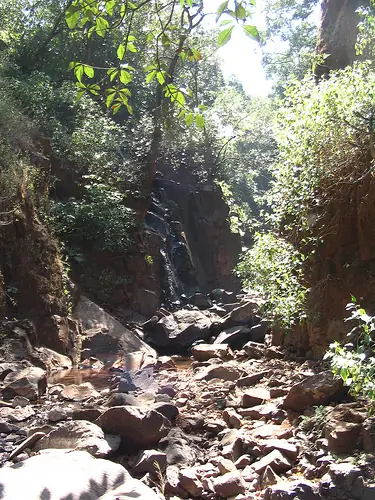
Battle of Pavan Khind
Besieged in Panhala for months by Siddi Jauhar, Shivaji slipped out on a stormy night and made for Vishalgad. Baji Prabhu Deshpande stayed behind in a narrow pass to stop the pursuit.
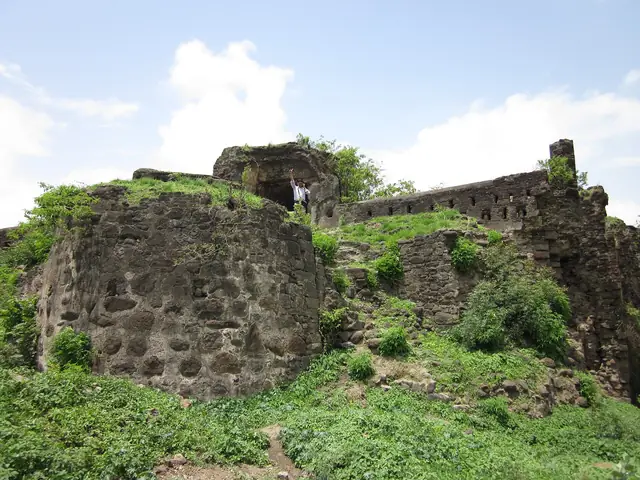
Siege of Chakan
When Shaista Khan’s great army came into the Pune country in 1660, a small earth-and-stone fort at Chakan held it up for nearly two months under Firangoji Narsala.
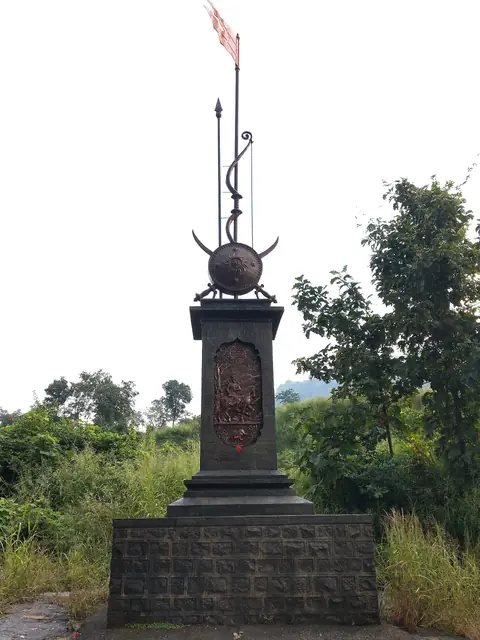
Battle of Umberkhind
Shaista Khan sent the Uzbek general Kartalab Khan down into the Konkan through a forest pass. Shivaji closed both ends of the valley and trapped the whole column.
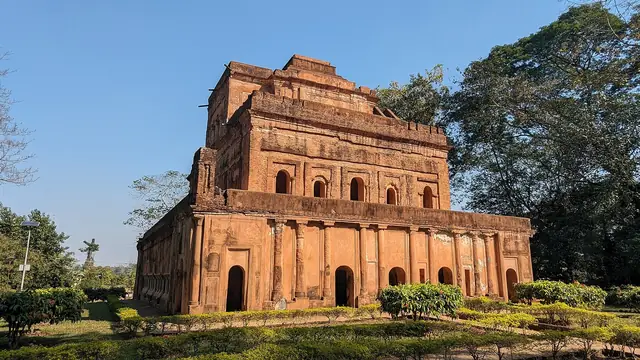
Mir Jumla’s invasion of Assam
Mir Jumla marched up the Brahmaputra in 1662 and took Garhgaon, the Ahom capital. The monsoon then trapped his army, and the victory he won cost him his men and his life.
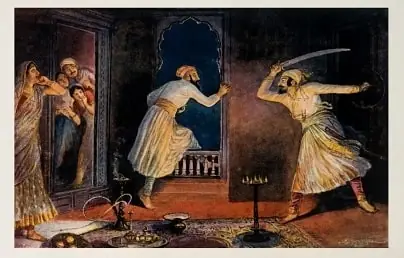
Raid on Lal Mahal
Shivaji slipped into his own boyhood home in Pune, now the quarters of the Mughal viceroy, and attacked Shaista Khan in his bedchamber in the middle of a camp of thousands.
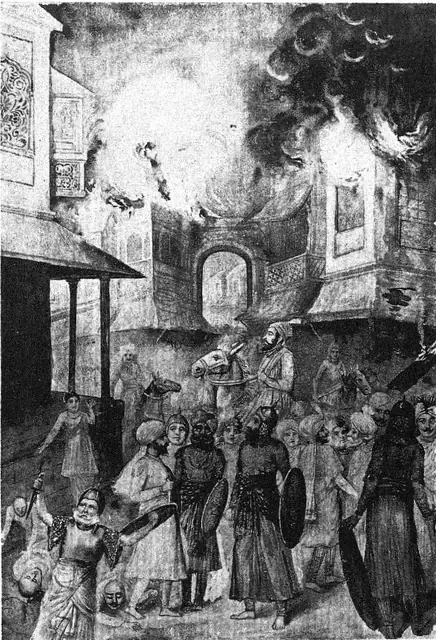
Shivaji’s Raid on Surat (1664)
Shivaji struck at Surat, the Mughal empire’s chief port and the gate to Mecca, and carried off its treasure to pay for the war that Shaista Khan had brought to his land.
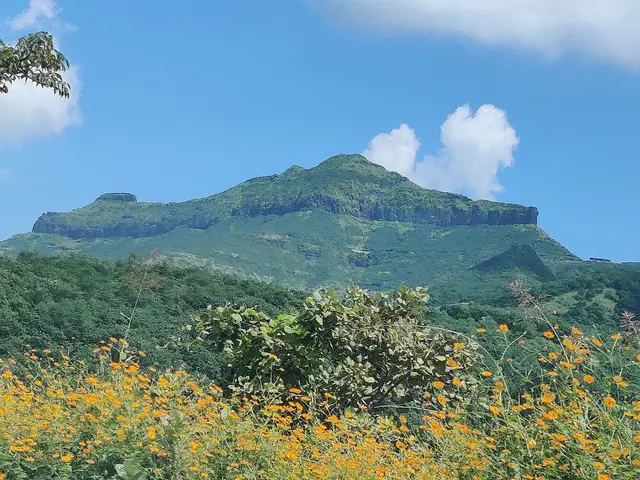
Siege of Purandar
Aurangzeb sent Raja Jai Singh of Amber, his ablest general, against Shivaji. Jai Singh besieged Purandar and ravaged the country around, until Shivaji came to terms.
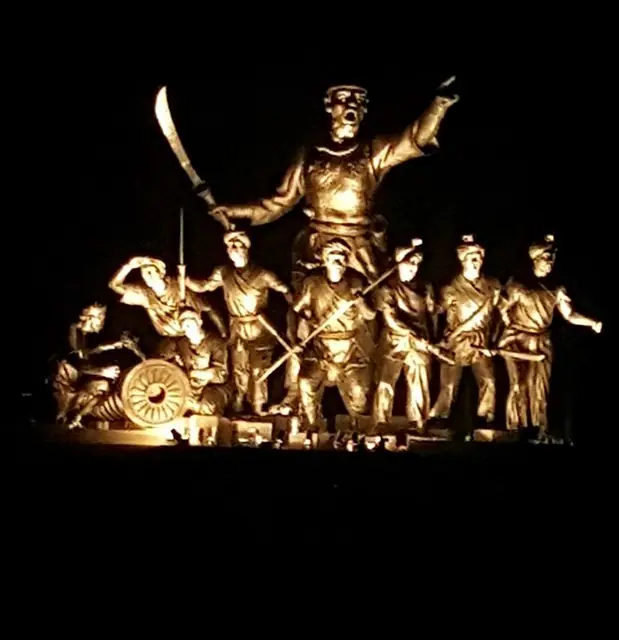
Battle of Alaboi
Aurangzeb sent Ram Singh of Amber to retake Guwahati. At Alaboi the Ahoms met his army on open ground and were badly beaten, the worst day of the whole war.
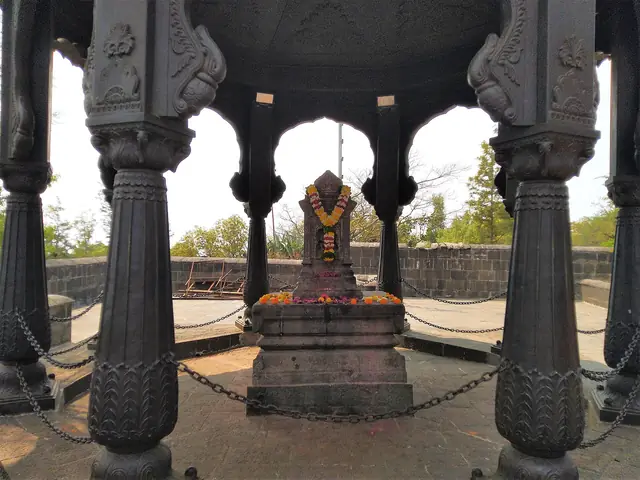
Capture of Sinhagad (Kondhana)
Kondhana had gone to the Mughals under the Treaty of Purandar in 1665. Five years later Tanaji Malusare climbed its cliff by night with a picked band and won it back.
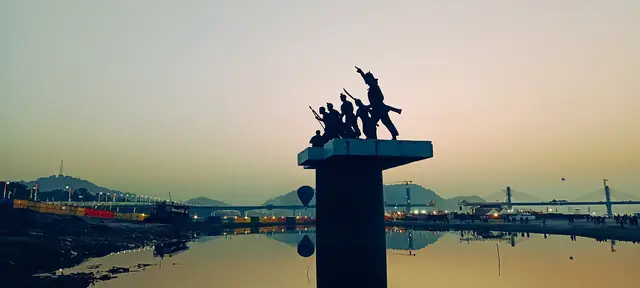
Battle of Saraighat
The last and decisive battle of Ram Singh’s invasion was fought on the river at Guwahati. Lachit Borphukan, gravely ill, had himself carried onto a boat and led the counter-attack.
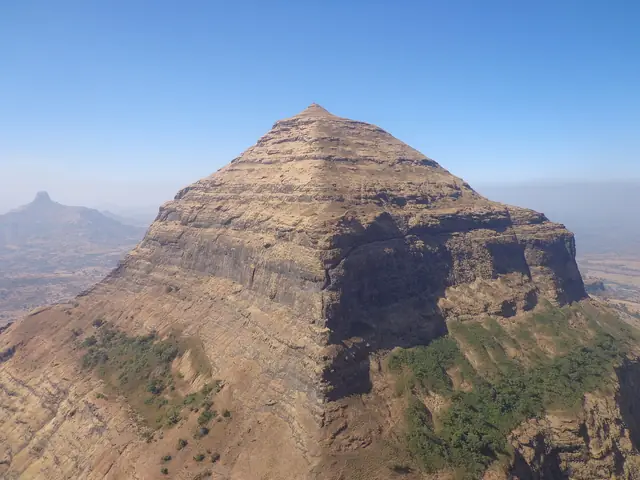
Battle of Salher
Salher was the first great pitched battle the Marathas won against a Mughal field army. Two Maratha forces closed on the besiegers from two sides.
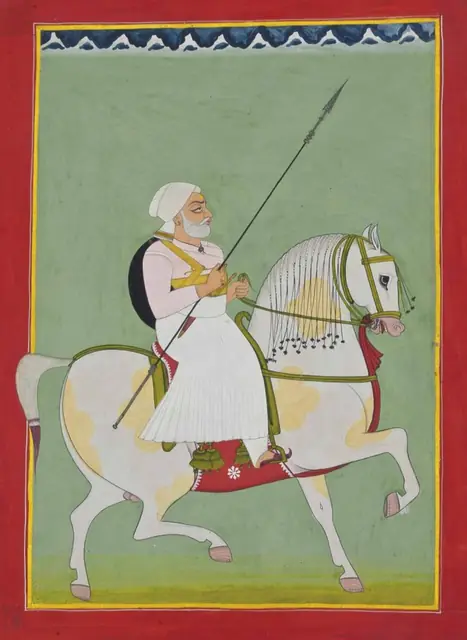
The Rathore War for Marwar
When Maharaja Jaswant Singh died in 1678, Aurangzeb took Marwar under direct rule. Durgadas Rathore smuggled the dead king’s infant son out of Delhi and fought for him until he had his throne.
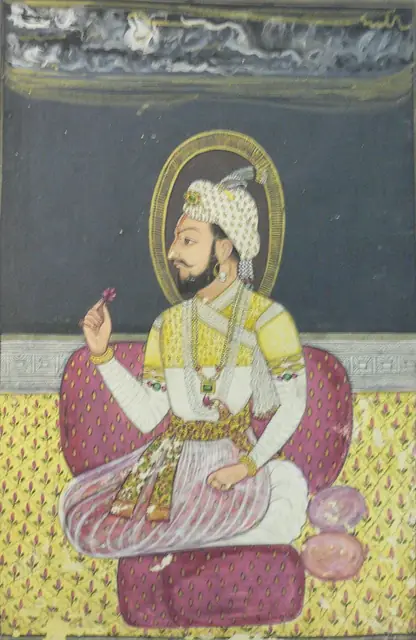
The Mughal–Maratha War of 27 Years
Aurangzeb came south with the full strength of his empire in 1681 and never went back. For twenty-six years three Maratha rulers and a handful of great generals wore his armies down.
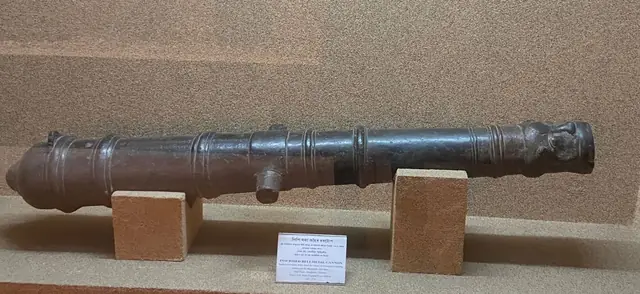
Battle of Itakhuli
In 1679 Guwahati had been handed to the Mughals by a treacherous Ahom governor. Three years later Gadadhar Singha sent his army down the river and won it back for good.
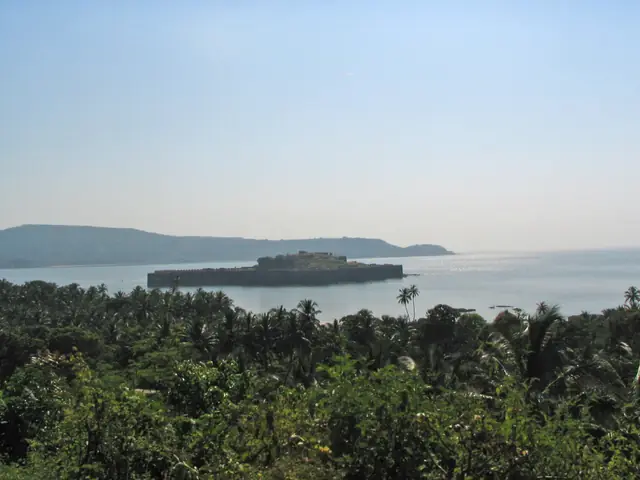
Sambhaji’s Siege of Janjira
Sambhaji tried to take the sea fortress of Janjira that had defied his father, even trying to bridge the channel with stone, but war with Aurangzeb called him away.
Siege of Ramsej
Ramsej was the first fort Aurangzeb attacked when he came to the Deccan to finish the Marathas. A small hill with a few hundred men on it defied his generals for years.
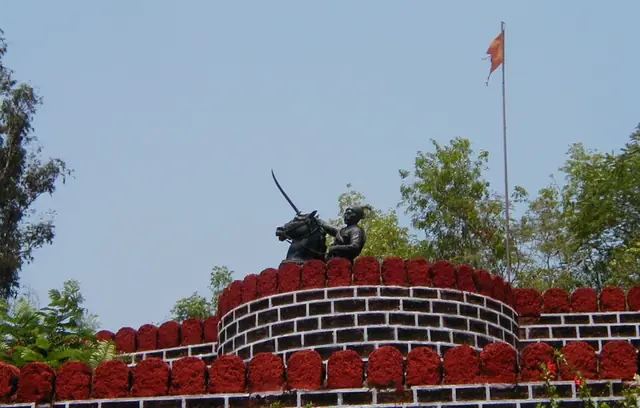
Sambhaji’s Goa Campaign
When the Portuguese viceroy, encouraged by the Mughals, attacked the Maratha fort of Ponda, Sambhaji answered by carrying the war to the walls of Goa itself.
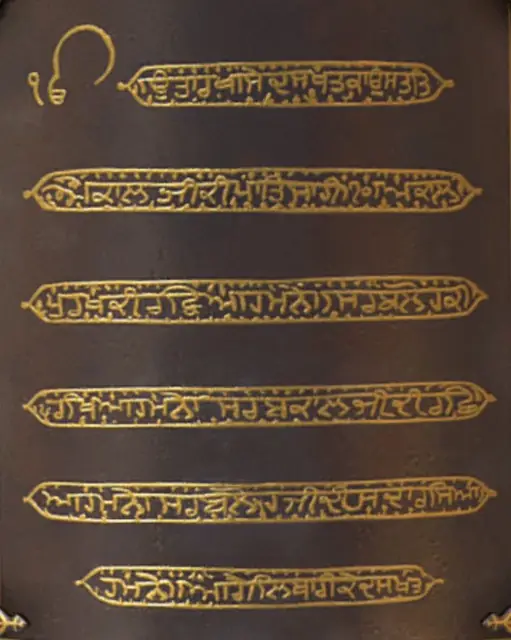
Battle of Bhangani
Guru Gobind Singh’s first battle, fought when he was about twenty-two. He tells of it himself in the Bachitra Natak.
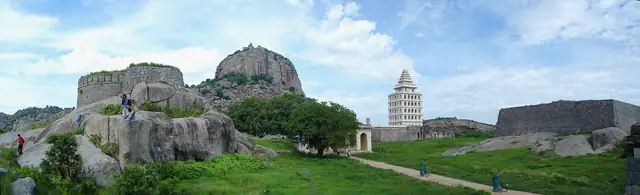
Siege of Jinji
For eight years one of the strongest forts of the south held the Maratha king and tied down a large Mughal army far from the Deccan.
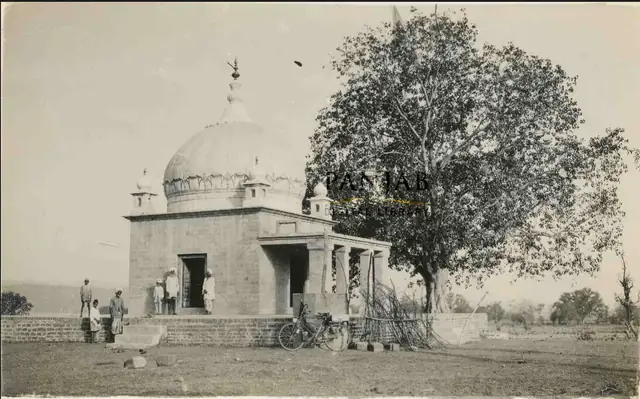
Battle of Nadaun
When a Mughal officer came to collect arrears of tribute from the hill states, Raja Bhim Chand resisted and Guru Gobind Singh rode to his side. Their victory by the Beas is told by the Guru himself in the Bachittar Natak.
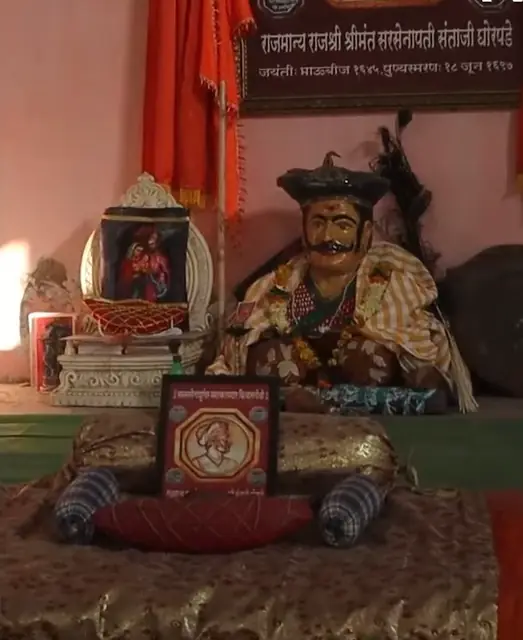
Battle of Dodderi
At Dodderi in 1695 Santaji Ghorpade caught a whole Mughal army on the march, penned it inside a small fort without food, and forced it to give up. It was the worst defeat the Mughals suffered in the Deccan in Aurangzeb’s time.
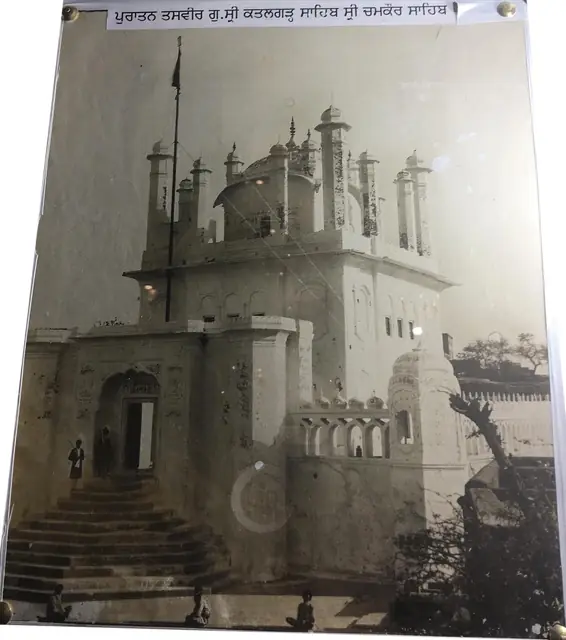
Battle of Chamkaur
After leaving Anandpur on a promise of safe passage that was broken, Guru Gobind Singh made a stand with about forty Singhs in a mud garhi at Chamkaur.
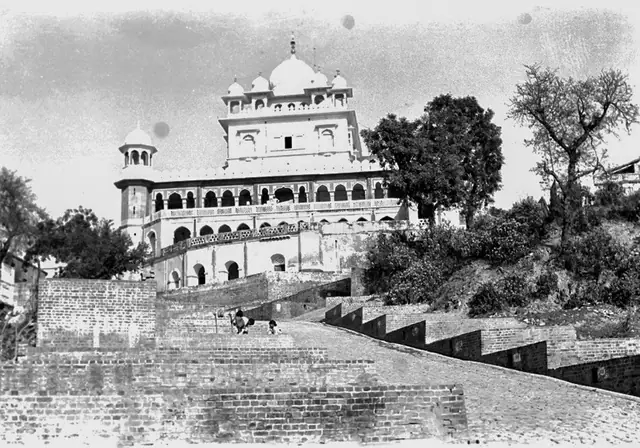
Siege of Anandpur
For months in 1704 the Mughal governors and the hill rajas besieged Guru Gobind Singh in Anandpur. They could not take it by force, and won it by oaths they did not keep.
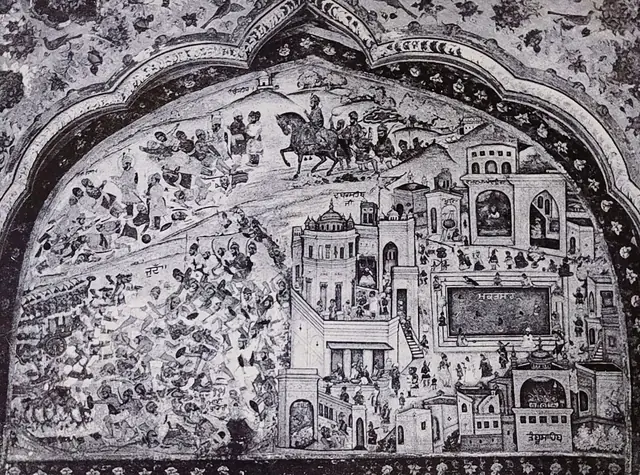
Battle of Muktsar (Khidrana)
Forty Singhs who had deserted the Guru at Anandpur came back under Mai Bhago and gave their lives at Khidrana. The Guru tore up the paper on which they had disowned him.
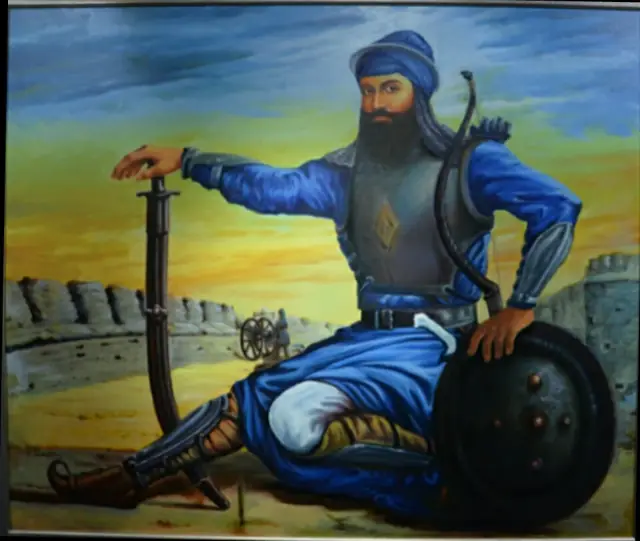
Battle of Samana
Samana was the first Mughal town Banda Singh Bahadur took after Guru Gobind Singh sent him to Punjab. Sikh tradition knew it as the home of the men who had executed Guru Tegh Bahadur and the younger Sahibzade.
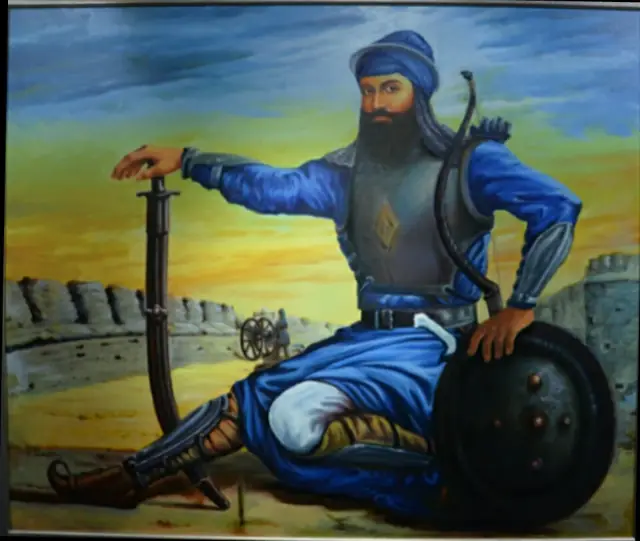
Battle of Chappar Chiri and the fall of Sirhind
Sent north by Guru Gobind Singh from Nanded, Banda Singh Bahadur gathered the Khalsa of the Punjab and struck at the man who had killed the Guru’s younger sons.
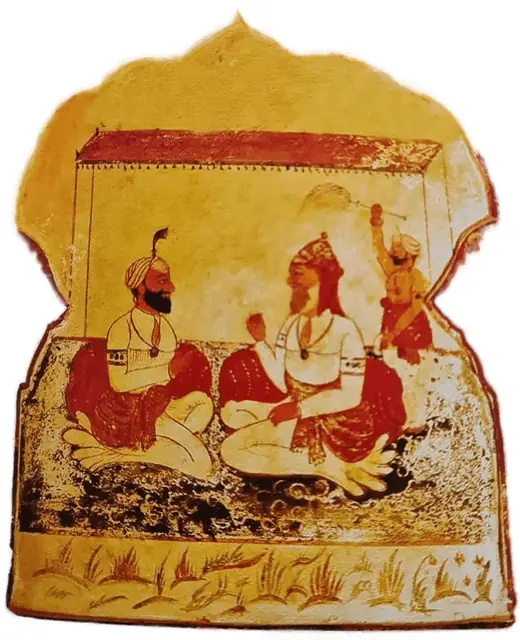
Siege of Gurdas Nangal
Banda Singh’s last stand was in a walled compound at Gurdas Nangal, where a Mughal army cut off every grain of food.
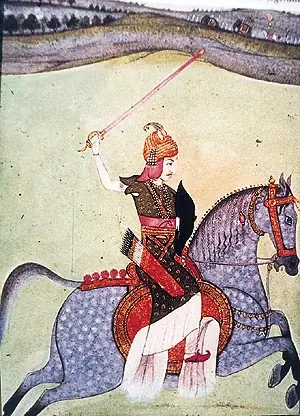
Battle of Palkhed
Bajirao led the Nizam’s heavy army on a chase across the Deccan and Khandesh, then trapped it in dry country near Palkhed. It was won by marching, not by charging.
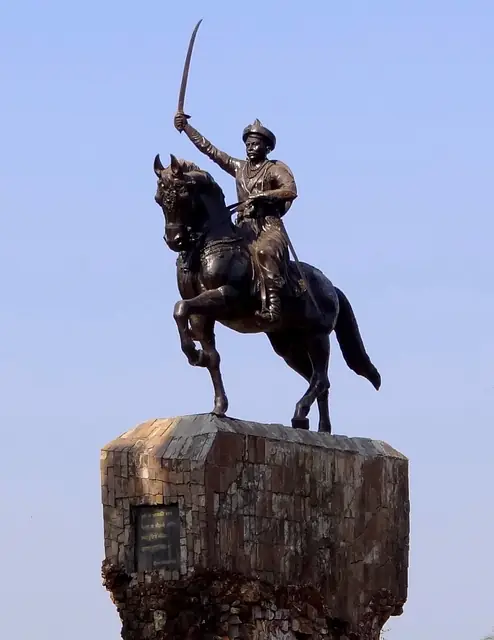
Battle of Amjhera
While Bajirao was beating the Nizam in the Deccan, his younger brother Chimaji Appa struck north into Malwa and destroyed the Mughal governor’s army at Amjhera.
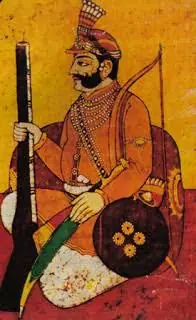
Relief of Jaitpur
Old Chhatrasal, nearly eighty and besieged at Jaitpur, sent to Bajirao for help. The Peshwa came north at speed and turned the siege around.
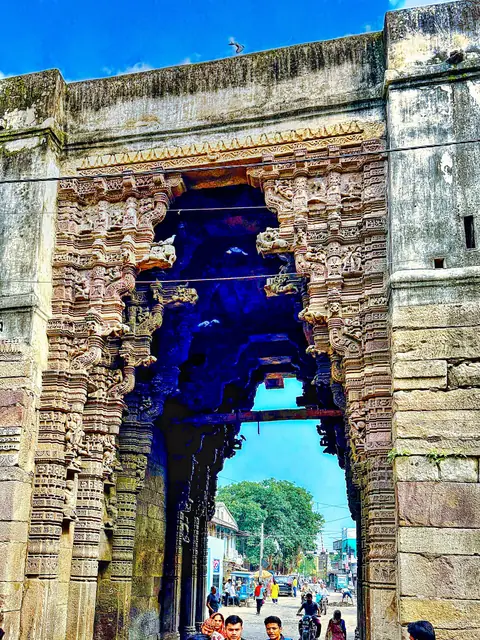
Battle of Dabhoi
Dabhoi was a sad battle between Marathas. The Senapati Trimbakrao Dabhade, who claimed Gujarat as his own field, took up arms against the Peshwa, and Bajirao beat him in a single day.
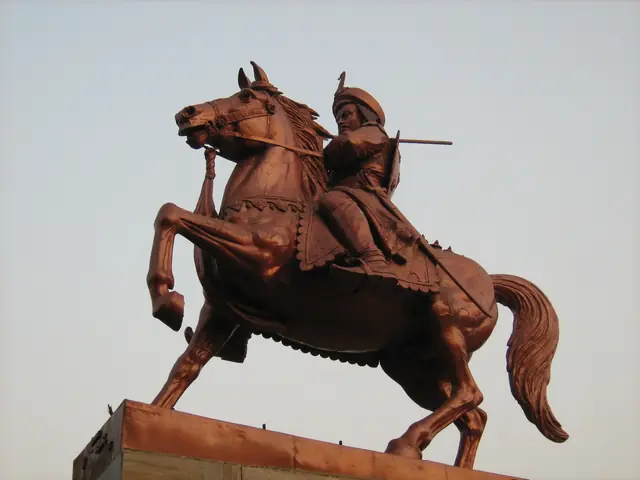
Bajirao’s raid on Delhi
To show the emperor what the Marathas could do, Bajirao slipped past the Mughal armies sent to stop him and appeared at Delhi.
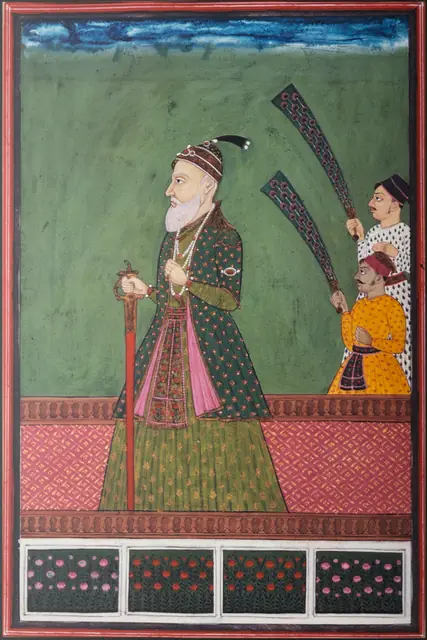
Battle of Bhopal
The emperor sent the Nizam north with a large army and artillery to finish Bajirao. Bajirao boxed him in at Bhopal instead.
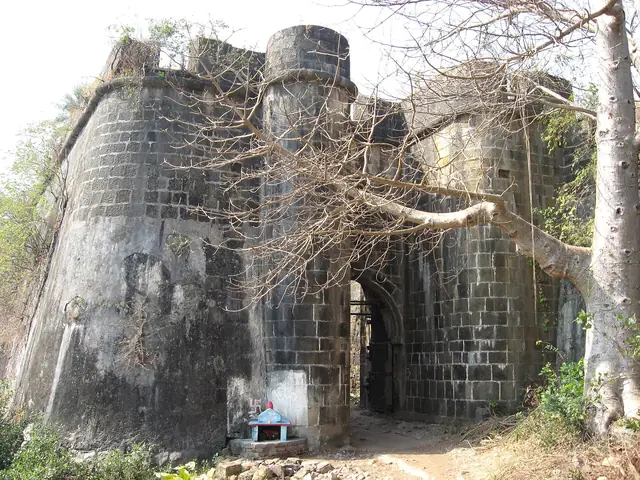
Siege of Vasai (Bassein)
Bajirao’s brother Chimaji Appa took the chief Portuguese stronghold on the north Konkan coast, ending two centuries of Portuguese rule there.
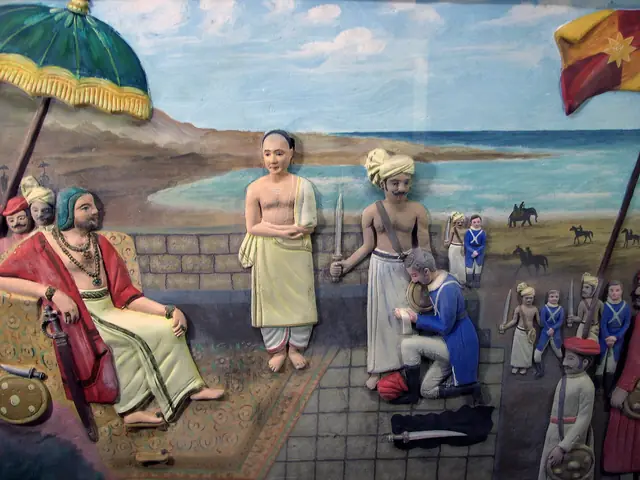
Battle of Kolachel (Colachel)
At Kolachel an Indian king defeated a European company’s army in open battle and took its officers prisoner.
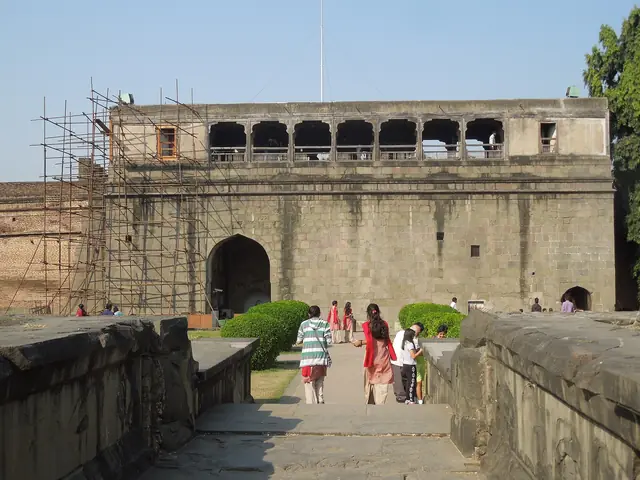
Chhota Ghallughara (the smaller holocaust)
In 1746 the Lahore government hunted the Sikhs into the marshes of Kahnuwan and killed them in thousands. Sikh memory calls it the Chhota Ghallughara, the smaller holocaust, to set it beside the greater one of 1762.
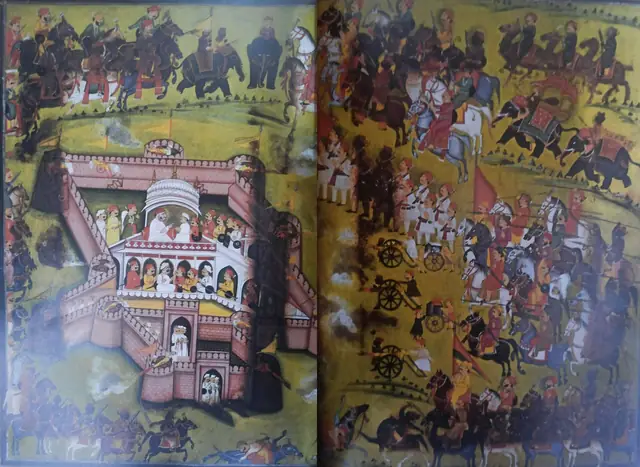
Siege of Kumher
The Marathas besieged Suraj Mal’s fort of Kumher for four months; it cost Malhar Rao Holkar his son Khande Rao and gave Ahilyabai Holkar her widowhood.
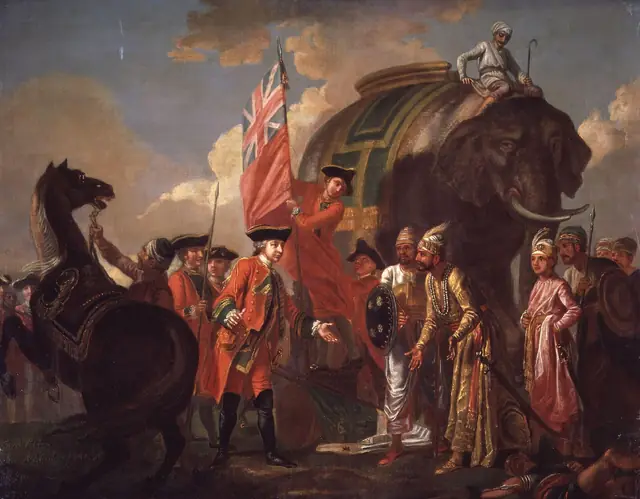
Battle of Plassey
Plassey was won less on the field than in the conspiracy before it, and it gave the East India Company the revenues of Bengal, the base from which it took Bharat.
Battle of Bobbili
Bobbili was a small Velama fort in the northern Andhra hills. Attacked by Bussy’s French troops and its old rival Vizianagaram, its men chose death over surrender, and the story became the most famous of Telugu ballads.
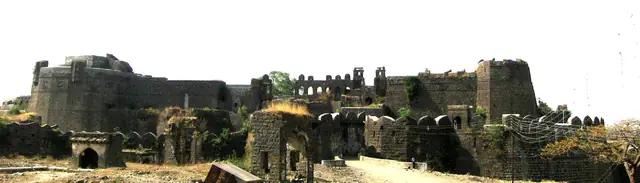
Battle of Udgir
At Udgir Sadashivrao Bhau and the new Maratha artillery forced the Nizam into the most favourable treaty the Peshwas ever won from Hyderabad.
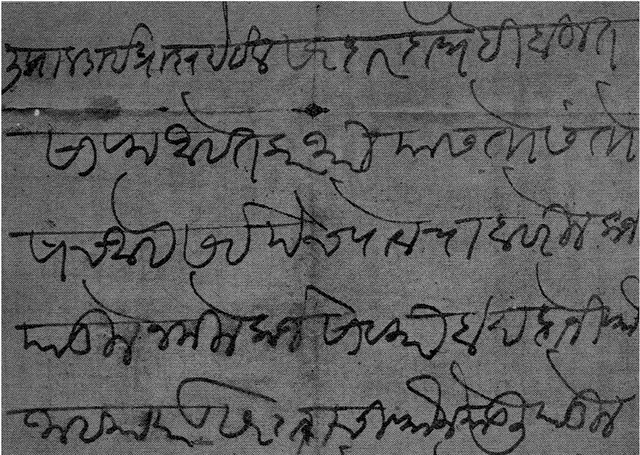
Capture of Kunjpura
Bhau’s storming of the Afghan depot at Kunjpura was the last Maratha victory before Panipat, celebrated on Dasara of 1760.
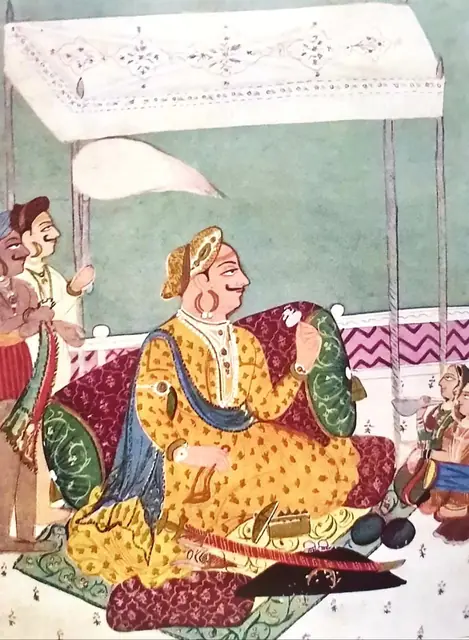
Battle of Barari Ghat
At Barari Ghat the Afghans forced the Yamuna under cover of the reeds, and Dattaji Shinde, who held the north for the Peshwa, died leading his men against them. His death brought the Marathas north in full strength, to Panipat.
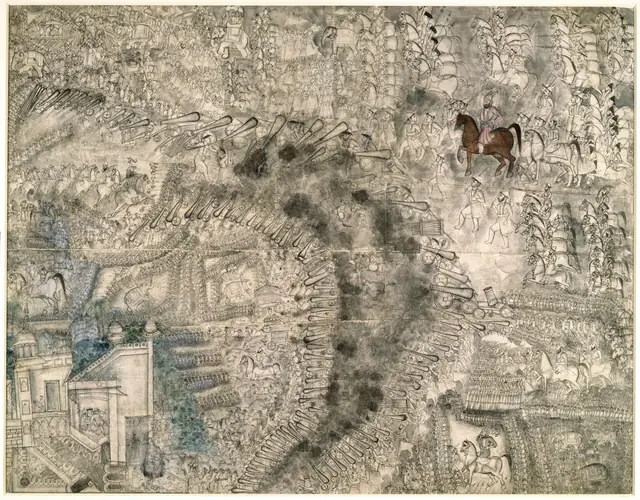
Third Battle of Panipat
The largest battle fought in eighteenth-century India. The Marathas came north to keep Abdali out of Hindustan and, after two months of starvation in their entrenched camp, attacked and lost.
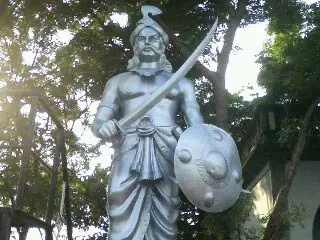
Fall of Nerkattumseval
Puli Thevar of Nerkattumseval was among the first chiefs of the south to refuse tribute to the Nawab and his Company allies; his fort fell to Yusuf Khan’s guns in 1761.
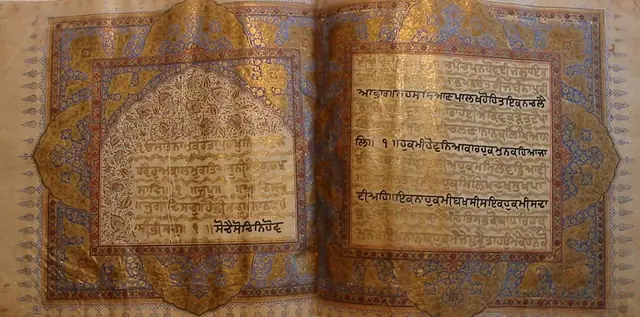
Vadda Ghallughara (the great holocaust)
On one February day in 1762 Ahmad Shah Abdali fell on the Sikh families moving south of the Sutlej, and the Khalsa fought a running battle all day to shield them. Sikh memory calls it the Vadda Ghallughara, the great holocaust.
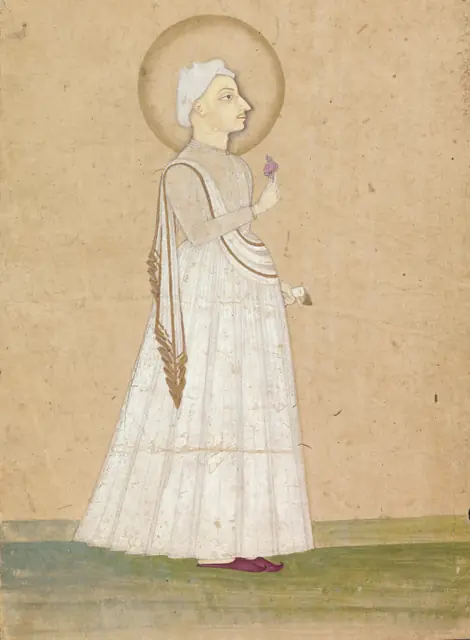
Battle of Rakshasbhuvan
Two years after Panipat the Nizam marched on Pune and burnt it. The young Peshwa Madhavrao caught his army at a river crossing and broke it.
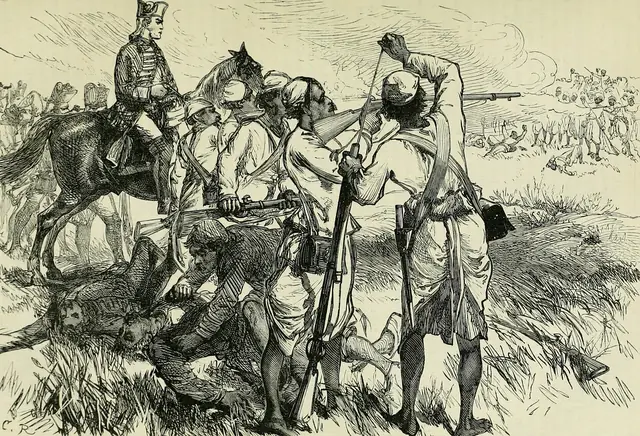
Battle of Buxar
Buxar settled what Plassey began: the Company defeated the Nawab of Awadh, the deposed Nawab of Bengal and the Mughal emperor together, and took the right to collect the revenue of eastern Bharat.
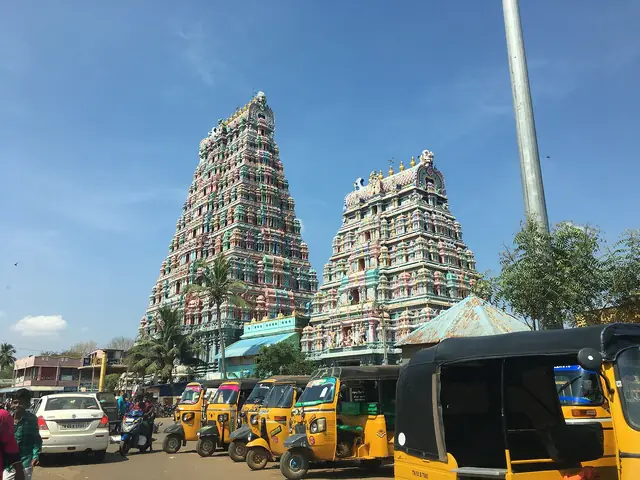
Battle of Kalaiyarkoil
At the temple town of Kalaiyarkoil the Raja of Sivaganga died fighting the Company and the Nawab, and his widow Velu Nachiyar began eight years of exile and preparation.
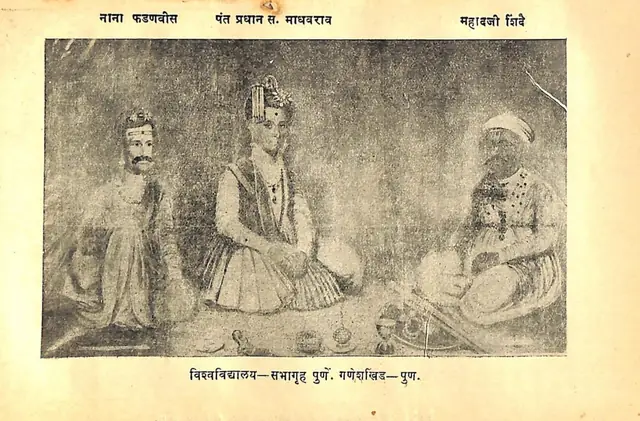
Battle of Wadgaon
In the First Anglo-Maratha War the Bombay government marched on Pune to install Raghunathrao as Peshwa. The Marathas let it come, burnt the country ahead of it and then closed in.
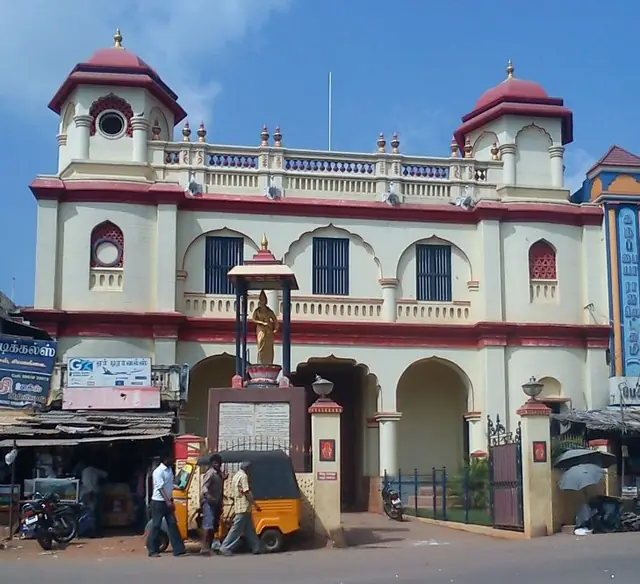
Recovery of Sivaganga
Eight years after her husband’s death, Velu Nachiyar returned to Sivaganga and took back her kingdom, one of the few Indian rulers to recover a throne from the Company’s allies.
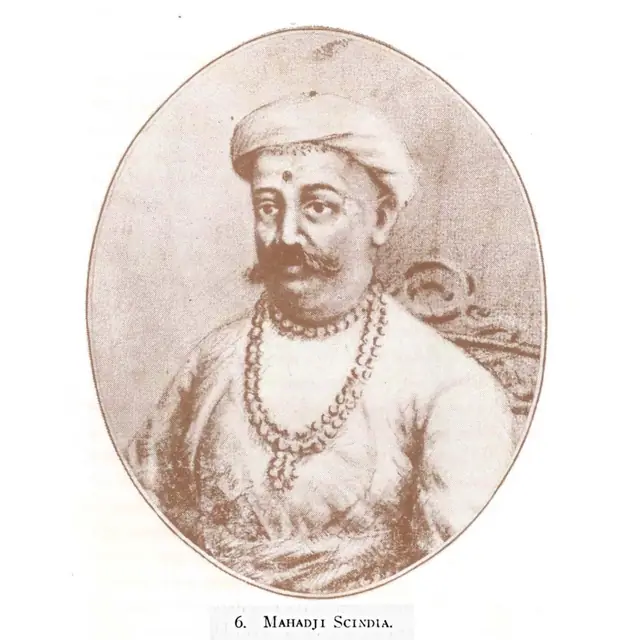
Battle of Lalsot
At Lalsot the Rajput states joined to stop Mahadji Scindia’s demand for tribute, and the defection of his Mughal troops forced the great Maratha general to fall back.
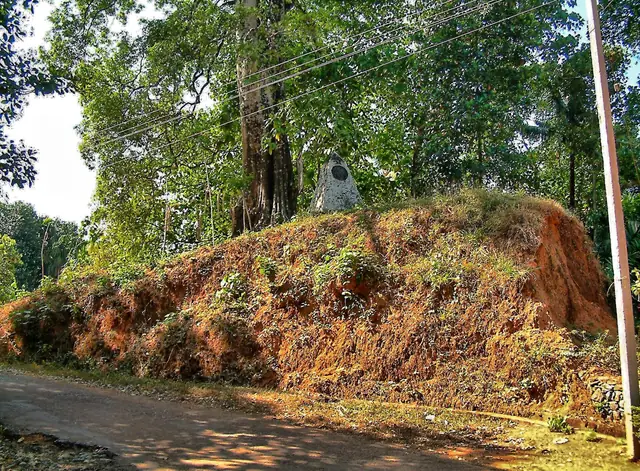
Tipu’s attack on the Travancore Lines
Travancore had walled off its northern frontier with a rampart and ditch, the Nedumkotta. When Tipu Sultan stormed it by night in December 1789, a small Travancore force threw his column into rout, and the attack led directly to the Third Anglo-Mysore War.
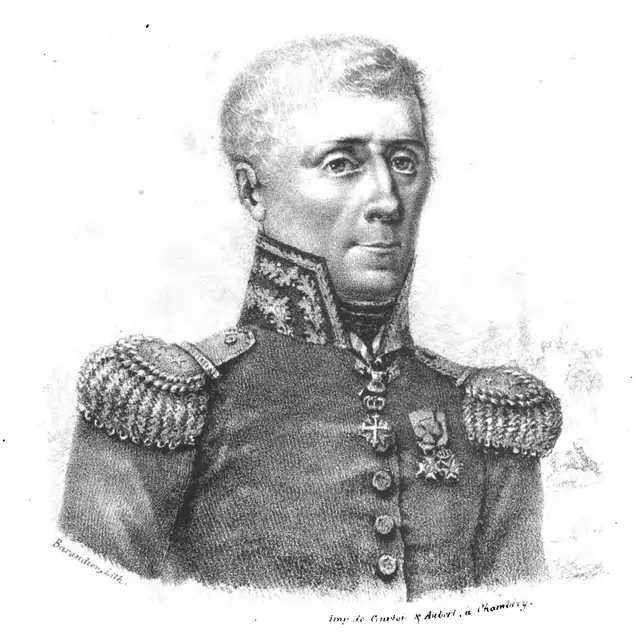
Battle of Patan
Patan was the first great victory of Mahadji Scindia’s new regular brigades and reversed the setback of Lalsot.
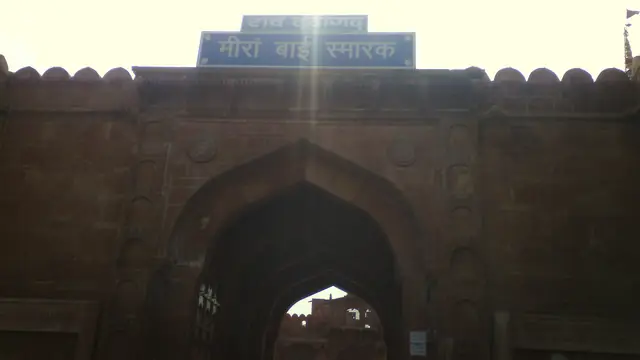
Battle of Merta
At Merta the famed Rathore horsemen made their last great charge against Mahadji Scindia’s drilled infantry, and lost.
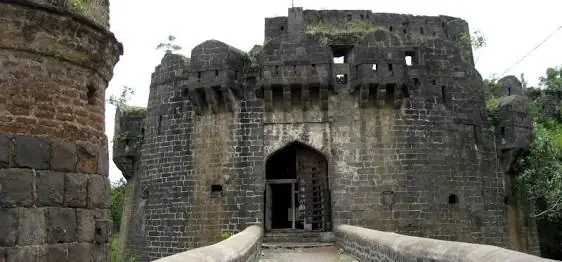
Battle of Kharda
The last time all the great Maratha houses took the field together under the Peshwa’s banner.
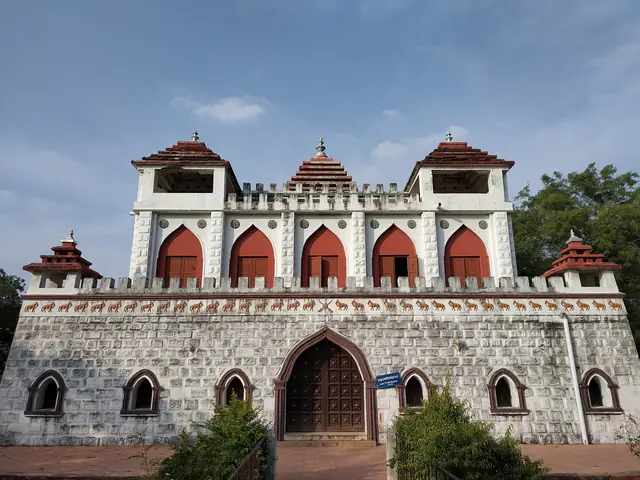
Polygar Wars
The palaiyakkarars, hereditary chiefs of the far south, refused to pay tribute to the Company and fought it for six years, from the walls of Panchalankurichi to the hills of Kongu.
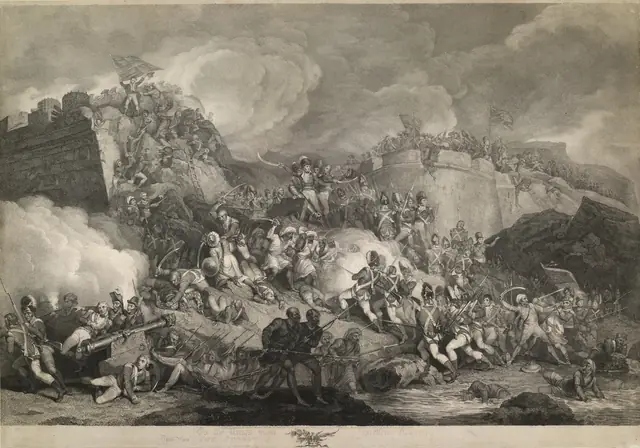
Siege of Srirangapatna (1799)
The fall of Srirangapatna ended the Fourth Anglo-Mysore War and Tipu Sultan’s rule, and put a five-year-old Wodeyar prince back on the throne of Mysore under Company protection.
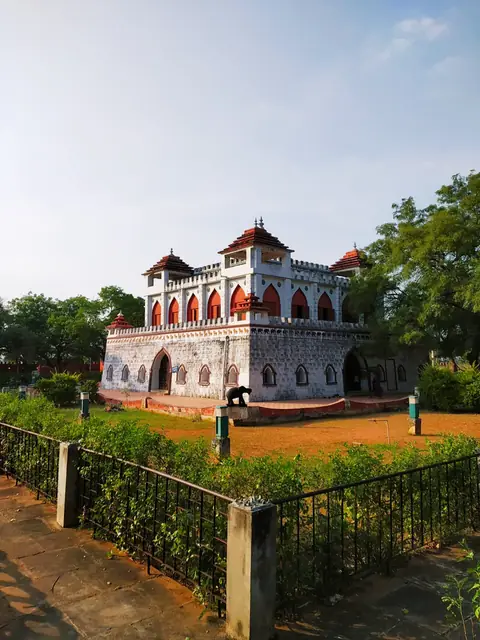
Siege of Panchalankurichi
Kattabomman’s mud fort threw back the Company’s first storming party, and the siege became the opening act of the Polygar wars.
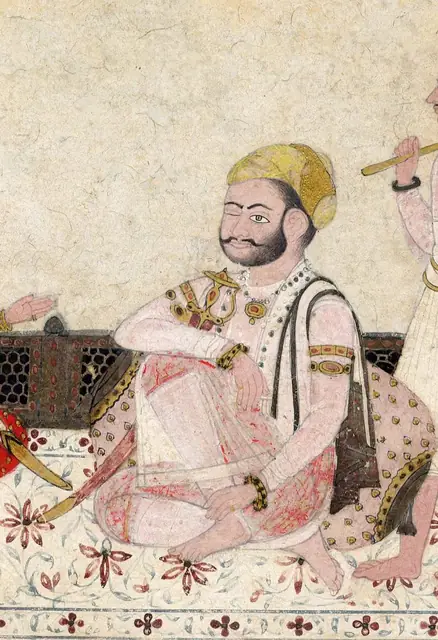
Battle of Poona (Hadapsar)
On Diwali day 1802 Yashwantrao Holkar defeated the Peshwa and Scindia outside Pune, a Maratha victory over Marathas that drove the Peshwa into the Company’s arms.
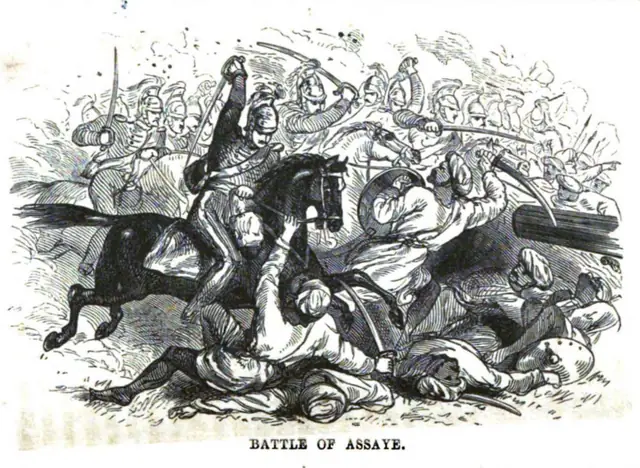
Battle of Assaye
The first great battle of the Second Anglo-Maratha War. Scindia’s European-drilled infantry and artillery fought the Company hard, and lost.
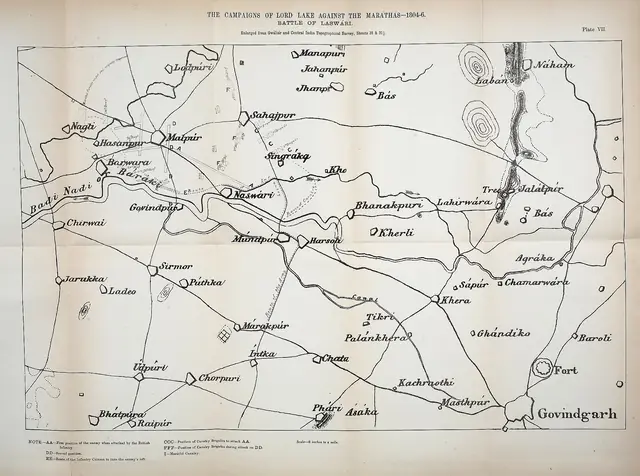
Battle of Laswari
Laswari finished the army that de Boigne had trained for Mahadji Scindia. Its battalions fought to the last against Lake’s cavalry and infantry.
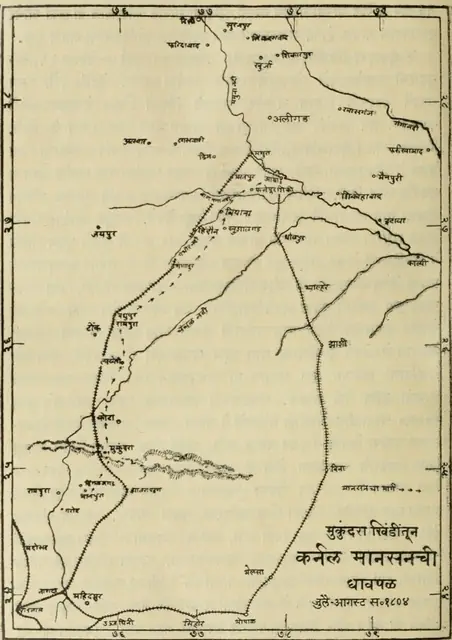
Monson’s Retreat
Yashwantrao Holkar turned on a Company column that had marched deep into his country and chased it back across Rajasthan in the rains, one of the worst Company defeats in India.
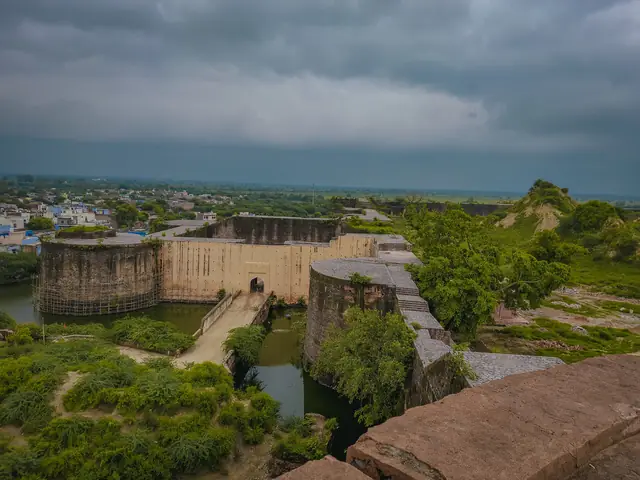
Battle of Deeg
Holkar’s trained infantry and guns stood with the Jats under the walls of Deeg; they lost the battle and then the fort, and the war moved to Bharatpur.
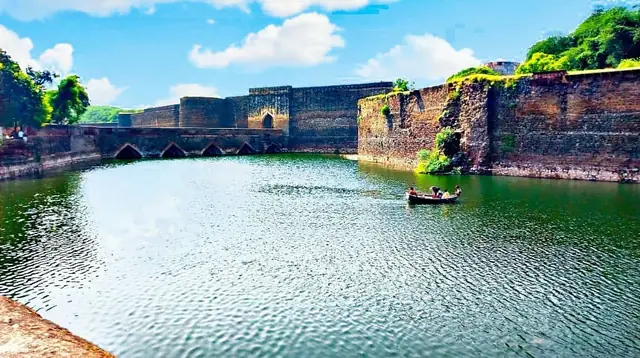
Siege of Bharatpur
For four months the mud walls of Bharatpur stood against General Lake, who had just broken the Marathas in the north. The Company lost thousands of men and never took the fort.
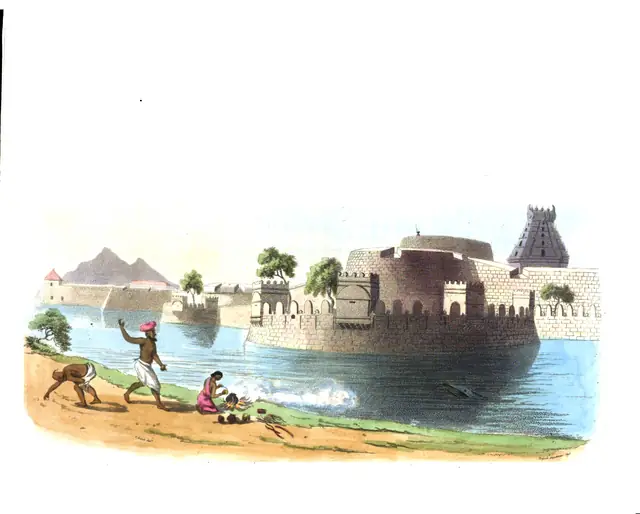
Vellore Revolt
Fifty-one years before Meerut, Indian sepoys at Vellore rose against Company officers who had ordered them to shave, remove caste marks from the forehead and wear a new leather-cockaded turban.
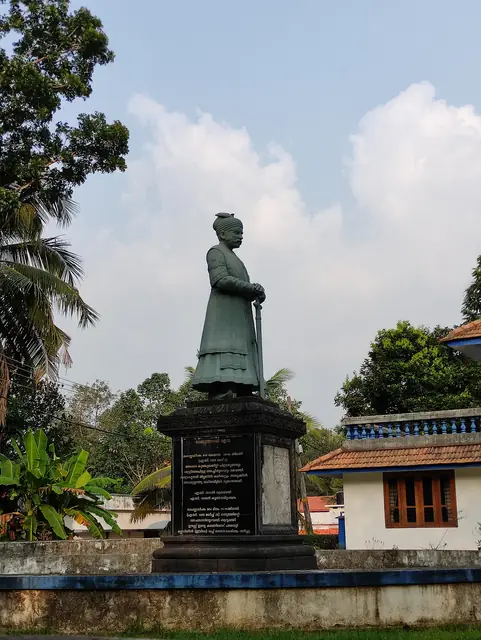
Velu Thampi’s Revolt
The Dalawa (chief minister) of Travancore, crushed between Company subsidy demands and a Resident who ruled over his king, took up arms and called the people of Kerala to rise.
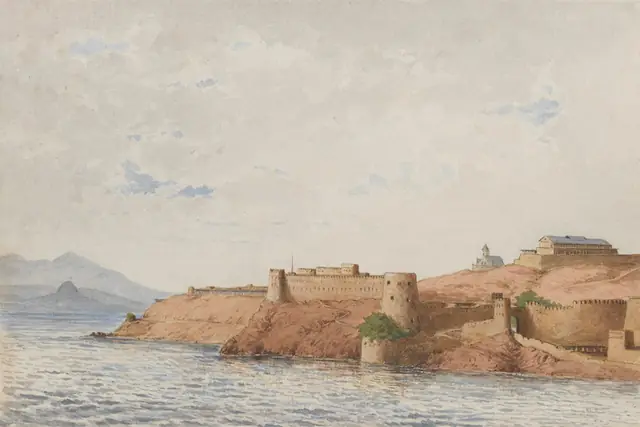
Battle of Attock
At Attock the army of Ranjit Singh beat the Afghans of Kabul for the first time in a pitched battle and secured the crossing of the Indus.
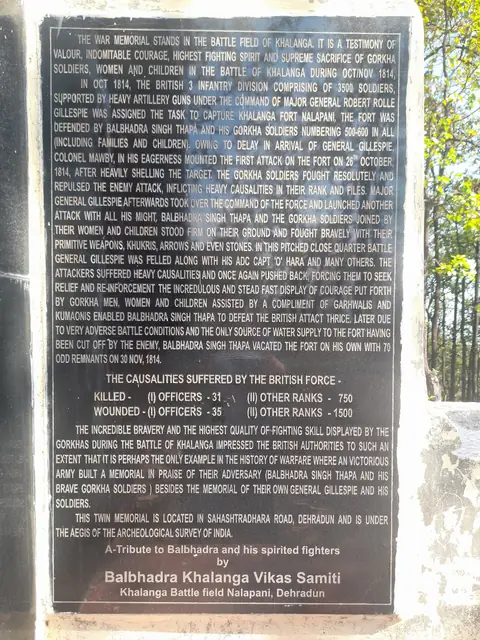
Battle of Nalapani (Khalanga)
On a wooded hill above Dehradun a few hundred Gorkha soldiers, with their women and children, held a half-built fort against a Company division for a month. The British raised a memorial to their own general and another to ‘our gallant adversary’.
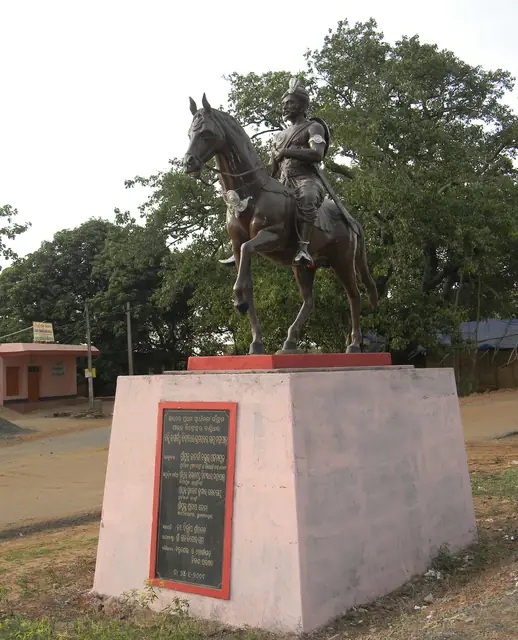
Paika Rebellion
The hereditary militia of the Khurda kings, stripped of their lands by the Company, rose under their old paymaster Jagabandhu in one of the earliest armed risings against Company rule.
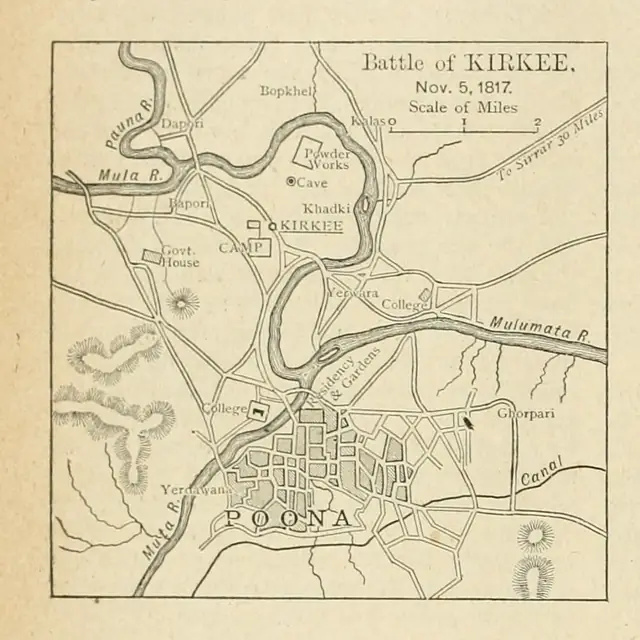
Battle of Khadki (Kirkee)
At Khadki, outside Pune, Peshwa Bajirao II made his break with the Company. His army was many times larger, but its cavalry charge was stopped, and within two weeks the British flag flew over Shaniwar Wada.
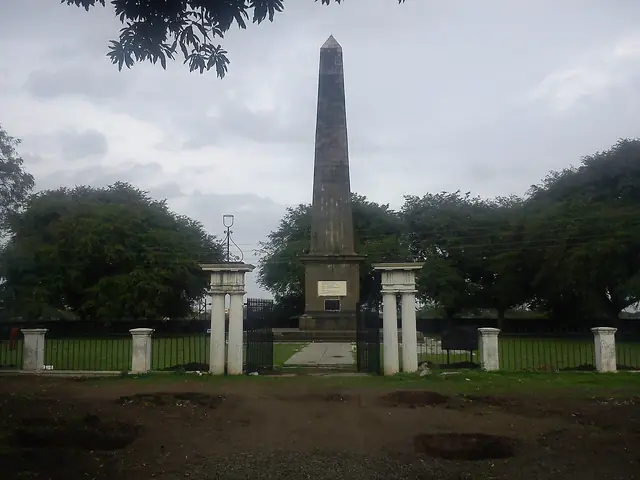
Battle of Koregaon
During the last Anglo-Maratha war, a Company detachment of about 800 men, mostly of the 2nd battalion, 1st Bombay Native Infantry, fought a far larger body of the Peshwa’s troops for a whole day in the lanes of Koregaon.
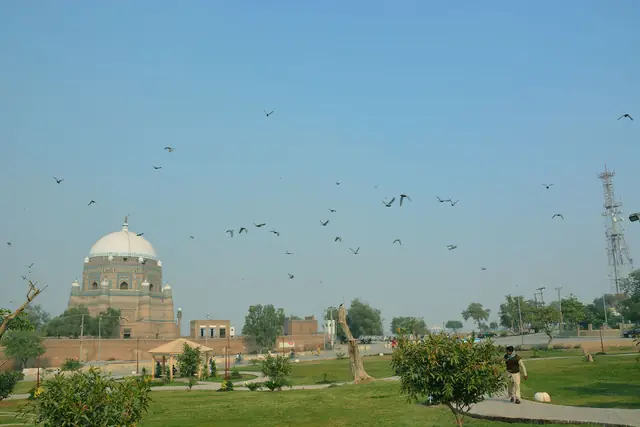
Siege of Multan (1818)
After several earlier attempts, Ranjit Singh’s army breached the great fort of Multan with heavy guns and ended Afghan rule over the lower Punjab.
Battle of Ashti
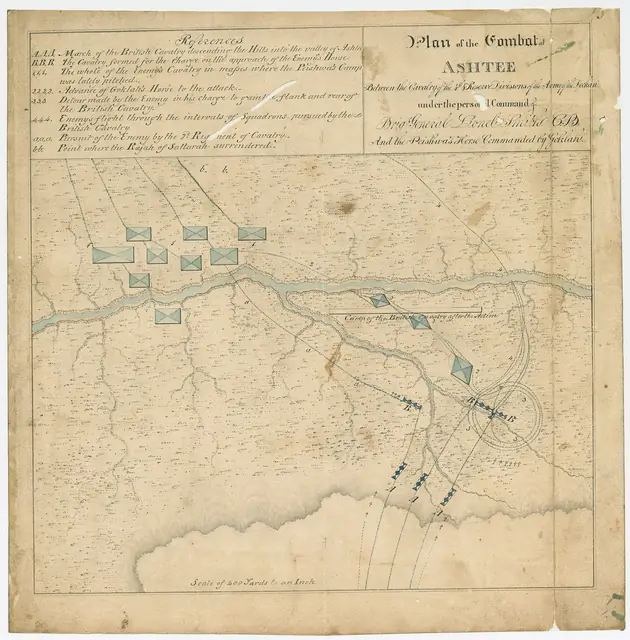
After three months on the run Bajirao II was caught at Ashti. His old general Bapu Gokhale charged the Company cavalry to give him time to escape, and died there.
Battle of Shopian
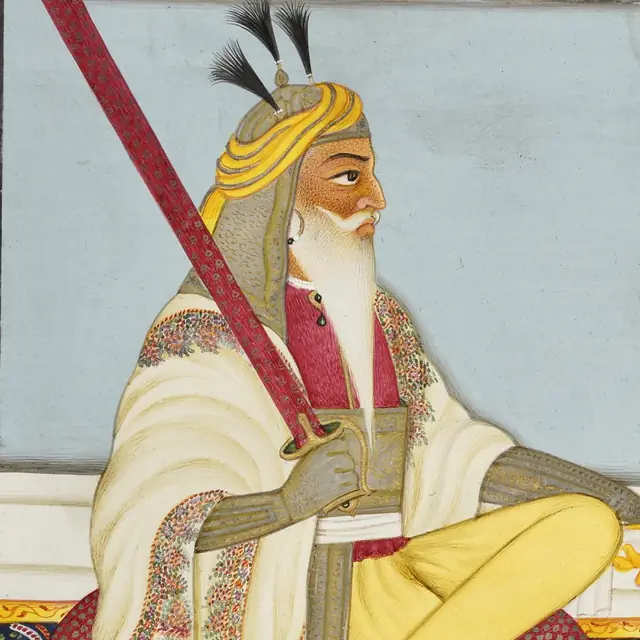
At Shopian Ranjit Singh’s army broke the Afghan hold on Kashmir, ending the harshest period of rule the valley’s Hindus remember.
Battle of Nowshera
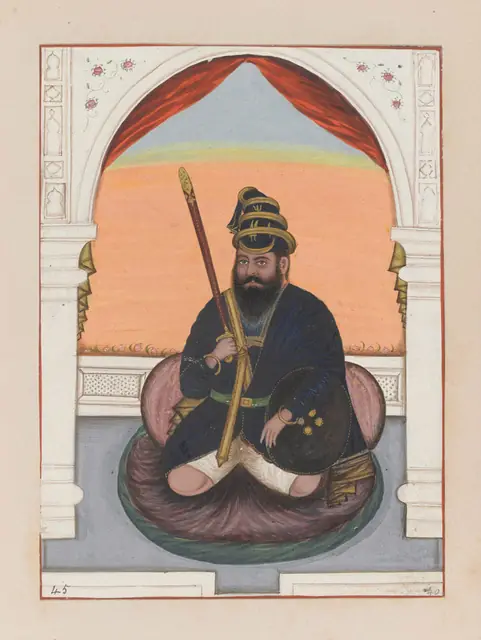
At Nowshera Ranjit Singh met the Afghan bid to retake Peshawar. The battle was won on a hill held by thousands of tribesmen, and the Akali leader Phula Singh died leading the attack.
Kittur Rebellion
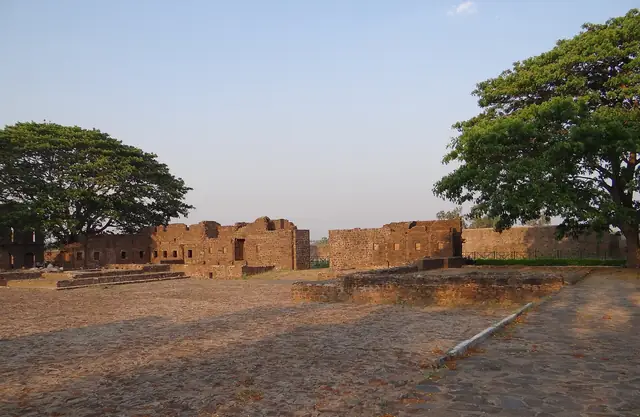
When the Company refused to recognise the son she had adopted, Rani Chennamma of Kittur shut her gates, and her men killed the collector who came to seize the treasury.
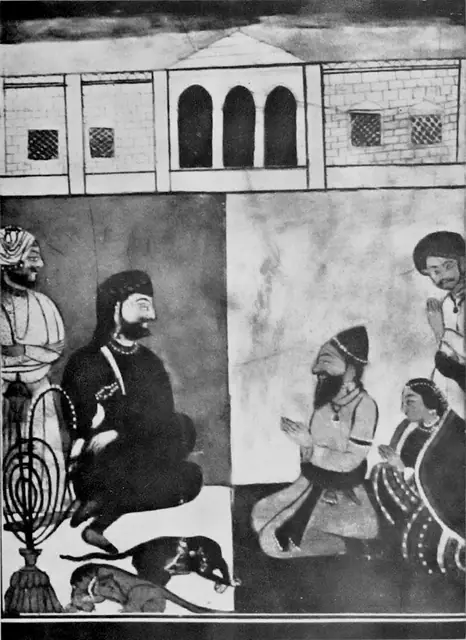
Zorawar Singh’s Conquest of Ladakh
Marching through passes above 4,000 metres, Zorawar Singh’s Dogra army brought Ladakh under Jammu, the first step in the making of the state of Jammu and Kashmir.
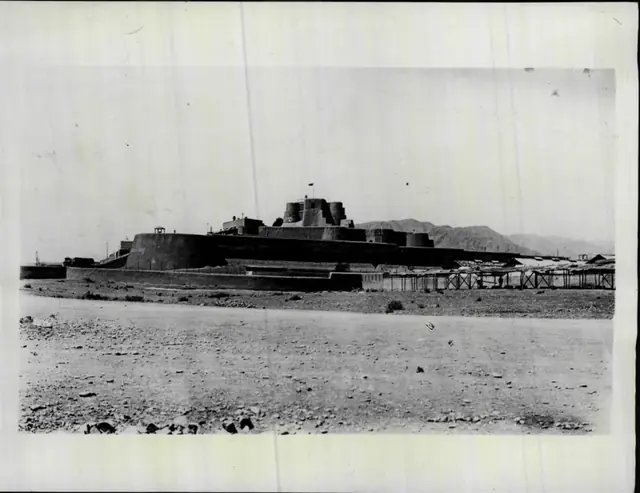
Battle of Jamrud
Dost Mohammad Khan sent his army down the Khyber to retake Peshawar; Hari Singh Nalwa, the Sikh governor of the frontier, rode out from Peshawar to relieve the besieged fort of Jamrud and died there.
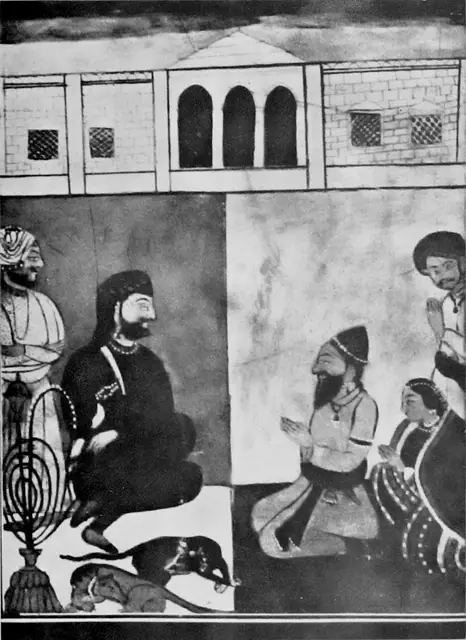
Zorawar Singh’s Tibet Campaign
The general who had already won Ladakh and Baltistan for Raja Gulab Singh led his army over the high passes into western Tibet, near Kailash and Mansarovar, and fell there in the snow.
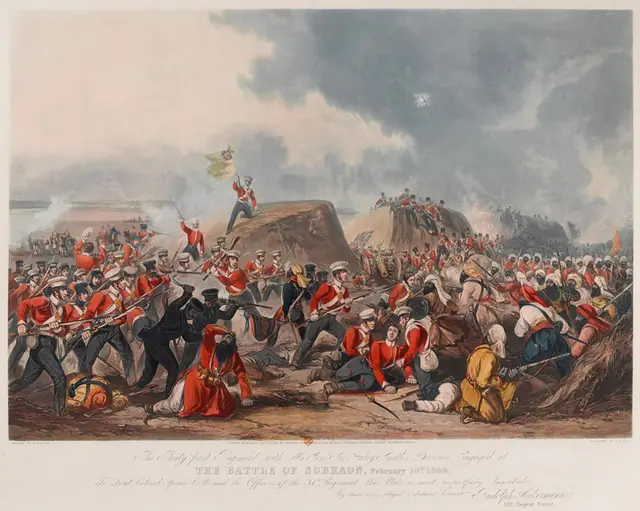
First Anglo-Sikh War
Six years after Maharaja Ranjit Singh’s death the Khalsa army crossed the Sutlej and fought the Company in four hard battles, let down, many held then and since, by its own commanders.
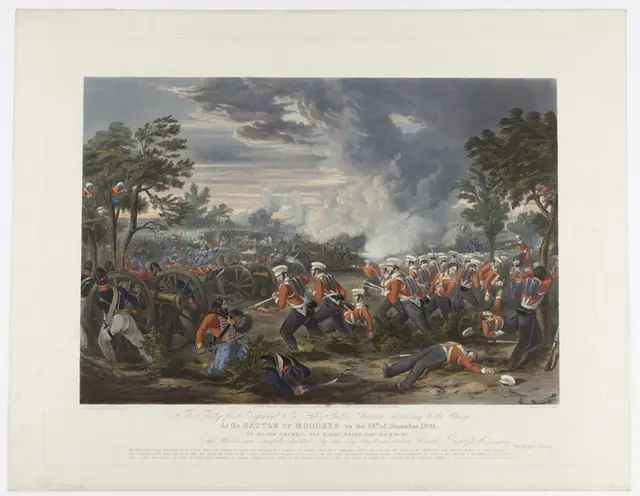
Battle of Mudki
Mudki was the first battle of the First Anglo-Sikh War, fought at dusk in thick dust among the sandhills. The Khalsa soldiers fought hard; their commander Lal Singh left the field early.
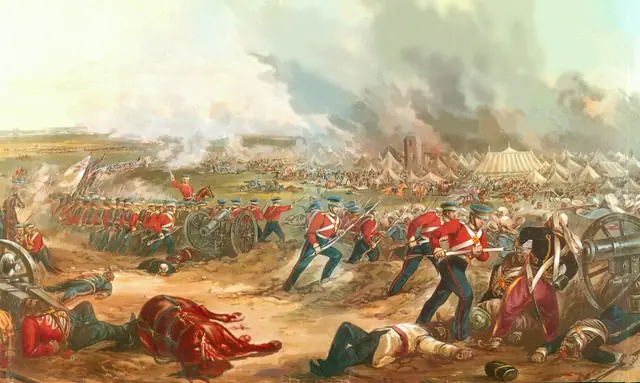
Battle of Ferozeshah
At Ferozeshah the Company attacked the Khalsa’s entrenched camp and came close to losing the war in a single night. It was saved less by its own arms than by the Sikh commanders’ refusal to finish the fight.
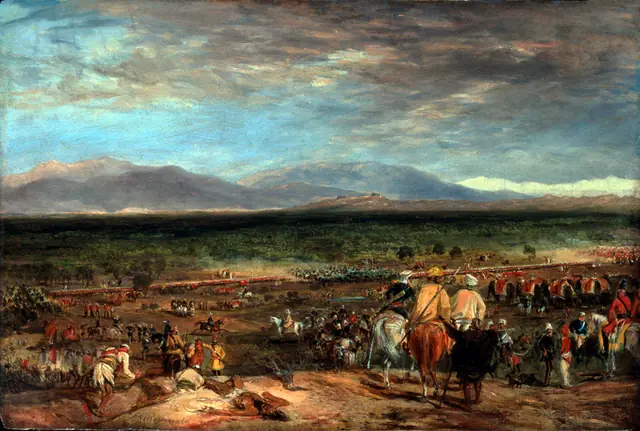
Second Anglo-Sikh War
A rising at Multan in April 1848 grew into a second war; at Chillianwala the Khalsa gave the Company one of its bloodiest days in India, but Gujrat ended the Sikh empire.
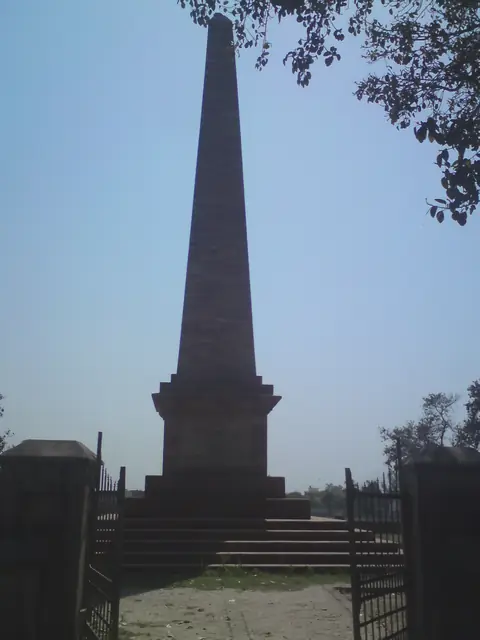
Battle of Chillianwala
In the jungle by the Jhelum the Khalsa army fought the Company to a bloody standstill, the costliest battle the British fought in the conquest of the Punjab.
Santhal Hul
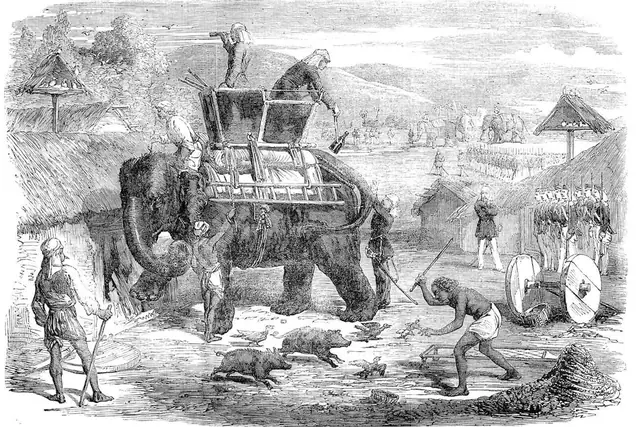
Tens of thousands of Santhals rose against moneylenders, landlords and the Company’s police, two years before 1857, in one of the largest tribal risings in Indian history.
Meerut Rising
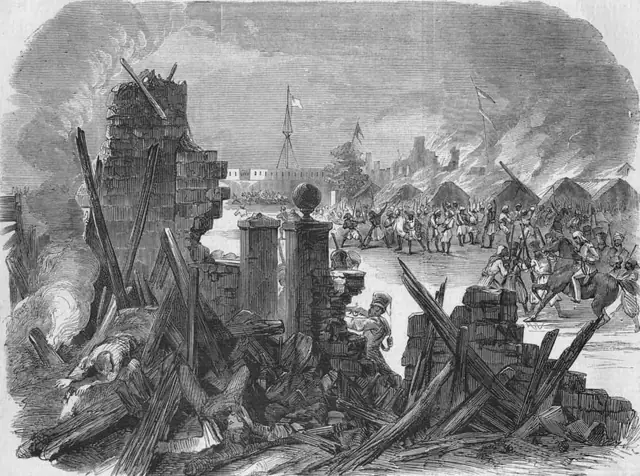
On a Sunday evening in May 1857 the sepoys of Meerut rose, and by the next morning they were at the gates of Delhi: the war of 1857 had begun.
Siege of Delhi
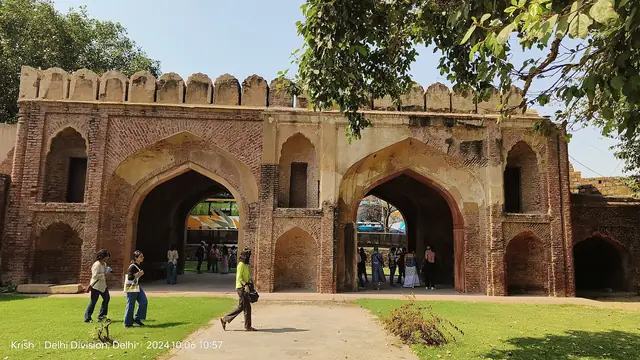
For four months Delhi was the capital of the rising, with tens of thousands of sepoys inside its walls, until the Company army on the Ridge broke in at the Kashmiri Gate.
Kanpur, 1857
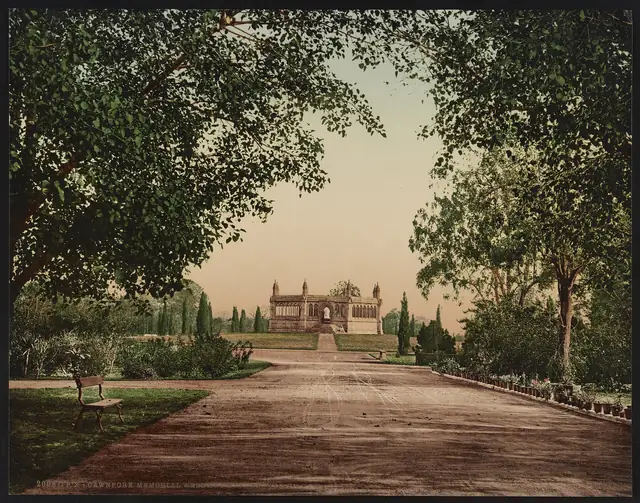
Nana Saheb, adopted son of the last Peshwa, led the rising at Kanpur; the siege, the killings at Satichaura Ghat and the Bibighar, and the Company’s reprisals made it the darkest chapter of 1857.
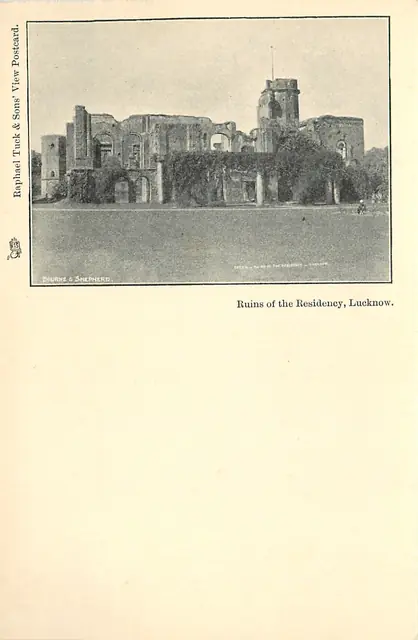
Siege of Lucknow
In Awadh, annexed by the Company only in 1856, the whole country rose; the British held out in the Residency for nearly five months while Begum Hazrat Mahal ruled Lucknow.
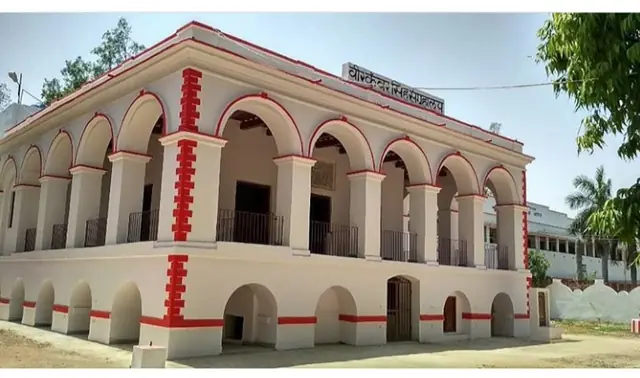
Siege of Arrah
When the regiments at Danapur rose in July 1857, the old Rajput zamindar Kunwar Singh put himself at their head and laid siege to the officials shut up in a small house at Arrah. It began a war he carried on for nine months.
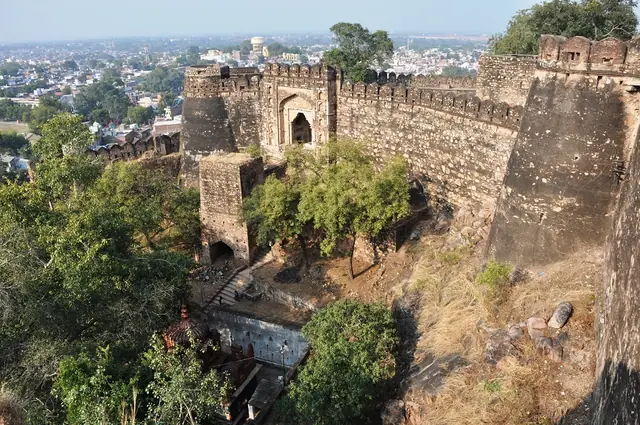
Siege of Jhansi
Jhansi had been annexed under the doctrine of lapse in 1854; in 1858 Rani Lakshmibai defended its fort for two weeks against Sir Hugh Rose’s army.
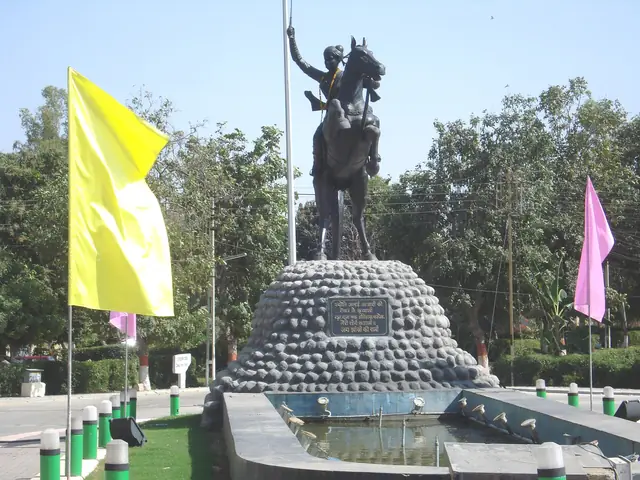
Battle of Gwalior
In a last bold stroke the leaders of the rising seized Gwalior fort in June 1858; within three weeks the Company’s army was back, and the Rani of Jhansi fell fighting outside the city.

Kuka Rising at Malerkotla
A band of Namdhari Sikhs attacked Malaudh and Malerkotla; the British answer, executions at the mouth of the cannon, made the Kukas martyrs of the freedom struggle.
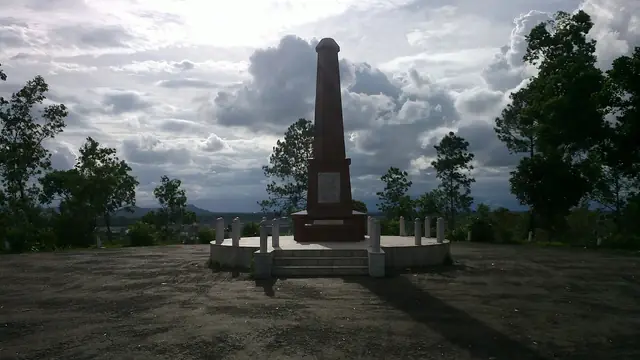
Anglo-Manipur War and the battle of Khongjom
In 1891 the British tried to arrest Manipur’s Jubaraj Tikendrajit in his own palace. The attempt failed, the Chief Commissioner and several officers were killed, and an army was sent to conquer the last free Hindu kingdom of the north-east.
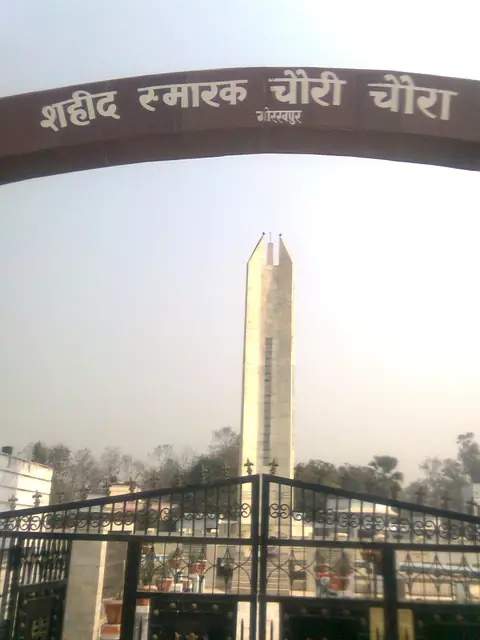
Chauri Chaura
A clash at a small police station in Gorakhpur district stopped the largest mass movement India had yet seen.
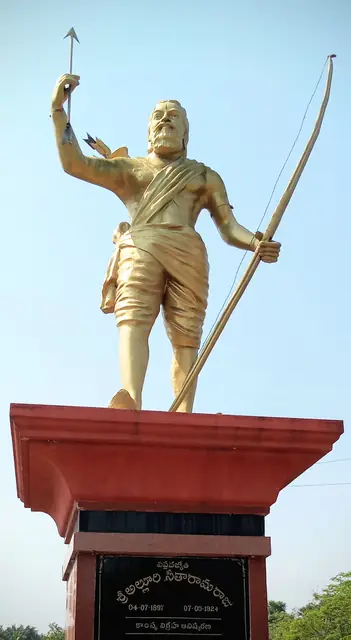
Rampa Rebellion
A young sannyasi-like figure from the plains led the forest people of the Eastern Ghats against forest laws and forced labour, raiding police stations for their rifles.
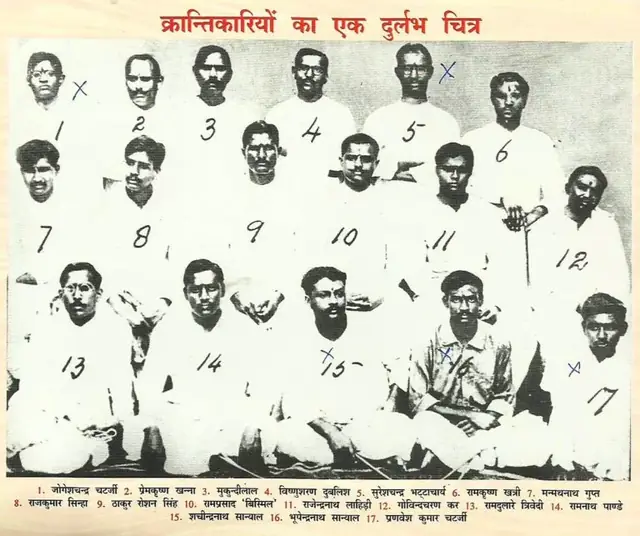
Kakori Train Action
Ten young revolutionaries stopped a train near Kakori and took the government treasury bags to fund an armed struggle for a free Indian republic.
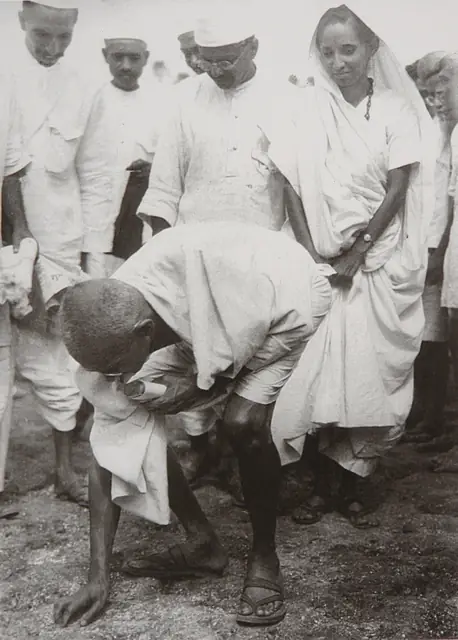
Salt Satyagraha
Gandhi walked about 385 kilometres to the sea at Dandi to make salt in defiance of the British salt tax, and the whole country followed him into civil disobedience.
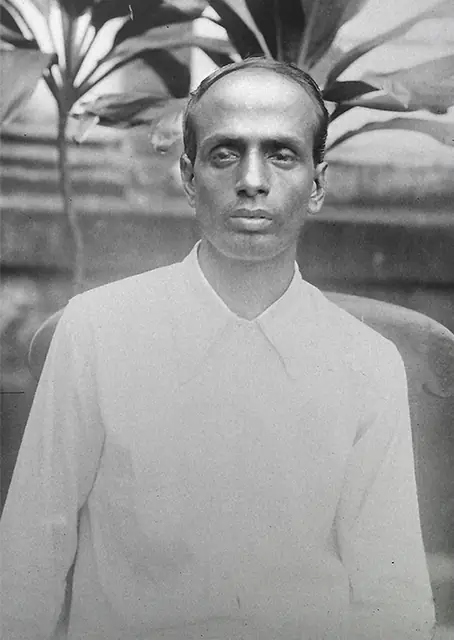
Chittagong Armoury Raid
A schoolteacher named Surya Sen led some sixty young men and boys to seize the armouries of Chittagong and declare a provisional revolutionary government.
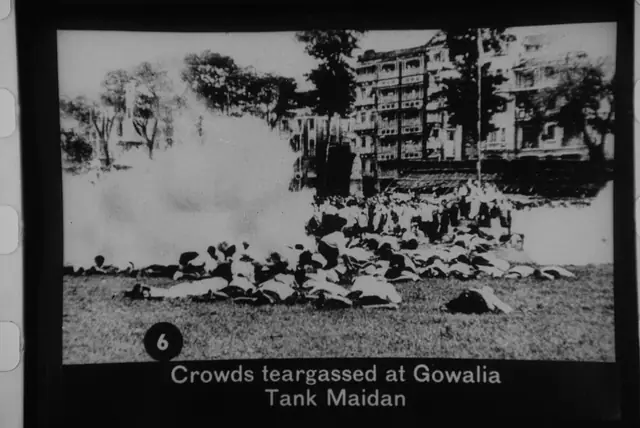
Quit India Movement
With the words Do or Die, Gandhi called for the British to quit India; within hours the leaders were in jail and the country rose in the largest revolt since 1857.
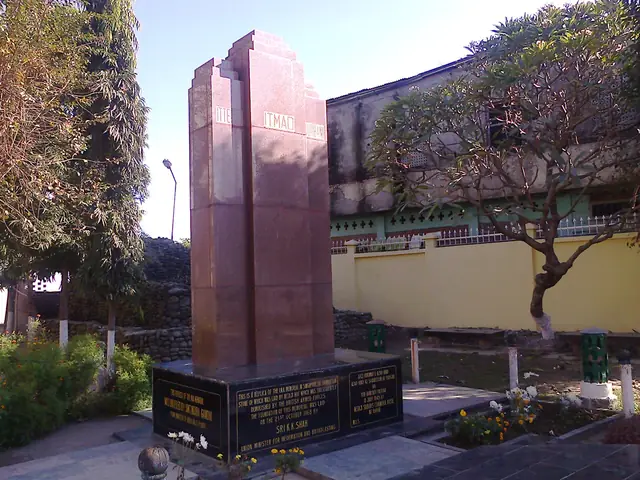
INA at Imphal and Kohima
Under Netaji’s call ‘Chalo Dilli’, the Azad Hind Fauj crossed into India alongside the Japanese in 1944 and raised the tricolour at Moirang, before the offensive broke at Imphal and Kohima.
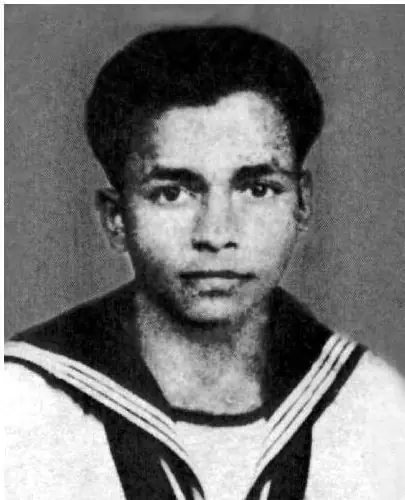
Royal Indian Navy Revolt
A strike over food and insults at the signals school HMIS Talwar in Bombay spread within two days to some 78 ships and 20 shore establishments, with the tricolour and other national flags flying from the masts.
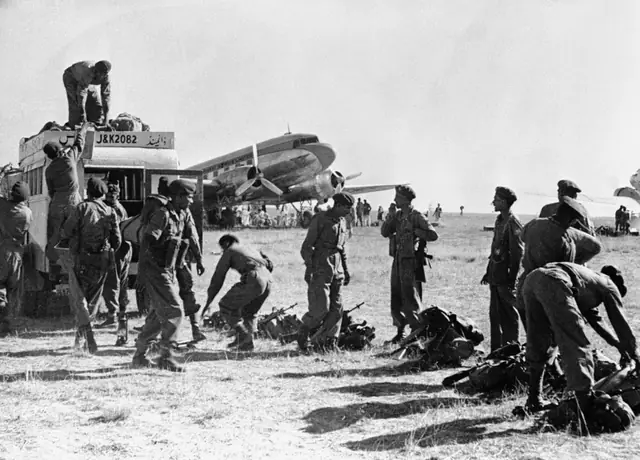
Jammu and Kashmir War, 1947–48
Two months after independence, armed tribal lashkars from Pakistan invaded Jammu and Kashmir; the Maharaja acceded to India, and Indian troops were flown into Srinagar the next morning.
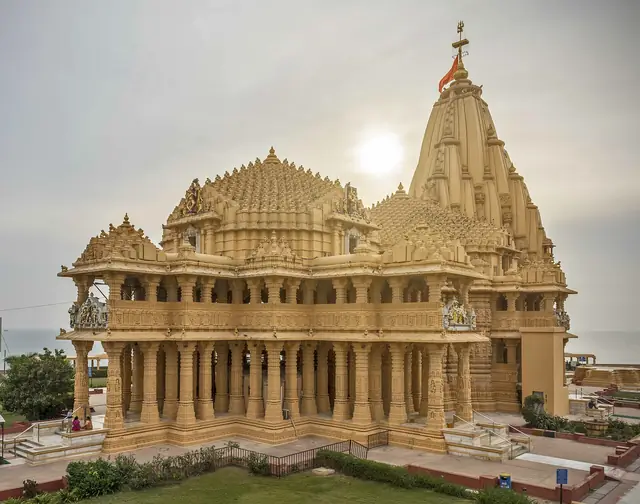
Battle of Badgam
At Badgam a single Indian company, its commander’s arm in plaster, stood between a raiding force several hundred strong and Srinagar airfield, India’s only link to the Valley. Major Somnath Sharma became the first recipient of the Param Vir Chakra.
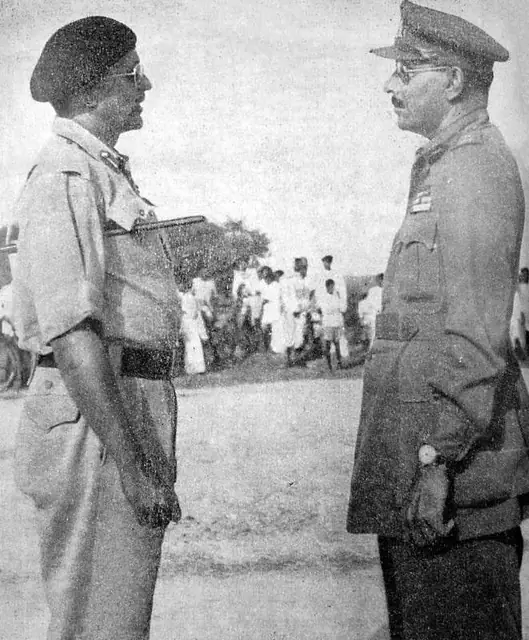
Operation Polo
The Nizam of Hyderabad refused to join India and let the Razakar militia terrorise his country; in September 1948 the Indian Army moved in and ended the matter in under five days.
Liberation of Goa
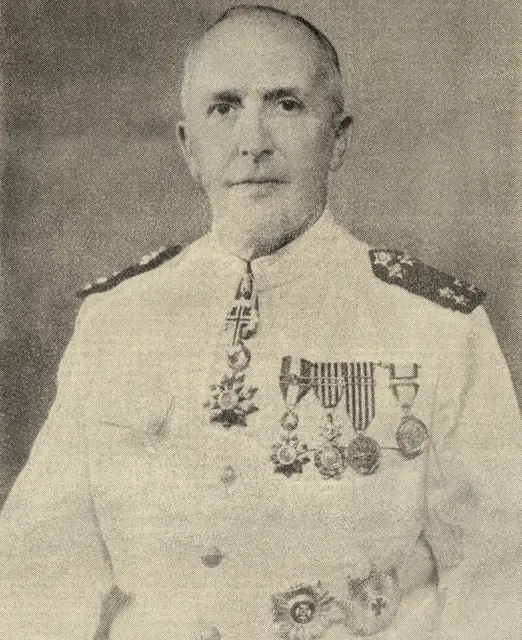
Fourteen years after independence Portugal still held Goa, Daman and Diu; in 36 hours of Operation Vijay the Indian Army, Navy and Air Force ended its rule.
India–China War of 1962
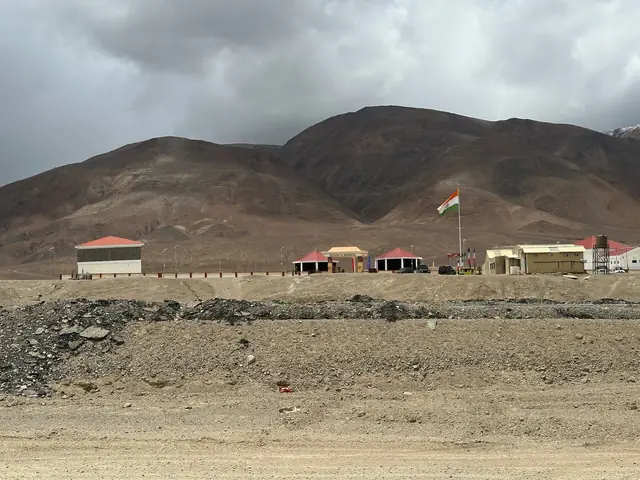
In a month of fighting at high altitude, an unprepared Indian army was beaten by China in NEFA and Ladakh, though posts such as Rezang La and Walong fought to the last.
India–Pakistan War of 1965
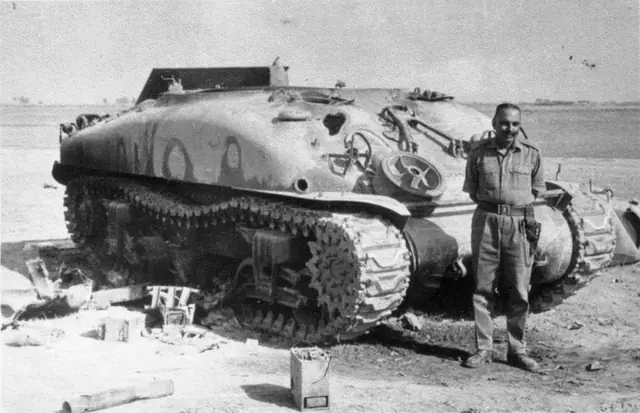
Pakistan sent infiltrators into Kashmir and then armour at Akhnoor; India answered by opening the Punjab front, and its soldiers broke Pakistan’s Patton tanks at Asal Uttar.
Capture of Haji Pir Pass
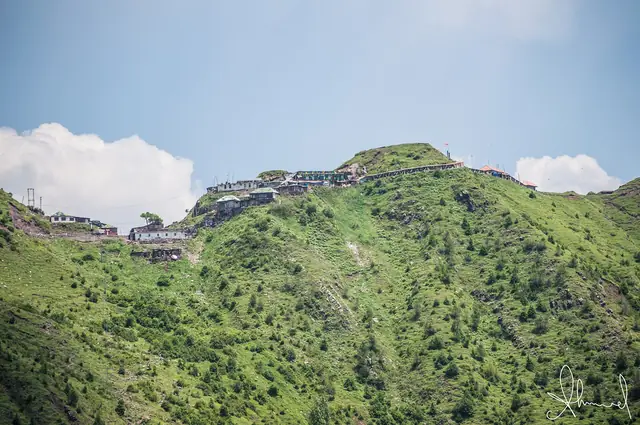
When Pakistan sent thousands of armed infiltrators into Kashmir in August 1965, the Indian Army struck at the pass they came through. Paratroopers climbed through the night in the rain and took Haji Pir from above.
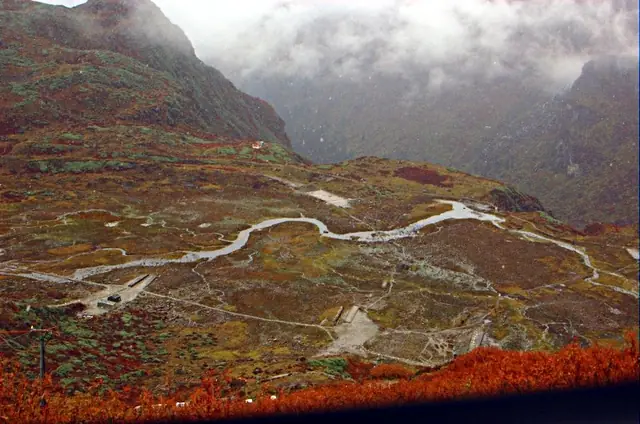
Nathu La and Cho La clashes
Five years after 1962, Chinese troops opened fire on Indian soldiers laying wire along the crest of Nathu La. The Indian Army fought back with its guns and held the passes, and the defeat of 1962 was answered.
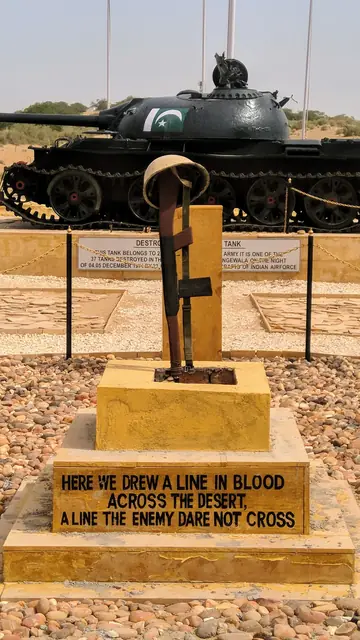
Battle of Longewala
About 120 soldiers of the Punjab Regiment, with no tanks of their own, held a desert post through the night against a Pakistani brigade with armour aiming for Jaisalmer.
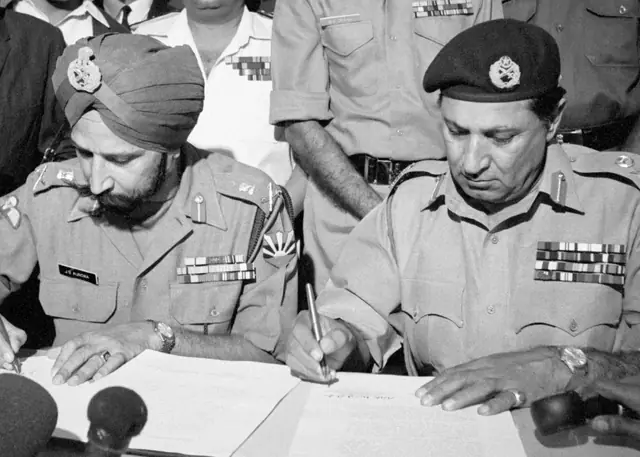
Bangladesh Liberation War
After Pakistan’s army turned on the people of East Bengal in March 1971, and ten million refugees fled to India, the Indian army and the Mukti Bahini freed Bangladesh in a thirteen-day war.
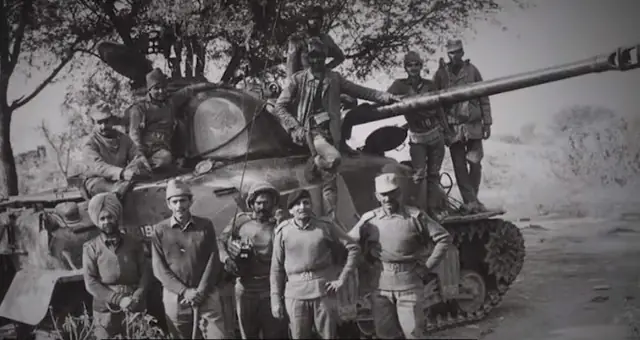
Battle of Basantar
Basantar was the greatest tank battle of the 1971 war in the west. Two Param Vir Chakras were won there, one by a 21-year-old officer who would not leave his burning tank.
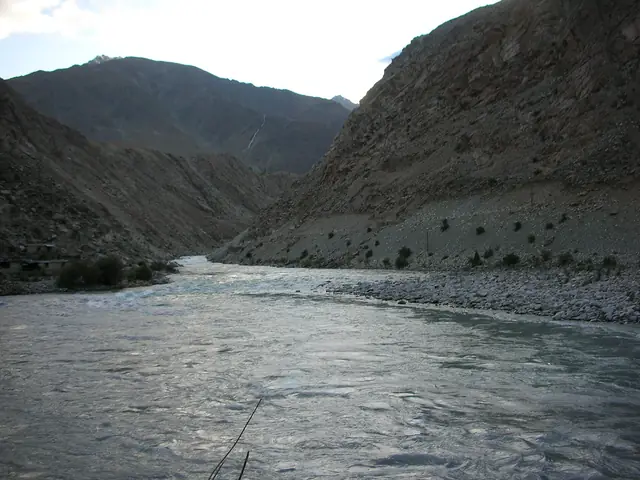
Kargil War
Pakistani soldiers, posing as militants, occupied heights above the Srinagar–Leh road in the winter of 1998–99; India took them back peak by peak in Operation Vijay.