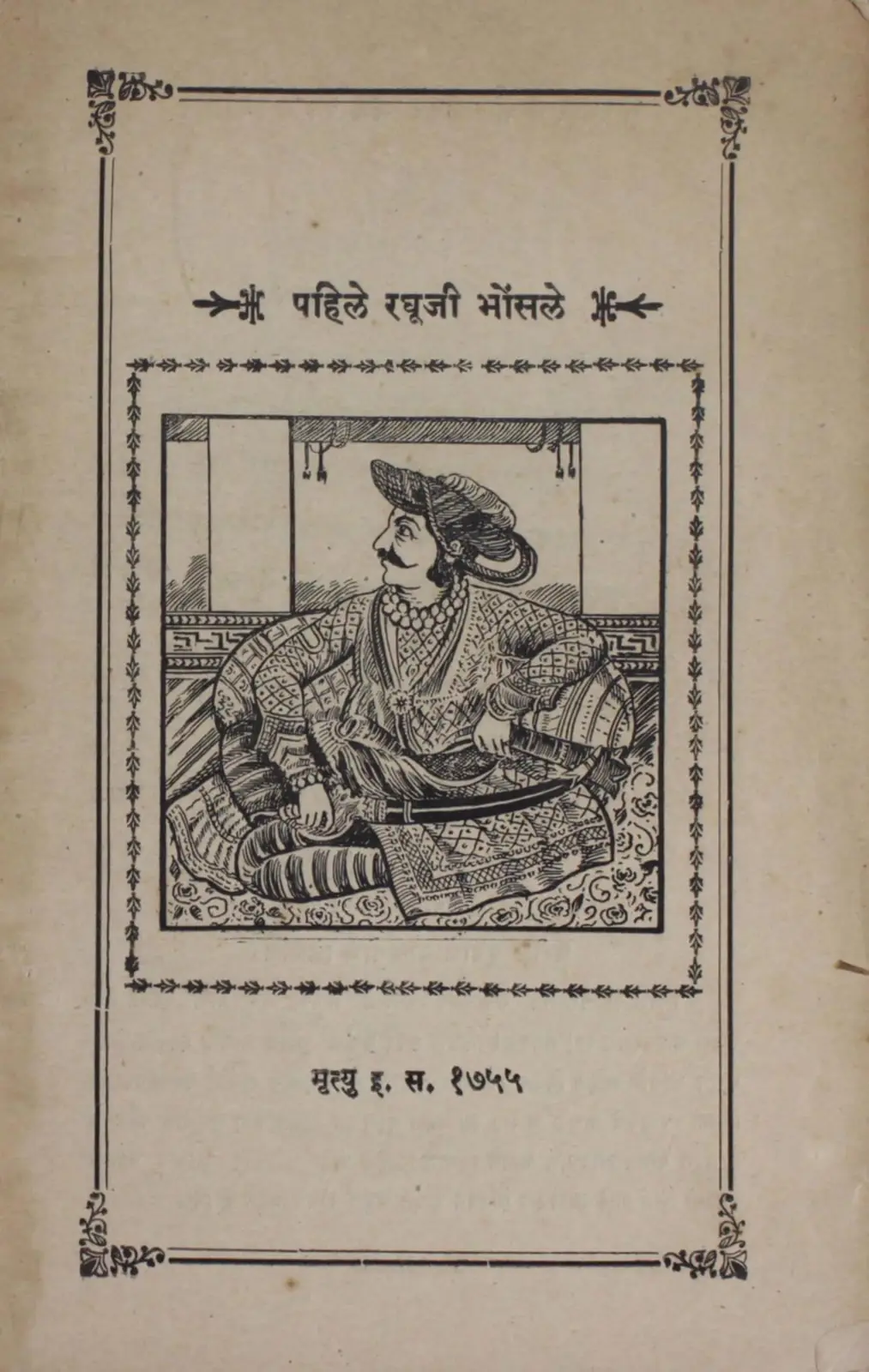
01Raghuji and the eastern raids
Raghuji I took charge of Berar under Shahu and, stepping into a succession quarrel among the Gond rajas of Deogarh, made Nagpur his own capital by the early 1740s. From 1742 his general Bhaskar Pandit led cavalry raids into Bengal year after year. The raiders, the bargis, burned villages across western Bengal, and Bengali lullabies still frighten children with them; the poet Gangaram’s Maharashtra Purana of 1751 describes their terror. In 1751 Nawab Alivardi Khan bought peace by ceding the revenue of Odisha and paying chauth for Bengal. Raghuji died in 1755.
02Odisha under Nagpur
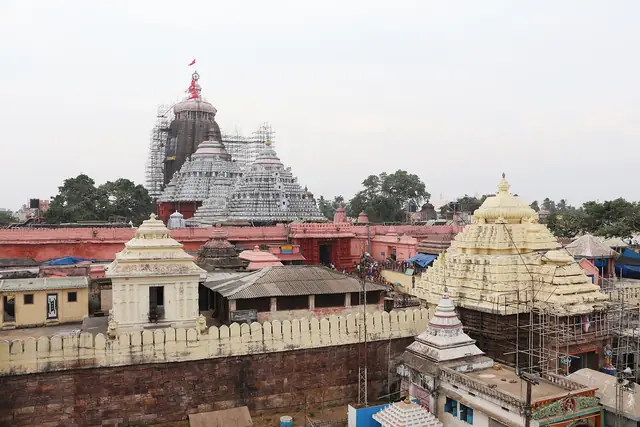
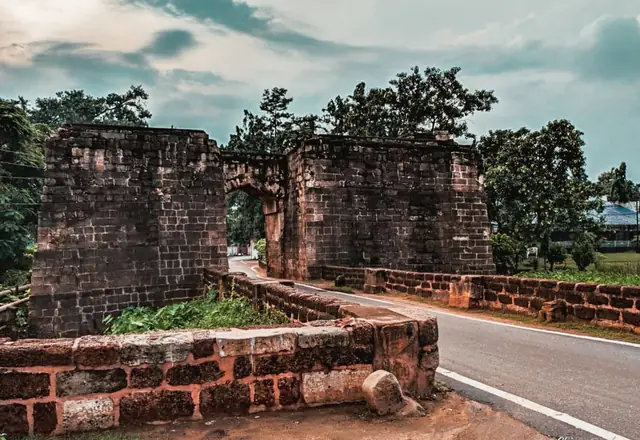
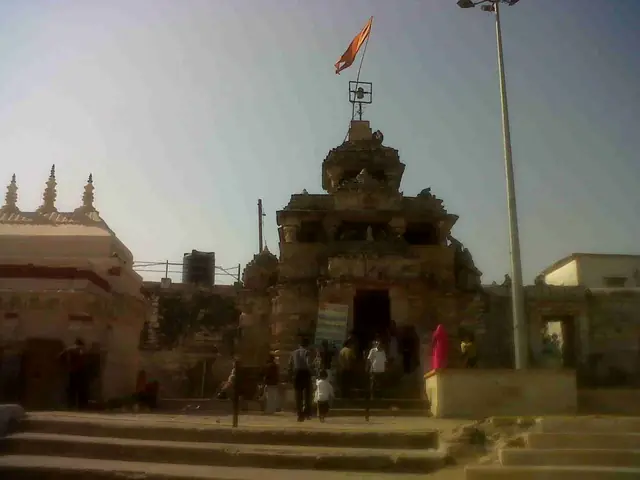
For half a century Odisha was ruled from Nagpur through a governor at Cuttack, with the Barabati fort as his seat. The Maratha governors took over the management of the Jagannath temple at Puri and paid for its rituals and repairs. The Nagpur rajas also endowed the temples on the hill at Ramtek, where Shri Rama is held to have stayed during his exile.
03Defeat and annexation
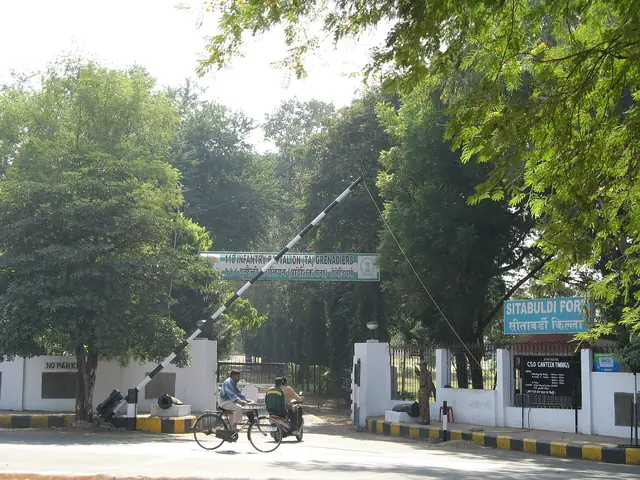
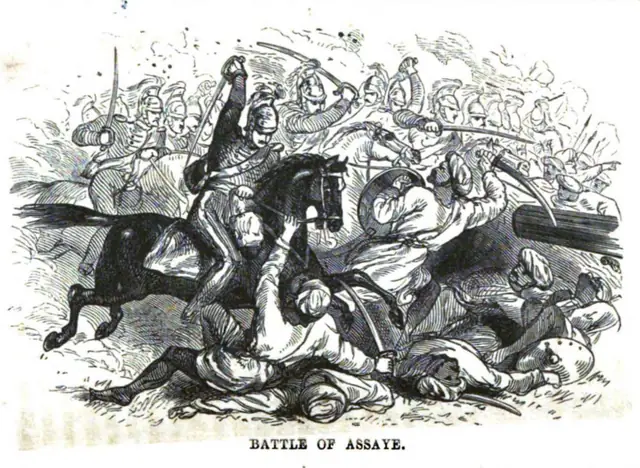
Raghuji II joined Daulat Rao Scindia against the British in 1803 and lost at Assaye and Argaon. The treaty of Deogaon in December 1803 took Odisha and western Berar. His nephew Appa Sahib turned on the British Resident in November 1817 and was beaten at Sitabuldi hill in Nagpur. A boy, Raghuji III, was put on the throne, and when he died without a son in 1853 Lord Dalhousie annexed Nagpur under the doctrine of lapse. The family’s jewels and furniture were auctioned in the palace courtyard.
The rulers
- 1Raghuji IFounder; won Odisha from Bengal, 1751c. 1739–1755
- 2Janoji1755–1772
- 3Sabaji1772–1775
- 4Mudhoji I1775–1788
- 5Raghuji IILost Odisha by the treaty of Deogaon1788–1816
- 6Parsoji1816–1817
- 7Mudhoji II (Appa Sahib)Beaten at Sitabuldi1817–1818
- 8Raghuji IIINagpur annexed on his death1818–1853
What they left
- Nagpur as the capital of central India
- Endowments to the Rama temples of Ramtek
- Fifty years of Maratha care for the Jagannath temple at Puri