01The Barbhai
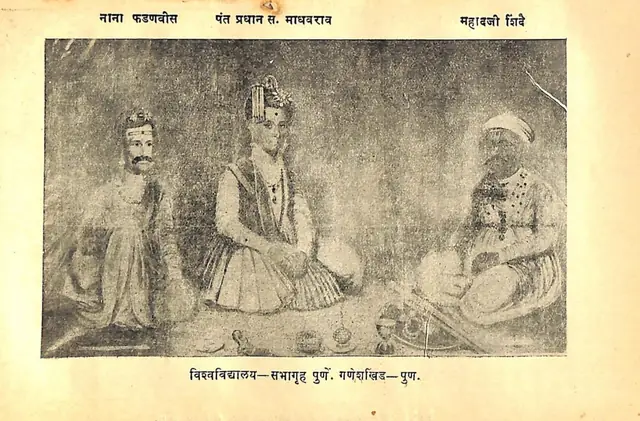
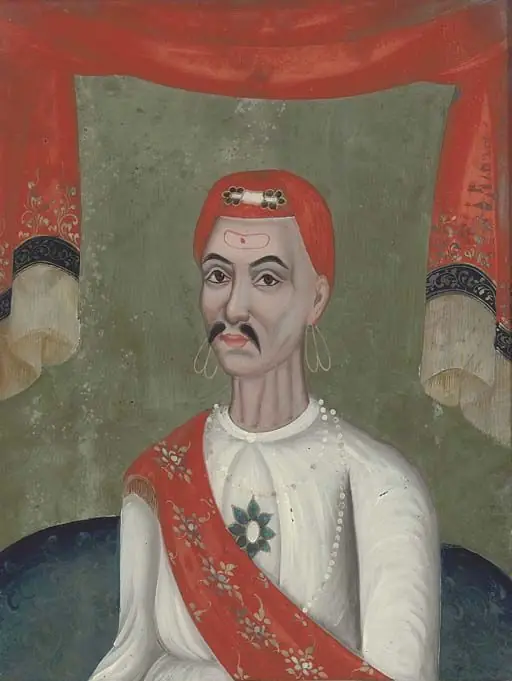
Nana was born at Satara on 12 February 1742 into the Bhanu family, hereditary phadnis, keepers of the Peshwa’s accounts. He was at Panipat in 1761 and got away. Under Madhavrao I he learned government in the Peshwa’s own office. On 30 August 1773 the young Peshwa Narayanrao was murdered in Shaniwar Wada, and his uncle Raghunathrao took the title. Nana and Sakharam Bapu gathered a council of ministers and chiefs, remembered as the Barbhai, the twelve brothers. When Narayanrao’s widow Gangabai bore a son on 18 April 1774, they declared the baby Peshwa as Sawai Madhavrao.
02Against the Company
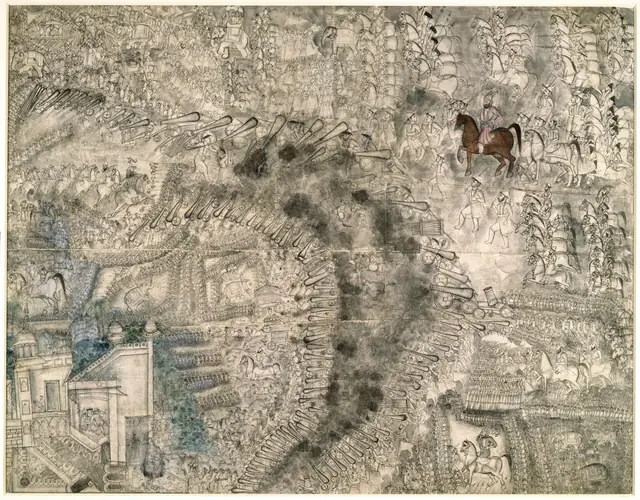
Raghunathrao went to the English at Bombay, and the first Anglo-Maratha war followed. Nana kept the chiefs together, while Mahadji Shinde did the fighting; the Bombay army surrendered at Wadgaon in January 1779. Nana brought the Nizam, Hyder Ali and the Bhonsles of Nagpur into a league against the Company. The Treaty of Salbai in 1782 left the Maratha state whole and Raghunathrao pensioned off. In March 1795 the united Maratha chiefs beat the Nizam at Kharda, the last great field the Marathas fought together. That October Sawai Madhavrao fell from a balcony of Shaniwar Wada and died.
03The last years
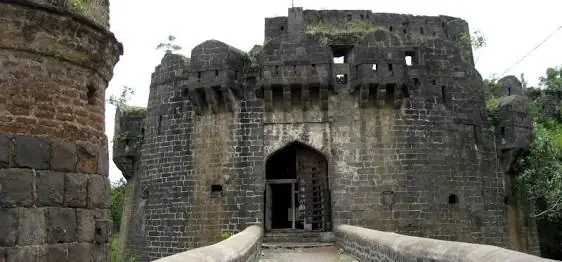
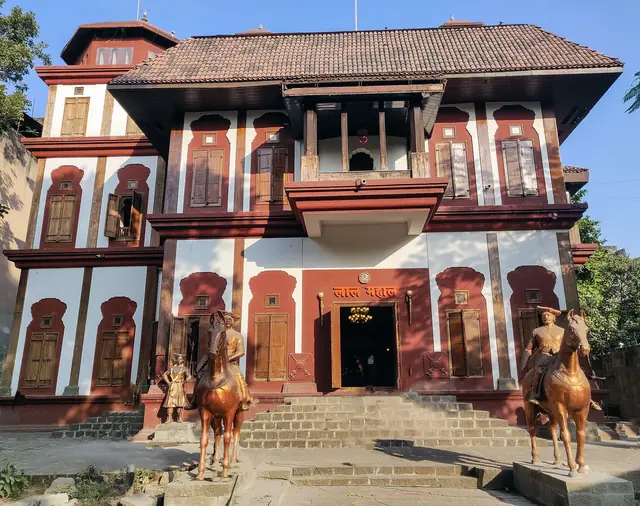
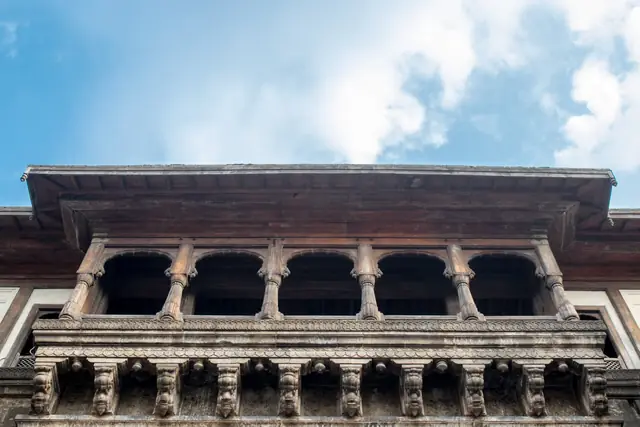
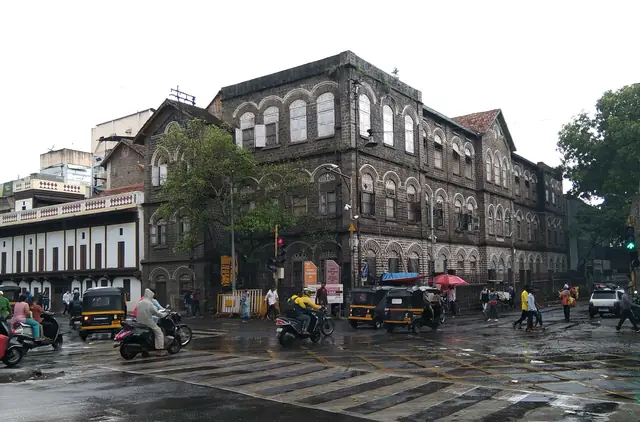
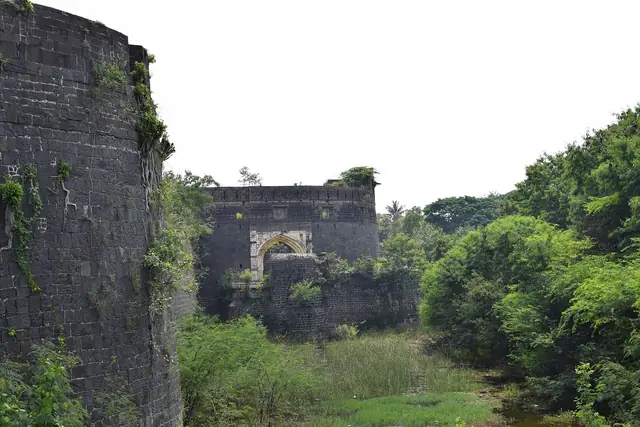
Raghunathrao’s son Bajirao II became Peshwa, and the old minister and the new master never trusted each other. In 1797 Daulatrao Shinde had Nana seized and held him in Ahmednagar fort; he was released the next year and took up the government again. He died at Pune on 13 March 1800. The British Resident at Pune, Colonel William Palmer, wrote that with him went all the wisdom and moderation of the Maratha government. Within three years Bajirao II signed the Treaty of Bassein and the Company’s troops were in Pune. Nana’s wada still stands in Pune, and his ghat and temple at Menavali on the Krishna near Wai.