01A city ruled by assembly
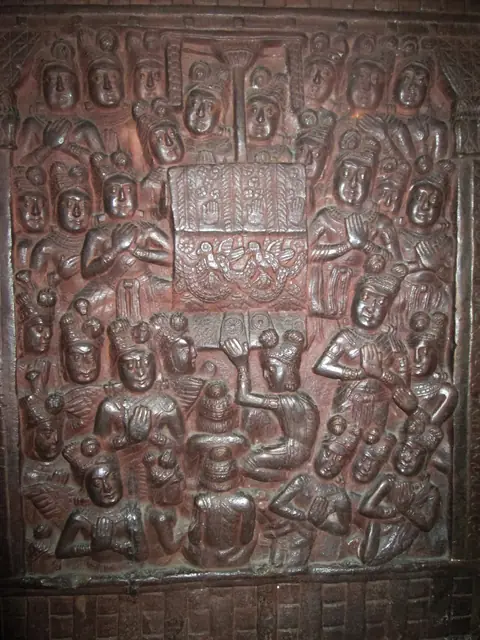
Vaishali had no single king. The Pali texts speak of the Licchavi rajas meeting often in their santhagara, the assembly hall, and one Jataka puts their number at 7,707. When Ajatashatru’s minister Vassakara came to the Buddha to ask about attacking the Vajjis, the Buddha listed seven things that kept them strong: they met often and in concord, kept their laws, honoured their elders, protected their women, kept up their shrines and sheltered holy men. As long as they did these, he said, they would not decline. The account is in the Mahaparinibbana Sutta.
02Mahavira, the Buddha and Magadha
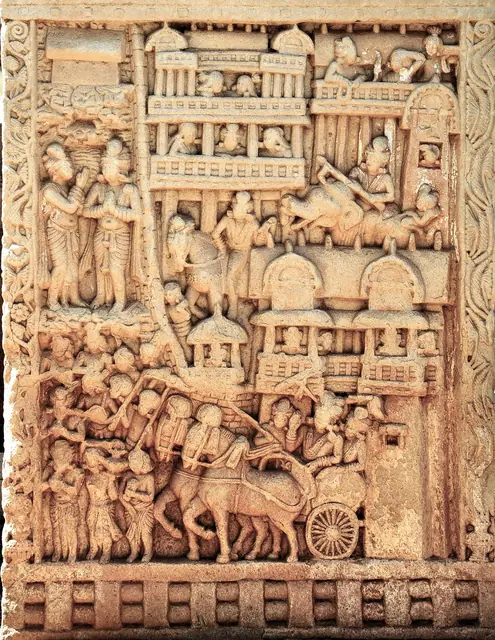
Jain tradition holds that Vardhamana Mahavira was born at Kundagrama on the edge of Vaishali, and that his mother Trishala was sister of Chetaka, a Licchavi chief, whose daughter Chellana married Bimbisara of Magadha. Ties of marriage did not stop war. Ajatashatru fortified Pataligrama on the Ganga against the Vajjis, and Jain texts tell of new engines he used, the mahashilakantaka that hurled stones and the rathamusala, a chariot fitted with maces. By about the late 5th century BCE the confederacy had fallen to Magadha. A hundred years after the Buddha’s parinirvana the second Buddhist council met at Vaishali.
03The name that outlived the gana
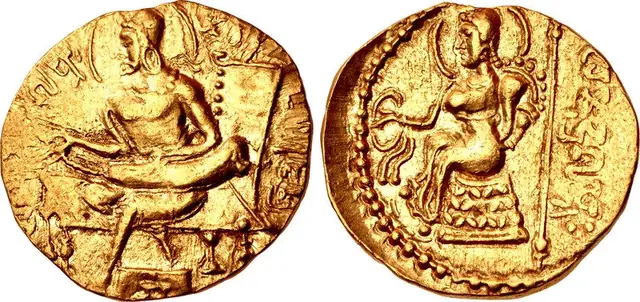
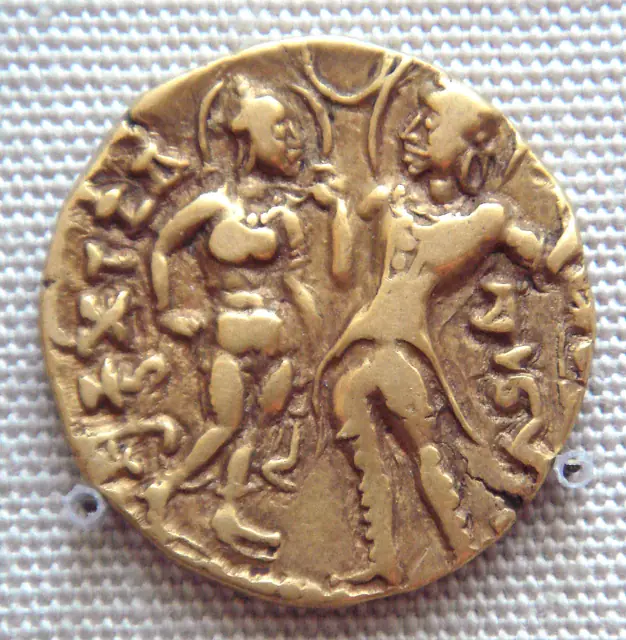
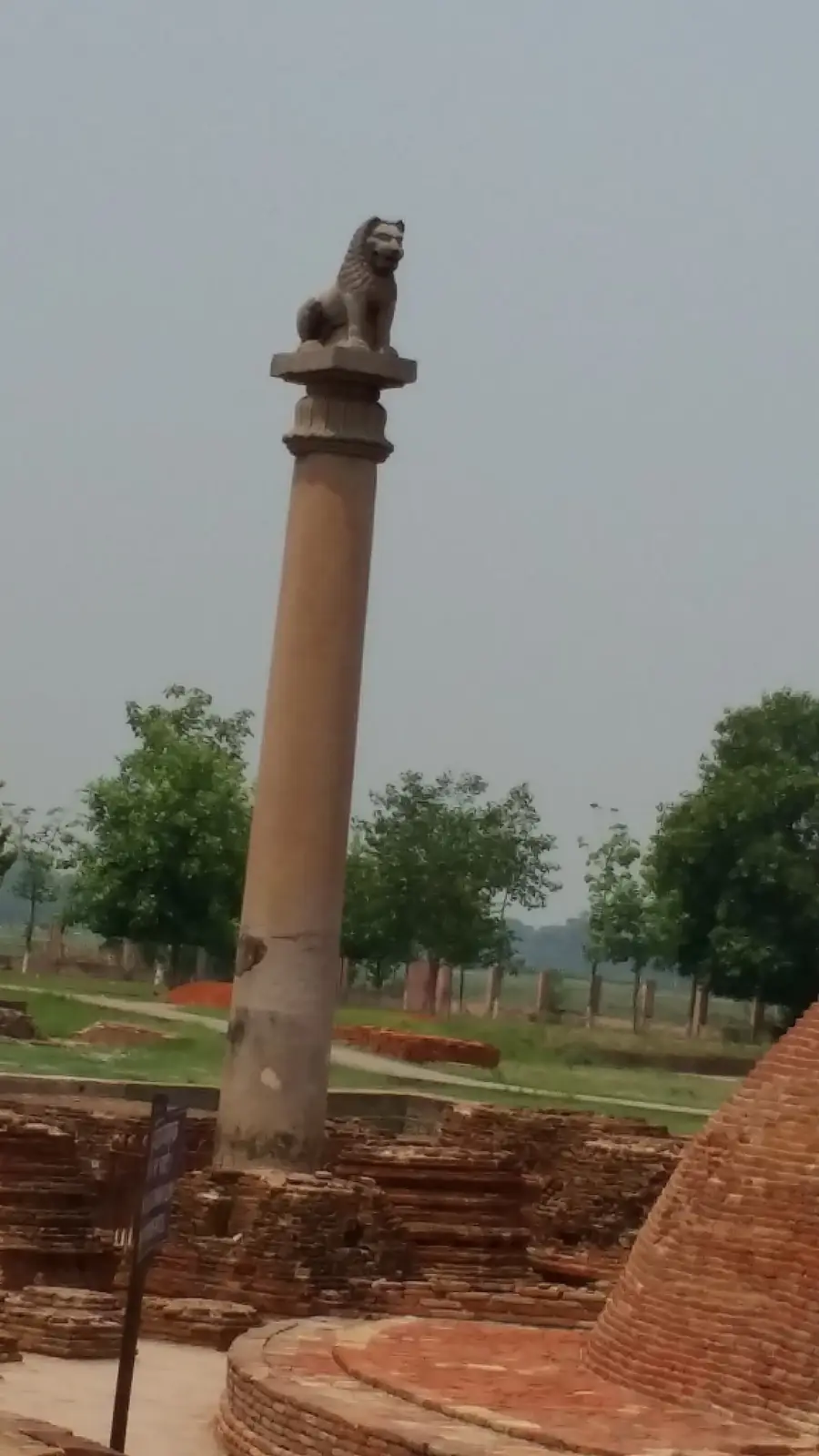
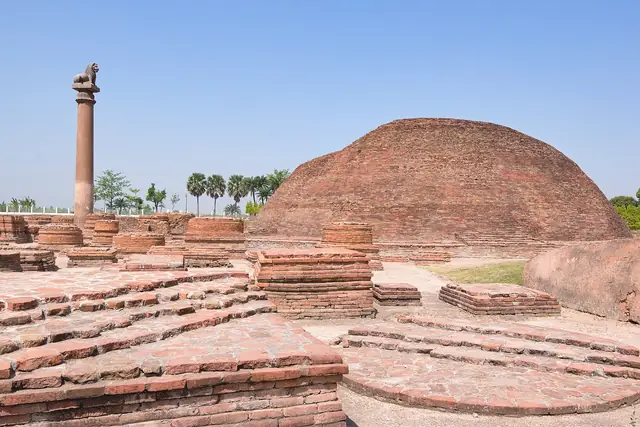
Eight centuries later the Licchavis were still a name to marry into. Chandragupta I, founder of the Gupta empire, married Kumaradevi, a Licchavi princess, and issued gold coins showing the king and queen together, inscribed Licchavayah. His son Samudragupta called himself Licchavi-dauhitra, daughter’s son of the Licchavis, in the Prayaga pillar inscription. In Nepal a Licchavi dynasty ruled the Kathmandu valley from about the 5th century CE. At Vaishali today you can see Ashoka’s lion pillar at Kolhua and the great tank beside it.
The rulers
- 1ChetakaLicchavi chief; Mahavira’s maternal uncle in Jain textsc. 6th century BCE
- 2SihaLicchavi general (senapati) who became a lay follower of the Buddhac. 6th–5th century BCE
- 3KumaradeviLicchavi princess, queen of Chandragupta Iearly 4th century CE
What they left
- One of the earliest recorded governments by assembly in the world
- Vaishali, birthplace of Bhagwan Mahavira in Jain tradition
- The second Buddhist council at Vaishali
- The Licchavi–Gupta marriage that the Guptas recorded on coins