01Vindhyashakti and Pravarasena I
The Ajanta inscription of Varahadeva calls the founder Vindhyashakti a dvija, a twice-born, whose strength grew in great battles. His son Pravarasena I is the only Vakataka to take the title samrat. The family’s copper plates list his sacrifices: four Ashvamedhas, a Vajapeya, and the agnishtoma, aptoryama, ukthya, shodashin, atiratra and brihaspatisava. After him the kingdom divided between the main line at Nandivardhana and a younger branch at Vatsagulma, today’s Washim.
02Prabhavatigupta’s regency
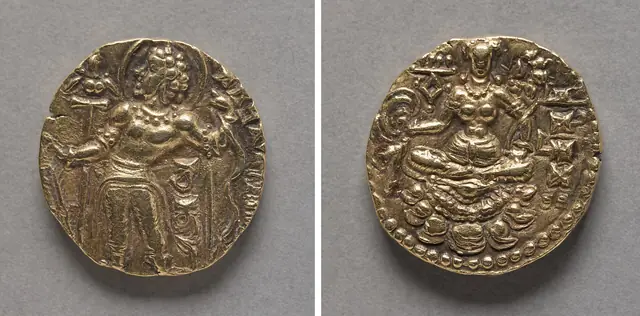
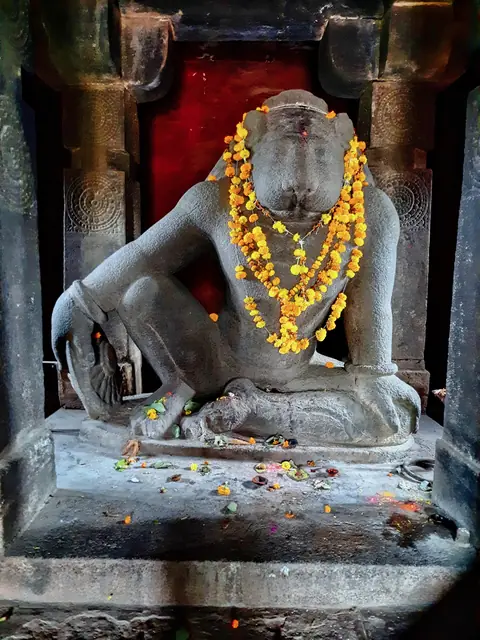
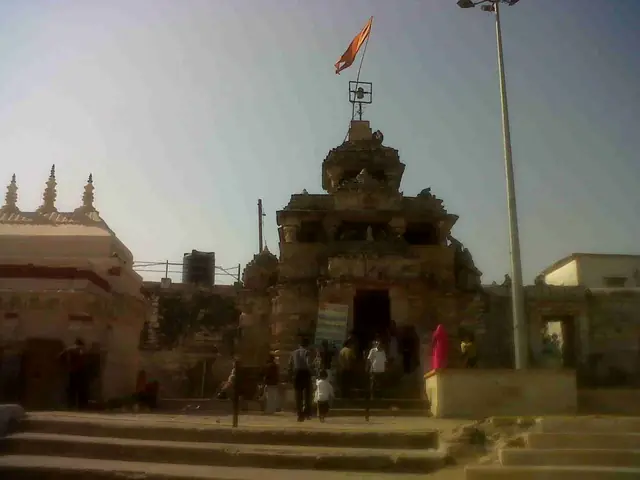
Rudrasena II married Prabhavatigupta, daughter of Chandragupta II, and died young. For about twenty years she ruled for her small sons, and her copper plates are issued in her own name and give her Gupta descent first. Her Riddhapur plates are issued from the feet of Ramagiriswamin, Shri Rama of the hill at Ramtek, where the early temples still stand. Her son Damodarasena reigned as Pravarasena II, founded Pravarapura on the Dham river at Pavnar, and wrote the Setubandha, also called Ravanavaho, a Prakrit epic of Rama’s bridge to Lanka.
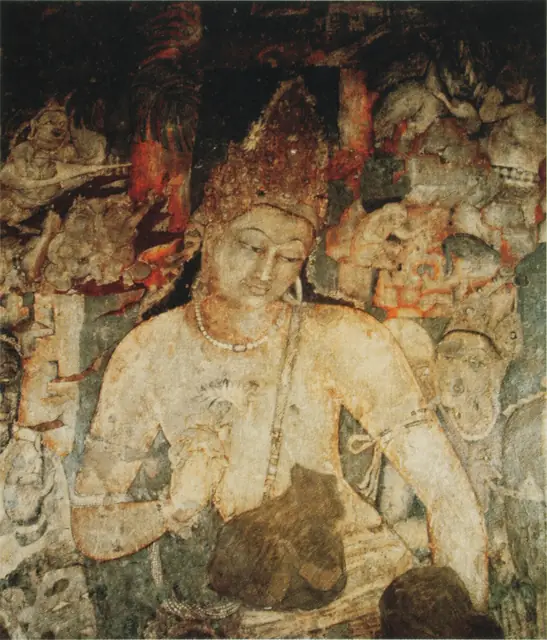
03Harishena and Ajanta
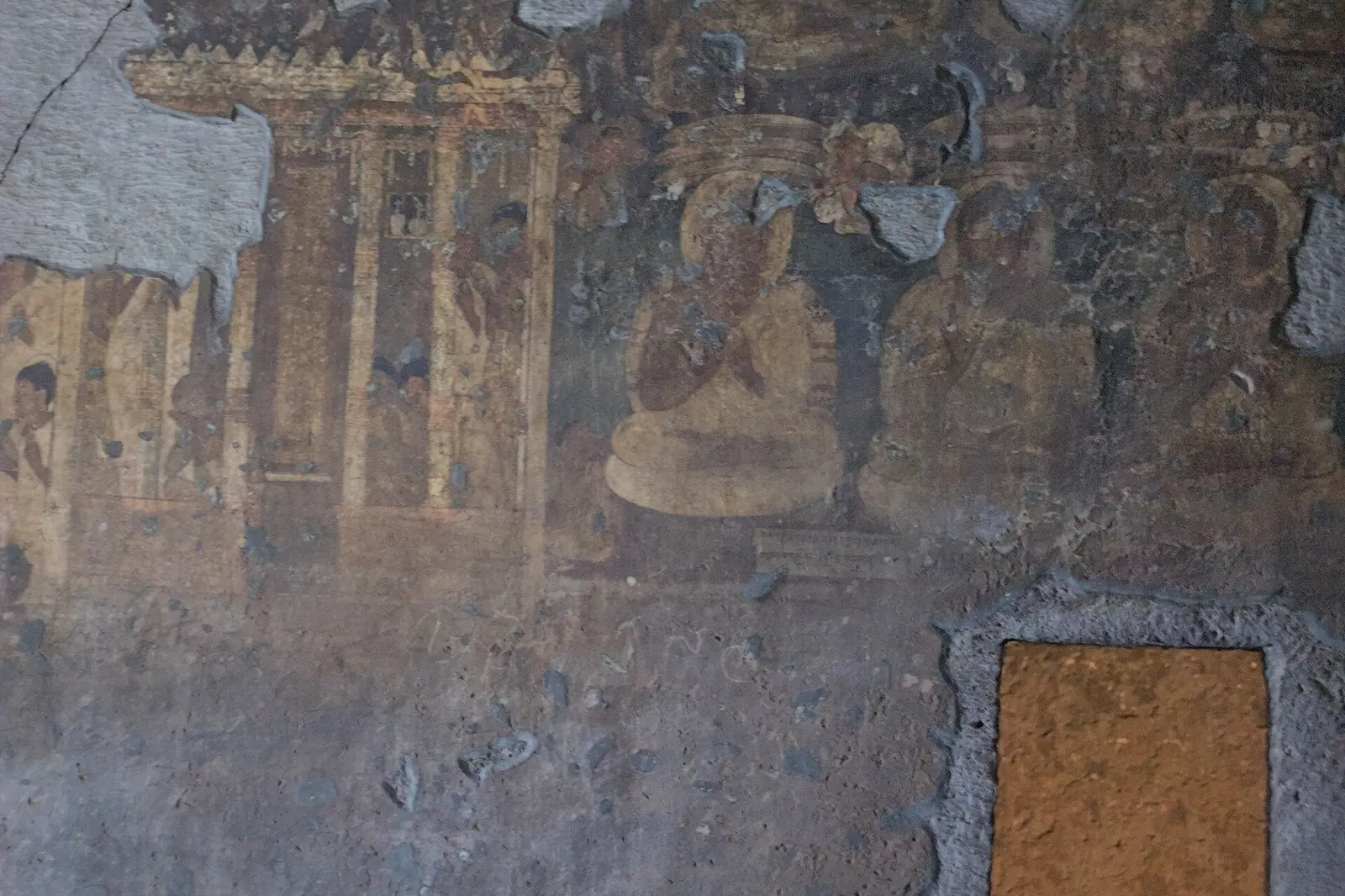
The Vatsagulma king Sarvasena is credited with the Prakrit poem Harivijaya. The last great king of that branch, Harishena, ruled in the late 5th century, and in his reign most of the later caves at Ajanta were cut. Cave 16 carries the inscription of his minister Varahadeva, who dedicated it to the Buddhist Sangha and lists Harishena’s sway over Kuntala, Avanti, Kalinga, Kosala, Trikuta, Lata and Andhra. Cave 17 was the gift of a feudatory prince under him. Within a generation of Harishena’s death the Vakatakas vanished from the record, and the Kalachuris and then the Chalukyas of Badami took their lands.
The rulers
- 1VindhyashaktiFounderc. 250–270 CE
- 2Pravarasena ISamrat; four Ashvamedhasc. 270–330 CE
- 3Rudrasena IMain line at Nandivardhanac. 330–355 CE
- 4Prithvishena Ic. 355–380 CE
- 5Rudrasena IIHusband of Prabhavatiguptac. 380–385 CE
- 6Prabhavatigupta (regent)Daughter of Chandragupta IIc. 385–405 CE
- 7Pravarasena II (Damodarasena)Author of the Setubandha; founded Pravarapurac. 410–440 CE
- 8Narendrasenac. 440–460 CE
- 9Prithvishena IILast of the main linec. 460–480 CE
- 10Sarvasena (Vatsagulma)Credited with the Harivijayac. 330–355 CE
- 11Harishena (Vatsagulma)Ajanta’s later caves cut in his reignc. 475–500 CE
What they left
- Ajanta Caves 16, 17 and others of the late 5th century
- The early temples of Ramtek and Mansar
- The Setubandha and the Harivijaya in Prakrit
- The Gupta–Vakataka alliance through Prabhavatigupta