01Pushyamitra and the Shungas
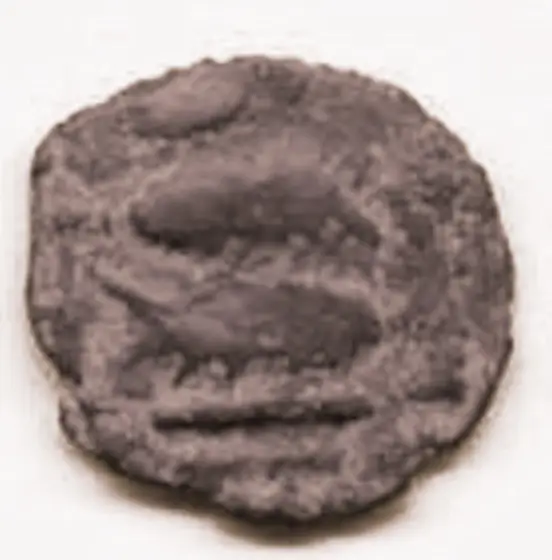
Pushyamitra Shunga, the general who ended the Mauryas around 185 BCE, ruled from Pataliputra and Vidisha. An inscription at Ayodhya, set up by his descendant Dhanadeva, calls him the senapati who performed two ashvamedhas. Kalidasa’s play Malavikagnimitram, about his son Agnimitra, describes how the sacrificial horse was guarded by the young prince Vasumitra, who beat back a Yavana force on the banks of the Sindhu.
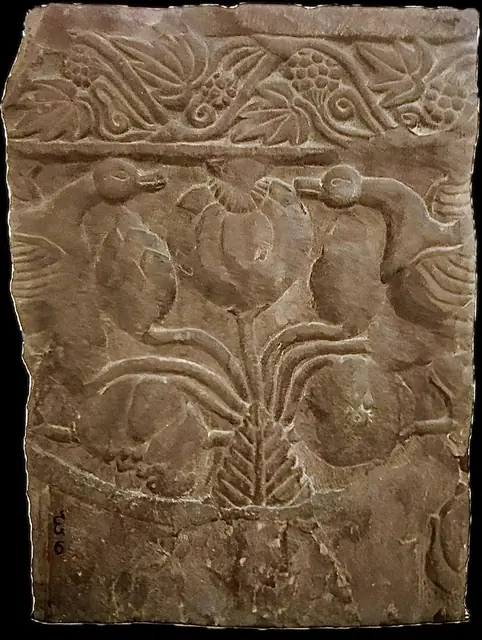
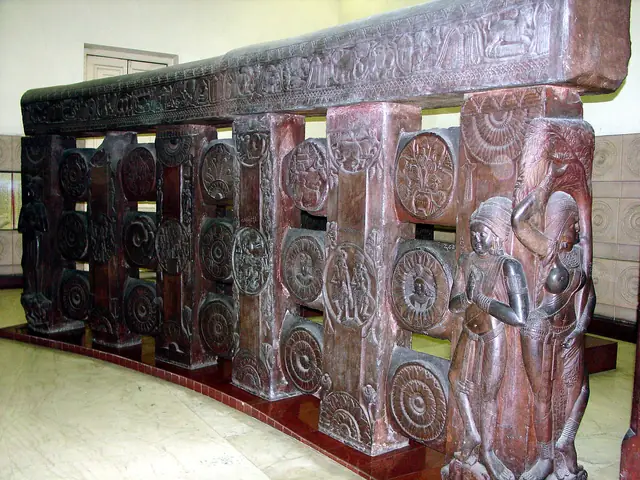
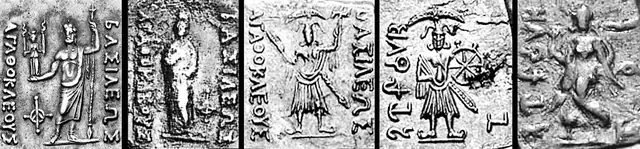
The Indo-Greeks of Bactria had pushed into the Punjab and raided as far as Mathura and Saket. The Shungas held the Ganga valley against them. The great railing of the stupa at Bharhut was raised “in the reign of the Shungas”, as its gateway inscription says.
02Heliodorus and the Bhagavatas
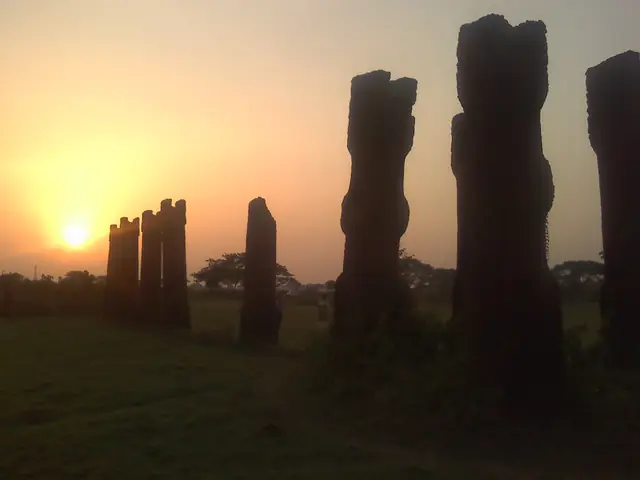
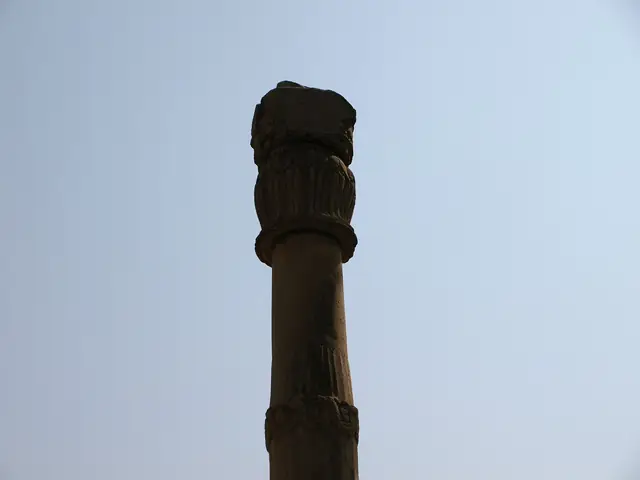
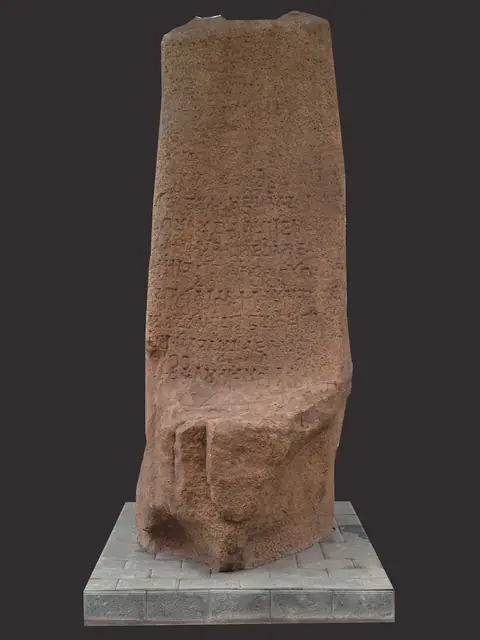
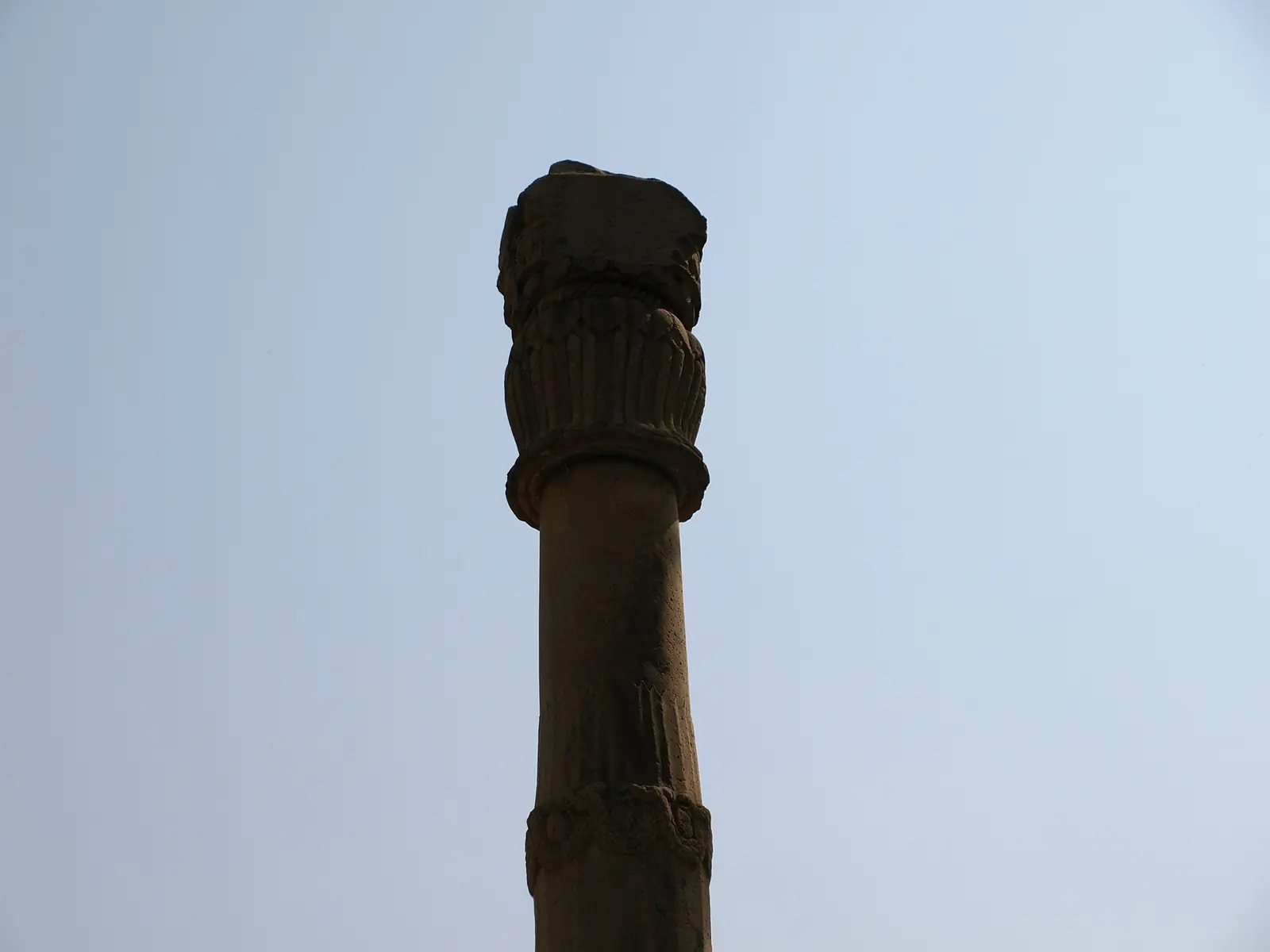
Around 113 BCE the Greek king Antialcidas of Taxila sent Heliodorus to the court of King Bhagabhadra at Vidisha. Heliodorus raised a stone column topped once by Garuda in honour of Vasudeva, and its inscription closes with three immortal steps that lead to heaven: dama, tyaga and apramada, self-control, giving and watchfulness, the same three the Mahabharata teaches.
It is the oldest dated proof in stone of devotion to Vasudeva-Krishna, and it shows that a foreigner who came to Bharat could take up its dharma. At Mathura, the Mora well inscription of the first century CE records images of the five Vrishni heroes, Vasudeva and his kin, set up in a stone shrine.
03Kharavela of Kalinga
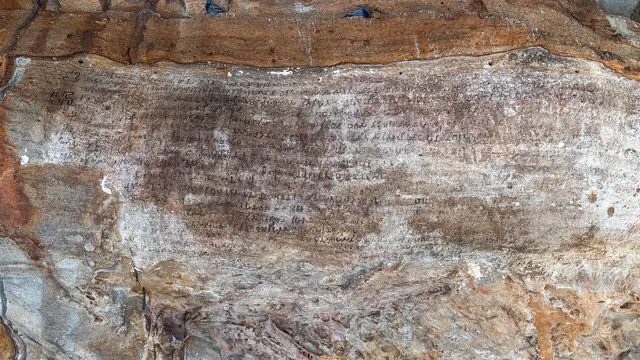
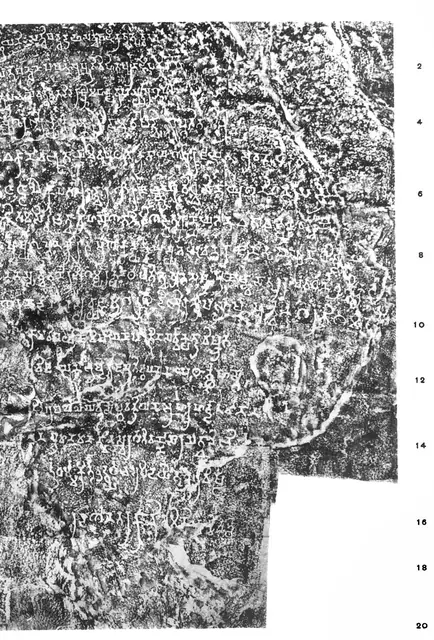
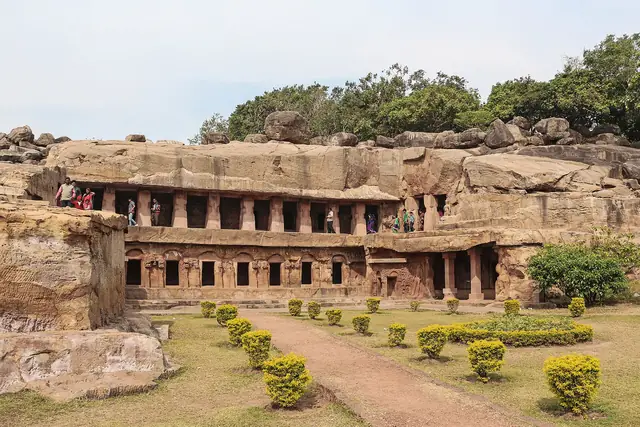
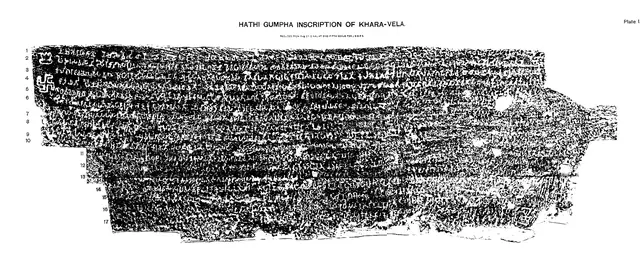
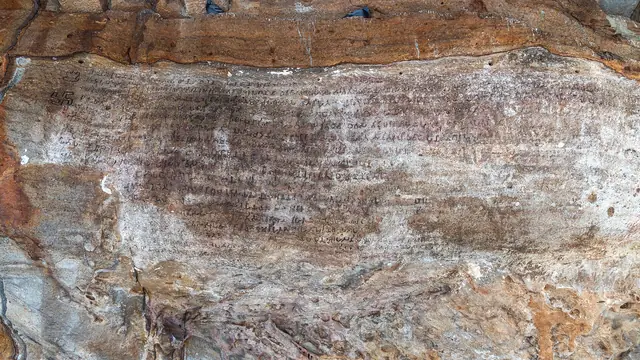
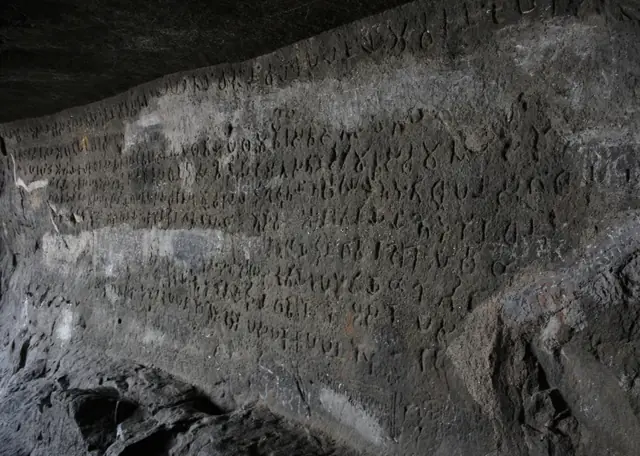
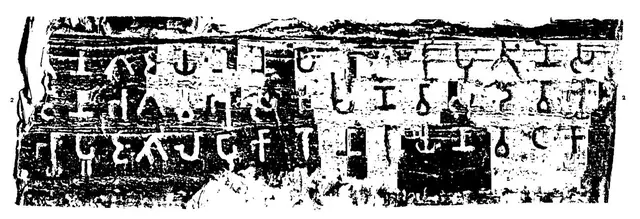
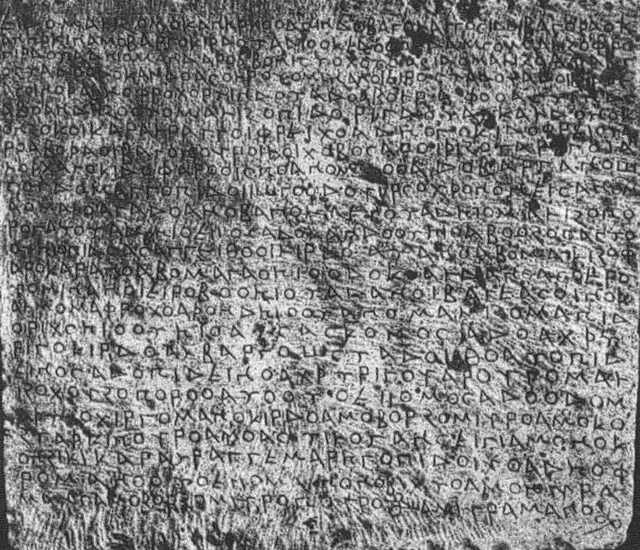
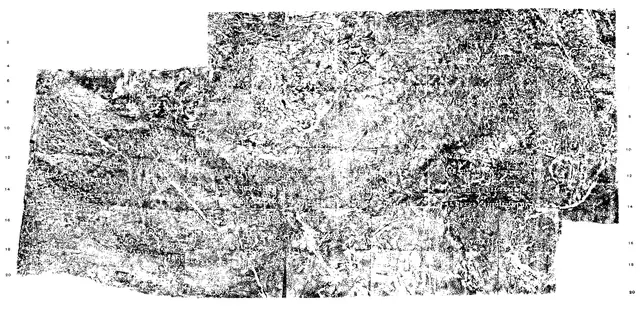
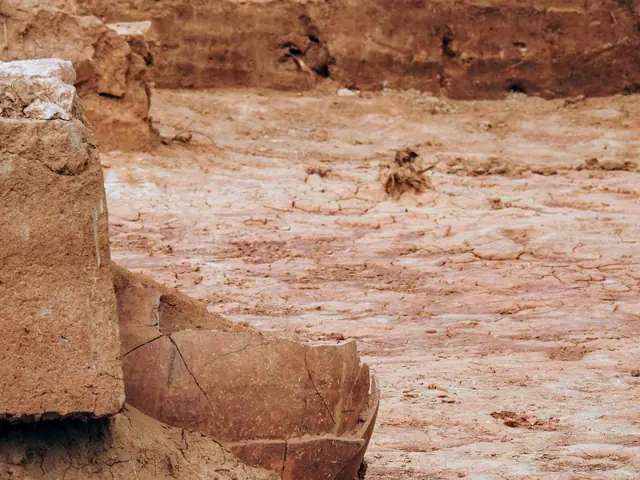
On Udayagiri hill outside Bhubaneswar, over the mouth of the Hathigumpha cave, Kharavela of the Mahameghavahana line had his reign recorded year by year in seventeen lines of Prakrit. It opens with a salute to the Arhats and the Siddhas, for Kharavela was a Jain.
He repaired Kalinga’s capital after a storm, extended a canal first dug by a Nandaraja, invaded Magadha, made its king bow at his feet, and brought back to Kalinga the Jina image a Nanda had taken away centuries before. He also broke a league of Tamil kingdoms in the south. The caves he and his queen cut at Udayagiri and Khandagiri for Jain monks are still visited.
04The Satavahanas of the Deccan
From Pratishthana, today’s Paithan on the Godavari, the Satavahanas ruled the Deccan for about four centuries. At the Naneghat pass, on the trade road from the coast, Queen Naganika had a cave inscribed with the yajnas her husband Satakarni had performed: ashvamedha, rajasuya and many more, with the thousands of cows given as dakshina.
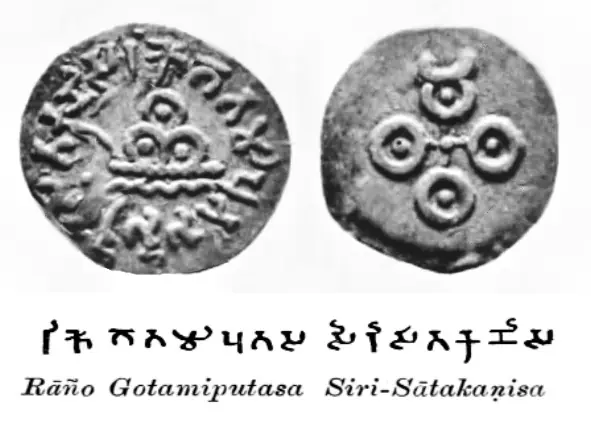
The greatest of the line, Gautamiputra Satakarni, defeated the Shaka satrap Nahapana and restruck thousands of his silver coins with his own stamp; a hoard of them was found at Jogalthembi near Nashik. His mother, Gautami Balashri, recorded in a Nashik cave that her son destroyed Shakas, Yavanas and Pahlavas and protected the varnas.
05Sanskrit returns to stone
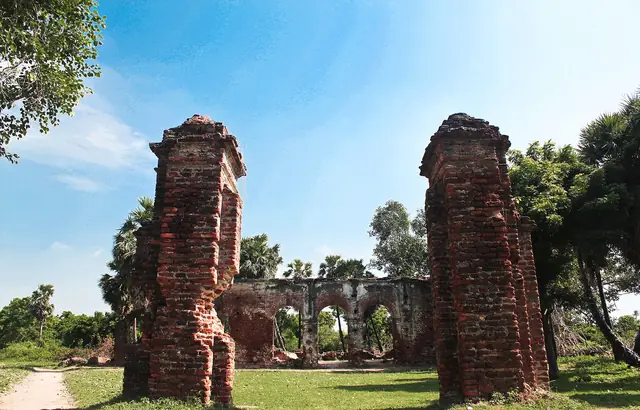
At Junagadh, on the same rock that carries Ashoka’s edicts, the Shaka ruler Rudradaman of Ujjayini had a long inscription cut in 150 CE in polished Sanskrit prose, the first of its kind. It tells how a storm burst the Sudarshana lake, built by Chandragupta Maurya’s governor Pushyagupta and fitted with channels under Ashoka, and how Rudradaman rebuilt it without forced labour or extra taxes. He boasts of defeating Satakarni, lord of the Dakshinapatha, twice, and sparing him because they were close kin.
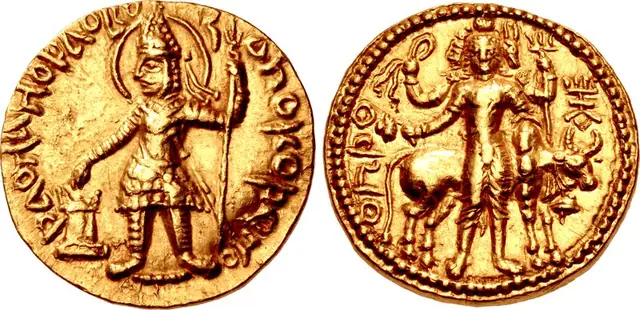
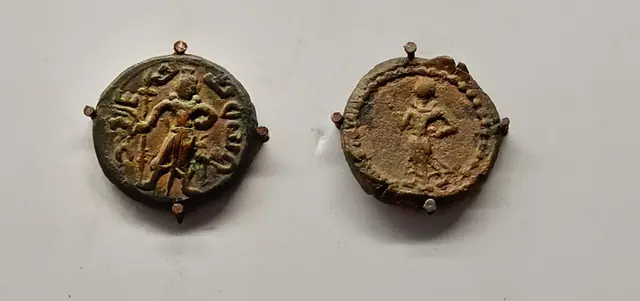
The Kushanas in the north followed the same road. Vima Kadphises called himself Maheshvara on his coins and put Shiva with Nandi on the reverse.
06Mathura, Karle and Amaravati
Under the Kushanas, the workshops of Mathura carved in mottled red sandstone: Vishnu with four arms, Balarama under a serpent hood, Shiva lingas with faces, Durga as Mahishasuramardini, and the Buddha and the Jinas for their own devotees. Kanishka’s Rabatak inscription, found in Afghanistan in 1993, names Mahasena and Vishakha among the gods who gave him kingship.
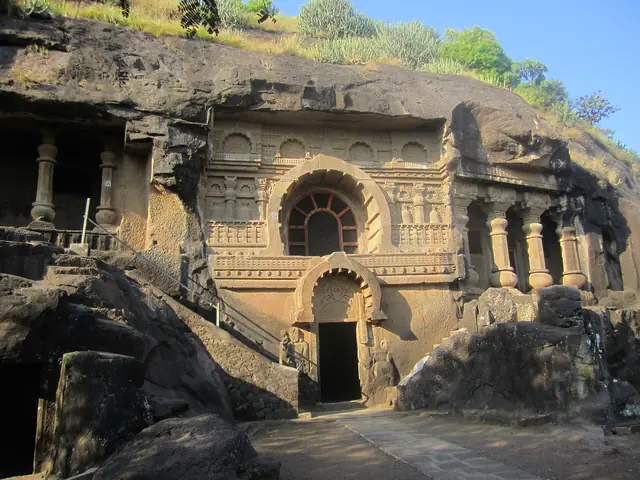
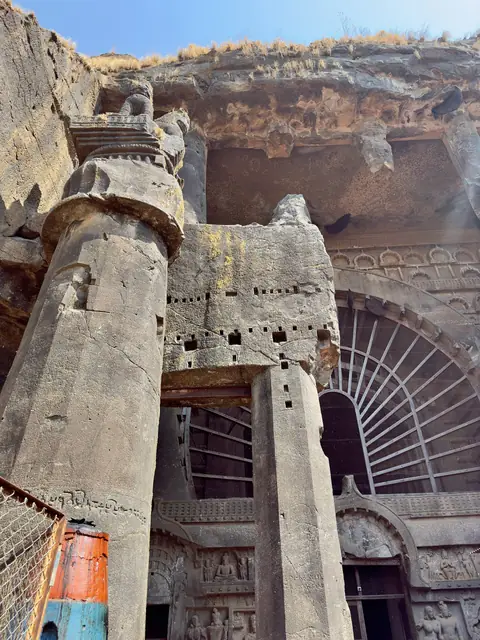
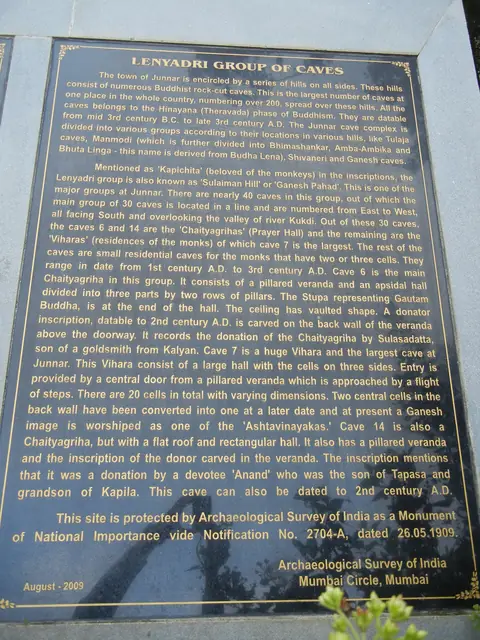
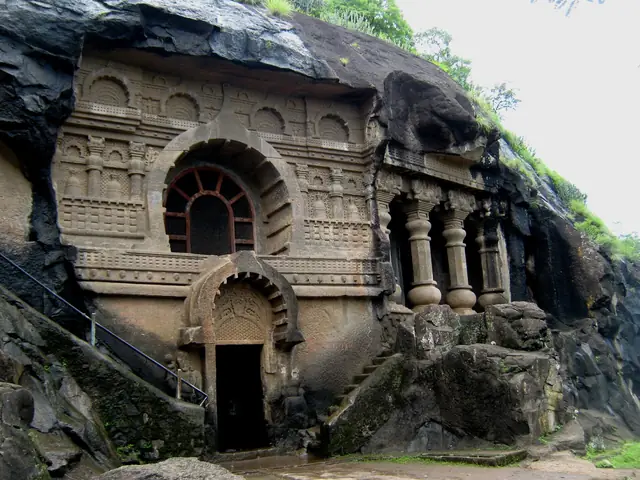
In the western ghats, merchants, monks and even Yavana donors paid for rock-cut halls on the trade roads. The chaitya at Karle, near Lonavala, is the largest of them, its teak ribs still in place. On the Krishna river, the stupa at Amaravati was carved with scenes in white limestone.
07The Sangam kingdoms
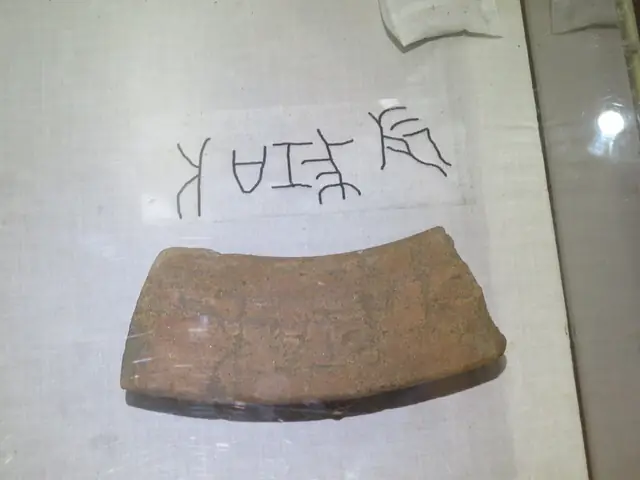
Below the Satavahanas lay Tamilakam, ruled by three crowned kings: the Cheras on the Malabar coast, the Cholas on the Kaveri delta and the Pandyas at Madurai. Their courts kept poets, and the poems collected in the Ettuttokai and Pattuppattu describe cattle raids, harbours, hero stones and the five kinds of landscape, each with its own mood of love or war.
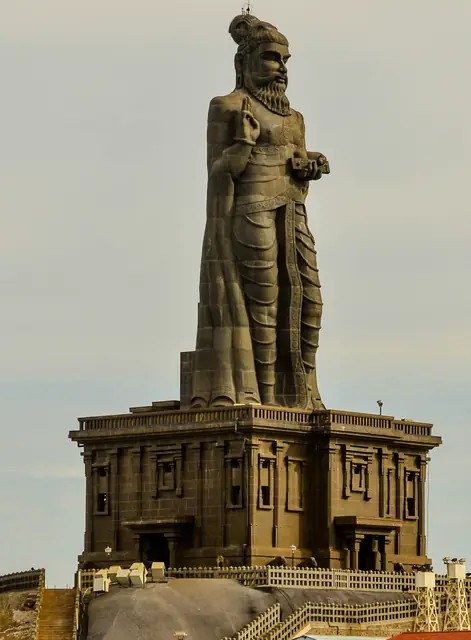
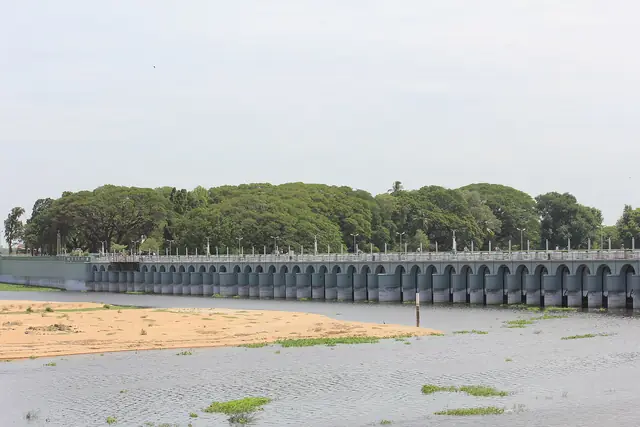
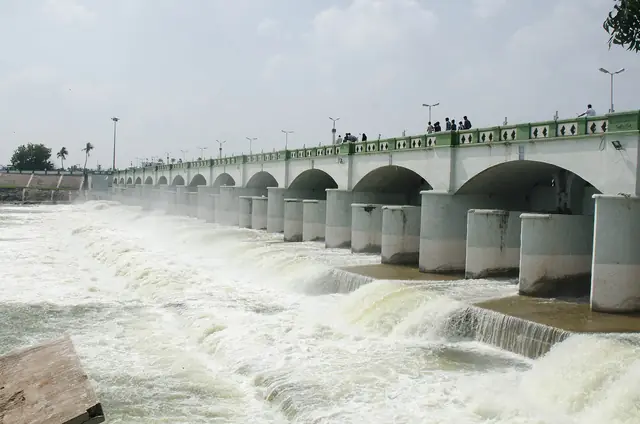
Tradition credits Karikala Chola with the Kallanai, the stone dam across the Kaveri that still diverts water to the delta. The Tolkappiyam set down Tamil grammar and poetics. Thiruvalluvar’s Tirukkural, 1,330 couplets on dharma, wealth and love, is still learnt by heart in every Tamil school.
08Pepper, pearls and Roman gold
Once Greek and Roman pilots learnt to ride the monsoon winds straight across the Arabian Sea, ships sailed from Egyptian ports to the Malabar coast every year. The Periplus of the Erythraean Sea, a first-century guide for merchants, lists the ports from Barygaza, modern Bharuch, to Muziris on the Periyar, and the goods: pepper, pearls, ivory, fine cotton, beryls.
Pliny the Elder complained that India drained the Roman empire of no less than fifty million sesterces a year. Roman gold coins turn up in hoards across south India, and at Arikamedu near Puducherry archaeologists found Roman wine jars and tableware. The Tamil poets call the foreign traders Yavanas.

09A world of guilds and poets
Inscriptions of this age are full of guild donations. At Nashik, a Shaka official deposited money with the weavers’ guild of Govardhana so that its interest would clothe the monks; such endowments read like bank deposits. The potters, oil-pressers and bamboo workers each had their shreni.
The Satavahana king Hala is remembered for the Gathasaptashati, seven hundred short verses in Maharashtri Prakrit about village love and seasons. Tradition places Charaka, whose Samhita is the root text of Ayurveda, at the court of Kanishka. And the Shaka era that begins in 78 CE, used by astronomers and in almanacs for nearly two thousand years, became India’s national calendar in 1957.
10The road to the Guptas
By the third century the great houses were spent. The Satavahana realm broke into pieces: the Ikshvakus at Nagarjunakonda on the Krishna, the Abhiras in the west, and in the Vindhyas a new line, the Vakatakas, founded by Vindhyashakti. The Kushanas, pressed by the Sasanian Persians, lost their grip on the Ganga plain.
Into that space came the Bharashiva Nagas, who, as Vakataka copper plates proudly record, performed ten ashvamedhas and were anointed with the water of the Ganga. At Pataliputra a small family called the Guptas was rising. In 320 CE its chief, Chandragupta, took the title maharajadhiraja, and a new era began.
What survives today
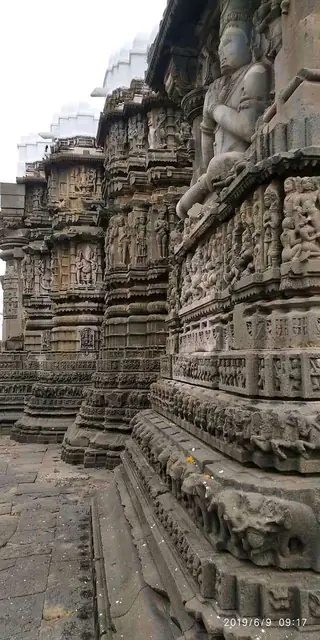
- The Heliodorus pillar at Besnagar, Vidisha, still worshipped locally as Khamba Baba
- The Hathigumpha inscription and the Jain caves of Udayagiri and Khandagiri, Bhubaneswar
- The Bharhut railing in the Indian Museum, Kolkata
- The Karle chaitya and the Nashik and Naneghat caves in Maharashtra
- Rudradaman’s inscription on the Ashoka rock at Junagadh
- The Kallanai dam on the Kaveri, still in use
- The Tirukkural and the Sangam poems, read and recited across Tamil Nadu
- The Shaka calendar, India’s national calendar since 1957