01Plassey, Buxar, the Diwani
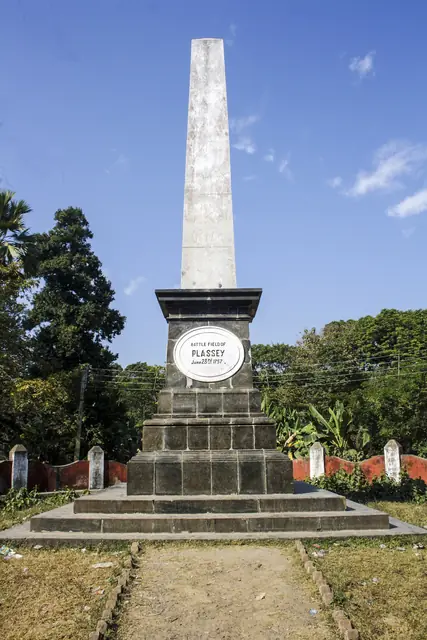
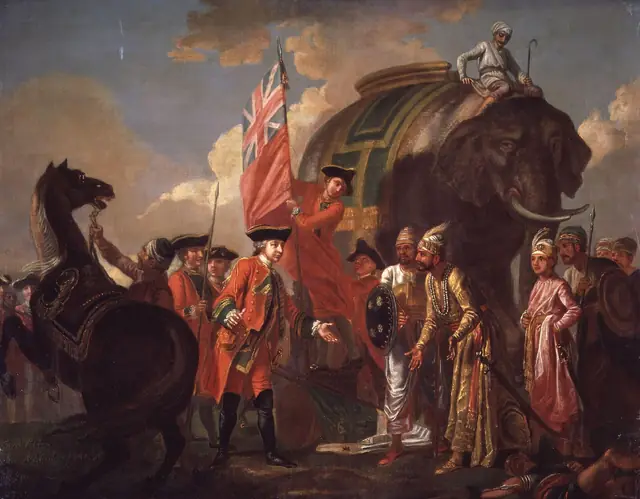
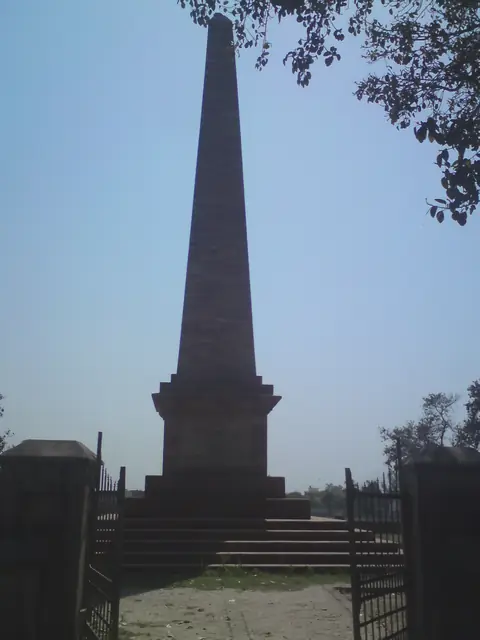
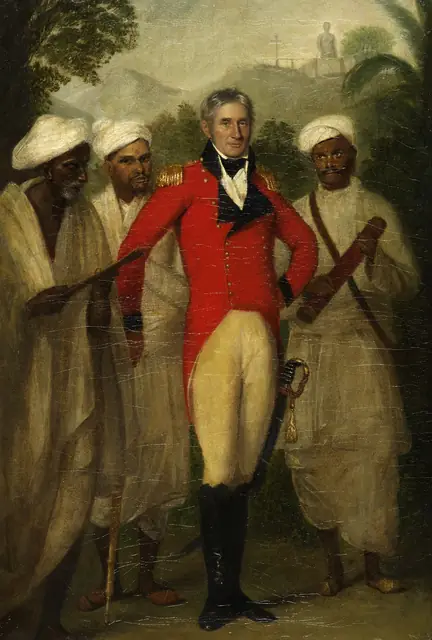
On 23 June 1757 Robert Clive met the Nawab of Bengal, Siraj ud-Daulah, at Plassey. The battle was decided before it began: the Nawab’s commander Mir Jafar had been bought with the promise of the throne, and the banker house of Jagat Seth had joined the plot. At Buxar on 22 October 1764 the Company beat the combined armies of Mir Qasim, the Nawab of Awadh and the Mughal emperor. On 12 August 1765 Shah Alam II granted the Company the Diwani, the right to collect the revenue of Bengal, Bihar and Odisha. A company of London merchants now taxed thirty million people and used their money to pay for the conquest of the rest of Bharat.
02Famine, revenue and the looms
When the rains failed in 1769, the Company kept collecting. Warren Hastings reported to London in 1772 that about a third of the inhabitants of Bengal had died, and the revenue for that year was higher than before the famine. The Sannyasi and Fakir risings of the 1770s, which Bankim Chandra later remembered in Anandamath, grew out of these years. The Permanent Settlement of 1793 fixed the land tax in Bengal for ever and made the zamindar its collector. After 1813, when the Company lost its trade monopoly, machine-made cloth from Lancashire came in nearly free of duty while Indian cloth paid heavy duties in Britain. The looms of Dhaka, Murshidabad and the Coromandel coast fell silent within a generation.
03Conquest by war and by lapse
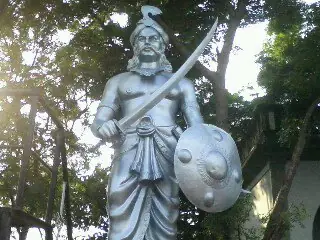
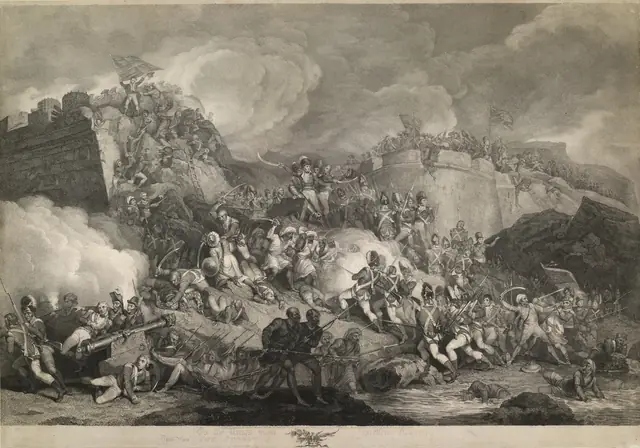
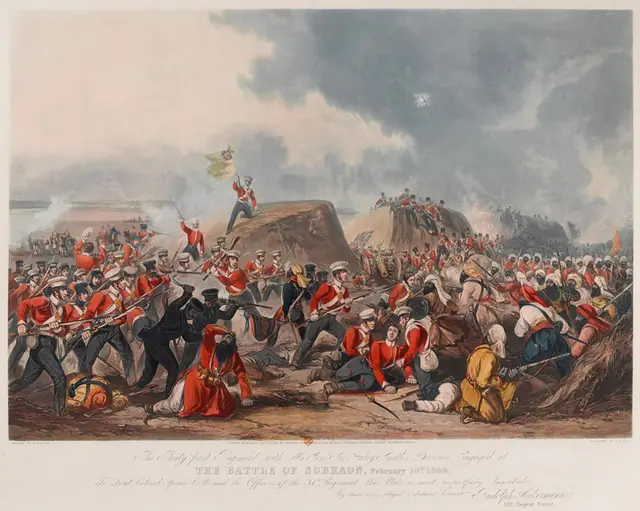
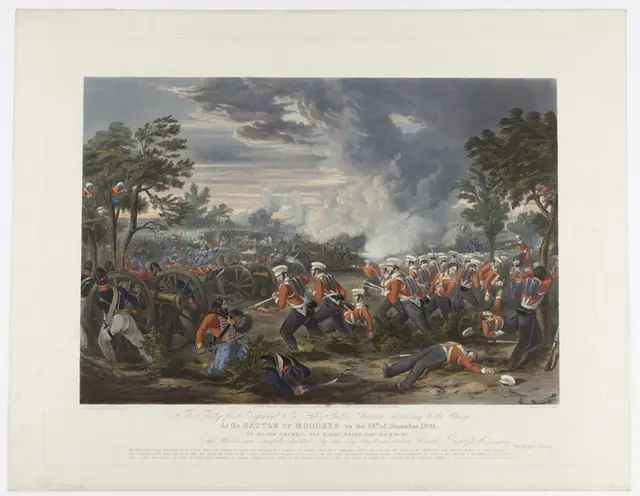
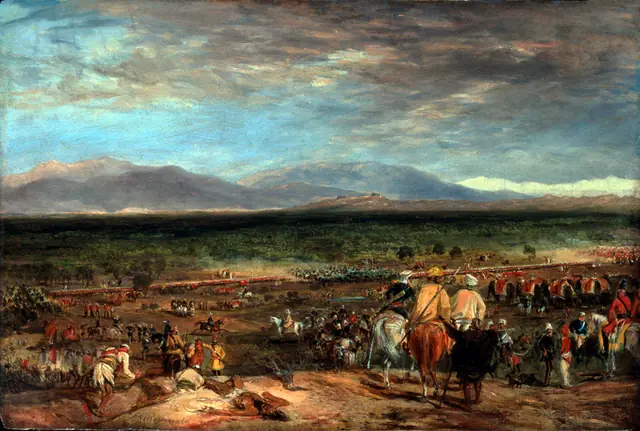
The Company fought four wars with Mysore (1767–99), three with the Marathas (1775–1818), the Polygar wars in the Tamil country, and two with the Sikhs (1845–46 and 1848–49). Kattabomman was hanged at Kayathar on 16 October 1799 and the Marudhu brothers at Tiruppattur in 1801. After the hard fight at Chillianwala in January 1849, the Punjab was annexed and the Koh-i-Noor sent to London. Lord Dalhousie then took kingdoms without war. Under his Doctrine of Lapse, a state whose ruler died without a natural son passed to the Company: Satara in 1848, Jhansi and Nagpur in 1854. Awadh was annexed in 1856 on the charge of misrule.
04Risings before 1857
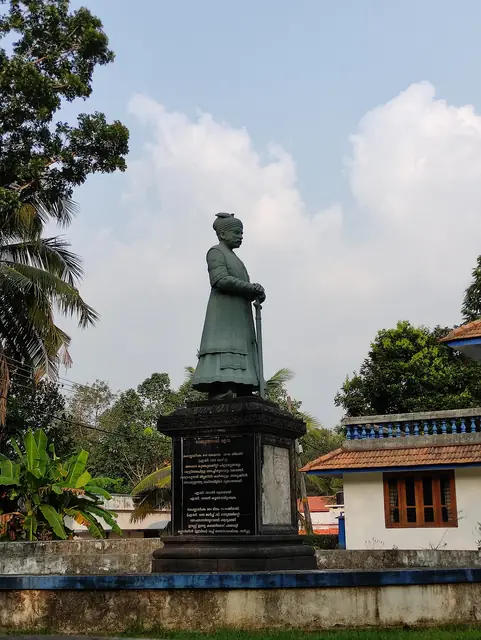
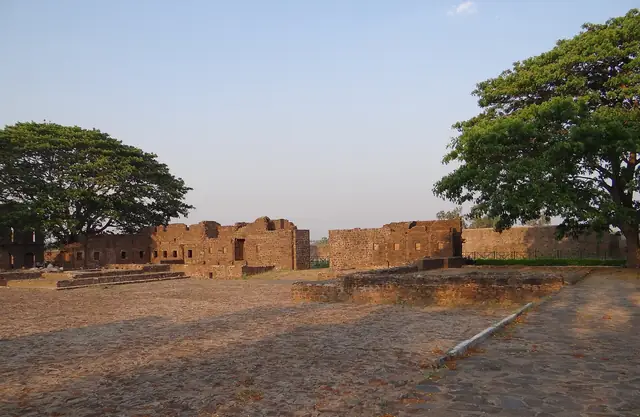
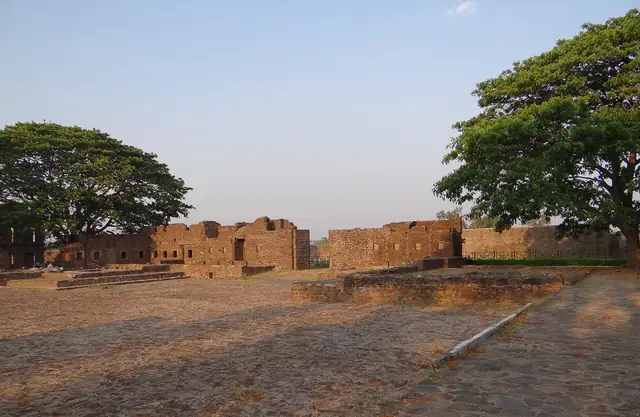
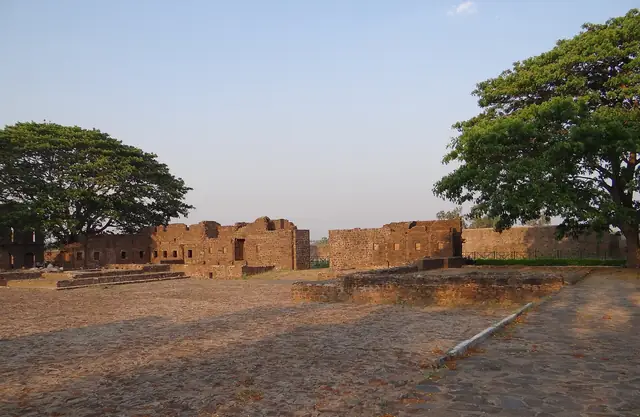
The war of 1857 had a long run-up. At Vellore on 10 July 1806 sepoys rose against an order that forbade caste marks on the forehead and required a new turban. In 1809 Velu Thampi, Dalawa of Travancore, issued his Kundara proclamation against the Company. The Paika soldiers of Khurda rose under Bakshi Jagabandhu in 1817. Rani Chennamma of Kittur refused to give up her adopted son’s right in 1824, and her men killed the British collector before she was captured; Sangolli Rayanna fought on until he was hanged in 1831. The Kols rose in Chotanagpur in 1831–32, the Khasis under Tirot Sing in 1829–33, and on 30 June 1855 the Santhals under Sidhu and Kanhu Murmu declared the Hul.
05Temples, missions and reform
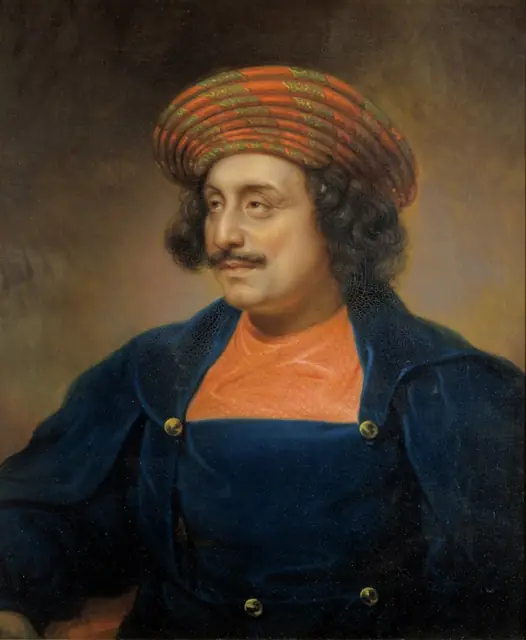
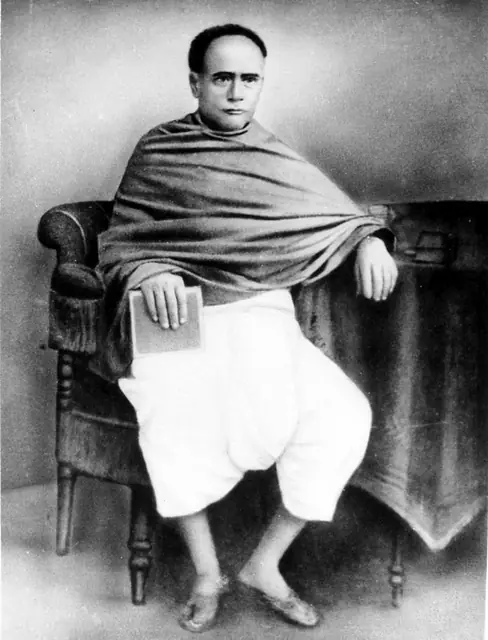
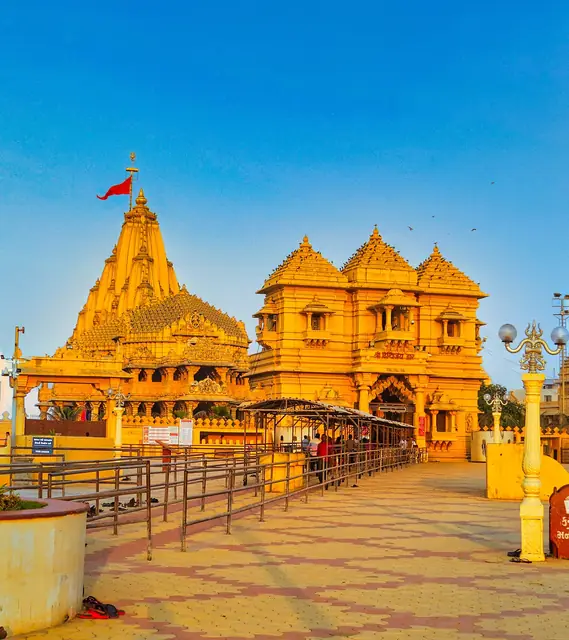
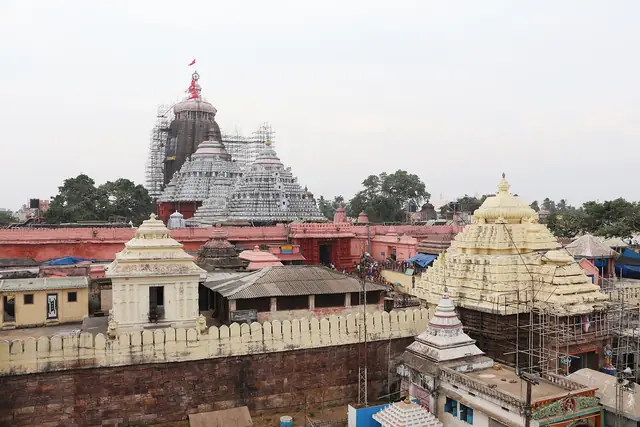
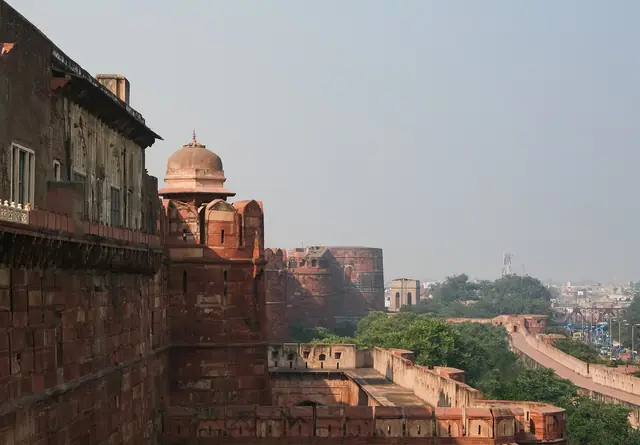
In its early decades the Company left temples alone and even managed some: it collected a pilgrim tax at Puri from 1806 to 1840, and a Madras regulation of 1817 placed temple endowments under its revenue board. The Charter Act of 1813 opened Bharat to missionaries, whose pressure ended that role. Macaulay’s Minute of February 1835 set English as the medium of higher education. Hindu society answered in more than one voice. Raja Ram Mohan Roy founded the Brahmo Sabha in 1828 and pressed for the law of 1829 against sati; Ishwar Chandra Vidyasagar won the Widow Remarriage Act of 1856. In 1842 Lord Ellenborough paraded gates from Ghazni as the stolen gates of Somnath; they proved to be of deodar wood and not from Somnath at all, and lie in Agra Fort.
06Dakshineswar and the Sanskrit revival
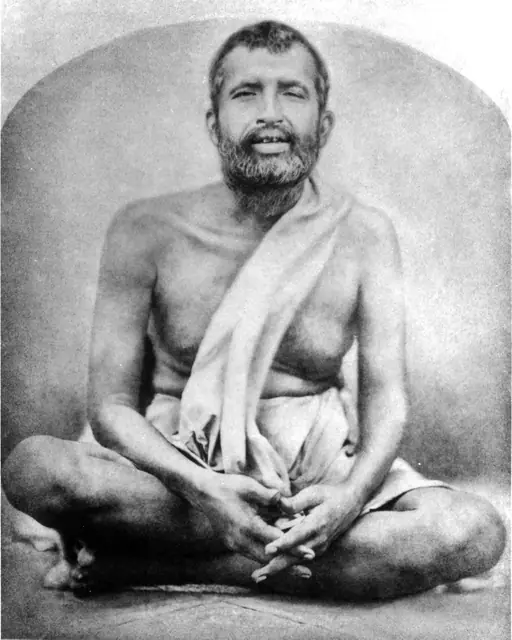
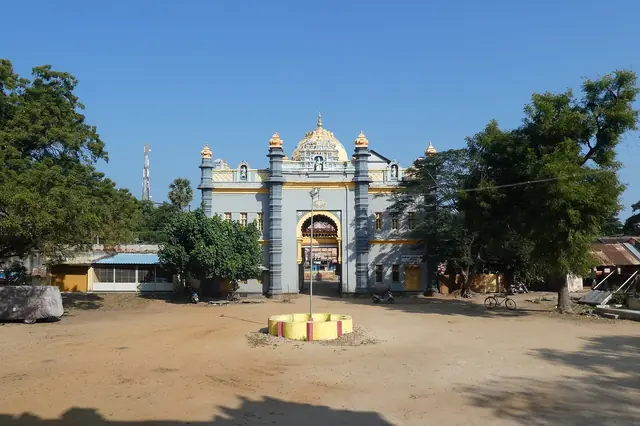
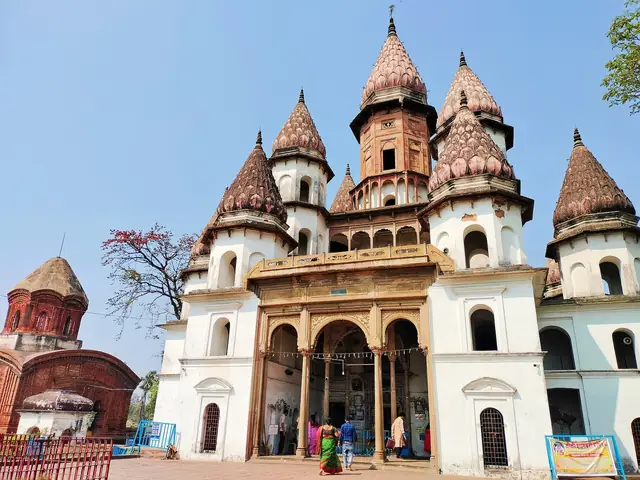
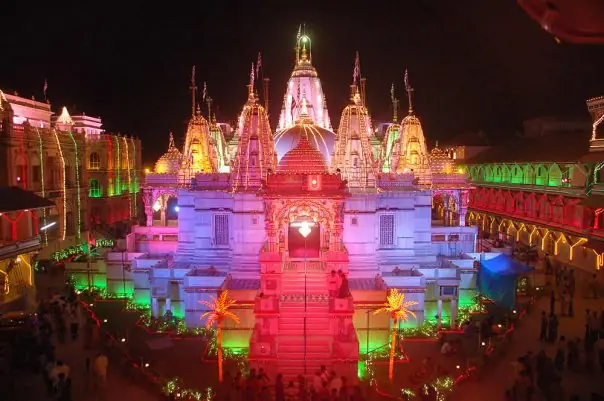
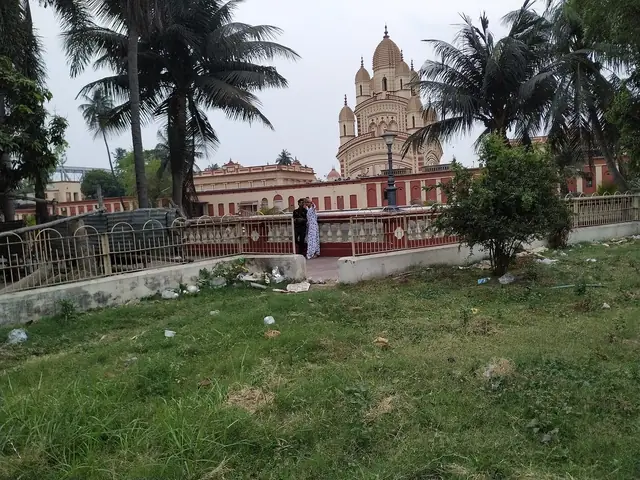
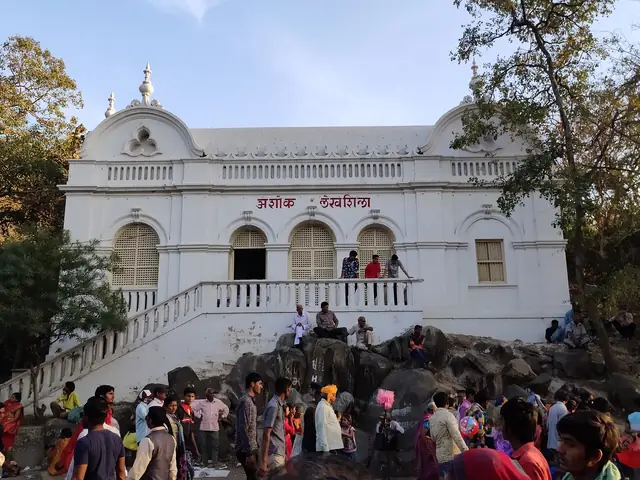
Rani Rashmoni consecrated the Bhavatarini Kali temple at Dakshineswar on 31 May 1855, and a young priest named Gadadhar, soon to be known as Sri Ramakrishna, began his sadhana there. In Gujarat, Swaminarayan had founded his sampradaya in the first years of the century. Tyagaraja sang at Thiruvaiyaru until his death in 1847. At the same time Bharat’s own texts were being printed and read in new ways. The Benares Sanskrit College opened in 1791 and the Sanskrit College at Calcutta in 1824. Charles Wilkins put the Bhagavad Gita into English in 1785, and in 1837 James Prinsep read the Brahmi script, so that Ashoka’s edicts could be read again after a thousand years.
071857: Meerut, Delhi, Kanpur, Lucknow
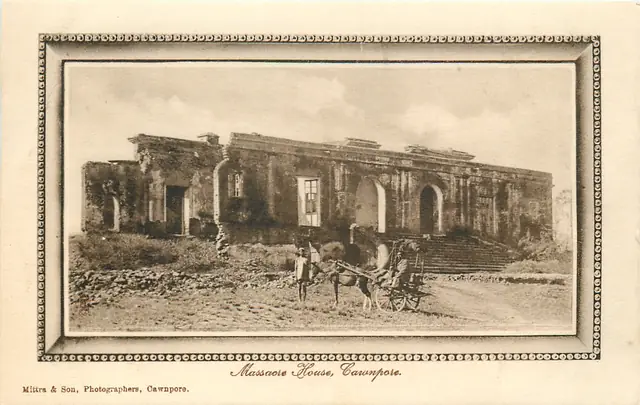
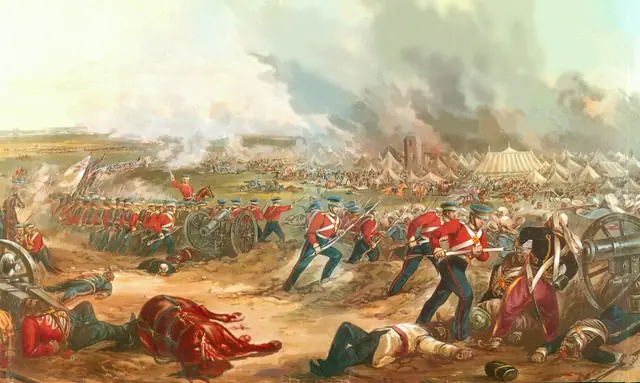
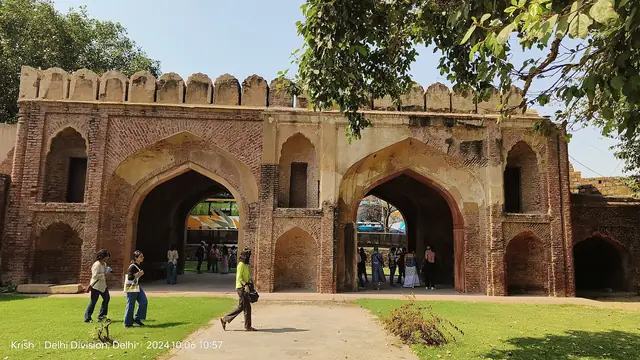
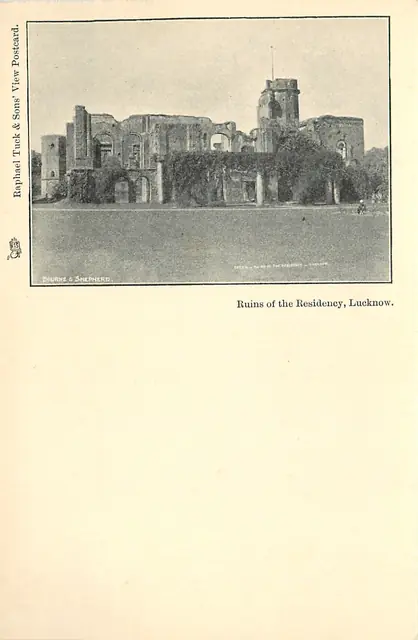
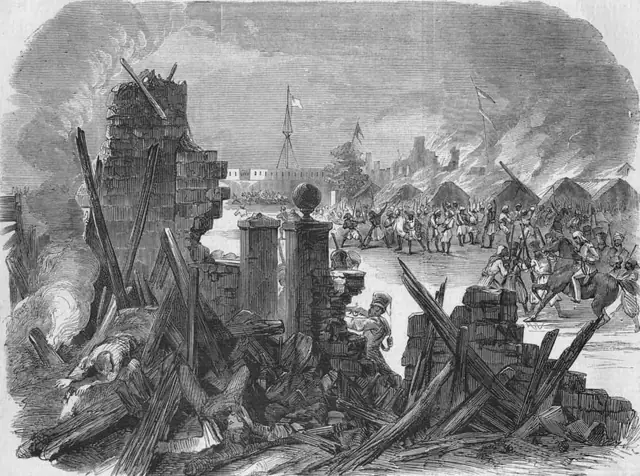
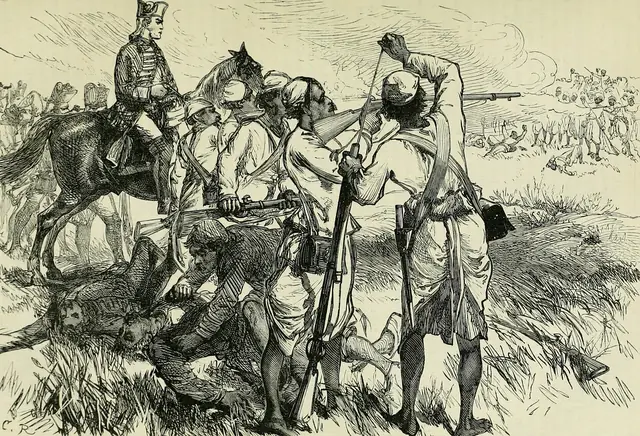
The new Enfield rifle came with greased cartridges that had to be bitten open, and the sepoys believed the grease was cow and pig fat. On 10 May 1857 the regiments at Meerut rose and rode to Delhi, where on 11 May they proclaimed the old Bahadur Shah Zafar emperor of Hindustan. Hindu and Muslim soldiers fought side by side. At Kanpur, Nana Saheb, the adopted son of the last Peshwa, besieged the British entrenchment; the surrendered garrison was killed at Satichaura Ghat on 27 June and the women and children at Bibighar on 15 July. The British reprisals, from Neill’s hangings along the Grand Trunk Road to the sack of Delhi after it was retaken on 20 September, killed far greater numbers. Lucknow was besieged for months, with Begum Hazrat Mahal at the head of the rising in Awadh.
08Lakshmibai, Kunwar Singh, Tatya Tope
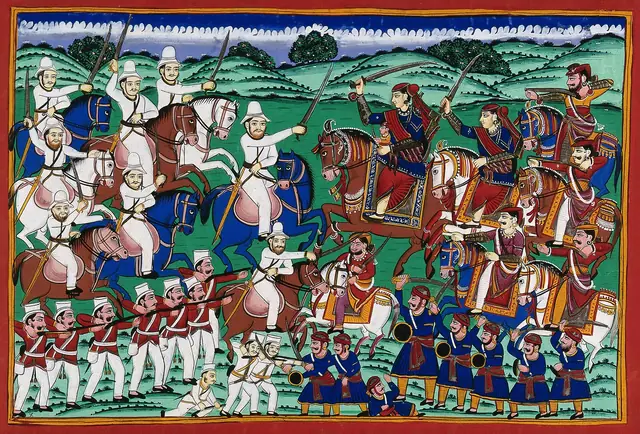
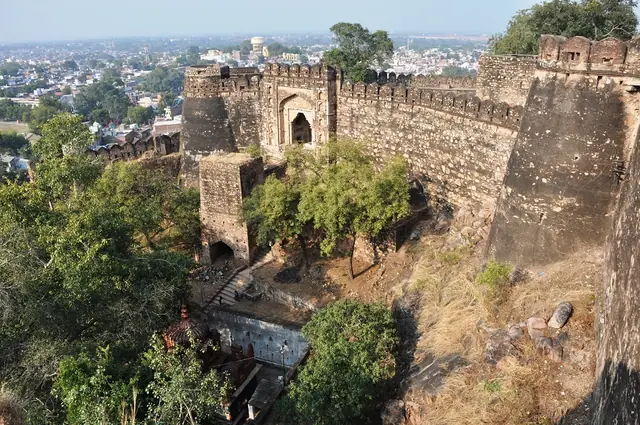
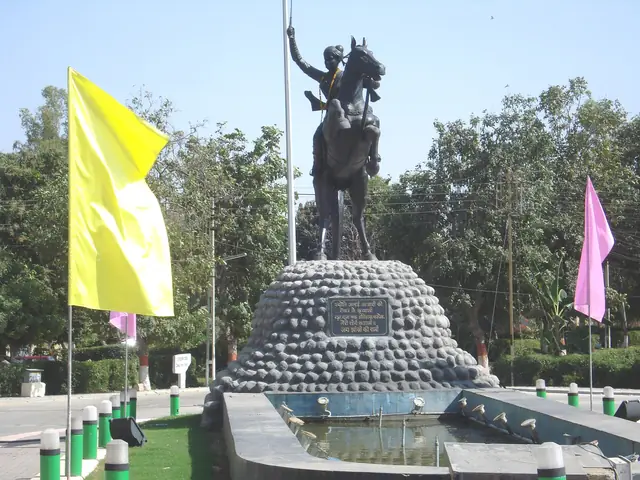
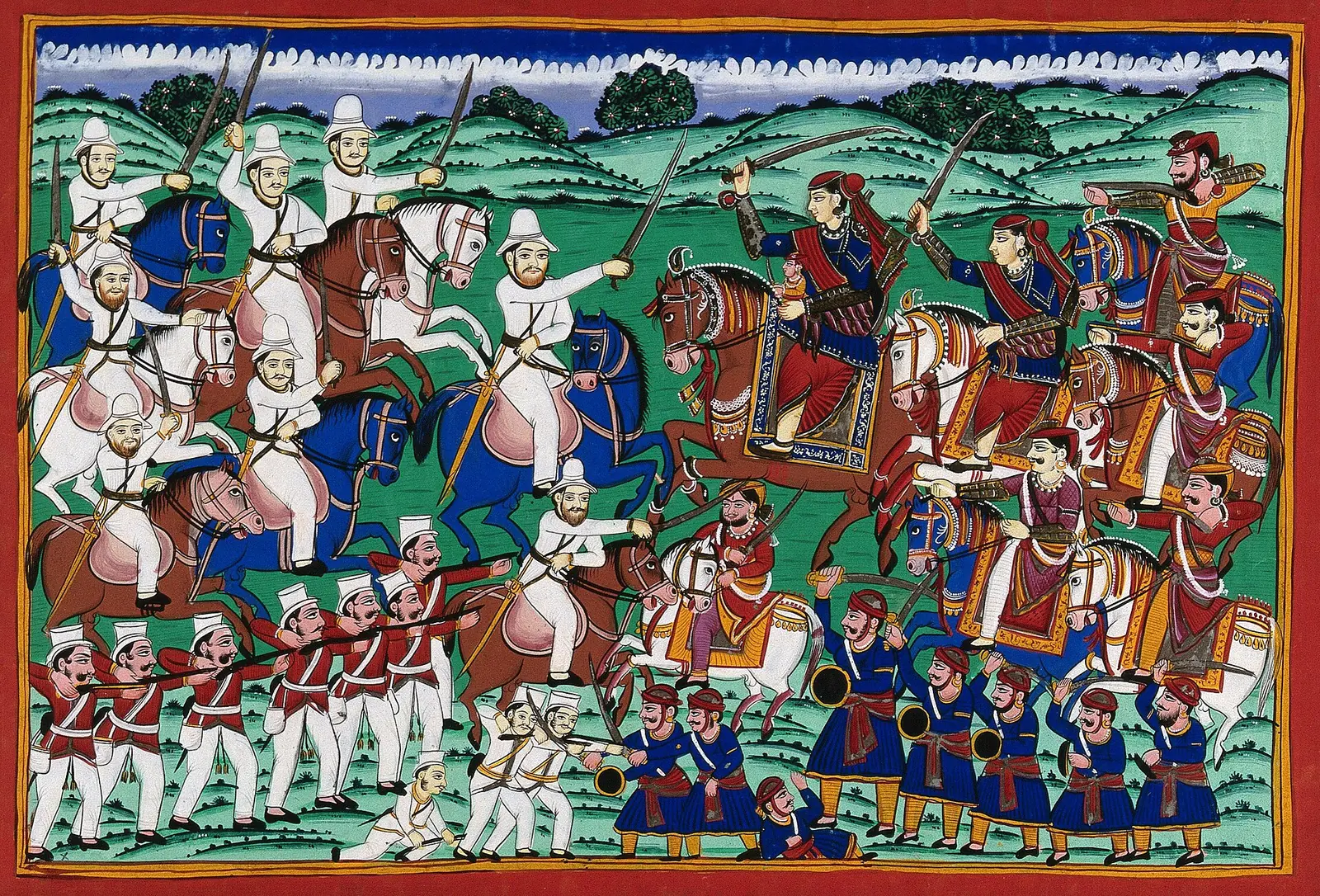
In Bihar, Kunwar Singh of Jagdishpur, nearly eighty, led his men across the Ganga and back home; wounded in the arm by a British shot, he is remembered for cutting off the hand and offering it to the river. He died on 26 April 1858, master of his own fort again. Rani Lakshmibai of Jhansi, whose adopted son had been denied the throne, defended her city against Sir Hugh Rose in March and April 1858, broke out by night when it fell, and with Tatya Tope took Gwalior on 1 June. She died fighting at Kotah-ki-Serai near Gwalior on 18 June 1858. Tatya Tope kept up a guerrilla war across central India for ten more months until he was betrayed and hanged at Shivpuri on 18 April 1859.
09The Crown takes over
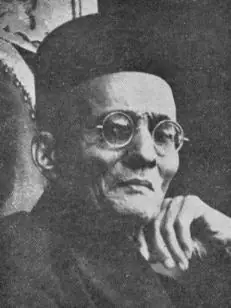
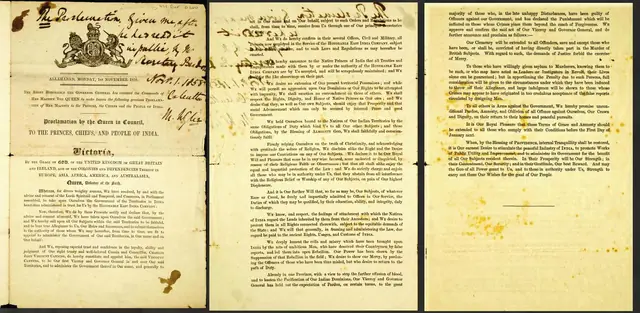
The British Parliament passed the Government of India Act on 2 August 1858 and ended the East India Company’s rule. On 1 November 1858 Lord Canning read Queen Victoria’s proclamation at Allahabad: the Crown took direct charge of Bharat, promised to respect the princes’ treaties, and declared that no one would be favoured or troubled by reason of their faith. Bahadur Shah Zafar was exiled to Rangoon. The Bengal army was rebuilt so that no single region or community could dominate it again. Fifty years later, in 1909, Vinayak Savarkar named the events of 1857 The Indian War of Independence, and that is how most of Bharat now remembers them.
What survives today
- The Rani Mahal and fort at Jhansi
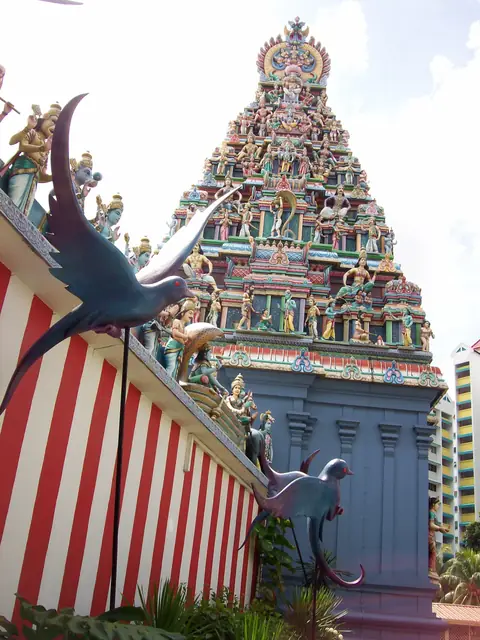
- The Dakshineswar Kali temple, Kolkata, consecrated 1855
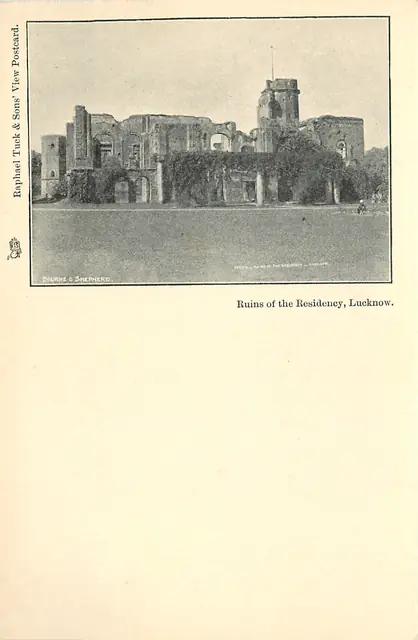
- The Residency ruins at Lucknow, still scarred by the siege
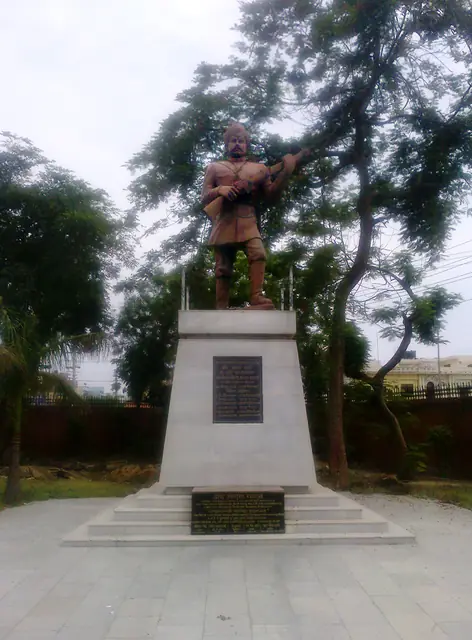
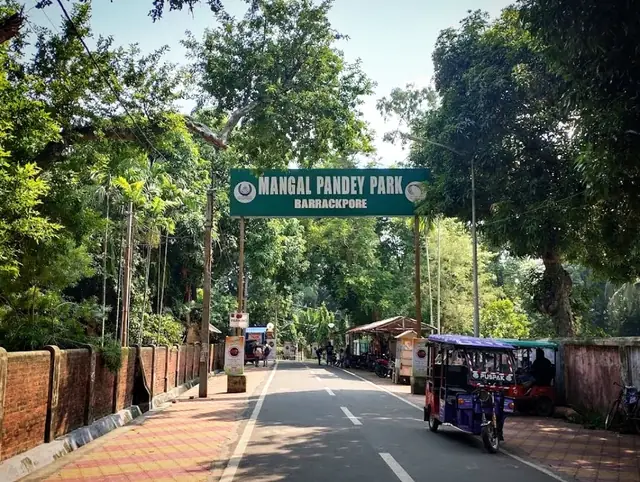
- Mangal Pandey’s memorial park at Barrackpore
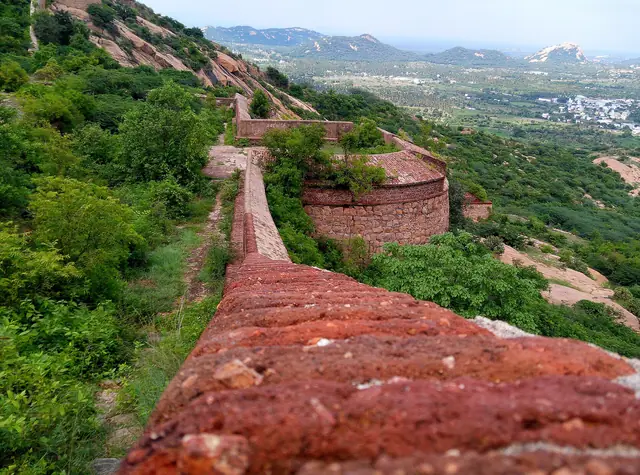
- Kittur fort and Rani Chennamma’s memorial, Karnataka
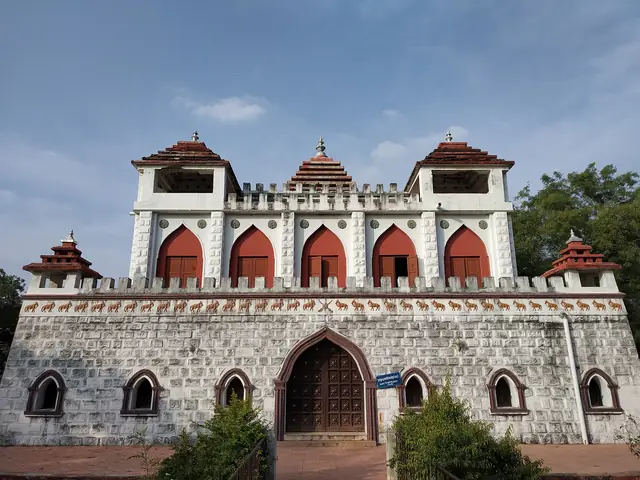
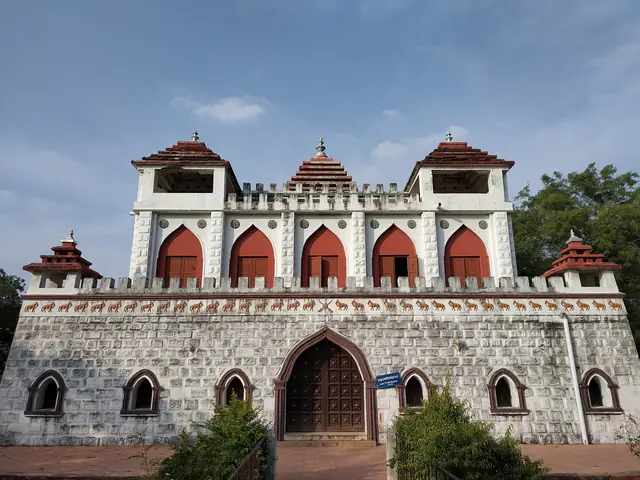
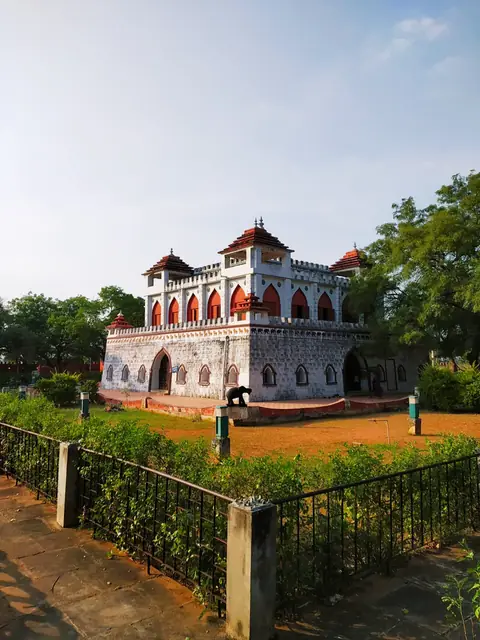
- The Kattabomman memorial fort at Panchalankurichi
- The so-called gates of Somnath, Agra Fort