01Three branches
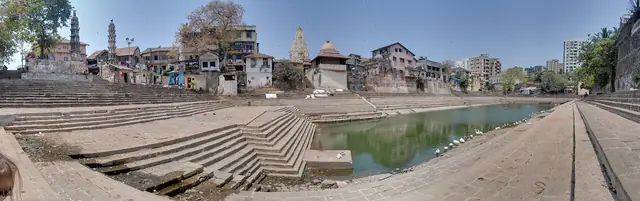
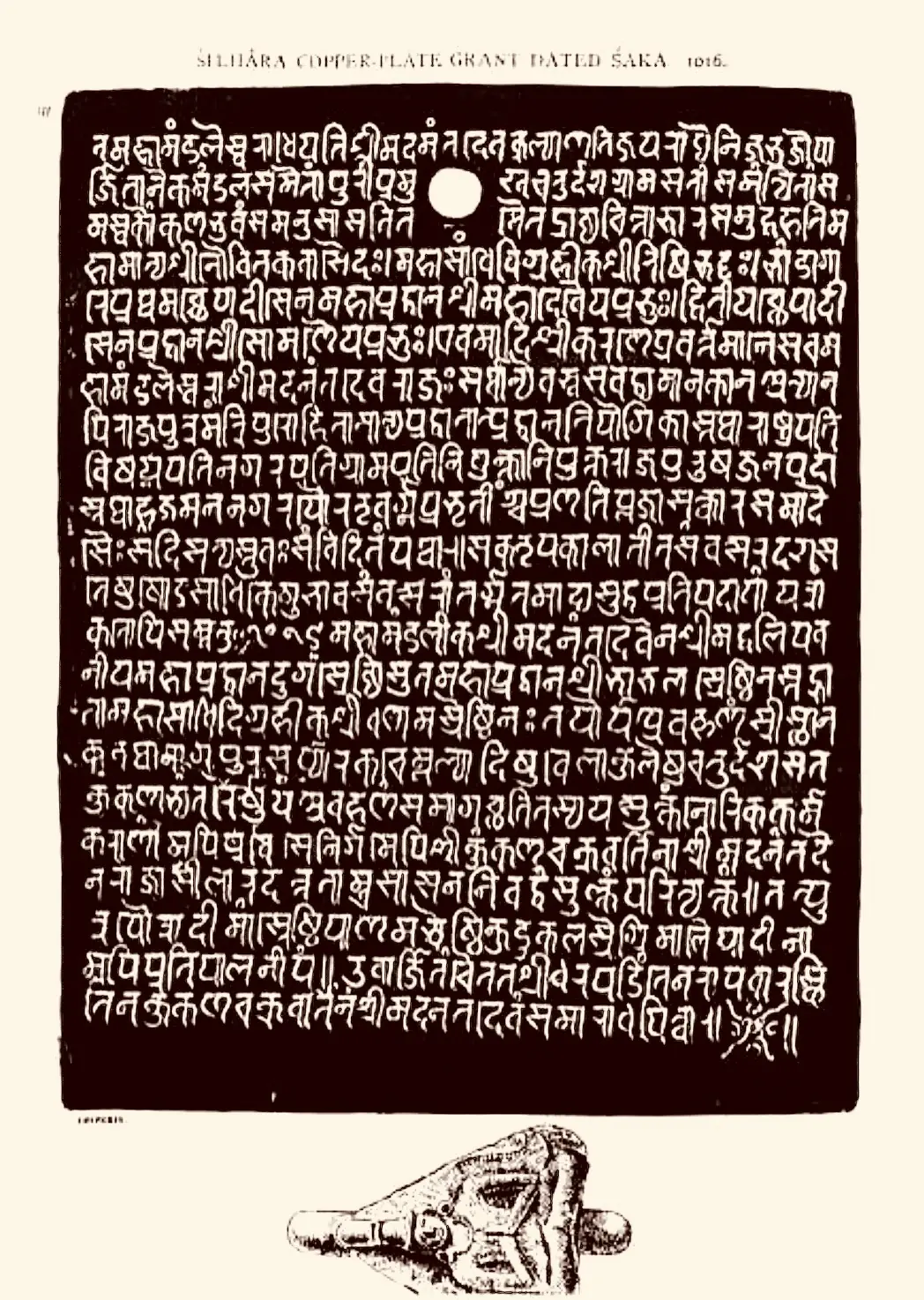
The North Konkan Shilaharas ruled from Sthanaka, today’s Thane, over Salsette, the islands of Mumbai and the ports of the coast. A South Konkan branch held the coast near Goa, and the Kolhapur branch held the plateau above the ghats. Their copper plates, many found around Thane, record grants to Brahmins and trade through ports full of Arab and Persian merchants.
02Ambernath and Apararka
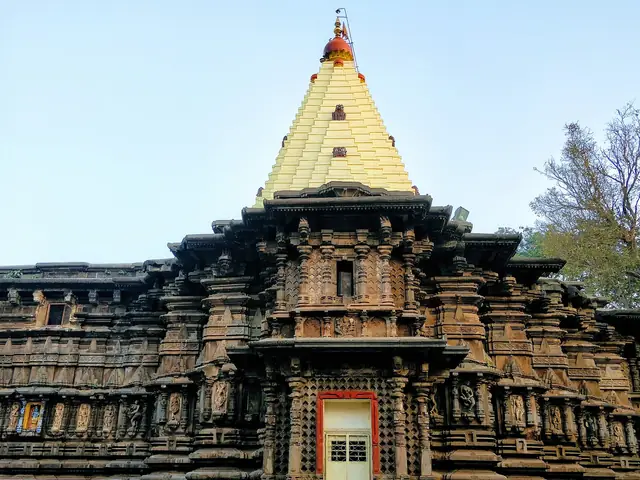
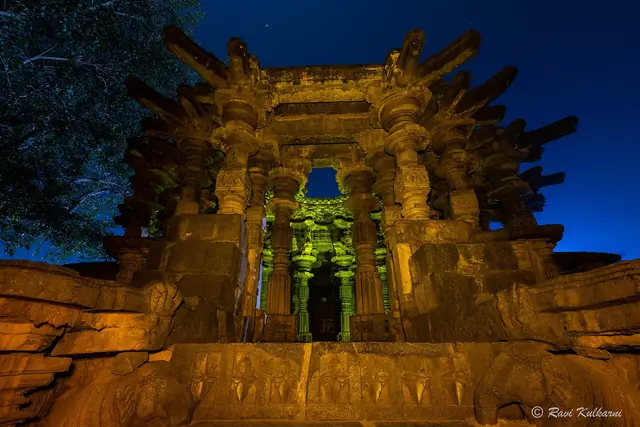
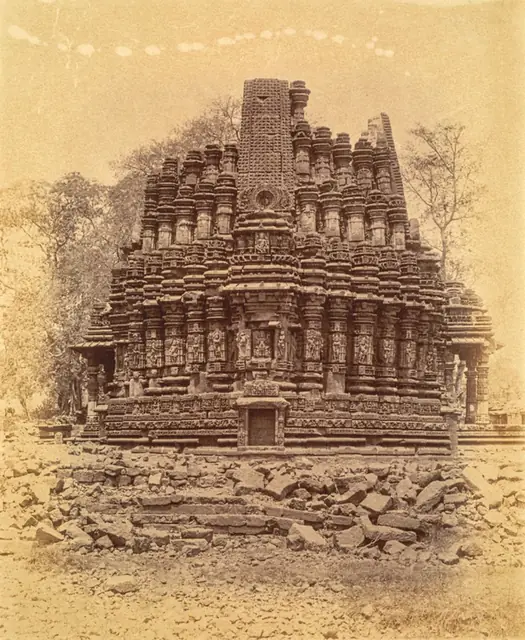
The Shiva temple at Ambernath, near Mumbai, carries an inscription of 1060 in the reign of the North Konkan king Mummuni. Its outer walls are among the richest carvings of the Bhumija style in Maharashtra. King Aparaditya I of the same branch wrote, or had written in his name, the Apararka, a long commentary on the Yajnavalkya Smriti that was cited by later jurists as far away as Kashmir.
03The forts of Bhoja II
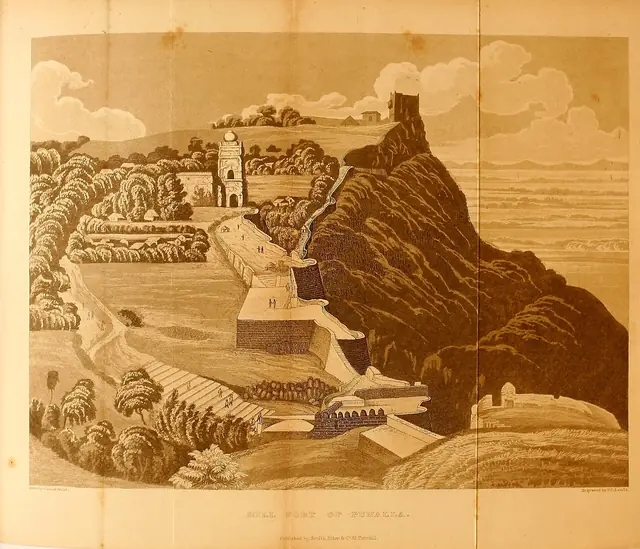
The Kolhapur king Bhoja II, last great ruler of that branch, is remembered in Maharashtra as the builder of hill forts, Panhala first among them, which the Marathas would later hold against the Adil Shahis and the Mughals. Around 1212 the Seuna Yadava Singhana II defeated him. In the north Konkan, Someshvara was defeated by the Yadava king Mahadeva around 1265, and the Shilahara line ended.
The rulers
- 1Kapardin I (North Konkan)Founder of the North Konkan linec. 800–825
- 2Chittaraja (North Konkan)c. 1022–1035
- 3Mummuni (North Konkan)Ambernath temple inscription, 1060c. 1045–1070
- 4Aparaditya I (North Konkan)The Apararka commentaryc. 1127–1148
- 5Someshvara (North Konkan)Last of the North Konkan linec. 1259–1265
- 6Gandaraditya (Kolhapur)c. 1110–1140
- 7Vijayaditya (Kolhapur)c. 1140–1175
- 8Bhoja II (Kolhapur)Fort-builder; defeated by the Seunasc. 1175–1212
What they left
- Ambernath Shiva temple (1060)
- The Apararka commentary on the Yajnavalkya Smriti
- Panhala and other forts of the Kolhapur country
- A large body of copper-plate grants from the Konkan