01The early Pallavas
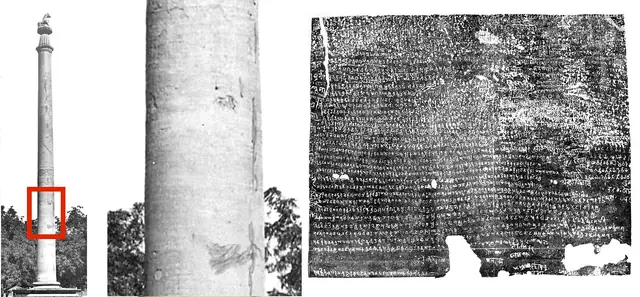
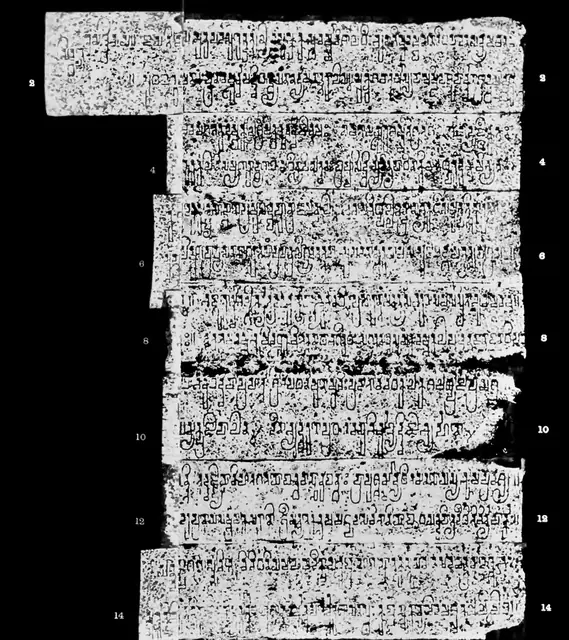
The first Pallava records are Prakrit copper plates. In the Hirahadagalli plates Shivaskandavarman of Kanchi says he performed the agnishtoma, the vajapeya and the Ashvamedha. Samudragupta’s Prayaga inscription names Vishnugopa of Kanchi among the southern kings he captured and released. Kanchi was already a city of learning; the Talagunda inscription sends the young Mayurasharma there to study the Vedas. The line grows clear with Simhavishnu in the late 6th century, who pushed south to the Kaveri and took the Chola country.
02Mahendravarman, the curious-minded
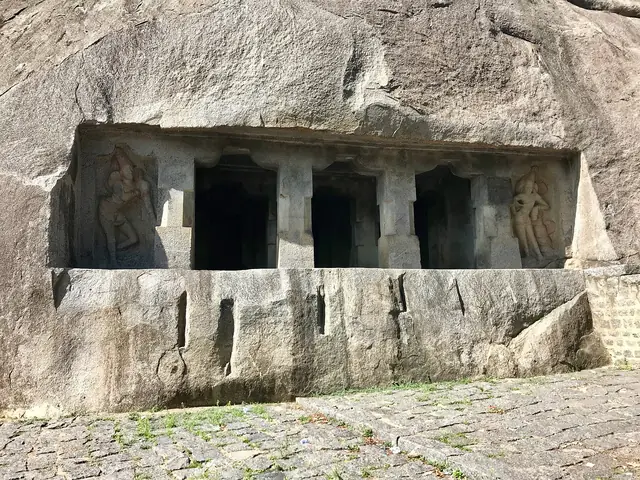
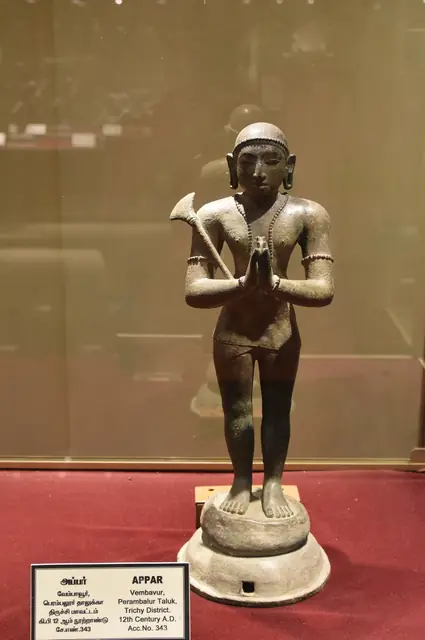
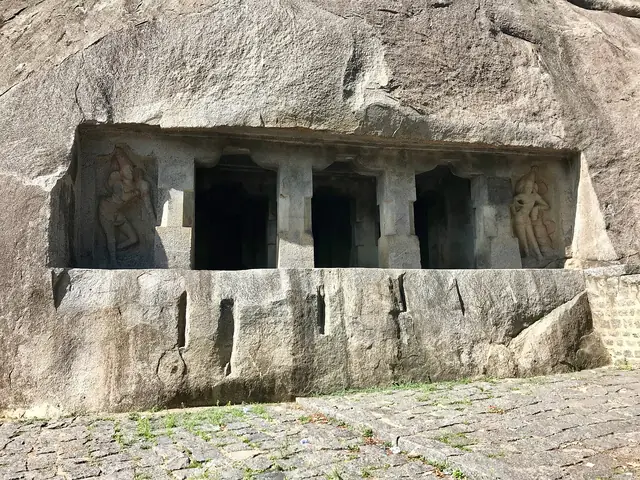
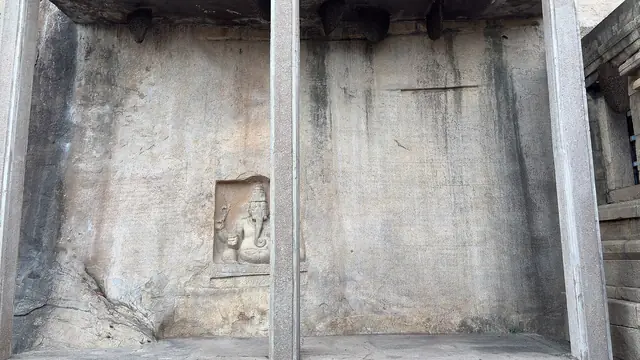
Mahendravarman I called himself Vichitrachitta, the curious-minded. His inscription at Mandagapattu says he made a shrine for Brahma, Ishvara and Vishnu without brick, timber, metal or mortar: the first rock-cut temple of the Tamil country. He wrote the Sanskrit farce Mattavilasa Prahasana, which pokes fun at a drunk Kapalika and a greedy monk. The Periya Puranam tells that he persecuted the saint Appar while a Jain, and then, after Appar came through every ordeal, turned to Shiva. In his reign Pulakeshin II of Badami reached Kanchi and defeated him at Pullalur.
03Vatapikonda and Mamallapuram
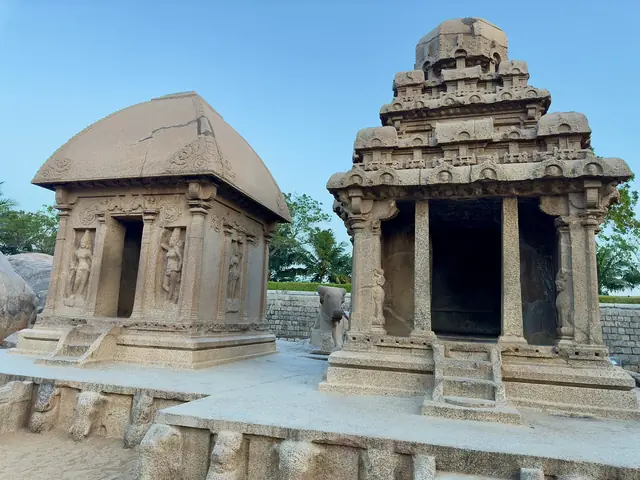
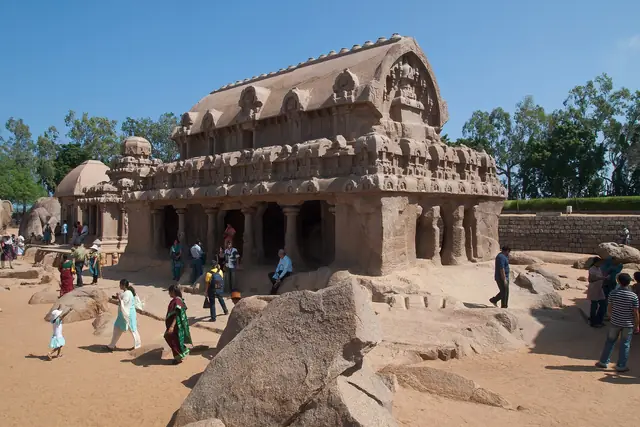
His son Narasimhavarman I, called Mamalla, the great wrestler, avenged him. In 642 his army under the general Paranjoti took Vatapi, Pulakeshin II died, and Narasimha took the title Vatapikonda, conqueror of Vatapi. He twice sent a fleet to Lanka to put his friend Manavarma on its throne. Xuanzang visited Kanchi in his reign. The port named after him, Mamallapuram, became a workshop in granite: the five rathas cut each from a single boulder, the cave mandapas, and the great relief often called Arjuna’s Penance or the Descent of Ganga, carved on two boulders split by a cleft down which water once ran.
04Rajasimha to Aparajita
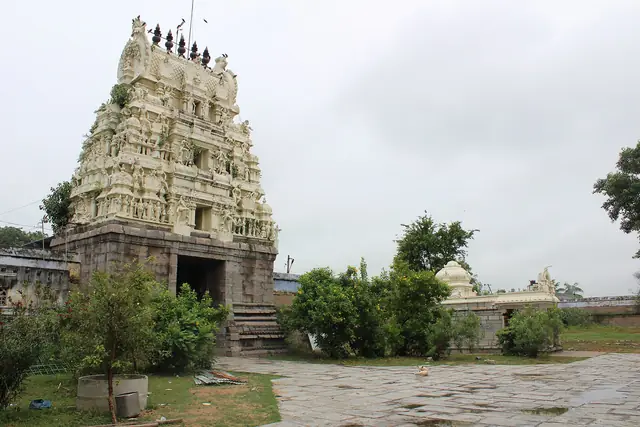
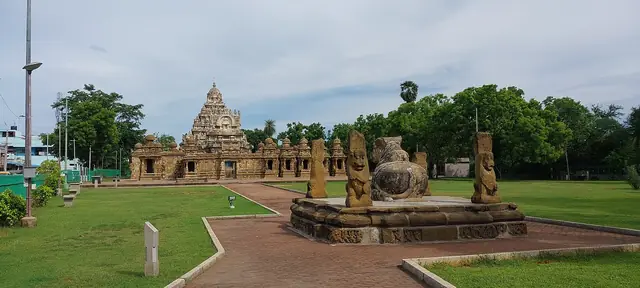
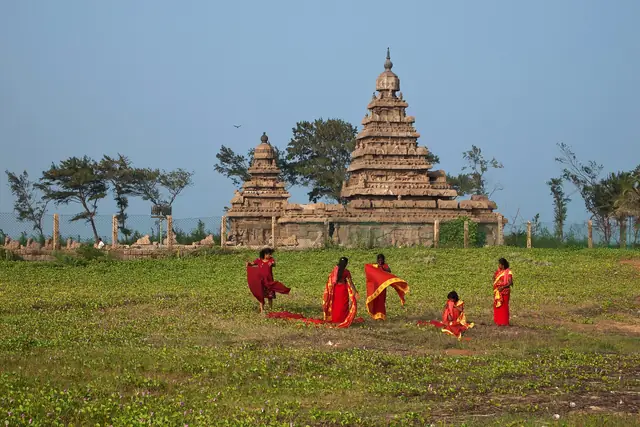
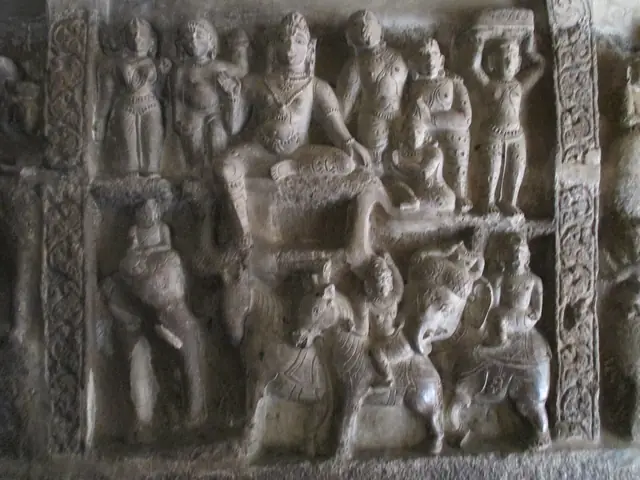
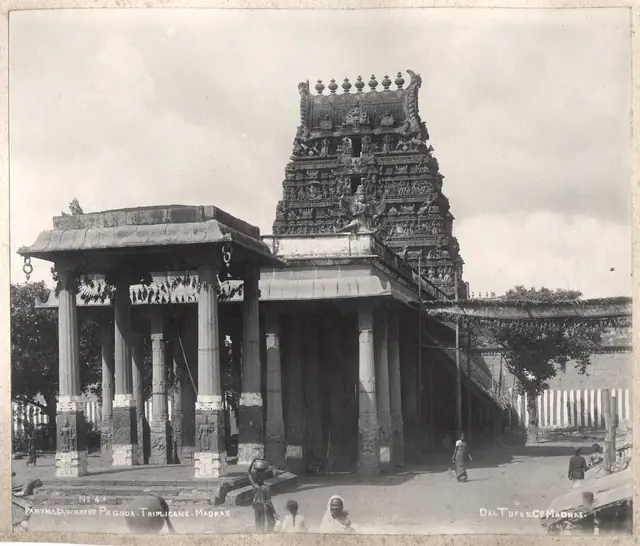
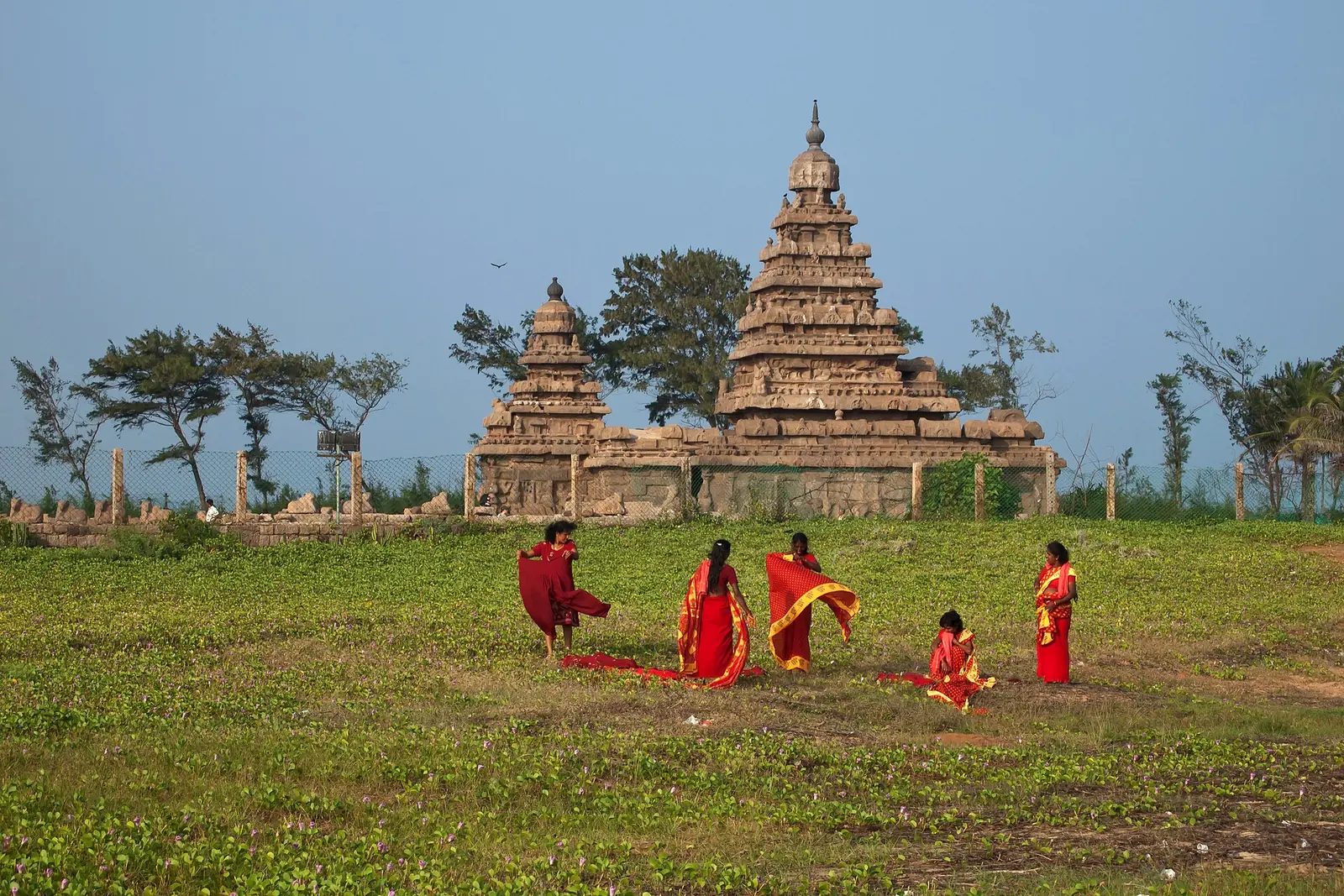
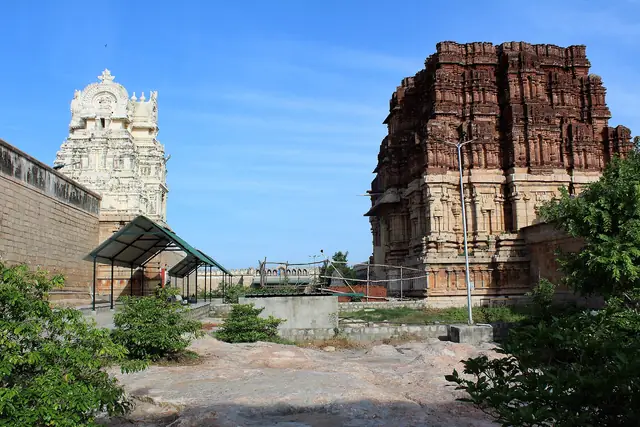
Narasimhavarman II, Rajasimha, built in dressed stone: the Shore Temple at Mamallapuram, where the waves still break against the compound wall, and the Kailasanatha at Kanchi, with its ring of small shrines round the court. He sent an embassy to China in 720. Nandivarman II Pallavamalla, chosen king at twelve from a collateral line, built the Vaikuntha Perumal temple, whose wall panels tell the story of his own accession. The kingdom fought the Pandyas and Rashtrakutas through the 9th century. Aparajita won at Sripurambiyam about 885 with Ganga and Chola help, but about 897 Aditya Chola killed him in battle, and Tondaimandalam passed to the Cholas.
The rulers
- 1ShivaskandavarmanPrakrit plates; performed the Ashvamedhac. early 4th century CE
- 2VishnugopaNamed in Samudragupta’s Prayaga inscriptionc. mid-4th century CE
- 3SimhavishnuTook the Chola countryc. 575–600 CE
- 4Mahendravarman IFirst rock-cut temples; Mattavilasac. 600–630 CE
- 5Narasimhavarman I MamallaTook Vatapi in 642c. 630–668 CE
- 6Mahendravarman IIc. 668–670 CE
- 7Parameshvaravarman Ic. 670–695 CE
- 8Narasimhavarman II RajasimhaShore Temple; Kailasanatha, Kanchic. 695–728 CE
- 9Parameshvaravarman IIc. 728–731 CE
- 10Nandivarman II PallavamallaVaikuntha Perumal templec. 731–796 CE
- 11Dantivarmanc. 796–846 CE
- 12Nandivarman IIIVictor at Tellaru; Nandikkalambakamc. 846–869 CE
- 13Nripatungac. 869–880 CE
- 14AparajitaKilled by Aditya Cholac. 880–897 CE
What they left
- The Group of Monuments at Mamallapuram, a UNESCO World Heritage Site
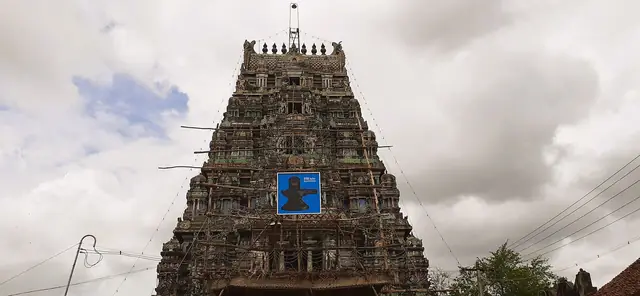
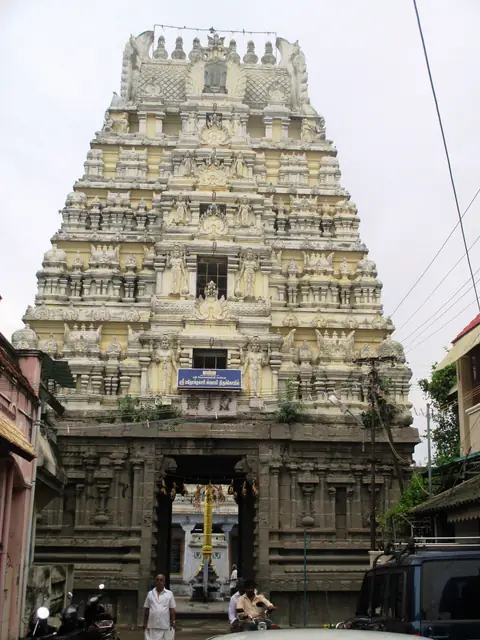
- The Kailasanatha and Vaikuntha Perumal temples of Kanchipuram
- The Mandagapattu rock temple, first of its kind in the Tamil country
- Pallava Grantha script, parent of scripts used across Southeast Asia
- The Mattavilasa Prahasana