01Devagiri on its rock
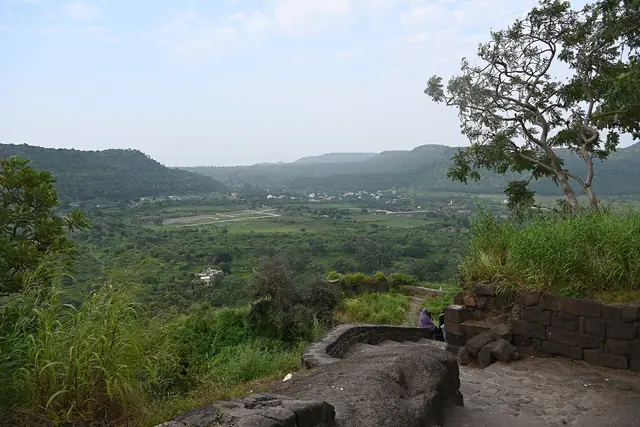
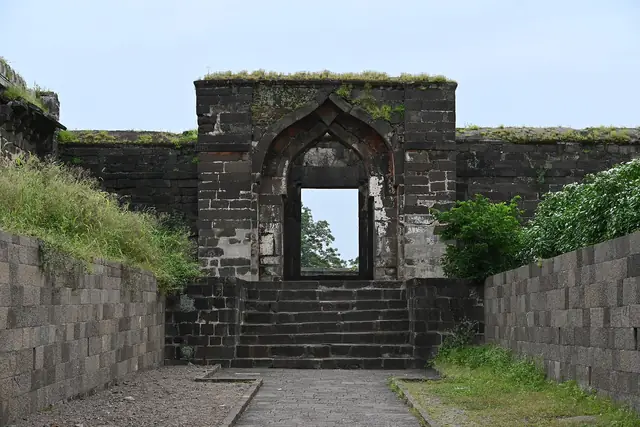
Bhillama V, a Chalukya feudatory, broke away as Kalyani declined and built his capital on a cone of basalt near Ellora, its sides cut sheer. Singhana II pushed the frontier south over the Hoysalas and north into Gujarat and Malwa. His court drew the musicologist Sharngadeva, whose Sangita Ratnakara is still the base text of Hindustani and Carnatic theory, and Changadeva, grandson of Bhaskaracharya, who founded a school at Patan to teach his grandfather’s works.
02Hemadri and Jnaneshwar
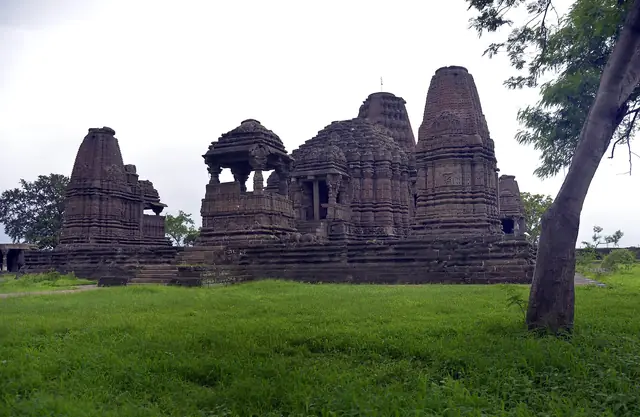
Hemadri, minister to Mahadeva and Ramachandra, compiled the Chaturvarga Chintamani, a vast digest of dharma, vrata and dana. The plain stone temples of the Deccan are still called Hemadpanti after him. In 1290, in Ramachandra’s reign, the young Jnaneshwar gave his Marathi commentary on the Gita at Nevasa; its closing verses name the Yadava king. Around the same time Chakradhar Swami founded the Mahanubhava panth, whose followers wrote early Marathi prose.
03Three Khalji campaigns
In 1296 Alauddin Khalji, then governor of Kara, rode in by surprise while the Yadava army was away and forced Ramachandra to pay a huge ransom. It was the first Sultanate raid south of the Vindhyas. Malik Kafur came again in 1307–08 and took Ramachandra to Delhi, though he returned as a tributary king. His son Shankaradeva stopped paying and was killed in 1313. In 1317–18 Harapaladeva rose against the Sultanate, was captured and put to death, and Devagiri became a Delhi province.
The rulers
- 1Bhillama VFounded Devagiric. 1185–1193
- 2Jaitugic. 1193–1210
- 3Singhana IIGreatest of the line; patron of Sharngadevac. 1210–1246
- 4Krishnac. 1246–1261
- 5MahadevaHemadri served as ministerc. 1261–1271
- 6RamachandraJnaneshwari composed in his reign; Khalji raid 1296c. 1271–1311
- 7Shankaradeva (Singhana III)c. 1311–1313
- 8HarapaladevaRose against Delhi; executedc. 1313–1317
What they left
- Devagiri fort, later named Daulatabad
- Sharngadeva’s Sangita Ratnakara
- Hemadri’s Chaturvarga Chintamani and the Hemadpanti style of temple building
- The Jnaneshwari (1290), composed in their kingdom