01Vishwanatha and the palayams
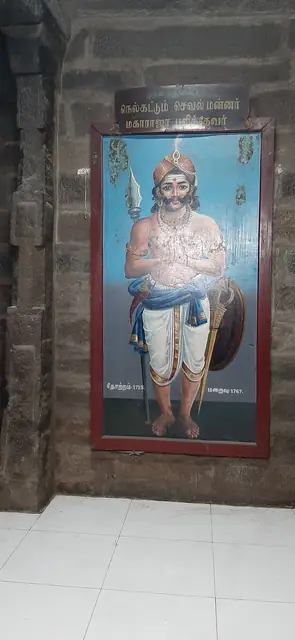
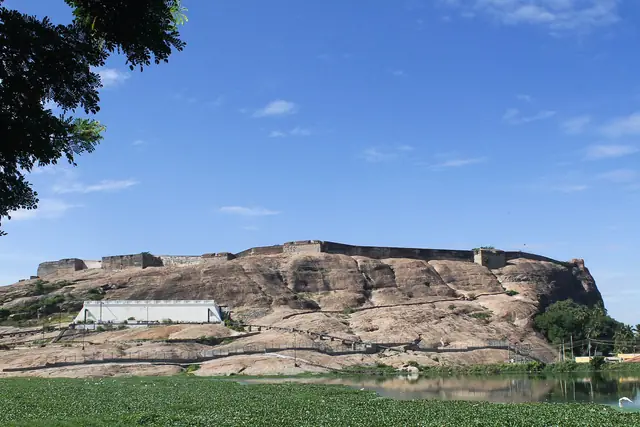
Vishwanatha Nayaka, son of the Vijayanagara general Nagama Nayaka, was sent to restore order in the Pandya country in 1529. With his minister and general Ariyanatha Mudaliar he divided the land into seventy-two palayams, each held by a palayakkarar, a chief who kept troops and guarded one bastion of the Madurai fort. He rebuilt the fort walls and cleared forest for farmland. The palayakkarars, the poligars of British records, remained the backbone of the south until their revolts against the Company in the 1790s.
02Tirumalai Nayak
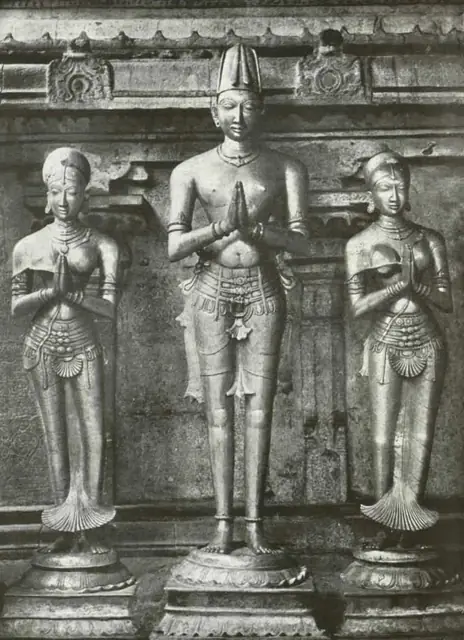
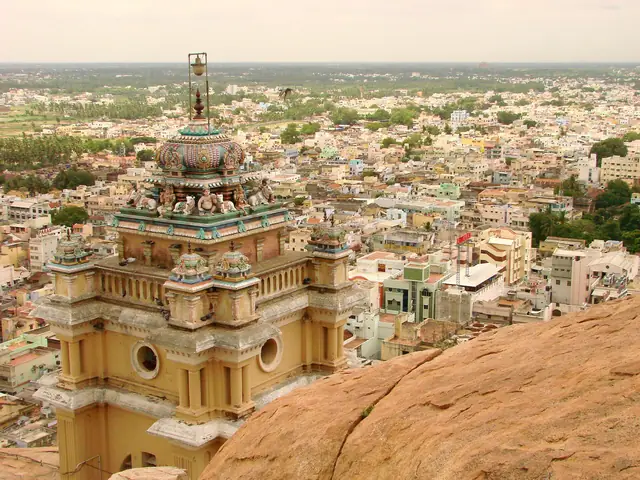
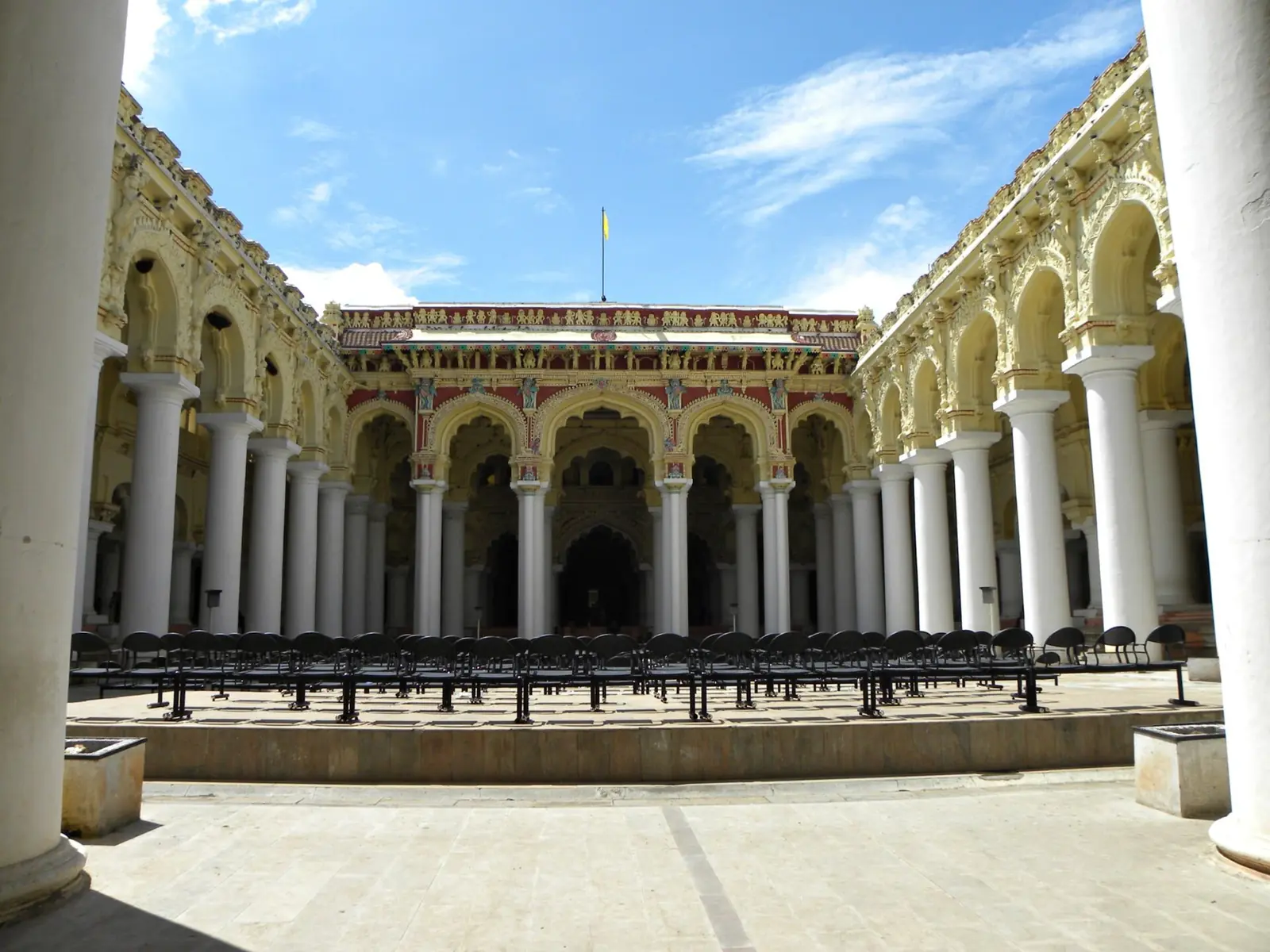
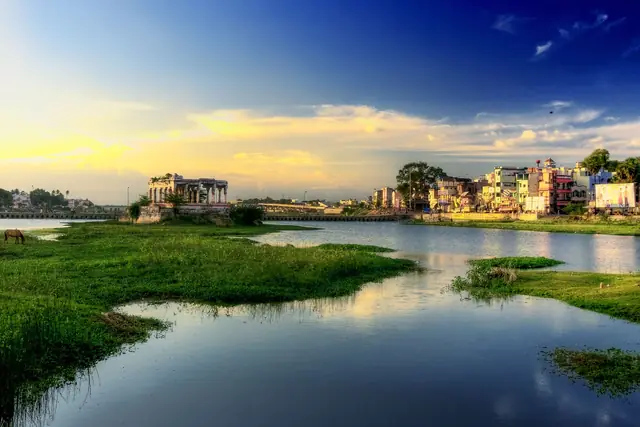
Tirumalai Nayak, from 1623 to 1659, brought the court back to Madurai from Tiruchirappalli and built on a scale no Nayaka matched. His palace, the Tirumalai Nayak Mahal, finished around 1636, still has its great hall of round pillars and a painted dome. He built the Pudhu Mandapam opposite the Meenakshi temple’s east gate, and the Mariamman Teppakulam tank where the float festival is held in Thai. He fought off invasions from Mysore and Bijapur and kept his throne through the collapse of Vijayanagara.
03Mangammal and the end
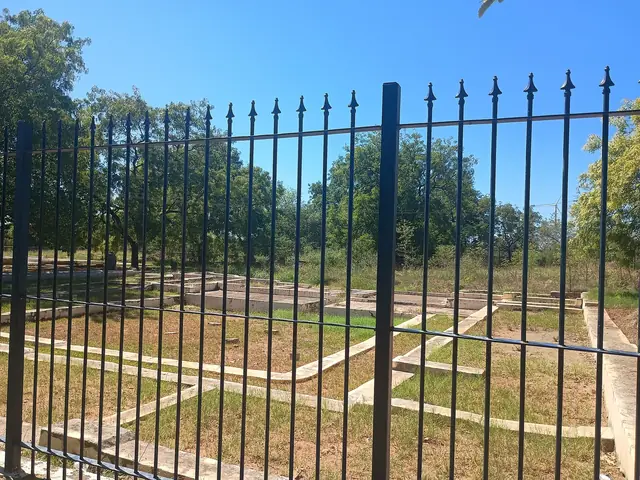
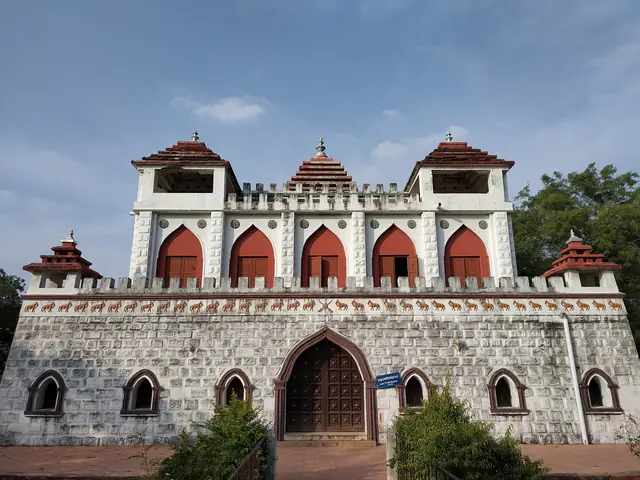
Rani Mangammal ruled as regent for her grandson from 1689 to 1706. She is remembered in the south for roads lined with avenue trees, choultries for pilgrims, and water tanks, and for keeping the Mughals and the Marathas at bay by careful diplomacy. Her Tamukkam palace in Madurai now houses the Gandhi Memorial Museum. The line ended with Queen Meenakshi, who was tricked and imprisoned by Chanda Sahib in 1736; Madurai passed to the Nawabs of Arcot.
The rulers
- 1Vishwanatha NayakaFounder; the seventy-two palayams1529–1564
- 2Krishnappa Nayaka I1564–1572
- 3Virappa Nayaka1572–1595
- 4Muttu Krishnappa Nayaka1601–1609
- 5Muttu Virappa Nayaka IMoved the court to Tiruchirappalli1609–1623
- 6Tirumalai NayakTirumalai Nayak Mahal; Pudhu Mandapam1623–1659
- 7Chokkanatha NayakTook Thanjavur, 16731659–1682
- 8Rangakrishna Muttu Virappa1682–1689
- 9Rani Mangammal (regent)Roads, choultries, careful diplomacy1689–1706
- 10Vijayaranga Chokkanatha1706–1732
- 11Queen MeenakshiLast ruler; captured by Chanda Sahib1732–1736
What they left
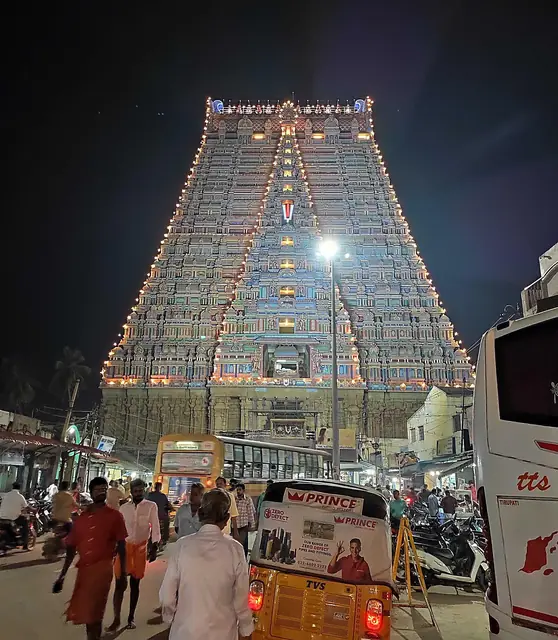
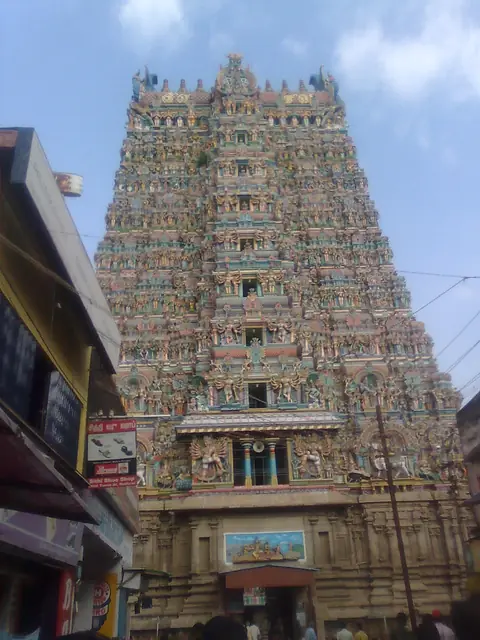
- The gopurams and mandapams of the Meenakshi temple
- Tirumalai Nayak Mahal, Madurai
- Mariamman Teppakulam and the Thai float festival
- The palayam system of the far south