01Kapilendra Deva
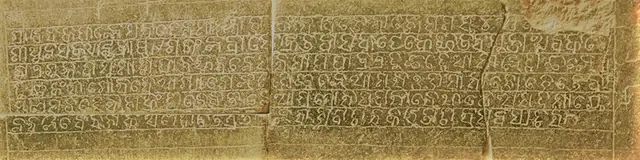
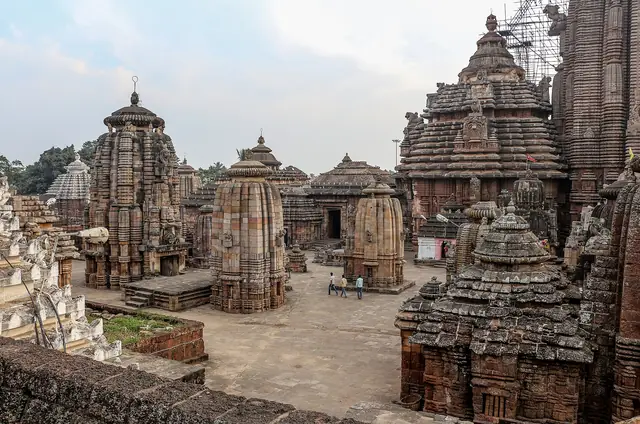
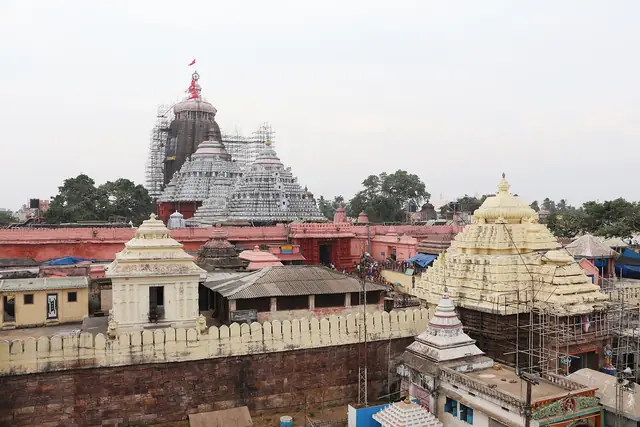
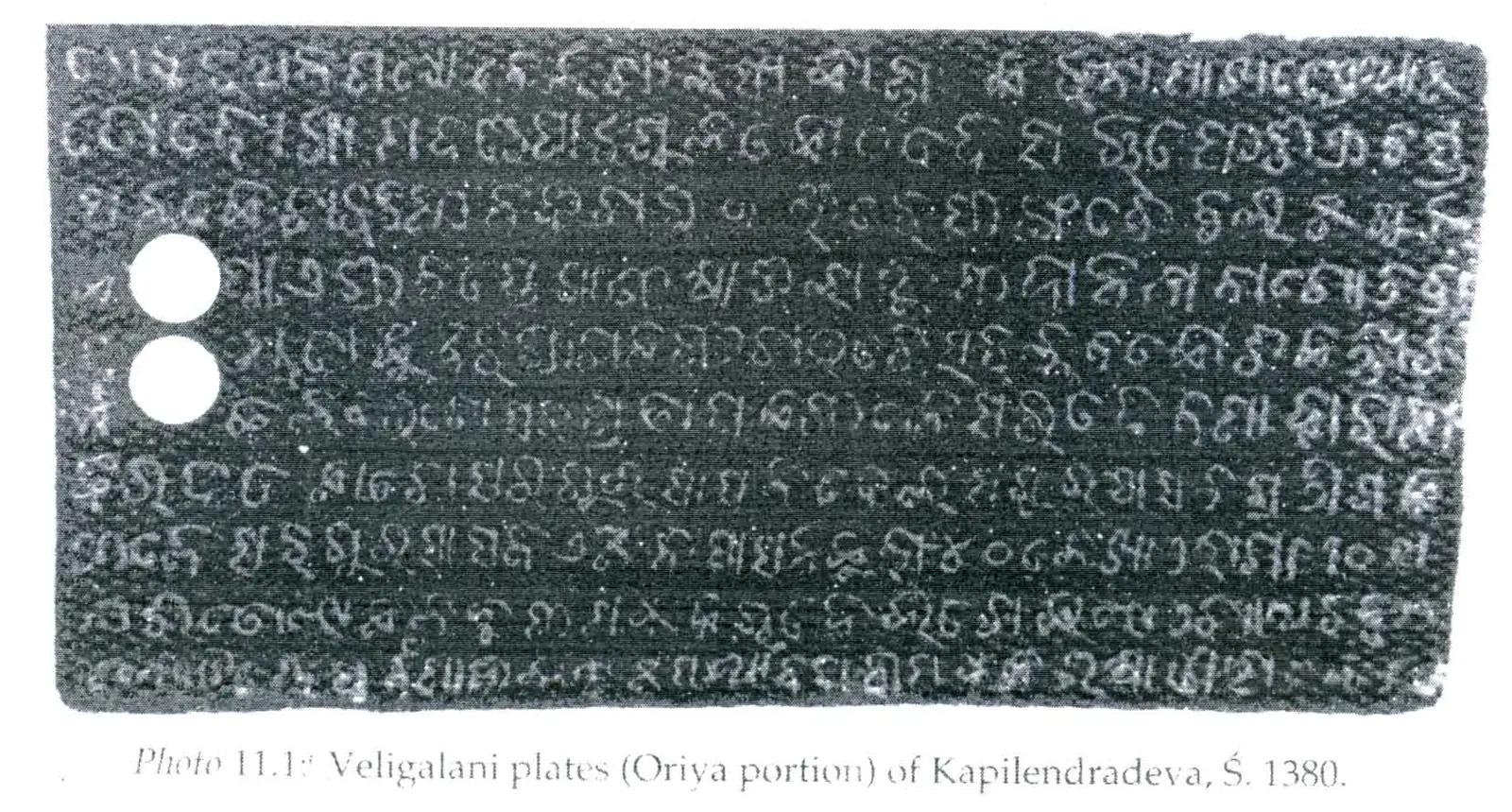
Kapilendra was a minister under the last Ganga king. Taking power in 1434–35, he beat back the Bengal and Jaunpur sultans and then turned south. His armies took Rajahmundry and Kondaveedu from the Reddis, and his son Hamvira pushed as far as Kanchi and Tiruchirappalli for a short time. An inscription he set on the Jagannath temple at Puri orders his officers to act justly, and another on the Lingaraja at Bhubaneswar records his rule.
02Kanchi and Prataparudra
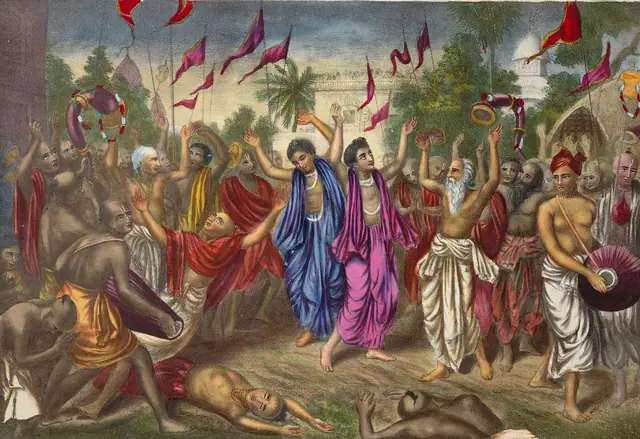
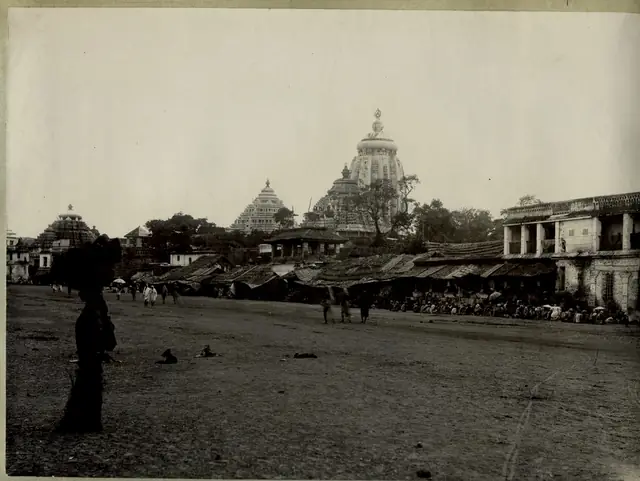
Purushottama Deva fought the king of Kanchi; Odia tradition tells how Jagannath and Balabhadra rode ahead of his army as two horsemen, and how he brought back the image of Sakshi Gopal and the princess Padmavati. His son Prataparudra lost the southern lands to Krishnadevaraya, who took Udayagiri in 1514 and Kondaveedu in 1516; the peace was sealed with a marriage. In 1510 Chaitanya Mahaprabhu arrived in Puri, and the king became his devoted follower.
03The end of Hindu Odisha’s freedom
Prataparudra’s sons were killed within a year of his death by his minister Govinda Vidyadhara, who founded the Bhoi dynasty in 1541. A later king, Mukunda Deva, was the last independent ruler; he fell in 1568 when the Afghan Karrani sultans of Bengal invaded, and their general Kalapahad raided Puri and the temples of the coast. The Gajapati title passed to the Bhoi rajas of Khurda, whose descendant still performs the chhera pahanra at Ratha Yatra.
The rulers
- 1Kapilendra DevaFounder; empire from Ganga to Kaveri1434–1467
- 2Purushottama DevaThe Kanchi campaign1467–1497
- 3Prataparudra DevaFollower of Chaitanya Mahaprabhu1497–1540
- 4Kalua Deva1540–1541
- 5Kakharua DevaLast of the line; killed1541
What they left
- Kapilendra’s inscriptions on the Jagannath and Lingaraja temples
- Sarala Das’s Odia Mahabharata, written in Kapilendra’s reign
- The Gaudiya Vaishnava tradition at Puri, rooted in Chaitanya’s years there
- The Sakshi Gopal temple near Puri