01Malhar Rao in Malwa
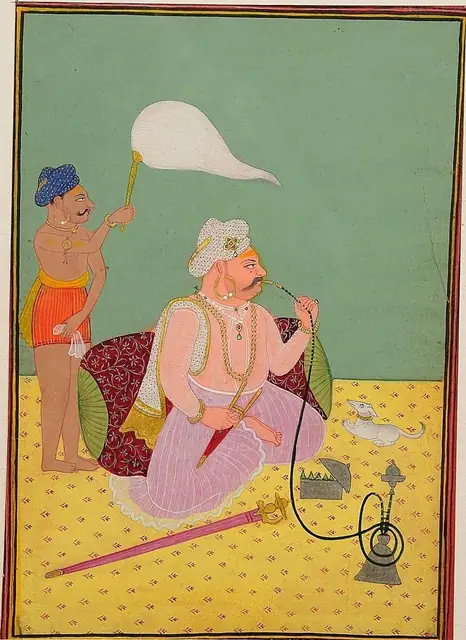
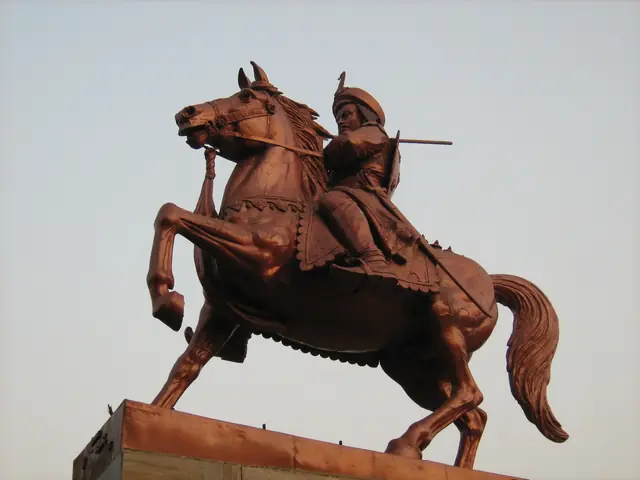
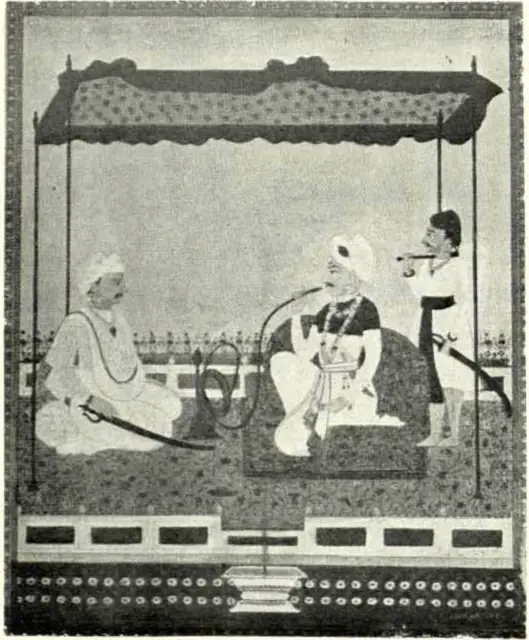
Malhar Rao Holkar won Bajirao’s trust as a cavalry leader, and in the division of Malwa in the early 1730s he received the western half, with Indore at its centre, while Ranoji Scindia took the north. He fought in nearly every northern campaign for forty years: at the Delhi raid of 1737, against the Rohillas and the Jats, and at Panipat in 1761, from which he withdrew with his men. His only son Khande Rao was killed at the siege of Kumher in 1754. Malhar Rao died in 1766.
02Ahilyabai of Maheshwar
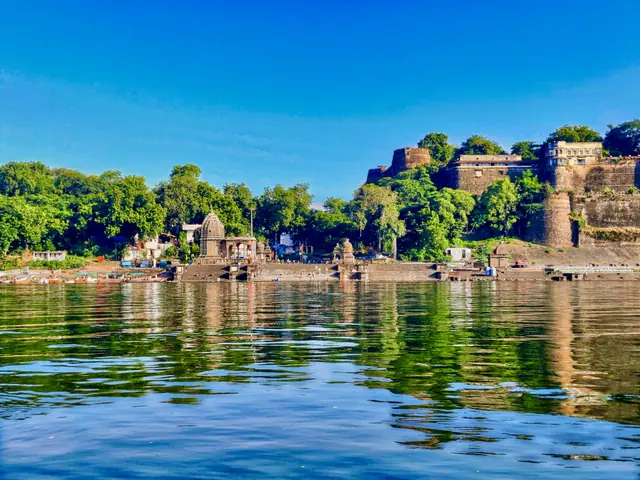
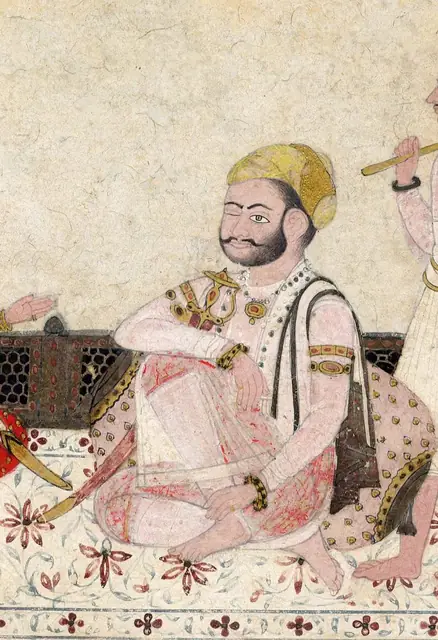
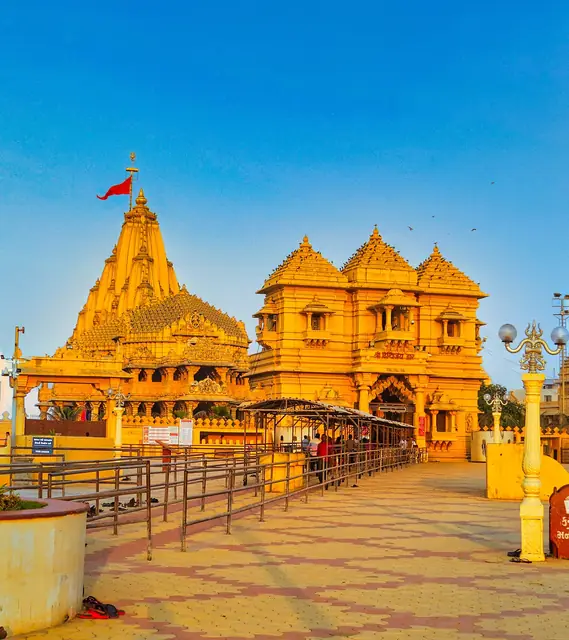
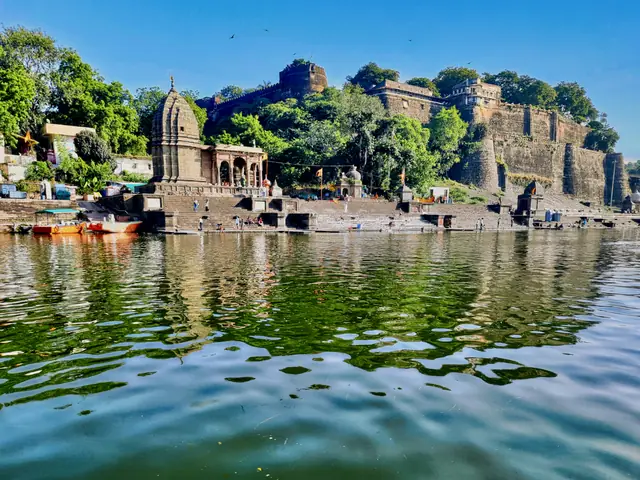
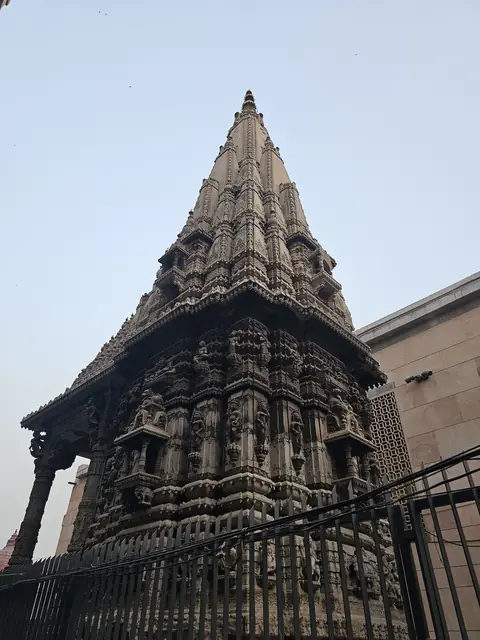
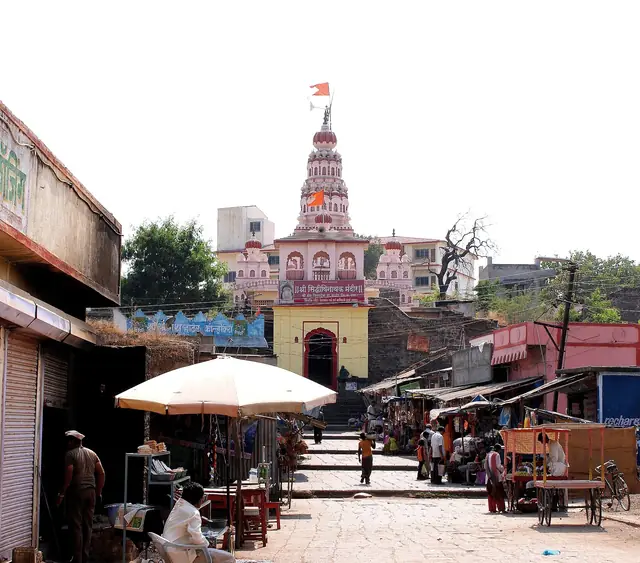
After her husband, her father-in-law and then her son Male Rao died, Ahilyabai took the state herself in 1767, with Tukoji Holkar as commander of the army. She moved the seat to Maheshwar on the Narmada, sat in open durbar every day, and was known for fair justice and light taxes. In 1780 she built the present Kashi Vishwanath temple beside the Gyanvapi, the first proper temple there since Aurangzeb’s demolition of 1669. She also built at Somnath in 1783, rebuilt the Vishnupad temple at Gaya, and paid for ghats, wells and rest-houses at Haridwar, Prayag, Dwarka, Rameswaram and many more tirthas. She died in 1795.
03Yashwantrao and the British
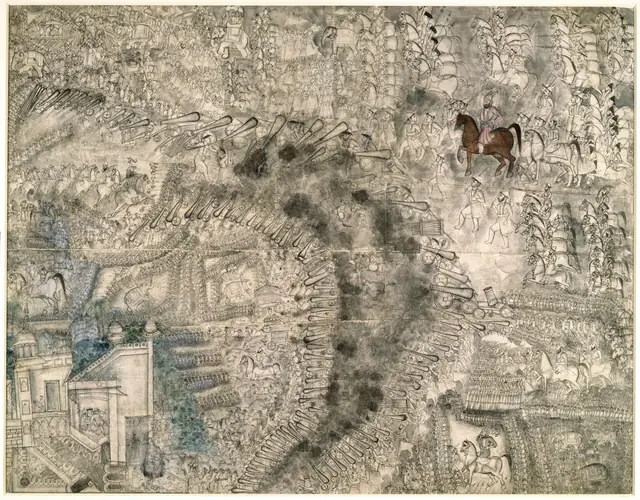
Yashwantrao Holkar, an illegitimate son of Tukoji, fought his way to power and in October 1802 defeated the combined armies of the Peshwa and Daulat Rao Scindia outside Pune. He stayed out of the war of 1803 at first, then fought the East India Company alone in 1804–05, destroyed Colonel Monson’s column in its retreat through Malwa, and held out at Bharatpur alongside the Jats. The treaty of Rajghat in December 1805 left him most of his lands. After his death in 1811 the Holkar army was broken at Mahidpur in December 1817, and the treaty of Mandsaur in 1818 made Indore a protected state, with the capital fixed at Indore.
04Indore to 1948
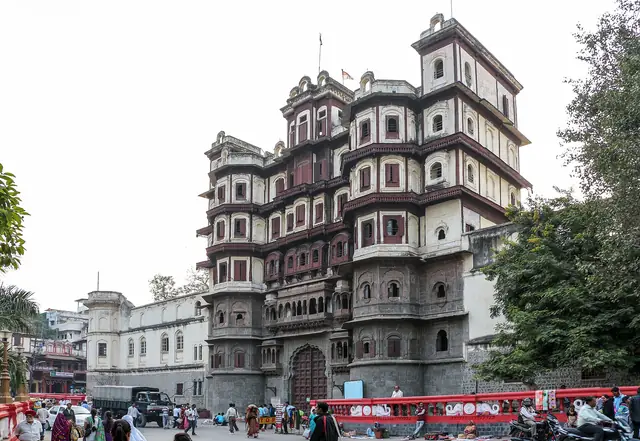
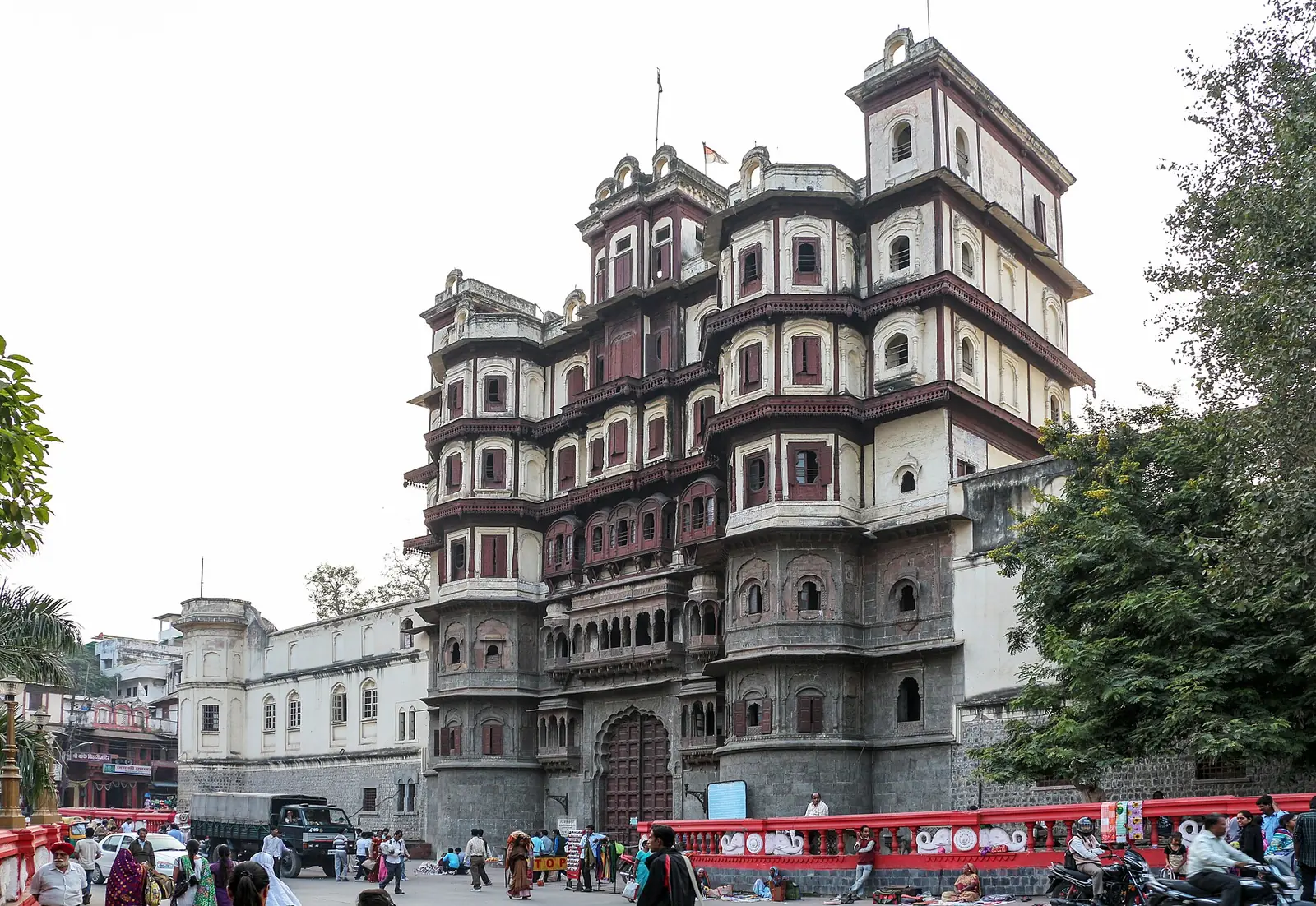
Indore grew into a trading and textile city under the later Holkars, and in 1857 Holkar troops at Indore rose against the British Residency while the young Tukoji Rao II stayed out of the fighting. The Rajwada, their seven-storey palace gateway in the old city, still stands at its centre. Yeshwant Rao II, the last ruling Maharaja, signed the Instrument of Accession in 1947; Indore merged into Madhya Bharat in 1948.
The rulers
- 1Malhar Rao IFounder; held western Malwa1733–1766
- 2Male Rao1766–1767
- 3AhilyabaiRuled from Maheshwar; rebuilt Kashi Vishwanath 17801767–1795
- 4Tukoji Rao I1795–1797
- 5Kashi Rao1797–1798
- 6Yashwant Rao IFought the Company alone, 1804–051799–1811
- 7Malhar Rao IIDefeated at Mahidpur, 18171811–1833
- 8Tukoji Rao II1844–1886
- 9Shivaji Rao1886–1903
- 10Tukoji Rao III1903–1926
- 11Yeshwant Rao IIAcceded to India1926–1948
What they left
- The present Kashi Vishwanath temple (1780)
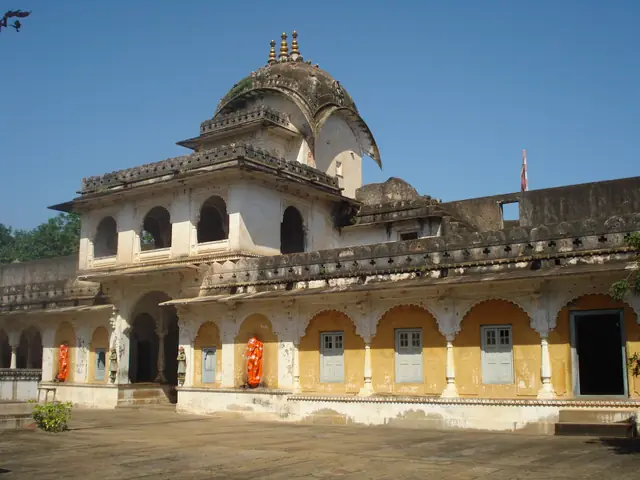
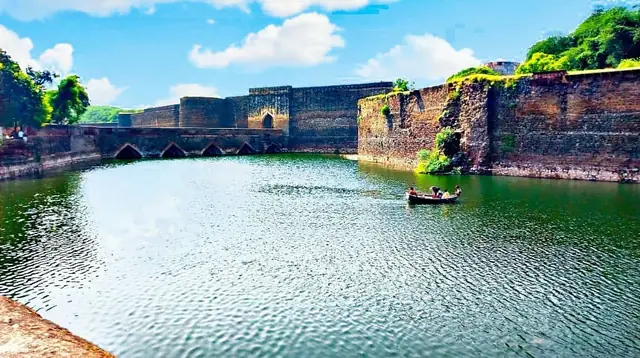
- Ahilya Fort and the ghats of Maheshwar on the Narmada
- Ghats, wells and dharmashalas at tirthas across Bharat
- The Maheshwari weave, fostered at Ahilyabai’s capital
- The Rajwada of Indore