01Rudradeva and the thousand pillars
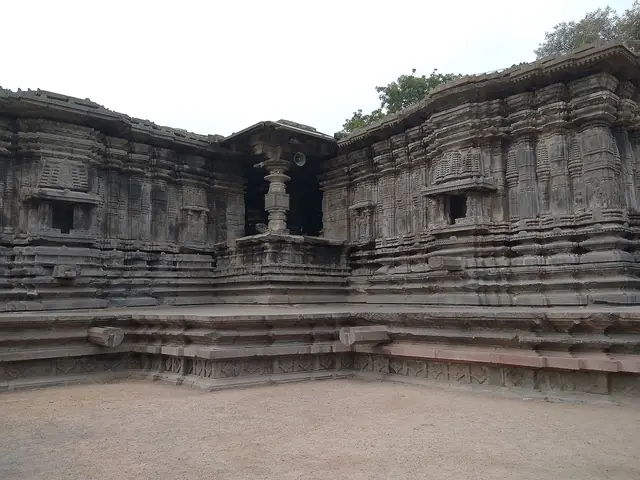
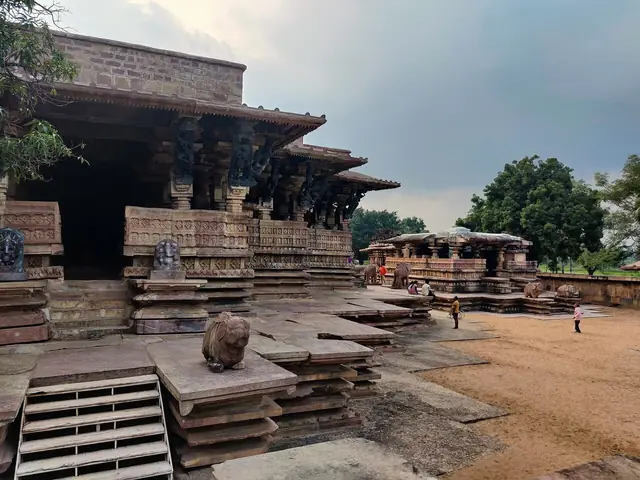
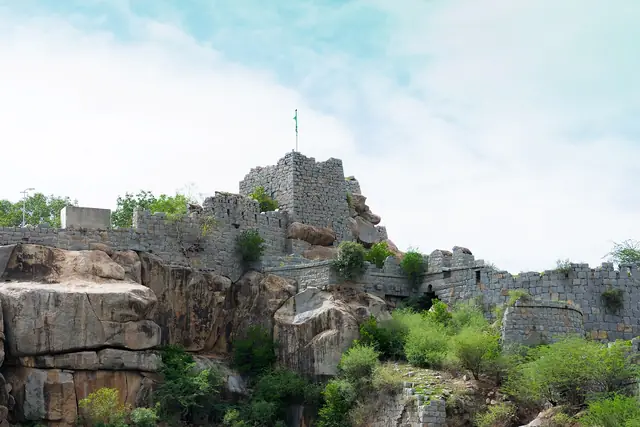
Beta and Prola, the early chiefs, served the Chalukyas from Hanamkonda. When Chalukya power faded, Rudradeva declared his own rule; his inscription of 1163 on the Thousand Pillar temple at Hanamkonda records his victories, and the temple itself, with shrines to Shiva, Vishnu and Surya, stands beside it. He began the fort of Orugallu, the "single rock" city we call Warangal.
02Ganapatideva and Rudrama Devi
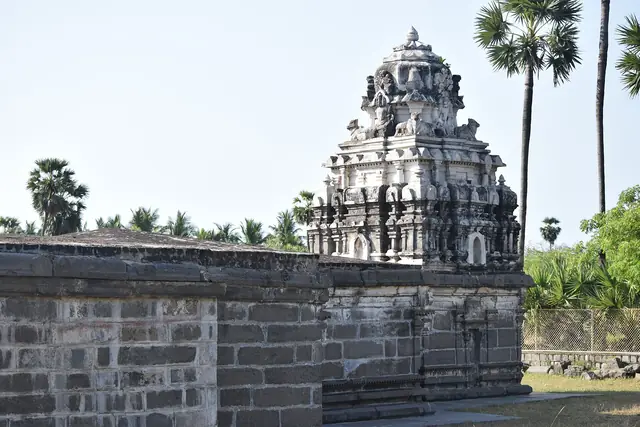
Ganapatideva ruled for over sixty years and took the coast down to Nellore. His Motupalli inscription of 1244 promised fair duties to foreign merchants at that port. In 1213 his general Recherla Rudra built the Ramappa temple at Palampet, its brackets carved as dancers and its roof made of bricks light enough to float. With no son, Ganapati named his daughter Rudrama Devi heir. She ruled as a king, wore a king’s dress, and crushed the revolts that followed; the Venetian Marco Polo, who visited the coast, wrote of her justice.
03The fall of Warangal
Rudrama’s grandson Prataparudra faced Delhi. Malik Kafur besieged Warangal in 1309–10 and left with tribute. In 1323 Ulugh Khan, the future Muhammad bin Tughluq, came again and took the city. Prataparudra was sent toward Delhi as a prisoner and died on the way, by most accounts on the bank of the Narmada. His captains, the Musunuri Nayakas, rose within a few years and drove the Tughluqs from Warangal.
The rulers
- 1Prola IILast chief to serve the Chalukyasc. 1116–1157
- 2Rudradeva (Prataparudra I)Independence; Thousand Pillar temple, 1163c. 1158–1195
- 3MahadevaKilled fighting the Seunasc. 1195–1199
- 4GanapatidevaUnited the Telugu country; Ramappa temple builtc. 1199–1262
- 5Rudrama DeviRuled in her own namec. 1262–1289
- 6Prataparudra (II)Lost Warangal to the Tughluqsc. 1289–1323
What they left
- Ramappa (Rudreshwara) temple, Palampet, a UNESCO World Heritage Site since 2021
- Thousand Pillar temple, Hanamkonda (1163)
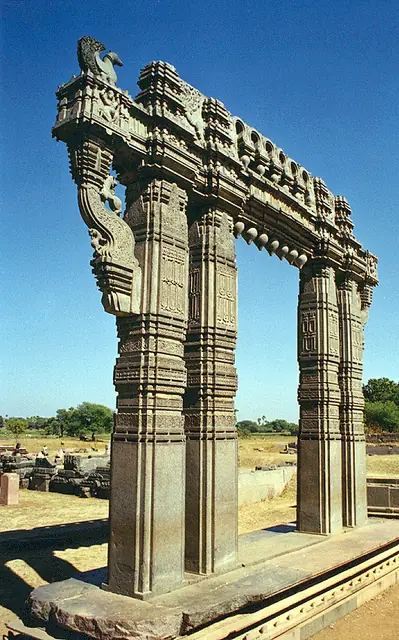
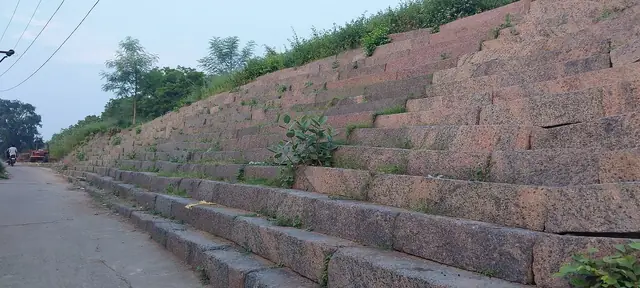
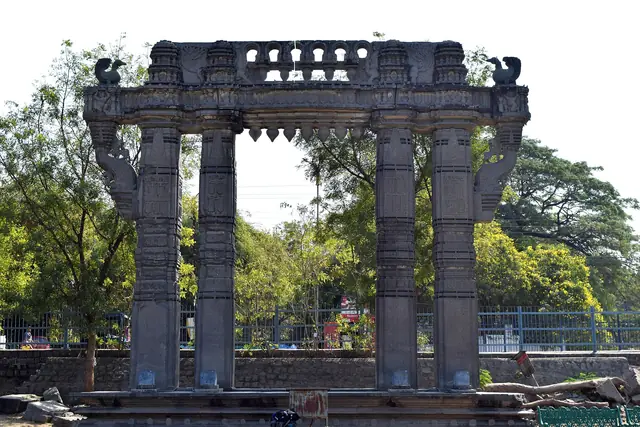
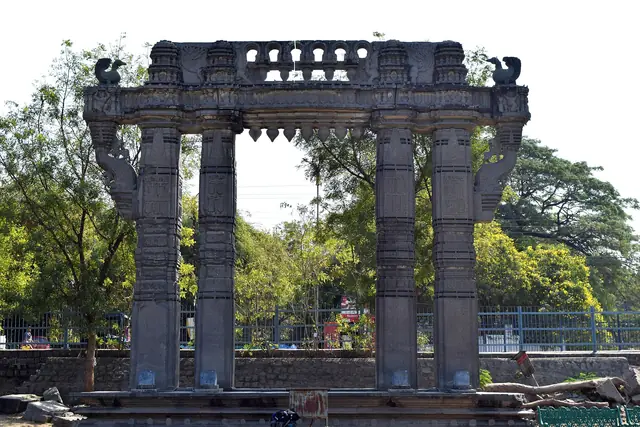
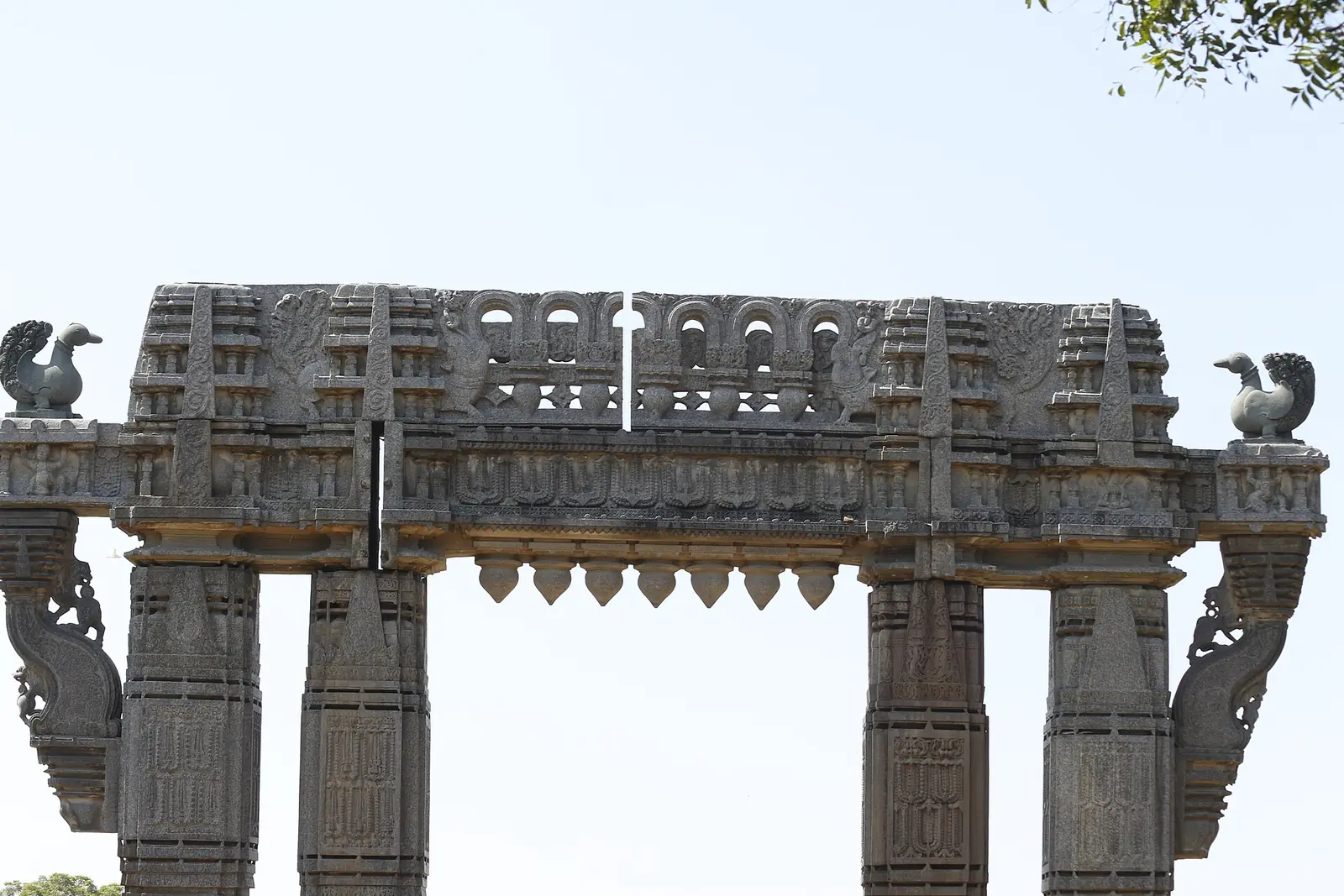
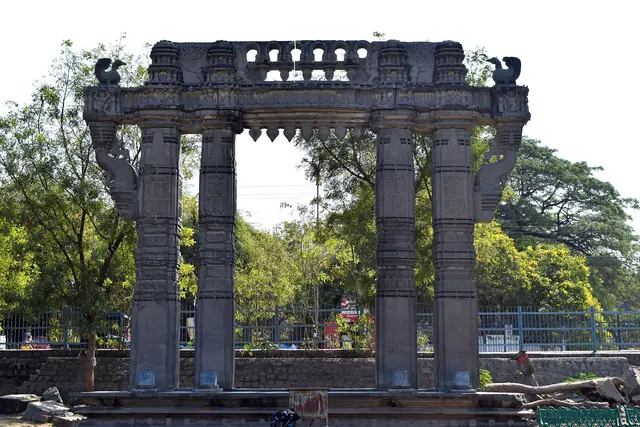
- Warangal fort and its four Kakatiya gateways (Kala Thoranam)
- Irrigation lakes such as Pakhal, Ramappa and Laknavaram
- Vidyanatha’s Prataparudriyam, a Sanskrit work on poetics