01Girmit, the agreement
Slavery ended in the British colonies in 1834, and the sugar planters needed hands. The answer was the indenture contract: five years of plantation work for a fixed wage, with a free or assisted passage home after ten. The labourers called the contract girmit, their way of saying agreement, and called themselves girmitiya. Recruiters, the arkatis, worked the districts of Bhojpur, Awadh and the Bhojpuri-speaking country of eastern Uttar Pradesh and western Bihar, and also the Tamil and Telugu villages served by the port of Madras. Many recruits were told little of where they were going, or for how long.
02Crossing the Kala Pani
For a village Hindu, crossing the sea was crossing the Kala Pani, the black water, and it was feared as a loss of caste and of the way home. On the depots at Calcutta and Madras, and in the holds of the sailing ships, that fear was lived through together. Men and women of different jatis ate from the same pots for three months at sea. They became jahaji bhai and jahaji bahin, ship brothers and ship sisters, a bond their grandchildren still name. Deaths on the voyage were many in the early decades, from cholera, measles and dysentery.
03The ships and the dates
Each colony keeps the day its first ship came in. Mauritius: the Atlas, 2 November 1834. British Guiana: the Whitby and the Hesperus, 5 May 1838. Trinidad: the Fatel Razack, 30 May 1845, with about 225 Indians. Natal in South Africa: the Truro, 16 November 1860. Suriname, a Dutch colony: the Lalla Rookh, 5 June 1873. Fiji: the Leonidas, 14 May 1879, which landed 463 people at Levuka after a voyage marked by cholera and smallpox. Jamaica, Grenada, St Lucia and the French island of Réunion took ships too.
04Aapravasi Ghat
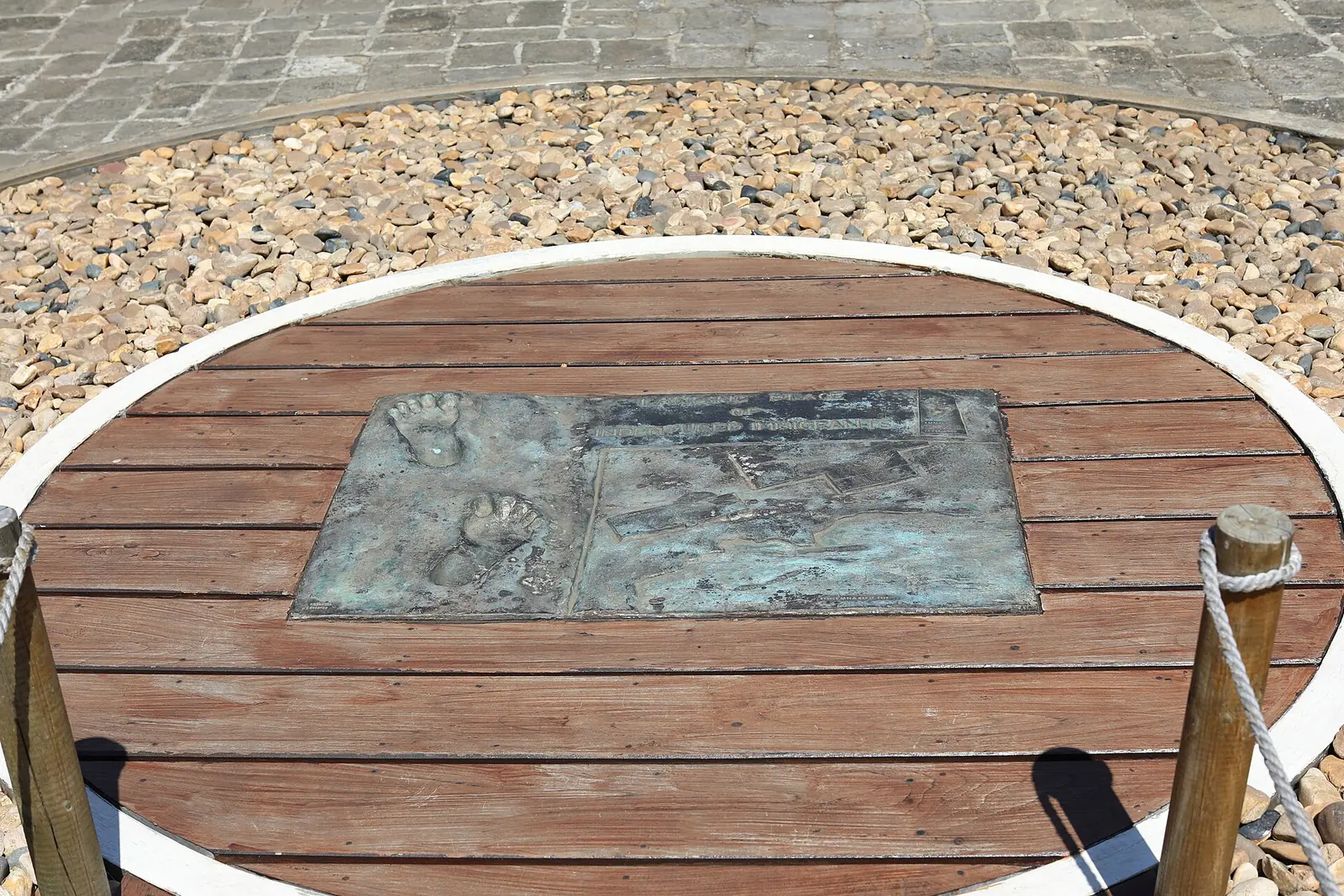
At Port Louis the immigration depot still stands on the harbour: stone steps from the quay, a gateway, the remains of sheds, kitchens and a hospital. Almost half a million indentured labourers passed through it between 1849 and 1923, and the depot before it, on the same site, received the first ships. Mauritians call it Aapravasi Ghat, the immigrants’ landing. UNESCO made it a World Heritage Site in 2006, the first in the world to mark indenture. The archives there hold the registration records, many with photographs, that families now search for a great-grandfather’s village.
05Life in the lines
The girmitiya lived in barrack rows called coolie lines, one room to a family or to several single men. Tasks were set by the overseer; failing them meant fines and, often, prison under the labour ordinances. Women were few, usually one to three or more men, and their lives were the hardest of all. In Fiji the suicide rate among indentured Indians was far above that in India. Yet within the lines a village took shape again. Someone knew the katha, someone kept a dholak, and a small thatched kuti with a jhanda, a red flag for Hanumanji, went up beside the cane fields.
06The Ramayan in the cane fields
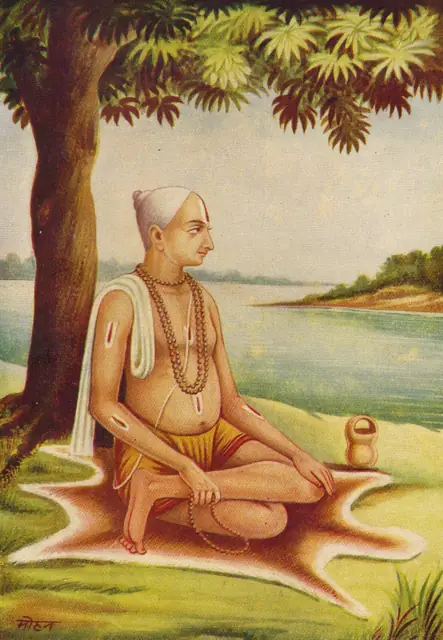
The book the girmitiya carried most was Tulsidas’s Ramcharitmanas, and its story of an exile who comes home spoke straight to them. Ramayan mandalis met on Saturday or Sunday nights to sing it chaupai by chaupai, with dholak, dhantal and harmonium. In Trinidad, Ram Leela has been staged in open fields every autumn since the 19th century, with Ravana’s effigy burnt at the end. Phagwah, the spring festival of Holi, is a public holiday in Guyana and Suriname, sung with chowtal. In Fiji and Mauritius the Manas is still recited through Navratri.
07Gandhi in Natal and the end of indenture
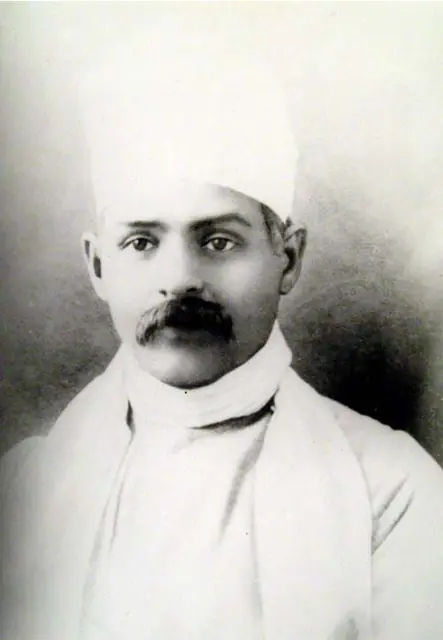
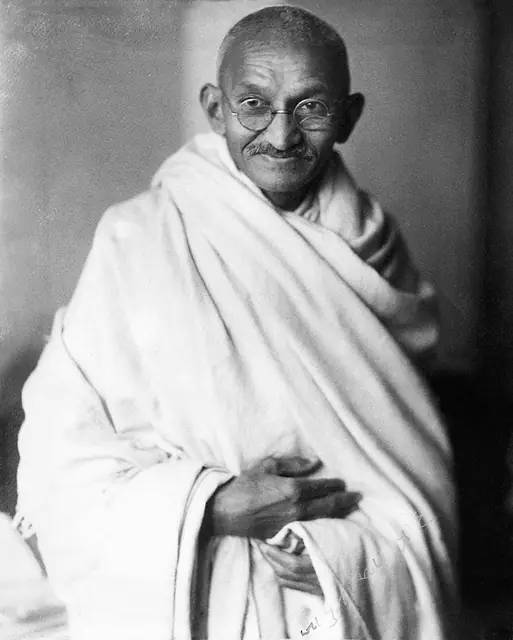
Mohandas Gandhi reached Natal in 1893 as a young lawyer, and the cause of the indentured Indians became his. In 1913 he led thousands of Indian miners and labourers on a march into the Transvaal against the £3 tax on free Indians, and the tax was repealed in 1914. In India, Gopal Krishna Gokhale and Madan Mohan Malaviya pressed for abolition, and reports from Fiji by C. F. Andrews and Totaram Sanadhya stirred the country. Recruitment stopped in 1917. Indenture was formally abolished in 1920, and the last contracts in Fiji were cancelled that year.
08Temples of the new homelands
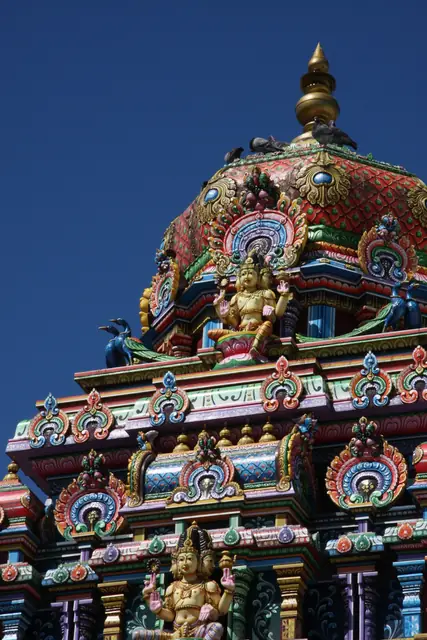
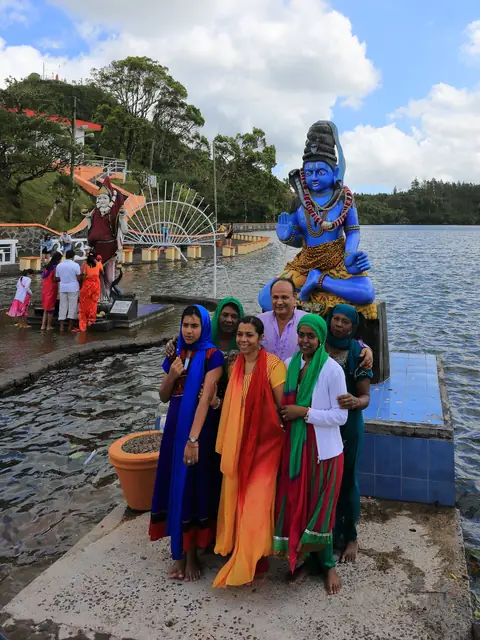
When the contracts ended, most girmitiya stayed, bought land and built temples. In Mauritius, Ganga Talao at Grand Bassin has drawn pilgrims at Maha Shivaratri since the end of the 19th century; today lakhs walk there in white, carrying kanwars. In Fiji, the Sri Siva Subramaniya temple at Nadi carries the devotion of the South Indian girmitiya, who arrived after 1903. Durban’s Tamil and Hindi-speaking families raised temples along the Umgeni river. Trinidad’s Temple in the Sea at Waterloo was first built by one labourer, Siewdass Sadhu, who carried stones into the gulf for years.
Hindus are close to half of Mauritius, about a quarter of Guyana and Suriname, and roughly a fifth of Trinidad and Tobago; Fiji, South Africa and Jamaica keep large communities. Indian Arrival Day is a public holiday in Trinidad (30 May) and Mauritius (2 November), and Fiji keeps Girmit Day on 14 May.