01Chanakya’s pupil
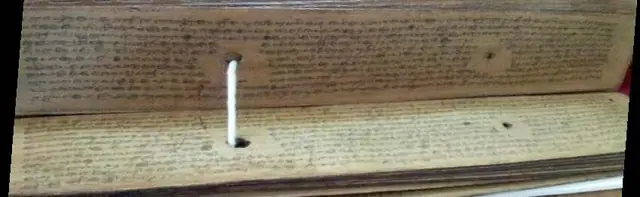
Every tradition gives the young Chandragupta a teacher: Kautilya, also called Chanakya and Vishnugupta, a Brahmin of Takshashila insulted at the Nanda court. Buddhist, Jain and Sanskrit accounts differ on the details, and the drama Mudrarakshasa of Vishakhadatta tells the last moves against the Nanda minister Rakshasa. All agree on the result. The Nanda king fell around 321 BCE, and the Arthashastra, the manual of statecraft linked to Kautilya’s name, shows the kind of state that replaced him: spies, granaries, a salaried army and superintendents for everything from mines to liquor.
02Seleucus and Megasthenes
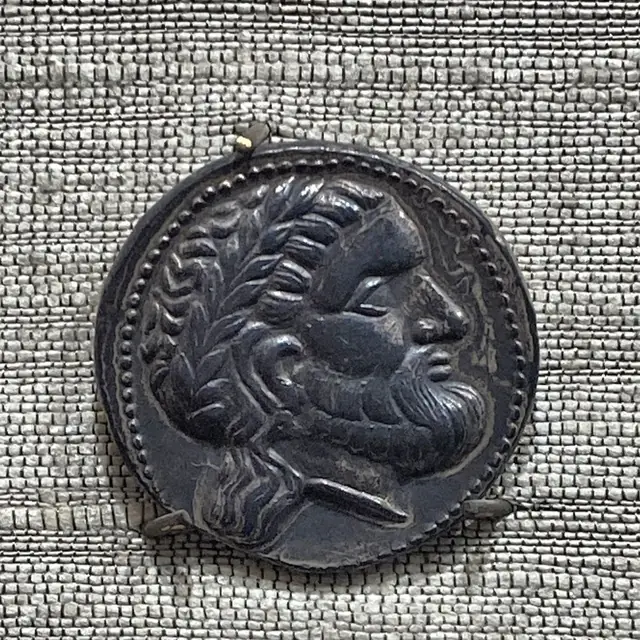
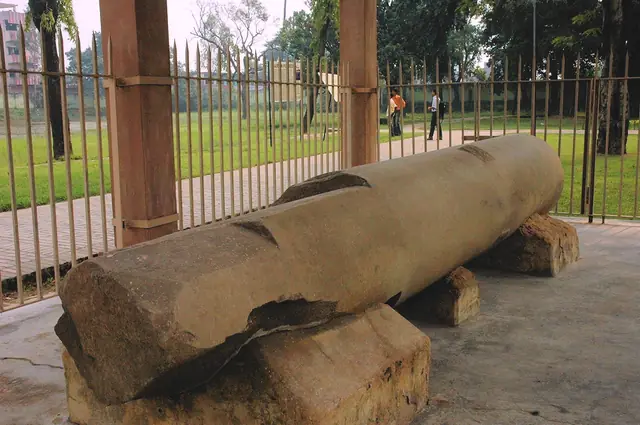
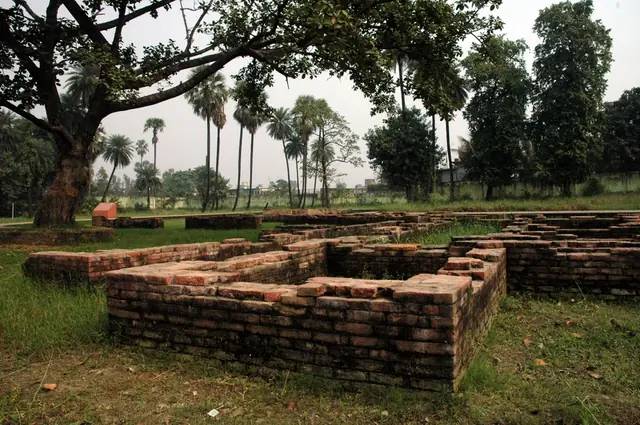
Around 305 BCE Seleucus Nikator, Alexander’s heir in the east, crossed toward the Sindhu and met Chandragupta. Greek writers record the outcome rather than the battle: Seleucus gave up the eastern satrapies, including Arachosia around Kandahar, a marriage alliance was agreed, and he received 500 war elephants. His envoy Megasthenes lived at Pataliputra and described it in his Indica, quoted by Arrian: a city along the Ganga, ringed by a timber wall with 570 towers and 64 gates.
03Last days at Shravanabelagola
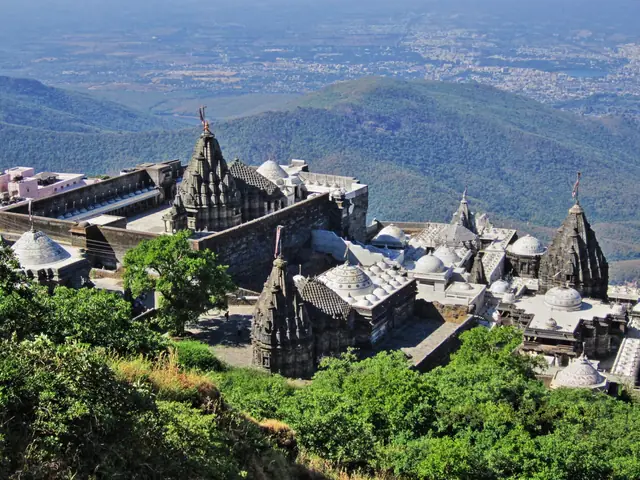
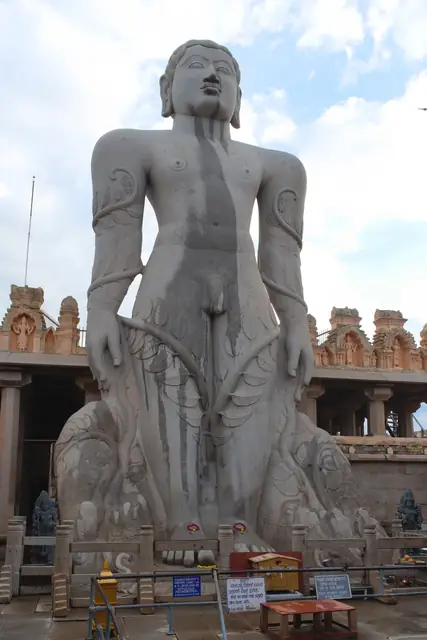
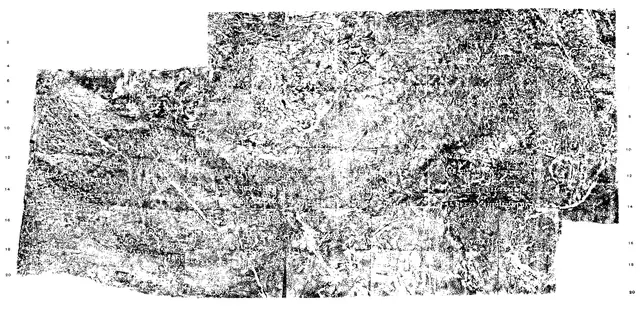
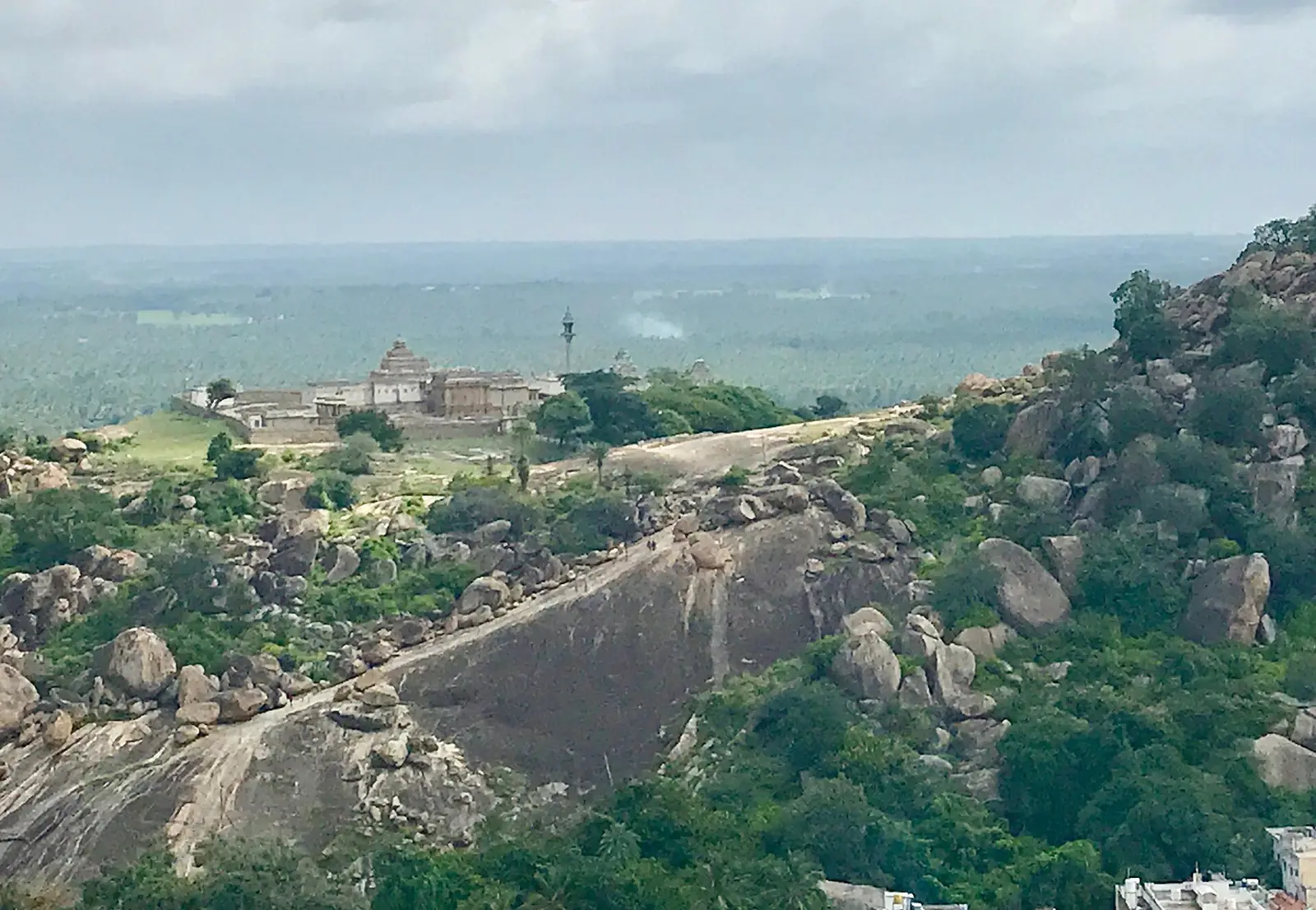
Jain tradition tells the end. When a twelve-year famine was foretold, Chandragupta gave up the throne, followed the acharya Bhadrabahu south to Shravanabelagola in Karnataka, and ended his life there by sallekhana, the Jain vow of fasting unto death. The smaller hill there is still called Chandragiri after him, and inscriptions on it from the 7th century onward name Bhadrabahu and Chandragupta together.