01Ravana’s Lanka in the Itihasa
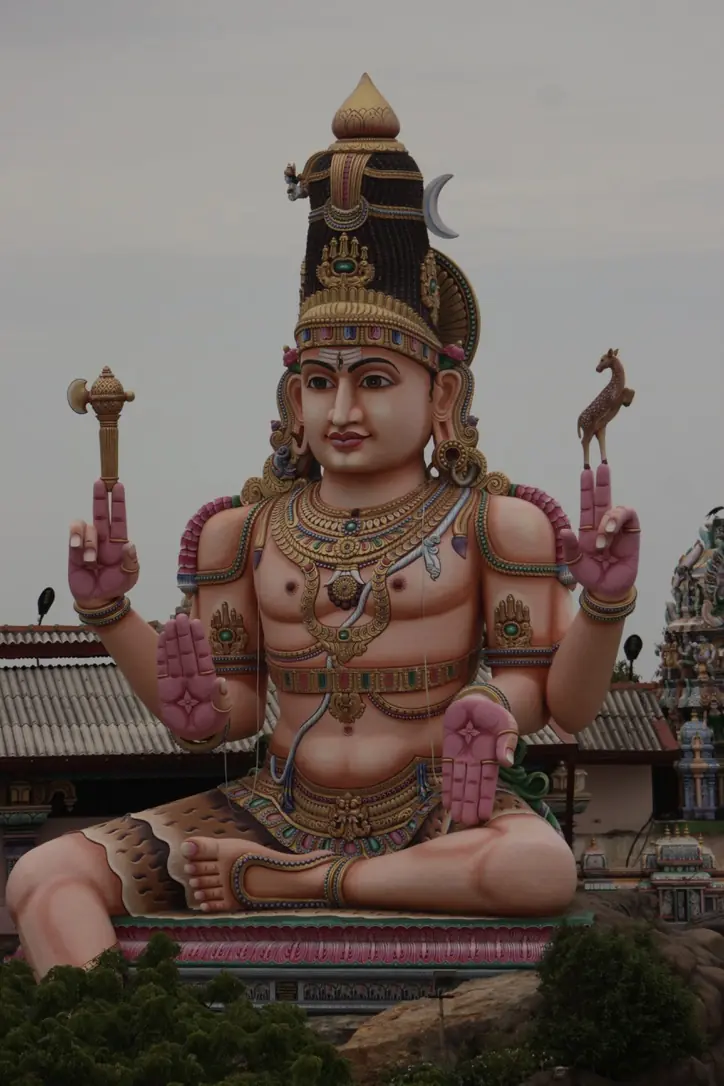
For the Hindu the island is first the Lanka of the Ramayana: the golden city of Ravana, the Ashoka Vatika where Sita waited, the setu that the vanaras built across the sea from Rameswaram under Nala’s direction, and the battle in which Shri Rama killed Ravana and crowned Vibhishana king. Places across the island carry these kathas still. Ravana is also remembered in Lanka as a great devotee of Shiva, and Koneswaram and Munneswaram both keep traditions of his worship there. Traditional reckoning places these events in the Treta Yuga, long before any written record of the island.
02Vijaya, Anuradhapura and Mahinda
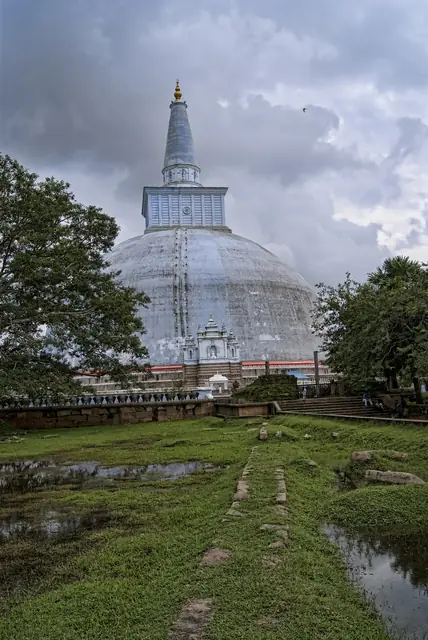
The Mahavamsa, Lanka’s Pali chronicle, opens recorded history with Prince Vijaya, who sailed from Bharat and married a Pandyan princess. Pandukabhaya made Anuradhapura the capital, by the chronicle’s count in 377 BCE, and it remained the seat of kings for about fourteen hundred years. In the 3rd century BCE, Mahinda, son of Samrat Ashoka, brought the Buddha’s teaching to King Devanampiya Tissa, and Lanka became the great home of Theravada Buddhism, a sibling tradition of Dharma. The Mahavamsa itself records Brahmins at the courts, shrines to the devas, and kings who honoured both.
03The five Ishwarams
Hindus of Lanka count five ancient Shiva shrines on the coasts, the Pancha Ishwarams. Koneswaram stands on Swami Rock at Trincomalee in the east. Ketheeswaram is at Mantota near Mannar in the northwest, once the great port facing Bharat. Naguleswaram is at Keerimalai on the Jaffna coast, by a sacred spring. Munneswaram is near Chilaw on the west coast, and Tondeswaram was at Devinuwara on the southern tip. Koneswaram and Ketheeswaram were sung in the 7th century by the Nayanmars Sambandar and Sundarar, and so are counted among the 276 Paadal Petra Sthalams, the shrines of the Tevaram.
04Chola rule and Polonnaruwa
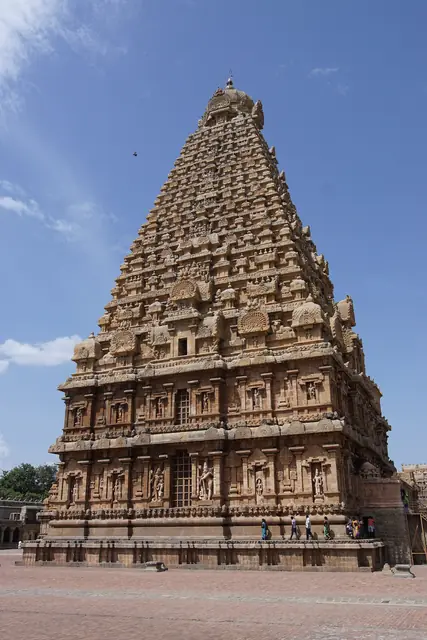
Rajaraja Chola conquered the north of the island around 993 and his son Rajendra completed the conquest of Anuradhapura. The Cholas moved the capital to Polonnaruwa, which they called Jananathapuram, and built Shiva temples there in the Tamil style; Shiva Devale No. 2, a small stone shrine of the 11th century, still stands among the ruins. Vijayabahu I drove the Cholas out in 1070, but Polonnaruwa’s Sinhala kings kept Brahmin priests and Hindu shrines in their capital. The great kings of Lanka, Parakramabahu I among them, took Hindu queens from South India, and their courts mixed the two traditions freely.
05The Jaffna kingdom
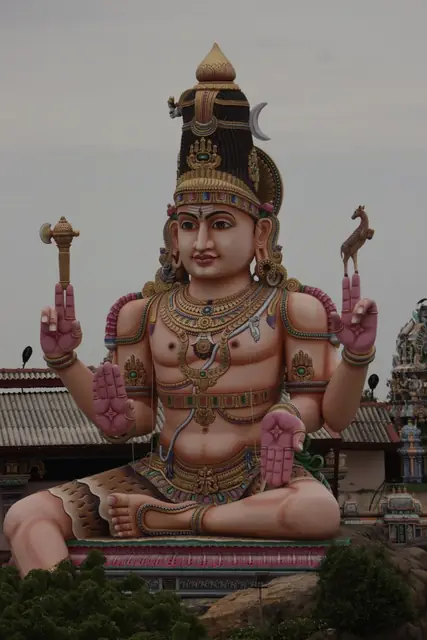
From the 13th century the Tamil north was ruled by the Aryachakravarti kings from Nallur, near Jaffna. They styled themselves guardians of the Setu and put the word Setu on their coins, a nod to Rameswaram across the water. They patronised the Nallur Kandaswamy temple of Murugan and the shrines of the Jaffna peninsula. The Portuguese took Jaffna in 1619 and executed its last king, Cankili II, in Goa. The Aryachakravartis are remembered as the last independent Hindu kings of the island, and the Tamil Shaiva culture they guarded outlived them.
06Under the Portuguese and Dutch
The Portuguese, who held the coasts from the 16th century, demolished the coastal temples one after another. Koneswaram was pulled down in 1622 by Constantino de Sá de Noronha, and its stones were used to build Fort Frederick on the same headland. Munneswaram and Tondeswaram were destroyed too, and Nallur Kandaswamy was razed. The Dutch, who followed in 1658, at first kept the bans. Worship went on in homes and in hidden shrines. Munneswaram was rebuilt in the 18th century with the help of the Kandyan king Kirti Sri Rajasinghe, and Nallur Kandaswamy was raised again on a new site in 1734.
07Arumuga Navalar and the revival
Under British rule Christian missions opened schools across Jaffna, and Hindu children were being converted through them. Arumuga Navalar, born in Nallur in 1822, answered by founding Shaiva schools, printing the Tamil Shaiva scriptures and the Periya Puranam in clean editions from his own press, and preaching in the temples. He is remembered in Lanka and Tamil Nadu as the man who saved Shaiva Siddhanta in the north. In the 19th century the British also brought hundreds of thousands of Tamil labourers from South India to the tea estates of the hill country, and their Mariamman and Murugan temples now stand among the tea.
08Koneswaram rises again
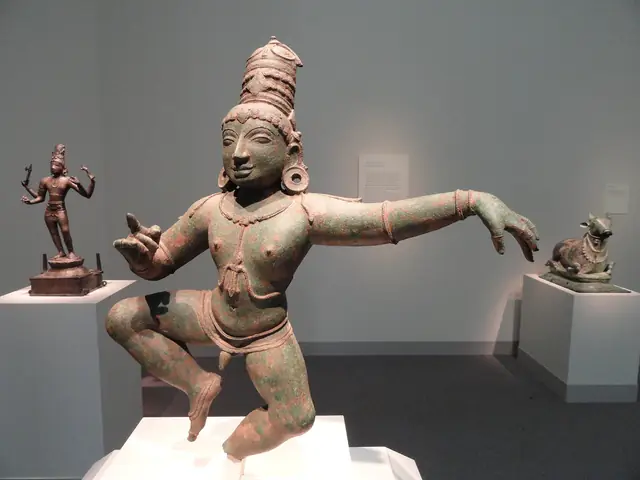
In 1950 workmen digging a well near Trincomalee found bronze murtis of the old Koneswaram, buried when the temple fell. Divers later recovered carved pieces from the sea below Swami Rock. Rebuilding began on the headland in 1952, and the new temple, with the recovered bronzes installed, opened in 1963. The civil war of 1983 to 2009 drove many Tamil Hindus abroad and damaged shrines across the north and east. Since the war ended, temples have been rebuilt and festivals have returned to their old scale, and Ketheeswaram was reconsecrated after long restoration.
The 2012 census counted 12.6 per cent of Sri Lankans as Hindu, mostly Tamils of the north and east and of the hill-country estates. The 25-day festival at Nallur Kandaswamy each August draws the whole Tamil world, and at Kataragama in the south Hindus and Buddhists climb to the same shrine of Murugan.