01Ranoji to Panipat
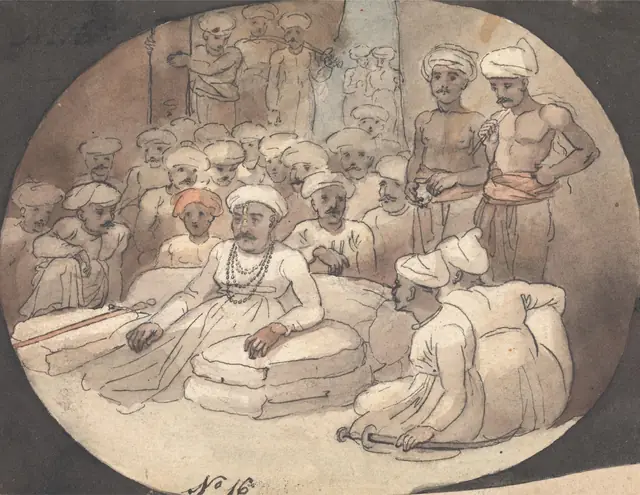
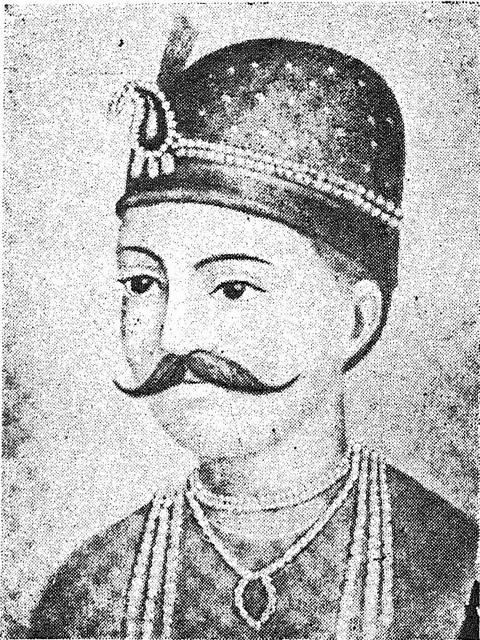
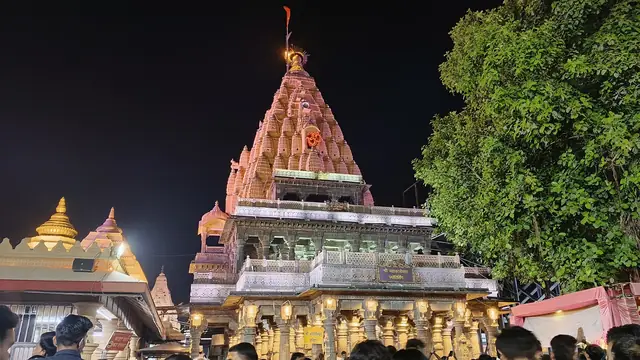
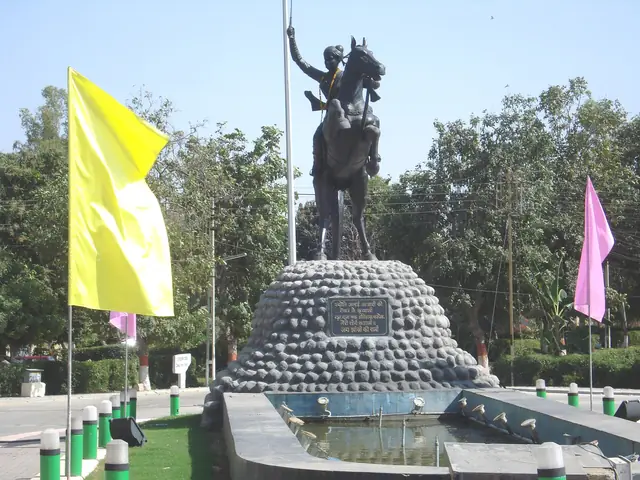
Ranoji Shinde began in Bajirao’s household guard and rose to lead his cavalry in Malwa. He held Ujjain, and his minister Ramachandra Baba Shenvi rebuilt the Mahakaleshwar temple, which had stood in ruins since Iltutmish’s raid of 1234. Of Ranoji’s sons, Jayappa was murdered in Marwar in 1755, Dattaji was killed fighting the Afghans at Buradi Ghat in January 1760, and Jankoji was captured at Panipat a year later and put to death. Mahadji, the youngest, was lamed in the rout and escaped.
02Mahadji in Delhi
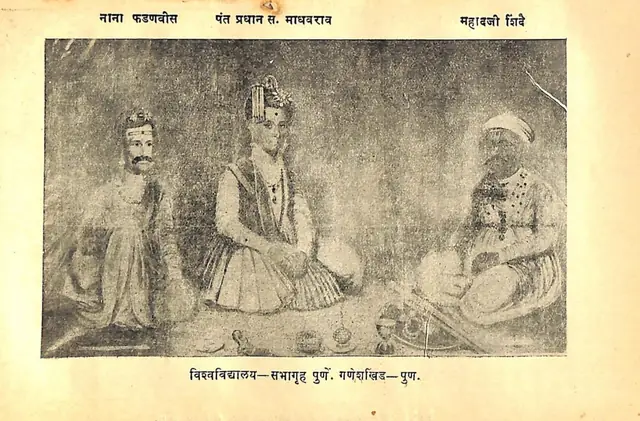
Mahadji Scindia brought the Mughal emperor Shah Alam II back to Delhi in 1772 under Maratha protection. He forced the British column to surrender at Wadgaon in 1779 and brokered the treaty of Salbai in 1782, which ended the first Anglo-Maratha war. In 1784 the emperor named the Peshwa Vakil-ul-Mutlaq, regent of the empire, with Mahadji as the deputy who held the power in Delhi. Maratha accounts add that the emperor forbade cow slaughter at his request. With brigades trained by the Savoyard officer Benoît de Boigne he beat the Rajputs at Patan and Merta in 1790. He died near Pune in February 1794.
03Assaye to 1858
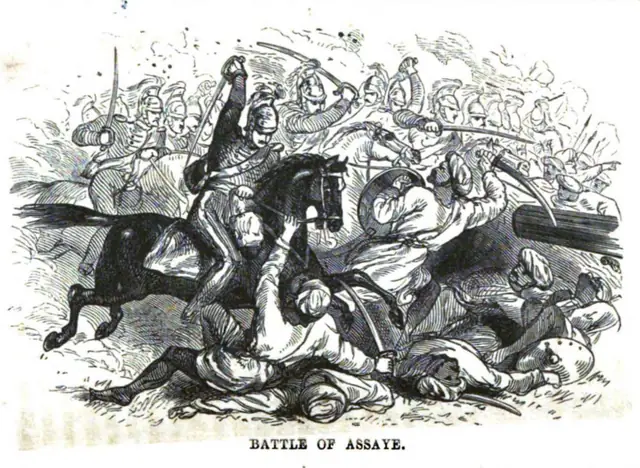
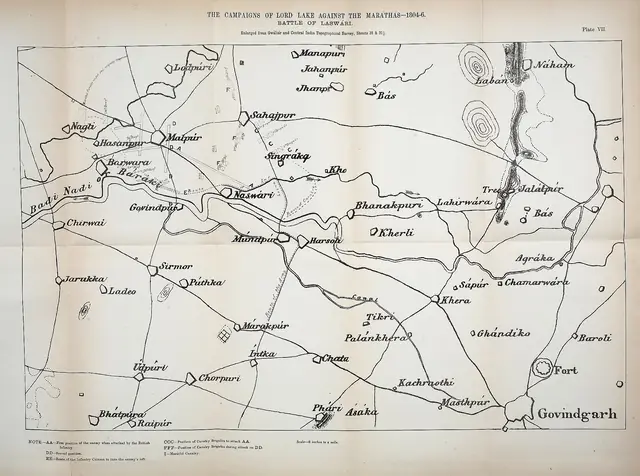
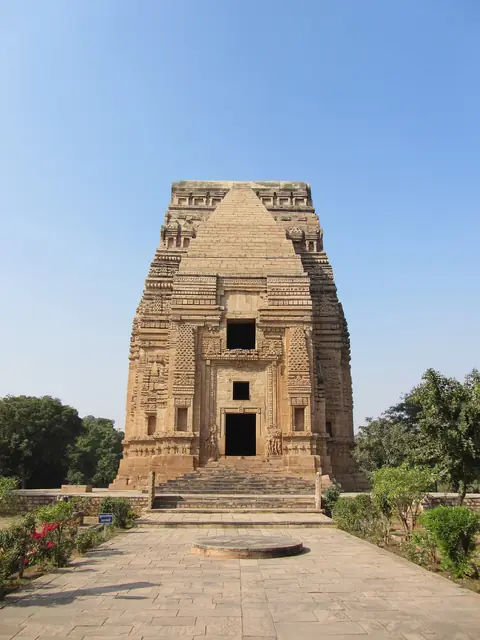
Daulat Rao Scindia lost to Arthur Wellesley at Assaye and to Gerard Lake at Laswari in 1803, and the treaty of Surji-Anjangaon took Delhi, Agra and his lands north of the Chambal. In 1810 he made his camp below Gwalior fort his capital, and the camp city is still called Lashkar. British troops beat the Gwalior army at Maharajpur and Panniar in 1843. In June 1858 Rani Lakshmibai and Tatya Tope took Gwalior; Jayajirao fled to Agra, and the Rani fell in battle outside the city on 18 June.
The rulers
- 1RanojiFounder; held Ujjain1731–1745
- 2Jayappa1745–1755
- 3JankojiCaptured and killed after Panipat1755–1761
- 4MahadjiRegent of the Mughal empire from 17841768–1794
- 5Daulat RaoLost Assaye and Laswari; moved to Gwalior1794–1827
- 6Jankoji Rao II1827–1843
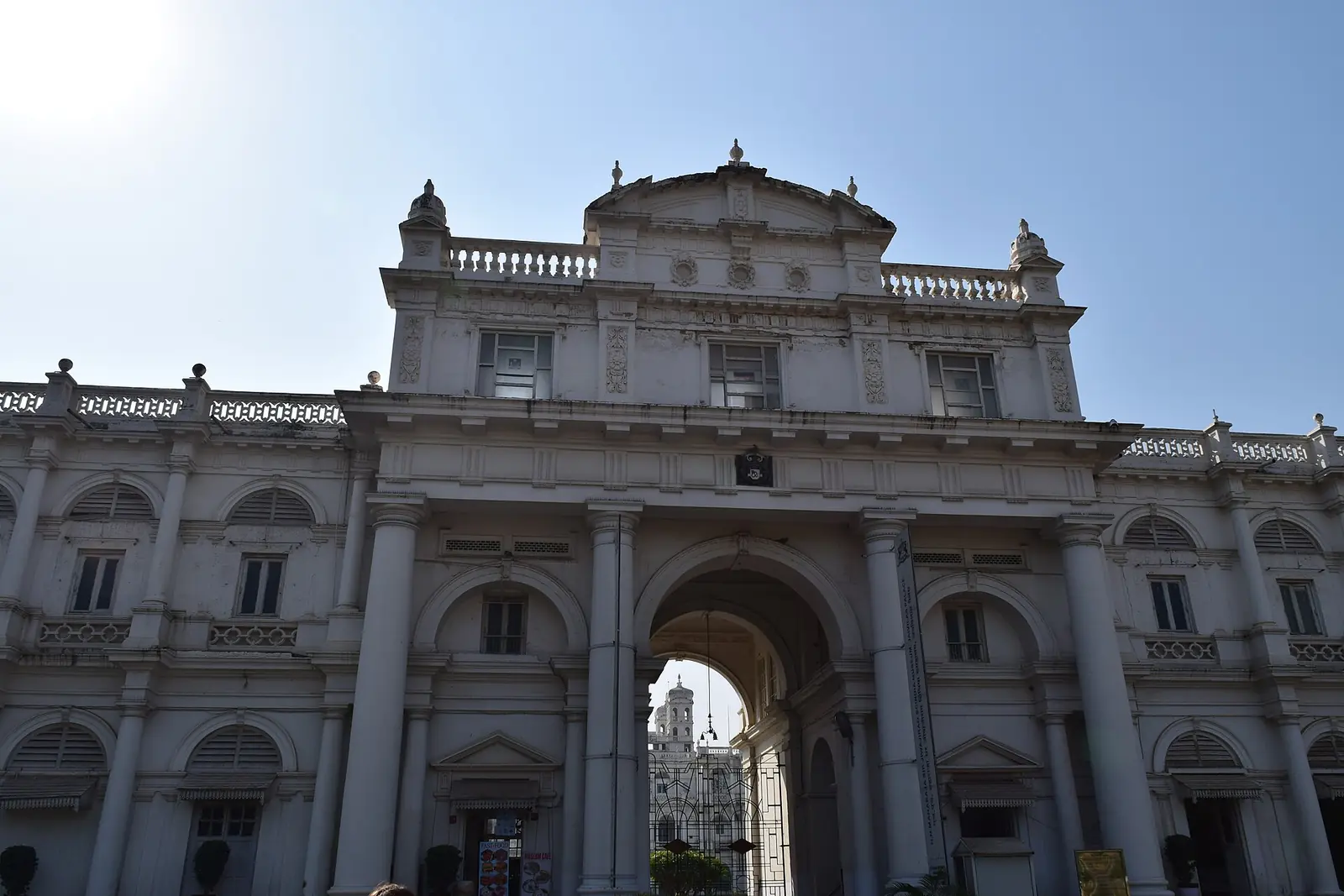
- 7JayajiraoBuilt the Jai Vilas Palace1843–1886
- 8Madho Rao1886–1925
- 9JiwajiraoAcceded; Rajpramukh of Madhya Bharat1925–1948
What they left
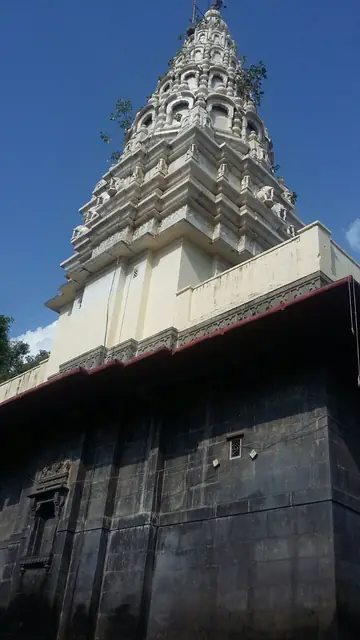
- The rebuilt Mahakaleshwar temple at Ujjain
- Lashkar, the camp city below Gwalior fort
- Jai Vilas Palace, Gwalior (1874)
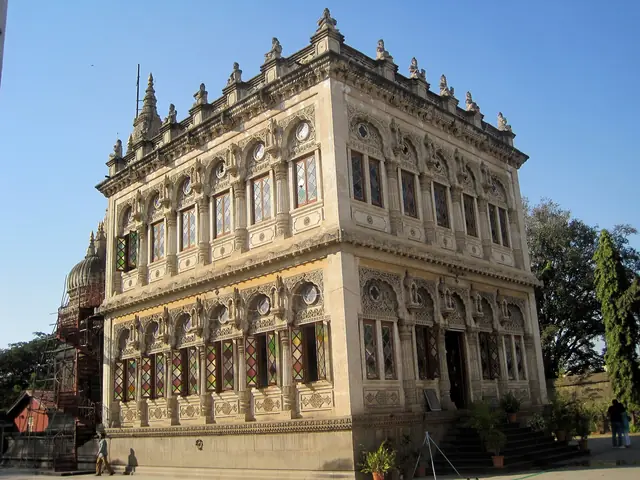
- Mahadji’s chhatri at Wanowrie, Pune