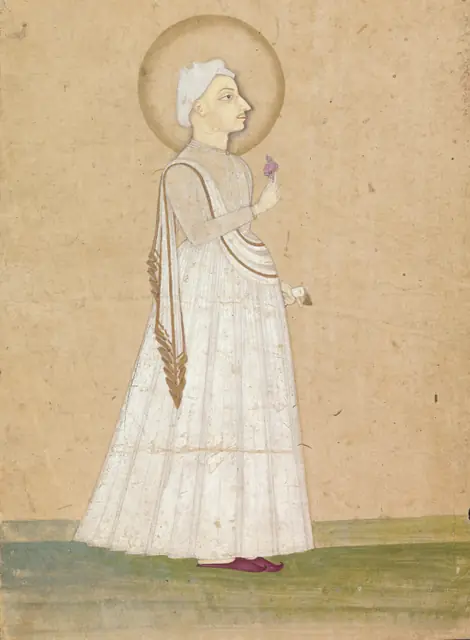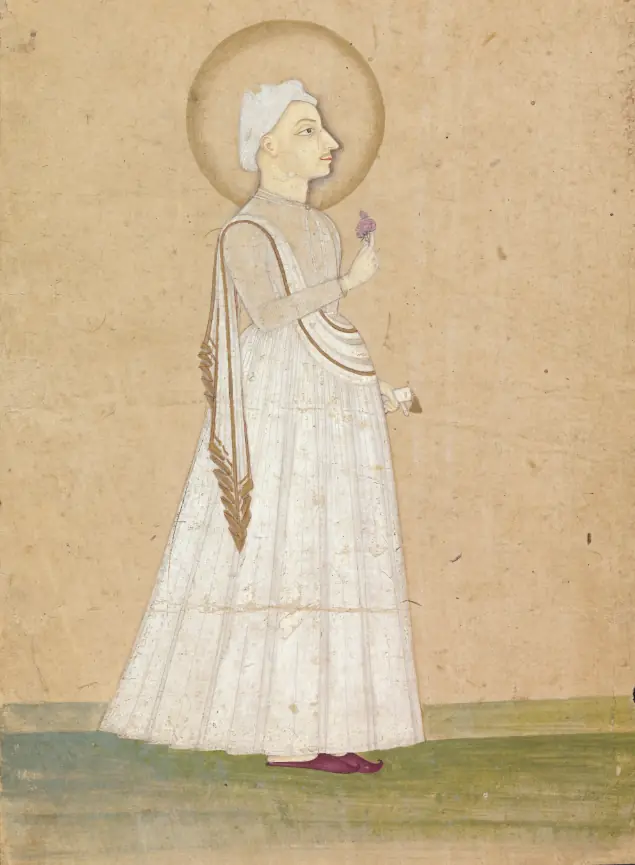
The Nizam’s army was caught crossing the Godavari and beaten; Vitthal Sundar was killed.
01Pune burnt
With the Maratha state shaken by Panipat and quarrels between Madhavrao and his uncle Raghunathrao, Nizam Ali saw his chance. In 1763 his army sacked Pune, and the Peshwa’s family had to flee. Madhavrao, not yet twenty, did not chase him straight on. He struck at the Nizam’s own country and waited for him to turn for home.
02At the river
In August 1763, with the Godavari in monsoon flood, the Nizam began to take his army across at Rakshasbhuvan. Half was over when the Marathas fell on the part still on the near bank. Vitthal Sundar, the Nizam’s diwan, was killed, and the army was cut to pieces in front of the Nizam’s eyes. The treaty that followed gave back much of what the Marathas had lost.
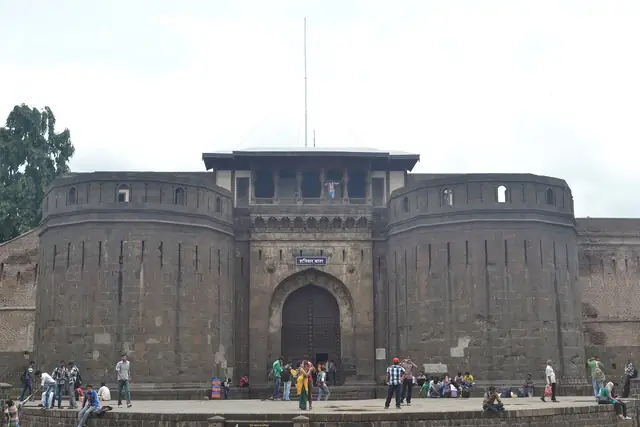
Rakshasbhuvan was the first sign that the Marathas would recover from Panipat, and it made Madhavrao’s name.