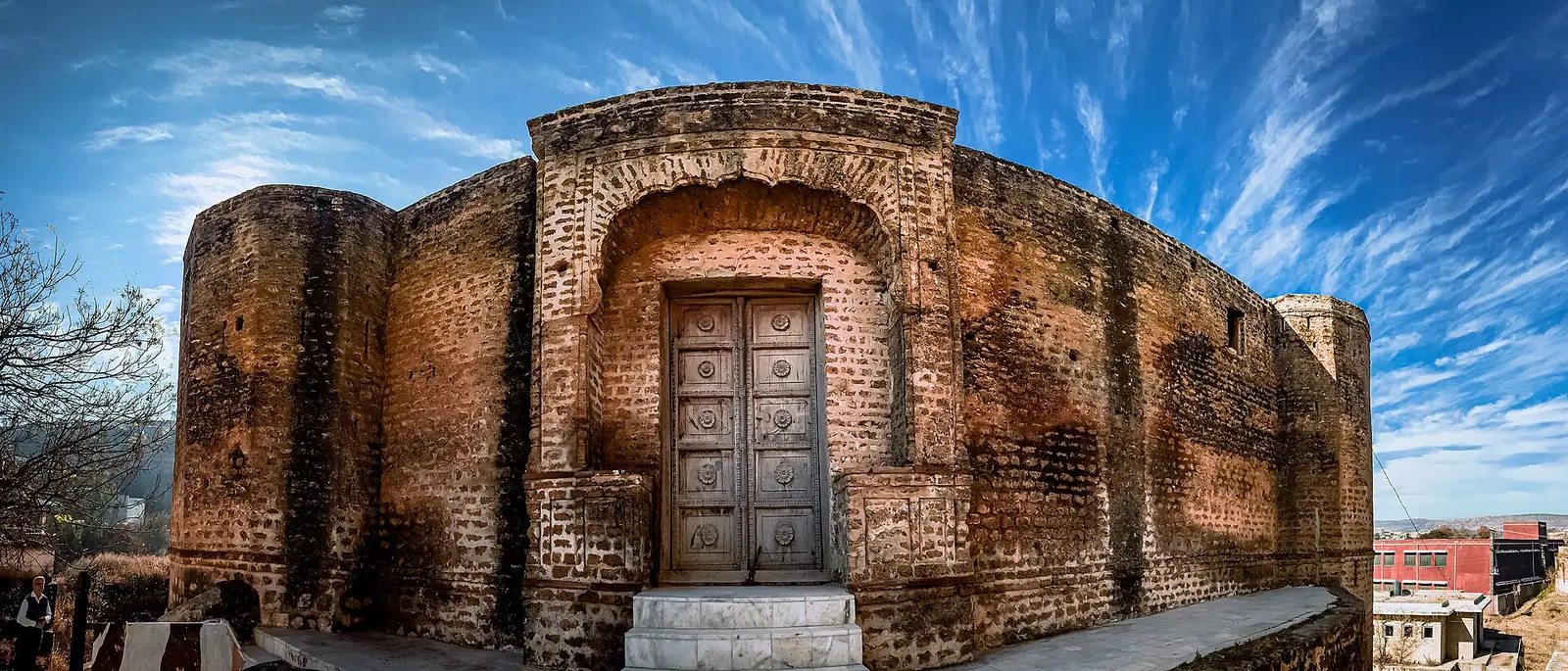
01Gandhara in Veda and Itihasa
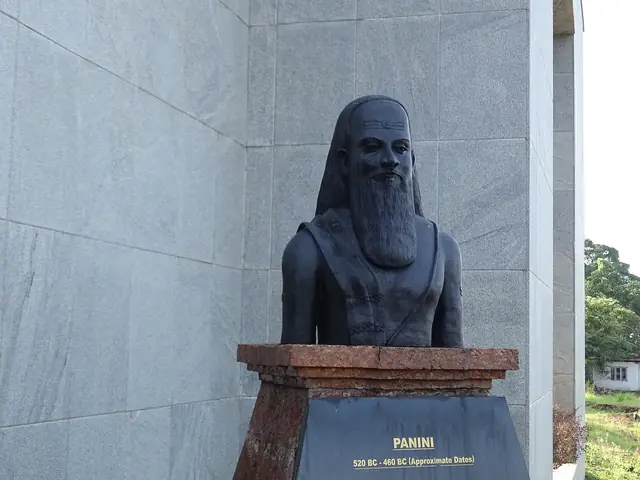
The Rigveda knows the Gandhari sheep and their wool, and the rivers of the far west. In the Mahabharata, Gandhari, the queen of Dhritarashtra and mother of the hundred Kauravas, was the princess of Gandhara, and her brother Shakuni ruled there. Gandhara is counted among the sixteen mahajanapadas, and its city of Takshashila was the most famous seat of learning in the ancient world, where students came to study the Vedas, grammar, medicine and statecraft. Panini, whose Ashtadhyayi fixed the grammar of Sanskrit, came from Shalatura near the Indus in this land.
02Persians, Greeks and Mauryas
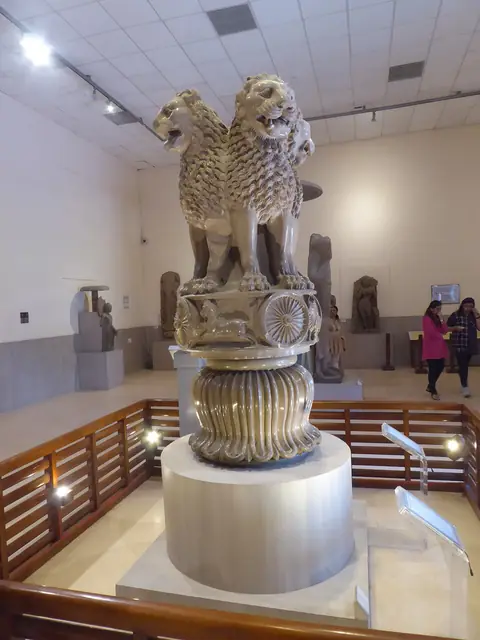
The Achaemenid Persians took Gandhara in the 6th century BCE and Alexander crossed it in 327–326 BCE. Within a generation Chandragupta Maurya, with Chanakya of Takshashila at his side, won Arachosia, Gedrosia and the Paropamisadae from Seleucus around 303 BCE, and the Maurya frontier ran to the Hindu Kush. Samrat Ashoka set up edicts at Kandahar in Greek and Aramaic, and at Shahbazgarhi and Mansehra in Kharoshthi. Later the Greek kings of Bactria struck coins with Balarama and Vasudeva-Krishna on them, and the Greek envoy Heliodorus, from Taxila, raised his Garuda pillar to Vasudeva at Vidisha.
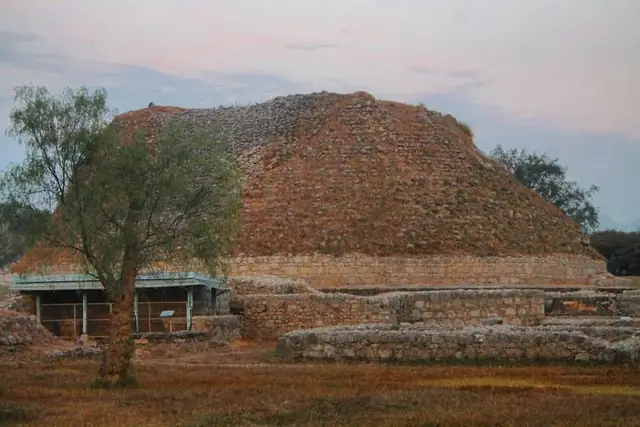
03Kushan kings and Shiva
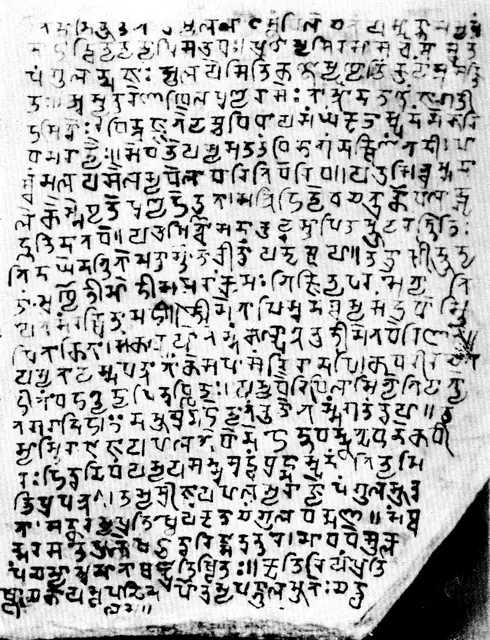
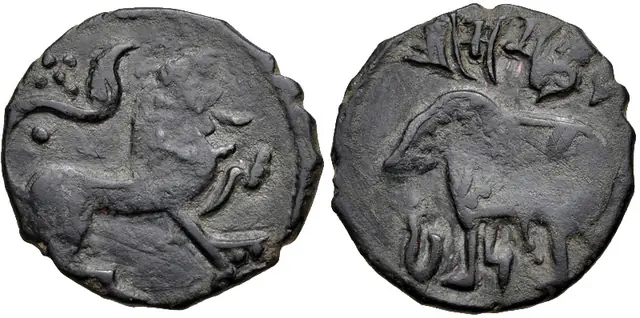
The Kushans, who ruled from Bactria to Mathura in the first centuries CE, are remembered for the Buddhist art of Gandhara, yet their coins tell another part of the story. Vima Kadphises struck gold coins with Shiva holding the trident, standing before Nandi, and Kanishka and Huvishka put Shiva on their coins under the Bactrian name Oesho, along with Skanda, Mahasena and Vishakha. The Rabatak inscription, found in Baghlan province in 1993, records that Kanishka ordered images of the gods for his temple, naming among them Umma, that is Uma, and Mahasena. Shiva was honoured on the Kushan throne beside the Buddha.
04Gardez Ganesha and Kabul’s gods
Between the 5th and 9th centuries the Kabul valley was ruled by kings the Arab writers called Kabulshah, first the Turk Shahis and then the Hindu Shahis. A white marble Ganesha found at Gardez carries a Sanskrit inscription naming its consecration under a Shahi king Khingala, and it was later kept at the Pir Rattan Nath shrine in Kabul. At Tapa Sardar near Ghazni, Italian archaeologists found a clay Durga slaying Mahishasura. Shiva, Surya and Ganesha in marble have come from sites around Kabul. Arab armies took Kabul for good only when the Saffarid Yaqub ibn al-Layth captured it in 870.
05The Hindu Shahis of Udabhandapura
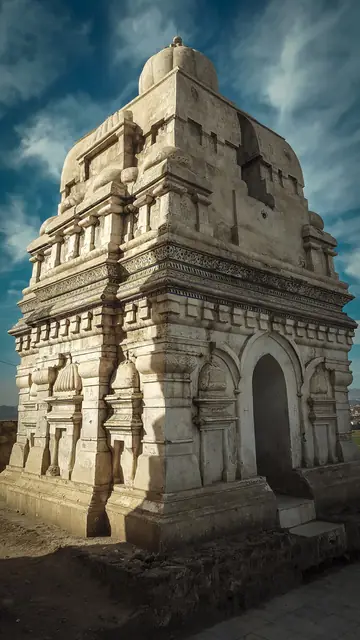
Al-Biruni, writing in his book on India around 1030, records that the last Turk Shahi king was overthrown by his Brahmin minister Kallar, who founded a new line. These Hindu Shahis ruled from Kabul and, after its loss, from Udabhandapura, today’s Hund on the Indus. Samantadeva, Bhimadeva and their successors issued silver coins with a bull and a horseman that circulated as far as Scandinavia. Kalhana’s Rajatarangini tells of their ties with Kashmir: Queen Didda of Kashmir was a granddaughter of the Shahi king Bhimadeva. Their temples, with the tall Kashmiri style of spire, still stand in the Salt Range and on the Indus.
06Jayapala to Bhimapala: the last stand
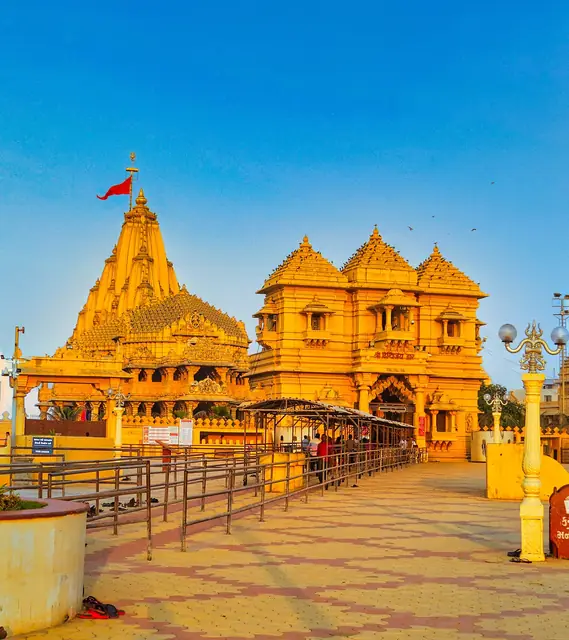
Jayapala fought Sabuktigin of Ghazni more than once in the 980s and 990s. On 27 November 1001 his army met Mahmud of Ghazni near Peshawar and was broken; Jayapala was captured, ransomed, and then, holding himself disgraced, gave up the throne and entered the fire. His son Anandapala gathered allies from across North India and fought Mahmud again near Waihind in 1008–09, and lost. Trilochanapala carried on the fight into the Shivaliks and was killed in 1021. Bhimapala, the last of the line, died in 1026, the year Mahmud sacked Somnath. For three generations the Shahis had held the western gate.
07Katas Raj, Hinglaj and Sharada
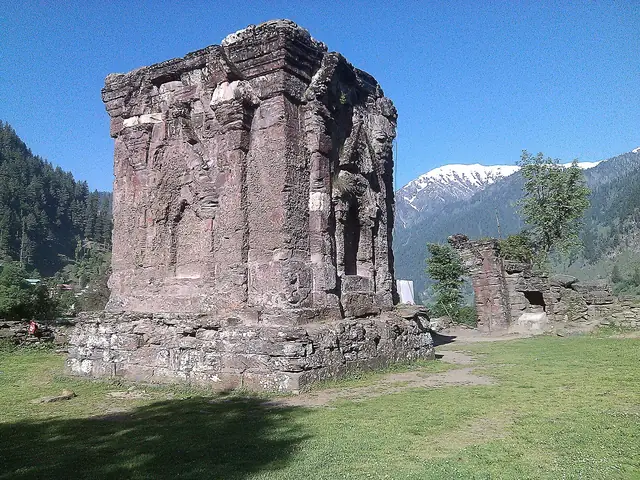
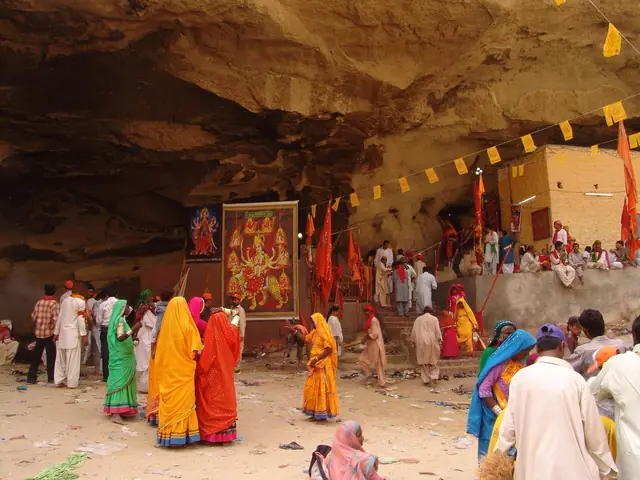
Three great tirthas remain on the far side of today’s border. At Katas Raj in the Salt Range of Punjab, a pool is held to have formed from the tears of Shiva as he grieved for Sati, and tradition places the Pandavas there in exile; a cluster of temples stands around the water. Hinglaj Mata, in a cave in the Hingol valley of Balochistan, is a Shakti Peetha, and each spring thousands of Hindus from Sindh make the yatra across the desert. Sharada Peeth, in the Neelum valley, was the temple and university of Sharada, after whom the Sharada script of Kashmir is named. It lies in ruins.
08The last Hindus of Afghanistan
Hindus and Sikhs stayed on in Kabul, Jalalabad, Ghazni and Kandahar for centuries after the Shahis fell, as traders and moneylenders. The Asamai temple on the hill of the same name in Kabul, named for the goddess Asha, was their oldest shrine, with a flame that devotees say has burned for centuries. The civil wars from 1979 drove most of them to India. After the Taliban returned in August 2021, almost all who remained left, many carrying the saroops of the Guru Granth Sahib and the murtis of their temples with them to Delhi.
In Pakistan, Hindus live mostly in Sindh, where Hinglaj, the Shiv Mandir of Umerkot and the Sadhu Bela island temple at Sukkur remain living tirthas; Katas Raj receives pilgrim groups from India for Shivaratri. In Afghanistan the community that kept the Asamai flame has almost wholly left for India since 2021.